Artichoke
epivyziva.cz/
Zobrazeno: 368

(Cynara scolymus)
The popular Mediterranean vegetable not only tastes great, but is also a rich source of polyphenols and other unique substances. This makes it one of the most effective natural substances affecting the function of the liver, gallbladder, cardiovascular system and other tissues in the body.
Description
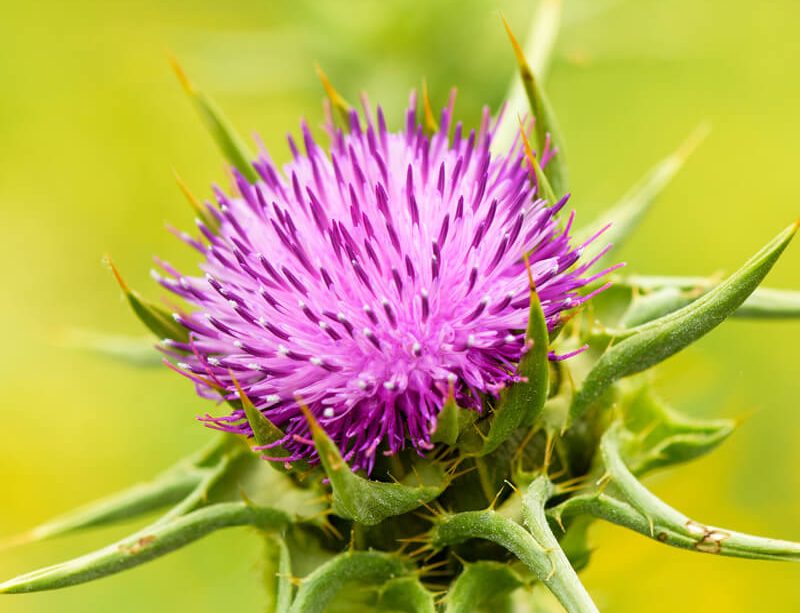
Cynara scolymus is a plant of the Asteraceae family. It is mainly found in the Mediterranean, where it is a common part of the diet – the largest producer is Italy. It also grows in warmer areas of the Czech Republic, but due to the fact that it does not tolerate frosts below -10 °C, its cultivation in our country is problematic. It looks a bit like a thistle. It has about 1 metre high stems and feathery leaves. At the top of the stalk grows a flower, which is eaten as a vegetable when immature. The flowers are purple-blue, the fruit is an achenes. (1, 2, 6)
In phytotherapy, the leaf is usually used, which is collected at the time of flowering, i.e. in July and August, less common is the use of the root. A decoction is usually prepared from the leaves, but boiled for only a short time – about 2 minutes; it is also possible to use an extract of the leaves.
History
Artichoke has been proven to have been consumed in ancient times – its depictions have been found on ancient Egyptian altars and tablets. The first written mention of it dates back to the 4th century BC, when the ancient Greek philosopher Theophrastus mentions it in his texts. In ancient Rome, it was then used not only as a favourite vegetable but also for its medicinal properties – especially to aid digestion. After that, reports of its cultivation and consumption disappear and only reappear in the 16th century. At that time it was used to treat liver disease and gout, but also as a delicacy for the upper classes. (2)
Active ingredients
Artichoke is a source of unsaturated fatty acids such as palmitic, stearic, oleic and linoleic acid. However, the high content of polyphenols, sterols, organic acids and carotenoids is also important in terms of health effects. These include rutin, quercetin, apigenin, luteolin, cynarin, caffeic acid derivatives, chlorogenic acid and its derivatives, beta-sisterol, campesterol and many other interesting substances. There are also enzymes, as well as some important vitamins and minerals, such as magnesium, potassium, manganese, copper and iron, as well as the soluble fibre inulin, which is a very effective prebiotic. The content of the active substances varies according to the parts of the plant – the highest concentration of beneficial polyphenols, for example, is found in the leaves (1, 2).
Healing effects
The active substances contained in artichoke are powerful antioxidants with anti-inflammatory effects – their anti-inflammatory effect is even comparable to drugs containing indomethacin. Many of these substances also have epigenetic effects, i.e. the ability to influence the activity of genes in our DNA. Artichoke also has a significant effect on the balance of the gut microbiome (1, 2, 14, 25).
Gallbladder, digestion
Artichoke is one of the most effective herbal substance to support gallbladder function. It very effectively affects bile production and bile flow. In one study examining the effects of intraduodenal administration of a single dose of artichoke extract, volunteers experienced an immediate increase in bile production – 127.3% in 30 minutes after administration, and 151% in 60 minutes (3).
Other studies have confirmed the overall ability of artichoke to alleviate digestive problems – after two months of taking the leaf extract, subjects with digestive problems (especially irritable bowel syndrome) experienced an average 26.4% reduction in symptoms and a 20% increase in quality of life scores (4).
The combination of artichoke and ginger proved to be very effective in aiding digestion – people who took it once a day in one study experienced a significant reduction in nausea, heaviness, bloating and other digestive problems after just 14 days (5).
Traditional phytotherapy also uses artichoke to support pancreatic function. (6)
Liver
Artichoke is also a traditional herbal remedy for supporting liver function, and modern science has confirmed its ability to do so. For example, it increases the liver’s production of the enzymes superoxide dismutase and catalase, which protect liver tissue from free radicals, and promotes its resistance to toxic chemicals (such as carbon tetrachloride). Animal studies have also shown efficacy against hepatitis (hepatitis) C virus, actively preventing it from entering liver cells (2, 8, 9).
Other studies have confirmed the effectiveness of artichoke in so-called non-alcoholic fatty liver disease, where after 2 months of taking 600 mg of the extract, there was a significant improvement in ultrasound parameters and functional liver tests, as well as in steatohepatitis. (10, 12)
Heart and blood vessels
Artichoke promotes the excretion of bile acids and their accumulation in the intestines, which is probably one of the main mechanisms by which it helps to lower cholesterol. It also inhibits the production of the enzyme HMG-CoA reductase, which is essential for cholesterol synthesis. (1)
The ability to lower cholesterol has been confirmed not only by animal studies, but also by human volunteers – for example, taking 450 mg of the extract 4 times a day resulted in an 18.6% reduction in total cholesterol and 22.9% reduction in LDL cholesterol. In another study, for example, there was a 10% reduction in blood triglyceride levels. It also protects LDL cholesterol from oxidation (1, 7).
Another interesting effect of artichoke is to promote the production of the enzyme iNOS (nitric oxide synthase). This is essential for the production of nitric oxide, a molecule that causes vasodilation, or the dilation of blood vessels. This results in a drop in blood pressure and better blood circulation throughout the body’s tissues. It has also been found to inhibit the production of angiotensin-converting enzyme, which can also result in a reduction in blood pressure, and its high potassium content can be beneficial in this regard. Artichoke can effectively reduce both systolic and diastolic blood pressure (1, 2, 13).
Gout
Two of the substances that are quite abundant in artichoke, luteolin and caffeic acid, affect the production of enzymes related to gout and help to reduce uric acid levels in the blood. (11)
Diabetes and weight loss
Artichoke may also be useful for type 2 diabetics. It helps to alleviate insulin resistance and blood glucose levels (up to 6 hours after use) and also has a positive effect on glycated haemoglobin levels. It also helps to reduce ‘postprandial glycaemia’, i.e. the rapid rise in glucose levels after a meal. This is important not only for diabetics but also for people trying to lose weight. This is because the rapid rise in glucose causes a large amount of insulin to be released. This then results in a rapid drop in glucose, followed by the onset of hunger (1, 2).
In fact, one study in which artichoke extract was given to diabetic volunteers reported not only better blood glucose control, but also a reduction in waist circumference, total fat and visceral fat, which is a significant risk factor for most diseases. At the same time, cholesterol levels were also reduced (16).
Antimicrobial activity
In addition to the aforementioned hepatitis C virus, artichoke can also destroy some bacteria – for example, E. coli, Clostridium, Campylobacter and even Staphylococcus aurelus.
Tumour diseases
Artichoke has also been shown to have anti-cancer effects, for example in breast, ovarian, bowel and liver cancer. It can also be used in conjunction with chemotherapeutic drugs to help alleviate some of their negative effects (e.g. harmful effects on the liver and kidneys) (2).
Skin and hair
Blood and lymphatic vessels in the skin, specifically the compromised integrity of their walls, play a significant role in the skin ageing process. This results in a deterioration of the supply of oxygen and nutrients to the skin cells and a slowing down of the process of removing fluids, waste substances and toxins from the intercellular space. The polyphenols in artichoke not only help protect the skin from UV radiation and harmful free radicals, but also affect the expression of ageing-related genes and the function of the vascular endothelium. As a result, the artichoke promotes the production of nitric oxide, which causes blood vessels to dilate, and also has an angiogenic effect, i.e. it contributes to the formation of new blood vessels supplying the skin. This improves the microcirculation of blood and lymph, resulting in a slowing down of the ageing process. In addition, the positive effect of artichoke extract is not only seen here when used internally, but also when applied externally, i.e. as an ingredient in skin creams (17-19).
However, UV radiation and the associated increased level of oxidative damage does not only damage the skin, but also has a negative effect on the hair follicles. The oxidative processes in the hair follicles damage melanin and proteins, which has a negative effect on both the structure of the hair and its colour (i.e. the tendency to grey, for example).
Sexuality
Men with erectile dysfunction can also benefit from taking artichoke extract. The reason here is not only to promote the production of nitric oxide, which will allow better blood circulation to the penis. The luteolin contained in it acts as a so-called phosphodiesterase inhibitor. And it is the suppression of the production of these enzymes that leads to an increase in the effect of nitric oxide in the erectile bodies of the penis, and thus an improvement in erection. Viagra and similar drugs work on the same principle. (22, 23)
Sports performance
The antioxidant effects of artichoke may also be beneficial for athletes – in research, artichoke significantly reduced oxidative damage to muscle tissue after intense exercise in athletes, allowing for shorter recovery times (24).
Use and contraindications
The use of artichoke is generally considered safe, and no serious side effects have been reported in studies – only rarely have transient digestive problems, especially bloating and flatulence, been reported. It is not recommended only for pregnant and breastfeeding women, but this is more likely due to the lack of studies conducted to confirm its safety during this period (2, 28).
However, artichoke should not be taken with antidiabetic drugs – as it lowers blood sugar levels on its own, it could cause them to drop too much. It is also inappropriate to take it with drugs that are broken down in the liver, as it may interfere with their effectiveness and side effects. It also interacts with the CYP450 gene, so caution is advisable with drugs that are metabolised with the involvement of this gene group. Last but not least, it should be avoided by people with allergies to plants in the star family (29).
In terms of dosing, doses ranging from 600 mg to 2 700 mg (usually divided into smaller portions taken throughout the day) have typically been used in clinical trials (2).
Suitable combinations
Liver: artichoke + thistle (32), artichoke + chicory (26)
Digestion: artichoke + ginger (5)
Cancer: artichoke + curcumin + rosemary + dandelion (30), artichoke + omega-3 (27)
Antioxidant effect: artichoke + curcumin + rosemary + dandelion (30)
Heart and blood vessels: artichoke + curcumin + prickly pear + garlic (31), artichoke + omega-3 (1)
Diabetes: artichoke + white beans (1)
Weight loss: artichoke + white beans (1)
0:00
/
0:00
Stárnutí je volba
Klíčová slova: anti-age effect, antioxidant, Artichoke, blood pressure, caffeic acid, chlorogenic acid, cholesterol, diabetes, DNA, erections, gallbladder, glycated hemoglobin, gut microbiome, hair, inflammation, insulin resistance, liver, luteolin, nitric oxide, regeneration, skin, uric acid, weight loss
Komentáře
Seznam zdrojů
- Kamal Patel. Artichoke Extract. Examine. September 28, 2022. https://examine.com/supplements/artichoke-extract/research/
- Artichoke. Medically reviewedby Drugs.com. Last updated on Dec 22, 2022. https://www.drugs.com/npp/artichoke.html
- Kirchhoff R et al Increase in choleresis by means of artichoke extract. Phytomedicine. 1994 Sep;1(2):107-15
- Bundy R et al. Artichoke leaf extract reduces symptoms of irritable bowel syndrome and improves quality of life in otherwise healthy volunteers suffering from concomitant dyspepsia: a subset analysis. J Altern Complement Med. 2004 Aug;10(4):667-9.
- Giacosa A et al. The Effect of Ginger (Zingiber officinalis) and Artichoke (Cynara cardunculus) Extract Supplementation on Functional Dyspepsia: A Randomised, Double-Blind, and Placebo-Controlled Clinical Trial. Alternat Med. 2015;2015:915087.
- Jiří Janča, Josef A. Zentrich. Herbář léčivých rostlin, Díl 1, str. 116-119. Eminent 1994
- Englisch W, Beckers C, Unkauf M, Ruepp M, Zinserling VEfficacy of Artichoke dry extract in patients with hyperlipoproteinemia. Arzneimittelforschung.(2000 Mar)
- Colak E, Ustuner MC, Tekin N, et al. The hepatocurative effects of Cynara scolymus L. leaf extract on carbon tetrachloride-induced oxidative stress and hepatic injury in rats. Springerplus. 2016;5:216.27026910
- Elsebai MF, Abass K, Hakkola J, Atawia AR, Farag MA. The wild Egyptian artichoke as a promising functional food for the treatment of hepatitis C virus as revealed via UPLC-MS and clinical trials. Food Funct. 2016;7(7):3006-3016.27296047
- Panahi Y, Kianpour P, Mohtashami R, et al. Efficacy of artichoke leaf extract in non-alcoholic fatty liver disease: A pilot double-blind randomized controlled trial. Phytother Res. 2018;32(7):1382-1387.29520889
- Sarawek S, Feistel B, Pischel I, Butterweck V. Flavonoids of Cynara scolymus possess potent xanthinoxidase inhibitory activity in vitro but are devoid of hypouricemic effects in rats after oral application. Planta Med. 2008;74(3):221-227.18300193
- Rangboo V, Noroozi M, Zavoshy R, Rezadoost SA, Mohammadpoorasl A. The effect of artichoke leaf extract on alanine aminotransferase and aspartate aminotransferase in the patients with nonalcoholic steatohepatitis. Int J Hepatol. 2016;2016:4030476.27293900
- Mozhgan Moradi, Ghazale Sohrabi, Mojgan Golbidi, Samira Yarmohammadi, Niloofar Hemati, Marilyn S Campbell, Sajjad Moradi, Mohammad Ali Hojjati Kermani, Mohammad Hosein Farzaei. Effects of artichoke on blood pressure: A systematic review and meta-analysis. Complement Ther Med. 2021 Mar:57:102668.
- https://www.healthline.com/nutrition/artichoke-benefits#TOC_TITLE_HDR_4
- Adele Costabile, Sofia Kolida, Annett Klinder, Eva Gietl, Michael Bäuerlein, Claus Frohberg, Volker Landschütze, Glenn R Gibson. A double-blind, placebo-controlled, cross-over study to establish the bifidogenic effect of a very-long-chain inulin extracted from globe artichoke (Cynara scolymus) in healthy human subjects. Br J Nutr. 2010 Oct;104(7):1007-17.
- Mariangela Rondanelli, Antonella Riva, Giovanna Petrangolini, Pietro Allegrini, Luisa Bernardinelli, Teresa Fazia, Gabriella Peroni, Clara Gasparri, Mara Nichetti, Milena Anna Faliva, Maurizio Naso, and Simone Perna. The Metabolic Effects of Cynara Supplementation in Overweight and Obese Class I Subjects with Newly Detected Impaired Fasting Glycemia: A Double-Blind, Placebo-Controlled, Randomized Clinical Trial. Nutrients. 2020 Nov; 12(11): 3298.
- El Assar M., Angulo J., Rodríguez-Mañas L. Oxidative stress and vascular inflammation in aging. Free Radic. Biol. Med. 2013;65:380–401.
- Ryan T. The ageing of the blood supply and the lymphatic drainage of the skin. Micron. 2004;35:161–171.
- Isabella D’Antuono, Antonietta Carola, Luigi M. Sena, Vito Linsalata, Angela Cardinali, Antonio F. Logrieco, Maria Gabriella Colucci, and Fabio Apone. Artichoke Polyphenols Produce Skin Anti-Age Effects by Improving Endothelial Cell Integrity and Functionality. Molecules. 2018 Nov; 23(11): 2729.
- Nogueira AC, Dicelio LE, Joekes IAbout photo-damage of human hairPhotochem Photobiol Sci.(2006 Feb)
- Fernández E, Martínez-Teipel B, Armengol R, Barba C, Coderch LEfficacy of antioxidants in human hairJ Photochem Photobiol B.(2012 Oct 13)
- Yu MC, Chen JH, Lai CY, Han CY, Ko WCLuteolin, a non-selective competitive inhibitor of phosphodiesterases 1-5, displaced {3H}-rolipram from high-affinity rolipram binding sites and reversed xylazine/ketamine-induced anesthesiaEur J Pharmacol.(2010 Feb 10)
- Ko WC, Shih CM, Lai YH, Chen JH, Huang HLInhibitory effects of flavonoids on phosphodiesterase isozymes from guinea pig and their structure-activity relationshipsBiochem Pharmacol.(2004 Nov 15)
- Skarpanska-Stejnborn A, Pilaczynska-Szczesniak L, Basta P, Deskur-Smielcka E, Horoszkiewicz-Hassan M. The influence of supplementation with artichoke (Cynara scolymus L.) extract on selected redox parameters in rowers. Int J Sport Nutr Exerc Metab. 2008;18(3):313-327.18562776
- Ben Salem M, Affes H, Athmouni K, et al. Chemical compositions, antioxidant and anti-inflammatory activity of Cynara scolymus leaves extracts, and analysis of major bioactive polyphenols by HPLC. Evid Based Complement Alternat Med.
- Mohafrash S.M.M., Mossa A.T.H. Herbal syrup from chicory and artichoke leaves ameliorate liver damage induced by deltamethrin in weanling male rats. Environ. Sci. Pollut. Res. 2020;27:7672–7682.
- N.S. Metwally 1, T.E. Kholeif 2, K.Z. Ghanem 3, A.R.H. Farrag 4, N.M. Ammar 1, A.H.Z. Abdel-Hamid 1. The protective effects of fish oil and artichoke on hepatocellular carcinoma in rats. Eur Rev Med Pharmacol Sci. Year: 2011 Vol. 15 – N. 12 Pages: 1429-1444
- https://www.healthline.com/nutrition/artichoke-benefits#TOC_TITLE_HDR_11
- https://www.herbalreality.com/herb/artichoke/
- L. Menghini, s. Genovese, f. Epifano, b. Tirillinp, c. Ferrante and l. Leporini. Antiproliferative, protective and antioxidant effects of artichoke, dandelion, turmeric and rosemary extracts and their formulation. International journal of immunopathology and pharmacology. Vol. 23, no. 2,601-610 (2010).
- Nidal A. Qinna, Basma S. Kamona, Tawfiq M. Alhussainy, Hashem Taha, Adnan A. Badwan, and Khalid Z. Matalka. Effects of Prickly Pear Dried Leaves, Artichoke Leaves, Turmeric and Garlic Extracts, and Their Combinations on Preventing Dyslipidemia in Rats. ISRN Pharmacol. 2012; 2012: 167979.
- Ghada Elgarawany a kol. Hepatoprotective effect of artichoke leaf extracts in comparison with silymarin on acetaminophen-induced hepatotoxicity in mice. November 2019. Journal of Immunoassay and Immunochemistry41(1):1-13