Ashwagandha
epivyziva.cz/
Zobrazeno: 94
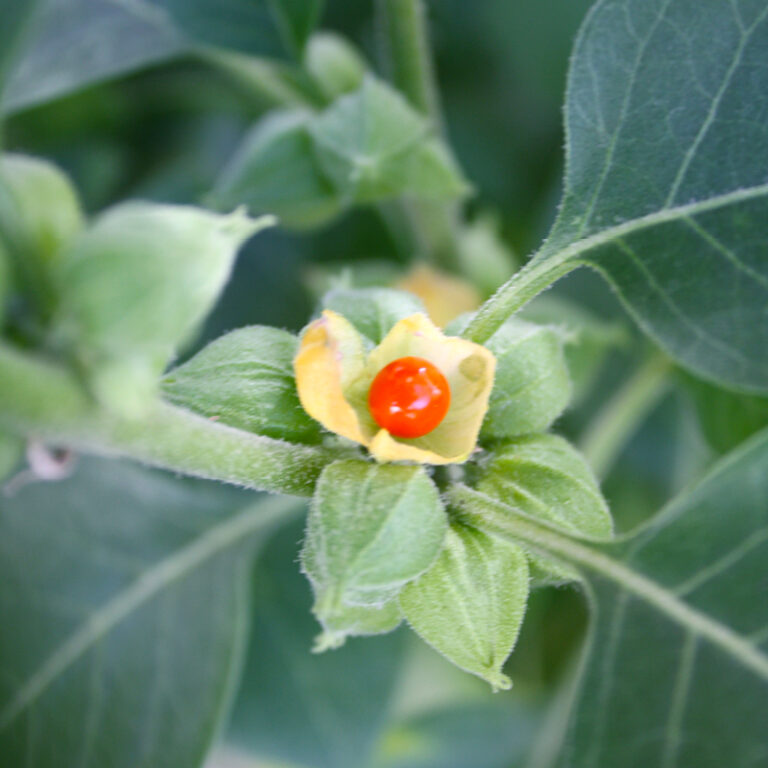
(Withania somnifera)
Do you need to have more energy and better physical and mental performance, but also calm down, sleep better and relax more effectively? It might seem that no herb can meet the two conflicting demands of energizing and calming, yet one such herb exists: vitania snodarum, or ashwagandha. And it does so much more!
Description
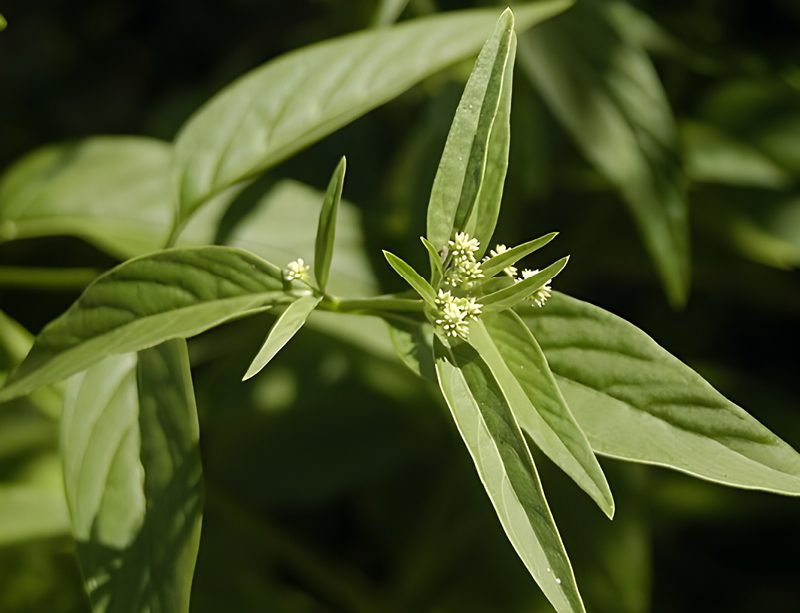
Vitania is a genus comprising 19 species of plants. The best known of these is the snodar vitania. It is a perennial shrub growing up to 120 cm tall. It has greyish-coloured oblong leaves with a hairy surface, yellowish-green flowers and red berry-shaped fruits about 6 mm in diameter.
Withania got its Latin genus name in honour of the eminent 19th century British geologist and botanist Henry Witham, the generic name “snodar” (Lat. somnifera) refers to the plant’s ability to promote sleep. However, the plant is better known by its original name ‘ashwagandha’, which comes from Sanskrit and means ‘scent of the horse’. This refers to the particular smell that the plant emits. Because of its adaptogenic effects, it is also sometimes called “Indian ginseng”.
The root is usually used for treatment, less often the leaves, seeds or flowers (4).
History
Ashwagandha is one of the most important medicinal plants of the traditional Indian Ayurvedic system of medicine. It has been used for several thousand years and is mentioned, for example, in the ancient Sanskrit text Atharvaveda, one of the four basic collections of the Vedas dating from 1500-1000 BC (3).
In traditional Ayurvedic medicine, ashwagandha root is used as an aphrodisiac, tonic (even for children), a means of slowing cognitive decline with age, and a treatment for insomnia, rheumatism, nervous disorders, constipation and goiter, or to remove parasites from the digestive system. The paste made by mixing the powder of the root with water is also applied externally, for example to ulcers or swollen and painful joints. The leaves are recommended, for example, for fever or edema. The flowers are astringent, diuretic and aphrodisiac.
Active ingredients
Eighty active substances have been described so far, some of which are quite unique. These include alkaloids such as isopelletierine, anaferine, anahygrin, withasomnine, cuscohygrin, ashwagandhin or ashwagandhinine, steroidal lactones (withanolides A-Y, withanosides, withaferines, withasomniferines A-C andothers), phytosterols, flavonoids, saponins (sitoindosides), oligosaccharidesor tannins.(2, 3)
Healing effects
Vitania has significant adaptogenic, strengthening, immunomodulating and soothing effects. It is most commonly used to relieve stress and anxiety, but also for overall strengthening or improving physical and mental performance. It can act relatively quickly (e.g. due to its ability to bind to GABA receptors), but it also has epigenetic effects. It can thus be useful for a whole range of problems.
Mental performance
Aswagandha is a very effective remedy for increasing mental performance. For example, when it was given for 10 weeks to a group of 60 adults in one study, they showed a significant improvement in memory, attention and information processing speed compared to a control group. Other research has demonstrated its ability to improve mental performance, memory attention and reaction time in people with mild cognitive dysfunction (15, 16).
Sleep
Vitania can also be a very effective weapon for sleep problems. It improves both the ability to fall asleep and the overall sleep time and quality. In addition, when it was given to a group of elderly people (600 mg daily for 12 weeks), they not only experienced a significant improvement in sleep quality compared to the placebo group, but also felt more rested and better focused immediately after waking up. Improvements in sleep quality were also noted in the university students (17, 18, 30).
The reason for the beneficial effect of vitania on sleep is both its ability to relieve anxiety and its direct effect on the activity of certain genes controlling circadian rhythms or the internal clock. In fact, their disruption is a common cause of sleep problems (20).
Immunity and antimicrobial effect
Ashwagandha root extract works against a wide range of harmful microorganisms, be it bacteria, viruses or fungi and yeasts. For example, it has been shown to suppress the multiplication of golden staphylococcus, salmonella, E. coli and other types of bacteria, as well as yeasts including Candida albicans. It also increases the efficiency of the immune system, both by promoting the production of antibodies and by directly affecting a number of immune cell types (1, 4).
Inflammatory diseases
A number of substances contained in vitania have significant anti-inflammatory effects due to their ability to suppress the production of certain inflammatory cytokines, such as TNF-α, IL-1ß or IL-6, as well as the enzyme COX-2, which is involved in the production of inflammatory prostaglandins. Some of the active substances are also very potent antioxidants (1).
It is particularly effective in various types of rheumatic disorders. For example, one of the active ingredients, withaferin A, was able to relieve the symptoms of rheumatoid arthritis, such as inflammation, pain and swelling, as effectively as commonly used drugs (e.g. hydrocortisone sodium succinate or indomethacin) in animal experiments. Both the root and the leaf of vitania have anti-inflammatory effects (1, 5).
Anti-tumour action
Ashwagandha also has strong anti-cancer effects. For example, withanolides derived from the plant were able to suppress the growth of colon and breast cancer cell lines more effectively than the known anti-cancer drug doxorubicin in one study. Ashwagandha suppresses excessive proliferation (i.e. rapid, uncontrolled cell division), angiogenesis (i.e. the formation of new blood vessels needed to supply a growing tumour) and its anti-inflammatory and antioxidant effects also play a role (1, 6).
However, the effectiveness of the herb has also been confirmed in nervous system tumours, lymphoma, prostate, lung and leukaemia. Both leaf and root extracts have shown anti-tumour activity in studies, with the leaf extract proving more effective in prostate and lung tumours (7-9).
Neurodegenerative diseases
Animal experiments show that ashwagandha could also be effective in the prevention and treatment of neurodegenerative diseases such as Alzheimer’s, Parkinson’s or Huntington’s disease. In fact, its active substances significantly promote the proliferation and protection of nerve cells, as well as the regeneration processes when they are damaged or the growth of neuronal processes. Similarly, they have been effective in alleviating the decline in mental performance due to post-traumatic stress disorder. (10-12)
Stress
Ashwagandha is also one of the very powerful adaptogens, i.e. a means capable of alleviating the negative effects of mental and physical stress. It also increases vitality and relieves fatigue.
Volunteers in the studies who took 250 or 600 mg of the extract for 8 weeks experienced not only a reduction in the experience of stress, but also a measurable decrease in blood levels of the stress hormones cortisol and corticosterone. Taking vitania helps to reduce stress hormone levels and also normalizes blood glucose and triglyceride levels elevated by stress. Moreover, in experiments on rats exposed to acute physical stress, administration of vitania extract resulted in a reduction in blood glucose, triglyceride, lactic acid and uric acid levels, as well as a reduction in the degree of inflammation and adrenal hypertrophy resulting from stress. (1, 13, 14, 19, 20)
Psychological difficulties
Ashwagandha is also very effective in relieving anxiety and depression. Relief of anxiety has been observed in studies when 240 mg of the root extract was taken for 60 days (or when 12 g of the root powder was given), but better results were achieved when 600 mg of the extract was taken daily. The reason for the beneficial effects of vitania in anxiety is probably due to the ability of some of the active constituents of vitania to bind to type A GABA receptors in the brain, thereby reducing excessive excitation of nerve cells. But Ashwagandha also reduces the rate of inflammation and oxidative damage in the brain. (20)
The antidepressant effect of vitania is probably due to a combination of its antioxidant and anti-inflammatory effects, together with its ability to affect serotonin levels. In fact, studies have shown that withanolide A binds to serotonin receptors and serotonin transporters more readily than serotonin itself or the frequently used SSRI-type antidepressant fluoxetine. Some research even suggests the possible efficacy of vitania in schizophrenia. (20, 21)
In one study, it also improved mental performance in people with bipolar disorder, can help with obsessive-compulsive disorder, and is suitable for anxiety relief in addiction treatment, whether it be smoking cessation or alcohol treatment (1, 20, 21, 23, 30).
Sports performance
A number of studies have shown that ashwagandha can effectively influence athletic performance. For example, it helps to increase testosterone levels, muscle strength, muscle mass or VO2max (maximal oxygen consumption), which is considered one of the main indicators of endurance. It also improves the rate of recovery after exercise (23, 30).
Male sexuality and fertility
Aswagandha is used in Ayurvedic medicine as an aphrodisiac and fertility aid, and these effects have been confirmed by modern research. One reason for this is its ability to increase the production of the hormone DHEA-S (dihydroepiandosterone), which is produced mainly in the adrenal glands. It has anabolic effects, improves energy production in the mitochondria (which is why it is considered to slow ageing), and also plays an important role in the production of male and female sex hormones. Ashwagandha also directly promotes an increase in testosterone levels. In one study, for example, it was administered to men aged 40-70 years who were overweight and suffering from mild fatigue, and after 8 weeks, they showed an increase in both DHEA-S (by an average of 18%) and testosterone (by 14.7%) (23-25).
Further research has shown the ability of ashwagandha to increase sperm quantity, sperm content and sperm motility, so it may be suitable for male fertility support (23).
Women’s health, sexuality, menopause
Vitania positively affects the hormonal balance in women as well. Its consumption has a positive effect on female sexuality, where it helps both to increase the appetite for sex and to improve the moistening of the vagina or the ability to achieve orgasm. The ability to optimise ovarian function and regulate sex hormone levels can also lead to increased female fertility or improved regulation of the menstrual cycle (29).
A double-blind clinical study has also demonstrated the positive effects of vitania in menopause. Women who took it (300 mg twice daily for 8 weeks) experienced a reduction in the intensity and frequency of hot flashes and urinary and genital problems, as well as an increase in estradiol, FSH and luteinizing hormone levels and an improvement in overall quality of life scores. (28)
Diabetes
Vitania is also very suitable for diabetics because it supports the ability of cells to take up and use glucose from the blood. A total of 24 studies (including 5 clinical studies) have shown that its use leads to a decrease in blood glucose, glycated haemoglobin and triglyceride levels, as well as an improvement in insulin production. (26)
Heart and blood vessels
Ashwaganha has a cardioprotective effect. Animal experiments have also shown that it can alleviate the effects of myocardial infarction and other causes of ischemia (i.e., inadequate tissue oxygenation). One clinical study also confirmed the ability to lower cholesterol levels and improve blood formation after taking 3 g of the root powder for a year. A cardioprotective effect has also been demonstrated in athletes (1)
Arthrosis
One of the clinical studies has also shown a positive effect on joint pain caused by arthrosis. Volunteers suffering from this degenerative joint disease experienced a reduction in pain and swelling, an increase in mobility, and even a slowing of articular cartilage degradation after taking vitania (27).
Thyroid gland
Ashwagandha is also effective in addressing milder forms of thyroid hypofunction, helping to stabilize thyroid hormone levels and other indicators (30).
Antitoxic effects
One of the traditional uses of vitania is to help with snake bites, and this ability has been confirmed by modern science. Glycoproteins isolated from vitania, for example, have demonstrated the ability to counteract the effects of cobra or viper venom. Ashwagandha also reduces liver damage due to certain toxic substances and free radicals. (4)
Effect on plants
Ashwagandha benefits not only humans but also plants. Extracts from the roots and leaves, for example, act as an insecticide, pesticide and herbicide.
Use and contraindications
The usual dosage for vitania extract is between 250 and 1250 mg/day, which can be taken fasting or with food. It is more often taken in the evening. Powder from the root or other parts of the plant can also be taken and mixed with water, honey or milk. (1, 23, 36)
Vitania is generally well tolerated. In the majority of studies evaluating its safety, there were no negative side effects (e.g., at a dose of 300 mg per day for 8 weeks), but some studies have noted the occasional occurrence of less serious side effects such as drowsiness, dizziness, or nausea. Use in children and pregnant women has also been assessed as safe, but caution should be exercised in both groups, as higher doses may increase the risk of miscarriage, particularly in the early stages of pregnancy. In animal studies, signs of toxicity have been observed at doses as low as 2 000 mg of extract per kilogram of weight. In general, however, the consumption of all dietary supplements, not excluding vitania, should always be consulted with the attending physician. (20, 22, 30)
3 months is considered a safe period of use, but there are not enough studies to confirm safety in the case of long-term use (23).
In addition, caution is in order when taking any medication. Some of the active ingredients of ashwagandha can slightly affect their absorption, thus altering their effectiveness and increasing the incidence of negative side effects of many drugs. At the same time, combining it with drugs that act through similar mechanisms should be avoided, especially with certain drugs for depression and anxiety (SSRIs, imipramine, benzodiazepines, barbiturates, etc.), antidiabetics and anticonvulsants (antiepileptic drugs). It is also not suitable for people suffering from hormone-related prostate tumours, liver problems (individual cases of their worsening while taking vitania have been reported), increased thyroid function and before planned surgical procedures. Although beneficial effects have been demonstrated in rheumatoid arthritis, this herb is not usually recommended for those suffering from autoimmune diseases due to its immunostimulatory effects (20, 23, 30).
Ashwagandha probably has good bioavailability. Although studies in human volunteers are still insufficient in this respect, in experiments in rats, however, there was a good distribution of the active substances into the blood plasma as well as into most tissues throughout the body (e.g. lungs, kidneys, liver or spleen) after consumption of vitania. They have also been found in the brain, but in significantly lower concentrations than in the rest of the body. (20)
Suitable combinations
Immunity: ashwagandha + ginger + amla (31), ashwagandha + chaga (39), ashwagandha + reishi (39), ashwagandha + cordyceps (39)
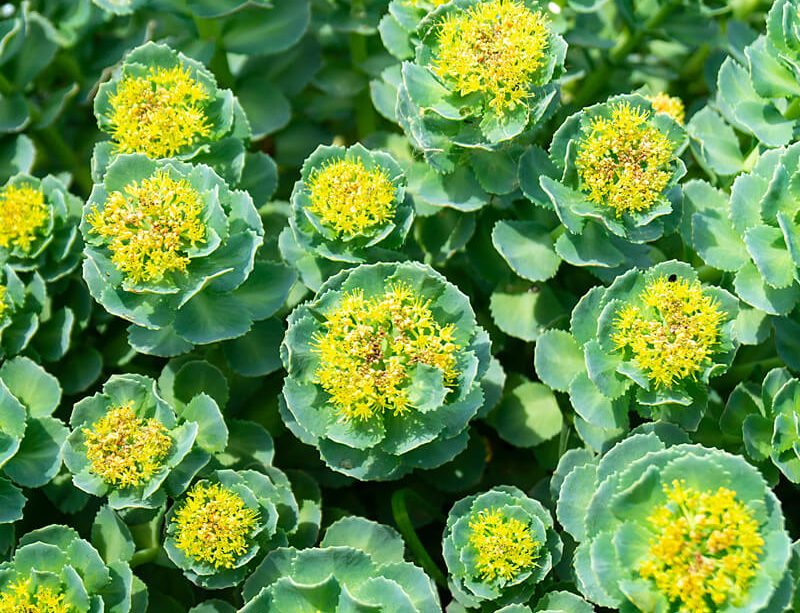
Brain and nerves: ashwagandha + brahmi (Bacopa monnieri) + choline (32), ashwagandha + Myristica fragrans (33), ashwagandha + magnesium (41), ashwagandha + rhodiola (43)
Anxiety: ashwagandha + L-theanine (34)
Depression: ashwagandha + tulsi (Indian basil) (35), ashwagandha + tryptophan (42), ashwagandha + rhodiola (43)
Stress: ashwagandha + tulsi (Indian basil) (35), ashwagandha + chaga (39), ashwagandha + reishi (39), ashwagandha + cordyceps (39), ashwagandha + rhodiola (43)
Hormonal balance: ashwagandha + gotu kola (35)
Testosterone: ashwagandha + anemone (40)
Menopause: ashwagandha + guduchi (Tinospora cordifolia) (37),
Cancer: ashwagandha + guduchi (38)
Sports performance: ashwagandha + chaga (39), ashwagandha + reishi (39), ashwagandha + cordyceps (39)
Sleep: ashwagandha + magnesium (41), ashwagandha + tryptophan (42)
0:00
/
0:00
Stárnutí je volba
Klíčová slova: adaptogen, addiction, Alzheimer's disease, anxiety, ashwagandha, cancer, depression, endurance, Fatigue, fertility, Huntington's disease, insomnia, menopause, mental performance, obsessive compulsive disorder, Parkinson's disease, schizophrenia, sleep, Smoking, sperm, sports performance, strength, stress, testosterone, vitality, vitania
Komentáře
Seznam zdrojů
-
- Sumaira Saleem, Gulzar Muhammad, Muhammad Ajaz Hussain, Muhammad Altaf, Syed Nasir Abbas Bukhari. Withania somnifera L.: Insights into the phytochemical profile, therapeutic potential, clinical trials, and future prospective. Iran J Basic Med Sci. 2020 Dec;23(12):1501–1526.
- https://en.wikipedia.org/wiki/Withania
- Zdeňka Navrátilová, Jiří Patočka. Ashwagandha a Withanolidy. Toxikology 4. 9. 2013. https://www.toxicology.cz/modules.php?name=News&file=article&sid=601
- Narendra Singh, Mohit Bhalla, Prashanti de Jager, Marilena Gilca. An Overview on Ashwagandha: A Rasayana (Rejuvenator) of Ayurveda. Afr J Tradit Complement Altern Med. 2011 Jul 3;8(5 Suppl):208–213.
- Rastogi RP, Mehrotra BN. Compendium of Indian medicinal plants, 2nd Reprint, Central Drug Research Institute, Lucknow and National Institute of Science Communication, Council of Scientific and Industrial Research. New Delhi ; 1998. pp. 434–436.
- Jayaprakasam B, Zhang Y, Seeram NP, Nair MG. Growth inhibition of human tumor cell lines by withanolides from Withania somnifera leaves. Life Sci. 2003;74:125–132.
- Christina A, Joseph DG, Robert SJ, Chidambaranathan N, Ramasam M. Anticarcinogenic activity of Withania somnifera Dunal against Dalton’s ascetic lymphoma. J Ethanopharma. 2004;93:359–361.
- Zhang H, Samadi AK, Cohen MS, Timmermann BN. Antiproliferative withanolides from the solanaceae: a structure–activity study. Pure App Chem. 2012;84:1353–1367.
- Yadav CS, Kumar V, Suke SG, Ahmed RS, Mediratta PK, Banerjee BD. Propoxur–induced acetylcholine esterase inhibition and impairment of cognitive function: attenuation by Withania somnifera. Ind J Biochem Biophy. 2010;47:117–120.
- Ahmad M, Saleem S, Ahmad AS, Ansari MA, Yousuf S, Hoda MN, et al. Neuroprotective effects of Withania somnifera on 6–hydroxydopamine induced parkinsonism in rats. Human Exp Tox. 2005;24:137–147.
- Naidu PS, Singh A, Kulkarni SK. Effect of Withania somnifera root extract on reserpine–induced orofacial dyskinesia and cognitive dysfunction. Phytother Res. 2006;20:140–146.
- Alzoubi KH, Al–Hilo AS, Al–balas QA, El–Salem K, El–Elimat T, Alall FQ. Withania somnifera root powder protect against post traumatic stress disorder induced memory impairment. Mol Bio Rep. 2019;46:4709–4715.
- Dadkar VN, Ranadive NU, HL Dhar. Evaluation of antistress (adaptogen) activity of Withania somnifera (Ashwagandha) Ind J Clin Biochem. 1987;2:101–108
- Anju Adaptogenic and anti–stress activity of Withania somnifera in stress induced mice. Res J Pharma Bio Chem Sci. 2011;2:676–684.
- Qin Xiang Ng , Wayren Loke, Nadine Xinhui Foo, Weng Jun Tan, Hwei Wuen Chan, Donovan Yutong Lim, Wee Song Yeo. Phytother Res. 2020 Mar;34(3):583-590.
- Qin Xiang Ng , Wayren Loke, Nadine Xinhui Foo, Weng Jun Tan, Hwei Wuen Chan, Donovan Yutong Lim, Wee Song Yeo. A systematic review of the clinical use of Withania somnifera (Ashwagandha) to ameliorate cognitive dysfunction. Phytother Res. 2020 Mar;34(3):583-590.
- Sunil B Kelgane, Jaysing Salve, Prasanthi Sampara, Khokan Debnath. Efficacy and Tolerability of Ashwagandha Root Extract in the Elderly for Improvement of General Well-being and Sleep: A Prospective, Randomized, Double-blind, Placebo-controlled Study. Cureus. 2020 Feb 23;12(2):e7083.
- Kae Ling Cheah, Mohd Noor Norhayati, Lili Husniati Yaacob, Razlina Abdul Rahman. Effect of Ashwagandha (Withania somnifera) extract on sleep: A systematic review and meta-analysis. PLoS One. 2021 Sep 24;16(9):e0257843.
- Jaysing Salve, Sucheta Pate, Khokan Debnath, Deepak Langade. Adaptogenic and Anxiolytic Effects of Ashwagandha Root Extract in Healthy Adults: A Double-blind, Randomized, Placebo-controlled Clinical Study. Cureus. 2019 Dec 25;11(12):e6466.
- Alex B Speers, Kadine A Cabey, Amala Soumyanath*, Kirsten M Wright. Effects of Withania somnifera (Ashwagandha) on Stress and the Stress-Related Neuropsychiatric Disorders Anxiety, Depression, and Insomnia. Curr Neuropharmacol. 2021 Sep 14;19(9):1468–1495.
- Gannon J.M., Brar J., Rai A., Chengappa K.N.R. Effects of a standardized extract of Withania somnifera (Ashwagandha) on depression and anxiety symptoms in persons with schizophrenia participating in a randomized, placebo-controlled clinical trial. Ann. Clin. Psychiatry. 2019;31(2):123–129.
- Tandon N., Yadav S.S. Safety and clinical effectiveness of Withania somnifera (Linn.) Dunal root in human ailments. J. Ethnopharmacol. 2020;255:112768.
- https://www.healthline.com/nutrition/ashwagandha#athletic-performance
- https://cs.wikipedia.org/wiki/Dehydroepiandrosteron
- Adrian L Lopresti, Peter D Drummond, Stephen J Smith. A Randomized, Double-Blind, Placebo-Controlled, Crossover Study Examining the Hormonal and Vitality Effects of Ashwagandha (Withania somnifera) in Aging, Overweight Males. Am J Mens Health. 2019 Mar 10;13(2):1557988319835985.
- Sharanbasappa Durg , Sachin Bavage , Shivakumar B Shivaram. Withania somnifera (Indian ginseng) in diabetes mellitus: A systematic review and meta-analysis of scientific evidence from experimental research to clinical application. Phytother Res. 2020 May;34(5):1041-1059.
- Kulkarni RR, Patki PS, Jog VP, Gandage SG, Patwardhan B. Treatment of osteoarthritis with a herbomineral formulation: a double–blind, placebo–controlled, cross–over study. J Ethnopharma. 1991;33:91–95.
- Sriram Gopal, Ashutosh Ajgaonkar, Padmaja Kanchi Aditi Kaundinya , Vaishali Thakare , Sanjaya Chauhan, Deepak Langade. Effect of an ashwagandha (Withania Somnifera) root extract on climacteric symptoms in women during perimenopause: A randomized, double-blind, placebo-controlled study. J Obstet Gynaecol Res. 2021 Dec;47(12):4414-4425.
- https://www.healthline.com/health/what-does-ashwagandha-do-for-women#hormones
- Paulina Mikulska, Marta Malinowska, Miłosz Ignacyk, Paweł Szustowski, Joanna Nowak, Karolina Pesta, Monika Szeląg, Damian Szklanny, Eliza Judasz, Gabriela Kaczmarek, Ovinuchi Prince Ejiohuo, Magdalena Paczkowska-Walendowska, Anna Gościniak, Judyta Cielecka-Piontek. Ashwagandha (Withania somnifera)—Current Research on the Health-Promoting Activities: A Narrative Review. Pharmaceutics. 2023 Mar 24;15(4):1057.
- Raktimava Das Sarkar, Aryama Bose and Anandamoy Rudra. Exploration of the Synergistic Effects of Phytoconstituents of Ashwagandha, Amla, and Ginger as a Potent Immunity-boosting Agent for COVID-19 Affected Individuals. Current Functional Foods. Volume 3, Issue 1, 2025
- Vittoria Borgonetti, Nicoletta Galeotti. Novel Combination of Choline with Withania somnifera (L.) Dunal, and Bacopa monnieri (L.) Wetts Reduced Oxidative Stress in Microglia Cells, Promoting Neuroprotection. Int. J. Mol. Sci. 2023, 24(18), 14038
- Maaz Ahmed Khan, Varsha Srivastava, Mariya Kabir, Monalisha Samal, Areeba Insaf, Mohammad Ibrahim, Sultan Zahiruddin, Sayeed Ahmad. Development of Synergy-Based Combination for Learning and Memory Using in vitro, in vivo and TLC-MS-Bioautographic Studies. Front Pharmacol. 2021 Jul 2;12:678611.
- https://nutriscienceusa.com/insight/scientific-assessment-of-the-synergistic-effects-of-l-theanine-and-ashwagandha/
- https://www.organicindiausa.com/blog/herbal-pairings/
- https://nektium.com/studies-deliver-scientific-evidence-for-rhodiola-rosea-and-ashwagandhas-stress-reducing-properties/
- E. Steels, M. Steele, M. Harold, L. Adams, S. Coulson. A double-blind, randomized, placebo-controlled trial evaluating safety and efficacy of an ayurvedic botanical formulation in reducing menopausal symptoms in otherwise healthy women. Journal of Herbal Medicine. Volume 11, March 2018, Pages 30-35
- Naseer Maliyakkal a kol. Effects of Withania somnifera and Tinospora cordifolia Extracts on the Side Population Phenotype of Human Epithelial Cancer Cells: Toward Targeting Multidrug Resistance in Cancer. Sage Journals. https://journals.sagepub.com/doi/full/10.1177/1534735414564423
- Kazim Sahin, Cemal Orhan, Fatih Akdemir, Mehmet Tuzcu, Hasan Gencoglu, Nurhan Sahin, Gaffari Turk, Ismet Yilmaz, Ibrahim H Ozercan, Vijaya Juturu. Comparative evaluation of the sexual functions and NF-κB and Nrf2 pathways of some aphrodisiac herbal extracts in male rats. BMC Complement Altern Med. 2016 Aug 26;16(1):318.
- https://www.health.com/ashwagandha-and-magnesium-8612830
- Silvia Pérez-Piñero, Juan Carlos Muñoz-Carrillo, Jon Echepare-Taberna, Macarena Muñoz-Cámara, Cristina Herrera-Fernández, Vicente Ávila-Gandía, María Heres Fernández Ladreda, Javier Menéndez Martínez, Francisco Javier López-Román. Effectiveness of Enriched Milk with Ashwagandha Extract and Tryptophan for Improving Subjective Sleep Quality in Adults with Sleep Problems: A Randomized Double-Blind Controlled Trial. Clocks Sleep. 2024 Aug 9;6(3):417–432.
- https://www.healthline.com/health/rhodiola-and-ashwagandha-together#benefits