Vitamin B1
epivyziva.cz/
Zobrazeno: 266

(thiamine)
At first glance, it may seem that there is enough of it in the normal diet and no one can suffer from its deficiency, but in fact there are many situations when it is worth supplementing vitamin B1 beyond the normal diet. The first vitamin ever discovered is essential for the functioning of our brain and heart, for example, but it is also an effective helper against inflammation and pain.
Vitamin B1 is one of the so-called essential nutrients. Unlike plants, fungi and bacteria, animals, including humans, cannot produce it in their bodies and therefore depend on dietary intake.
Approximately 25-30 mg of thiamine is found in the human body in many forms (e.g. esters, thiamine diphosphate and triphosphate, adenosine thiamine diphosphate and others). As it is a water-soluble vitamin, it is stored in the body in very small amounts, with any excess being excreted mainly in the urine (less so in faeces and sweat). If not enough is consumed in the diet, a deficiency occurs in 2-3 weeks. (1)
The recommended daily dose of thiamine is 1.1 mg for adult women and 1.2 mg for men, an amount that is not difficult to obtain from a normal diet (see table). Pregnant and lactating women need 1.4 mg daily. However, the daily requirement rises significantly in the case of severe infections, multiple injuries and surgery, when the necessary dose of vitamin B1 can rise to more than 100 times – for example, for a 70 kg patient in similar situations it can be 100-300 mg per day. (2-4)
History
The history of the discovery of vitamin B1 begins in 1889 and coincides with the discovery of vitamins as such. At the end of the 19th century, only macronutrients, i.e. carbohydrates, proteins and fats, were known to scientists, while no one had any idea about micronutrients. At that time, the Dutch physician Christiaan Eijkman was researching the serious disease beri-beri in what is now Indonesia, which had been known for a very long time – it was first described in ancient Chinese writings as early as 2600 BC. But by the end of the 19th century, its incidence began to increase, especially in areas where people consumed industrially processed, polished rice in large quantities. And when Eijkman began feeding this rice to chickens, he found that they developed symptoms resembling beri-beri. So it was clear that polishing the rice removed something that humans and birds were subsequently missing.
His findings were followed up in 1906 by the English biochemist Frederick Gowland Hopkins, who fed experimental animals a mixture of isolated proteins, carbohydrates and fats. He found that this combination failed to ensure their sustained growth, and therefore concluded that the normal diet must contain something else. But his idea did not break through in scientific circles until five years later, thanks to Polish biochemist Casimir Funk. He discovered substances from the amine group in food that were necessary in minute quantities to maintain health. He called them vitamins after the combination of the words “vital” and “amine”.
In 1913, the American Elmer McCollum discovered that there are two basic types of vitamins. The first, which were fat-soluble, he called “factor A”, and the second, water-soluble, received the name “factor B”. But the next important discovery, in the form of the isolation of the first pure vitamin, did not come until 1926. The Dutchmen Barend Jansen and Wilem Donath followed their compatriot Eijkman and returned to research on beri-beri disease. They isolated a crystalline substance from parts of rice removed during polishing, and when it was given to birds suffering from beri-beri, the symptoms of the disease disappeared. The compound discovered was later named vitamin B1, or thiamine (because it contains a sulphur atom in addition to an amine group), as the first known “B factor”.
The discovery had an extraordinary resonance in the scientific world, and in the 1930s, research into the discovery and synthesis of vitamins took off in a big way. In 1936, the Merck laboratories succeeded in artificially preparing vitamin B1. Although the process was very complex, involving 15 difficult steps, the resulting substance was soon used to fortify foods, particularly bread flour. (5)
Occurrence
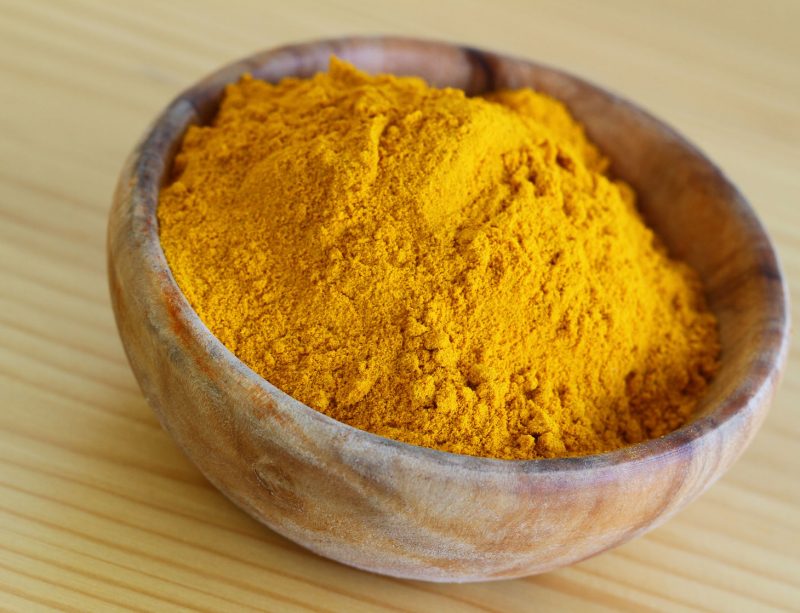
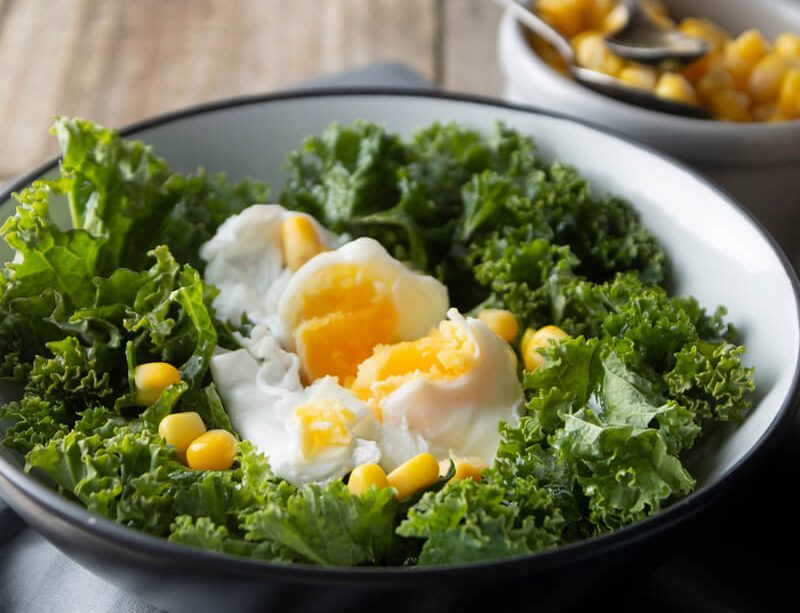
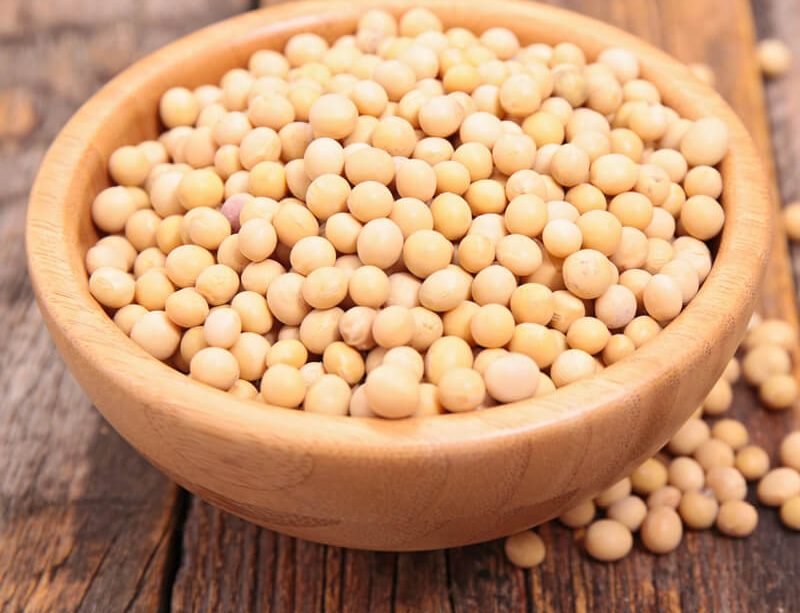
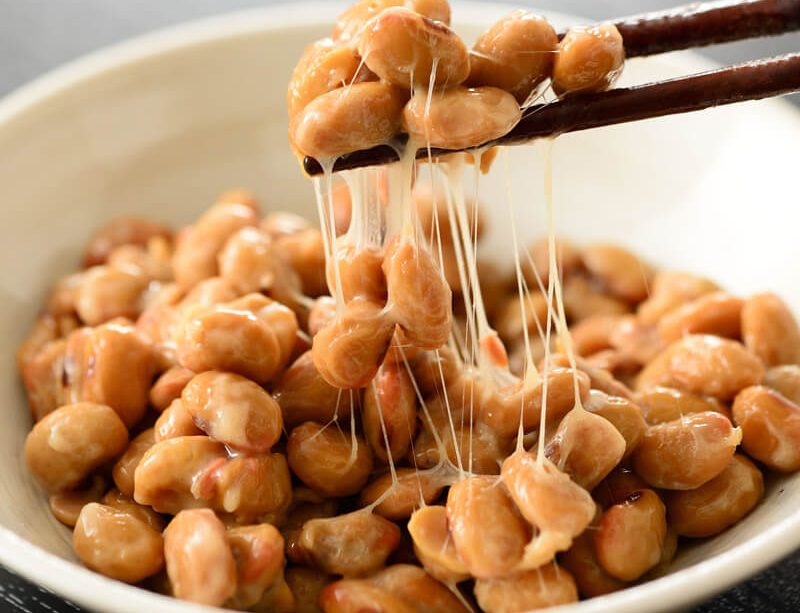
The most important sources of vitamin B1 for humans are whole grain cereals, meat (pork contains the most) and legumes and nuts. White wheat flour and polished rice, on the other hand, contain very little, and fruits and vegetables are not rich sources. Some of the thiamine needed is also produced in the gut microbiome. (1)
Vitamin B1 content in some foods (1)
| Food | Vitamin B1 content (µg/100 g) |
| oats | 520-763 |
| wheat | 276-525 |
| brown rice | 300-413 |
| white rice | 50-80 |
| Maize | 246-385 |
| Rye | 316-350 |
| Buckwheat | 358-421 |
| Soya | 874-1300 |
| Lens | 433-887 |
| peanuts | 600 |
| hazelnuts | 317-643 |
| walnuts | 227-340 |
| cabbage | 61-230 |
| cauliflower | 60 |
| pork | 600-950 |
| beef | 50-160 |
| chicken breast | 40-170 |
| fish | 10-130 |
| yeast | 1880 |
However, eating foods rich in vitamin B1 alone is not enough. There are some factors that either destroy the vitamin itself or impair its absorption.
In the case of cereals, industrial processing plays a role. Vitamin B1 is not evenly distributed in cereals – most of it is found in the bran and germ, parts that are usually removed during milling, refining or polishing. For example, refined white wheat flour contains up to 80% less thiamine than wholemeal flour. In the case of rice, if we want to enjoy white rice, we should prefer parboiled rice, as this industrial treatment is more gentle than polishing.
How to support the intake of vitamin B1?
If we rely on the intake of vitamin B1 from the diet, it is important to know the processes and factors that reduce its content in food or interfere with its absorption:
Kitchen finish
A significant part of vitamin B1 is destroyed during cooking. In meat, for example, the loss is 10-80% depending on the type and culinary process – most is lost during cooking, less during roasting and frying. The most unfriendly in this respect is deep-frying, which significantly reduces the evaporation of the water contained in the meat, but unfortunately deep-frying is otherwise the least healthy method of preparation, so it cannot be safely recommended. In cereals, vitamin B1 is lost in cooking and baking, with losses being significantly lower in rye bread than in wheat bread, for example. (1)
Thiamine is water-soluble, and therefore a significant portion of it leaches into water when foods are cooked or soaked. For this reason, it is advisable, for example, to use processes where no water is spilled when preparing cereals. It is also interesting to note that the vitamin B1 content of baked goods decreases significantly when baking powder is used – by more than 50 %. Baking powder is alkaline and thiamine is unstable in an alkaline environment. In general, stability during heat treatment is increased by the presence of starch, protein and fructose, while glucose decreases it (1).
Interesting are the findings regarding the stability of vitamin B1 in garlic – if garlic is crushed (pressed) before consumption or cooking, the allicin reacts with thiamine to form the fat-soluble compound allylthiamine, which is characterized by very good absorption and high stability (1).
Antihistamine factors
If we are trying to increase our thiamine intake, we should also avoid foods that contain so-called antithiamine factors, substances that inactivate or block the absorption of vitamin B1. Frequent consumption of these with food or supplements can cause deficiency. Examples include:
- raw or fermented fish and shellfish (cooking cancels this property),
- coffee and tea (their destructive effects will in turn partially limit the use of vitamin B1 along with vitamin C or organic acids found in many fruits and vegetables.
- Dried fruit or wine preserved with sulphur-containing compounds (i.e. mainly sulphur dioxide and sulphites) – these break down thiamine and cause massive losses.
- Chlorinated water – the residual chlorine in the water in which food is cooked also breaks down the vitamin B1 it contains (1).
Factors impairing bioavailability
The absorption of vitamin B1 from food decreases due to aging, certain digestive problems and some genetic disorders. Obese people and smokers, including passive smokers, also have a higher requirement. Alcohol abuse is problematic, with up to 80% of alcoholics suffering from thiamine deficiency. Increased losses occur with the use of diuretics. The stress of any illness can also increase the demand for vitamin B1 – some studies have shown that deficiency increases during hospitalisation, and is particularly pronounced when sepsis occurs. (1, 10, 19)
Functions of vitamin B1 in the body
In the human body, thiamine and its derived compounds play a number of important roles:
- In its active form, TPP serves as a cofactor (non-protein component) of enzymes involved in the metabolism of carbohydrates, some amino acids and fatty acids.
- It is also essential for the synthesis of nucleic acids, fats, myelin (a compound that coats nerve fibres, essential for the transmission of nerve impulses) and neurotransmitter, as well as for antioxidant protection.
- In the mitochondria, some key enzymes involved in cellular energy production are dependent on thiamine.
Consequences of vitamin B1 deficiency
When we have a thiamine deficiency in the body, a number of processes at the cellular level are disrupted: (1)
- It reduces oxidative metabolism, with the help of which we obtain energy from macronutrients.
- The production of adenosine triphosphate (ATP), a compound used by cells as an energy source, fails. Because our cells cannot obtain energy directly from nutrients, they all must first undergo a biochemical transformation in which the energy released is stored in chemical bonds in ATP.
- The body’s acidity grows due to increased production of lactic acid or lactate.
- The production of certain neurotransmitters, such as acetylcholine, glutamate, aspartate and GABA, is reduced, with negative consequences for the functioning of the brain and nervous system.
- The production of nucleic acids (DNA and RNA) and glutathione, an important internal antioxidant, is impaired.
- Disorders occur in the synthesis of heme, a molecule that is part of red blood cells and allows oxygen to be carried through the blood.
The organs that are most sensitive to vitamin B1 deficiency are those that are most dependent on ATP produced by oxidative decarboxylation for cellular energy production, which are the brain and heart.
Problems related to thiamine levels
Significant vitamin B1 deficiency results in beri-beri disease, which has two forms: dry (nerve) manifested by neurological symptoms such as loss of sensation and weakness in the limbs, muscle pain, reduced cognitive performance, psychological problems, or even paralysis. The wet (cardiac) form is manifested by cardiac symptoms (cardiac abnormalities manifested by abnormal ECG, oedema, tachycardia and even acute congestive heart failure).
Although beri-beri disease does not occur in our country, but rather only in very poor areas of the world, a slight deficiency of vitamin B1 can have a negative effect on the functioning of the organism:
Mental performance
In general, all B vitamins have been shown to slow cognitive decline with age and reduce the risk of dementia. The association of vitamin B1 intake alone with cognitive performance has been shown to be particularly strong in the over-60 population, but should not be underestimated in younger age groups. Taking thiamine helps to maintain mental health in older people and even improves cognitive function in people with Alzheimer’s disease. Some studies have also shown an association of vitamin B1 intake with abstract reasoning ability. Thiamine intake also helps to reduce inflammatory processes and oxidative stress in the brain. (7-9)
Some evidence suggests that vitamin B1 deficiency may be directly linked to the development of neurodegenerative diseases such as Alzheimer’s, Parkinson’s and Huntington’s disease. This may be due, among other things, to the involvement of thiamine in carbohydrate metabolism – in particular, insulin resistance in the brain plays an important role in the development of Alzheimer’s disease. (19)
Heart and blood vessels
Vitamin B1 deficiency is more common in people with cardiovascular disease than in the rest of the population – some studies show that up to 90% of heart failure patients suffer from it, for example. A number of studies also show that increased vitamin B1 intake helps reduce the risk of high blood pressure, coronary heart disease, myocardial infarction and overall cardiovascular mortality. This association is particularly pronounced in older men, overweight people, smokers and people with excessive alcohol consumption. Thiamine supplementation can also improve the condition of patients with pre-existing coronary heart disease. Some studies have also shown a positive effect on the smooth muscle of the arteries, resulting in a lower tendency to form atherosclerotic plaques (10, 19).
Diabetes
Vitamin B1 is essential for carbohydrate metabolism, so it makes sense that its level would be related to the risk of diabetes. Therefore, it is no coincidence that people with type 2 diabetes have plasma thiamine levels that are on average 76% lower than healthy people! One study also showed that taking thiamine for six weeks helped to increase insulin production and lower blood sugar levels. Adequate intake also leads to a reduced risk of cardiovascular complications in diabetics (10, 11, 19).
Risk of sepsis
Sepsis is a serious condition of failure of vital organs due to the body’s response to infection. It has been shown that if vitamin B1 levels are low in the body, the risk of death from sepsis increases. (11)
Depression and other psychological problems
Low levels of vitamin B1 increase the risk of depression. The same applies to vitamins B2, B3, B6 and B12. One study has also shown that increased thiamine intake is good for patients who are starting antidepressants, as it helps to relieve symptoms before the medication takes effect. In addition, thiamine has been shown to be effective in preventing mood disorders in people with high levels of work stress – beneficial effects have been shown here in studies after 12 weeks of use (12-14).
But vitamin B1 deficiency is also common in other mental health problems – it has been described in people with bipolar disorder, schizophrenia and anorexia nervosa, for example. It may also be related to anxiety symptoms (19).
Migraine
People with migraine and other types of headaches are usually advised to increase their intake of vitamin B2, but it turns out that “vitamin 1” may also be beneficial in this regard. Taking it, for example, will help reduce the frequency of migraine attacks. (16, 17)
Inflammation and pain
Vitamin B1 has strong anti-inflammatory effects, which are mainly due to its ability to reduce the production of inflammatory cytokines. As a result, for example, it can help reduce inflammation, swelling and pain in arthritis. Particularly in young women, it also helps to relieve menstrual pain and cramps. Several studies have also shown that vitamins B1, B6 and B12 enhance the effect of painkillers. (18, 20)
Vitamin B1 in dietary supplements
Although vitamin B1 is found in sufficient quantities in food, it is sometimes beneficial to take supplements. This applies not only in situations where the need for it increases (in old age, during illness, after injuries and surgery), but also in cases of impaired digestion. In food, thiamine is bound to protein, whereas in supplements it is usually free, making it easier and faster for the body to use. And which specific form to choose?
First of all, it must be said that it is practically impossible to take any “natural form”. Thiamine is found in a number of natural sources, but only in very small amounts. Its extraction from food is therefore economically unviable, and the same applies to its biosynthesis (e.g. microbial fermentation). Therefore, with few exceptions, only synthetic vitamin B1 is found in food supplements and fortified foods.
Most dietary vitamin B1 is also found in phosphorylated forms – these are absolutely predominant in animal foods, while free thiamine is also found to a limited extent in plant foods. Phosphorylated forms also predominate inside our bodies, but this in itself means nothing. These forms are first converted into free thiamine in the intestines, and only then is it absorbed into the bloodstream – partly by specific transporters and partly, if we take in large quantities, passively through the intestinal wall. Inside the cells, thiamine is then converted to a phosphorylated form, such as TPP (1).
In dietary supplements, vitamin B1 is most commonly found in three forms:
Free thiamine
The pure, water-soluble form of thiamine is most commonly found in dietary supplements (sometimes thiamine hydrochloride or thiamine nitrate, which are similar substances with similar properties, are used instead). The disadvantage of this form is lower bioavailability (6, 26)
Lipophilic form
Lipophilic (i.e. fat-soluble) thiamine derivatives are significantly better off. Allylthiamine isolated from garlic extract (see above) was first introduced in 1950, and similar synthetic products have since been developed based on knowledge of its structure. Of these, benfothiamine is most commonly used in dietary supplements, with sulbuthiamine and fursulthiamine used less frequently (6).
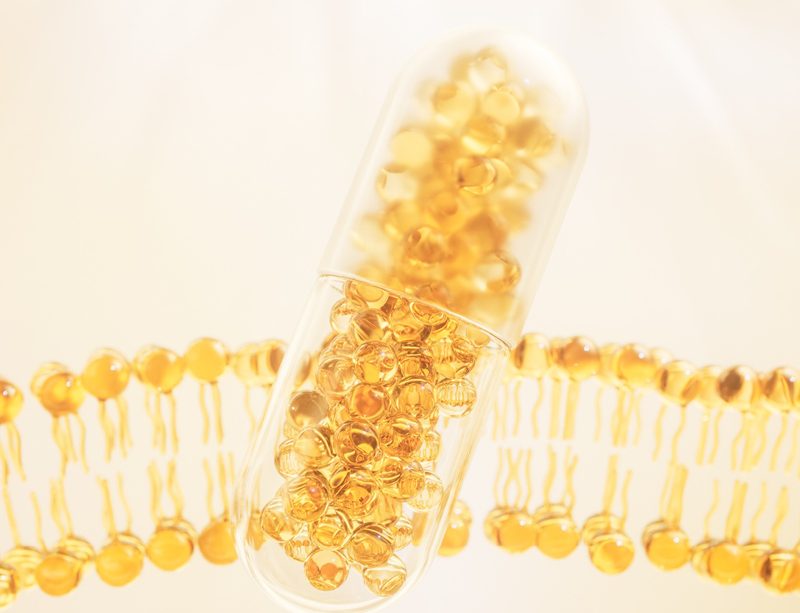
Lipophilic derivatives have several advantages: they are more easily absorbed in the intestine, they are more stable (not subject to enzymatic degradation) and, above all, they are easier to get directly into the cells. Cell membranes are made up of fatty substances, so that fat-soluble substances can pass through them directly, whereas water-soluble substances need special carriers. Therefore, lipophilic forms of thiamine are better absorbed than the pure, water-soluble version and are therefore also used for therapeutic purposes (6).
Phosphorylated (coenzyme) forms
Another possible component of dietary supplements is the above-mentioned phosphorylated forms of thiamine, sometimes referred to as coenzymes (which is also true for some other B vitamins). Thiamine diphosphate, also referred to as thiamine pyrophosphate or TPP, is commonly used. Thiamine monophosphate or TMP is also often used (some supplements also use TPP or TMP chlorides) (24, 26).
Although the coenzyme forms of thiamine are identical to the form of thiamine that is present in the human body as a coenzyme (a non-protein component of enzymes), they are actually no more beneficial than consuming pure thiamine. Most of the phosphorylated derivatives are not directly absorbed from the intestine but must first be converted to thiamine. This is then absorbed into the blood so that it can be converted back into the phosphorylated form in the cells. In other words, the phosphorylated form does not save the body any work, but rather adds to it, because it means that one extra step is required. In addition, if a person does not have enough enzymes in the intestines to convert TPP to thiamine (this is often the case, for example, with diabetes, heart disease, elevated cortisol levels, or when taking hormonal contraceptives), some of the TPP from the dietary supplement goes unused. Add to this the fact that coenzyme forms are more expensive as dietary supplements than thiamine, and it is clear that their use does not make sense (24, 26).
Use and contraindication
Taking dietary supplements with thiamine is generally safe, only at high doses some side effects such as nausea, skin irritation and itching, sweating or allergic reactions may occur. They are also safe in pregnancy. As far as combining with medicines is concerned, there are no known serious interactions and few moderate interactions – for example with some antibiotics (e.g. azithromycin, erythromycin or roxithromycin). Its use may also distort the results of some laboratory tests, so the doctor should be informed in this case. (21, 23)
On the other hand, some drugs have been described as having a significant negative effect on thiamine levels or the possibility of its use in the body, and therefore (after consultation with the treating physician) it is advisable to increase the consumption of vitamin B1 when taking them. For example: the diuretic furosemide, which significantly increases urinary excretion of vitamin B1,
- the heart drug digoxin, which reduces the ability of heart cells to absorb and use thiamine (the combination of furosemide and digoxin is particularly problematic),
- the chemotherapeutic drug fluorouracil, which in turn blocks the conversion of thiamine to its active forms (24, 25).
Suitable combinations
Thiamine should be combined with other B vitamins, as they enhance each other’s absorption and utility – for example, vitamin B1 promotes the absorption of vitamin B2. This pair of vitamins can also be very beneficial for migraine, but the same applies to the combination B1 + B6 + B9 + B12. It is also suitable to combine it with magnesium, which promotes the conversion of thiamine into its biologically active form. For some problems, such as sepsis, the combination of B1 with vitamin C is helpful (16, 17, 22, 27).
0:00
/
0:00
Stárnutí je volba
Komentáře
Seznam zdrojů
- Marcel Hrubša, Tomáš Siatka, Iveta Nejmanová, Marie Vopršalová, Lenka Kujovská Krčmová, Kateřina Matoušová, Lenka Javorská, Kateřina Macáková, Laura Mercolini, Fernando Remião, Marek Máťuš, Přemysl Mladěnka. Biological Properties of Vitamins of the B-Complex, Part 1: Vitamins B1, B2, B3, and B5. Nutrients. 2022 Feb; 14(3): 484.
- Yates A.A., Schlicker S.A., Suitor C.W. Dietary Reference Intakes: The new basis for recommendations for calcium and related nutrients, B vitamins, and choline. J. Am. Diet Assoc. 1998;98:699–706.
- Amrein K., Oudemans-van Straaten H.M., Berger M.M. Vitamin therapy in critically ill patients: Focus on thiamine, vitamin C, and vitamin D. Intensive Care Med. 2018;44:1940–1944.
- Russell R.M., Suter P.M. Vitamin requirements of elderly people: An update. Am. J. Clin. Nutr. 1993;58:4–14.
- Keith Lindblom. Celebrating the History of B Vitamin Research With ACS. Dec 2, 2016. https://axial.acs.org/cross-disciplinary-concepts/history-b-vitamin-research
- Fujiwara M., Watanabe H., Matsui K. “Allithiamine” a Newly Found Derivative of Vitamin B1. J. Biochem. 1954;41:29–39.
- Qian T, Zhao L, Pan X, Sang S, Xu Y, Wang C, et al. Association between blood biochemical factors contributing to cognitive decline and b vitamins in patients with Alzheimer’s disease. Front Nutr. 2022;9:823573.
- Weiai Jia, Hemei Wang, Chao Li, Jingpu Shi, Fangfang Yong, and Huiqun Jia. Association between dietary vitamin B1 intake and cognitive function among older adults: a cross-sectional study. J Transl Med. 2024; 22: 165.
- Sang S, Pan X, Chen Z, Zeng F, Pan S, Liu H, et al. Thiamine diphosphate reduction strongly correlates with brain glucose hypometabolism in Alzheimer’s disease, whereas amyloid deposition does not. Alzheimers Res Ther. 2018;10:26.
- He Wen, Xiaona Niu, Ran Zhao, Qiuhe Wang, Nan Sun, Le Ma, Yan Li, and Wei Zhang. Association of vitamin B1 with cardiovascular diseases, all-cause and cardiovascular mortality in US adults. Front Nutr. 2023; 10: 1175961.
- https://www.webmd.com/vitamins-and-supplements/health-benefits-of-vitamin-b-1
- Yanjun Wu, Liming Zhang, Suyun Li, Dongfeng Zhang. Associations of dietary vitamin B1, vitamin B2, vitamin B6, and vitamin B12 with the risk of depression: a systematic review and meta-analysis. Nutr Rev. 2022 Feb 10;80(3):351-366.
- Hai Duc Nguyen, Hojin Oh, Min-Sun Kim. Mixtures modeling identifies vitamin B1 and B3 intakes associated with depression. Journal of Affective Disorders. Volume 301, 15 March 2022, Pages 68-80
- Con Stough, Andrew Scholey, Jenny Lloyd, Jo Spong, Stephen Myers, Luke A Downey. The effect of 90 day administration of a high dose vitamin B-complex on work stress. Hum Psychopharmacol. 2011 Oct;26(7):470-6.
- Ghaleiha A, Davari H, Jahangard L, et al. Adjuvant thiamine improved standard treatment in patients with major depressive disorder: Results from a randomized, double-blind, and placebo-controlled clinical trial. Eur Arch Psychiatry Clin Neurosci. 2016;266(8):695-702.
- Li D, Guo Y, Xia M, Zhang J, Zang W. Dietary intake of thiamine and riboflavin in relation to severe headache or migraine: a cross‐sectional survey. Headache. Published online September 1, 2022.
- Shiva Nematgorgani, Soodeh Razeghi-Jahromi, Elham Jafari, Mansoureh Togha, Pegah Rafiee, Zeinab Ghorbani, Zeynab Sadat Ahmadi, and Vali Baigi. B vitamins and their combination could reduce migraine headaches: A randomized double-blind controlled trial. Curr J Neurol. 2022 Apr 4; 21(2): 105–118.
- Jalal Zaringhalam, Akhtar Akbari, Alireza Zali, Homa Manaheji, Vida Nazemian, Mahdi Shadnoush, and Somayeh Ezzatpanah. Long-Term Treatment by Vitamin B1 and Reduction of Serum Proinflammatory Cytokines, Hyperalgesia, and Paw Edema in Adjuvant-Induced Arthritis. Basic Clin Neurosci. 2016 Oct; 7(4): 331–340.
- Chandler Marrs and Derrick Lonsdale. Hiding in Plain Sight: Modern Thiamine Deficiency. Cells 2021, 10(10), 2595
- https://www.webmd.com/vitamins/ai/ingredientmono-965/thiamine-vitamin-b1
- https://www.rxlist.com/thiamine/generic-drug.htm
- https://www.healthaid.co.uk/blogs/news/interactions-between-vitamins-minerals?srsltid=AfmBOopNZCoM0XnMT1CuTve4_9XvyjWf2qvakxWEaPg-YqRIS3nk0V9-
- https://www.webmd.com/drugs/2/drug-1426/vitamin-b-1-oral/details
- https://ods.od.nih.gov/factsheets/Thiamin-HealthProfessional/
- https://www.mountsinai.org/health-library/supplement/vitamin-b1-thiamine
- https://vitaverse.co.uk/news-notes/231/the-cheapest-forms-of-thiamine-supplements-are-the-best
- Sung Yeon Hwang, Seung Mok Ryoo, Jong Eun Park, You Hwan Jo, Dong-Hyun Jang, Gil Joon Suh, Taegyun Kim, Youn-Jung Kim, Seonwoo Kim,5 Hyun Cho, Ik Joon Jo, Sung Phil Chung, Sung-Hyuk Choi, Tae Gun Shin, Won Young Kim. Combination therapy of vitamin C and thiamine for septic shock: a multi-centre, double-blinded randomized, controlled study. Intensive Care Med. 2020; 46(11): 2015–2025.