
Resveratrol
epivyziva.cz/
Zobrazeno: 10,545

Resveratrol
Resveratrol first came to the spotlight thanks to a phenomenon known as the French paradox – its antioxidant abilities have begun to explain why the French suffer less often from cardiovascular disease than other nations, even though their diet is rich in animal fats. In recent years, however, it has also been shown to have strong epigenetic effects, so that when consumed regularly it can influence which of our genes are expressed and which are not. This may make it an effective part of the prevention and treatment of a number of serious diseases.
Description
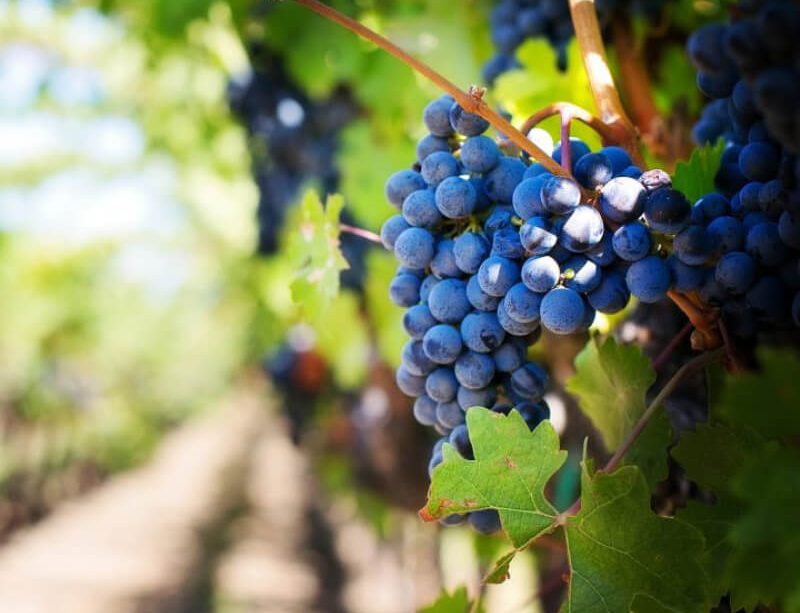
Resveratrol is chemically a derivative of stilbene, which belongs to the polyphenols. It is found in a wide variety of fruits and vegetables, the most well-known source being the skins and pips of blue grapes, from where it is also found in red wine (some amounts are also found in white and rosé wine). However, it is also abundant in, for example, peanuts, blackcurrants, blueberries and mulberries. (5) Its role in plants is not well defined, but it probably helps protect against fungal diseases.
History
The phenomenon called the French paradox was first scientifically described by the Irish physician Samuel Black in 1819.(3, 4) It was he who first suggested that the low incidence of cardiovascular disease in the French population might be due to the regular consumption of red wine. As time went on, more and more scientists were inclined to this view. Resveratrol was first isolated in the 1940s. It was not until the 1990s that it became the subject of intensive scientific research.
Effects
Resveratrol is most thoroughly described in terms of its antioxidant action, which is very pronounced indeed (7). Gradually, however, it has become clear that the main key to its efficacy must be sought in the field of epigenetics. For example, it influences a phenomenon called histone acetylation. Histones are proteins that form complexes with DNA and are important for its correct spatial organisation. By regulating histone acetylation, resveratrol influences a process called gene transcription, in which proteins are synthesized (10). Thus, it does not directly affect our genetic information, but it co-determines which part of it is eventually expressed.
Tumour diseases
Due to its epigenetic action, resveratrol affects a process called proliferation, i.e. the rapid multiplication of cells.(11) Disorders of this process are usually found in most types of cancer. In addition, by suppressing the production of the enzyme cyclooxygenase, resveratrol reduces the production of prostaglandins, which not only promote inflammatory processes but also stimulate the growth of cancer cells (15, 16)
Resveratrol also has anti-inflammatory effects against colitis, or inflammation of the colon, including those types of colitis that are associated with the development of tumours of this organ, especially ulcerative colitis. In experiments on mice, resveratrol not only significantly reduced the indicators of ongoing inflammation, but also reduced the incidence of intestinal tumours. (1,2) Due to its ability to bind to estrogen receptors, it can also influence the development of breast cancer (6, 12).
Cardiovascular disease
Due to its antioxidant effects, resveratrol has been shown to affect fat metabolism, inhibit oxidation of low-density lipoprotein (LDL) cholesterol and platelet aggregation, processes that play an important role in the development of atherosclerosis. (13) It may also be useful in reversing the effects of a heart attack – in experiments in mice, administration of resveratrol resulted in a 36% reduction in infarct volume within 24 hours of vessel closure. (14) A preventive effect against cardiovascular disease has also been demonstrated in smokers, who are at significantly higher risk than the non-smoking population. (18)
It also affects the production of sirtuin enzymes, as well as the enzyme eNOS, which is necessary for the production of nitric oxide. At the same time, it reduces the production of a number of pro-inflammatory substances (e.g. NF-kB or TNF-α), which are important contributors to atherosclerosis, as well as the production of vasoconstrictors (i.e. vasoconstrictors that close blood vessels).
Inflammatory processes
The principle principle of the anti-inflammatory action of resveratrol is the suppression of transcription of genes responsible for the development of inflammatory processes.(10) Inflammation plays an important role in the development of many serious diseases, such as cardiovascular diseases, some types of cancer, diabetes, and obesity. Resveratol also reduces the inflammatory processes that occur in muscles after intense physical exercise and can therefore be used in athletes to speed up recovery. (19)
Resveratrol also promotes the health of the gut microbiome, which contributes to its anti-inflammatory effects, as well as its positive impact in the prevention and treatment of a number of diseases (29).
Effect on the gut microbiome
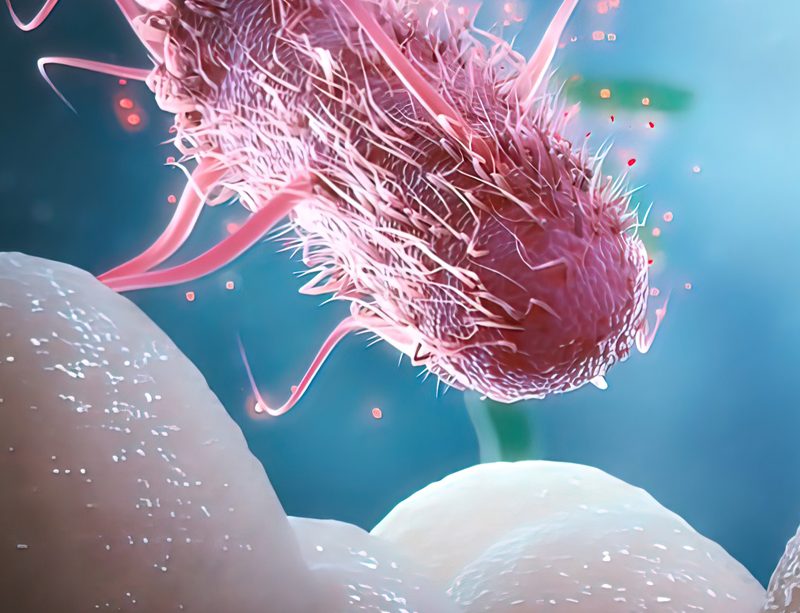
In addition to epigenetic effects, the effect on the gut microbiome may be another of the key pathways by which resveratrol affects our health. In fact, it is the imbalance of microorganisms living in our gut that can contribute significantly to a number of diseases and disorders – from inflammatory bowel disease to obesity to depression(read more here: https://www.epivyziva.cz/tajemny-svet-uvnitr-nasich-strev-bakterie-ovlivnuji-nase-zdravi-i-genetickou-informaci/).
Resveratrol can affect the gut microbiome in several ways. First, it can help change the ratio of “good” to “bad” organisms in the gut. For example, obese people generally have a different microbiome composition to lean people: for example, the proportion of Bacterioides bacteria increases and the proportion of Firmicutes bacteria decreases. And the same is true for animals. But when, for example, one study gave resveratrol to a group of obese mice on a high-fat diet for a long time, the proportions of both types of microorganisms changed to match those of lean mice. (63)
Similarly, resveratrol is likely to affect the composition of substances secreted by gut microorganisms. For example, in mice used in another study, its administration reduced the secretion of substances that contribute to atherosclerosis.(64) Finally, it also has a beneficial effect on the state of the cells of the intestinal mucosa, affecting, for example, the permeability of the vascular wall.(65)
Sports performance
Resveratol suppresses the production of aromatase, thereby reducing the rate of conversion of testosterone to estrogen, and thus helping to maintain its sufficient level at the blood. It also reduces the inflammatory processes that occur in muscles after intense physical exertion, and can therefore be used in athletes to speed recovery.(44) Veteran athletes respond very well to it.
Resveratrol also increases AMPK production in muscle tissue, which is especially important for endurance athletes. This is because the AMPK enzyme improves the absorption of glucose from the blood into the muscles and its utilization within the muscle cells, allowing for better production of energy usable after muscle work.
In combination with regular exercise, resveratrol is also effective in preventing age-related muscle loss and obesity, which is typically associated with muscle loss (50).
Asthma
The anti-inflammatory effects of resveratrol have been shown to be beneficial in conditions such as asthma and other diseases of the respiratory system. It inhibits the release of inflammatory mediators from the epithelial cells of the airways.(8, 9) Although it is slightly less effective than glucocorticoids, it is also effective in people in whom glucocorticoid treatment is not working for some reason.
Mental performance
Resveratrol improves glucose control in the hippocampus, improves so-called functional connectivity in this area and has a significant positive effect on memory. It is effective not only in healthy people, but also in people at high risk of dementia. As a phytoestrogen, it is particularly effective in post-menopausal women (38).
Interestingly, one study confirmed a beneficial effect on cognitive abilities when resveratrol and alcohol were combined in low doses. When volunteers, whose average age was 70.4 years, were asked to complete a series of tasks testing cognitive ability, they performed much better after consuming red wine (1 dcl) fortified with resveratrol (200 mg) than when they drank red wine alone before the tests. The research authors attribute the results to improved blood flow to the brain. (30)
Alzheimer’s disease
There has been little research on this topic and the principle of this action has not yet been fully elucidated, but it appears that resveratrol has a significant neuroprotective effect, i.e. it protects the cells of the nervous system from the damage that is the main manifestation of Alzheimer’s disease. (20, 39) Two studies have confirmed that high doses of resveratrol are able to stabilise the levels of amyloid-beta 40, one of the main components of the so-called amyloid plaques that appear in the brains of Alzheimer’s sufferers. (24) Long-term use also improves blood supply to the brain, long-term memory and the function of the hippocampus, the part of the brain responsible for memory.
Parkinson’s disease
It has significant antioxidant, anti-inflammatory and neuroprotective effects, and has a positive effect on ageing processes. When administered to patients with Parkinson’s disease, after only a few weeks, there was a relatively significant improvement in motor and cognitive abilities.
Longevity
Resveratrol is one of the most potent activators of sirtuin 1, an enzyme that regulates the expression of certain genes and is involved in a number of cellular regulatory processes. It deacetylates proteins that affect the ability of cells to respond to environmental stressors and thus contribute to longevity (21).
In addition, resveratrol has a significant beneficial effect on cellular organelles called mitochondria, whose damage and deterioration is another important mechanism associated with aging. Resveratrol is not only very effective in protecting mitochondria from damage, but it also promotes the formation of new ones.(60, 61) Read more about mitochondria here: https://www.epivyziva.cz/mitochondrie-klic-k-dlouhovekosti/
There is also research confirming the ability of resveratrol to regulate the visible signs of aging – in particular, the significant reduction of wrinkles with long-term use. (22) In addition, low levels of sirtuin 1 have been reported in cells with high levels of insulin resistance (23), so it is likely that resveratrol may also play a positive role in the prevention and treatment of type II diabetes.
Experiments in mice showed that resveratrol administration led to similar effects as restricting total caloric intake, a strategy whose antiaging effect has been confirmed in a number of studies. In experimental animals, resveratrol administration not only reduced the overall signs of ageing but also improved motor coordination, arterial elasticity, bone mineral density and cataract status (35).
Acne
Although acne is caused by bacteria, if they invade our skin and cause inflammatory problems, it is also largely due to epigenetic influences.
And it is resveratrol that represents one of the most effective means of treating this problem. It has a significant anti-inflammatory effect, and it also has antibacterial effects, including directly against the acne agent Propionibacterium acnes.(33) Moreover, its effectiveness has been confirmed by both internal and external administration (application of a gel containing resveratrol).(42)
Read more about acne-fighting options here: https://www.epivyziva.cz/akne-sex-nepomuze-uprava-stravy-ano/
Menopause
Resveratrol belongs to the phytoestrogens, it binds to the same receptors as estrogen and is therefore able to replace it at least partially when the ovaries stop producing this hormone. As a result, it is able to alleviate the unwanted symptoms of menopause that are caused by estrogen deficiency. This applies both to the actual symptoms of the onset of menopause (hot flushes, sweating, mood disorders, etc.) and to diseases whose risk increases significantly during this period (cardiovascular disease, osteoporosis, depression, Alzheimer’s disease, etc.).
A significant protective effect has been shown, for example, in osteoporosis, where resveratrol administration improves bone density, mineralisation and mechanical resistance. This is probably due to its positive effect on the production of sirtuin SIRT-1 and nuclear factor NF-kB (34).
In addition, in menopausal and post-menopausal women, resveratrol can help effectively manage the tendency to gain weight. This is because, by counteracting the drop in estrogen production, it also prevents a decrease in leptin sensitivity. This hormone, produced by fat tissue, induces a feeling of satiety in the brain, and a reduction in its production can lead to overeating. Resveratrol also promotes the production of the enzyme SIRT-1, which prevents the formation of new adipose tissue and inhibits angioneogenesis (i.e. the formation of new blood vessels that supply the adipose tissue with blood, allowing it to grow).
Support for blood formation
Resveratrol activates the FOXO3 gene, which is involved in the maturation process of red blood cells. This will be appreciated not only by people suffering from anaemia, but also by endurance athletes, for whom the support of blood formation will help to improve the capacity of their blood to transport oxygen to the working muscles.
The key to anaemia is, of course, a sufficient intake of iron and other nutrients needed for blood formation (vitamin B12 and C, copper and others), but if this does not help, resveratrol may be a good choice.
Diabetes
As we mentioned above, resveratrol is one of the effective activators of the AMPK enzyme, which improves glucose absorption from the blood, while also improving tissue sensitivity to insulin. (36)
Eye health
It has been known for some time that moderate consumption of red wine has a preventive effect on the development of age-related macular degeneration (retinal degenerative disease), which scientists attribute to the positive effect of resveratrol.(40) However, further research has confirmed that the effect of resveratrol on eye health is much broader. Overall, it improves vision and visual acuity, and helps with dry eye syndrome, glaucoma, macular degeneration, and diabetic retinopathy (a complication of diabetes affecting the eyes).(58, 59)
Hearing protection
But resveratrol also has a beneficial effect on another sense – hearing. In general, it slows down cellular ageing, which also affects the auditory receptors, and according to some studies, its use prevents hearing damage when exposed to excessive noise (41).
Antiviral action
Resveratrol is characterized by a relatively broad antiviral action. It helps to destroy, for example, influenza viruses, EB virus, RPSV virus, rhinovirus (the causative agent of rhinitis), and even increases the effectiveness of drugs administered for HIV infection (62).
Very effective is the use of resveratrol in the treatment of cold sores. In the case of cold sores, the tricky thing is that the causative agent, both HSV-1 and HSV-2 viruses, cannot be completely eliminated by the immune system. Those that do escape are encapsulated, thus becoming invisible to the immune system, and then patiently waiting for their opportunity to “wake up” and start reproducing. And that is when resveratrol comes in, suppressing the multiplication of herpes viruses and their awakening from the latent phase. It is particularly effective in the early stages of infection, i.e. at the very first signs of herpes. (43)
Fertility
The postponement of motherhood typical of today’s times brings with it one major problem: After the age of 30, epigenetic changes related to ageing begin to appear in our DNA, altering the activity of a number of important genes. This affects the DNA of every cell in the body, including that in eggs. And it is this that can cause problems with getting pregnant at an older age.
Resveratrol, however, slows down the aging process of all cells, not excluding eggs. It helps to increase the number of oocytes (immature eggs), which protects against free radical damage, and thus improves the quality of eggs that are already mature. As a result, the age at which a woman is able to conceive a child is prolonged. Resveratrol also increases the chance of pregnancy in women suffering from polycystic ovary syndrome and obesity, and also increases the success rate of artificial insemination (31, 32).
Prostate
Zinc is a key element for the proper development of the prostate gland.A deficiency of zinc can play a role in both the development of prostate enlargement and the risk of prostate cancer. Studies have shown that resveratrol can increase the level of zinc in prostate cells. Of course, concurrent zinc supplementation is also appropriate (46).
Use of
As we mentioned above, resveratrol is found in a number of natural sources, the most well-known of which is red wine. However, the problem is that the resveratrol content varies depending on many factors, not to mention the presence of alcohol, which makes it unacceptable to some of the population. Resveratrol can also be taken in the form of dietary supplements, and the recommended doses vary quite considerably, ranging from 20 mg to 5000 mg per day, with doses for therapeutic purposes usually ranging from 1000 mg upwards.
Resveratrol is not recommended for use in multiple sclerosis. Not only do its otherwise pronounced neuroprotective effects not apply in the case of the disease, but it may even promote the course of demyelination. It should also be avoided by pregnant women.
Combination of resveratrol with other dietary supplements
Resveratrol as a dietary supplement is very suitable for combinations with many other herbs and nutrients.
Very interesting is the combination with quercetin, which incidentally also accompanies resveratrol in red wine. Not only is it very effective, but quercetin also significantly improves the absorption of resveratrol (27). The same applies to the combination of resveratrol with curcumin. In studies, adding quercetin improved the absorption of resveratrol by 310%, adding curcumin improved absorption by 300%, and when the combination curcumin + piperine + quercetin was added to resveratrol, it improved absorption by 350% over resveratrol alone (47).
Another very effective combination is resveratrol and oligomeric proanthocyanidins (OPCs), a mixture of substances with strong antioxidant and epigenetic effects, which is also abundant in grape wine, specifically in grape seeds. Together, they act synergistically (i.e. complement each other) in a number of conditions (56).
Resveratrol can also be combined with omega-3 unsaturated fatty acids, rosemary or vitamin K2. Here are combinations suitable for some specific problems:
Heart and blood vessels: resveratrol + omega-3 (52), resveratrol + quercetin (26), resveratrol + EGCG (51), resveratrol + vitamin K2
Diabetes: resveratrol + quercetin (28), resveratrol + OPC (57), resveratrol + curcumin
Cancer: resveratrol + curcumin (45), resveratrol + EGCG (48), resveratrol + rosemary (55), resveratrol + OPC (56, 57)
Prostate: resveratrol + zinc (46), resveratrol + curcumin
Weight loss: resveratrol + quercetin (49), resveratrol + OPC
Anti-inflammatory action: resveratrol + omega-3 (52), resveratrol + OPC (57), resveratrol + rosemary
Eye health: resveratrol + omega-3 (53)
Brain function, Alzheimer’s and Parkinson’s disease: resveratrol + omega-3, resveratrol + OPC, resveratrol + vitamin K2
Sports performance: resveratrol + curcumin, resveratrol + OPC, resveratrol + quercetin
Aging: resveratrol + EGCG, resveratrol + vitamin K2
Osteoporosis: resveratrol + vitamin K2, resveratrol + vitamin D3
Acne: resveratrol + omega-3
Antiviral and antibacterial action: resveratrol + rosemary
0:00
/
0:00
Stárnutí je volba
Klíčová slova: Acne, Alzheimer's disease, anaemia, antiaging, antioxidant, asthma, atherosclerosis, blood vessels, cancer, diabetes, endurance, estrogen, gut microbiome, hearing loss, heart, high blood pressure, infertility, inflammation, longevity, memory, menopause, mental performance, osteoporosis, Parkinson's disease, prostate, resveratrol, sports performance, wine
Komentáře
Seznam zdrojů
- Cui X, Jin Y, Hofseth AB, Pena E, Habiger J, Chumanevich A, Poudyal D,Nagarkatti M, Nagarkatti PS, et al. Resveratrol suppresses colitis and colon cancer associated with colitis. Cancer Prev Res (Phila Pa). 2010;3:549–59.
- Sanchez-Fidalgo S, Cardeno A, Villegas I, Talero E, de la Lastra CA. Dietary supplementation of resveratrol attenuates chronic colonic inflammation in mice.Eur J Pharmacol. 2010;633:78–84.
- Sun AY, Simonyi A, and Sun GY. The “French paradox” and beyond: neuroprotective effects of polyphenols(1,2). Free Radic Biol Med 32: 314–318, 2002.
- http://cs.wikipedia.org/wiki/Francouzsk%C3%BD_paradox
- SOLEAS, G. J.; DIAMANDIS, E. P.; GOLDBERG, D. M.. The world of resveratrol. Adv Exp Med Biol.. 2001, roč. 492, s. 159-82.
- F. Alatawi , L. A. Wakeling , J. C. Mathers , J. E. Hesketh and D. Ford. Effects of resveratrol on histone expression in human intestinal Caco-2 cells and human breast cancer MCF-7 cells are mediated through the oestrogen receptor and oppose changes observed in ageing mouse gut. Proceedings of the Nutrition Society (2010), 69 (OCE6), E463.
- Kawada N, Seki S, Inoue M, and Kuroki T. Effect of antioxidants, resveratrol, quercetin, and N-acetylcysteine, on the functions of cultured rat hepatic stellate cells and Kupffer cells. Hepatology 27: 1265–1274, 1998.
- Louise E. Donnelly , Robert Newton , Gina E. Kennedy , Peter S. Fenwick , Rachel H. F. Leung , Kazuhiro Ito , Richard E. K. Russell , Peter J. Barnes. Anti-inflammatory effects of resveratrol in lung epithelial cells: molecular mechanisms. American Journal of Physiology – Lung Cellular and Molecular Physiology Published 1 October 2004 Vol. 287 no. 4, L774-L783 DOI: 10.1152/ajplung.00110.2004
- Tsai SH, Lin-Shiau SY, and Lin JK. Suppression of nitric oxide synthase and the down-regulation of the activation of NFκB in macrophages by resveratrol. Br J Pharmacol 126: 673–680, 1999.
- Leung DY and Szefler SJ. New insights into steroid-resistant asthma. Pediatr Allergy Immunol 9: 3–12,1998.
- ElAttar TM and Virji AS. Modulating effect of resveratrol and quercetin on oral cancer cell growth and proliferation. Anticancer Drugs 10: 187–193, 1999.
- El Mowafy AM and Alkhalaf M. Resveratrol activates adenylyl-cyclase in human breast cancer cells: a novel, estrogen receptor-independent cytostatic mechanism. Carcinogenesis 24: 869–873, 2003.
- Fremont L. Biological effects of resveratrol. Life Sci 66: 663–673, 2000.
- Inoue H, Jiang XF, Katayama T, Osada S, Umesono K, and Namura S. Brain protection by resveratrol and fenofibrate against stroke requires peroxisome proliferator-activated receptor-α in mice. Neurosci Lett 352:203–206, 2003.
- O J Plescia, A H Smith, and K Grinwich. Subversion of immune system by tumor cells and role of prostaglandins. Proc. Natl. Acad. Sci. U.S.A. 72 1848 (1975)
Meishiang Jang, Lining Cai*, George O. Udeani, Karla V. Slowing, Cathy F. Thomas, Christopher W. W. eecher, Harry H. S. Fong, Norman R. Farnsworth, A. Douglas Kinghorn, Rajendra G. Mehta, Richard C. Moon, John M. Pezzuto. Cancer Chemopreventive Activity of Resveratrol, a Natural Product Derived from Grapes. Science 10 January 1997: - W. Dercks, L. L. Creasy, Physiol. Mol. Plant Pathol. 34, 289 (1989).
- Bo S, Ciccone G, Castiglione A, Gambino R, De Michieli F, Villois P, Durazzo M, Cavallo-Perin P, Cassader M. Anti-inflammatory and antioxidant effects of resveratrol in healthy smokers a randomized, double-blind, placebo-controlled, cross-over trial. Curr Med Chem. 2013;20(10):1323-31.
- Zahedi HS, Jazayeri S, Ghiasvand R, et al. Effects of polygonum cuspidatum containing resveratrol on inflammation in male professional basketball players.Int J Prev Med. 2013;4(Suppl 1):S1-S4.
- Li F, Gong Q, Dong H, Shi J. Resveratrol, a neuroprotective supplement for Alzheimer’s disease. Curr Pharm Des. 2012;18(1):27-33.
- Alcaín FJ, Villalba JM (April 2009). “Sirtuin activators”.Expert Opin Ther Pat 19 (4): 403–14.doi:1517/13543770902762893. PMID 19441923.
- http://www.actichem.fr/fiches/Resveratrol_2010_Poster.pdf?PHPSESSID=5c4e022a60e9b291b1b8c85ada9a133c
- Sun C, Zhang F, Ge X, Yan T, Chen X, Shi X et al. (October 2007). “SIRT1 improves insulin sensitivity under insulin-resistant conditions by repressing PTP1B”.Cell Metab. 6 (4): 307–19.doi:1016/j.cmet.2007.08.014. PMID 17908559.
- Daniel M. Keller, PhD. Oral Resveratrol Stabilizes Amyloid in Alzheimer’s. Medscape Medical News > Conference News. November 28, 2014
- http://www.alzdiscovery.org/cognitive-vitality/report/resveratrol
- Fatemeh Abharzanjani, Mohammad Afshar, Mina Hemmati, Maryam Moossavi. Short-term High Dose of Quercetin and Resveratrol Alters Aging Markers in Human Kidney Cells. Int J Prev Med. 2017 Aug 31;8:64.
- Lund, Kaleb C.; Pantuso, Traci Combination Effects of Quercetin, Resveratrol and Curcumin on In Vitro Intestinal Absorption. Journal of Restorative Medicine, Volume 3, Number 1, 1 April 2014, pp. 112-120(9).
- Etxeberria et al. (2015) Etxeberria U, Arias N, Boqué N, Macarulla MT, Portillo MP, Martínez JA, Milagro FI. Reshaping faecal gut microbiota composition by the intake of trans-resveratrol and quercetin in high-fat sucrose diet-fed rats. Journal of Nutritional Biochemistry. 2015;26:651–660.
- Larrosa et al. (2009) Larrosa M, Yañéz Gascón MJ, Selma MV, González-Sarrías A, Toti S, Cerón JJ, Tomás-Barberán F, Dolara P, Espín JC. Effect of a low dose of dietary resveratrol on colon microbiota, inflammation and tissue damage in a DSS-induced colitis rat model. Journal of Agricultural and Food Chemistry. 2009;57:2211–2220.
- Scholey, Andrew, Benson, Sarah, Stough, Con, Stockley, Creina. Effects of resveratrol and alcohol on mood and cognitive function in older individuals. Nutrition and Aging, vol. 2, no. 2,3, pp. 133-138, 2014.
- Liu, M., et al. “Resveratrol protects against age-associated infertility in mice”. Human Reproduction Vol. 28, No. 3 (2013): 707–717.
- Kong, X.X., et al. “Resveratrol, an effective regulator of ovarian development and oocyte apoptosis”. Journal of Endocrinological Investigation Vol. 34, No. 11 (2011): e374–e381.
- Coenye T, Brackman G, Rigole P, et al. Eradication of Propioni-bacterium acnesbiofilms by plant extracts and putative identification of icariin, resveratrol and salidroside as active compounds. 2012;19(5):409–412.
- Feng J., Liu S., Ma S., Zhao J., Zhang W., Qi W., Cao P., Wang Z., Lei W. Protective effects of resveratrol on post-menopausal osteoporosis: Regulation of Sirt1-NF-κB signaling pathway.Acta Biochim. Biophys. Sin. 2014;46:1024–1033.
- Pearson K. J., Baur J. A., Lewis K. N., Peshkin L., Price N. L., Labinskyy N., Swindell W. R., Kamara D., Minor R. K., Perez E., Jamieson H. A., Zhang Y., Dunn S. R., Sharma K., Pleshko N., Woollett L. A., Csiszar A., Ikeno Y., Le Couteur D., Elliott P. J., Becker K. G., Navas P., Ingram D. K., Wolf N. S., Ungvari Z., Sinclair D. A., de Cabo R., Resveratrol delays age-related deterioration and mimics transcriptional aspects of dietary restriction without extending life span. Cell Metab.8, 157–168 (2008).
- Morgan D. Fullertonand Gregory R. Steinberg. SIRT1 Takes a Backseat to AMPK in the Regulation of Insulin Sensitivity by Resveratrol. Diabetes 2010 Mar; 59(3): 551-553.
- Sara SantosFranco, Luigia De Zalco, Saghi Ghaffari, Carlo Brugnara, David Sinclair, Achille Iolascon, Mohandas Narla, Mariarita Bertoldi, Christophe Lebouf, Anne Janin, Angela Siciliano, Pauline Rimmele, Maria Domenica Cappellini, Shady Michan, Elisa Zoratti and Lucia De Franceschi. Resveratrol Induces Erythroid Maturation by Activating FOXO3 and Improves in Vivo Erythropoiesis in Normal and Beta -Thalassemic Mice. Blood 2012 120:3191.
- Theresa Köbe, Veronica Witte, Ariane Schnelle, Valentina A. Tesky, Johannes Pantel,Jan-Philipp Schuchardt, Andreas Hahn, Jens Bohlken, Ulrike Grittner, and Agnes Flöel. Impact of Resveratrol on Glucose Control, Hippocampal Structure and Connectivity, and Memory Performance in Patients with Mild Cognitive Impairment. Front Neurosci. 2017; 11: 105.
- Gerszon J, Rodacka A, Puchała M. Antioxidant properties of resveratrol and its protective effects in neurodegenerative diseases. Adv Cell Biol2014;4.
- Obisesan TO, Hirsch R, Kosoko O, Carlson L & Parrott M (1998): Moderate wine consumption is associated with decreased odds of developing age‐related macular degeneration in NHANES‐1. J Am Geriatr Soc 46: 1–7.
- D. Seidman, W. Tang, V. U. Bai, N. Ahmad, H. Jiang, J. Media, N. Patel, C. J. Rubin, R. T. Standring.Resveratrol Decreases Noise-Induced Cyclooxygenase-2 Expression in the Rat Cochlea. Otolaryngology — Head and Neck Surgery, 2013
- Fabbrocini G, Staibano S, De Rosa G, Battimiello V, Fardella N, Ilardi G, La Rotonda MI, Longobardi A, Mazzella M, Siano M, Pastore F, De Vita V, Vecchione ML, Ayala F. Resveratrol-containing gel for the treatment of acne vulgaris: a single-blind, vehicle-controlled, pilot study. Am J Clin Dermatol.2011 Apr 1;12(2):133-41.
- Docherty JJ, Fu MM, Stiffler BS, Limperos RJ, Pokabla CM, DeLucia AL. Resveratrol inhibition of herpes simplex virus replication. Antiviral Res.1999 Oct;43(3):145-55.
- Zahedi HS, Jazayeri S, Ghiasvand R, et al. Effects of polygonum cuspidatum containing resveratrol on inflammation in male professional basketball players.Int J Prev Med.2013;4(Suppl 1):S1-S4.
- Malhotra A, Nair P, Dhawan DK. Curcumin and resveratrol synergistically stimulate p21 and regulate cox-2 by maintaining adequate zinc levels during lung carcinogenesis. Eur J Cancer Prev. 2011;20:411–416.
- Zhang JJ, et al. Effect of resveratrol and zinc on intracellular zinc status in normal human prostate epithelial cells. Am J Physiol Cell Physiol. 2009;297:C632–644.
- Kaleb Lund, Traci Pantuso, Combination Effects of Quercetin, Resveratrol and Curcumin on In Vitro Intestinal Absorption. April 2014, Journal of Restorative Medicine3(1):112-120
- AlexanderSchlachterman, FelixValle, Kristin M.Wall, Nicolas Azios, LinetteCastillo, LymarMorell, Valance, Washington Luis A.Cubano, Surangani F.Dharmawardhane. Combined Resveratrol, Quercetin, and Catechin Treatment Reduces Breast Tumor Growth in a Nude Mouse Model. Translational Oncology. Volume 1, Issue 1, March 2008, Pages 19-27
- Le Zhao, Qi Zhang, Weini Ma, Feng Tian, Hongyi Shenand Mingmei Zhou. A combination of quercetin and resveratrol reduces obesity in high-fat diet-fed rats by modulation of gut microbiota. Food & Function. Issue 12, 2017
- Chyi-Huey Bai, Javad Alizargar, Ching-Yi Peng, Jia-Ping Wu. Combination of exercise training and resveratrol attenuates obese sarcopenia in skeletal muscle atrophy. Chinese Journal of Physiology, Year : 2020 | Volume : 63 | Issue : 3 | Page : 101-112
- Ravi Kumar Gupta et al. Resveratrol in combination with Green Tea reduces myocardial infarct area ani improves histological changes in isoproterono-inducet cardiotoxic rats. Journal of Pharmacy Research 2016,10(10),618-622
- Bibhuti Bhusan Kakoti, Diana G. Hernandez-Ontiveros, Manjir Sarma Kataki, Kajri Shah, Yashwant Pathak, and Siva Kumar Panguluri. Resveratrol and Omega-3 Fatty Acid: Its Implications in Cardiovascular Diseases. Resveratrol and Omega-3 Fatty Acid: Its Implications in Cardiovascular Diseases.
- Chalons, A. Scagliarini, F. Courtaut, C. Olmière, D. Delmas. Combination of Resveratrol with omega‐3 fatty acids synergize to counteract VEGF‐R pathway in sick retinal pigment epithelium cells mimicking AMD. Acta Ophtalmologica. Volume 93, issue S255. 23 September 2015
- Thomas J, Garg ML, Smith DW. Dietary supplementation with resveratrol and/or docosahexaenoic acid alters hippocampal gene expression in adult C57Bl/6 mice. The Journal of Nutritional Biochemistry, 05 Jun 2013, 24(10):1735-1740
- Jiyoon Cho, Okkyung Rho, Jacob Junco, Steve Carbajal1, Dionicio Siegel, Thomas J. Slaga, and John DiGiovanni. Effect of Combined Treatment with Ursolic Acid and Resveratrol on Skin Tumor Promotion by 12-O-tetradecanoylphorbol-13-acetate. Cancer Prev Res (Phila). 2015 Sep; 8(9): 817–825.
- Yifeng Gao, Trygve O Tollefsbol. Combinational Proanthocyanidins and Resveratrol Synergistically Inhibit Human Breast Cancer Cells and Impact Epigenetic⁻Mediating Machinery. Int J Mol Sci. 2018 Jul 27;19(8):2204.
- Uroš Gašic´, Ivanka C´iric´, Tomislav Pejcic´, Dejan Radenkovic´, Vladimir Djordjevic´,Siniša Radulovi´c and Živoslav Teši´c. Polyphenols as Possible Agents for Pancreatic Diseases. Antioxidants. 23 June 2020
- Shuaishuai Wang Zheng Wang, Shuo Yang, Tiemei Yin, Yaoli Zhang, Yuanjun Qin, Robert N. Weinreb and Xufang Sun. Tissue Distribution of trans-Resveratrol and Its Metabolites after Oral Administration in Human Eyes. Journal of Ophtalmology. Volume 2017 |Article ID 4052094.
- Diyana Ivanova, Stuart Richer and Anish Bhandari. Improved Visual Acuity and Retinal Integrity with Resveratrol Based Supplementation in Patients with Macular Degeneration. Int J Ophthalmol Clin Res 2017, 4:082
- Fernanda Rafaela Jardim, Fernando Tonon de Rossi, Marielle Xavier Nascimento, Renata Gabriele da Silva Barros, Paula Agrizzi Borges, Isabella Cristina Prescilio, Marcos Roberto de Oliveira. Resveratrol and Brain Mitochondria: a Review. Mol Neurobiol. 2018 Mar;55(3):2085-2101.
- Zoltan Ungvari, William E. Sonntag, Rafael de Cabo, Joseph A. Baur, and Anna Csiszar. Mitochondrial Protection by Resveratrol. Exerc Sport Sci Rev. 2011 Jul; 39(3): 128–132.
- Yusuf Abba, Hasliza Hassim, Hazilawati Hamzah, and Mohamed Mustapha NoordinAntiviral Activity of Resveratrol against Human and Animal Viruses. Hindawi, Volume 2015 |Article ID 184241. https://www.hindawi.com/journals/av/2015/184241/
- Sung MM, Kim TT, Denou E, Soltys CM, Hamza SM, Byrne NJ, Masson G, Park H, Wishart DS, Madsen KL, et al. Improved Glucose Homeostasis in Obese Mice Treated With Resveratrol Is Associated With Alterations in the Gut Microbiome. Diabetes 2017;66(2):418-25.
- Chen ML, Yi L, Zhang Y, Zhou X, Ran L, Yang J, Zhu JD, Zhang QY, Mi MT. Resveratrol attenuates trimethylamine-N-oxide (TMAO)-induced atherosclerosis by regulating TMAO synthesis and bile acid metabolism via remodeling of the gut microbiota. mBio 2016;7(2).
- Ling KH, Wan ML, El-Nezami H, Wang M. Protective Capacity of Resveratrol, a Natural Polyphenolic Compound, against Deoxynivalenol-Induced Intestinal Barrier Dysfunction and Bacterial Translocation. Chem Res Toxicol 2016;29(5):823-33.








2 Comments
Hello, is Resveratrol suitable to take during pregnancy? Thank you
Hello, resveratrol is rather not recommended in pregnancy.