
Vitamin K2
epivyziva.cz/
Zobrazeno: 12,528

(malanquinon)
Until recently, it was probably the least known vitamin. Fortunately, this has changed a bit recently, as vitamin K2, along with D3, is becoming a common ingredient in calcium supplements – it is essential for the body’s use of this element. However, its role in the body is much broader.
It is also important to know why K2. There are two basic types of vitamin K. While vitamin K1 is needed for blood clotting, the one called K2 is, on the other hand, absolutely essential for bone strength and heart and blood vessel health, but a deficiency can lead to a number of other diseases, including cancer, diabetes, tooth growth disorders, and kidney disease, to name a few. Deficiency is very common in the population.
Description
Vitamin K is not just one substance, but a whole group of fat-soluble substances:
Vitamin K1 (phylloquinone) – accounts for up to 90% of total vitamin K intake. It is found in green leafy vegetables (such as kale, lettuce and spinach), broccoli, parsley, watercress, alfalfa, seaweed and vegetable oils. Its main function in the body is to activate several proteins involved in blood clotting. Deficiency of vitamin K1 is relatively rare, and there are usually sufficient stores of it in adipose tissues (7).
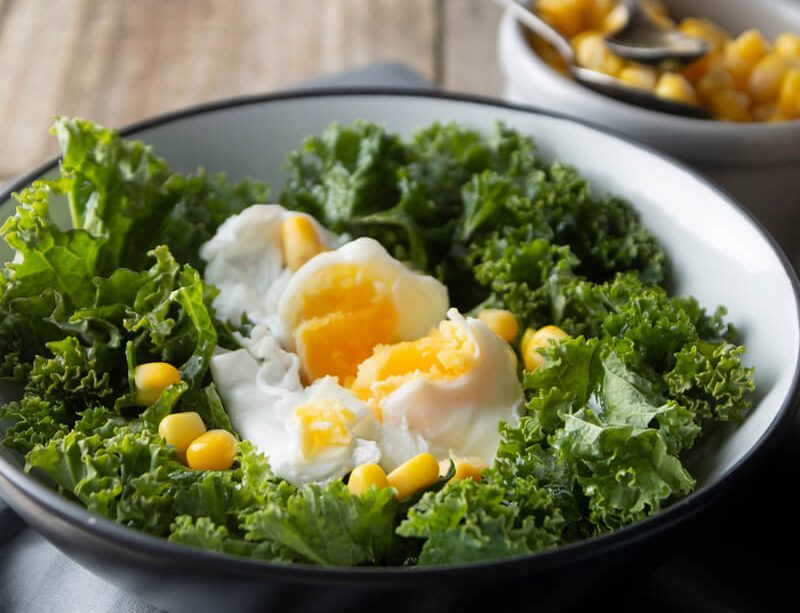
Vitamin K2 – even on its own, it occurs in several forms, which differ in the number of isoprenoids in the chain. Two of these forms, MK4 and MK-7, are the most studied. MK-4, or menatetrenone, is found mainly in foods of animal origin, such as meat, egg yolk, butter and some types of cheese. MK-7, or menaquinone, is produced by bacteria in the human body and is also found in some types of cheese and fermented foods (e.g. soy natto). In addition to MK-7, MK-6, MK-8, MK-10 and MK-11 are also produced in the gut microbiome (7, 31).
Until recently, it was thought that bacteria were able to produce up to 50% of the vitamin K2 needed, but recent research shows that this amount is probably lower. Moreover, the bioavailability of the vitamin thus produced is significantly lower than that of vitamin K2 from the diet. In addition, vitamin K2 deficiency may be aggravated by certain diseases and impaired function of certain organs – for example, inflammatory bowel disease, chronic kidney disease and impaired liver function. However, the use of antibiotics can also cause a drop in K2 levels. (7, 31)
A large part of the population is thus at risk of deficiency, because even if the body builds up some reserves, they can be depleted very quickly.(8) Moreover, today’s diet contains less vitamin K2 than that of our ancestors. Animals (such as cattle, pigs and poultry) synthesize it in their bodies from the vitamin K1 they consume, but unless they consume grass or other green plants, their meat, milk or eggs are significantly poorer not only in vitamin K2 but also in a number of other nutrients. (9) It is therefore important to give preference to free-range animal products or to supplement K2 through supplements.
Vitamins K3-7 – these are synthetic forms of vitamin K. The best known of these is K3 (menadione), which, although it has some positive effects (e.g. anticancer), at the same time has a significant toxicity that makes it banned for use in human nutrition.
History
Vitamin K was discovered in 1936, when it was described as a key factor in blood clotting. At that time, scientists found that chickens fed a low-fat diet had a significantly reduced coagulation capacity, which led to the occurrence of severe bleeding. Subsequent analysis of the fat component of the diet then revealed a factor that increased blood clotting. It got its name from the first letter of the word “coagulation” or clotting. In the following decade, researchers gradually distinguished between vitamin K1 and the various forms of vitamin K2 (38, 47).
However, the man who first described the existence of vitamin K2 is considered by some sources to be dentist Weston Price. This man traveled much of the world in the early 20th century researching the link between health and diet. He found that populations consuming unprocessed foods had a lower incidence of tooth decay and certain chronic diseases. So he thought that there must be a mysterious nutrient that protected them from these problems, which he called ‘Activator X’. Today, many experts are inclined to believe that it can be identified with vitamin K2. (46)
The big leap in understanding the function of vitamin K2 came in the 1970s. This was when gamma-carboxyglutamic acid was discovered, which is the key to understanding how vitamin K works in the body. It was discovered that it is through K1 that the “cats” activate a number of important proteins – in the case of K1 it is prothrombin, which allows blood to clot, in the case of K2 it is a whole group of proteins that ensure homeostasis in the body – for example osteocalcin, which is essential for the deposition of calcium in the bones and teeth, or the MGP protein, which is important for the health of blood vessels. Between 1990 and 2010, large epidemiological studies contributed to the understanding of how vitamin K2 intake is related to population health (47).
Relationship to the gut microbiome
As we have already mentioned, a significant part of the required vitamin K2 is produced with the participation of certain bacteria of the gut microbiome. These are mainly bacterial strains of Firmicutes, Proteobacteria and Bacteroides. Its use is therefore particularly appropriate in cases of disturbances in the balance of the intestinal microbiome. It is also interesting to note that its level in the body may be related to butyrate production. This is a short-chain fatty acid produced by certain intestinal bacteria, which has a number of positive effects on the body, in addition to promoting the absorption of vitamin K2 (30).
At the same time, K2 supplementation helps harmonize the gut microbiome and promotes the growth of certain beneficial bacteria. And it even promotes butyrate production. This can easily create a vicious cycle, where a disrupted gut microbiome does not produce enough K2, and low levels of K2 then lead to further deterioration of the balance within the gut (31).
Effects
Vitamin K2 is particularly important in the body for the aforementioned ability to activate a number of important proteins. This is especially necessary in the process of growth and maintenance of bone mass, but also for the protection of the cardiovascular system. It also has strong antioxidant effects, acting in particular as a free radical scavenger in the extracellular space. It also has a protective effect on the nervous system, both on the neurons themselves and on the supporting cells called oligodendrocytes. It is also anti-inflammatory (29).
Vitamin K2 is needed significantly less than other vitamins. This is due to the fact that it undergoes a series of transformation processes in the body known as the “vitamin K2 cycle”. In it, its molecule is constantly renewed through oxidation-reduction reactions, so that it can be used repeatedly – more than a thousand times. Nevertheless, its deficiency is relatively common in the population (29).
A number of studies have shown that sufficient intake of vitamin K2 is essential for the prevention and treatment of many diseases and disorders.
Osteoporosis
The best prevention of osteoporosis is usually recommended by taking calcium in combination with vitamin D3. The problem is that while this combination increases bone density, it can also lead to increased calcium deposition in the blood vessels, which can increase the risk of, for example, heart attacks and other cardiovascular diseases. Vitamin K2 is the solution here.
Vitamin K2 (more precisely, the enzyme of which it is a part) activates several proteins that control the movement of calcium in the body (the basis of this process is the carboxylation of glutamic acid). The most important of the activated proteins is osteocalcin, which is the second most abundant protein in bones after collagen. While collagen forms a kind of skeleton in which calcium can be stored, the role of osteocalcin is much more active – it brings calcium into the bones and teeth. Another protein activated by vitamin K2 is matrix gla protein (MGP), which in turn is responsible for removing calcium from soft tissues, especially arteries and veins. K2 thus acts on two fronts: it increases bone strength and cleans blood vessels (1, 29).
Thinning and increased bone fragility are among the most important symptoms of vitamin K2 deficiency. In this case, the carboxylation of osteocalcin is impaired, the activity of osteoblasts (cells that rebuild bone structure) is reduced, and calcium is not incorporated into the bone in sufficient quantities (5, 6).
Dental caries
Adequate levels of vitamin K2 are also important for dental health. This is far from being determined by sugar consumption and brushing, although both are important. Calcium deposition is also important, but in addition to this, a part of the brain called the hypothalamus is also involved in regulating oral processes. This is where signals travel to the parotid glands, which are responsible for saliva production. Excessive sugar consumption not only affects the teeth themselves, but also increases oxidative stress in the hypothalamus, making the mouth more vulnerable to bacteria. These produce acidic substances that cause erosion of tooth enamel, which then leads to the development of inflammation (28).
In addition to promoting calcium deposition in dental tissue, vitamin K2 also acts as an antioxidant – both locally, i.e. in the oral cavity, and systemically, i.e. in the brain. It also helps to improve the buffering capacity of saliva (i.e. the ability to balance pH) (28).
Cardiovascular disease
The most important risk factor for cardiovascular disease is usually considered to be elevated cholesterol levels. However, a growing body of research shows that the opposite is true. Cholesterol itself is not that important. In fact, on average, about 50% of people who have suffered a myocardial infarction have had normal cholesterol levels.(10) On the contrary, the degree of calcium plaque clogging of blood vessels, i.e. atherosclerosis, is proving to be a far more important factor, and this is where vitamin K2, specifically its ability to activate the protein MGP, which cleans blood vessels of calcium deposits, can best help.(1)
In a large Dutch study of 4,500 men over 55, for example, researchers found that those with sufficiently high blood levels of vitamin K2 had a 52% lower risk of calcium deposits, a 41% lower risk of cardiovascular disease and a 51% lower risk of death from cardiovascular disease. (11) Again, in another animal study, after just six weeks on a K2-enriched diet, there was a whopping 37% reduction in calcium in blood vessels, more than a third. (3) The good news is that K2 intake not only prevents the formation of calcium deposits in blood vessels, but also dissolves deposits that have already formed and improves the elasticity of blood vessels (12, 39).
Alzheimer’s disease
Alzheimer’s disease causes the formation of characteristic amyloid plaques in the brain, which are abnormal accumulations of different types of proteins. Two factors are involved in their formation, in which vitamin K plays an important role:
Cell damage through oxidative stress (i.e. free radicals) is a major contributor to the brain lesions that are characteristic of Alzheimer’s disease. Although vitamin K2 is not a classical antioxidant that neutralizes free radicals by reacting with their unpaired electrons, it is able to prevent the accumulation of free radicals in brain tissues where they could cause DNA damage to brain cells (14, 15).
The second factor is the ability of vitamin K2 to regulate the sensitivity of brain cells to insulin. Sufficient glucose as an energy source is vital for brain cells, and they logically need insulin for this. This hormone is quite essential for brain function, learning and memory – so much so that some experts have started calling Alzheimer’s disease type III diabetes. For example, research has shown that insulin administration improves cognitive abilities in Alzheimer’s patients. (16) Vitamin K2 increases the sensitivity of brain tissue to insulin.
The epigenetic action of vitamin K may also play a role. In fact, recent research suggests that the defective ApoE4 gene, one of three variants of the ApoE gene that damage the brain’s vascular system, may play a significant role in the development of Alzheimer’s disease. People who inherit one copy of Apoe4 have a 3-fold increased risk of developing Alzheimer’s disease, and those who inherit two copies have a 12-fold increased risk.(13)
Diabetes
In 2007, the scientific world was shocked by a study showing that osteocalcin, a protein activated by vitamin K2, can increase insulin production and make tissues more sensitive to the hormone at the cellular level. (2) At the same time, it has been clearly demonstrated that vitamin K deficiency reduces the ability of the pancreas to produce insulin and also has a negative impact on glucose tolerance (i.e., slows the response to insulin). (20) Meanwhile, a significant improvement in insulin production in the subjects occurred just one week after starting to take this vitamin! (21) The reason for the positive effect of vitamin K2 in diabetes is the fact that osteocalcin, which is activated by it, directly promotes the proliferation of pancreatic cells and insulin production. (39)
At the same time, long-term supplementation with vitamin K2 in healthy populations has reduced the risk of diabetes, even at very low doses. For example, a study following a group of 38,000 women showed that supplementation with as little as 10 µg of K2 per day reduced the risk of diabetes by 7% (40).
Prevention of wrinkles
Scientists have long puzzled over the fact that Japanese women have significantly fewer wrinkles than American women of the same age. In the end, they concluded that regular consumption of a fermented soybean dish called natto, one of the richest natural sources of vitamin K2, played a big role in this regard – the Japanese women tested had much higher blood levels of this vitamin. (17) It is also interesting to note that women with a high incidence of wrinkles have a much higher risk of osteoporosis after menopause. (18) And as we already know, it is vitamin K2 that determines the risk of osteoporosis.
Scientists believe that vitamin K2 affects skin ageing in the same way as blood vessel elasticity. Wrinkles are caused in particular when the elastic fibres in the skin become calcified and lose their original elasticity. Vitamin K2 influences the activity of the MGP protein, which removes calcium not only from the blood vessels but also from the skin (19).
Venous disease
Varicose veins are an unpleasant and very unsightly problem. The cause of their formation is the loss of elasticity of the vascular wall of the superficial veins, which can then develop various bulges due to gravity. And why does this loss of elasticity occur? The cause is again calcium deposition, so here again the solution is to activate MGP with vitamin K2.
But even more dangerous is a bad deep venous system. Although it is not visible, if inflammatory processes occur here, clots can form and break loose, causing life-threatening pulmonary embolism. K2 will help here too, ideally in combination with an increase in the intake of plant flavonoids, which are abundant in berries, for example. (1)
Rheumatoid arthritis
Although the mechanism of this autoimmune disease is not yet precisely known, it seems that vitamin K2 deficiency plays a negative role here as well – vitamin K2 deficiency is also typical for this disease. The destruction of bones and joints in rheumatoid arthritis is caused by the activation of bone cells called osteoclasts. Scientists have shown that vitamin K2 administered with conventional drugs used in this disease can keep osteoclast activity at bay and prevent joint damage. In addition, patients with rheumatoid arthritis who took vitamin K2 showed lower CRP (and therefore lower inflammation) and other important values (22, 32-34).
Arthrosis
K2 deficiency is also typical for another joint disease – arthrosis. In this disease, calcification (i.e. calcification) of articular cartilage occurs, which leads to a decrease in its strength and an increase in friction during movement. This process, together with inflammatory processes, contributes to cartilage degradation. Vitamin K2, as an important activator of MPG protein and gamma-carboxyglutamic acid, helps to reverse cartilage calcification.
Tumour diseases
The first large-scale study linking cancer risk to low vitamin K2 intake was published in 2010. It found that sufficient intake of this vitamin reduces the risk of developing the disease by up to 30% and reduces the risk of dying from cancer by about the same percentage. (23)
Interestingly, men benefit more than women from taking vitamin K2 for cancer prevention. This is probably due to the fact that this substance is particularly effective against two types of cancer that lead the male mortality list – prostate and lung cancer. Researchers have found that it is effective against the growth of all types of lung cancer, while in the case of prostate cancer, although it does not prevent the tumour itself, it can reduce the likelihood of it growing to an advanced stage. Vitamin K2 has also been shown to be effective against tumors of the liver, intestine, stomach, breast, brain, throat, and oral cavity in both sexes (24-26).
The mechanisms by which vitamin K2 exerts its anticancer effects are numerous. For example, it inhibits the activity of enzymes involved in tumour formation and growth, as well as the nuclear factor NF-kB, which is associated with cell growth and carcinogenesis. Through its epigenetic action, it suppresses the activity of genes that are associated with proliferation (i.e. rapid, uncontrolled cell division) and, in contrast, promotes apoptosis (programmed cell death) and autophagy. (29)
It is also interesting that vitamin K2 acts synergistically with some drugs used in chemotherapy. Thus, it increases their effectiveness and allows the use of lower treatment doses (29).
Leukemia
As early as 1990, vitamin K2 was found to induce apoptosis, or programmed cell death, in all leukemia cell types tested (27).
Sexuality and fertility
Nature has created an interesting connection in the human body between the male and female reproductive organs and bone health. In fact, the sex hormones estrogen and testosterone, which are secreted in the highest amounts at puberty, also increase skeletal strength. In contrast, the significant drop in estrogen production at menopause has a negative effect on bone strength. In men, there is another interesting link: osteocalcin, which is produced by osteoblasts in bone cells, binds to Leydig cells in the testes and thus affects testosterone production. This hormone is also essential for sperm production. In one study, when researchers induced osteocalcin deficiency in male mice, they found that they produced 60-80% less testosterone than healthy individuals! Vitamin K2, which can positively affect osteocalcin production, holds great promise not only for promoting male sexuality but also for treating infertility. (1)
Inflammatory bowel disease
Deficiencies of some micronutrients (in addition to vitamin K2, vitamins D3, B1, B6, B19, iron, selenium, zinc and folic acid) have been reported in more than half of patients with inflammatory bowel disease, i.e. especially Crohn’s disease and ulcerative colitis. Vitamin K2 has an important immunoregulatory function and also has anti-inflammatory effects and helps maintain homeostasis within the gut. Moreover, there is a vicious circle in this regard: inflammatory bowel diseases impair the absorption of K2 and its deficiency subsequently worsens the course of the disease itself (31).
If, on the other hand, K2 levels can be increased, this usually results in a reduction in the intensity of inflammatory processes in the gut. This vitamin suppresses the production of some pro-inflammatory substances, especially cytokines and TNF-α. The ability of vitamin K2 to support the balance of the gut microbiome also has a beneficial effect on the disease state. In addition, K2 has antioxidant effects, which are also important in inflammatory diseases, and it also promotes the production of some short-chain fatty acids, not only butyrate and acetate, mentioned above, and inhibits the production of others, mainly propionate, isobutyrate and isovalerate. This also contributes to the improvement of inflammatory bowel diseases – for example, butyrate helps to restore the barrier function of the intestine, which is impaired in these diseases (31).
In addition, patients with chronic intestinal diseases are much more likely to suffer from osteoporosis, which is also related to K2 levels (31).
Liver
Vitamin K2 promotes the regeneration of liver cells and also the formation of new liver cells from stem cells. For example, a positive effect has been shown in people with cirrhosis, where K2 not only promotes liver tissue regeneration but also reduces the risk of liver cancer. (36, 39)
Antifibrotic effect
Fibrosis is a disease consisting of excessive deposition of collagen fibres in various organs (most commonly in the lungs and liver), where they subsequently calcify and then interfere with the function of the respective organs and can lead to their failure. The ability of K2 to modulate MGP protein activation helps to slow the progression of lung fibrosis (37)
Kidneys
There are also ongoing studies showing a positive effect of taking vitamin K2 for chronic kidney problems. It has been shown to improve, for example, glomerular filtration rate, improve the condition of the renal arteries and generally support kidney function. (39)
Multiple sclerosis
K2 plays a role in a number of diseases of the nervous system and this is also true for multiple sclerosis. Low levels of this vitamin are also typical of MS. (39)
Obesity
Vitamin K2 affects not only glucose metabolism, but also fat metabolism. In addition, it reduces the activity of the gene promoting adipogenesis, i.e. the formation of adipose tissue, and affects the production of the hormone adiponectin, which is involved in the regulation of fat and carbohydrate metabolism. In various studies, vitamin K2 supplementation has led to a reduction in waist circumference, body weight, improved body composition, and loss of visceral fat in subjects (39).
Use of
Vitamin K2 is available as a dietary supplement in two forms – as menatetrenone (MK4) and menaquinone (MK7). The former is not very popular because a relatively high dose, 20-50 mg per day, is needed to achieve the effect. The recommended daily dose of menaquinone is around 100µg.
K2 is relatively well tolerated, only rarely does nausea occur after taking it. Safety has been confirmed even after two years of continuous use. It should not be taken together with blood-clotting drugs (e.g. Warfarin) (45).
Suitable combinations
Vitamin K3 is most often combined with vitamin D3, with which it acts synergistically, especially in the prevention of osteoporosis. Calcium is the third in the party, but for example, the use of K2 and D3 has been shown to be more effective in osteoporosis than calcium alone.(42) Another suitable combination is vitamin K2 with butyrate, due to its absorption support. However, there are other options.
Osteoporosis: vitamin K2 + vitamin D3 (41), vitamin K2 + genistein (43)
Heart and blood vessels: vitamin K2 + vitamin D3 (41), vitamin K2 + resveratrol (1), vitamin K2 + omega-3
Cancer: vitamin K2 + vitamin A (29), vitamin K2 + vitamin E (29)
Diabetes: vitamin K2 + vitamin D3 (44)
Ageing skin: vitamin K2 + resveratrol (1)
0:00
/
0:00
Stárnutí je volba
Klíčová slova: Alzheimer's disease, arthritis, atherosclerosis, blood vessels, diabetes, fertility, heart, immunity, K2, osteoporosis, skin, sperm, testosterone, thrombosis, varicose veins, wrinkles
Komentáře
Seznam zdrojů
- Kate Rhéaume-bleue, B.Sc., N.D. Vitamin K2 and the Calcium Paradox. John Wiey & Sons Canada, 2012
- Lee NK, Sowa H, Hinoi E, et al. Endocrine regulation of energy metabolism by the skeleton. Cell 2007, 130(3):456-69
- Schurgers LJ, Spronk HM, Soute BA, et al. Regression of warfarin-induced medial elastocalcinosis by high intake of vitamin K in rats. Blood 2007 Apr1, 109(7): 2823-31
- Cranenburg ECM, Schurgers LJ, Vermeer C. Vitamin K, the coagulation vitamin that became omnipotent. Thromb Haeomost 2007, 98(1):120-25
- Szulc P, Chapuy MC, Meunier PJ, Delmas PD. Serum undercarboxylated osteocalcin is a marker of the risk of hip fracture in elderly women. J Clin Invest. 1993;91(4):1769-1774.
- Vergnaud P, Garnero P, Meunier PJ, Breart G, Kamihagi K, Delmas PD. Undercarboxylated osteocalcin measured with a specific immunoassay predicts hip fracture in elderly women: the EPIDOS Study. J Clin Endocrinol Metab. 1997;82(3):719-724.
- Broulík P. Výživa a její vztah ke kostnímu metabolismu. Interní Med. 2009;11(3):11-14.
- Food and Agriculture Organization of United Nations. Human Vitamin and Mineral Requirements. www.fao.org/docrep/004/Y2809E/y2809eog.htm
- Masterjohn C. On the trail of the elusive X-factor. Wise Traditions 2007, 8(1): 14-32
- Fonarow GC, French WJ, Frederick PD. Trends in the use of lipid-lowering medication at discharge in patients with acute myocardial infarction: 1998 to 2006. Am Heart J 2009 Jak, 157(1):185-94
- Gast GC, et al. A high menaquinone intake reduces the incidence of coronary heart disease. Nutr Metab cardiovasc Dis 2009 Sep 19(7):504-10; Beulens JW, ea al. High dietary manaquinone intake is associated with rediced coronary calcifiation. Atherosclerosis 2009 Apr, 203(2):489-93
- Schurgers L. Regression of warfarin-induced medial elastocalcinosis by high intake of vitamin K in rats. Blood 2007 Apr. 109(7):2823-31
- http://www.medicalnewstoday.com/articles/245640.php
- Lin J, Lin JC, Wang H. ea al. Novel role of vitamin K in preventing oxidative injury to developing oligodendrocytes and neurons. J Neurosci 2003 Jul 2, 23(13):5816-26
- Li J, Wang H, Rosenberg PA. Vitamin K prevents oxidative cell death by inhibitink activation of 12-lipoxygenase in developing oligodendrocytes. Jneurosci Res 2009 Jul, 87(9):1997-2005
- Craft S. Insulin resistence syndrome and Alheimers´sesease: age- and obesity-related offect on memory, amyloid and infalmmation. Neurobiol Aging 2005 Dec, 26(Suppl) 1:65-69
- Tsukamoto Y, Ichise H, kakuda H, et al. Intake of fermented soyabean (natto) incresases circulatin vitamin K2 (menaguinon-7) and gama-carboxylated osteocalcen concentration in normal individuals. J Bone Miner Metab 200, 18(4):216-22
- Pal L, Kidwai N, Glockenberg K, et al. Skin wrinkling and rigidity are predictive of bone mineral density in early postmenopausal women. Endocr Rev 2011, 32
- Gheduzzi D, Boraldi F, Annovi G, et al: Matrix gla protein is involved in elastic fiber calcification in the dermis of pseudoxanthoma elasticum patients. Lab Investe 2007, 44(6):444-59
- Sakamoto N, Wakabayashi I, Sakamoto K. Low vitami K intake effects on glukose tolerance in rats. Int J Vitam Nutr Res 1999 Jan, 69(1):27-31
- Sakamoto N, Nishiike T, Iguchi H, et al. Possible effects on week vitamin K tablets intake on glukose tolerance in healthy young male volunteers with diffrent descarboxy protrhombin levels. Clin Nutr 2000 Aug, 19(4):259-63
- Morishita M, Nagashima M, Wauke K, et al. Osteoclast inhibitory effect of vitamin K2 alon or in combination with etidronate or risedronate in patients with rheumatoid arthritis: 2-year results. J Rheumatol 2008 Mar, 35(3):407-13
- Niptsch K, Rohrmann S, Kaaks R, et al. Dietary vitamin K intake in relation to cacer incidence and mortality: results from the Heidelberg Cohort of the European Prospective Investigation into Cancer and Nutrition (EPIC-Heidelgerg). AM J Clin Nutr 201, 91(5):1348-58
- Nimptsch K, Rohrmann S, Nieters A, et al. Srum Undercarboxylated osteocalcin as birmarker of vitamin K intake and risk of prostate cancer: a nested case-control study ind the Heidelberg Cohort of the European Prospective Invetigation into Cnacer and Nutrition. Cancer Epidemiol Biomarkers Prev 2009, 18(1):49-56
- Yoshida T, Miyazawa K, kasuga I. Apoptosis induction of vitamin K2 in lung carcinoma cell lines: the possibility of vitamin K2 therapy for lung cancer. Int J Oncol 2003 Sep, 23(3):627-32
- Lamson DW and Plaza SM. The anticancer effects of vitamin K. Altern Med Rev 2003, 8:303-18
- Yaguchi M, Miyazawe K, Katagiri T, et al. Vitamin K2 and its derivatives induced apoptosis in leukemia cells and enhance the effect of all-trans retinoic acid. Leukemia 1997, 11(6):779-87










4 Comments
Finally, almost comprehensive information on vit. K in one article. Thank you very much for this website. I recommend it repeatedly. I will ask you to add a summary of the most important natural sources of K2 with indicative values. Internet information varies quite a bit. Especially for sauerkraut, which is, for example, according to Wikipedia a partial source, but according to Austrian information quite substantial /over 1000mcg per 100g/. If you have some solid comprehensive tables of vitamin content in food, I would be eternally grateful for the link. For example, vit. C in sauerkraut according to older Czech tables about 10mg, according to Wiki and others many times more… Thank you in advance for your willingness and time. Václav Slezák Hradec Králové
Hello, there is a problem with giving exact values because the values in different foods vary considerably (for animal products, especially depending on the type of feed for the animal). The results of different studies therefore vary considerably. For example, according to a 2006 study by Schurgers and Vermeer, the richest source of K2 is soy product natto (1 103 micrograms per 100 g) followed by goose liver (369 micrograms). This is followed by a list of various higher-fat animal products that contain tens of micrograms per 100 g (hard cheese is the highest, followed by free-range eggs). Sauerkraut is the only vegetable product other than natto mentioned in the study, but the listed content of the vitamin is only 4.8 micrograms.
Hello, is it true that vitamin K2 is found in abundance in the liver from apricot pits? I have osteoporosis and I take more calcium and vitamin D3, so I am worried if calcium is showing up in my blood vessels.Thank you for the answer.
Hello,
While apricot kernels are very good for your health, in general the vitamin K2 content of plant sources is an order of magnitude lower than that of animal sources (with exceptions like soy natto). If you want to get your K from a regular diet, I recommend investing in farm-quality butter (from free-range animals) and eggs from free-range chickens.