Royal Jelly
epivyziva.cz/
Zobrazeno: 279
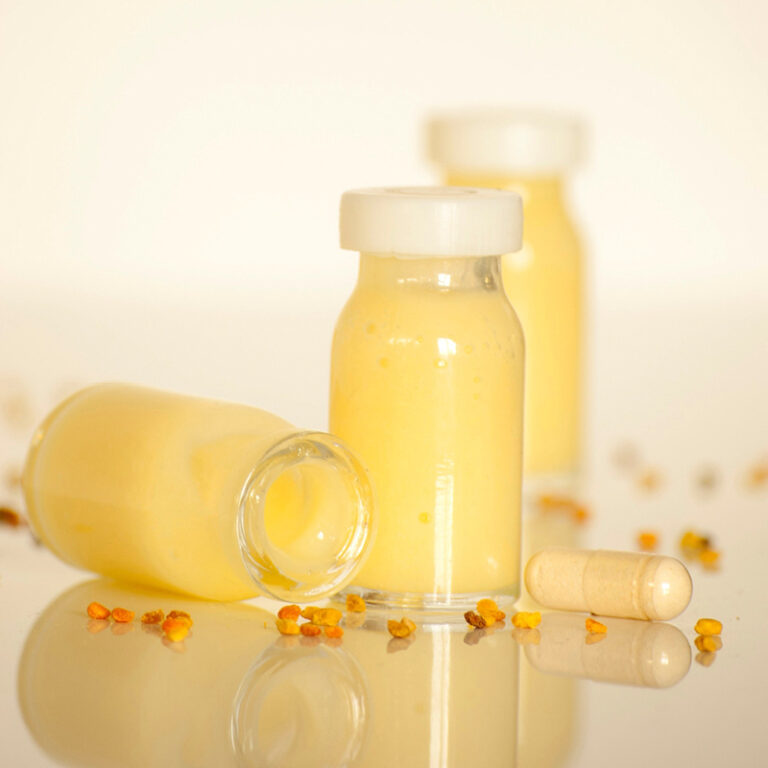
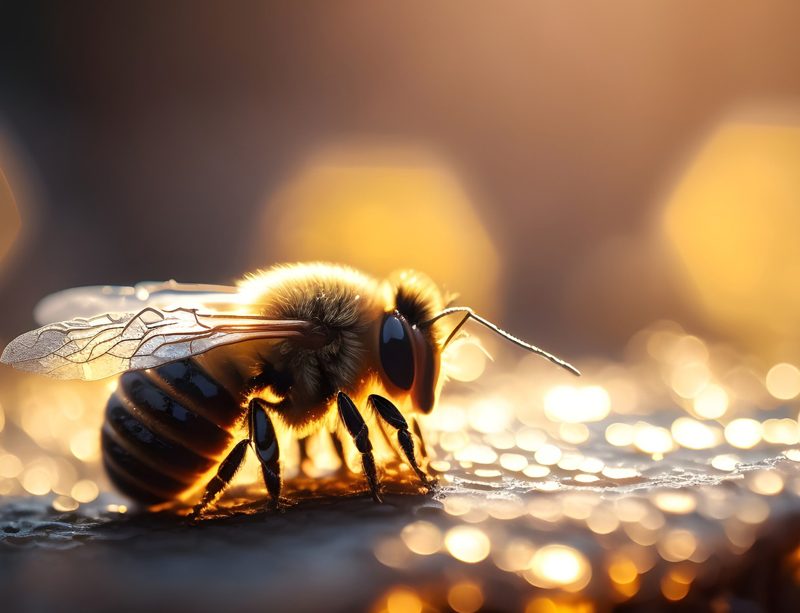
It’s called the bee paradox: All the bees in the hive have exactly the same genetic information, but while the worker bee is tiny, infertile and lives only a few weeks, the queen bee is twice the size, lives up to seven years and lays thousands of eggs a day. But how can two individuals with the same DNA be so different? The reason is purely down to nutrition – specifically a product called royal jelly. While the worker only tastes it as larvae in the first three days of life, the queen eats it almost constantly. But this unique cocktail of nutrients is not only good for the bees – it also has very interesting effects on the human body.
Description
Royal jelly is a gel-like substance that is formed in the pharyngeal glands from the pollen of young bees. For the first three days of life, all larvae are fed royal jelly. The worker larvae are then switched to a diet containing mostly honey and pollen, while the larvae of future queens and then the queen herself receive royal jelly for the rest of their lives: At any given moment, there are several bees around the queen, whose job it is to feed her continuously. This leads to the activation of the insulin signalling cascade, changes in the production of hormones affecting brain development and a wide range of epigenetic changes. All of this results in the development of a completely different individual in terms of body structure, physiology and behaviour.
China is the largest producer of royal jelly, accounting for 90% of the world’s production. Scientists there have bred a special type of bee that produces royal jelly in large quantities and have optimised production processes. As a result, they are able to obtain up to 10 times more royal jelly from a single colony than from native bee species.
Ingredients
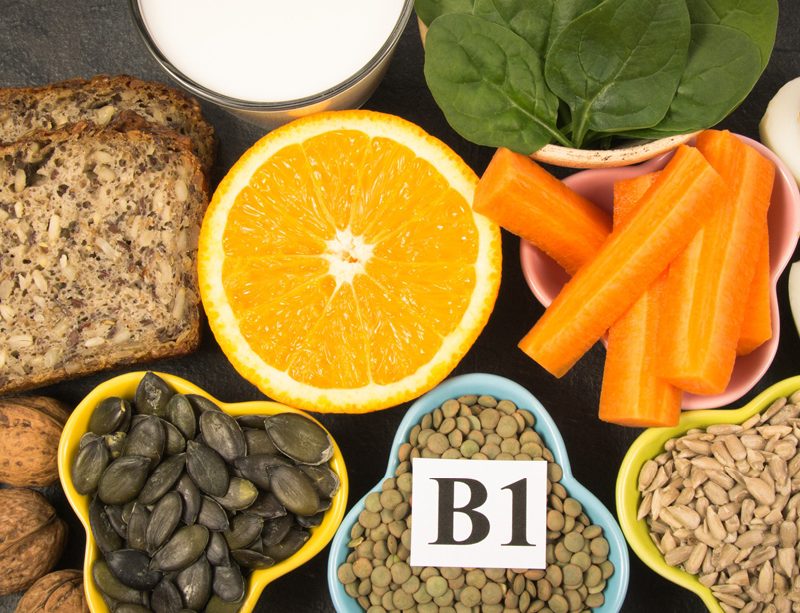
Royal jelly is considered a superfood because of its unique composition. In addition to water (approx. 60%), it contains a relatively high amount of protein (9-18%), which includes all essential amino acids (of the amino acids, it is particularly rich in valine, leucine, arginine and lysine). Of the macronutrients, sugars (7-18 %) and fats are also present – these are mainly in the form of free fatty acids, some of which are quite unique. Of the micronutrients, royal jelly contains a number of essential vitamins and minerals: the B-complex, vitamins A, C, E, iron, sodium, potassium, calcium, magnesium, zinc, manganese and copper. The content of enzymes, hormones (e.g. testosterone, oestradiol, progesterone and prolactin), peptides, polyphenols and nucleotides is also important (2).
In terms of epigenetic action, the content of one of the organic acids, 10-hydroxy-2-decenoic acid (10HDA), is crucial, as it acts as an inhibitor of histone deacetylases (i.e. it suppresses the production of enzymes necessary for the epigenetic reaction called histone deacetylation, thereby increasing the activity of the corresponding genes). In addition, it indirectly affects another key epigenetic reaction called gene methylation. It is the 10HDA content that is considered to be the international quality standard (1, 2).
History
Royal jelly was already known to the ancient Egyptians. They used it for cosmetic purposes, but it was probably also consumed by the ruling class. Historians of ancient Greece report that in ancient times people ate crushed honeycombs containing honey, propolis, royal jelly and larvae. The effect of royal jelly on the vitality, longevity and fertility of queen bees was first described by Aristotle. In Asia, specifically in ancient China, royal jelly was used for healing – it was associated with longevity and sexual power. In modern times, the role of royal jelly in the nutrition of queens was first described by the Dutch naturalist Jan Swamerdamm (1637-1680). Its chemical analysis was then first performed in 1852 by Reverend Langstroth, who is considered the father of American beekeeping. Royal jelly has been studied and used as a dietary supplement since the 1960s.
Healing effects
A key reason for the action of royal jelly is its ability to alter the course of epigenetic reactions and thus the activity of individual genes in DNA. In bees, these changes are so intense that they lead to the development of a completely different individual. However, the epigenetic action of royal jelly, although not as pronounced as in bees, has also been demonstrated in mammals, including humans. These effects are not only due to the content of 10HDA, which mainly affects histone acetylation, but also to certain proteins (which affect e.g. gene methylation), polyphenols and other components (1).
Sexual health of men and women
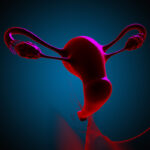
Royal jelly is particularly suitable for menopausal women. It contains not only directly female sex hormones, but also four active substances (including 10HDA) that affect the activity of estrogen receptors alpha and beta. Thanks to this, it helps to effectively alleviate unpleasant symptoms of menopause, such as hot flashes, lower back pain, occurrence of vaginal infections, cognitive deficit or anxiety and other negative psychological conditions. Significant relief of problems occurred in studies after eight weeks of taking 1 g daily or after 12 weeks of taking 800 mg daily. In post-menopausal women, it also helps reduce the risk of cardiovascular problems and Alzheimer’s disease. A study in rats with removed ovaries also suggested the ability of royal jelly to reduce bone loss after menopause (2, 6, 7, 34).
However, it also brings many benefits to women of childbearing age. In one study, for example, its use led to a 50% reduction in the symptoms of premenstrual syndrome (PMS). This result was achieved after two months of taking 1 g per day. (8)
There are also significant positive effects on fertility in both sexes. In men, for example, it promotes sperm production and longevity, protects them from the effects of toxic substances and heat stress, and also increases the volume of ejaculate. Men can also benefit from royal jelly’s ability to increase testosterone levels – just 100 mg a day for 3 months in one study, for example, increased levels by 20%! One reason for this may be the ability of royal jelly to promote the production of the so-called luteinizing hormone, which is essential just for testosterone production. It also has a positive effect on libido (2, 34).
Animal studies suggest that it could also positively affect early fetal development, but further research is needed to confirm this effect (2).
Immunity, allergies and antimicrobial action
Royal jelly has strong immunomodulatory effects. In particular, the contained glycoproteins and fatty acids support the formation and maturation of a number of immune cells and the overall immune response. However, it also contains substances that modulate the immune response to an allergen and may therefore have anti-allergic effects.
Many of the proteins and peptides in royal jelly also have direct antimicrobial effects. They can effectively kill a range of Gram-positive and Gram-negative bacteria – for example, golden staphylococcus, E. coli and B. subtilis. They also act against a number of viruses, such as herpes viruses (HSV-1 and HSV-2), influenza viruses and some rhabdoviruses, as well as fungi and yeasts (including Candida albicans).
Antioxidant and anti-inflammatory action
Royal jelly counteracts harmful free radicals not only through the antioxidants it contains (e.g. polyphenols), but it can also effectively support the production of internal antioxidant enzymes such as superoxide dismutase (SOD), glutathione peroxidase, glutathione reductase and catalase. (2, 9)
Its anti-inflammatory action is also significant. For example, it suppresses the production of inflammatory cytokines such as IL-1, IL-6 or THF-α. It is even thought to have a positive effect in autoimmune diseases such as rheumatoid arthritis (2, 10).
Brain and nervous system
Substances contained in royal jelly, such as 10HDA, promote the formation of new neurons from stem cells and their differentiation. Therefore, it has the potential to improve cognitive performance, especially in post-menopausal women and in older people in general. It also helps to improve the function of the blood-brain barrier, which separates blood circulation from the brain and thus protects the brain against harmful substances. Animal studies have also shown the ability to reduce amyloid beta formation, which may be beneficial in the prevention and treatment of Alzheimer’s disease (5, 13-15).
Animal studies also show the potential to mitigate the effects of brain and nervous system injuries.(2)
Liver and kidneys
Although research on human volunteers is lacking in this area, animal studies suggest that royal jelly could support both liver and kidney function, while also helping to protect against free radicals and toxic chemicals (9, 11, 12).
Ageing
In bees, royal jelly causes a multiple life extension – while worker bees live only a few weeks, queen bees live 3-5 years, rarely even up to seven years. However, a significant positive effect on life extension has also been demonstrated in other animal species, and an anti-age effect is also expected in humans. (2)
Cardiovascular health
Royal jelly has a proven effect on lowering cholesterol. It is particularly effective in post-menopausal women, but positive effects have also been observed in human male volunteers. Decreases in total and LDL cholesterol and increases in HDL cholesterol have also occurred in people with advanced atherosclerosis (17-19).
Animal studies have also shown the potential to lower blood pressure (20, 21).
Diabetes
Royal jelly can also be a very useful helper for diabetics. Studies on human volunteers have shown its significant ability to lower blood glucose and glycated haemoglobin levels and improve insulin production. Animal studies have also shown its potential to reduce the incidence of complications of diabetes, such as kidney damage. It may also help diabetics to lose weight (2, 22, 23).
Tumour diseases
Some studies have also confirmed the anti-cancer effects of royal jelly. For example, the ability to inhibit the growth of the tumour itself and metastases has been demonstrated, as well as the anti-angiogenic effect, i.e. the ability to inhibit the formation of new blood vessels needed to supply blood to a growing tumour. The positive effect on the immune system is also significant, as the fitness of the immune system determines whether immune cells will be able to recognise and destroy potential tumour cells. Beneficial effects of royal jelly have been observed in prostate, liver, breast (here only mildly) and neuroblastoma tumours (2).
In addition, royal jelly has a synergistic effect with some chemotherapy drugs and also helps to alleviate some of the side effects of chemotherapy and radiotherapy, so it may be a suitable adjunct to conventional treatment (24, 25).
Skin and wound healing
Royal jelly has a positive effect on the skin, both when used internally and when applied externally, for example as part of skin creams. In addition to slowing down the ageing process, it improves the skin’s protection against UVB radiation, for example. A study carried out on rats also showed that it could help maintain skin elasticity in post-menopausal women. In fact, when it was orally administered to female rats with removed ovaries, they experienced an increase in collagen production in their skin (2, 28).
It also improves the healing of wounds, not only minor injuries such as scratches, but also diabetic ulcers and atopic eczema lesions. For example, the proteins and other substances contained in the wound promote the formation and migration of keratinocytes, the migration of fibroblasts and increase the level of sphingolipids, which are involved in the healing process. When applied externally to diabetic ulcers, it also promotes vasodilation (widening of blood vessels) around the wound and prevents infection by microorganisms (2, 26).
Prostate
One study also showed benefit in benign prostatic hyperplasia (i.e., overgrowth). When royal jelly was given to a group of volunteers with this problem, they experienced a decrease in both PSA (prostate-specific antigen) and IPSS scores, which reflect individual perception of symptoms. (27)
Dry eyes
One small Japanese study on volunteers aged 20-60 years (and before that, one study on rats) showed that royal jelly can stimulate tear production and help with chronically dry eyes. After eight weeks of taking 2400 mg of royal jelly, the volunteers experienced a significant increase in tear production as well as improved tear stability (29).
Use and contraindications
Royal jelly is generally well tolerated, but some allergic reactions may occur after taking it. These are usually mild (rashes, swelling, irritation of the respiratory tract, indigestion), but in rare cases can be life-threatening. In general, it should be avoided by people who are hypersensitive to bee products and allergic to bee stings, as allergic reactions can also be caused by the proteins found in both royal jelly and bee venom. In general, all allergy and asthma sufferers should be careful. Allergic reactions may also occur when applied in the form of a cream. Great vigilance is also warranted in the case of tumours with a hormonal background, such as breast or ovarian cancer (2, 30-32).
The use of royal jelly is generally recommended in the context of time-limited treatments (4 weeks to 3 months). The usual dose is 1 g per day, but studies on human volunteers have used doses ranging from 300 mg to 4 g, and rarely up to 6 g. However, safety of use has been demonstrated at doses of 4.8 g per day for 1 year. Royal jelly is also safe for children aged 6 years and over, but here it should be used only for a short period of time because of its sex hormone content. Use in pregnancy and breastfeeding is not recommended due to the lack of studies conducted (31).
Royal jelly should not be taken together with blood-thinning drugs (e.g. warfarin), and great caution is also needed in combination with blood pressure-lowering drugs. It is also inappropriate in combination with hormonal treatments affecting the production of oestrogen and testosterone, as well as with antidiabetic drugs (the effects are cumulative, so hypoglycaemia could occur). In general, the use of any dietary supplement should be consulted with the attending physician. (31, 32)
Suitable combinations
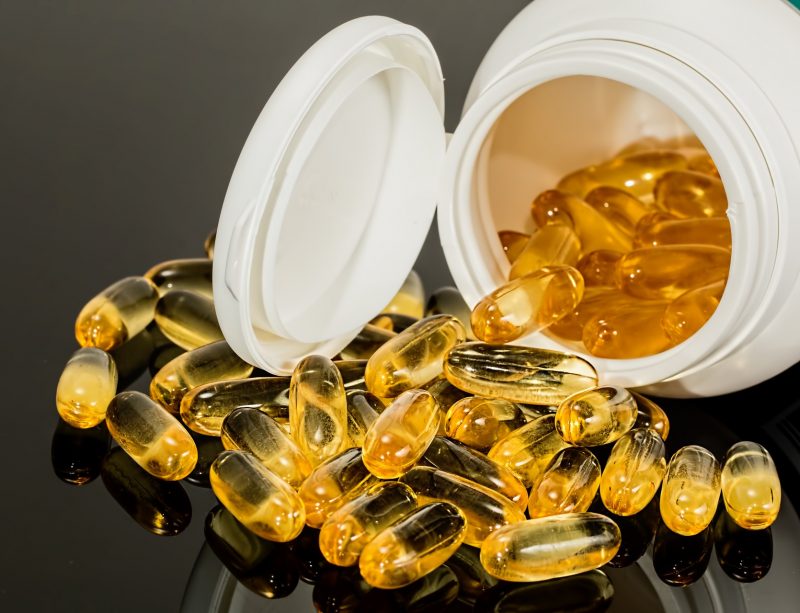
Royal jelly is usually used alone, or combined with other bee products – most often propolis, pollen (a) or honey – these combinations have, for example, significant anti-inflammatory, antioxidant effects and a positive effect on immunity. One study also confirmed the positive effect on the heart and blood vessels of the combination royal jelly + propolis + bee venom. The combination of royal jelly with cod liver oil has also been used successfully to promote fertility, and royal jelly + omega-3 is also a possible combination (2, 35-37).
0:00
/
0:00
Stárnutí je volba
Klíčová slova: antioxidant, bee products, blood-brain barrier, brain, cholesterol, diabetes, dry eyes, estrogen, fertility, flushing, heart and blood vessels, high blood pressure, immunity, inflammation, Kidney, libido, liver, menopause, pollen, propolis, prostate, Royal jelly, tear production, testosterone
Komentáře
Seznam zdrojů
- Astrid Spannhoff, Yong Kee Kim, Noel J -M Raynal, Vazganush Gharibyan, Ming-Bo Su, Yue-Yang Zhou, Jia Li, Sabrina Castellano, Gianluca Sbardella, Jean-Pierre J Issa, and Mark T Bedford. Histone deacetylase inhibitor activity in royal jelly might facilitate caste switching in bees. EMBO Rep. 2011 Mar 3; 12(3): 238–243.
- Saboor Ahmad, Maria Graça Campos, Filippo Fratini, Solomon Zewdu Altaye, and Jianke Li. New Insights into the Biological and Pharmaceutical Properties of Royal Jelly. Int J Mol Sci. 2020 Jan; 21(2): 382.
- Li J., Li H., Zhang Z., Pan Y. Identification of the proteome complement of high royal jelly producing bees (Apis mellifera) during worker larval development. Apidologie. 2007;38:545–557.
- Feng M., Fang Y., Han B., Xu X., Fan P., Hao Y., Qi Y., Hu H., Huo X., Meng L. In-depth N-glycosylation reveals species-specific modifications and functions of the royal jelly protein from Western (Apis mellifera) and Eastern Honeybees (Apis cerana) J. Proteome Res. 2015;14:5327–5340.
- Hattori N, Nomoto H, Fukumitsu H, Mishima S, Furukawa S (2007) Royal jelly and its unique fatty acid, 10-hydroxy-trans-2-decenoic acid, promote neurogenesis by neural stem/progenitor cells in vitro. Biomed Res 28: 261–266
- Asama T, Matsuzaki H, Fukushima S, Tatefuji T, Hashimoto K, Takeda T. Royal jelly supplementation improves menopausal symptoms such as backache, low back pain, and anxiety in postmenopausal Japanese women. Evid Based Complement Alternat Med. 2018;2018:4868412.
- Sharif SN, Darsareh F. Effect of royal jelly on menopausal symptoms: A randomized placebo-controlled clinical trial. Complement Ther Clin Pract.
- Taavoni S, Barkhordari F, Goushegir A, Haghani H. Effect of royal jelly on premenstrual syndrome among Iranian medical sciences students: A randomized, triple-blind, placebo-controlled study. Complement Ther Med. 2014;22(4):601-606.
- Karadeniz A., Simsek N., Karakus E., Yildirim S., Kara A., Can I., Kisa F., Emre H., Turkeli M. Royal jelly modulates oxidative stress and apoptosis in liver and kidneys of rats treated with cisplatin. Oxid. Med. Cell. Longev. 2011;2011
- Kohno K., Okamoto I., Sano O., Arai N., Iwaki K., Ikeda M., Kurimoto M. Royal jelly inhibits the production of proinflammatory cytokines by activated macrophages. Biosci. Biotechnol. Biochem. 2004;68:138–145.
- Kanbur M., Eraslan G., Beyaz L., Silici S., Liman B.C., Altınordulu Ş., Atasever A. The effects of royal jelly on liver damage induced by paracetamol in mice. Exp. Toxicol. Pathol. 2009;61:123–132.
- Yildirim S., Karadeniz A., Karakoc A., Yildirim A., Kalkan Y., Şimşek N. Effects of royal jelly on liver paraoxonase activity in rats treated with cisplatin. Turk. J. Med. Sci. 2012;42:367–375.
- Morita H., Ikeda T., Kajita K., Fujioka K., Mori I., Okada H., Uno Y., Ishizuka T. Effect of royal jelly ingestion for six months on healthy volunteers. Nutr. J. 2012;11:77.
- Cihan Y.B., Arsav V., Gocen E. Royal Jelly in the Prevention of Radiation-Induced Brain Damages. J. Neurol. Sci. (Turk.) 2011;28:475–486.
- Zhang X., Yu Y., Sun P., Fan Z., Zhang W., Feng C. Royal jelly peptides: Potential inhibitors of beta-secretase in N2a/APP695swe cells. Sci. Rep. 2019;9:168.
- Zhang X., Yu Y., Sun P., Fan Z., Zhang W., Feng C. Royal jelly peptides: Potential inhibitors of beta-secretase in N2a/APP695swe cells. Sci. Rep. 2019;9:168.
- Vittek J. Effect of royal jelly on serum lipids in experimental animals and humans with atherosclerosis. Experientia. 1995;51:927–935.
- Lambrinoudaki I., Augoulea A., Rizos D., Politi M., Tsoltos N., Moros M., Chinou I., Graikou K., Kouskouni E., Kambani S. Greek-origin royal jelly improves the lipid profile of postmenopausal women. Gynecol. Endocrinol. 2016;32:835–839.
- Chiu HF, Chen BK, Lu YY, et al. Hypocholesterolemic efficacy of royal jelly in healthy mild hypercholesterolemic adults. Pharm Biol. 2017;55(1):497-502.
- Pan Y., Rong Y., You M., Ma Q., Chen M., Hu F. Royal jelly causes hypotension and vasodilation induced by increasing nitric oxide production. Food Sci. Nutr. 2019;7:1361–1370.
- Tokunaga K.-H., Yoshida C., Suzuki K.-M., Maruyama H., Futamura Y., Araki Y., Mishima S. Antihypertensive effect of peptides from royal jelly in spontaneously hypertensive rats. Biol. Pharm. Bull. 2004;27:189–192.
- Pourmoradian S., Mahdavi R., Mobasseri M., Faramarzi E., Mobasseri M. Effects of royal jelly supplementation on glycemic control and oxidative stress factors in type 2 diabetic female: A randomized clinical trial. Chin. J. Integr. Med. 2014;20:347–352.
- Münstedt K., Bargello M., Hauenschild A. Royal jelly reduces the serum glucose levels in healthy subjects. J. Med. Food. 2009;12:1170–1172.
- Salama S, Shou Q, Abd El-Wahed AA, et al. Royal jelly: Beneficial properties and synergistic effects with chemotherapeutic drugs with particular emphasis in anticancer strategies. Nutrients. 2022;14(19):4166.
- Daugėlaitė G, Užkuraitytė K, Jagelavičienė E, Filipauskas A. Prevention and treatment of chemotherapy and radiotherapy induced oral mucositis. Medicina (Kaunas). 2019;55(2):25.
- Siavash M., Shokri S., Haghighi S., Mohammadi M., Shahtalebi M.A., Farajzadehgan Z. The efficacy of topical Royal Jelly on diabetic foot ulcers healing: A case series. J. Res. Med. Sci. 2011;16:904.
- Bogdan Pajovic, Nemanja Radojevic, Antonio Dimitrovski, Savo Tomovic, Marko Vukovic. The therapeutic potential of royal jelly in benign prostatic hyperplasia. Comparison with contemporary literature. Aging Male. 2016 Sep;19(3):192-196.
- Hye Min Park , Min Hyoung Cho, Yunhi Cho, Sun Yeou Kim. Royal jelly increases collagen production in rat skin after ovariectomy. J Med Food. 2012 Jun;15(6):568-75.
- Sachiko Inoue, Motoko Kawashima, Ryuji Hisamura, Toshihiro Imada, Yusuke Izuta, Shigeru Nakamura, Masataka Ito, and Kazuo Tsubota. Clinical Evaluation of a Royal Jelly Supplementation for the Restoration of Dry Eye: A Prospective Randomized Double Blind Placebo Controlled Study and an Experimental Mouse Model. PLoS One. 2017; 12(1): e0169069.
- Leung R, Thien FC, Baldo B, Czarny D. Royal jelly-induced asthma and anaphylaxis: clinical characteristics and immunologic correlations. J Allergy Clin Immunol. 1995;96(6 Pt 1):1004–7.
- https://www.webmd.com/vitamins/ai/ingredientmono-503/royal-jelly
- Ahmad S, Campos MG, Fratini F, et al. New Insights into the biological and pharmaceutical properties of royal jelly. Int J Mol Sci. 2020;21(2):382.
- https://www.health.com/royal-jelly-8380140#citation-19
- https://examine.com/supplements/royal-jelly/
- Yanru Sun, Mingfeng Han, Zhenhuang Shen, Haibo Huang, Xiaoqing Miao. Anti-hypertensive and cardioprotective effects of a novel apitherapy formulation via upregulation of peroxisome proliferator-activated receptor-α and -γ in spontaneous hypertensive rats. Saudi J Biol Sci. 2018 Feb;25(2):213-219.
- Hanaa K Mohamed, Maysa A Mobasher, Rasha A Ebiya, Marwa T Hassen, Howaida M Hagag, Radwa El-Sayed, Shaimaa Abdel-Ghany, Manal M Said, Nabil S Awad. Anti-Inflammatory, Anti-Apoptotic, and Antioxidant Roles of Honey, Royal Jelly, and Propolis in Suppressing Nephrotoxicity Induced by Doxorubicin in Male Albino Rats. Antioxidants (Basel). 2022 May 23;11(5):1029.
- Yuksel S, Akyol S. The consumption of propolis and royal jelly in preventing upper respiratory tract infections and as dietary supplementation in children. Journal of Intercultural Ethnopharmacology, 31 Mar 2016, 5(3):308-311
- Filippo Fratini, Giovanni Cilia, Simone Mancini, Antonio Felicioli. Royal Jelly: An ancient remedy with remarkable antibacterial properties. Microbiological Research, Volume 192, November 2016, Pages 130-141