7 steps against atherosclerosis: Epigenetic tips for a healthy heart and blood vessels
epivyziva.cz/
Zobrazeno: 1,501

For many years, the prevention of cardiovascular disease has focused on lowering cholesterol and blood pressure. But these are just some of the many factors that contribute to atherosclerosis. Perhaps even more important are the state of the immune system or the level of inflammatory processes in the body. So what can we do for our cardiovascular system in terms of epigenetics?
They used to be functional blood vessels. Their walls were thin and flexible, responding perfectly to the needs of the tissues and increasing or decreasing blood flow accordingly to ensure they received enough oxygen and nutrients. But now they look very different. On the inside, the vessel wall is surrounded by a thick layer of deposited fat, reinforced with calcium. The blood vessel’s permeability has been reduced, and less blood can flow through it. And if the heart starts beating faster, it’s no use. The hard deposits don’t allow the blood vessels to dilate, and the same amount of blood still flows. So what if the tissues are screaming for some extra oxygen. More blood can’t get to them, and the heart’s desperate efforts to pump it in only lead to higher blood pressure.
This is how atherosclerosis, a disease of the blood vessels that is ultimately a life-threatening condition, manifests itself. It not only causes ischaemia, i.e. insufficient oxygen supply, which can affect, for example, the heart muscle (so-called ischaemic heart disease, formerly known as angina), the brain, the limbs, but also basically any other part of the body. Worse still, the affected blood vessels can very easily become blocked or even burst. Then, for example, a myocardial infarction (if it affects a blood vessel supplying the heart) or a stroke (if it occurs in the brain).
This is a danger that should not be underestimated – heart and blood vessel diseases are the number one cause of death in Western countries (including the Czech Republic).
In the main role of inflammation
Atherosclerosis is essentially a chronic inflammatory process promoted by oxidative processes (i.e. cell damage by free radicals). At the beginning of the process is the so-called entothelial dysfunction.
Entothelium is the inner layer of blood vessels, which is a very active organ important for the balance of processes in blood vessels. When dysfunction occurs, it becomes more permeable, the balance of important processes is disturbed, immune cells called leukocytes attach to the vascular walls, and other immune cells (macrophages, monocytes, T-lymphocytes) penetrate and, if activated, promote the release of pro-inflammatory substances – especially cytokines and chemokines. Certain types of infections can also play a negative role.
These processes are followed by the formation of atherosclerotic plaques. First, immune cells called macrophages are transformed into foam cells. These then accumulate in the blood vessels and form fatty streaks. The amount of deposited fat then increases. This is followed by proliferation (rapid multiplication) of the smooth muscle cells of the blood vessel walls, over which a collagenous connective tissue layer is formed. Calcium is then deposited in these structures, causing them to harden. Hardened blood vessels can then rupture very easily or trap blood clots in their walls.
Wake up the right genes
There are a number of genes involved in the process of endothelial dysfunction and atherosclerotic plaque formation. On the other hand, there are also a number of genes that protect us from atherosclerosis. The important thing is that the activity of these genes can be influenced, because epigenetic reactions are constantly taking place in our body, which can switch off or on individual genes in our DNA.
For example, experiments in mice have shown that if genes that make cytokines that promote inflammation (such as IL-12 or TNF-α) are “turned off”, the incidence of atherosclerosis is reduced in experimental animals. Conversely, if genes for the production of anti-inflammatory cytokines (e.g. IL-10) are turned off, the incidence of atherosclerosis will increase.
Among the epigenetic reactions, gene methylation is particularly important. It turns out that if a person’s DNA is excessively methylated, the risk of death from cardiovascular disease increases significantly. However, another important epigenetic reaction, histone modification (especially histone H4), also plays a role. Histone acetylation may also be affected by the presence of oxidised LDL cholesterol.
Interestingly, some of the epigenetic changes that increase the risk of cardiovascular disease are already present during intrauterine development, especially in the context of poor maternal nutrition.
However, we can also influence the intensity of epigenetic processes ourselves, especially through our lifestyle and diet. It is within our power not only to prevent negative changes from continuing, but even to reverse many of those that have already taken place.
Changes at the cellular level
At the same time, epigenetic processes closely interfere with cellular mechanisms related to atherosclerosis. For example, they fundamentally affect the immune cells called monocytes, which play a key role in the development of atherosclerosis – they give rise to macrophages, which eventually transform into foam cells, one of the main components of the atherosclerotic plaque. Epigenetic processes also determine whether another type of immune cell, the naive T-cell, gives rise to the Th-1 variant, which promotes atherosclerosis, or the Th-2 variant, which protects against it.
Epigenetic reactions also affect the functioning of endothelial cells. For example, they affect the activity of the gene for the formation of the enzyme eNOS, which is necessary for the production of nitric oxide – a substance that acts as a vasodilator, i.e. dilates blood vessels and thus affects the blood supply to tissues (the production of nitric oxide is responsible for the functioning of Viagra, for example). If the eNOS enzyme is dysfunctional, this promotes the development of atherosclerosis.
Last but not least, epigenetic reactions influence inflammatory processes in blood vessels, which are related to the development of atherosclerosis. These include the production of the enzyme COX-2, which controls the production of inflammatory prostaglandins.
And what role does the much-feared cholesterol play in all this? Of course, it is a significant risk factor, specifically the low-density lipoprotein cholesterol, known as LDL, but the problem is that the level of LDL in the blood itself does not indicate the level of risk – it depends on whether it is in the form of larger particles, which are not so dangerous, or in the form of much more dangerous small particles. Moreover, for LDL to become dangerous, its molecule must be altered – oxidation caused by free radicals is a typical example.
7 steps for healthy blood vessels
As mentioned above, we can influence the intensity of epigenetic reactions in our bodies in many ways, especially through diet and lifestyle. And this includes those related to the development of atherosclerosis and the risk of cardiovascular disease.
1. Choose vegetable fats
At the same time, it is also not true that vegetable fats are automatically healthy. And it’s not just the preparation that matters – everyone knows that frying is not a good choice. Vegetable fats, if cold-pressed, contain essential unsaturated fatty acids that are essential for heart and blood vessel health, but many of them have a very inappropriate ratio of omega-3 to omega-6. The latter are essential for the functioning of our bodies, but if they predominate in the diet, this promotes the progression of inflammatory processes in the body. Not only is the ratio inappropriate for sunflower or soya oil, but also for olive oil, for example, which contains polyphenols that are beneficial to the heart and blood vessels. Rapeseed oil is better, and hemp and flaxseed oil have a very favourable ratio of omega-3 to omega-6.
2.Animal fats in moderation
In recent decades, there has been a crusade against animal fats in the prevention of cardiovascular disease, but this has proved to be a big mistake. While it is true that their excessive consumption is epigenetically harmful, in reasonable amounts they can be rather beneficial. They do contain cholesterol, but as we said above, excessive levels of this substance in the blood are only harmful under certain conditions. It is also not advisable to eliminate cholesterol completely from the diet, because the body uses it, for example, to produce steroid hormones. In addition, animal fats, if they come from farmed (free-range) animals, are high in vitamin K2, which is essential for healthy blood vessels. So be sure not to cut animal fats out of your diet, just reduce your overall intake and give preference to animal products from free-range animals – this applies to dairy products, meat and eggs.
3.Limit sugars
Excessive consumption of animal fats is often linked to the development of cardiovascular disease, but excessive intake of sugars, especially those with a high glycaemic index, is perhaps an even greater risk. In fact, simple sugars, if too many, significantly promote the progression of inflammatory processes in the body and, in addition, promote the development of insulin resistance, a condition in which tissues lose their sensitivity to insulin. Insulin resistance can not only lead to diabetes, but is also a significant risk factor for the development of endothelial dysfunction.
4.Eat fruits and vegetables
Fruits and vegetables are very rich in a wide range of polyphenols, which are not only powerful antioxidants, but many of them also have significant epigenetic effects, thanks to which, for example, they are anti-inflammatory, help to lower cholesterol or blood pressure.
5.Move regularly
Lack of exercise is among the top 10 causes of all diseases. Physical activity, especially aerobic activity, positively influences the course of all basic epigenetic reactions, promotes a reduction in the production of pro-inflammatory cytokines, leads to an increase in the internal volume of the heart (its work becomes more efficient), the formation of new blood vessels (neoangiogenesis) and increases the body’s capacity to use glucose, thus reducing its level in the blood and preventing the development of insulin resistance. For the prevention of cardiovascular and other diseases, 150 minutes per week of aerobic activity at a moderate to moderate intensity (divided into at least three, preferably up to five days) supplemented by weight training is usually recommended. 12 weeks of training can effectively reduce DNA methylation.
6.Lose weight
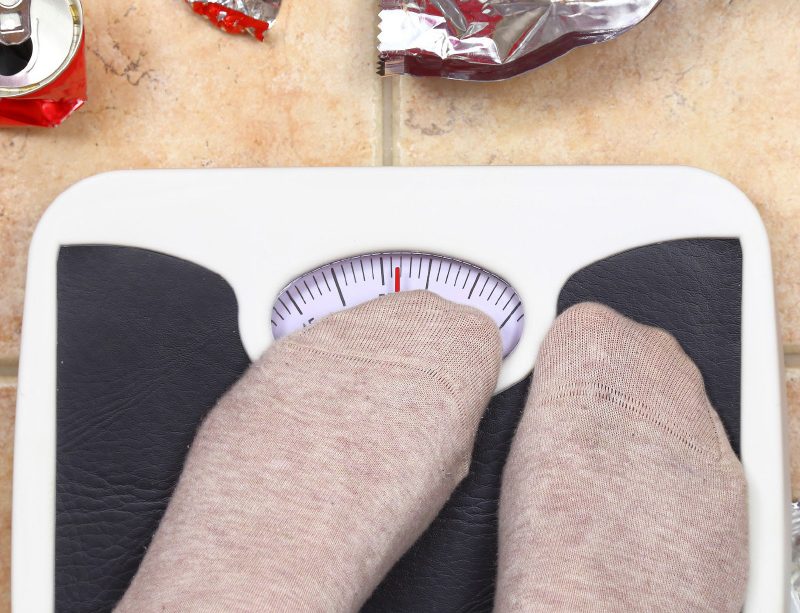
People who are overweight or obese may not listen well, but unfortunately, obesity is one of the most significant risk factors for cardiovascular disease. In fact, excessive adipose tissue brings with it an increased rate of inflammatory processes in the body, and obese people also have an increased overall rate of methylation in their DNA, another risk factor for developing cardiovascular disease.
7.Stop smoking
This unpleasant habit significantly increases the rate of gene methylation. This is the main reason why smokers have a significantly increased risk of the vast majority of diseases of civilisation, and atherosclerosis is no exception.
Suitable dietary supplements
Dietary supplements are also a very useful part of the prevention and treatment of atherosclerosis. In particular, those that are not only strong antioxidants but also have epigenetic effects can be very effective. Here is a small selection of some of them.
Resveratrol
This dye, which is found mainly in red wine, affects the health of the heart and blood vessels in several ways. It is a powerful antioxidant with anti-inflammatory effects. It also effectively protects LDL cholesterol from oxidation. It also affects the production of the enzyme sirtuins, as well as the enzyme eNOS, which is essential for the production of nitric oxide. It limits the production of a number of pro-inflammatory substances (e.g. NF-kB or TNF-α) as well as the production of vasoconstrictors (i.e. vasoconstrictors that close blood vessels). Resveratrol should be combined with the oligomeric proanthocyanidin complex (OPC), which are potent antioxidants with epigenetic effects derived from grape seeds.
Coleus forskohlii
A herb from the lower Himalayas is very effective in lowering blood pressure. It acts as a strong vasodilator, i.e. dilates blood vessels and improves blood supply to the body tissues. In addition, it supports weight loss in several ways.
Curcumin
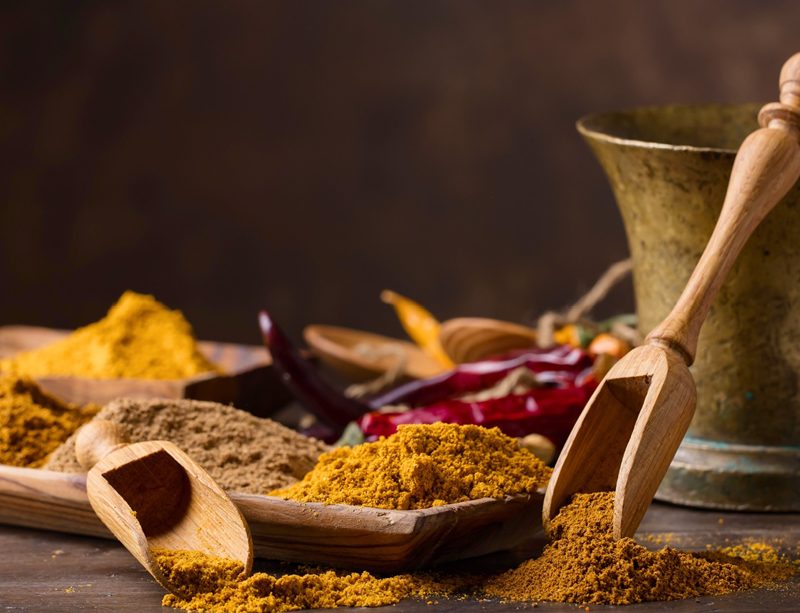
It has a significant positive effect on gene methylation and histone acetylation. It helps to lower LDL cholesterol and raise HDL cholesterol, it also has an antiproliferative effect on monocytes and is a very powerful anti-inflammatory agent. In addition, it effectively promotes weight loss.
Vitamin K2
The importance of this substance for the health of blood vessels is quite crucial. It activates the MGP protein, which cleans the blood vessels of calcium deposits. In a large study of 4,500 men over 55, for example, researchers found that those who had sufficiently high levels of vitamin K2 in their blood had a 52% lower risk of calcium deposits, a 41% lower risk of cardiovascular disease and a 51% lower risk of death from cardiovascular disease. In addition, K2 intake not only prevents the formation of atherosclerotic plaques in blood vessels, but can also dissolve deposits that have already formed.
Omega-3
These unsaturated fatty acids have significant epigenetic effects, particularly in the regulation of DNA methylation. They can turn off genes responsible for inflammatory processes in the vascular lining and the formation of atherosclerotic plaques, and can even reverse negative epigenetic changes that occur during intrauterine development. In addition, they reduce blood triglyceride and LDL cholesterol levels, blood pressure, atherosclerotic plaque formation and the risk of cardiac arrhythmias and venous thrombosis.
0:00
/
0:00
Stárnutí je volba
Komentáře
Seznam zdrojů
- Braunwald E. Cardiovascular medicine at the turn of the millennium: triumphs, concerns, and opportunities. N Engl J Med. 1997;337:1360–9.
- Libby P. Inflammation in atherosclerosis. Nature. 2002;420:868–74.
- Schroeder AP, Falk E. Vulnerable and dangerous coronary plaques. Atherosclerosis. 1995;118:S141–9.
- Ross R. Atherosclerosis – an inflammatory disease. N Engl J Med. 1999;340:115–26.
- https://www.wikiskripta.eu/w/Bu%C5%88ky_c%C3%A9vn%C3%ADho_endotelu
- van der Wal AC, Das PK, Bentz van de Berg D, et al. Atherosclerotic lesions in humans. In situ immunophenotypic analysis suggesting an immune mediated response. Lab Invest. 1989;61:166–70.
- Davenport P, Tipping PG. The role of interleukin-4 and interleukin-12 in the progression of atherosclerosis in apolipoprotein E-deficient mice. Am J Pathol. 2003;163:1117–25.
- Boesten LS, Zadelaar AS, van Nieuwkoop A, et al. Tumor necrosis factor-alpha promotes atherosclerotic lesion progression in APOE*3-Leiden transgenic mice. Cardiovasc Res. 2005;66:179–85.
- Caligiuri G, Rudling M, Ollivier V, et al. Interleukin-10 deficiency increases atherosclerosis, thrombosis, and low-density lipoproteins in apolipoprotein E knockout mice. Mol Med. 2003;9:10–7.
- Stenvinkel P, Karimi M, Johansson S, et al. Impact of inflammation on epigenetic DNA methylation – a novel risk factor for cardiovascular disease. J Intern Med. 2007;261:488–99.
- Sharma P, Kumar J, Garg G, et al. Detection of altered global DNA methylation in coronary artery disease patients. DNA Cell Biol. 2008;27:357–65.
- Hastings NE, Simmers MB, McDonald OG, et al. Atherosclerosis-prone hemodynamics differentially regulates endothelial and smooth muscle cell phenotypes and promotes pro-inflammatory priming. Am J Physiol Cell Physiol. 2007;293:C1824–33.
- Dje N’Guessan P, Riediger F, Vardarova K, et al. Statins control oxidized LDL-mediated histone modifications and gene expression in cultured human endothelial cells. Arterioscler Thromb Vasc Biol. 2009;29:380–6.
- Barker DJ, Winter PD, Osmond C, et al. Weight in infancy and death from ischaemic heart disease. Lancet. 1989;2:577–80.
- Lillycrop KA, Slater-Jefferies JL, Hanson MA, et al. Induction of altered epigenetic regulation of the hepatic glucocorticoid receptor in the offspring of rats fed a protein-restricted diet during pregnancy suggests that reduced DNA methyltransferase-1 expression is involved in impaired DNA methylation and changes in histone modifications. Br J Nutr. 2007;97:1064–73.
- Ait-Oufella H, Taleb S, Mallat Z, et al. Cytokine network and T cell immunity in atherosclerosis. Semin Immunopathol. 2009;31:23–33.
- Mallat Z, Taleb S, Ait-Oufella H, et al. The role of adaptive T cell immunity in atherosclerosis. Journal of Lipid Research. 2009;50:S364–9.
- Ansel KM, Lee DU, Rao A. An epigenetic view of helper T cell differentiation. Nat Immunol. 2003;4:616–23.
- Nencioni A, Beck J, Werth D, et al. Histone deacetylase inhibitors affect dendritic cell differentiation and immunogenicity. Clin Cancer Res. 2007;13:3933–41.
- Kawashima S, Yokoyama M. Dysfunction of endothelial nitric oxide synthase and atherosclerosis. Arterioscler Thromb Vasc Biol. 2004;24:998–1005.
- Cipollone F, Prontera C, Pini B, et al. Overexpression of functionally coupled cyclooxygenase-2 and prostaglandin E synthase in symptomatic atherosclerotic plaques as a basis of prostaglandin E(2)-dependent plaque instability. Circulation. 2001;104:921–7.
- https://www.ncbi.nlm.nih.gov/pmc/articles/PMC3828841/#b77
- Fernández-Sanlés A, Sayols-Baixeras S, Subirana I, Degano IR, Elosua R. Association between DNA methylation and coronary heart disease or other atherosclerotic events: A systematic review. Atherosclerosis. 2017 Aug;263:325-333.
- Elisa Grazioli, Ivan Dimauro, Neri Mercatelli, Guan Wang, Yannis Pitsiladis,Luigi Di Luigi, and Daniela Caporossi. Physical activity in the prevention of human diseases: role of epigenetic modifications. BMC Genomics. 2017; 18(Suppl 8): 802.
- Soni KB, Kuttan R. Effect of oral curcumin administration on serum peroxides and cholesterol levels in human volunteers. Indian J Physiol Pharmacol. 1992;36:273–5.
- Ramirez Boscá A, Carrión Gutierrez M, Soler A, et al. Effects of the antioxidant turmeric on lipoprotein peroxides: implications for the prevention of atherosclerosis. AGE. 1997;20:165–8.
- Huang HC, Jan TR, Yeh SF. Inhibitory effect of curcumin, an anti-inflammatory agent, on vascular smooth muscle cell proliferation. Eur J Pharmacol. 1992;221:381–4.
- Susanne Voelter-Mahlknecht. Epigenetic associations in relation to cardiovascular prevention and therapeutics. Clin Epigenetics. 2016; 8: 4.
- Madhavi Jagtap, H. M. Chandola, and B. Ravishankar. Clinical efficacy of Coleus forskohlii (Willd.) Briq. (Makandi) in hypertension of geriatric population. Ayu. 2011 Jan-Mar; 32(1): 59–65.
- Gert Baumann, Stefan Felix, Ulrich Sattelberger, Gernot Klein. Cardiovascular Effects of Forskolin (HL 362) in Patients with Idiopathic Congestive Cardiomyopathy—A Comparative Study with Dobutamine and Sodium Nitroprusside. Journal of Cardiovascular Pharmacology 16(1):93-100 · August 1990
- Kate Rhéaume-bleue, B.Sc., N.D. Vitamin K2 and the Calcium Paradox. John Wiey & Sons Canada, 2012
- Gast GC, et al. A high menaquinone intake reduces the incidence of coronary heart disease. Nutr Metab cardiovasc Dis 2009 Sep 19(7):504-10; Beulens JW, ea al. High dietary manaquinone intake is associated with rediced coronary calcifiation. Atherosclerosis 2009 Apr, 203(2):489-93
- Schurgers L. Regression of warfarin-induced medial elastocalcinosis by high intake of vitamin K in rats. Blood 2007 Apr. 109(7):2823-31
- Caterina, R., & Massaro, M. (2005). Omega-3 Fatty Acids and the Regulation of Expression of Endothelial Pro-Atherogenic and Pro-Inflammatory Genes. J Membrane Biol Journal of Membrane Biology, 206(2), 103-116. Retrieved August 19, 2015
- Shirodkar AV, Marsden PA. Epigenetics in cardiovascular disease. Curr Opin Cardiol2011;26:209–15.
- Kris-Etherton PM, Harris WS, Appel LJ. Omega-3 Fatty Acids and Cardiovascular Disease New Recommendations from the American Heart Association. Arteriosclerosis, Thrombosis, and Vascular Biology. 2003;23(2):151-52.