Dangerous sleep apnea: What problems can it cause and how to avoid it?
epivyziva.cz/
Zobrazeno: 282
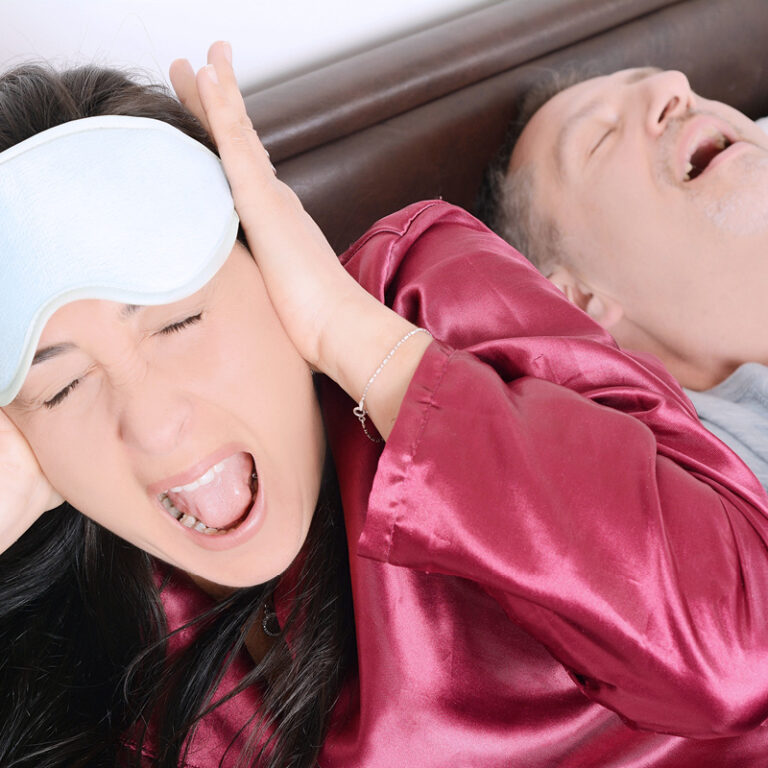
At first glance, it might seem that nothing serious is going on: you just don’t breathe for a while in your sleep, but then everything returns to normal. But sleep apnoea, if it recurs regularly, can have a number of negative effects on our health. And it affects almost a third of the population!
The word “apnea” means “breathlessness”. That is, the moment when we stop breathing for some reason. Of course, we can do this consciously, for example in the context of breathing exercises, but we are interested in the situation when the otherwise completely automatic breathing rhythm stops for a while during sleep.
There are basically two reasons why this happens. The most common is called obstructive sleep apnoea (OSA), which is caused by a momentary airway obstruction. It affects a huge proportion of the population: an estimated 35% of people aged 30-69 suffer from it, but it does not avoid children either, who are affected in 2-5% of cases. The other possibility is central apnoea, which is caused by a decline in the breathing centre in the brain. Both causes can also occur simultaneously.
Apnoea is apnoea if the breathing stops for at least ten seconds and is repeated at least five times an hour, and in children if two or more breaths are missed. If the airways do not close completely but only partially, we speak of hypopnoea.
Why is that wrong?
Fortunately, there’s no danger of suffocating due to sleep apnea. Our bodies won’t allow that. It just comes at the cost of a stress response and actually almost waking up. So the quality of sleep is severely compromised, which has a number of unpleasant consequences for our bodies. At the same time, hypoxia also occurs, meaning that tissues throughout the body are starved of oxygen. And this, unfortunately, does not go without consequences.
Research shows that sleep apnoea has similar consequences to insomnia or long-term sleep restriction: It affects the course of epigenetic reactions and therefore the activity of individual genes in our DNA quite intensely. And of course, this is only in a negative way. The intensity of the adverse epigenetic changes is particularly high in the area of genes involved in metabolic and inflammatory processes.
This is mainly due to the so-called hypermethylation of the relevant genes, which leads to a significant reduction in their activity or even to their complete shutdown. However, other epigenetic reactions are also affected, i.e. histone modification and microRNA regulation. All of this results in many unwanted events taking place in the body and an increased risk of many serious diseases:
Inflammation and antioxidant protection
Protection against harmful radicals is not only provided by the antioxidants we take in through food. Perhaps even more important are those produced inside our bodies. And unfortunately, if we are exposed to repeated oxygen deprivation during sleep, the production of many of these unfortunately drops significantly as the genes that control their production are over-methylated. In particular, the production of the antioxidant enzymes superoxide dismutase, thioredoxin reductase and peroxiredoxin is suppressed, resulting in increased levels of free oxygen radicals.
These can then damage tissues throughout the body, resulting in increased intensity of inflammatory processes. OSA, however, also directly causes hypermethylation (i.e. a decrease in activity) of genes that are directly responsible for regulating the course of inflammatory processes in the body. Hypermethylation of the FOXP3 gene, which affects regulatory T lymphocytes, is likely to play an important role, which in turn increases C-reactive protein (CRP) levels. OSA also increases the production of inflammatory cytokines and TNF-α, which is also involved in inflammation.
Effect on the heart and blood vessels
Untreated OSA increases the incidence of major cardiac events, ischaemic heart disease and stroke, and the risk of death from them. For example, the risk of stroke in OSA increases 3-10 times! There is also an increase in the rate of whole-body inflammation, which is a major risk factor for cardiovascular disease.
Even in paediatric sleep apnoea patients, epigenetic changes have been shown to reduce the production of the enzyme endothelial nitric oxide synthase. This is probably why these children are much more likely to have high blood pressure and higher blood lipid levels compared to their peers. In addition, adults also have a higher rate of catabolism, i.e. decomposition processes in the body.
Fatigue and daytime sleepiness
Epigenetic changes due to lack of oxygenation are probably behind why people with sleep apnoea are more likely to sleep during the day and suffer high levels of fatigue, even immediately after waking.
Tumour diseases
So far, only animal studies have shown that OSA might also be associated with a higher risk of cancer.
Obesity and diabetes
Experiments in mice have also shown that OSA greatly increases appetite, as well as the tendency to gain weight and increase the deposition of so-called visceral fat. It can also lead to insulin resistance and therefore a higher risk of diabetes.
Effect on the brain
Research shows that about 15% of all cognitive disorders and cases of Alzheimer’s disease are associated with insufficient or poor quality sleep. In particular, obstructive sleep apnoea is associated with an increased risk of Alzheimer’s disease and other types of dementia. This is because hypoxia, a state of oxygen deprivation, strongly promotes the formation of beta-amyloid plaques, which are typical of Alzheimer’s disease.
Acceleration of aging
The epigenetic changes that arise in the context of OSA are very similar to those related to the so-called biological clock, i.e. the processes within the body that tell us about the rate of ageing. Hypoxia due to sleep apnoea may therefore accelerate the ageing process.
But the good news is that when OSA patients in one study underwent so-called pressure overload treatment, they experienced a slowing of ageing-related epigenetic processes.
Disturbed gut microbiome
There are studies showing that OSA may be one of the causes of imbalances in the gut microbiome. In particular, there is a deficiency of short-chain fatty acid-producing bacteria (especially butyrate) and a predominance of lactic acid-producing bacteria. Moreover, the disruption of the microbiome is considered by experts to be the link between OSA and high blood pressure. It also leads to disruption of the intestinal barrier, resulting in the penetration of toxins and pathogens from the gut into the bloodstream and the subsequent development of inflammation.
Why does apnea occur?
Smooth muscles surround our airways to keep them open. Although their tension decreases in everyone during sleep, they should normally keep the larynx open. However, if there is pressure on the airways (for example, due to overstretching of the surrounding tissues) that overwhelms the tension of the muscles, the airways will partially or completely close.
Who is most at risk?
Men are more likely to suffer from sleep apnoea. It is often associated with snoring, but this is not always the case – not everyone who snores suffers from sleep apnoea, and there are also people with OSA who do not snore at all.
Obesity is a major risk factor, while others include smoking and alcohol consumption. However, OSA can also be caused by a congenital anatomical disposition (for example, people with a short, wide neck are more likely to suffer from it), enlarged tonsils, or even a tumour in the neck.
How do I know if I have sleep apnea?
At the moment, there is only one way to reliably diagnose sleep apnoea, and that’s through a sleep laboratory. However, this is lengthy, expensive and not always readily available. It is the study of epigenetic changes associated with OSA that could greatly simplify its diagnosis.
You should definitely consider a specialized examination if:
- you snore loudly,
- you’re gasping for air while you sleep,
- you feel dry mouth after waking up
- you suffer from headaches when you wake up
- you are excessively tired, sleepy and often fall asleep during the day,
- you suffer from concentration problems, irritability, moodiness or depression.
How is OSA treated?
If a person suffering from OSA entrusts himself or herself to a specialist, the first thing to be done is usually to take so-called regimen measures. Their advantage is that most of them also act as prevention of most of the diseases that sleep apnoea contributes to, mainly due to their beneficial effect on the epigenetic mechanisms of their occurrence:
- If a person is obese, weight loss is definitely recommended.
- Smokers should definitely quit.
- It is advisable to limit drinking alcohol and avoid it completely in the evening, as alcohol reduces muscle tension, making it easier for the airways to collapse.
- Overall, it is advisable to harmonize your daily rhythm.
- And, of course, to eat as healthily as possible and exercise regularly.
In a recent study, for example, OSA was significantly alleviated in moderately obese patients after they followed a healthy diet: They included more whole grains, legumes, vegetables, fish and seafood or herbs, and in contrast avoided ultra-processed foods, sugary drinks, fast food and salty snacks, but without trying to reduce caloric intake. At the same time, they were asked to increase the number of steps they took per day by 15%. After just eight weeks, they not only experienced weight loss (an average of 7%), but more importantly, a significant alleviation of OSA – the number of breathing arrests per night dropped by an average of 51%, and 15% of the volunteers’ sleep apnea even disappeared completely.
It is also advisable to support the balance of the gut microbiome, i.e. in particular sufficient consumption of fibre and, where appropriate, the use of probiotics.
OSA can also be aggravated by many medications. First of all, hypnotics (sleeping pills) and sedatives (tranquilizers) have a relaxing effect. It is also advisable to consider taking any medication that may interfere with sleep (antihistamines, antidepressants, corticosteroids, some beta blockers and many others). If possible, it is advisable to limit sleeping on your back.
In the treatment of OSA, orthodontic braces (something like braces, which are designed to keep the airways open) are also used, and surgical solutions are also possible, but the results are not always optimal. In severe cases, so-called positive pressure therapy is used, where the patient is connected to a special ventilator at night to maintain positive pressure in the airways.
A number of epigenetic drugs are also currently being developed and this pathway could be effective in reducing the effects of OSA.
Will dietary supplements help?
Dietary supplements alone will not solve sleep apnoea, but some may help alleviate it. In addition, while there are a number of nutrients that have not been shown to alleviate OSA, most sleep apnoea patients are deficient in these nutrients and should be supplemented regularly. Other dietary supplements may reduce the risk of OSA leading to the development of serious diseases.
Tryptophan (L-tryptophan)
This amino acid is known for its positive effect on sleep. However, research has shown that its use can also be very beneficial in reducing the incidence of sleep apnea. Tryptophan is also important because it is from it that melatonin is produced in the brain. This hormone has a strong depressant effect and is essential for inducing a sufficiently long and deep sleep.
Normally, the body’s melatonin levels peak around 2am, but sleep apnoea sufferers usually miss this peak. Taking tryptophan can therefore improve sleep quality in these people. Read more about tryptophan here ”
Ginkgo biloba
The extract from the leaves of the Ginkgo biloba has been shown to be quite effective in the treatment of sleep apnoea, both in prolonging the pauses between apnoeas and in reducing the duration of apnoeas.
Hops
Hops are among the most effective natural remedies for inducing and deepening sleep. Some of the substances contained in hops bind to specific melatonin receptors. Therefore, it can also be very useful for sleep apnoea sufferers. More about hops here “
Vitamins
The positive effect of taking a combination of vitamin C and E has been shown to help reduce sleep apnoea, improve sleep quality and reduce daytime sleepiness. Vitamin B6 and B12 also have a positive effect.
However, vitamin D3 intake should not be underestimated. Although its direct positive effect on sleep apnoea has not been proven, people with low levels of D vitamin D3 suffer from OSA more often, sleep for shorter periods of time on average and have poorer sleep quality. And because vitamin D3 deficiency also increases the risk of cardiovascular disease, diabetes and impaired mental performance, consistent supplementation is important (not only) for people with OSA.
Magnesium
Thus, for magnesium, although its use has no demonstrable effect on OSA, it is the lack of magnesium or poor sleep quality that leads to a reduction in magnesium levels. Therefore, sleep apnoea sufferers almost always have significantly reduced magnesium levels, which again increases the risk of developing whole-body inflammation, cardiovascular disease and other serious illnesses.
Selenium
This mineral is an essential component of important antioxidant enzymes and its deficiency is also typical for OSA. Selenium deficiency is also thought to play an important role in the development of cardiovascular disease.
Omega-3
Again, the use of omega-3 unsaturated fatty acids has not yet been shown to directly reduce sleep apnoea. However, research suggests, for example, that the less DHA (one of the omega-3s) our platelet membranes contain, the more severe the form of OSA a person suffers. This is also why the use of omega-3 is recommended for sleep apnea sufferers. In addition, omega-3s effectively help to reduce the progression of inflammation in the body, especially the production of TNF-α.
Rhodiola
The use of rhodiola in people suffering from OSA resulted in a significant increase in levels of the antioxidant enzyme superoxide dismutase in studies. This also means better protection against the serious diseases whose risk sleep apnoea increases. Depressive and anxiety symptoms were also alleviated in the people studied.
Shrubby goatgrass
A herb used primarily in traditional Chinese medicine, also known as astragalus, may also be effective in reducing the negative health effects of OSA, particularly in the brain. In fact, the substances in astragalus help to protect brain cells from the effects of inadequate oxygenation.
Butyrate
OSA sufferers have a reduced amount of butyrate-producing bacteria in their intestines. This fatty acid is important for the proper functioning of many processes in the body . Therefore, in addition to supporting the balance of the gut microbiome, taking butyrate as a dietary supplement may also be beneficial.
EGCG
Polyphenol abundantly contained in green tea has a significant neuroprotective effect, while effectively protecting nerve cells from the effects of oxygen deficiency. In addition, it is a powerful antioxidant with anti-inflammatory effects and beneficial effects on the heart and blood vessels. More about EGCG here “
0:00
/
0:00
Stárnutí je volba
Komentáře
Seznam zdrojů
- Brittany A Leader, Bala S C Koritala, Charles A Moore, Elaine H Grigg Dean, Leah C Kottyan, David F Smith. Epigenetics of obstructive sleep apnea syndrome: a systematic review. J Clin Sleep Med. 2021 Dec 1;17(12):2533-2541.
- Omonigho M. Bubu, MD, MPH, Michael Brannick, PhD, James Mortimer, PhD, Ogie Umasabor-Bubu, MD MPH, Yuri V. Sebastião, MPH, Yi Wen, MS, Skai Schwartz, PhD, Amy R. Borenstein, PhD, Yougui Wu, PhD, David Morgan. Sleep, Cognitive impairment, and Alzheimer’s disease: A Systematic Review and Meta-Analysis. Sleep, Volume 40, Issue 1, 1 January 2017.
- Rene Cortese, David Sanz-Rubio, Leila Kheirandish-Gozal, José Maria Marin, David Gozal. Epigenetic age acceleration in obstructive sleep apnea is reversible with adherent treatment. European Respiratory Journal 2022;
- Yanru Ou, Dandan Zong, and Ruoyun Ouyang. Role of epigenetic abnormalities and intervention in obstructive sleep apnea target organs. MedNexus. 20 March 2023. https://mednexus.org/doi/full/10.1097/CM9.0000000000002080
- MUDr. Vratislav Sedlák, MUDr. Vladimír Koblížek, MUDr. Miroslav Lánský, MUDr. Roman Šimek, doc. MUDr. Petr Smolík, CSc. Léčba syndromu obstrukční spánkové apnoe. Med. Pro Praxi 2006; 3: 124–128. https://www.medicinapropraxi.cz/pdfs/med/2006/03/05.pdf
- Schmidt HS. L-tryptophan in the treatment of impaired respiration in sleep. Bull Eur Physiopathol Respir. 1983 Nov-Dic; 19 (6): 625-9.
- Jeffrey Haddad. Vitamin D Supplements May Not Help Treat Sleep Apnea. 11/10/2020. https://www.michigantmjandsleep.com/blog/vitamind-sleep-apnea/
- Michael J. Breus, PhD, DABSM. 5 Ways That Vitamin Deficiencies Can Impact Your Sleep. Psychology Today. May 30, 2019. https://www.psychologytoday.com/us/blog/sleep-newzzz/201905/5-ways-vitamin-deficiencies-can-impact-your-sleep
- Zahraa Al Wadee, Soo Liang Ooi, and Sok Cheon Pak. Serum Magnesium Levels in Patients with Obstructive Sleep Apnoea: A Systematic Review and Meta-Analysis. Biomedicines. 2022 Sep; 10(9): 2273.
- C Hernández, J Abreu, P Abreu, A Castro, A Jiménez. Nocturnal melatonin plasma levels in patients with OSAS: the effect of CPAP. Eur Respir J. 2007 Sep;30(3):496-500.
- Yu H.L., Zhang P.P., Zhang C., Zhang X., Li Z.Z., Li W.Q., Fu A.S. Effects of rhodiola rosea on oxidative stress and negative emotional states in patients with obstructive sleep apnea. Lin Chung Er Bi Yan Hou Tou Jing Wai Ke Za Zhi. 2019;33:954–957.
- https://europepmc.org/article/PAT/DE4110620
- Fulvio A. Scorza, Esper A. Cavalheiro, Carla A. Scorza, José C. F. Galduróz,2 Sergio Tufik, and Monica L. Andersen
- Sleep Apnea and Inflammation – Getting a Good Night’s Sleep with Omega-3 Supplementation. Front Neurol. 2013; 4: 193.
- Qiang Zhang, Wen-yuan Gao, Yun Zhang, Bao-yun Chen, Zhe Chen, Wei-san Zhang, Shu-li Man. Protective effects of astragalus extract against intermittent hypoxia-induced hippocampal neurons impairment in rats. Chin Med J (Engl). 2013;126(8):1551-4.
- David J. Durgan, Ph.D.,Bhanu P. Ganesh, Ph.D.,Julia L. Cope, Ph.D., Nadim J. Ajami, Ph.D., Sharon C. Phillips, B.S., Joseph F. Petrosino, Ph.D., Emily B. Hollister, Ph.D., and Robert M. Bryan, Jr., Ph.D. Role of the Gut Microbiome in Obstructive Sleep Apnea-Induced Hypertension. Hypertension. 2016 Feb; 67(2): 469–474.
- Éva Szentirmai, Nicklaus S. Millican, Ashley R. Massie & Levente Kapás. Butyrate, a metabolite of intestinal bacteria, enhances sleep. Scientific Reports volume 9, Article number: 7035 (2019)
- https://www.nutraingredients.com/Article/2008/05/16/Green-tea-extracts-show-promise-for-sleep-disordered-breathing
- Rachel Gimenes Albuquerque, BSc, Camila Hirotsu, PhD, Sergio Tufik, MD, PhD, Monica Levy Andersen, PhD. Why Should We Care About Selenium in Obstructive Sleep Apnea? Journal of Clinical Sleep Medicine. July 15, 2017
- Almudena Carneiro-Barrera, PhD; Francisco J. Amaro-Gahete, PhD; Alejandro Guillén-Riquelme, PhD. Effect of an Interdisciplinary Weight Loss and Lifestyle Intervention on Obstructive Sleep Apnea Severity. JAMA Netw Open. 2022;5(4):e228212.
- https://www.washingtonpost.com/wellness/2022/11/15/sleep-apnea-diet-treatment-alcohol/