Lutein and zeaxanthin
epivyziva.cz/
Zobrazeno: 685
They are sometimes called “eye vitamins” because they are known for their ability to protect the retina and other structures of the eyes. But perhaps even more important is the ability of lutein and zeaxanthin to support mental abilities and proper brain development, and they may even slow the aging process and the progression of arthritis.
Description
Lutein and zeaxanthin are plant dyes belonging to carotenoids, specifically to a group of carotenoids called xanthophylls. Lutein is yellow in low concentrations, orange-red in higher concentrations, and zeaxanthin is yellow-orange. The reason why we mention both substances together, and not in separate articles, is simple: they are not only very similar in structure (they are so-called isomers), but also in function, and they occur together in many of their sources.
Occurrence
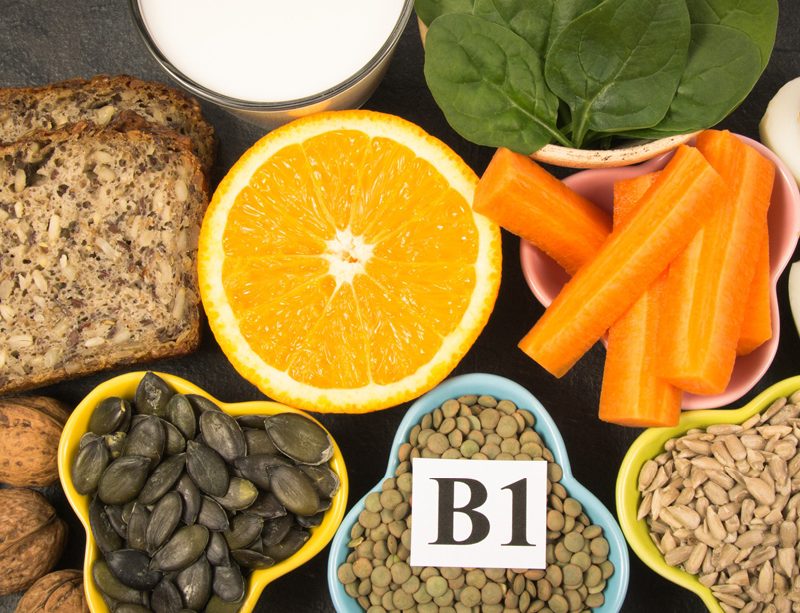
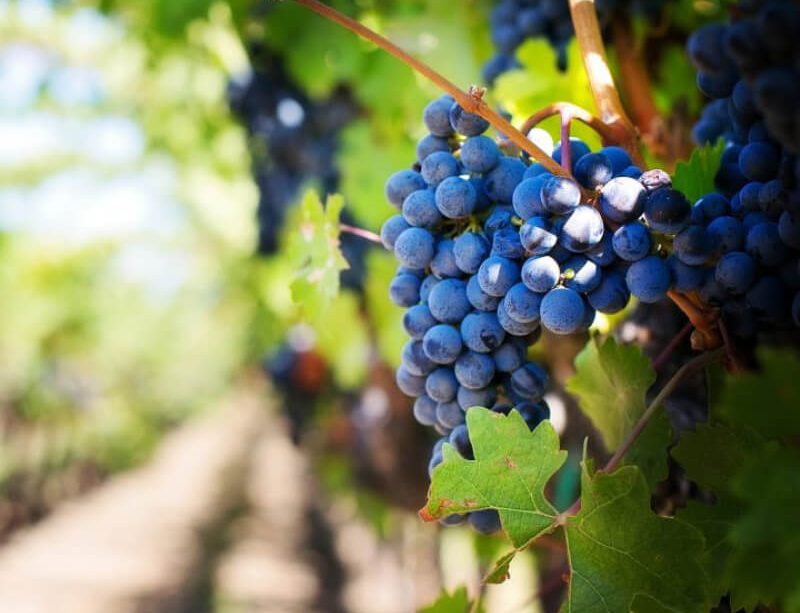
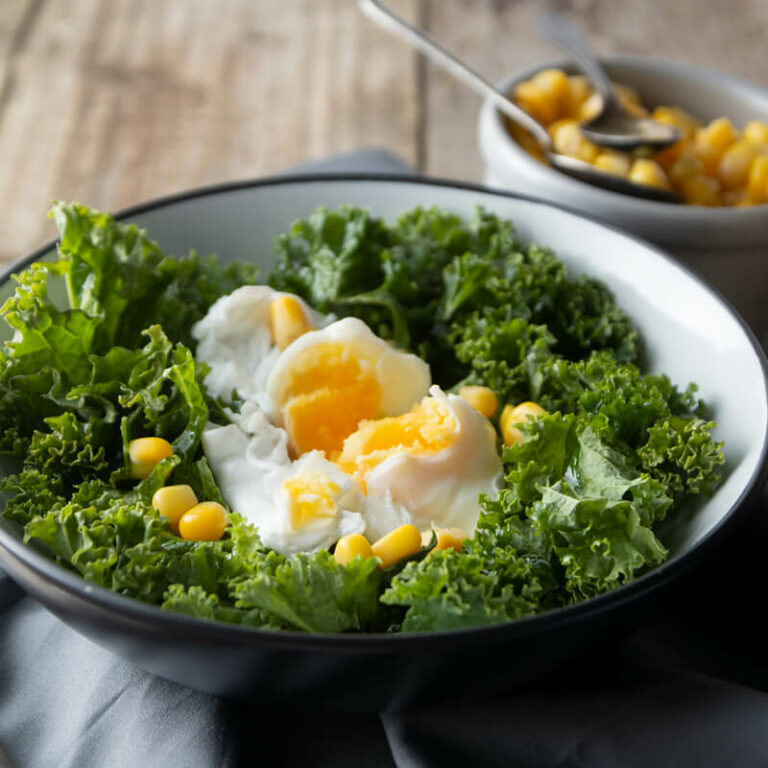
Both lutein and zeaxanthin are produced only by plants, animals must take them in through food. The richest source is vegetables with dark green leaves. 100 g of spinach, for example, contains 12 mg of lutein, the same amount of kale even 40 mg. An egg yolk contains about 140 µg of lutein. Other sources of both substances include kiwifruit, grapes, corn, zucchini and pumpkin, curcurrants, oranges and mangoes.
For infants, breast milk is an important source of lutein and zeaxanthin, but their content varies greatly depending on the mother’s diet and other factors. In research, the highest levels of lutein and zeaxanthin were found in the breast milk of Japanese women, while women in the USA had the lowest levels. In addition, the results of some studies suggest that lutein and zeaxanthin are absorbed significantly less readily from artificial milk than from breast milk, which may be one reason for the positive effect of breastfeeding on the child’s intellect. (11)
In animal tissues, lutein and zeaxanthin are most abundant in the eyes and brain, followed by the skin, ovaries, breast tissue and uterus. During pregnancy, the most abundant carotenoids are found in the placenta and umbilical cord blood. (28, 29)
History
In 1782, the so-called macular pigment, a dye in the retina that we now know is made up of a mixture of lutein and zeaxanthin, was first described. However, its composition is still a long way from being described. The discovery of lutein is attributed to the Austrian chemist Adolf Lieben (1836-1914), who studied the pigments found in the so-called corpus luteum in the mammalian ovary. Together with his colleague G. Piccolo then isolated a red crystalline substance from the yellow corpuscles of cows, which, however, because of its red colour, he considered to be a compound derived from haemoglobin. The physician Johann Ludwig Wilhelm Thudichum, however, shortly afterwards subjected the substance to spectroscopic analysis and found that its spectrum was practically identical to that of carotene. He called it lutein and published his discovery in 1868. It was not until 1985 that the macular pigment was found to contain lutein and zeaxanthin (9, 28).
Effects of lutein and zeaxanthin
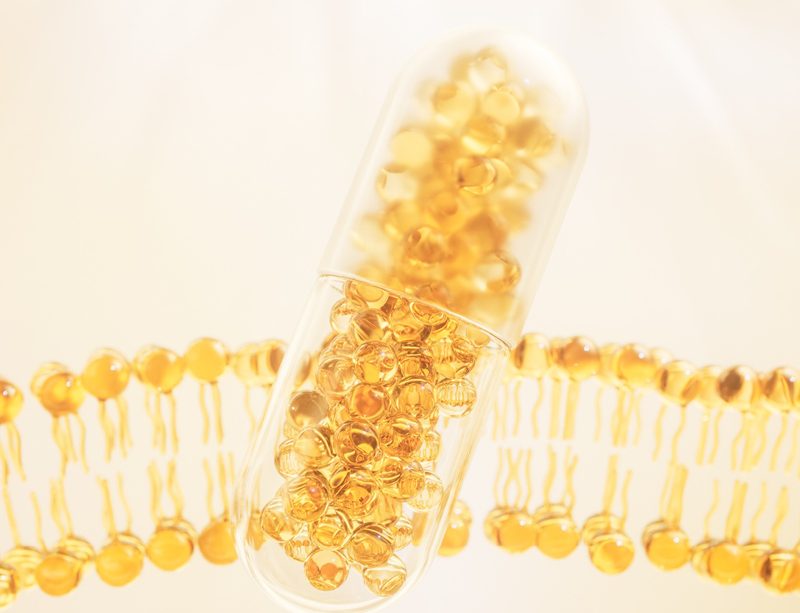
One important feature distinguishes them from other carotenoids: while beta-carotene or lycopene have non-polar molecules (no part of their molecules has a positive or negative charge), lutein and zeaxanthin have two polar groups on their non-polar chain. As a result, they can form a very functional part of cell membranes, as they are highly soluble in them, and at the same time, thanks to their polar groups, they can form a kind of “bridging”. Thus, they can positively influence the function of cell membranes, improve their stability and effectively protect them, for example, from the action of free radicals. These mechanisms are particularly applicable in brain and eye tissue (1, 3, 4).
Like other carotenoids, lutein and zeaxanthin are very powerful antioxidants that protect the body from the negative effects of free oxygen radicals. They also have strong anti-inflammatory effects, which are due to their epigenetic action – lutein in particular can reduce the production of inflammatory cytokines and proteins. Epigenetic mechanisms are also involved in its ability to protect the retina, brain tissue and articular cartilage, as well as its anti-cancer effects (34-37).
The ability of lutein and zeaxanthin to absorb the blue components of sunlight is also important for protecting the eyes and skin. In addition, both of these carotenoids help protect the body from radiation and ionizing radiation (34).
Mental abilities and brain development
Lutein and zeaxanthin play an important role in brain development during intrauterine development and early childhood. For example, when mothers were given a combination of lutein and zeaxanthin or a diet rich in these substances during the first two trimesters of pregnancy, their children subsequently showed higher intelligence (especially in the verbal domain) as well as greater ability to regulate behaviour and better social-emotional development. Interestingly, the differences in cognitive abilities did not become apparent in early childhood, but only around mid-childhood, i.e. at the beginning of schooling (9).
In infants, lutein has also been found to be the predominant carotenoid in some important brain regions, particularly the occipital cortex, auditory cortex, hippocampus and frontal lobe, areas associated not only with cognitive abilities and memory, but also vision and hearing. Although in infants lutein accounts for only 12% of total carotenoid intake, in the brain it already accounts for 59% of the carotenoids present in this tissue, compared to only 34% in adults. This suggests that lutein plays a very important role in the development of the brain and nervous system and that sufficient intake is therefore important during pregnancy and lactation as well as during childhood (10, 11).
In children, the importance of lutein has also been demonstrated at the age of 7-13 years. One study, for example, found that children who had higher levels of lutein in the retina (which usually means higher levels in the brain) performed better on tests of language and math skills, as well as comprehension and spatial imagination, and also on the so-called “lutein” test. Children with higher levels of lutein, for example, needed less attention to solve the same task (11).
However, intake of lutein and zeaxanthin is essential for maintaining optimal brain function in adulthood and especially in older age, when it slows down ageing-related processes in the brain and improves the ability of nerve cells to form interconnections. While high concentrations of zeaxanthin have also been found in the brain of adults (although slightly lower than lutein), the contribution of zeaxanthin in the brains of children has not yet been investigated in detail. Moreover, in adults, levels of both substances have been shown to be related to general intelligence, memory, learning ability, language ability, concentration and speed of task processing (11, 40).
Regarding the mechanisms by which lutein and zeaxanthin act on the brain, its ability to protect omega-3 unsaturated fatty acids from oxidation is very important. These are an integral part of cell membranes and are found in high concentrations in the membranes of nerve cells, but they are also very susceptible to oxidation by free radicals. In addition, the brain’s lutein content is closely related to the levels of several neurotransmitters, which are substances required for the transmission of nerve impulses, and also protects the brain against microglia, which are specific immune cells that release cytokines that increase inflammatory processes (12, 13, 14)
Alzheimer’s disease
The combination of the antioxidant and anti-inflammatory effects of lutein and zeaxanthin is also used to prevent and support the treatment of Alzheimer’s disease. Their combination with omega-3 unsaturated fatty acids is particularly effective here (15, 16).
Eye diseases
Even higher concentrations of lutein and zeaxanthin can be found in the eyes – both substances are found here up to 3 times more than in the brain, especially in the retina. They also have a significant protective effect on the cells: they trap and neutralize harmful free radicals, prevent lipid oxidation in cell membranes, and can even partially absorb blue light, which could be destructive to the retina to a greater extent. In addition, they have a beneficial effect on the function of the blood vessels that supply the retina and choroid with blood. In addition, epigenetic mechanisms are involved in the protection of the retina, as lutein prevents the activation of the inflammatory gene induced by linoleic acid and thus protects retinal cells from damage (19, 37).
These mechanisms are particularly effective in the prevention and treatment of age-related macular degeneration, a degenerative disease of the retina that in many cases results in complete blindness. For example, research has shown that sufficient concentrations of lutein and zeaxanthin in the blood plasma reduce the risk of developing advanced macular degeneration by 40% and slow down the progression of the disease. This protective effect is seen in various types of macular degeneration (19, 20, 23).
Adequate intake of lutein and zeaxanthin is also important in the prevention of cataracts. In this disease, the lens of the eye becomes cloudy, causing blurred vision. The cause here is mainly free radical damage to the lens, as the concentration of glutathione, which is responsible for its antioxidant protection, decreases with age. Lutein and zeaxanthin, as powerful antioxidants, are therefore seen as an alternative to declining glutathione – and lutein is also present in the lens itself. Research has shown that people with a high intake of both substances have a 50% lower risk of developing cataracts. They are particularly effective in so-called nuclear cataracts, which are cataracts that form in the central zone (nucleus) of the lens, while the effectiveness in other forms, i.e. subcapsular and cortical cataracts, is significantly lower. In one study, the use of both agents was also shown to reduce the risk of needing cataract surgery (21, 25, 40).
Another eye disease in which lutein and zeaxanthin reduce the risk and slow the progression is diabetic retinopathy, or damage to the retina due to high blood sugar in diabetics (24).
In contrast, mixed results were recorded for myopia. Although the beneficial effect of lutein and zeaxanthin on the alleviation of this eye disease has not been reliably confirmed, both substances have been shown to promote the production of hyaluronic acid in the vitreous, which is essential for optimal light refraction and may slow the progression of the disease. In addition, one study has shown that lutein and zeaxanthin can increase visual acuity and contrast sensitivity (25, 40).
So far, only two small clinical trials have investigated the use of lutein in retinitis pigmentosa, an inherited retinal disease that manifests itself as blindness, narrowing of the field of vision and impaired visual acuity, and can even lead to blindness. For example, people with this disease who took lutein for 24 weeks experienced a widening of the visual field (26)
The protective function of lutein has also been proven in premature infants at risk of retinal damage (retinopathy). In addition, these children have lower levels of lutein in their eyes (and also in their brains) than premature babies, so supplementation is very useful for them (17).
Skin protection
Both lutein and zeaxanthin can effectively protect the skin from the effects of UV radiation, both when used internally and when applied externally. When administered after UV exposure, their administration also helps to reduce skin swelling and slow cell division. They also improve skin quality and slow the rate of skin ageing – for example, when lutein and zeaxanthin were given to a group of women who also applied both nutrients directly to their skin, their skin showed an increase in oil content, improved hydration and even skin elasticity (18, 33, 40).
Tumour diseases
Both lutein and zeaxanthin have anti-cancer effects. The reason for this is both their antioxidant potential and their ability to inhibit angioneogenesis, or the formation of new blood vessels necessary to supply a growing tumor. (30)
In addition, lutein increases the activity of genes involved in protecting the body against cancer, such as P53 and Bax, through epigenetic pathways (37).
Diseases of the heart and blood vessels
Xanthophylls, including lutein and zeaxanthin, have also been linked to cardiovascular health. Their use has been shown to have a protective effect on the cardiovascular system, particularly in the setting of high blood pressure and elevated cholesterol levels. (31, 32)
Arthrosis
In the case of lutein, a positive effect in arthritis has also been confirmed. This is due not only to its antioxidant and anti-inflammatory action, but also to its ability to support the “life” of cartilage cells, thus slowing down the process of cartilage degradation. It has a positive effect on the mitochondrial membrane of cartilage cells, which reduces the rate of apoptosis or cell death. Mitochondria are essential for the function of cartilage (and indeed any other tissue in the body) – if they are not functioning properly, the cell does not have enough energy to function, which can lead to its death. However, the anti-inflammatory action mentioned above is also important for slowing down the progression of arthrosis, as inflammatory cytokines also damage the structure of cartilage (37).
Slowing down aging
Lutein can increase the production of SIRT-1, an enzyme from the sirtuin family that effectively slows the aging process. This effect is applied in the protection of the retina (for example, in the prevention of macular degeneration), but it also works across all tissues of the body. In addition, lutein suppresses the production of the enzymes collagenase and elastase, which are involved in skin ageing, but also in the degradation of joint structures (38, 39).
Use and contraindications
Lutein and zeaxanthin are generally considered safe even in long-term use. Research shows that the daily requirement of lutein for an adult is 1.4-1.9 mg, but in the case of dietary supplements, higher doses, usually 10-40 mg, are usually used. No significant negative side effects have been observed in studies using 10 mg daily for 5 years, 30 mg for 120 days and 40 mg for 9 weeks. It can also be used by pregnant women (25).
Zeaxanthin is usually taken in doses starting at 2 mg/day, but no side effects have been reported even when taken at 10 mg/day for one year. However, it may lower blood sugar levels, so use with antidiabetic drugs should be discussed with the treating physician. (6)
Lutein and zeaxanthin in a ratio of 10 : 2 is also sometimes recommended (40).
Lutein and zeaxanthin should be taken together with omega-3 unsaturated fatty acids, the most important of which is DHA. These nutrients are interdependent in their action. However, some other combinations are also suitable, for example with vitamin E or astaxanthin. (40)
Suitable combinations
Eyes: lutein + zeaxanthin + omega-3 (22), lutein + zeaxanthin + vitamin E + vitamin C + zinc (25), lutein + zeaxanthin + astaxanthin (40)
Alzheimer’s disease, cognitive performance: lutein + zeaxanthin + omega-3 (15)
Heart and blood vessels: lutein + zeaxanthin + omega-3 (32)
0:00
/
0:00
Stárnutí je volba
Klíčová slova: ageing, Alzheimer's disease, antiaging, arthritis, brain, cataracts, cognitive abilities, concentration, diabetic retinopathy, eyes, learning, lutein, macular degeneration, memory, myopia, omega-3, skin, vitamin E, zeaxanthin
Komentáře
Seznam zdrojů
- US Department of Agriculture, Agricultral Research Service, Nutrient Data Laboratory: USDA National Nutrient Database for Standard Reference. Accessed on May 10, 2018.
- Krinsky NI, Mayne ST, Sies H: Carotenoids in Health and Disease. CRC Press; 2004.
- Wisniewska A, Widomska J, Subczynski WK: Carotenoid-membrane interactions in liposomes: effect of dipolar, monopolar, and nonpolar carotenoids. Acta Biochim Pol.2006; 53(3): 475–484.
- Krzysztof Makuch, Jakub Hryc, Michal Markiewicz, and Marta Pasenkiewicz-Gierula. Lutein and Zeaxanthin in the Lipid Bilayer–Similarities and Differences Revealed by Computational Studies. Front Mol Biosci. 2021; 8: 768449.
- https://www.drugs.com/npp/lutein.html#4470382.b39
- https://www.webmd.com/vitamins/ai/ingredientmono-1655/zeaxanthin
- https://www.webmd.com/vitamins/ai/ingredientmono-754/lutein
- Hiya A Mahmassani,Karen M Switkowski,Tammy M Scott, Elizabeth J Johnson, Sheryl L Rifas-Shiman, Emily Oken, Paul F Jacques. Maternal Intake of Lutein and Zeaxanthin during Pregnancy Is Positively Associated with Offspring Verbal Intelligence and Behavior Regulation in Mid-Childhood in the Project Viva Cohort. The Journal of Nutrition, Volume 151, Issue 3, March 2021, Pages 615–627
- Vishwanathan R, Kuchan MJ, Sen S, Johnson EJ. Lutein and preterm infants with decreased concentrations of brain carotenoids. J Pediatr Gastroenterol Nutr. 2014; 59:659–65.
- Ekaterina Loskutova, Kajal Shah1, Ian D. Flitcroft, Annalisa Setti, John S. Butler, Yvonne Nolan, Nabin Paudel, James Loughman. Lutein and zeaxanthin: The possible contribution, mechanisms of action and implications of modern dietary intake for cognitive development in children. https://hrbopenresearch.org/articles/2-8
- Rapp LM, Maple SS, Choi JH: Lutein and zeaxanthin concentrations in rod outer segment membranes from perifoveal and peripheral human retina. Invest Ophthalmol Vis Sci.2000; 41(5): 1200–1209.
- Lieblein-Boff JC, Johnson EJ, Kennedy AD, et al.: Exploratory Metabolomic Analyses Reveal Compounds Correlated with Lutein Concentration in Frontal Cortex, Hippocampus, and Occipital Cortex of Human Infant Brain. PLoS One.2015; 10(8): e0136904.
- Hadad N, Levy R: Combination of EPA with Carotenoids and Polyphenol Synergistically Attenuated the Transformation of Microglia to M1 Phenotype Via Inhibition of NF-κB. Neuromolecular Med.2017; 19(2–3): 436–451.
- Nolan JM, Mulcahy R, Power R, et al.: Nutritional Intervention to Prevent Alzheimer’s Disease: Potential Benefits of Xanthophyll Carotenoids and Omega-3 Fatty Acids Combined. J Alzheimers Dis.2018; 64(2): 367–378.
- Nolan JM, Loskutova E, Howard A, et al.: The impact of supplemental macular carotenoids in Alzheimer’s disease: a randomized clinical trial. J Alzheimers Dis.2015; 44(4): 1157–69.
- Manzoni P, Guardione R, Bonetti P, et al.: Lutein and zeaxanthin supplementation in preterm very low-birth-weight neonates in neonatal intensive care units: a multicenter randomized controlled trial. Am J Perinatol.2013; 30(1): 25–32.
- Palombo P, Fabrizi G, Ruocco V, et al. Beneficial long-term effects of combined oral/topical antioxidant treatment with the carotenoids lutein and zeaxanthin on human skin: A double-blind, placebo-controlled study. Skin Pharmacol Physiol. 2007;20(4):199-210.17446716
- Le Ma, Hong-Liang Dou, Yi-Qun Wu, Yang-Mu Huang, Yu-Bei Huang, Xian-Rong Xu, Zhi-Yong ou and Xiao-Ming Lin. Lutein and zeaxanthin intake and the risk of age-related macular degeneration: a systematic review and meta-analysis. Cambridge Core. 08 September 2011
- Juan Wu, MS, Eunyoung Cho, ScD, Walter C. Willett, MD, MPH, DrPH, Srinivas M. Sastry, MD, MPH, and Debra A. Schaumberg, ScD, OD, MPH. Intakes of Lutein, Zeaxanthin, and Other Carotenoids and Age-Related Macular Degeneration During 2 Decades of Prospective Follow-up. JAMA Ophthalmol. 2015 Dec; 133(12): 1415–1424.
- Hien T. V. Vu; Luba Robman; Allison Hodge; Catherine A. McCarty; Hugh R. Taylor. Lutein and Zeaxanthin and the Risk of Cataract: The Melbourne Visual Impairment Project. Investigative Ophthalmology & Visual Science September 2006, Vol.47, 3783-3786.
- Chew E.Y., Clemons T.E., SanGiovanni J.P., Danis R., Ferris F.L., Elman M., Antoszyk A., Ruby A., Orth D., Bressler S., et al. Lutein + zeaxanthin and omega-3 fatty acids for age-related macular degeneration: The Age-Related Eye Disease Study 2 (AREDS2) randomized clinical trial. JAMA. 2013;309:2005–2015.
- SanGiovanni J.P., Chew E.Y., Clemons T.E., Ferris F.L., 3rd, Gensler G., Lindblad A.S., Milton R.C., Seddon J.M., Sperduto R.D. The relationship of dietary carotenoid and vitamin A, E, and C intake with age-related macular degeneration in a case-control study: AREDS Report No. 22. Arch. Ophthalmol. 2007;125:1225–1232.
- Moschos M.M., Dettoraki M., Tsatsos M., Kitsos G., Kalogeropoulos C. Effect of carotenoids dietary supplementation on macular function in diabetic patients. Eye Vis. (Lond.) 2017;4:23.
- Long Hin Li, Jetty Chung-Yung Lee, Ho Hang Leung, Wai Ching Lam, Zhongjie Fu, and Amy Cheuk Yin Lo. Lutein Supplementation for Eye Diseases. Nutrients. 2020 Jun; 12(6): 1721. https://www.ncbi.nlm.nih.gov/pmc/articles/PMC7352796/#B103-nutrients-12-01721
- Adackapara CA, Sunness JS, Dibernardo CW, Melia BM, Dagnelie G. Prevalence of cystoid macular edema and stability in oct retinal thickness in eyes with retinitis pigmentosa during a 48-week lutein trial. Retina. 2008;28(1):103-110.18185146
- Theodore L. Sourkes. THE DISCOVERY AND EARLY HISTORY OF CAROTENE. Bull. Hist. Chem., VOLUME 34, Number 1 (2009)
- https://info.kemin.com/hubfs/KH/FloraGLO_Whitepaper.pdf
- Emmanuel Kofi Addo, Aruna Gorusupudi, Susan Allman & Paul S. Bernstein. The Lutein and Zeaxanthin in Pregnancy (L-ZIP) study—carotenoid supplementation during pregnancy: ocular and systemic effects—study protocol for a randomized controlled trial. Trials volume 22, Article number: 300 (2021)
- Ribaya-Mercado JD, Blumberg JB. Lutein and zeaxanthin and their potential roles in disease prevention. J Am Coll Nutr. 2004;23(6 suppl):567S-587S.15640510
- Ribaya-Mercado JD, Blumberg JB. Lutein and zeaxanthin and their potential roles in disease prevention. J Am Coll Nutr. 2004;23(6 suppl):567S-587S.15640510
- Writing Group for the AREDS2 Research Group; Bonds DE, Harrington M, Worrall BB, et al. Effect of long-chain ω-3 fatty acids and lutein + zeaxanthin supplements on cardiovascular outcomes: results of the Age-Related Eye Disease Study 2 (AREDS2) randomized clinical trial. JAMA Intern Med. 2014;174(5):763-771.24638908
- González S., Astner S., An W., Pathak M.A., Goukassian D. Dietary lutein/zeaxanthin decreases ultraviolet B-induced epidermal hyperproliferation and acute inflammation in hairless mice. J. Investig. Dermatol. 2003;121:399–405.
- Barbara Demmig-Adams,* Marina López-Pozo, Jared J. Stewart, and William W. Adams, III. Zeaxanthin and Lutein: Photoprotectors, Anti-Inflammatories, and Brain Food. Molecules. 2020 Aug; 25(16): 3607.
- Oh J, Kim JH, Park JG, et al. Radical scavenging activity-based and AP-1-targeted anti-inflammatory effects of lutein in macrophage-like and skin keratinocytic cells. Mediators Inflamm. 2013;2013:787042.
- Kim JH, Na HJ, Kim CK, et al. The non-provitamin A carotenoid lutein inhibits NF-kappaB-dependent gene expression through redox-based regulation of the phosphatidylinositol 3-kinase/PTEN/Akt and NF-kappaB-inducing kinase pathways: role of H(2)O(2) in NF-kappaB activation. Free Radic Biol Med. 2008;45:885–96.
- Yan-Qin Qiao, Pan-Feng Jiang, and Yan-Zheng Gao. Lutein prevents osteoarthritis through Nrf2 activation and downregulation of inflammation. Arch Med Sci. 2018 Apr; 14(3): 617–624.
- Jung Seok Hwang,Sung Gu Han,Chi-Ho Lee,Han Geuk Seo. Lutein suppresses hyperglycemia-induced premature senescence of retinal pigment epithelial cells by upregulating SIRT1. Journal of Food Biochemistry. Volume 42, issue 3, June 2018.
- Archana A. Naik, Chhaya H. Gadgoli and Arvind B. Naik. Evaluation of Gene Expression and In Vitro Enzyme Study for Antiaging Effect of Crocin and Lutein. The Natural Product Journal. Volume 10 , Issue 5 , 2020
- Lutein and Zeaxanthin: 2020 and Beyond. May 20, 2020. Clinical Education. https://www.clinicaleducation.org/resources/reviews/lutein-and-zeaxanthin-2020-and-beyond/