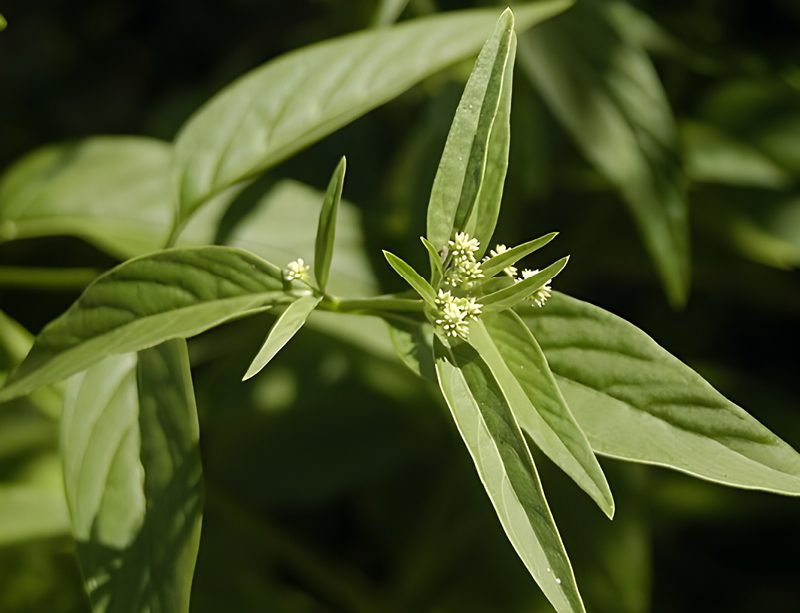
European olive tree (Olea europaea), hydroxytyrosol
epivyziva.cz/
Zobrazeno: 910
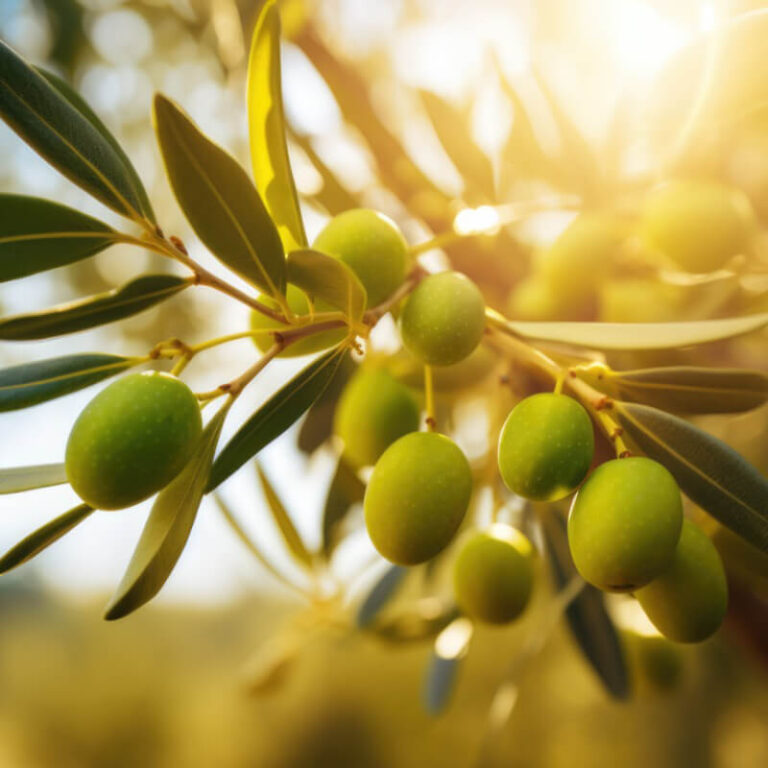
Olives contain not only beneficial essential fatty acids, but also a trio of polyphenols with significant health benefits. The most important of these is hydroxytyrosol – an extremely powerful antioxidant with significant anti-inflammatory effects and positive effects on the heart and blood vessels, brain, liver and many other organs and tissues. But other substances from olives, such as butyric acid and oleanoic acid, also have interesting effects.
Description
Olives are the fruit of a tree called the European olive tree (Olea europaea), which is grown mainly in the Mediterranean region. They contain a variety of substances with a positive effect on the body. The most abundant are fatty acids, especially the so-called monounsaturated ones, represented mainly by oleic acid.
It is the fatty acids that have long been thought to be the main reason for the beneficial effects of olives and olive oil. However, it has gradually become clear that olive polyphenols are probably more important in this respect. Although these are present in many times lower concentrations than fatty acids, their action is probably more significant. (34)
A total of three olive polyphenols have been described: Oleuropein is the most abundant, from which tyrosol and hydroxytyrosol are formed directly in the olive or later in the human body. All three of these polyphenols have beneficial effects on the body, but hydroxytyrosol has the most extensive positive effects on the human body.
The hydroxytyrosol content of olives or their products depends on the growing area and the processing method. For example, Spanish green olives contain 170-510 mg/kg, Greek black olives 100-340 mg/kg and Kalamata olives 250-760 mg/kg. The hydroxytyrosol concentration in extra virgin olive oil is on average 14,32 mg/kg, but only 1,4 mg/kg in refined virgin oil.
For the purpose of producing dietary supplements, hydroxytyrosol is usually extracted from olive juice, which contains many times more of it than oil. Olive juice is produced as a by-product of olive pressing during oil production and has no other use in the food industry. Hydroxytyrosol and related substances are also present in smaller quantities in white wine. (34)
The advantage of hydroxytyrosol is that it has a unique orthodiphenol structure, thanks to which it resists the action of stomach acids and is then very easily absorbed – its bioavailability is estimated at 99%, which is a unique figure among polyphenols. Thus, most of the consumed compound passes into the blood plasma, even relatively quickly – within 15-20 minutes. In addition, it passes through cell membranes very easily, so it can act directly inside cells and can even act as a transporter, helping other substances with positive effects on the body to pass through the cell membrane. In addition, it is likely that the trio of olive polyphenols act synergistically, i.e. they enhance each other’s absorption and bioavailability (5, 34).
Another great advantage of hydroxytyrosol is its ability to penetrate the blood-brain barrier, which protects the brain from the penetration of harmful substances from the bloodstream, but also prevents the penetration of many beneficial substances. By being able to cross it, hydroxytyrosol can effectively act directly inside the brain. (49)
Other interesting compounds contained in olives are the organic acids oleanoic and maslinic, which chemically belong to the pentacyclic triterpenoids. Their bioavailability is significantly lower than that of hydroxytyrosol, but they are also able to cross the blood-brain barrier. (48)
History
Olives are one of the oldest cultivated crops – the inhabitants of ancient Crete have been documented to have cultivated olive trees and produced olive oil for over 5 000 years, but the use of the fruit of the wild ancestors of today’s olive trees began at least 2 000 years earlier. The shrubby olive tree, which is still found in the Mediterranean today, was long thought to be the false ancestor of the olive tree, but it is now known that the true ancestor of the European olive tree was a tree originally found in what is now the Sahara. (1, 2, 41)
The positive health benefits of olive oil have been known for quite a long time – for example, the oldest known Greek poet Homer mentions them. He calls it ‘liquid gold’ and describes its use in the treatment of sunburnt skin, dermatitis, liver, stomach and intestinal problems and for sun protection. It was also highly valued by Hippocrates, the ‘father of Western medicine’. Also at the first Olympic Games (776 BC), the winners were rewarded with an olive branch and an amphora filled with the finest olive oil. In the 6th century BC, a law was even passed making the destruction of an olive tree punishable by death. (2)
The positive health effects of olives have also been studied for quite a long time – for example, their ability to influence the absorption and deposition of cholesterol, and thus the risk of atherosclerosis, was confirmed as early as 1945. (1)
Healing effects
A large part of the positive effects of olive polyphenols on the body is due to the combination of its strong antioxidant and anti-inflammatory action. In addition, they are also substances with a strong epigenetic effect, i.e. the ability to influence the activity of individual genes in our DNA. In addition, it has a positive effect on mitochondria and the gut microbiome. Maslinic and oleanoic acids are also antioxidant, anti-inflammatory and epigenetic. Hydroxytyrosol and oleanoic acid also have a significant positive effect on the balance of the gut microbiome.
Antioxidant and anti-inflammatory action
The ability of hydroxytyrosol to act as a powerful antioxidant has been confirmed by many studies. It is not just that it is able to eliminate free radicals very effectively on its own. In fact, its epigenetic abilities also play a large part in its powerful antioxidant action, thanks to which it supports the production of our own antioxidant enzymes in the body. The key here is its ability to influence the production of the enzyme known as HO-1 (heme-metabolizing heme oxygenase-1): hydroxytyrosol increases its production more than 15-fold, but also improves the production of other antioxidant enzymes, such as glutaredoxin, thioredoxin reductase or glutathione peroxidase 3. This makes this hydroxytyrosol one of the most powerful natural antioxidants – for example, it is 2 times more effective than coenzyme Q10 in its ability to destroy free radicals (1, 5).
Oxidative cell damage is considered to be one of the causes of a number of serious diseases: its negative impact has been confirmed in cardiovascular diseases, cancer, Alzheimer’s and Parkinson’s diseases, diabetes, cataracts, autoimmune diseases and many others. (3)
In addition, the HO-1 enzyme has strong anti-inflammatory properties. When it is deficient in the body, there is an increased production of pro-inflammatory cytokines such as IL-6, IL-1β and TNF.(1) Overall, hydroxytyrosol has significant anti-inflammatory effects, helping to reduce not only the production of these cytokines, but also the enzymes COX-1 and COX-2, which are involved in inflammation.(5)
Maslinic acid and oleanoic acid are also characterized by their significant antioxidant and anti-inflammatory effects (48, 50).
Heart and blood vessels
Consuming more olive oil has long been associated with a reduced incidence of cardiovascular disease in Mediterranean populations. And the polyphenols contained in olive oil, especially hydroxytyrosol, are responsible for many of its positive effects on the cardiovascular system (1-3).
The so-called Mediterranean diet, the typical diet of peoples around the Mediterranean, has been shown to reduce the risk of death from cardiovascular disease by 9%. The consumption of olive oil plays a major role in this effect, as the polyphenols it contains, especially hydroxytyrosol, are very effective. In one study, for example, when subjects consumed extra virgin olive oil, 48 % of them experienced a significant reduction in blood pressure, compared with only 4 % of the comparison group consuming sunflower oil. This is because refined oils, such as sunflower oil, do not contain any polyphenols. (3)
Although the unsaturated fatty acids in olive oil (such as oleic acid) also have positive effects on the heart and blood vessels, hydroxytyrosol and other polyphenols are much more effective in this regard. For example, they have been shown to lower LDL cholesterol and triglycerides in the blood, increase HDL cholesterol and reduce the oxidation rate of LDL cholesterol. LDL cholesterol levels and the degree of oxidative damage are closely related to the rate of atherosclerosis (3, 6).
Olive polyphenols can also reduce systolic and diastolic blood pressure (even in people with hypertension), reduce the rate of blood clots (including in people with diabetes) or improve endothelial function and protect it from free radical damage and inflammatory processes that also increase the risk of atherosclerosis. The endothelium is the inner lining of the blood vessels, which is responsible, for example, for the production of nitric oxide (NO), which causes the blood vessels to dilate, thus contributing to better blood supply to all tissues and lowering blood pressure. In addition, hydroxytyrosol acts by inhibiting one of the first steps that lead to the development of atherosclerosis: it suppresses the so-called adhesion of monocytic cells to endothelial cells. However, it also has a beneficial effect in suppressing the other steps. In addition, it also directly increases the production of nitric oxide, which dilates blood vessels and improves blood supply to tissues throughout the body. (3, 6)
In addition, animal studies have shown that olive polyphenols can also mitigate the damage to heart muscle caused by ischemia (i.e. lack of oxygen) during myocardial infarction (6).
Research has confirmed that olive oil consumption is not necessary to have a positive effect on the heart and blood vessels, but that dietary supplements containing olive oil-free polyphenols also have a significant positive effect. This is an important finding because it is possible to significantly increase the dosage of olive oil – higher amounts of olive oil could cause digestive problems and, due to its high energy value, weight gain, whereas this problem is not the case with polyphenols alone. This is very important, because, for example, to effectively protect LDL cholesterol from oxidation, a daily intake of 5 mg of olive polyphenols is required, whereas a typical Mediterranean diet rich in olive oil contains only 2 mg. (4)
In addition, dietary supplements with olive polyphenols have an effect not only with long-term use, but also immediately – significant reductions in oxidised LDL cholesterol levels, for example, have been reported in studies to occur within an hour of taking a single dose of a dietary supplement (4).
Maslinic acid also has a positive effect on the cardiovascular system. Among other things, it reduces the rate of myocardial infarction and counteracts excessive hypertrophy of the heart muscle, which causes damage to it and can lead to heart failure. Hypertrophy can be caused, for example, by untreated high blood pressure. (48)
Both maslinic and oleanoic acids are also able to lower blood cholesterol and triglyceride levels, while oleanoic acid has the ability to lower systolic and diastolic blood pressure (50).
Tumour diseases
Hydroxytyrosol also has significant anti-cancer effects, and here it acts through several pathways: first, it induces apoptosis (programmed cell death) of cancer cells. Secondly, its antioxidant and anti-inflammatory action is also involved – pro-inflammatory cytokines create a microclimate that, especially in the early stages, significantly promotes tumour growth. Thirdly, it suppresses the production of the enzyme STAT-3, which in larger quantities significantly promotes the formation and growth of tumours – it suppresses the aforementioned ability of apoptosis, i.e. the ability of cells to “commit suicide” at the moment when, for example, its DNA is damaged, and, on the contrary, it promotes proliferation, which is the ability of rapid, uncontrolled division, which is typical for cancer cells (1).
Hydroxytyrosol may also be a suitable adjunct to anticancer treatment. It affects the activity of the so-called efflux pumps, which cause resistance of cancer cells to chemotherapy. (1)
Maslinic acid is also characterised by its anti-tumour effect, which also suppresses excessive proliferation, promotes apoptosis and has an antiangiogenic effect – it suppresses the formation of new blood vessels, which are necessary for the supply of blood and nutrients to the growing tumour (48).
Skin protection
At a time when effective sunscreens were not available, it was common for people in the Mediterranean to apply olive oil to their skin when in the sun. Research in the 1970s confirmed the effectiveness of this practice. Later studies have shown that hydroxytyrosol, which has mild radioprotective activity, is responsible for this effect. This is due, among other things, to its strong antioxidant action – the above-mentioned HO-1 enzyme helps prevent DNA damage to skin cells caused by sunlight. (1)
Immunity and antimicrobial action
Hydroxytyrosol may also be useful for weakened immunity. Overall, it improves the body’s immune response and enhances the production of a number of immune cells, especially lymphocytes, basocytes, eosinophils and basophils. It also promotes the production of antibodies (45).
In addition, it has a direct antimicrobial action. It is particularly effective against so-called enveloped viruses (viruses that carry a double layer of lipids, proteins and glycoproteins), which include, for example, influenza virus, HIV and coronaviruses. However, it has also been shown to be effective for COVID-19 and for ‘long covid’, which are unpleasant symptoms that persist after the disease itself. Long covid is a very common problem – according to one study, up to 30% of patients continue to suffer some problems for 6 months after coronavirus infection. (5)
It also acts against a number of bacteria, e.g. E. coli, Streptococus mutans, Clostridium perfringens, Salmonella enterica, yeasts (including Candida albicans) and some parasites (43).
Ageing
Hydroxytyrosol improves the production of sirtuin enzymes, especially SIRT-1 and SIRT-6. These enzymes are known for their ability to slow cellular ageing processes, promote autophagy, an important cellular self-repair mechanism, and reduce inflammation. It also improves the function of mitochondria, the organelles that are responsible for cellular energy production and whose impaired function is typical of the ageing process (34, 35, 38).
Joint pain
Hydroxytyrosol and its related polyphenols may also be useful for joint pain, whether caused by arthritis (a degenerative disease in which cartilage is lost) or rheumatoid arthritis. In both cases, it has a strong anti-inflammatory effect, reducing joint pain and swelling and limiting damage to collagen II, which is the main building block of cartilage. The antioxidant action of hydroxytyrosol also protects cartilage cells from free radical damage and its epigenetic action improves their ability to produce collagen and aggrecan. Importantly, it also promotes the production of sirtuin enzymes, which are anti-inflammatory and slow the aging of cartilage cells (34, 35).
Liver
Hydroxytyrosol also has extensive positive effects on the liver. It protects liver cells from oxidative damage, harmful effects of metabolic products and external toxins. It also reduces the level of inflammation of liver tissue, has antifibrotic effects and helps to improve the condition in non-alcoholic fatty liver disease, while at the same time preventing the deposition of fat in liver tissue. It also helps activate mitochondria in liver tissue and improves the integrity of the intestinal barrier, which is closely related to liver function (36-38, 47).
Maslinic acid, in turn, is useful to support the treatment of acute liver damage, whether caused by viruses, bacteria, alcohol, toxins or drugs. Like hydroxytyrosol, it also improves the condition in non-alcoholic fatty liver disease. (48)
The accumulation of fat in the liver is also prevented by oleanoic acid (50).
Eyes
The strong antioxidant potential of hydroxytyrosol is also applied in the eye area. In particular, it effectively protects retinal cells and supports the function of their mitochondria. For example, it has proved its worth in the prevention and treatment of macular degeneration, a serious degenerative disease of the retina, both in the elderly and in smokers. It is also effective in cataracts and diabetic retinopathy (42, 45).
Inflammatory bowel disease
The most common inflammatory bowel diseases – Crohn’s disease and ulcerative colitis – are closely associated with oxidative damage to the intestinal mucosa and subsequent inflammation. For this reason, the antioxidant and anti-inflammatory effects of hydroxytyrosol, especially its ability to regulate the production of nuclear factor NF-kB and the enzyme COX-2, are effectively applied here. In addition, by its epigenetic action, it influences the activity of two important genes that control the so-called apoptosis (cell death) of intestinal mucosal cells – it increases the activity of the antiapoptotic gene Bcl2, and decreases the activity of the apoptotic gene Bax. In addition, it positively influences immune mechanisms related to inflammatory bowel disease (43).
Other digestive tract problems
However, the positive effects of hydroxytyrosol on the digestive tract are not limited to the intestines. For example, in the case of stomach ulcers, it suppresses the proliferation of the causative agent Heliobacter pylori, counteracts the inflammation that accompanies ulcer disease, and has even been shown in research to reduce existing ulcers. In addition, it alleviates, for example, the unpleasant symptoms of gastroesophageal reflux, in which, due to a malfunctioning oesophageal sphincter, digestive material from the stomach returns to the oesophagus, damaging it. Hydroxytyrosol even works against some gastrointestinal cancers, such as colorectal cancer (cancer of the bowel and rectum) (43).
Maslinic acid is also effective against ulcers of the digestive tract. Oleanoic acid, in turn, is characterized by extensive positive effects on the intestinal microbiome, which affects the health of not only the digestive system, but also virtually the entire body. (48, 50)
Diabetes and weight loss
Hydroxytyrosol also has a relatively pronounced antidiabetic potential and the ability to promote weight loss. For example, it improves mitochondrial function in muscle tissue. Muscles are thus better able to use carbohydrates as a source of energy, which results in lower insulin resistance, and an increase in energy expenditure, which is essential in weight reduction (47).
Mitochondria also multiply in adipose tissue after taking it, which again facilitates weight loss. Hydroxytyrosol also inhibits the formation of new fat cells and their differentiation, and reduces the activity of the enzyme lipase, which leads to a reduction in the absorption of dietary fat (and thus a reduction in energy intake). It also inhibits the production of fatty acids in the liver, thereby reducing the storage of excess energy in fat stores, and in turn promotes the use of fat as an energy source (47).
Hydroxytyrosol also has a beneficial effect on the pancreas, whose beta-cells produce insulin. It prevents the formation of amyloid aggregates, which damage the mitochondria in the pancreas and cause beta-cell death. Overall, it also reduces the risk of diabetes, both because of poor dietary habits and genetic setup (47).
Hydroxytyrosol also significantly reduces the toxicity of the so-called advanced glycation end products, whose excessive formation is typical for diabetes. The formation of advanced glycation products significantly increases the risk of cardiovascular problems or damage to the nerves, kidneys and eyes. Hydroxytyrosol is therefore a suitable prevention of diabetic complications, especially diabetic nephropathy and non-alcoholic fatty liver disease caused by diabetes. (44, 47)
Other substances contained in olives also have antidiabetic effects. For example, maslinic acid inhibits the absorption of glucose from the small intestine and the breakdown of glycogen, which also helps to regulate blood glucose levels, increases tissue sensitivity to insulin and reduces the risk of diabetic complications, especially fatty liver and nephropathy (48).
Weight loss is also promoted by oleanoic acid, which has not only been shown in studies to significantly reduce the total amount of fatty tissue in the body, but has also been particularly effective in reducing the amount of harmful visceral (internal) fat. But it is also very beneficial in diabetes – for example, when it was given to prediabetic volunteers in one study (at a dose of 1 mg per kilogram of weight), they had 23% lower blood glucose levels after eating than the control group (50).
Mental performance
Hydroxytyrosol positively influences the production of sirtuins and the enzyme AMPK and through them slows down the aging of the brain. In addition, it also improves blood flow to brain tissue, stimulates brain function, reduces inflammatory processes in the nervous system and the degree of neuronal damage, and promotes detoxification in the brain, which may result in improved cognitive function and slower age-related decline. Animal studies have even suggested that it could stimulate neurogenesis, the formation of new brain cells from stem cells. Other research then suggests its ability to mitigate damage to brain tissue after a stroke. (46)
Hydroxytyrosol also works against neurodegenerative diseases such as Alzheimer’s disease. Its ability to reduce the toxicity of the end products of advanced glycation probably plays an important role here. These damage the proteins of nerve cells, and their formation is even directly related to the accumulation of amyloid aggregation and the formation of beta-amyloid plaques, which are typical of Alzheimer’s disease (44).
Maslinic acid also has interesting neuroprotective effects. It promotes the production of a substance called BDNF, which has a positive effect on the formation and protection of nerve cells, increases the activity of the antioxidant enzyme superoxide dismutase in the cerebral cortex and hippocampus (memory center), helping to protect their cells from damage, and reduces apoptosis (cell death) of nerve cells. It also regulates glutamate levels in cells called astrocytes, which have an important protective and supportive role for neurons and the blood-brain barrier. The ability to regulate glutamate levels, together with the antioxidant action of maslinic acid, may also help to reduce the severity of epilepsy. It also improves the protection of nerve cells from the effects of oxygen deprivation and may therefore, for example, mitigate the effects of stroke (48).
Sports performance
Hydroxytyrosol increases the activity of creatine kinase enzyme in muscle tissue and the expression of myosin heavy chains, which are indicators of increased muscle cell differentiation. It can therefore be assumed that it also promotes muscle growth and muscle strength. It also improves the formation and function of mitochondria in muscle tissue and, thanks to its antioxidant action, mitigates their damage. Muscles are thus able to convert more nutrients into energy, which translates into an increase in endurance performance in particular (47).
Hydroxytyrosol also positively influences regeneration processes thanks to its antioxidant action. During intense exercise, massive production of free radicals occurs, which damage muscle cells and reduce their ability to contract effectively (51).
Respiratory system
Olive polyphenols, especially hydroxytyrosol, also have extensive positive effects on the respiratory system. They reduce inflammation of the respiratory tract and fibrosis of the lung tissue and improve the condition of the respiratory mucosa. They have also been shown to reduce the production of inflammatory cytokines and the lung damage they cause in COVID-19 (52, 53).
Another interesting aspect is the effect of maslinic acid, which helps to mitigate the effects of damage to lung tissue, whether caused by free radicals, inflammatory processes or injury (48).
Kidneys
Maslinic acid also has a positive effect in the kidney area, where it has antioxidant and anti-inflammatory properties and helps in acute kidney injury and sudden loss of kidney function. It is also effective in kidney tumours and diabetic nephropathy. (48)
Hydroxytyrosol in turn effectively protects kidney cells from oxidative stress. (54)
Use and contraindications
Hydroxytyrosol and olive extracts in general are very well tolerated. Only rarely are there less serious side effects such as headaches, nausea, diarrhoea or cramps. However, caution is needed when taking certain medications. In particular, it should not be taken together with blood thinners (e.g. Warfarin) because of the increased risk of excessive bleeding. In case of taking any medication, it is advisable to consult the use of olive extracts with the attending physician. (55, 56)
Suitable combinations
Hydroxytyrosol should be used with so-called sirtuin activators. These are substances that increase the production of enzymes called sirtuins. These have a number of positive effects in the body (including slowing down ageing and improving mitochondrial function), but they also increase the anti-inflammatory effect of hydroxytyrosol. The best known sirtuin activators include resveratrol, OPC and quercetin. However, other combinations are also suitable.
Immunity and antibacterial action: hydroxytyrosol + arginine (5)
Antioxidant and anti-inflammatory action: hydroxytyrosol + omega-3 + curcumin (30), hydroxytyrosol + OPC (33), hydroxytyrosol + vitamin E (39), hydroxytyrosol + quercetin (40)
Cancer: hydroxytyrosol + omega-3 + curcumin (30)
Fibrosis and fatty liver: hydroxytyrosol + vitamin E (31)
Mental performance: hydroxytyrosol + resveratrol (32)
Arthritis: hydroxytyrosol + OPC (33), hydroxytyrosol + glucosamine (34)
Liver: hydroxytyrosol + vitamin E (39), hydroxytyrosol + quercetin (40)
0:00
/
0:00
Stárnutí je volba
Klíčová slova: Alzheimer's disease, antioxidant, antiviral action, arthritis, atherosclerosis, blood-brain barrier, butyric acid, cancer, cholesterol level, COVID-19, Crohn's disease, diabetes, eyes, fibrosis of the liver, heart and blood vessels, high blood pressure, hydroxytyrosol, immunity, inflammation, Kidney, liver, macular degeneration, mental performance, non-alcoholic fatty liver, oleanoic acid, olive oil, Olives, polyphenols, rheumatoid arthritis, skin protection, sports performance, tyrosol, ulcerative colitis, weight loss
Komentáře
Seznam zdrojů
- Haloom Rafehi, Andrea J. Smith, Aneta Balcerczyk, Mark Ziemann, Jenny Ooi, Shanon J. Loveridge, Emma K. Baker, Assam El-Osta & Tom C. Karagiannis. Investigation into the biological properties of the olive polyphenol, hydroxytyrosol: mechanistic insights by genome-wide mRNA-Seq analysis. Genes & Nutrition volume 7, pages343–355 (2012)
- Giuseppe Caramia, Alessandro Gori, Enrico Valli, Lorenzo Cerretani. Virgin olive oil in preventive medicine: From legend to epigenetics. European Journa of Lipid Science and Technology. Volume 114, Issue 4. April 2012, Pages 375-388.
- Ana Sánchez-Taínta, Ramón Estruch, Mónica Bulló, Dolores Corella, Enrique Gómez-Gracia, Miquel Fiol, Jaime Algorta, María-Isabel Covas, José Lapetra, Itziar Zazpe, Valentina Ruiz-Gutiérrez, Emilio Ros, Miguel A Martínez-González. Adherence to a Mediterranean-type diet and reduced prevalence of clustered cardiovascular risk factors in a cohort of 3204 high-risk patients. European journal of cardiovascular prevention and rehabilitation, Volume 15, Issue 5, 1 October 2008, Pages 589–593.
- Cecilia Bender, Ilaria Candi, and Eva Rogel. Efficacy of Hydroxytyrosol-Rich Food Supplements on Reducing Lipid Oxidation in Humans. Int J Mol Sci. 2023 Mar; 24(6): 5521.
- José Manuel Pérez de la Lastra, Celia María Curieses Andrés, Celia Andrés Juan, Francisco J. Plou, and Eduardo Pérez-Lebeña. Hydroxytyrosol and Arginine as Antioxidant, Anti-Inflammatory and Immunostimulant Dietary Supplements for COVID-19 and Long COVID. Foods 2023, 12(10), 1937. https://www.mdpi.com/2304-8158/12/10/1937
- Stefania Bulotta, Marilena Celano, Saverio Massimo Lepore, Tiziana Montalcini, Arturo Pujia & Diego Russo. Beneficial effects of the olive oil phenolic components oleuropein and hydroxytyrosol: focus on protection against cardiovascular and metabolic diseases. Journal of Translational Medicine volume 12, Article number: 219 (2014)
- N Martínez, M Herrera, L Frías, M Provencio, R Pérez-Carrión, V Díaz Michael Morse, M C Crespo. A combination of hydroxytyrosol, omega-3 fatty acids and curcumin improves pain and inflammation among early stage breast cancer patients receiving adjuvant hormonal therapy: results of a pilot study. Clin Transl Oncol. 2019 Apr;21(4):489-498.
- Nadia Panera,Maria Rita Braghini,Annalisa Crudele,Antonella Smeriglio,Marzia Bianchi,Angelo Giuseppe Condorelli,Rebecca Nobili, Libenzio Adrian Conti, Cristiano De Stefanis, Gessica Lioci, Fabio Gurrado, Donatella Comparcola, Antonella Mosca, Maria Rita Sartorelli, Vittorio Scoppola, Gianluca Svegliati-Baroni, Domenico Trombetta, and Anna Alisi. Combination Treatment with Hydroxytyrosol and Vitamin E Improves NAFLD-Related Fibrosis. Nutrients. 2022 Sep; 14(18): 3791.
- Sergio Terracina, Carla Petrella, Silvia Francati, Marco Lucarelli, Christian Barbato, Antonio Minni, Massimo Ralli, Antonio Greco, Luigi Tarani, Marco Fiore, and Giampiero Ferraguti. Antioxidant Intervention to Improve Cognition in the Aging Brain: The Example of Hydroxytyrosol and Resveratrol. Int J Mol Sci. 2022 Dec; 23(24): 15674.
- Cecilia Bender, Sarah Straßmann, Pola Heidrich. Cellular Antioxidant Effects and Bioavailability of Food Supplements Rich in Hydroxytyrosol. Appl. Sci. 2021, 11(11)
- Annalisa Facchini, Silvia Cetrullo, Stefania D’Adamo, Serena Guidotti, Manuela Minguzzi, Andrea Facchini, Rosa Maria Borzì, and Flavio Flamigni. Hydroxytyrosol Prevents Increase of Osteoarthritis Markers in Human Chondrocytes Treated with Hydrogen Peroxide or Growth-Related Oncogene α. PLoS One. 2014; 9(10): e109724.
- Li-Qiang Zhi, Shu-Xin Yao, Hong-Liang Liu , Meng Li, Ning Duan , Jian-Bing Ma.
- Daniela Gabbia, Sara Carpi, Samantha Sarcognato, Ilaria Zanotto, Katia Sayaf, Martina Colognesi, Beatrice Polini, Maria Digiacomo, Marco Macchia, Paola Nieri, Maria Carrara, Nora Cazzagon, Francesco Paolo Russo, Maria Guido, Sara De Martin. The phenolic compounds tyrosol and hydroxytyrosol counteract liver fibrogenesis via the transcriptional modulation of NADPH oxidases and oxidative stress-related miRNAs. Biomedicine & Pharmacotherapy. Volume 157, January 2023, 114014
- Claudio Pirozzi, Adriano Lama, Raffaele Simeoli , Orlando Paciello , Teresa Bruna Pagano, Maria Pina Mollica , Francesca Di Guida, Roberto Russo, Salvatore Magliocca, Roberto Berni Canani, Giuseppina Mattace Raso, Antonio Calignano, Rosaria Meli . Hydroxytyrosol prevents metabolic impairment reducing hepatic inflammation and restoring duodenal integrity in a rat model of NAFLD. J Nutr Biochem. 2016 Apr:30:108-15.
- Yanzou Dong a kol. Hydroxytyrosol Promotes the Mitochondrial Function through Activating Mitophagy. Antioxidants 2022, 11(5)
- Panera, N.; Braghini, M.R.; Crudele, A.; Smeriglio, A.; Bianchi, M.; Condorelli, A.G.; Nobili, R.; Conti, L.A.; De Stefanis, C.; Lioci, G.; et al. Combination Treatment with Hydroxytyrosol and Vitamin E Improves NAFLD-Related Fibrosis. Nutrients 2022, 14, 3791. h
- https://d197for5662m48.cloudfront.net/documents/publicationstatus/29805/preprint_pdf/8b98b09204efd72b52cbe0b3133ca7ef.pdf
- https://digilib.k.utb.cz/bitstream/handle/10563/9084/novotn%C3%A1_2009_bp.pdf?sequence=1
- Zhongbo Liu, Lijuan Sun, Lu Zhu, Xu Jia, Xuesen Li, Haiqun Jia, Ying Wang, Peter Weber, Jiangang Long, and Jiankang Liu. Hydroxytyrosol protects retinal pigment epithelial cells from acrolein-induced oxidative stress and mitochondrial dysfunction. J Neurochem. 2007 Dec; 103(6): 2690–2700.
- Alesia Aringia a kol. Hydroxytyrosol and Its Potential Uses on Intestinal and Gastrointestinal Disease. Int. J. Mol. Sci. 2023, 24(4), 3111;
- Ivana Sirangelo, Margherita Borriello, Maria Liccardo, Marika Scafuro, Paola Russo, and Clara Iannuzzi. Hydroxytyrosol Selectively Affects Non-Enzymatic Glycation in Human Insulin and Protects by AGEs Cytotoxicity. Antioxidants (Basel). 2021 Jul; 10(7): 1127.
- L. E. Díaz,S. Gómez,E. Nova,J. Romeo andA. Marcos. Immunomodulation and antioxidant capacity of hydroxytyrosol present at oleic acid-rich sunflower oil. Cambridge University Press: 12 May 2008.
- Sebastiano Terracina a kol. Antioxidant Intervention to Improve Cognition in the Aging Brain: The Example of Hydroxytyrosol and Resveratrol. Int. J. Mol. Sci. 2022, 23(24), 15674;
- Filip Vlavcheski, Mariah Young, and Evangelia Tsiani. Antidiabetic Effects of Hydroxytyrosol: In Vitro and In Vivo Evidence. Antioxidants (Basel). 2019 Jun; 8(6): 188.
- Yan He, Yi Wang, Kun Yang, Jia Jiao, Hong Zhan, Youjun Yang, De Lv, Weihong Li, and Weijun Ding. Maslinic Acid: A New Compound for the Treatment of Multiple Organ Diseases. Molecules. 2022 Dec; 27(24): 8732.
- Li Fan , Ying Peng, Xiaobo Li. Brain regional pharmacokinetics of hydroxytyrosol and its molecular mechanism against depression assessed by multi-omics approaches. Phytomedicine. 2023 Apr:112:154712.
- José M. Castallano a kol. Oleanolic Acid: Extraction, Characterization and Biological Activity. Nutrients 2022, 14(3), 623
- https://cris.maastrichtuniversity.nl/ws/portalfiles/portal/704578/guid-6b72d8a6-c71e-43d8-a3bf-d199ea068e00-ASSET1.0.pdf
- Rabiatul Adawiyah Razali a kol. Approaches in Hydroxytyrosol Supplementation on Epithelial—Mesenchymal Transition in TGFβ1-Induced Human Respiratory Epithelial Cells. Int J Mol Sci. 2023 Feb; 24(4): 3974.
- Ubashini Vijakumaran a kol. Role of Olive Bioactive Compounds in Respiratory Diseases. Antioxidants 2023, 12(6), 1140
- D Loru , A Incani, M Deiana, G Corona, A Atzeri, M P Melis, A Rosa, M A Dessì. Protective effect of hydroxytyrosol and tyrosol against oxidative stress in kidney cellsy. Toxicol Ind Health. 2009 May-Jun;25(4-5):301-10.
- https://go.drugbank.com/drugs/DB12771
- Michel P. Hermans, Philippe Lempereur, Jean-Paul Salembier, Nathalie Maes, Adelin Albert, Olivia Jansen, and Joël Pincemail. Supplementation Effect of a Combination of Olive (Olea europea L.) Leaf and Fruit Extracts in the Clinical Management of Hypertension and Metabolic Syndrome. Antioxidants (Basel). 2020 Sep; 9(9): 872.