Genistein
epivyziva.cz/
Zobrazeno: 5,437
Genistein is a natural substance from the isoflavone group. It was first isolated in 1899 from the Genista tintoria, whose Latin name gave the compound its name. The chemical structure of genistein was first described in 1926 and two years later it was synthesized artificially. (1)
Occurrence
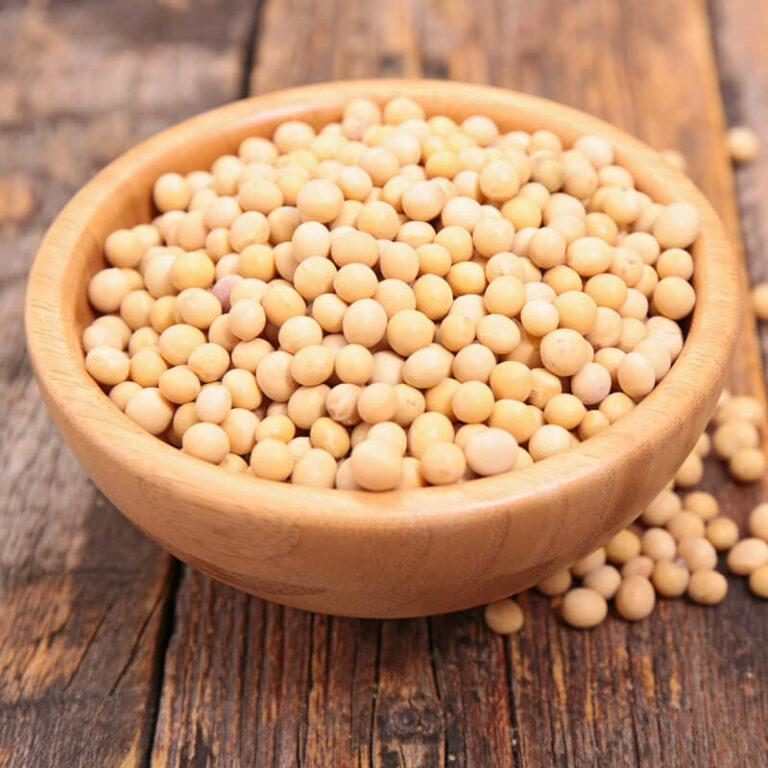
The most important source of genistein is soy, where it is found along with dadaine and other beneficial isoflavones. However, it can also be found in other foods, such as broad beans (also known as fava), kudzu, lupins (lupins), and even coffee. It is also found in many medicinal plants. (1)
Healing effects
Genistein is a fairly powerful antioxidant. But even more significant is its epigenetic action. It can influence all the most important biochemical reactions that control the activity of genes in our DNA – DNA methylation, histone modification, microRNA regulation and cell signalling. It can even turn some of our genes off or on.
Importantly, it is very similar in structure to the female sex hormone estrogen, binds to the same receptors, and can therefore compensate for the decline in its natural production, for example during menopause (2,3).
Estrogen, like other hormones, has strong epigenetic effects. When it binds to specialised estrogen receptors in cells, it forms a molecular complex that travels to the cell nucleus and there influences the activity of certain genes. Genistein binds better to the ER-ß type of estrogen receptor – its affinity, i.e. its ability to bind, is 87% of that of estrogen, which is a very high figure. The affinity of genistein for ER-α receptors, which are found, for example, in bone or adipose tissue, is lower – about 4 % (55, 56).
Tumour diseases
A number of epidemiological studies conducted over the last decade have clearly shown that countries where people consume a lot of soy products (i.e. Japan and China) have lower cancer rates than Europe and the USA. The largest differences have been observed for breast cancer in women and prostate cancer in men. Beneficial effects in prevention and treatment have also been shown for liver, lung, skin, colon and stomach cancers. One of the most important reasons is that a diet rich in soybean isoflavones positively influences all epigenetic processes involved in cancer development – i.e. gene methylation, histone modification, microRNA regulation and cell signalling. As a result, it has a preventive effect against a wide range of cancers (3-5, 52, 58).
In some types of cancer, it also serves as an effective treatment aid – this has been shown to be particularly true for prostate, colon and brain tumours. It has a significant anti-angiogenic effect, i.e. it limits the formation of new blood vessels necessary for the blood supply of the growing tumour, it also limits the proliferation of tumour cells by epigenetic means, and it even makes some tumours more sensitive to radiotherapy treatment. (6,7)
However, despite the lower incidence of breast cancer in Asian women, it is important to be very cautious about cancers with a hormonal background, which include breast and genital cancers in particular. This is because in some cases, genistein can in fact promote their growth by suppressing the immune response to cancer cells and promoting the proliferation (i.e. rapid, uncontrolled multiplication) of cancer cells. This is true only for lower doses of genistein, when its estrogenic effect, particularly its ability to activate primarily beta-type estrogen receptors, predominates. Conversely, at higher doses, it activates both types of receptors (alpha and beta), and in addition, its epigenetic action is added, hence thesuppression of tumour cell growth (presumably due to epigenetic effects), but caution is still warranted in considering whether other natural substances with epigenetic effects are preferable in the support of breast cancer treatment. Also important is the fact that genistein acts synergistically with some drugs used in cancer (8-11, 52, 54).
Diseases of the heart and blood vessels
Genistein has a pronounced anti-inflammatory effect. Among other things, it reduces the inflammatory processes in the lining of the blood vessel walls, which is an important step in the development of atherosclerosis.(12) In addition, it promotes the release of nitric oxide, a signaling molecule that promotes vasodilation. This improves blood flow to all body tissues and lowers blood pressure. Its high ability to bind to estrogen receptors ER-ß is very important for lowering blood pressure, because their low activity is significantly involved in the development of systolic and diastolic hypertension (39, 56).
Genistein is particularly effective in supporting cardiovascular function in postmenopausal women (39).
Problems related to menopause
Menopause or menopause is a period when the ovaries lose their function, which is reflected not only by the cessation of egg production, but also by a decrease in the production of the female sex hormone estrogen. This is then manifested not only by a number of unpleasant sensations (e.g. This can lead to a number of diseases and problems, such as skin atrophy and the associated development of external signs of ageing, as well as osteoporosis, cardiovascular disease, memory impairment and psychological problems, particularly depression and anxiety (15-20).
Importantly, estrogen has significant epigenetic effects (like the vast majority of hormones in the body) and its depletion results in an increased intensity of negative epigenetic reactions that affect the activity of important genes in our DNA, which results in a rapid acceleration of cellular ageing. In fact, negative epigenetic changes in our cells generally increase with age, and these processes are accelerated by an average of 6% during menopause (20).
Genistein has a structure similar to estrogen, binds to the same receptors, and is therefore able to replace natural estrogen depletion, thus not only reducing the incidence of typical menopausal problems such as hot flashes and night sweats, but also reducing the risk of cardiovascular disease, osteoporosis, memory disorders, anxiety and other problems (19).
Joint disease
It is known that the Asian population (especially the Japanese) suffers less frequently from arthrosis, a degenerative joint disease manifested mainly by cartilage loss.(21) One reason for this may be the consumption of soy and the genistein it contains.
Genistein helps to reduce the production of cytokines (especially TNF-α and IL-1α and β). These substances not only promote inflammatory processes, but also have a direct effect on the processes of articular cartilage degradation and even suppress the production of collagen II, the most abundant collagen molecule in articular cartilage. Also important is the ability of genistein to epigenetically suppress the production of the enzyme COX-2, which plays a pivotal role in inflammatory processes. These not only cause painful conditions (especially in the higher stages of arthrosis) but also contribute to the degradation of articular cartilage (22-24).
In the prevention and treatment of arthritis, genistein may be particularly beneficial for women during and before menopause (the decline in estrogen production begins after 40). It turns out that estrogen receptors are also found in the cartilage of large joints, which influence its formation and function, and it is therefore during the menopause that women’s joints deteriorate (25-27).
Genistein (and also dadzaine) has also shown positive results in rheumatoid arthritis, where it reduced both the incidence of symptoms and the production of substances related to inflammation (IL-6, TNF-α) (13).
Action against parasites
An interesting property of genistein is its anthelmintic, i.e. anti-parasitic action. In parasites, it can disrupt glycolysis (carbohydrate metabolism) and calcium metabolism, causing their death. It is particularly effective against intestinal parasites, including tapeworms.
Weight Loss
Genistein can also be very beneficial for anyone trying to lose weight. Thanks to its epigenetic action, it can change the activity of genes that regulate the cell cycle and the proliferation and apoptosis of fat cells. Proliferation means rapid multiplication – if we suppress it, we limit the body’s ability to build up fat stores. Apoptosis, or the programmed cell death of mature fat cells, then leads to easier weight loss – because the fat cells begin to destroy themselves. (33, 34)
Until recently, scientists believed that fat cells could only be created in the body, not lost, and therefore, during weight loss treatments, only the fat inside individual fat cells is lost, not the cells themselves. However, recent studies show that this is not the case, as fat cells also have the ability to apoptosis. Promoting apoptosis thus seems to be a very promising way to treat obesity, and genistein is one of the substances that is very effective in this regard (35, 36).
Some studies also suggest that taking genistein may be very effective in preventing weight gain or promoting weight loss in menopausal women. Limited estrogen production also results in the proliferation of adipose tissue and weight gain. In experiments on mice that had their ovaries surgically removed, for example, genistein administration led to a whopping 290% increase in apoptosis, while the subjects experienced a decrease in appetite – on average, they consumed 14% less food than the control group (32).
Interestingly, although in most tissues genistein preferentially binds to ER-β receptors, in adipose tissue it favours the ER-α type, which is found here. This is the reason for its high effectiveness in promoting weight loss in postmenopausal women (55).
Diabetes
To be able to use the carbohydrates in our diet, we need the hormone insulin, which converts glucose from the blood into the storage polysaccharide glycogen. When this process fails, either due to insufficient insulin production or so-called insulin resistance, blood glucose levels rise, threatening the health of many vital organs. We are talking about diabetes, or diabetes mellitus.
Genistein can positively influence the first of these factors, namely insulin production. At the same time, it protects the β-cells of the pancreas where insulin is produced, reduces their apoptosis (cell death) and promotes proliferation, i.e. multiplication. This is very important in both the prevention and treatment of type 2 diabetes, which is characterised by β-cell loss. A decrease in glycaemia, i.e. blood sugar levels, has also been observed with the administration of genistein. Here too, it is true that postmenopausal diabetic women in particular respond very well to genistein. (37)
Brain function
Genistein effectively promotes brain function, especially memory, and prevents its decline in old age (41, 42). A number of its effects have also been shown to play a very positive role in the prevention and treatment of Alzheimer’s and Parkinson’s disease. It limits apoptosis of brain cells, protects them from the action of toxins and inflammatory processes, and improves the function of mitochondria in nerve cells (these are cellular organelles that convert nutrients into energy). According to preclinical studies, genistein even reduces the occurrence of beta-amyloid plaques, which are a typical manifestation of Alzheimer’s disease (43-48).
In the area of brain function, genistein is also very beneficial, especially for postmenopausal women, because it binds to estrogen receptors in areas of the brain responsible for memory and other cognitive functions (49).
Polycystic ovary syndrome
It is a gynaecological disease affecting 5-10% of women of childbearing age, caused by hormonal imbalance. The pituitary gland secretes an excessive amount of luteinizing hormone, which is necessary, for example, to regulate the menstrual cycle. However, if it is produced in excess, the follicles of the ovaries begin to produce male sex hormones. This results in male characteristics such as fat accumulation in the abdomen, excessive hair growth or hair loss. Infertility can also be a consequence.
When women in one study were given 18 mg of genistein twice a day, they experienced a reduction in luteinizing hormone levels, but also a reduction in LDL cholesterol and triglyceride levels, other unpleasant manifestations of the disease (55).
Uterine leiomyoma
Leiomyoma is a type of fibroid (i.e. a benign tumour) that affects up to 40% of women of childbearing age. It presents with abdominal pain, irregular periods and can cause infertility. Genistein effectively inhibits its growth, mainly by suppressing proliferation (rapid cell division) and promoting apoptosis or cell death. (55)
Skin and ageing
For menopausal and post-menopausal women, genistein’s ability to bind to estrogen receptors may also provide a suitable way to reduce the outward signs of aging, such as wrinkles and loose facial features. Experiments in mice have shown that when their ovaries are removed, their skin experiences a rapid increase in the enzyme elastase, which then causes the breakdown of elastin – a protein whose fibres are intertwined with collagen and together provide skin elasticity. At the same time, collagen is also degraded. Thus, in experimental animals, after removal of the ovaries, the elasticity of the skin decreased very quickly – in some cases in just three weeks! Also, in studies of young women who had premature onset of menopause, scientists have found accelerated degeneration of elastic fibres in the skin.
However, this is not the only negative change – it also shortens the life of skin cells and slows their renewal by up to 50%. This causes the skin to atrophy, become thinner and lose its ability to bind moisture, making it much drier. The production of blood vessels supplying the skin with oxygen and nutrients is also reduced, as is the production of melanocytes, which means that the protection against sunlight is reduced, and the production of provitamin D in the skin is also reduced, by up to 75%. Genistein can not only slow down all these negative changes, but also reverse them to some extent. The advantage of this is its ability to bind to ER-ß receptors, which are involved in, for example, the formation and migration of skin cells (58, 59).
In addition, genistein helps protect the skin from the negative effects of UV radiation – reducing the risk of sunburn, premature aging (especially UVB radiation causes wrinkles) and skin tumors due to overexposure to sunlight. Interestingly, genistein positively affects the skin not only when used internally, but also when applied externally. It is fat-soluble and therefore easily absorbed (60).
Use and contraindications
The positive effect of genistein use was already observed at a relatively low dosage. In studies aimed at reducing glycaemia, cardiovascular function or brain function, positive results have been achieved at doses ranging from 60 to 160 mg of soy isoflavones. In a study aimed at reducing glycemia in postmenopausal women, positive effects were achieved even at a daily dose of 54 mg of a soy isoflavone mixture (38, 51).
The studies usually use not genistein alone, but a soy extract containing a mixture of isoflavones (although genistein predominates in percentage). The same applies to most of the available dietary supplements. Isolating genistein alone is both quite difficult and not desirable. In fact, some research suggests that genistein can be better utilized by the body when mixed with dadzaine or other isoflavones. The combination of genistein and dadzaine is very beneficial for menopausal women. The metabolism of dadzain produces a substance called equol, which is an even more potent phytoestrogen than genistein. A similar substance, 5-hydroxyequol, can also be produced from genistein, but this requires the presence of the bacterium Slackia isoflavonconveres in the gut microbiome, which less than half of the population has in their gut (37, 54, 55).
Genistein is generally considered safe. In three years of studies, only one side effect was reported – about 19% of users reported digestive upset. (50) However, it is not suitable for children and is not recommended for pregnant women. It may cross the placental barrier and affect fetal development. Experiments on mice have shown, for example, that if a mother takes genistein or consumes high levels of soya during pregnancy, this can make her children more prone to obesity. (53, 55)
Suitable combinations
For example, the combination of genistein + EGCG (epigallocatechin gallate from green tea) is advantageous in combination with other dietary supplements, as genistein increases its bioavailability.(61) The combination of genistein with curcumin is also suitable, as both nutrients have a synergistic effect, i.e. they increase each other’s effectiveness.(70) However, other combinations are also possible.
Weight loss: genistein + EGCG, genistein + resveratrol (62), genistein + resveratrol + quercetin (67)
Cancer: genistein + EGCG (64), genistein + omega-3 (65), genistein + quercetin (68), genistein + curcumin (71), genistein + indole-3-carbinol (72), genistein + pomegranate (73)
Liver fibrosis: genistein + EGCG (+ taurine) (63)
Brain: genistein + coneflower (66)
Osteoporosis, menopause: genistein + omega-3 (69), genistein + D3 + K2 (74), genistein + resveratrol (75)
Cystic fibrosis: genistein + curcumin (70)
0:00
/
0:00
Stárnutí je volba
Klíčová slova: Alzheimer's disease, arthritis, cancer, diabetes, Genistein, heart and blood vessels, joints, memory, menopause, Parkinson's disease, soy, soy isoflavones, weight loss
Komentáře
Seznam zdrojů
- https://en.wikipedia.org/wiki/Genistein
- Han, Rui-Min; Tian, Yu-Xi; Liu, Yin; Chen, Chang-Hui; Ai, Xi-Cheng; Zhang, Jian-Ping; Skibsted, Leif H. (2009). “Comparison of Flavonoids and Isoflavonoids as Antioxidants”. Journal of Agricultural and Food Chemistry. 57 (9): 3780–5.
- Yukun Zhang & Hong Chen (2011) Genistein, an epigenome modifier during cancer prevention, Epigenetics, 6:7, 888-891
- Zhang Y, Chen H. Genistein, an epigenome modifier during cancer prevention. Epigenetics. 2011 Jul;6(7):888-91. Epub 2011 Jul 1.
- Pudenz M, Roth K, Gerhauser C. Impact of soy isoflavones on the epigenome in cancer prevention. Nutrients. 2014 Oct 15;6(10):4218-72.
- Das, Arabinda; Banik, Naren L.; Ray, Swapan K. (2009). “Flavonoids activated caspases for apoptosis in human glioblastoma T98G and U87MG cells but not in human normal astrocytes”. Cancer. 116 (1): 164–76.
- Nakamura, Yoshitaka; Yogosawa, Shingo; Izutani, Yasuyuki; Watanabe, Hirotsuna; Otsuji, Eigo; Sakai, Tosiyuki (2009). “A combination of indol-3-carbinol and genistein synergistically induces apoptosis in human colon cancer HT-29 cells by inhibiting Akt phosphorylation and progression of autophagy”. Molecular Cancer. 8: 100. doi:10.1186/1476-4598-8-100
- Ju, Young H.; Allred, Kimberly F.; Allred, Clinton D.; Helferich, William G. (2006). “Genistein stimulates growth of human breast cancer cells in a novel, postmenopausal animal model, with low plasma estradiol concentrations”. Carcinogenesis. 27 (6): 1292–9
- Yang, Xiaohe; Yang, Shihe; McKimmey, Christine; Liu, Bolin; Edgerton, Susan M.; Bales, Wesley; Archer, Linda T.; Thor, Ann D. (2010). “Genistein induces enhanced growth promotion in ER-positive/erbB-2-overexpressing breast cancers by ER-erbB-2 cross talk and p27/kip1 downregulation”. Carcinogenesis. 31 (4): 695–702.
- Jiang, Xinguo; Patterson, Nicole M.; Ling, Yan; Xie, Jianwei; Helferich, William G.; Shapiro, David J. (2008). “Low Concentrations of the Soy Phytoestrogen Genistein Induce Proteinase Inhibitor 9 and Block Killing of Breast Cancer Cells by Immune Cells”. Endocrinology. 149 (11): 5366–73.
- Wang TT, Sathyamoorthy N, Phang JM. Molecular effects of genistein on estrogen receptor mediated pathways. Carcinogenesis. 1996 Feb;17(2):271-5.
- Si, Hongwei; Liu, Dongmin; Si, Hongwei; Liu, Dongmin (2007). “Phytochemical Genistein in the Regulation of Vascular Function: New Insights”. Current Medicinal Chemistry. 14 (24): 2581–9.
- Majid Mohammad-Shahi, Fatemeh Haidari, Bahman Rashidi, Amir Ata Saei, Soltanali Mahboob, andMohammad-Reza Rashidi Comparison of the Effects of Genistein and Daidzein with Dexamethasone and Soy Protein on Rheumatoid Arthritis in Rats. Bioimpacts. 2011; 1(3): 161–170.
- J. Thornton, “Estrogens and aging skin,” Dermato-Endocrinology, vol. 5, no. 2, pp. 264–270, 2013.
- Bove, E. Secor, L. B. Chibnik et al., “Age at surgical menopause influences cognitive decline and Alzheimer pathology in older women,” Neurology, vol. 82, no. 3, pp. 222–229, 2014.
- -J. Ryu, H.-T. Park, Y. J. Kim et al., “Vasomotor symptoms and osteoporosis in Korean postmenopausal women,” Maturitas, vol. 87, pp. 27–32, 2016.
- Terauchi, S. Hiramitsu, M. Akiyoshi et al., “Associations between anxiety, depression and insomnia in peri- and post-menopausal women,” Maturitas, vol. 72, no. 1, pp. 61–65, 2012.
- F. Rodríguez-Landa, A. Puga-Olguín, L. J. Germán-Ponciano, R. I. García-Ríos, and C. Soria-Fregozo, “Anxiety in natural and surgical menopause: physiologic and therapeutic bases,” in A Fresh Look Anxiety Disorders, F. Durbano, Ed., pp. 173–198, InTech, Rijeka, Croatia, 2015.
- Juan Francisco Rodríguez-Landa, Jonathan Cueto-Escobedo, Abraham Puga-Olguín, Eduardo Rivadeneyra-Domínguez, Blandina Bernal-Morales2 Emma Virginia Herrera-Huerta, and Andrea Santos-Torres. The Phytoestrogen Genistein Produces Similar Effects as 17β-Estradiol on Anxiety-Like Behavior in Rats at 12 Weeks after Ovariectomy. BioMed Research International
Volume 2017, Article ID 9073816, 10 pages - Levine, M. et al. (2016). Menopause accelerates biological aging. PNAS, 113(33):9327-9332.
- Inoue K. a kol. Prevalence of Large-joint osteoarthritis in Asian and Caucasian skeletal population. Rheumatology 2001, 40:70-73.
- Nathan C, Sporn M. Cytokines in context. J Cell Biol 1991;113:981-6.
- Millward-Sadler SJ, Wright MO, Lee H et al. Integrin-regulated secretion of interleukin 4: A novel pathway of mechanotransduction in human articular chondrocytes. J Cell Biol 1999;145:183-9.
- Laughton MJ, Evans PJ, Moroney MA, Hoult JR, Halliwell B. Inhibition of mammalian 5-lipoxygenase and cyclo-oxygenase by flavonoids and phenolic dietary additives. Relationship to antioxidant activity and to iron ion-reducing ability. Biochem.Pharmacol. 1991;42:1673-81.
- Felson DT, Nevitt MC. The effects of estrogen on osteoarthritis. Curr.Opin.Rheumatol. 1998;10:269-72.
- Herndon JH. Osteoarthritis in women after menopause. Menopause 2004;11:499- 501
- Pelletier JP, DiBattista JA, Roughley P, McCollum R, Martel-Pelletier J. Cytokines and inflammation in cartilage degradation. Rheum.Dis.Clin.North Am 1993;19:545-68.
- Morito, Keiko; Hirose, Toshiharu; Kinjo, Junei; Hirakawa, Tomoki; Okawa, Masafumi; Nohara, Toshihiro; Ogawa, Sumito; Inoue, Satoshi; Muramatsu, Masami; Masamune, Yukito (2001). “Interaction of Phytoestrogens with Estrogen Receptors α and β”. Biological & Pharmaceutical Bulletin. 24(4): 351–6.
- Tandon, Veena; Das, Bidyadhar; Saha, Nirmalendu (2003). “Anthelmintic efficacy of Flemingia vestita (Fabaceae): Effect of genistein on glycogen metabolism in the cestode, Raillietina echinobothrida”. Parasitology International. 52 (2): 179–86.
- Das, Bidyadhar; Tandon, Veena; Saha, Nirmalendu (2006). “Effect of isoflavone from Flemingia vestita (Fabaceae) on the Ca2+ homeostasis in Raillietina echinobothrida, the cestode of domestic fowl”. Parasitology International. 55 (1): 17–21.
- Naguleswaran, Arunasalam; Spicher, Martin; Vonlaufen, Nathalie; Ortega-Mora, Luis M.; Torgerson, Paul; Gottstein, Bruno; Hemphill, Andrew (2006). “In Vitro Metacestodicidal Activities of Genistein and Other Isoflavones againstEchinococcus multilocularis and Echinococcus granulosus”. Antimicrobial Agents and Chemotherapy. 50 (11): 3770–8.
- Hye-Kyeong Kim Cassandra Nelson-Dooley Mary Anne Della-Fera Jeong-Yeh YangWei Zhang Jiuhua Duan Diane L. Hartzell Mark W. Hamrick Clifton A. Baile. Genistein Decreases Food Intake, Body Weight, and Fat Pad Weight and Causes Adipose Tissue Apoptosis in Ovariectomized Female Mice. The Journal of Nutrition, Volume 136, Issue 2, 1 February 2006, Pages 409–414
- AkiyamaT a kol. Genistein, a specific inhibitor of tyrosine-specific protein kinases. J Biol Chem. 1987; 262:5592–5.
- Okura A. a kol. Effect of genistein on topoisomerase activity and on the growth of [Val 12]Ha-ras-transformed NIH 3T3 cells. Biochem Biophys Res Commun. 1988; 157:183–9.
- Prins JB, O’Rahilly S.Regulation of adipose cell number in man. Clin Sci (Lond).1997;92: 3–11.
- Niesler CU, Siddle K, Prins JB. Human preadipocytes display a depot-specific susceptibility to apoptosis. Diabetes. 1998;47:1365–8.
- Elizabeth. R. Gilbert and Dongmin Liu. Anti-diabetic functions of soy isoflavone genistein: mechanisms underlying effects on pancreatic β-cell function. Food Funct. 2013 Feb; 4(2): 200–212.
- Villa P, Costantini B, Suriano R, Perri C, Macri F, Ricciardi L, Panunzi S, Lanzone A. The Journal of clinical endocrinology and metabolism. 2009;94:552–558
- Altavilla D, Crisafulli A, Marini H, Esposito M, D’Anna R, Corrado F, Bitto A, Squadrito F. rdiovascular effects of the phytoestrogen genistein. Curr Med Chem Cardiovasc Hematol Agents. 2004 Apr;2(2):179-86.
- Duffy R, Wiseman H, File SE (2003) Improved cognitive function in postmenopausal women after 12 weeks of consumption of a soya extract containing isoflavones. Pharmacol Biochem Behave 75, 721-729.
- File SE, Jarrett N, Fluck E et al. (2001) Eating soya improves human memory. Psychopharmacology (Berl)157, 430-436.
- Gleason CE, Carlsson CM, Barnet JH et al. (2009) A preliminary study of the safety, feasibility and cognitive efficacy of soy isoflavone supplements in older men and women. Age Aging38, 86-93.
- Jiang T, Wang XQ, Ding C et al. (2017) Genistein attenuates isoflurane-induced neurotoxicity and improves impaired spatial learning and memory by regulating cAMP/CREB and BDNF-TrkB-PI3K/Akt signaling. Korean J Physiol Pharmacy21, 579-589.
- Lee HJ, Lim SM, Ko DB et al. (2017) Soyasapogenol B and Genistein Attenuate Lipopolysaccharide-Induced Memory Impairment in Mice by the Modulation of NF-kappaB-Mediated BDNF Expression. J Agric Food Chem65, 6877-6885.
- Mirahmadi SM, Shahmohammadi A, Rousta AM et al. (2017) Soy isoflavone genistein attenuates lipopolysaccharide-induced cognitive impairments in the rat via exerting anti-oxidative and anti-inflammatory effects. Cytokine.
- Arbabi E, Hamidi G, Talaei SA et al. (2016) Estrogen agonist genistein differentially influences the cognitive and motor disorders in an ovariectomized animal model of Parkinsonism. Iran J Basic Med Sci19, 1285-1290.
- Bonet-Costa V, Herranz-Perez V, Blanco-Gandia M et al. (2016) Clearing Amyloid-beta through PPARgamma/ApoE Activation by Genistein is a Treatment of Experimental Alzheimer’s Disease. J Alzheimers Dis51, 701-711.
- Wang Y, Cai B, Shao J et al. (2016) Genistein suppresses the mitochondrial apoptotic pathway in hippocampal neurons in rats with Alzheimer’s disease. Neural Regen Res11, 1153-1158.
- Turner JV, Agatonovic-Kustrin S, Glass BD (2007) Molecular aspects of phytoestrogen selective binding at estrogen receptors. J Pharm Sci96, 1879-1885.
- Liu Y, Li J, Wang T et al. (2017) The effect of genistein on glucose control and insulin sensitivity in postmenopausal women: A meta-analysis. Maturitas97, 44-52.
- https://www.alzdiscovery.org/cognitive-vitality/ratings/genistein#ref-2
- Carmela Spagnuolo,Gian Luigi Russo, Ilkay Erdogan Orhan, Solomon Habtemariam, Maria Daglia, Antoni Sureda, Seyed Fazel Nabavi, Kasi Pandima Devi, Monica Rosa Loizzo, Rosa Tundis. Genistein and Cancer: Current Status, Challenges, and Future Directions. Advances in Nutrition, Volume 6, Issue 4, July 2015, Pages 408–419. 07 July 2015.
- Adlercreutz H., Yamada T., Wähälä K., Watanabe S. Maternal and neonatal phytoestrogens in Japanese women during birth. J. Obstet. Gynecol. 1999;180:737–743.
- Jackson R.L., Greiwe J.S., Schwen R.J. Emerging evidence of the health benefits of S-equol, an estrogen receptor beta agonist. Rev. 2011;69:432–448.
- Linda Yu, Eddy Rios, Lysandra Castro, Jingli Liu, Yitang Yan, and Darlene Dixon. Genistein: Dual Role in Women’s Health. 2021 Sep; 13(9): 3048.
- Jiří Slíva, Ph.D. RECEPTORY PRO ESTROGEN A STRUKTURNĚ OBDOBNÉ MOLEKULY. Moderní babictví 10/2019
- Franco OH, Chowdhury R, Troup J, et al. Use of Plant-Based Therapies and Menopausal Symptoms: A Systematic Review and Meta-analysis. 2016;315(23):2554-2563.
- Francesca Polito, Herbert Marini, Alessandra Bitto, Natasha Irrera, Mario Vaccaro, Elena Bianca Adamo, Antonio Micali, Francesco Squadrito, Letteria Minutoli, and Domenica Altavilla. Genistein aglycone, a soy-derived isoflavone, improves skin changes induced by ovariectomy in rats. Br J Pharmacol.2012 Feb; 165(4): 994–1005. https://www.ncbi.nlm.nih.gov/pmc/articles/PMC3312494/
- Radek Litvik. Hormonální stárnutí kůže. Dermatol. praxi 2008; 2(5–6): 226–229. https://www.dermatologiepropraxi.cz/pdfs/der/2008/05/04.pdf
- https://patents.google.com/patent/US5824702A/en
- Joshua D. Lambert, Seok-Joo Kwon,Jihyeung Ju,Mousumi Bose, Mao-Jung Lee, Jungil Hong, Xingpei Hao, and Chung S. Yang. Effect of genistein on the bioavailability and intestinal cancer chemopreventive activity of (-)-epigallocatechin-3-gallate. 2008 Oct; 29(10): 2019–2024.
- Bulbul Ahmed, Tennessee State University. Combinations of genistein, EGCG and/or resveratrol synergistically inhibit pre-adipocyte differentiation by suppressing PPAR-γ/C/EBP-α pathway
- Yan Li, Min Zhu, Yani Huo, Xuerong Zhang, Ming Liao. Anti-fibrosis aktivity of combination therapy with epigallocatechin gallate, taurine and genistein by regulating glycolysis, gluconeogenesis ant ribosoma and lysosomal signaling pathways in HSC-T6 cells. Experimental and Therapeutics Medicine. December-2018, Volume 16 Issue 6
- Margalida Torrens-Mas, Pilar Roca. Phytoestrogens for Cancer Prevention and Treatment. Biology, 27 November 2020.
- Hiroyuki Nakagawa, Daigo Yamamoto, Yasuhiko Kiyozuka, Koji Tsuta. Effect of genistein and synergistic action in combination with eicosapentaenoic acid on the growth of breast cancer cell lines. September 2000. Journal of Cancer Research and Clinical Oncology126(8):448-54
- Se Jin JEON, Haerang BAK, Jungeun SEO, Kyung Ja KWON, Young Sun KANG , Hee Jin KIM, Jae Hoon CHEONG, Jong Hoon RYU, Kwang Ho KO, and Chan Young SHIN. Synergistic Increase of BDNF Release from Rat Primary Cortical Neuron by Combination of Several Medicinal Plant-Derived Compounds. Biomolecules & Therapeutics, 18(1), 39-47 (2010)
- Hea Jin Park, Jeong-Yeh Yang, Suresh Ambati, Mary Anne Della-Fera, Dorothy B Hausman, Srujana Rayalam, Clifton A Baile. Combined effects of genistein, quercetin, and resveratrol in human and 3T3-L1 adipocytes. J Med Food. 2008 Dec;11(4):773-83.
- Chris M.J. Conklin,John F. Bechberger, Derrick MacFabe, Najla Guthrie, Elzbieta M. Kurowska, Christian C. Naus. Genistein and quercetin increase connexin43 and suppress growth of breast cancer cells. Carcinogenesis, Volume 28, Issue 1, January 2007, Pages 93–100
- Raina Uchida, Hiroshige Chiba, Yoshiko Ishimi, Mariko Uehara. Combined effects of soy isoflavone and fish oil on ovariectomy-induced bone loss in mice. November 2010. Journal of Bone and Mineral Metabolism29(4):404-13
- Yoshiro Sohma, Ying-Chun Yu, and Tzyh-Chang Hwang. Curcumin and Genistein: the Combined Effects on Disease-associated CFTR Mutants and their Clinical Implications.Curr Pharm Des. 2013; 19(19): 3521–3528.
- S P Verma, E Salamone, B Goldin. Curcumin and genistein, plant natural products, show synergistic inhibitory effects on the growth of human breast cancer MCF-7 cells induced by estrogenic pesticides. Biochem Biophys Res Commun.1997 Apr 28;233(3):692-6
- Yoshitaka Nakamura,Shingo Yogosawa,Yasuyuki Izutani,Hirotsuna Watanabe,1Eigo Otsuji, and Tosiyuki Sakai. A combination of indol-3-carbinol and genistein synergistically induces apoptosis in human colon cancer HT-29 cells by inhibiting Akt phosphorylation and progression of autophagy. Mol Cancer. 2009; 8: 100.
- M A Louis Jeune, J Kumi-Diaka, J Brown. Anticancer activities of pomegranate extracts and genistein in human breast cancer cells. J Med Food. Winter 2005;8(4):469-75.
- Joan Lappe, Iris Kunz, Igor Bendik, Kevin Prudence, Peter Weber, Robert Recker, and Robert P. Heaney. Effect of a combination of genistein, polyunsaturated fatty acids and vitamins D3 and K1 on bone mineral density in postmenopausal women: a randomized, placebo-controlled, double-blind pilot study. Eur J Nutr.2013; 52(1): 203–215.
- Yuko Tousen,Ryota Ichimaru, Takashi Kondo, Masaki Inada, Chisato Miyaura, and Yoshiko Ishimi. The Combination of Soy Isoflavones and Resveratrol Preserve Bone Mineral Density in Hindlimb-Unloaded Mice. 2020 Jul; 12(7): 2043.