Selenium
epivyziva.cz/
Zobrazeno: 1,006
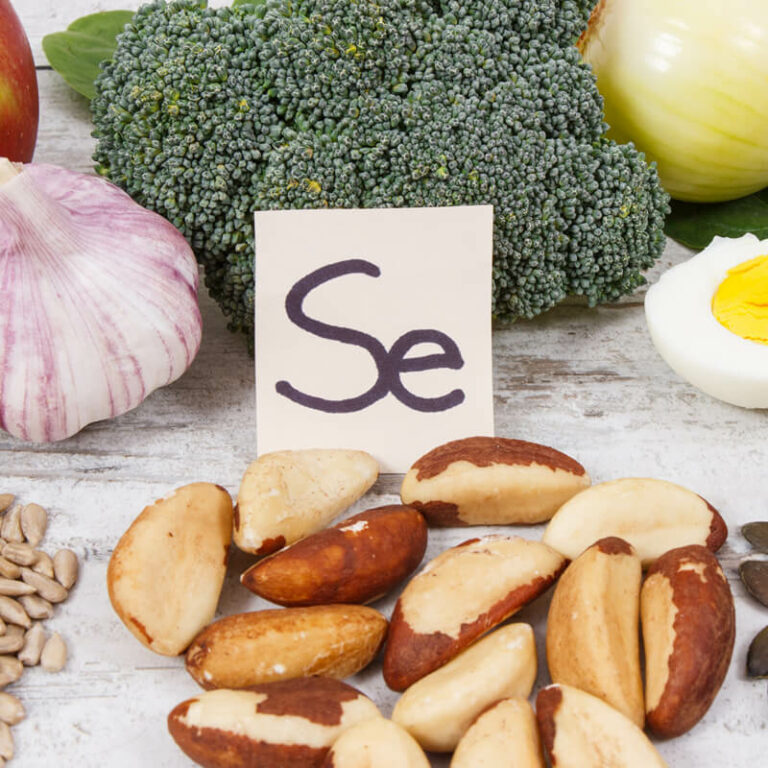
Selenium is a semi-metal belonging to the chalcogens. In its pure form it occurs in several crystalline forms, which are grey or red in colour, and in living nature it is a component of organic compounds, especially enzymes. It is named after Selene, the Greek goddess of the moon. (1)
History
Selenium was discovered by Jöns Jacob Berzelius in 1817 in Stockholm when he was investigating sediments from the production of sulphuric acid. (31)
Sources of selenium
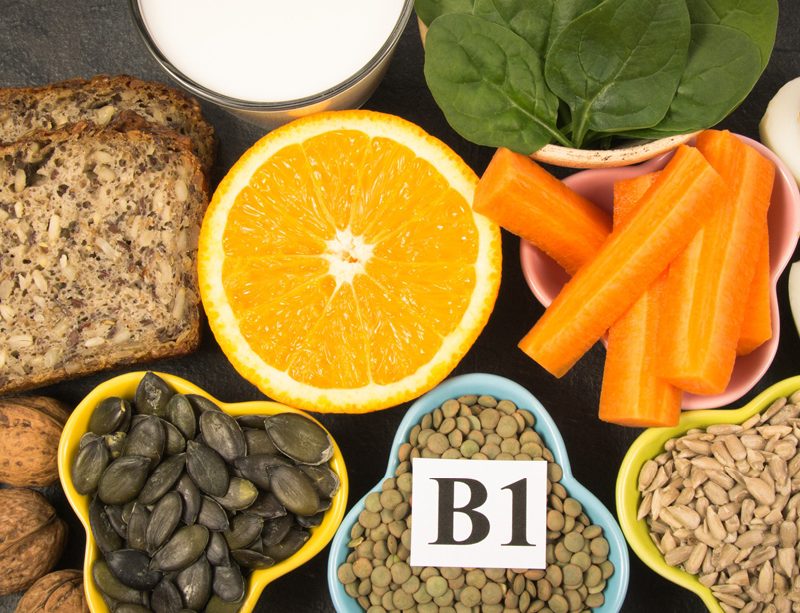
Selenium is found in many foods, especially cereals, meat, fish, dairy products and eggs. Steam-nuts and tripe are very rich sources. However, its concentration depends very much on where the food in question comes from. In cereals and bread, for example, the selenium content can vary between 0.01 and 30 mg per kilogram, depending on how much of the element is contained in the soil where the cereal was grown. European soils tend to be among the poorer ones – the richest soils in selenium are found in parts of the USA, Canada, South America, Russia and China. In Finland, for example, the use of selenium-containing fertilisers in agriculture was made compulsory in the last quarter of the last century, and subsequently the selenium content in food increased by a factor of 10-100 (4, 5).
Selenium and health
Selenium is usually bound to proteins in the body – these are called selenoproteins. A large part of these are enzymes, which are essential for the proper functioning of the body. Other selenoproteins are necessary for the transport of selenium within the body or for the synthesis of other enzymes.
A number of studies also point to a direct effect of selenium on most epigenetic reactions – those that affect the activity of individual genes in DNA. For example, selenium deficiency will negatively affect the level of methylation of genes in the liver, colon and some immune cells, and even the methylation patterns that are associated with the development of some cancers (4, 6, 7).
Selenium intake also influences another epigenetic response – histone acetylation. This explains, for example, the anti-inflammatory effect of selenium in autoimmune bowel diseases and other chronic inflammatory diseases (8).
According to several studies, selenium intake is also related to homocysteine levels, a metabolic product that has been linked to cardiovascular disease and neurodegenerative diseases (4, 9, 10).
Extreme selenium deficiency is relatively rare in Western countries. One of its manifestations, Keshan’s disease, for example, has been observed in some areas of China where the daily selenium intake of the population was less than 15 µg. On the other hand, a slight deficiency of this element occurs quite frequently, as European soils are generally poor in it (2, 3, 4).
Antioxidant protection
Selenium is part of several groups of enzymes with strong antioxidant effects. The best known of these is glutathione peroxidase (GPx), which protects cell membranes and fat-containing organelles from free radical damage. Together with vitamin E, it also maintains the integrity of these membranes. For example, GPx deficiency may significantly increase the risk of cardiovascular disease, certain cancers and possibly diabetes. Another type of selenium-containing enzymes, thiredoxin reductases (TXNRD), in addition to protecting against free radicals, are involved in controlling cell division and programmed cell death, as well as suppressing inflammatory processes. Selenium deficiency also increases the toxicity of by-products of oxidation-reduction reactions (2, 4, 27).
Thyroid gland
Adequate intake of selenium is essential for the proper functioning of the thyroid gland – in fact, this organ has the highest concentration of selenium in the entire body. There are two reasons for this: the enzymes containing selenium are necessary for the actual production of thyroid hormones and also for the conversion of the less active hormone thyroxine (T4) into the more active triiodothyronine (T3). In addition, hydrogen peroxide is also necessary for the production of these hormones, which entails increased production of free peroxide radicals that could damage thyroid cells and therefore requires consistent antioxidant protection – and this is where other types of selenium-containing enzymes come in. The protective effect of selenium has even been noted in autoimmune thyroid diseases. (4, 13-15)
A sufficient level of selenium in the thyroid gland is a priority for the body – if the intake of this element is insufficient, it is transferred from the tissues of the body to the thyroid gland. This exacerbates the deficiency in the body, which, among other things, impairs the antioxidant protection of other organs and tissues and increases the risk of other problems caused by selenium deficiency. For example, in one study of extremely selenium-deficient rats, the activity of the antioxidant selenium enzyme GPx in the liver and heart was reduced to virtually zero, while its activity in the thyroid was reduced to only 50% (12).
Immunity
The mechanisms by which selenium affects the immune system have not yet been fully investigated, but it is certain that when blood selenium levels are low, dietary supplements with selenium can significantly improve the immune response (16)
For example, studies to date have shown that selenium deficiency negatively affects the production and activity of certain immune cells (mainly lymphocytes and NK cells) and the levels of IgA, IgM and IgG antibodies, as well as the overall ability of the body to respond optimally to viral infection. This includes influenza-type viruses, but some research suggests that selenium levels are also related to the severity of HIV/AIDS – maintaining optimal selenium levels is now recognised as one of the important preventive steps that can prevent the progression of HIV to AIDS, and also reduces the number of hospital admissions for people suffering from the disease. In general, low levels of this element can also contribute to harmless viruses turning into virulent pathogens. Selenium also affects the activity and production of macrophages and leukotrienes, which is one of the reasons for its anti-inflammatory effects (4, 16-18, 27).
Diseases of the heart and blood vessels
The link between selenium and cardiovascular disease is still somewhat unclear. For example, in one large study in which healthy men were given dietary selenium supplements for 48 weeks, their blood vessel status did not change significantly, but in other studies, low selenium levels were linked to a higher risk of death from cardiovascular disease. Significant selenium deficiency was also found in patients over 55 years of age shortly after stroke (11, 19, 20).
Significant selenium deficiency can then lead to the development of Keshan’s disease, which, among other things, is manifested by heart problems – especially cardiomyopathy in association with heart failure (27).
Testosterone, fertility, pregnancy
Another tissue that contains relatively high amounts of selenium is testicular tissue. Selenium has a proven effect on testosterone production in men and thus on sexual function and fertility. It is also necessary for the formation and development of sperm. In women, the effect on fertility has not yet been reliably demonstrated, but its use is beneficial in pregnancy and postpartum depression. (22, 27)
Brain function, depression
As we have already mentioned, if selenium intake is insufficient, the body tries to maintain high levels, especially in the thyroid gland. However, another organ where selenium levels are lower than elsewhere is the brain, because selenium is also very important in its tissues. Its consistent supplementation is particularly beneficial in this regard in the elderly, where it can help delay the onset of cognitive difficulties. Some studies have even shown that selenium may have an effect on the risk of Alzheimer’s disease – people with this disease have about 40% lower concentrations of this element in their brains than their healthy peers (23, 27).
Selenium deficiency also causes an increased risk of depression and may also manifest itself in a higher tendency to hostile behaviour. One reason for this may be that it affects the production of neurotransmitters – substances that ensure the transmission of nerve impulses. The prevalence of mood disorders associated with selenium deficiency has also been demonstrated in the elderly (23, 27).
Ageing
Selenium can slow down cell ageing thanks to its antioxidant and epigenetic effects. In this respect, it acts synergistically with vitamin E. (27)
Rheumatoid arthritis
The manifestations of this inflammatory joint disease can often indicate a selenium deficiency, especially when occurring in children as young as 13 years old.(27)
Tumour diseases
Adequate intake of selenium reduces the risk of certain cancers (2, 4)
Use of
Selenium is one of the elements whose deficiency can cause serious health problems, but which is also at risk of overdose. Most health organisations recommend a daily intake of selenium of between 50-75 µg, but it is sometimes possible to find recommendations for a daily intake of 105-124 µg – these doses should ensure a reduced risk of death and the development of several types of cancer. Higher doses are not recommended and may, for example, increase the risk of developing type 2 diabetes. Doses above 900 µg are downright toxic. Typical symptoms of overdose include a metallic taste in the mouth, hair loss, difficulty breathing, skin rashes, nausea, diarrhoea or irritation (2, 4, 28).
As far as absorption and availability are concerned, these are very high for all foods containing selenium. When choosing dietary supplements, it is advisable to give preference to those that contain selenium bound in organic compounds. Although inorganic forms of selenium are also absorbed relatively well, they are also very easily excreted from the body. Among dietary supplements, those in which selenium is bound to dried brewer’s yeast, for example, are very useful (29, 30).
Suitable combinations
Selenium is often taken together with vitamin E, with which it acts synergistically in some processes. However, combinations with certain other dietary supplements are also suitable.
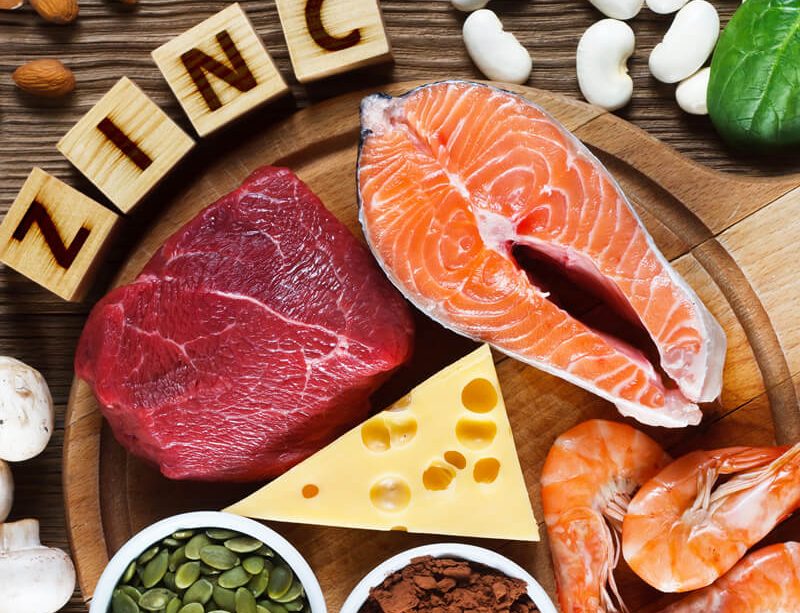
Thyroid: selenium + zinc + iodine
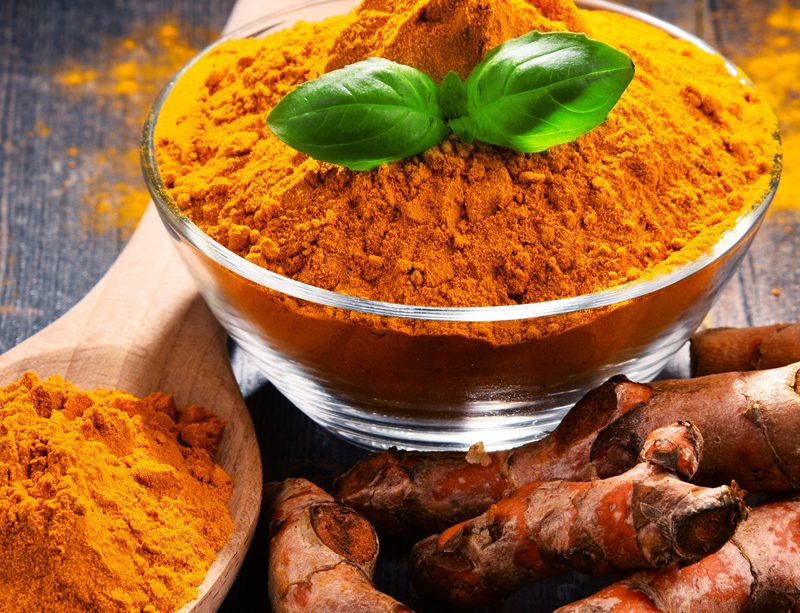
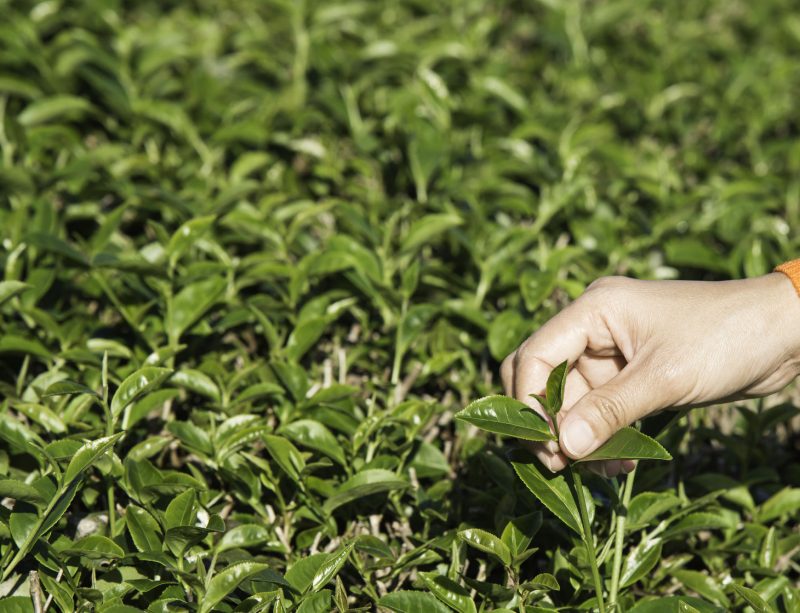
Cancer: selenium + garlic (21), selenium + EGCG (24), selenium + vitamin E (27)
Alzheimer’s disease: selenium + EGCG + vitamin E (25), selenium + resveratrol (26)
Anti-aging: selenium + resveratrol (26), selenium + vitamin E (27)
Antioxidant action: selenium + vitamin E (27)
0:00
/
0:00
Stárnutí je volba
Klíčová slova: antioxidants, brain, depression, fertility, heart and blood vessels, selenium, testosterone, thyroid
Komentáře
Seznam zdrojů
-
- https://cs.wikipedia.org/wiki/Selen
- Bodo Speckmann and Tilman Grune. Epigenetic effects of selenium and their implications for health. Epigenetics. 2015 Mar; 10(3): 179–190.
- 3. Papp LV, Lu J, Holmgren A, Khanna KK. From selenium to selenoproteins: synthesis, identity, and their role in human health. Antioxid Redox Signal 2007; 9:775-806;
- Fairweather-Tait SJ, Bao Y, Broadley MR, Collings R, Ford D, Hesketh JE, Hurst R. Selenium in human health and disease. Antioxid Redox Signal 2011; 14:1337-83;
- Rayman MP, Infante HG, and Sargent M. Food-chain se-lenium and human health: spotlight on speciation. Br J Nutr 100: 238–253, 2008
- Zeng H, Yan L, Cheng WH, Uthus EO. Dietary selenomethionine increases exon-specific DNA methylation of the p53 gene in rat liver and colon mucosa. J Nutr 2011; 141:1464-8;
- Davis CD, Uthus EO, Finley JW. Dietary selenium and arsenic affect DNA methylation in vitro in Caco-2 cells and in vivo in rat liver and colon. J Nutr 2000; 130:2903-9;
- Speckmann B, Steinbrenner H. Selenium and selenoproteins in inflammatory bowel diseases and experimental colitis. Inflamm Bowel Dis 2014; 20:1110-9;
- Bekaert B, Cooper ML, Green FR, McNulty H, Pentieva K, Scott JM, Molloy AM, Rayman MP. Effect of selenium status and supplementation with high-selenium yeast on plasma homocysteine and B vitamin concentrations in the UK elderly. Mol Nutr Food Res 2008; 52:1324-33;
- Janosikova B, Pavlikova M, Kocmanova D, Vitova A, Vesela K, Krupkova L, Kahleova R, Krijt J, Kraml P, Hyanek J, et al. Genetic variants of homocysteine metabolizing enzymes and the risk of coronary artery disease. Mol Genet Metab 2003; 79:167-75;
- Angelova EA, Atanassova PA, Chalakova NT, Dimitrov BD. Associations between serum selenium and total plasma homocysteine during the acute phase of ischaemic stroke. Eur Neurol 2008; 60:298-303; PMID:18824858;
- Bermano G, Nicol F, Dyer JA, Sunde RA, Beckett GJ, Arthur JR, and Hesketh JE. Tissue-specific regulation of selenoenzyme gene expression during selenium deficiency in rats. Biochem J 311 (Pt 2): 425–430, 1995.
- Kohrle J and Gartner R. Selenium and thyroid. Best Pract Res Clin Endocrinol Metab 23: 815–827, 2009
- Kohrle J, Jakob F, Contempre B, and Dumont JE. Selenium,the thyroid, and the endocrine system. Endocr Rev 26: 944–984, 2005
- Nacamulli D, Mian C, Petricca D, Lazzarotto F, Barollo S, Pozza D, Masiero S, Faggian D, Plebani M, Girelli ME, Mantero F, and Betterle C. Influence of physiological dietary selenium supplementation on the natural course of autoimmune thyroiditis. Clin Endocrinol 73: 535–539, 2009
- Hoffmann PR and Berry MJ. The influence of selenium on immune responses. Mol Nutr Food Res 52: 1273–1280, 2008
- Arthur JR, McKenzie RC, and Beckett GJ. Selenium in the immune system. J Nutr 133: 1457S–1459S, 2003
- Baum MK, Shor-Posner G, Lai S, Zhang G, Lai H, Fletcher MA, Sauberlich H, and Page JB. High risk of HIV-related mortality is associated with selenium deficiency. J Acquir Immune Defic Syndr Hum Retrovirol 15: 370–374, 1997
- Hawkes WC and Laslett LJ. Selenium supplementation does not improve vascular responsiveness in healthy North American men. Am J Physiol Heart Circ Physiol 296: H256–H262, 2009.
- Lubos E, Sinning CR, Schnabel RB, Wild PS, Zeller T, Rupprecht HJ, Bickel C, Lackner KJ, Peetz D, Loscalzo J, Munzel T, and Blankenberg S. Serum selenium and prognosis in cardiovascular disease: results from the AtheroGene study. Atherosclerosis 209: 271–7, 2010.
- Li H, Li HQ, Wang Y, Xu HX, Fan WT, Wang ML, Sun PH, and Xie XY. An intervention study to prevent gastric cancer by micro-selenium and large dose of allitridum. Chin Med J (Engl) 117: 1155–1160, 2004
- Brenda M Y Leung , Bonnie J Kaplan. Perinatal depression: prevalence, risks, and the nutrition link–a review of the literature. J Am Diet Assoc. 2009 Sep;109(9):1566-75.
- Emily Deans M.D. Selenium and the Brain. Psychology Today. https://www.psychologytoday.com/us/blog/evolutionary-psychiatry/201110/selenium-and-the-brain.
- Ying Hu, Graeme H. McIntosh, Richard K. Le Leu, Laura S. Nyskohus, Richard J. Woodman, Graeme P. Young. Combination of Selenium and Green Tea Improves the Efficacy of Chemoprevention in a Rat Colorectal Cancer Model by Modulating Genetic and Epigenetic Biomarkers. Plos One. https://journals.plos.org/plosone/article?id=10.1371/journal.pone.0064362
- Azza A Ali, Ahmed and Karema Abu-Elfotuh. The potential effect of Epigallocatechin-3-gallate alone or in combination with Vitamin E and selenium on Alzheimers disease induced by aluminum in rats. Journal of Alzheimers Disease & Parkinsonism. 2015, 5:3
- Marta Cosín-Tomàs, Júlia Senserrich, Marta Arumí-Planas, Carolina Alquézar, Mercè Pallàs, Ángeles Martín-Requero, Cristina Suñol, Perla Kaliman, and Coral Sanfeliu. Role of Resveratrol and Selenium on Oxidative Stress and Expression of Antioxidant and Anti-Aging Genes in Immortalized Lymphocytes from Alzheimer’s Disease Patients. Nutrients. 2019 Aug; 11(8): 1764.
- Aparna P. Shreenath; Muhammad Atif Ameer; Jennifer Dooley. Selenium Deficiency. https://www.ncbi.nlm.nih.gov/books/NBK482260/
https://www.hsph.harvard.edu/nutritionsource/selenium/
- Susan J Fairweather-Tait, Rachel Collings, Rachel Hurst. Selenium bioavailability: current knowledge and future research requirements. The American Journal of Clinical Nutrition, Volume 91, Issue 5, May 2010, Pages 1484S–1491S
- Bügel S, Larsen EH, Sloth JJ, et al. Absorption, excretion, and retention of selenium from a high selenium yeast in men with a high intake of selenium. Food Nutr Res. 2008:52.
- https://www.rsc.org/periodic-table/element/34/selenium.