Tryptophan (L-tryptophan)
epivyziva.cz/
Zobrazeno: 1,356
Tryptophan is an amino acid that is not only a component of protein, but also makes a number of other important substances in our body, such as serotonin and melatonin. Its intake is therefore essential for depression and insomnia, for example, but athletes and women suffering from premenstrual syndrome can also benefit from consistent supplementation.
Description
Tryptophan is one of the so-called essential amino acids – this means that our body cannot synthesize it, so we have to take it from food. In living organisms, it is found exclusively in the form known as “L-tryptophan” (in addition to this, there is also D-tryptophan, which differs in the spatial arrangement of the atoms in the molecule). Compared to other essential amino acids, it is found in relatively small concentrations in the body, but its importance to the functioning of the body is crucial (1)
History
L-tryptophan was first isolated from casein (milk protein) by F. G. Hopkins and S. W. Cole in 1901, and its structure was described shortly afterwards. It was first synthesised artificially in 1949, but in the 1980s its production by natural means, by fermentation, became predominant.
Occurrence
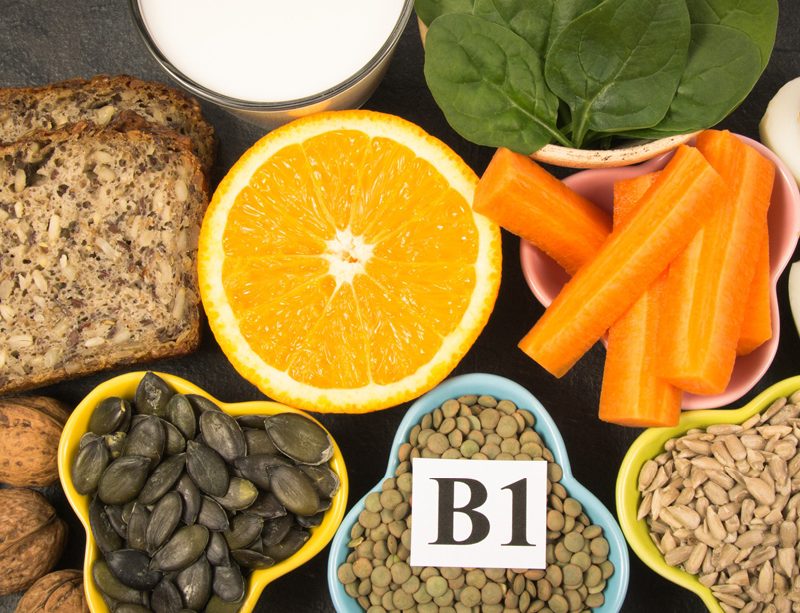
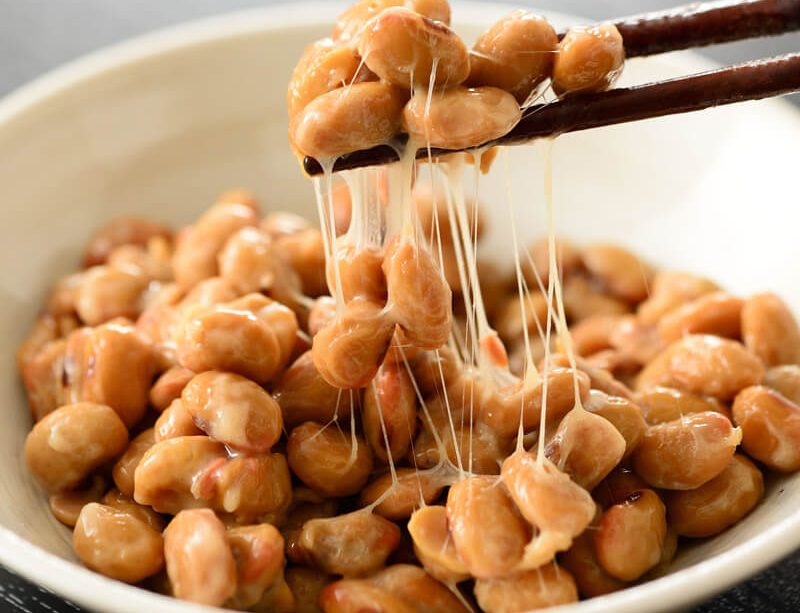
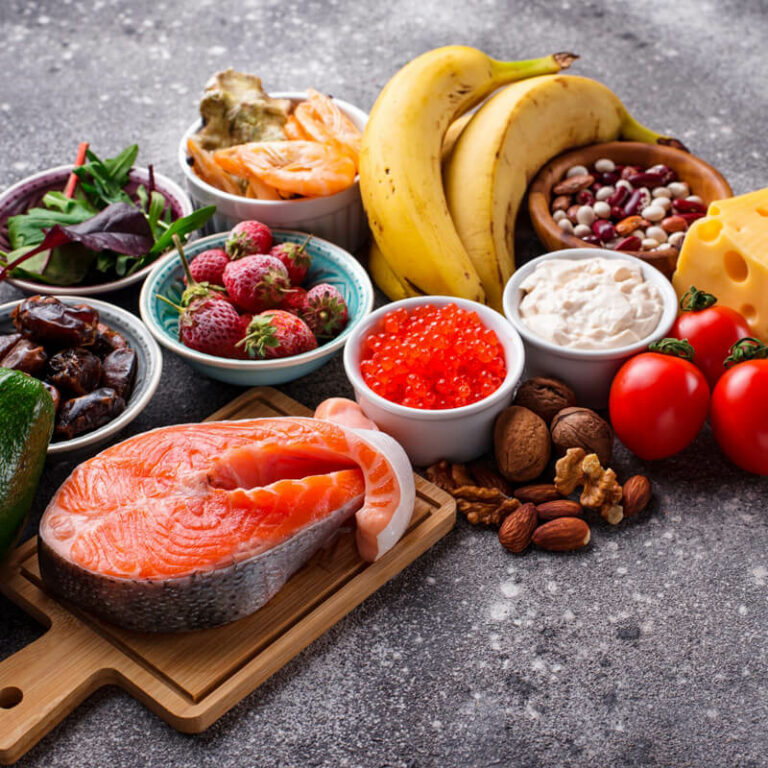
L-tryptophan is found in many common foods, both of animal and plant origin. Among animal foods, hard cheeses such as Parmesan cheese, turkey and chicken are particularly rich sources. Among plant foods, soy dominates, where the tryptophan content can be significantly increased by genetic modification, but chia seeds and oatmeal also have high values.
The condition where a person does not ingest enough tryptophan to negatively affect protein production is relatively rare. However, even with sufficient intake, a situation can occur where there is a deficiency of tryptophan in our brain. And it is there that it is essential for the production of substances necessary for the proper functioning of the brain – for example, serotonin.
The brain is separated from the bloodstream by the blood-brain barrier, which only certain types of substances can cross. Tryptophan is one of these, but it can only pass through this barrier free, not bound to proteins – and most of the tryptophan in the body is bound to the protein albumin. In addition, tryptophan needs a specific transporter to cross the blood-brain barrier, but it competes with other amino acids for which it is at a disadvantage because it is present in relatively small amounts in proteins. This is also why in specific cases, such as depression or other psychiatric disorders, it may be advantageous to take tryptophan in the form of dietary supplements rather than relying on obtaining it from food – this may increase its ratio to other amino acids, giving it a competitive advantage when crossing the blood-brain barrier (1).
In addition, other factors, such as older age, stress, insulin resistance, magnesium and vitamin B6 deficiency, and alcohol consumption, negatively affect the efficiency of tryptophan transfer across the blood-brain barrier. In addition, the availability of tryptophan in the brain may also be affected by the composition of the gut microbiome (14, 15, 18).
The importance of L-tryptophan
Tryptophan is a component of many types of proteins in our body. As with other essential amino acids, therefore, if we take in a deficiency of it, it seriously interferes with the process of protein formation in the body. In addition, however, tryptophan is also converted in the body into other substances crucial for the functioning of the organism. The best known of these are serotonin and melatonin, but also important are, for example, kynurenine and NAD/NADP. It also affects the production of certain hormones, such as cortisol, prolactin and growth hormone.
Kynurenine
The most abundant tryptophan conversion product in the body (up to 90%) is a substance called kynurenine. This is further converted into compounds that affect the production of neurotransmitters, substances that ensure the transmission of nerve signals between nerve cells. In addition, kynurenine helps to protect the lens and retina from UV radiation, and some research has even shown that it may have a similar effect on the body (especially on muscles) as physical activity and may also affect the function of the immune system (1, 5, 6, 42).
Serotonin
The body also makes serotonin from tryptophan. It is one of the neurotransmitters and its deficiency is associated with depression and other brain-related problems. Around 95% of serotonin is produced from tryptophan in the digestive tract, but this is of minimal importance for brain function – serotonin cannot cross the blood-brain barrier and therefore does not reach the brain. Only 1 % of serotonin is then produced inside the brain. (1,7)
In addition, another tryptophan conversion product, tryptamine, is involved in the serotonin production process (8).
Melatonin
Melatonin is sometimes referred to as the “sleep hormone” because it has a calming effect on the body and helps induce sleep. But it also affects immunity, reproductive function, digestive processes and the elimination of fluids from the body. Melatonin is produced in the pineal gland (pineal gland) and its secretion is regulated by the alternation of dark and light phases of the day, with the blue light component being the most effective in this process. (9, 10)
NAD/NADP
Tryptophan also serves as a substrate for the synthesis of two coenzymes: nicotinamide adenine dinucleotide (NAD) and nicotinamide adenine dinucleotide phosphate (NADP). These substances play an essential role in cellular energy production, where they are used for electron transport. NAD and NADP can also be formed in the body from niacin (vitamin B3). At the same time, niacin can also be formed in the body from tryptophan, but this process is not very efficient (11-13).
Other substances
Tryptophan is also involved in the synthesis of other substances, be it neurotransmitters (mainly dopamine, norepinephrine and beta-endorphin) or the hormones cortisol, prolactin and growth hormone. (1)
Tryptophan and health
Depression, anxiety and other psychological problems
The link between serotonin levels and the onset of depression was first pointed out by experts in the 1960s, and in the 1990s, antidepressants such as SSRIs (serotonin reuptake inhibitors) became widely used to help increase serotonin levels in the brain. While it is true that the serotonin hypothesis has never been conclusively confirmed, nor have studies in which dietary and other treatments have reduced tryptophan levels in the body resulted in poorer mood or depression in the volunteers studied, the efficacy of SSRI antidepressants has been shown to be high (19).
Similarly, trying to increase the availability of tryptophan, from which serotonin is made, can help with depression and anxiety. While diets containing food sources of tryptophan were not effective here, when volunteers took dietary supplements of protein hydrolysate or pure tryptophan, they experienced significant improvements in mood. A reduction in symptom severity was also observed in another study in which high doses of tryptophan were given to patients with mania (20-22).
A study investigating the effects of Talbinah, a traditional drink popular in Muslim countries, produced very interesting results. This drink was mentioned by the Prophet Muhammad in one of his hadiths, where he recommended drinking it during tragic events to alleviate sadness and calm the heart. Talbinah is a syrup made from barley boiled with milk and sweetened with honey. It is characterised by its high tryptophan content, yet relatively low protein to carbohydrate ratio. In the study mentioned above, it was given to a group of elderly people in residential care who were suffering from depression, and after three weeks they showed a significant reduction in symptoms of depression, anxiety and stress. (23)
Another interesting study focused on a group of women suffering from bulimia. When researchers gave some of them a protein mixture without tryptophan, causing them to be deficient in this amino acid, they experienced a significant increase in fatigue, anxiety and also indecision (26).
Smoking cessation
Interesting results were obtained from a study investigating the effects of tryptophan in smoking cessation. When volunteers took it during the process, they experienced a reduction in anxiety as part of the withdrawal symptoms (24).
Mental functions
Both serotonin and tryptophan deficiency have been shown to be associated with cognitive impairment. The negative effect of its deficiency has been observed especially in the area of long-term memory. In other cognitive functions, the improvement was rather modest, but efforts to improve the availability of tryptophan in brain tissue may still be an effective part of therapy for mental deterioration (25).
Premenstrual syndrome
PMS or premenstrual syndrome is the name for a complex of unpleasant symptoms occurring in the last, so-called luteal phase of the menstrual cycle (i.e. in the days before the onset of menstrual bleeding). These symptoms are physical (e.g. water retention or skin deterioration) but very often psychological, including anxiety, irritability and other mood changes.
And tryptophan can be very useful in these conditions. In one study, for example, its use led to a 34.5% reduction in PMS symptoms, compared to only 10.4% in the placebo group. Conversely, when women in another study were artificially induced to be tryptophan deficient, they experienced a significant worsening of PMS symptoms, particularly an increase in irritability (27, 28).
Insomnia
If a person suffers from sleep disorders, he or she should first and foremost focus on sleep hygiene, i.e. adjusting the rituals that precede bedtime, minimizing stress and other factors that disrupt sleep. But if that doesn’t help, tryptophan can also serve as an effective natural hypnotic, given that it is also converted into the “sleep hormone” melatonin. It effectively facilitates falling asleep, improves the quality of sleep and extends the overall duration of sleep. Higher doses are chosen for this purpose, taken about 45 minutes before going to bed. As they are gradually metabolised, the hypnotic effect can last into the early hours of the morning (29).
In addition, in one study, tryptophan showed the ability to alleviate sleep disturbances in drug addicts in rehab (30).
It can also help against sleep apnoea, a short-term stoppage of breathing during sleep (35).
In addition, sleep deprivation, i.e. prolonged sleep deprivation, has a clear negative effect on tryptophan availability and metabolism. While it is true that one night without sleep may even have an antidepressant effect, as it temporarily increases serotonin levels in the brain, a longer-term lack of nightly rest has a clearly negative effect. Among other things, it impairs the sensitivity of the receptors to which serotonin binds, resulting not only in mood disturbances but also in impaired cognitive function (especially memory and learning) and negatively affecting sleep itself. This creates a vicious circle that taking tryptophan can help break. It can also be useful for shift workers, who are typically characterised by low melatonin levels. (32)
Pain perception, sports performance
Taking tryptophan can alter the perception of pain and increase our ability to tolerate it. (31)
It is the improved ability to tolerate pain that can also result in improved athletic performance. For example, in one study, volunteers completed a physical activity to exhaustion test in which subjects performed a movement of a certain intensity (in this case, treadmill running at 80% VO2max) for as long as possible. Volunteers who took tryptophan experienced a marked increase in their performance in this test (running time increased by 49.4% more than the placebo group), and rated their perceived exertion as lower (33).
On the other hand, it should be noted that if the ratio of tryptophan to BCAA amino acids increases during prolonged endurance exercise, this may result in an increase in central fatigue and therefore a deterioration in performance (34).
Weight Loss
Tryptophan does not promote weight loss directly, but it can contribute significantly by helping to reduce sweet cravings by promoting serotonin production. When given to obese subjects in one study, they experienced an average weight loss of 2.3 kg after six weeks, compared to only 1.1 kg in a placebo control group (36).
However, kynuretin, which is derived from tryptophan, may also play a role in weight loss. It promotes the loss of adipose tissue. (42)
Autism
Serotonin also plays an important role in the development of autism. It promotes social behaviour and emotional control, and its production is often impaired in autism. Some research suggests that tryptophan may be beneficial for this condition (especially in combination with vitamin D3), but more studies are needed.
Use of
When taking tryptophan as a dietary supplement, it should never be combined with or in close proximity to protein-containing foods. It is present in proteins in small amounts compared to other amino acids, and it is the more abundant other amino acids that compete with it for transport across the blood-brain barrier. Therefore, if we want to ensure that tryptophan actually reaches the brain, we should tend to eat lower protein foods during the part of the day when we consume it (1).
Tryptophan should also never be combined with alcohol. Alcohol reduces the ratio of tryptophan crossing the blood-brain barrier to other amino acids by up to a quarter, and this effect persists for more than 2 hours after consumption. The disruption of serotonin production may be the reason why, for example, some individuals are prone to aggression and other problems when drunk (15, 16).
Taking tryptophan may have some less serious side effects, such as indigestion, headaches, or blurred vision. In the 1980s, the occurrence of a neurological disorder called eosinophilic-myalgia syndrome was described after its use, but at that time it was synthetic tryptophan, which was probably contaminated during production (17).
Tryptophan should not be taken by pregnant women because of the risk of fetal harm. Not enough research has been done on use during breastfeeding, but it has been shown that there is no increase in the level of tryptophan in breast milk when taken. It should also not be taken in combination with drugs that have sedative effects and also with those that increase serotonin levels in the brain (typically many antidepressants). The increase could then be too high (17, 37).
The usual dosage is 60 mg per day for 16 weeks, but much higher doses of up to 1 g are often used. Since about 1 g represents the usual daily dietary intake of tryptophan, this is essentially a doubling of the usual daily dose (17, 29).
Suitable combinations
Tryptophan should be combined with vitamin D3, which is essential for the regulation of serotonin production. (41) However, other combinations may also be useful.
Insomnia: tryptophan + L-theanine (38), tryptophan + saffron, tryptophan + passionflower
Anxiety: tryptophan + GABA (39), tryptophan + passionflower
Depression: tryptophan + saffron (40), tryptophan + D3 (41)
Autism: tryptophan + D3 (41)
0:00
/
0:00
Stárnutí je volba
Komentáře
Seznam zdrojů
- Dawn M Richard, Michael A Dawes, Charles W Mathias, Ashley Acheson, Nathalie Hill-Kapturczak and Donald M Dougherty, Ph.D. L-Tryptophan: Basic Metabolic Functions, Behavioral Research and Therapeutic Indications. Sage Journals, March 23, 20. https://journals.sagepub.com/doi/full/10.4137/IJTR.S2129#bibr1-IJTR-S2129
- Hopkins F.G., Cole S.W. A contribution to the chemistry of proteids: Part I. A preliminary study of a hitherto undescribed product of tryptic digestion. J Physiol.1901; 27: 418–28.
- Joanne Holden, Nutrient Data Laboratory, Agricultural Research Service. “USDA National Nutrient Database for Standard Reference, Release 20”. United States Department of Agriculture. Retrieved 2007-10-02.
- Masao Ishimoto, Shaikh M. Rahman, Moemen S. Hanafy, Mutasim M. Khalafalla, Hany A. hemy, Yumi Nakamoto, Yoichi Kita, Kojiro Takanashi, Fumio Matsuda, Yoshihiro Murano, Tomoko Funabashi, Hisashi Miyagawa & Kyo Wakasa. Evaluation of amino acid content and nutritional quality of transgenic soybean seeds with high-level tryptophan accumulation. Molecular Breeding volume 25, pages313–326 (2010)
- Vazquez S., Parker N.R., Sheil M.et al. Protein-bound kynurenine decreases with the progression of age-related nuclear cataract. Invest Ophthalmol Vis Sci. 2004; 45: 879–83.
- Vazquez S., Aquilina J.A., Jamie J.F.et al. Novel Protein Modification by Kynurenine in Human Lenses. J Biol Chem. 2002; 277: 4867–73.
- Sanger G.J. 5-Hydroxytryptamine and the gastrointestinal tract: Where next? Trends in Pharmacological Sciences.2008; 29: 465–71.
- Jones R.S.G. Tryptamine: A neuromodulator or neurotransmitter in mammalian brain? Prog Neurobiol.1982; 19: 117–39.
- Szczepanik M. Melatonin and its influence on immune system. J Physiol Pharmacol.2007; 58S: 115–24.
- Thor P.J., Krolczyk G., Gil K.et al. Melatonin and serotonin effects on gastrointestinal motility. J Physiol Pharmacol.2007; 58S: 97–103.
- Mattevi A. A close look at NAD biosynthesis. Nat Struct Mol Biol.2006; (7): 563–4.
- Horwitt M.K., Harvey C.C., Rothwell W.S.et al. Niacin-tryptophan relationships for evaluating niacin equivalents. Am J Clin Nutr.1981; 34: 423–7.
- Sainio E.L., Pulkki K., Young S.N. L-tryptophan: Biochemical, nutritional and pharmacological agents. Amino Acids.1996; 10: 21–47.
- Hussain A.M., Mitra A.D. Effect of ageing on tryptophan hydroxylase in rat brain: Implications on serotonin level. Drug Metab Dispo.2000; 28: 1038–42.
- Dougherty D.M., Marsh D.M., Mathias C.W.et al. The effects of alcohol on laboratory-measured impulsivity after L-Tryptophan depletion or loading. Psychopharmacol (Berl).2007; 193: 137–50.
- Badawy AA-B. Alcohol, aggression and serotonin: Metabolic aspects. Alcohol Alcohol.1998; 33: 66–72.
- https://www.webmd.com/vitamins/ai/ingredientmono-326/l-tryptophan
- Iva Lukic, Dmitryi Getselter, Omry Koren, Evan Elliot. Role of Tryptophan in Microbiota-Inducde Depressive-Like Behavior: Evidence From Tryptophan Depletion Study. Frontiers. https://www.frontiersin.org/articles/10.3389/fnbeh.2019.00123/full
- Joanna Moncrieff, Ruth E. Cooper, Tom Stockmann, Simone Amendola, Michael P. Hengartner & Mark A. Horowitz. The serotonin theory of depression: a systematic umbrella review of the evidence. Molecular Psychiatry (2022). https://www.nature.com/articles/s41380-022-01661-0
- Glenda Lindseth, Brian Helland, and Julie Caspers. The Effects of Dietary Tryptophan on Affective Disorders. Arch Psychiatr Nurs. 2015 Apr; 29(2): 102–107.
- Markus CR, Firk C, Gerhardt C, Kloek J, Smolders GF. Effect of different tryptophan sources on amino acids availability to the brain and mood in healthy volunteers. Psychopharmacology. 2008;201(1):107–114.
- Chouinard G, Young SN, Annable L. A controlled clinical trial of L-tryptophan in acute mania. Biological Psychiatry. 1985;20(5):546–557.
- Manal M Badrasawi, Suzana Shahar, Zahara Abd Manaf, and Hasnah Haron. Effect of Talbinah food consumption on depressive symptoms among elderly individuals in long term care facilities, randomized clinical trial. Clin Interv Aging. 2013; 8: 279–285.
- Bowen DJ, Spring B, Fox E. Tryptophan and high-carbohydrate diets as adjuncts to smoking cessation therapy. Journal of Behavioral Medicine. 1991;14(2):97–110.
- Wim JRiedel, TinekeKlaassen, Jeroen A.J Schmitt. Tryptophan, mood, and cognitive function. Brain, Behavior, and Immunity. Volume 16, Issue 5, October 2002, Pages 581-589.
- Theodore E.Weltzin, John D.Fernstrom, ClaireMcConaha, Walter H.Kaye. Acute tryptophan depletion in bulimia: Effects on large neutral amino acids. Biological Psychiatry. Volume 35, Issue 6, 15 March 1994, Pages 388-397.
- S Steinberg, L Annable, S N Young, N Liyanage. A placebo-controlled clinical trial of L-tryptophan in premenstrual dysphoria. Biol Psychiatry. 1999 Feb 1;45(3):313-20.
- David B.Menkes, Diane C. Coates, J.Paul Fawcett. Journal of Affective Disorders. Volume 32, Issue 1, September 1994, Pages 37-44.
- 29. Simon N. Young. Is tryptophan a natural hypnotic? J Psychiatry Neurosci. 2003 Mar; 28(2): 160.
- Dongming Wang, MS, Wenzhen Li, MD,Yang Xiao, MS, Wulong He, Weiquan Wei, MS, Longyu Yang, MS, Jincong Yu, MD, Fujian Song, MD, and Zengzhen Wang, MS. Tryptophan for the sleeping disorder and mental symptom of new-type drug dependence. Medicine (Baltimore). 2016 Jul; 95(28): e4135.
- Sarah L. Martin, Andrea Power, Yvonne Boyle, Ian M. Anderson, Monty A. Silverdale, and Anthony K. P. Jones. 5-HT modulation of pain perception in humans. Psychopharmacology (Berl). 2017; 234(19): 2929–2939.
- Abid Bhat, Ananda Staats Pires, Vanessa Tan, Saravana Babu Chidambaram and Gilles J Guillemin. Effects of Sleep Deprivation on the Tryptophan Metabolism. Sage Journals. November 23, 2020. https://journals.sagepub.com/doi/full/10.1177/1178646920970902
- Melvin Williams. Dietary Supplements and Sports Performance: Amino Acids. Journal of the International Society of Sports Nutrition volume 2, Article number: 63 (2005)
- Andrew Hamilton. Mental Fatigue. Sports Performance Bulletin. https://www.sportsperformancebulletin.com/nutrition-for-endurance-athletes/fuelling-and-hydration-for-exercise/mental-fatigue/
- Schmidt HS. L-tryptophan in the treatment of impaired respiration in sleep. Bull Eur Physiopathol Respir. 1983 Nov-Dic; 19 (6): 625-9.
- 36 Strain GW, Strain JJ, Zumoff B. L-tryptophan does not increase weight loss in carbohydrate-craving obese subjects. Int J Obes. 375-80: 9 (6); 1985a
- Dowlati Y et al. No effect of oral L-tryptophan or alpha-lactalbumin on total tryptophan levels in breast milk. Eur Neuropsychopharmacol. 2015 jun; 25 (6): 779-87.
- Nobre AC, Rao A, Owen GN. L-theanine, a natural constituent in tea, and its effect on mental state. Asia Pac J Clin Nutr. 2008; 17 Suppl 1: 167-8.
- https://www.everywomanover29.com/blog/using-both-tryptophan-and-gaba-supplements-together-for-easing-anxiety-questions-and-answers/
- https://journals.lww.com/acsm-msse/Fulltext/2021/08001/Impact_Of_Saffron_Supplementation_And_Resistance.859.aspx
- Rhonda P. Patrick, Bruce N. Ames. Vitamin D hormone regulates serotonin synthesis. Part 1: revalence for autism. The Faseb Journal. https://faseb.onlinelibrary.wiley.com/doi/epdf/10.1096/fj.13-246546
- Agudelo LZ, Ferreira DMS, Cervenka I, Bryzgalova G, Dadvar S, Jannig PR, Pettersson-Klein AT, Lakshmikanth T, Sustarsic EG, Porsmyr-Palmertz M, Correia JC, Izadi M, Martínez-Redondo V, Ueland PM, Midttun Ø, Gerhart-Hines Z, Brodin P, Pereira T, Berggren PO, Ruas JL. Kynurenic acid and Gpr35 regulate adipose tissue energy homeostasis and inflammation. Cell Metab27: 378–392.e5, 2018.