Marali root
epivyziva.cz/
Zobrazeno: 625

(Parcha safflower, Rhaponticum carthamoides)
The name “marali root” is used for a plant called parcha safflower. It was named after the Siberian maral deer, which like to feed on its saplings and, especially at rutting time, its roots. It is the roots of the herb that stand out for their ability to promote the growth of muscle mass and strength, which is why they are particularly popular with bodybuilders and enthusiasts of other speed and strength disciplines. However, the positive effects of parcha are much more extensive.
Description
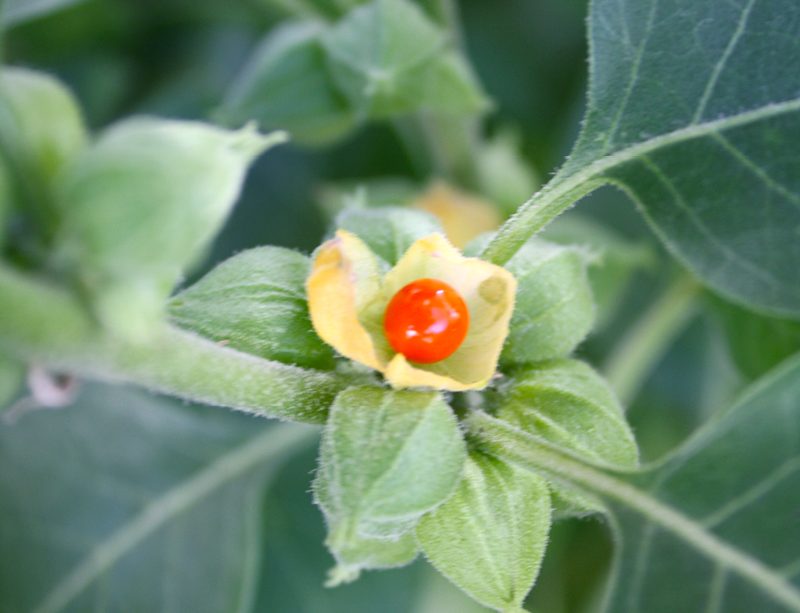
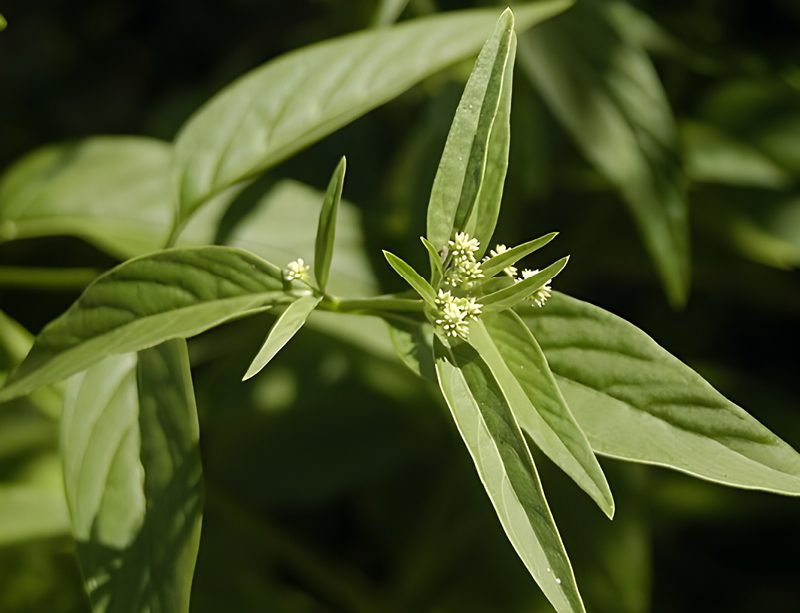
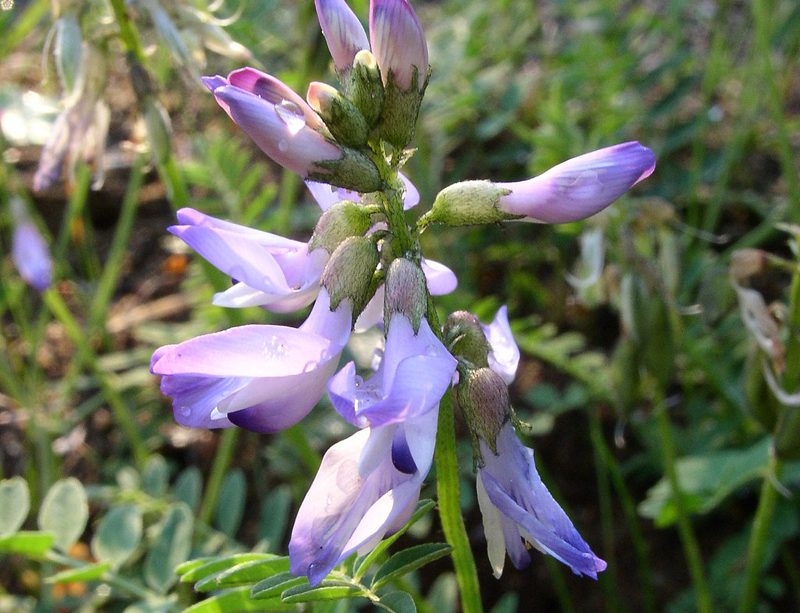
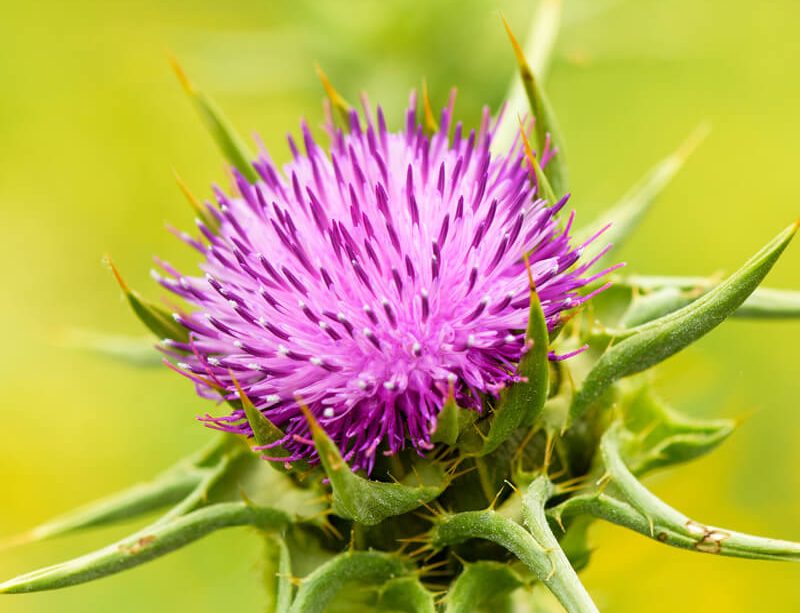
Parcha safflower is a 0.5-1.8 m tall perennial herb of the star family found mainly in Southern Siberia (Altai and Sayan Mountains), Mongolia and Kazakhstan. However, it can also be cultivated here, as it tolerates the local climate well. Its purple flowers (more precisely, the inflorescence consists of a umbel of small tubular florets) and deeply pinnate leaves resemble thistles, but without spines. The fruit is an achene about 7 mm long. It usually flowers in July and August. The rhizome and root, which are usually collected in the autumn, are used for treatment, but sometimes the inflorescence is also used, usually collected in May-June (1-3).
Active ingredients
Probably the most interesting component of marali root is ecdysterone. It is a group of substances produced by some plants for protection against insects. Currently, more than 200 ecdysteroid compounds have been described, with 50 of them found in safflower. The most abundant is 20-hydroxyecdysterone, which is found mainly in the roots of the plant, less so in the leaves and seeds. It is of interest to humans primarily because it is similar in structure to androgenic hormones. As a result, it binds to the same receptors as testosterone, and thus has similar effects in many ways – for example, the anabolic one, i.e. promoting the formation of muscle mass. These are even so pronounced that the substance has been included in the monitoring programme of the World Anti-Doping Agency (WADA) since 2020. However, unlike most anabolic substances (including ecdysterone itself), there are no known negative health effects in the case of parfait (5-10).
However, ecdysterone also has neuroprotective effects (i.e. it protects against nerve cell damage), helps lower blood sugar and cholesterol levels, regulates metabolism, and even has anti-cancer effects (e.g. against breast cancer). It also has anti-cancer effects due to its ability to suppress the production of NF-kB (8, 10).
Marali root, however, also contains a number of other substances with positive effects on the human body, such as polyphenols with antioxidant, hypolipidemic and epigenetic effects, or essential oils and essential oils with antioxidant, anti-inflammatory and antimicrobial effects. In particular, we find here, for example, monoterpenes and sesquiterpenes, quercetin, chlorogenic acid, ellagic acid, kaempferol and many other interesting compounds.
History
Parcha safflower is an important part of the traditional healing systems in the regions of Russia, Mongolia and China, where it has been used mainly as a strengthening agent and for the treatment of diseases of the respiratory, cardiovascular and excretory systems. In 1969 it was classified as an adaptogen and in the 1970s it began to be used as a supportive agent in sports training. It was particularly popular with athletes in the former Soviet Union, who used it not only to enhance performance but also to increase regenerative capacity and mental endurance (1, 4, 14).
Effects
Ecdysterone has significant epigenetic effects, affecting not only muscle protein production (for example, 16 genes responsible for muscle production have been identified in mice that can be influenced by ecdysterone), but also, for example, the activity of genes related to neuronal protection. Other substances contained in safflower have also been confirmed to have epigenetic effects, such as quercetin More here “ or ellagic acid More here “. Added to this are antioxidant, anti-inflammatory, anticancer, antimicrobial and other effects (5, 8, 10).
Sports performance
This is the most well-known area of positive action of safflower, which is widely used especially in bodybuilding and other strength and speed sports. It is mainly about promoting muscle growth by increasing muscle protein synthesis and increasing strength, which is mainly due to the ecdysterones contained in it. In cell culture studies, for example, a 20% increase in muscle protein production was achieved after their application (11).
There has not been enough research on ecdysterones in human volunteers, but studies in rats have yielded very good results. But it turns out that a lot depends on the life stage at which it is administered – the best results were achieved in pubertal subjects (51.9% greater increase in muscle mass than in the control group). However, ecdysterone also worked well in mice with removed ovaries, for example, which are used to simulate the effects on menopausal women. This period is characterized by a loss of muscle mass, but the mice studied showed an increase in muscle mass (12, 13).
At the same time, ecdysterones help to increase not only muscular strength, but also overall physical performance capacity and endurance performance (10, 13, 14).
Interestingly, the positive effect of marali root on muscle mass formation and strength growth was much greater when taken together with rhodiola. Rhodiola alone does not promote muscle mass formation, so there is clearly a synergistic effect. In addition, rhodiola also contributes here by its ability to delay physical fatigue and improve adaptation to stress load. The herbs worked effectively here both in a 1:1 ratio and in a 7:3 ratio in favour of maral root.
Sexuality and fertility
Ecdysterone’s similarity to sex hormones may also apply to sexuality and fertility support, as confirmed by research in animals and human volunteers. For example, in a group of men diagnosed with infertility, its use led to an improved ability to complete the sexual act as well as improved semen quality. In the case of maral root itself, its combination with anemone and Tongat Ali (Eurycoma longifolia), rather than the herb alone, has been shown to be effective, but maral alone also has a positive effect on erectile capacity and libido, even in men after myocardial infarction (10, 15, 19).
Immunity and anti-inflammatory action
Parcha safflower suppresses the secretion of inflammatory cytokines, including TNF-α and IL-6. In addition, it has a positive effect on the functioning of the immune system, promoting the production and activity of a number of immune cells, such as lymphocytes, macrophages and neutrophils (10, 19).
Parcha also has the ability to destroy a number of bacteria (especially gram-positive ones) and also fungi. An anti-parasitic effect has also been demonstrated. Janča and Zentrich also recommend it for the treatment of more severe infections such as EB virosis, mononucleosis or Lyme disease. (1, 19)
Stress
Marali root is classified as an adaptogen, i.e. a substance that improves the body’s adaptation to stress. For example, when it was given to rats on a high-fat diet, which resulted in an increase in corticosteroid levels, they experienced a 27% decrease in levels of these stress hormones after eight weeks of use compared to a control group. Stress also easily depletes the adrenal glands where stress hormones are produced, which in turn can result in insufficient production of corticosteroids. However, Maral here helped to increase adrenal cortisol levels by 25% (18).
The antioxidant potential of safflower also contributes to stress protection. (23)
Tumour diseases
Marali root may also be effective in the prevention and treatment of cancer. It suppresses the proliferation (rapid, uncontrolled multiplication) of cancer cells, promotes cell death, impairs energy metabolism, and increases the sensitivity of cancer cells to certain drugs (e.g. doxorubicin). Efficacy has been confirmed in, for example, breast and ovarian cancer (7, 21).
It can also help relieve fatigue and mood disturbances during chemotherapy. (10)
Weight Loss
When the maral root was given to a group of mice fed a high-fat diet, the researchers found that after 13 weeks they had 18% less weight gain than the control group, and even 41% less gain in their own adipose tissue! At the same time, the mice studied had much lower rates of fatty liver, a common consequence of this type of diet (10).
Favourable results were also obtained when the extract was administered to rats with removed ovaries, which are used as a model to study menopause. It is during the menopause that significant weight gain is commonly observed. The animals studied not only gained less weight after the administration of marali root, but also showed less loss of muscle mass, which is also common in the menopause. (18)
Parcha safflower also has a positive effect on the secretion of hormones related to weight management – for example, it increases the concentration of leptin, which induces satiety, and adiponectin, which promotes fat loss. (10)
For this reason, parcha safflower is a promising herb for weight control, but research on human volunteers has not yet been conducted to a sufficient extent.
Diabetes
Parcha safflower can also be useful for diabetics. For example, it reduces the so-called metabolic syndrome, a set of metabolic changes that significantly increase the risk of diabetes and cardiovascular disease. It also helps increase insulin secretion in the pancreas, reduce blood glucose levels, increase tissue sensitivity to insulin, and in experiments, marshmallow root also increased reduced liver glycogen levels. (10, 18, 19)
Cardiovascular system
Marali root helps to lower blood pressure, improve blood viscosity, reduce platelet aggregation and fibrinogen concentration, thereby reducing blood clots. It also has a positive effect on blood cholesterol and triglyceride levels. Experiments in mice have also indicated the efficacy of its administration after myocardial infarction and it is also suitable for arrhythmias (19).
Parcha can also be useful in anaemia as it helps to increase the concentration of red blood cells and haemoglobin in the blood. (19)
Mental performance
Parcha safflower improves memory and learning ability – the ideal time to take it in this case is 60 min before starting to study. Animal experiments have also shown improved locomotor skills, increased nervous system excitability and alertness, and a reduction in natural sleep time (19).
Parcha also helps to protect nerve cells from damage, and some animal studies also show its ability to reduce nerve cell damage due to ischemia (lack of oxygen), for example, in stroke – when experimental rats were given 150 mg of the extract for 5 days after an artificially induced stroke, theThey experienced significantly less destructive changes and there was also significantly less reduction in the density of synapses (nerve connections) in the cerebral cortex. One reason for this may be that ecdysterone increases the activity of the antioxidant enzyme superoxide dismutase, thereby mitigating oxidative damage to brain tissue after ischemia. (19, 23)
Marali root also reduces anxiety and prevents the onset of dementia by preventing the formation of the protein beta-amyloid, the accumulation of which is typical of Alzheimer’s disease (19, 23).
The combination of marali root with rhodiola is also useful in supporting mental performance, for example, it enhances learning ability (20).
Menopause
The active substances of parcha act as so-called selective modulators of estrogen receptors of the beta type (ERß), i.e. it is able to bind to these receptors and to some extent replace the effects of natural estrogen, whose production is terminated at the time of menopause. As a result, it can effectively suppress, for example, the so-called cutaneous vasomotor response popularly known as ‘hot flashes’. (22) In addition, as already mentioned, it helps to reduce weight gain and muscle loss, which is also typical of the menopause.
Ulcers of the digestive tract
Parcha is also effective in gastric and duodenal ulcer disease, and its adaptogenic action helps in this respect (23).
Also interesting is the plant’s ability to alleviate digestive pain arising from psychosomatic causes. (19)
Use and contraindications
In the case of safflower, no serious side effects have been reported during use, but due to the lack of studies conducted, its use is not recommended for pregnant and lactating women. Marali root may also slow blood clotting, so it is not recommended for people with bleeding disorders and should be discontinued at least 2 weeks before elective surgery. For the same reason, its combination with clot-busting drugs such as Aspirin or Warfarin is not appropriate (10, 17).
Safflower can also cause an allergic reaction in sensitive persons. Therefore, people allergic to any plant in the star family, such as ragweed, daisies or marigolds, should be very careful when using it. (17)
Parcha should not be taken in the evening as it can disturb sleep. It should be taken in the morning or in the morning, either before or immediately after training to support athletic performance.
Suitable combinations
Adaptogenic action and psychological resistance: maral + eleutherococcus spinyus + Ashvaganga (vitania) (5), maral + rhodiola (20)
Sports performance: maral + rhodiola (14, 16),
Sexuality: maral + anemone + Tongat Ali (Eurycoma longifolia) (10)
Mental performance: maral + rhodiola (20). maral + vitamin E (23)
Cancer: maral + rhodiola + eleutherococcus + schizandra (19)
0:00
/
0:00
Stárnutí je volba
Komentáře
Seznam zdrojů
- 1 Jiří Janča, Josef A. Zentrich. Herbář léčivých rostlin, díl 6. Eminent, 1998
- VALÍČEK, Pavel; HORÁK, Vladimír. Leuzea saflorová. S. 352–355. REMEDIA, farmakoterapeutický časopis [online]. CZ Pfarma s.r.o., Kostelec nad Černými lesy, 1996. Roč. 6, čís. 6, s. 352–355.
- Kokoska L, Janovska D. Chemistry and pharmacology of Rhaponticum carthamoides: a review. Phytochemistry. 2009;70:842‐855.
- 4. Velislava Todorova, Kalin Ivanov, Cédric Delattre, Vanya Nalbantova, Diana Karcheva-Bahchevanska, and Stanislava Ivanova. Plant Adaptogens—History and Future Perspectives. Nutrients. 2021 Aug; 13(8): 2861.
- Gorelick-Feldman J, Cohick W, Raskin IEcdysteroids elicit a rapid Ca2+ flux leading to Akt activation and increased protein synthesis in skeletal muscle cellsSteroids. Steroids. 2010 Oct;75(10):632-7.
- Diana M Cheng, Louis W Kutzler, Dustin D Boler, Jenny Drnevich, John Killefer, Mary Ann Lila. Continuous infusion of 20-hydroxyecdysone increased mass of triceps brachii in C57BL/6 mice. Phytother Res. 2013 Jan;27(1):107-11.
- O. Shuvalov, O. fedorov, E. Tananykina, Y. Gnennaya, A. Daks, A. Pehukhov, N. A. Barlev. An Arthopod Hormone, Ecdysteron, Inhibits the Grow of Breast Cancer Cells via Diffren Mechanism. Front. Pharmacol., 30 October 2020
- Velislava Todorova, Kalin Ivanov, and Stanislava Ivanova. Comparison between the Biological Active Compounds in Plants with Adaptogenic Properties (Rhaponticum carthamoides, Lepidium meyenii, Eleutherococcus senticosus and Panax ginseng). Plants (Basel). 2022 Jan; 11(1): 64.
- The World Anti-Doping Agency—WADA The 2020 Monitoring Program. [(accessed on 30 November 2021)].
- Kamal Patel. Maral Root. Examine. 28. 9. 2022. https://examine.com/supplements/maral-root/research/#ref-36
- Gorelick-Feldman J, Maclean D, Ilic N, Poulev A, Lila MA, Cheng D, Raskin IPhytoecdysteroids increase protein synthesis in skeletal muscle cellsJ Agric Food Chem.(2008 May 28)
- Seidlova-Wuttke D, Ehrhardt C, Wuttke WMetabolic effects of 20-OH-ecdysone in ovariectomized ratsJ Steroid Biochem Mol Biol.(2010 Apr)
- R M Gadzhieva, S N Portugalov, V V Paniushkin, I I Kondrat’eva. A comparative study of the anabolic action of ecdysten, leveton and Prime Plus, preparations of plant origin. Eksp Klin Farmakol. 1995 Sep-Oct;58(5):46-8.
- A P Azizov, R D Seĭfulla. The effect of elton, leveton, fitoton and adapton on the work capacity of experimental animals. Eksp Klin Farmakol. 1998 May-Jun;61(3):61-3.
- u R Mirzaev, V N Syrov, S A Khrushev, S D Iskanderova. Effect of ecdystene on parameters of the sexual function under experimental and clinical conditions. Eksp Klin Farmakol. 2000 Jul-Aug;63(4):35-7.
- 16. Rémi Roumanille a kol. Acute and chronic effects of Rhaponticum carthamoides and Rhodiola rosea extracts supplementation coupled to resistance exercise on muscle protein synthesis and mechanical power in rats.
- Journal of the International Society of Sports Nutrition (2020) 17:58.
- https://www.webmd.com/vitamins/ai/ingredientmono-1467/maral-root
- Dushkin M, Khrapova M, Kovshik G, Chasovskikh M, Menshchikova E, Trufakin V, Shurlygina A, Vereschagin E. Effects of rhaponticum carthamoides versus glycyrrhiza glabra and punica granatum extracts on metabolic syndrome signs in rats. BMC Complement Altern Med.(2014 Jan 20)
- Ladislav Kokoška, Dagmar Janovská. Chemistry and pharmacology of Rhaponticum carthamoides: A review. Phytochemistry 70 (2009) 842-855 Rémi Roumanille, Barbara Vernus, Thomas Brioche, Vincent Descossy, Christophe Tran Van Ba, Sarah Campredon, Antony G. Philippe, Pierre Delobel, Christelle Bertrand-Gaday, Angèle Chopard, Anne Bonnieu, Guillaume Py & Pascale Fança-Berthon. Acute and chronic effects of Rhaponticum carthamoides and Rhodiola rosea extracts supplementation coupled to resistance exercise on muscle protein synthesis and mechanical power in rats. Journal of the International Society of Sports Nutrition volume 17, Article number: 58 (2020)
- Kormosh N, Laktionov K, Antoshechkina M. Effect of a combination of extract from several plants on cell-mediated and humoral immunity of patients with advanced ovarian cancer. Phytother Res.(2006 May)
- Mickey Wilson, Veera Konda,Kathryn Heidt, Thirumurugan Rathinasabapathy, Anuradha Desai, Slavko Komarnytsky. Rheum rhaponticum Root Extract Improves Vasomotor Menopausal Symptoms and Estrogen-Regulated Targets in Ovariectomized Rat Model. Int J Mol Sci. 2021 Jan 21;22(3):1032.
- Lucie Cahlíková, Kateřina Macáková, Jakub Chlebek, Anna Hošťálková, Andrea Kulhánková and Lubomír Opletal. Ecdysterone and its Activity on some Degenerative Diseases. Natural Proudct Communications. 2011, vol. 6, no. 5, 707-718.