
Astaxanthin
epivyziva.cz/
Zobrazeno: 18,510

Description
Astaxanthin is a dye from the carotenoid group. Like other carotenoids, it is a compound containing 40 carbon atoms alternately linked by single and double bonds. This structure reflects light in a specific way, causing a distinctive colouration. In nature, it is usually found in compounds with proteins, for example in salmon meat or lobster shell, or in esters, i.e. compounds with fatty acids, such as in the microalgae Haematococcus pluvialis (5). Astaxanthin is not an essential nutrient (i.e. one that must be taken in through food), but its popularity as a dietary supplement is growing significantly due to its significant positive effects on the body.
Occurrence
Astaxanthin is most commonly found in some types of algae, but it is also found in the flesh of animals that are coloured orange (salmon, lobster, shrimp and others). Astaxanthin can also be synthesised artificially, but the effectiveness of that from natural sources is much higher (57).
History
As a dietary supplement, astaxanthin has been used since 1999, and for this purpose it is most commonly obtained from the microscopic alga Haematococcus (33).
Healing effects
Ataxanthin affects the body and its resistance to disease through three basic mechanisms:
- Antioxidant action
Astaxanthin is one of the most powerful antioxidants on earth. The ability to prevent cell and tissue damage by free radicals has been demonstrated many times – this compound reliably neutralizes both oxygen free radicals (6, 7) and peroxyl and superoxide radicals (8-11). Its antioxidant properties are manifested in many areas. Astaxanthin, for example, can mitigate damage to muscle tissue due to intense exercise (1), a process in which free radicals play an important role, but it also protects against, for example, beta cells that produce insulin in the pancreas, kidney tissue, neurons in the brain and the retina (2-4). Astaxanthin also has a great advantage in that it forms very stable compounds with free radicals. It is therefore much more effective in protecting against free radicals than other carotenoids, for example, which surpass it in absolute potency (13, 14).
- Immunomodulatory action
Astaxanthin increases the activity and ability of rapid proliferation of a broad spectrum of immune cells, which results not only in increased resistance to viral and bacterial diseases, but also, for example, to cancer (23).
- Epigenetic action
Ataxanthin can influence the activity of genes involved in a wide range of diseases through specific chemical reactions. For example, it can turn off or on genes that are involved in the initiation and development of cancer (27).
Let’s now look at specific diseases and problems that Astaxanthin can help us prevent and treat.
Tumour diseases
Eskimo peoples in North America are known to suffer much less frequently from cancer compared to other cultures (15, 16). Scientists believe that one of the reasons for this is the abundant consumption of salmon meat, which is a very rich source of astaxanthin – in addition to which it also contains omega-3 unsaturated fatty acids, which also have anti-cancer effects (16).
However, there are also studies that directly demonstrate the anti-cancer effects of astaxanthin. For example, it can effectively inhibit the proliferation of cancer cells (17). In the case of breast cancer, for example, the ability of cancer cells to proliferate (i.e. multiply rapidly and uncontrollably) was reduced by 40% (18). However, astaxanthin is also effective in liver, colon, and prostate tumors (19, 20), and has been shown to have a preventive effect against skin tumors caused by overexposure to UV radiation (21).
Also interesting is the ability of astaxanthin to restore intercellular communication. This is often disrupted in cancer cells, which contributes to their uncontrolled proliferation. The basis of this effect is primarily epigenetic (27). Astaxanthin is also able to influence the activity of genes responsible for the production of an enzyme that detoxifies carcinogenic compounds. This effect plays an important role, for example, in the prevention of lung, kidney, small bowel and liver cancer (28, 29). Epigenetics is also manifested in the aforementioned suppression of proliferation processes, where the activity of genes responsible for the production of enzymes involved in the growth and proliferation of cancer cells is suppressed – specifically the enzyme DNA polymerase in prostate cancer (30) or nitric oxide synthase in gastric cancer (31).
Astaxanthin is most effective especially in the early stages of cancer and is therefore a very useful part of anticancer prevention (22). However, it can also be used as a supportive treatment.
Diseases of the heart and blood vessels
In this area, the antioxidant properties of astaxanthin are particularly important. For example, it is able to reduce the oxidation of LDL cholesterol, which is one of the basic mechanisms in the development of cardiovascular disease. In addition, it increases the level of ‘good’ HDL cholesterol (49), lowers blood triglycerides (up to 24 %) and LDL cholesterol (up to 17 %). Studies suggesting that taking astaxanthin could lead to a reduction in blood pressure and inflammatory processes that increase the risk of most cardiovascular diseases are also promising (50, 52).
Astaxanthin also counteracts a metabolite called homocysteine, which has a negative effect on the heart and blood vessels. It also promotes the formation of new blood vessels. (65)
Immunity
While in the case of cancer cells, proliferation is something we definitely do not want, in the case of immune cells it is very desirable. Astaxanthin has been shown to promote proliferation in a wide range of immune cells (B-cells, T-cells, lymphocytes and others) and to promote immunoglobulin production, both in animal studies and in human volunteers. Of particular importance is its ability to promote the production of IgA antibodies, which are essential for mucosal immunity. This is partly because astaxanthin promotes the differentiation of B-lymphocytes that produce IgA antibodies (23-26, 64). Astaxanthin even promotes immune functions that increase resistance to cancer (23).
Diabetes
Diabetes is a bit like a vicious circle. The beta cells of the pancreas are unable to produce enough insulin and the sensitivity of the tissues to this hormone decreases. As a result, blood glucose levels are too high, which is associated with increased production of free radicals that damage the beta cells. Astaxanthin can effectively protect these cells through its antioxidant action, so that insulin production is improved, resulting in a fall in glucose levels (34).
In addition, it is also effective in preventing complications of diabetes that arise as a result of long-term elevated glycaemia – for example, diabetic nephropathy damaging the kidneys or diabetic retinopathy, which is a very common cause of blindness (35, 46).
Weight Loss
Astaxanthin helps stabilize blood sugar levels and contributes to the reduction of adipose tissue. Animals fed a diet high in sugars and fats also gained much less weight when they were also given astaxanthin (36). Its use in conjunction with endurance exercise is very useful, as it increases the proportion of energy derived from fat (59).
Inflammatory processes
Astaxanthin helps to effectively reduce the production of substances that are involved in the formation of inflammatory processes. These include cyclooxygenase COX-2, interleukin 1B, prostaglandin E2, C-reactive protein and TNF. This has implications for all conditions in which inflammation plays a role (including, for example, recovery after sports), but it is very effective in rheumatoid arthritis, in which astaxanthin also helps to control pain (37, 38). Both its potent antioxidant potential and epigenetic mechanisms are involved in the anti-inflammatory action of astaxanthin.
Sports performance
We have already mentioned that astaxanthin, thanks to its anti-inflammatory action, has a positive effect on recovery after intense physical exertion. However, in addition to this, it can also have a direct effect on athletic performance – helping to improve strength, endurance and overall increase energy levels and reduce fatigue (39-42).
Eye health
The positive effect of astaxanthin on eye health is quite extensive. It improves focusing ability, slows age-related visual decline, improves retinal nutrition, promotes the prevention and treatment of glaucoma and macular degeneration, and reduces visual fatigue (43-48).
Alzheimer’s and Parkinson’s disease, cognitive performance
Astaxanthin, as a powerful antioxidant, protects nerve cells from free radical damage, including those processes involved in the development of Alzheimer’s, Parkinson’s and Huntington’s diseases. Research by Taiwanese scientists, for example, has shown that it can inhibit up to 75% of the oxidative processes that lead to the formation of beta-amyloid plaques, one of the main manifestations of Alzheimer’s disease (54-56). At the same time, a Japanese study of nearly 100 middle-aged and elderly women confirmed that astaxanthin improves memory and other cognitive functions as well as psychomotor function (53). It has the added advantage that, unlike other substances, it can easily cross the barrier between the bloodstream and the brain, so it can act directly on brain cells. Moreover, it accumulates in the hippocampus, the part of the brain responsible for memory, and can thus effectively promote its protection (75).
In addition, astaxanthin also has an overall positive effect on brain and cognitive function. It supports memory even in healthy people and helps to speed up recovery after high mental stress (75).
Sexuality and fertility
Astaxanthin affects the production of some important hormones in men and women and improves sperm motility (it does not affect their concentration in semen). Overall, it increases the chances of pregnancy by up to 11% compared to placebo (58, 60, 61). It also helps relieve unpleasant symptoms of menopause, such as hot flashes, vaginal dryness, decreased libido, or depression and anxiety, by up to 48% (62).
Gut microbiome
One of the reasons why astaxanthin can so effectively influence immunity is its effect on the gut microbiome. In the case of intestinal dysbiosis, or disturbance of the balance of microorganisms within the gut, for example, the production of IgA antibodies, which are necessary for the proper functioning of immunity in the mucosal area, is reduced (64).
However, disruption of the balance of the gut microbiome can be linked to a number of serious diseases (inflammatory bowel disease, diabetes, depression and many others), which is why the beneficial effect of astaxanthin on the microbiome is one of the reasons for its positive effects on the health of the whole body. For example, its ability to increase the proportion of several strains of “friendly” bacteria in the gut – such as Lactobacilus, Bifidobaceterium and Firmicutes – has been demonstrated (64).
Liver
Astaxanthin protects the liver from free radical damage and has also been shown to be protective against non-alcoholic fatty liver disease, the world’s most prevalent chronic liver disease, and liver fibrosis (65).
Effect on mitochondria
Mitochondria are cellular organelles in which nutrients are converted into energy. Their dysfunction is one of the possible causes of many diseases and is also involved in ageing.
Astaxanthin significantly improves the resistance of mitochondria to oxidative damage mainly by increasing the production of glutathione – a peptide that eliminates free radicals produced by mitochondria, thus protecting these organelles not only against their action, but also against the negative influence of viruses, bacteria and homocysteine. (66, 67)
Stomach ulcers
Astaxanthin also works against Heliobacter pylori, a microorganism that causes stomach ulcers and gastritis. This is probably again due to its positive effect on mitochondria and the gut microbiome (64, 68, 69).
Sarcopenia, muscle atrophy
Astaxanthin has a significant positive effect on muscles – it protects their cells from the action of free radicals and from apoptosis (i.e. from cell death), supports the function of their mitochondria and improves the formation of new blood vessels. This makes it a good choice for preventing muscle atrophy and even sarcopenia, a serious disease that causes skeletal muscle degradation (72).
Skin protection and ageing
Astaxanthin has many positive effects on the skin. It protects it against the harmful effects of UV radiation and free radicals, improves its barrier function, elasticity and hydration level, and counteracts the appearance of wrinkles and other signs of skin aging. It is effective both when used internally and as an ingredient in cosmetic products. (73)
Depression
Depression is always associated with higher levels of inflammatory processes in the brain and mitochondrial dysfunction is also involved. By bridging the barrier between the bloodstream and the brain, astaxanthin can effectively protect brain tissue against inflammation and promote mitochondrial function, which has antidepressant effects.
Use of
For preventive purposes, a dose of 6-8 mg per day is usually recommended, but half that dose has been successful in many studies. For therapeutic purposes, higher doses may be chosen – the range of 20-50 mg per day is still considered safe (however, toxicity has not been demonstrated even at higher doses).(58) The total amount should be divided into 2-3 daily doses and taken with meals. Use in children is not prohibited in principle, but there have not yet been sufficient studies to confirm its safety.
Astaxanthin may increase the risk of bleeding. Because of its effectiveness in lowering blood pressure and blood glucose levels, its combination with antidiabetic and blood pressure-lowering drugs may be risky. The doctor should also be consulted about its combination with drugs that regulate hormonal balance and immunosuppressants used in autoimmune diseases. Astaxanthin is not suitable for pregnant women and patients with osteoporosis.
Suitable combinations
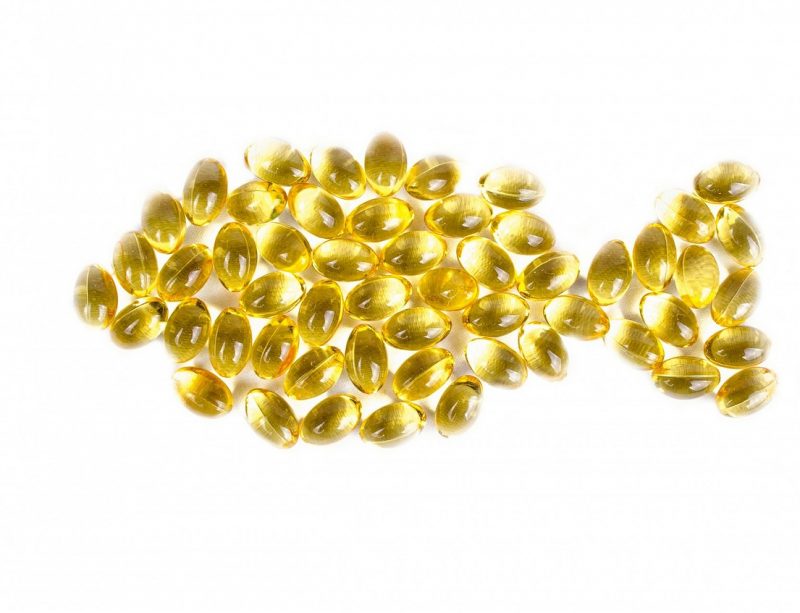
Weight loss: astaxanthin + omega-3 (70)
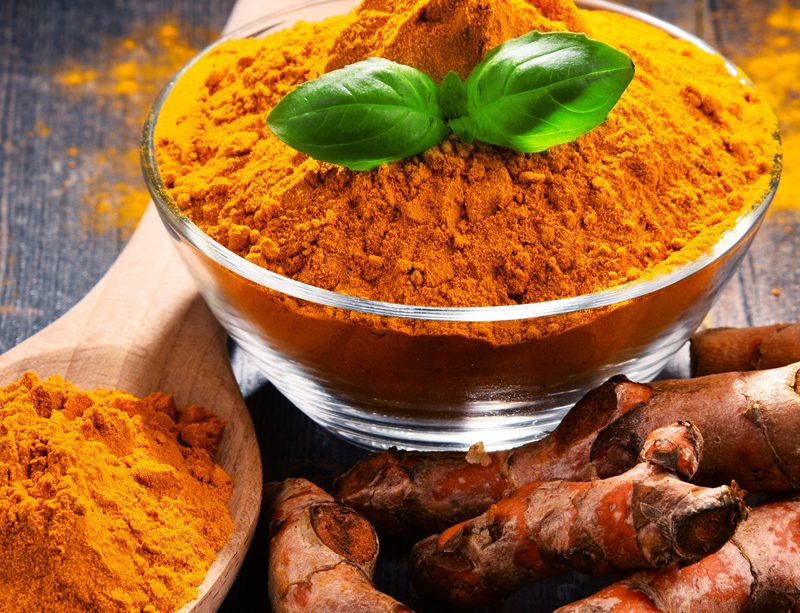
Gut microbiome: astaxanthin + omega-3 (70), astaxanthin + curcumin
Immunity, anti-inflammatory: astaxanthin + vitamin C (71), astaxanthin + vitamin D3, astaxanthin + omega-3, astaxanthin + rosemary (74)
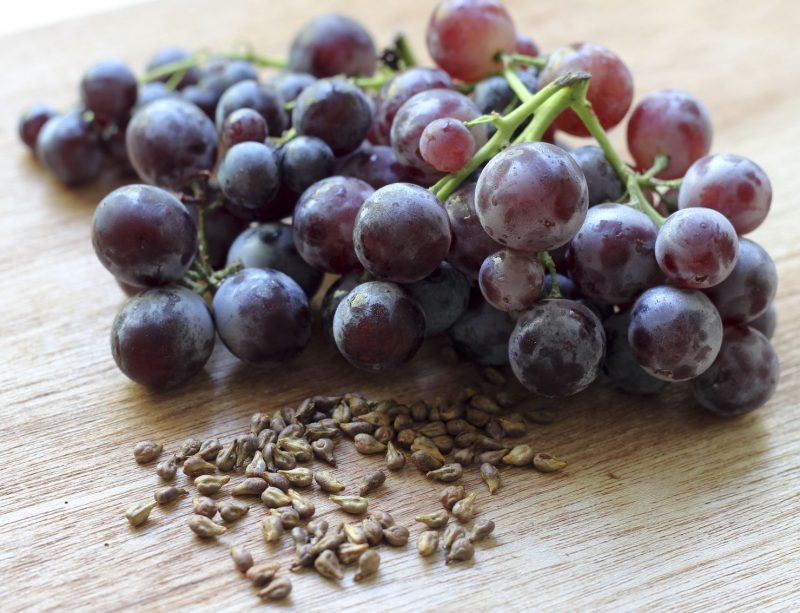
Diabetes: astaxanthin + curcumin, astaxanthin + vitamin D3, astaxanthin + OPC
Alzheimer’s disease: astaxanthin + curcumin, astaxanthin + omega-3
Sports performance: astaxanthin + curcumin, astaxanthin + omega-3, astaxanthin + OPC
Depression, brain function: astaxanthin + rosemary, astaxanthin + omega-3
0:00
/
0:00
Stárnutí je volba
Klíčová slova: ageing, Alzheimer's disease, antioxidant, Astaxanthin, beauty, cancer, cardiovascular disease, depression, diabetes, endurance, eye fatigue, fertility, gut microbiome, Huntington's disease, immunity, inflammation, liver, macular degeneration, menopause, Mitochondria, Muscle, Parkinson's disease, regeneration, sarcopenia, skin, sports performance, strength, visual acuity, weight loss
Komentáře
Seznam zdrojů
- Aoi, W. et al., Astaxanthin limits exercise-induced skeletal and cardiac muscle damage in mice, Antioxid. Redox Signal., 5, 139, 2003. 41
- Uchiyama, K. et al., Beneficial effects of astaxanthin in type 2 diabetes model of db/db mouse, Free Radical Biol. & Med., 33, S211, 2002.
- Uchiyama, K. et al., Astaxanthin protects beta-cells against glucose toxicity in diabetic db/db mice, Redox Rep., 7, 290, 2002.
- Tso, M.O.M. and Lam, T.-T., Method of retarding and ameliorating central nervous system and eye damage, United States Patent 5,527,533, 1996.
- Guerin, M., Huntley, M.E., and Olaizola, M., Haematococcus astaxanthin: applications for human health and nutrition, Trends Biotechnol., 21, 210, 2003.
- Di Mascio, P. et al., Carotenoids, tocopherols and thiols as biological singlet molecular 34 oxygen quenchers, Biochem. Soc. Trans., 18, 1054, 1990.
- Shimidzu, N., Goto, M., and Miki, W., Carotenoids as singlet oxygen quenchers in marine organisms, Fish. Sci., 62, 134, 1996.
- Miki, W., Biological functions and activities of animal carotenoids, Pure & Appl. Chem., 63, 141, 1991.
- Terao, J., Antioxidant activity of β-carotene-related carotenoids in solution, Lipids, 24, 659, 1989.
- Woodall, A.A., Britton, G., and Jackson, M.J., Carotenoids and protection of phospholipids in solution or in liposomes against oxidation by peroxyl radicals: relationship between carotenoid structure and protective ability, Biochim. Biophys. Acta, 1336, 575, 1997.
- Haila, K.M. et al., Carotenoid reaction with free radicals in acetone and toluene at different oxygen partial pressures: an ESR spin-trapping study of structure-activity relationships, Z. Lebensm. Unters Forsch. A, 204, 81, 1997.
- Iwamoto, T. et al., Inhibition of low-density lipoprotein oxidation by astaxanthin, J. Atheroscler. Thromb., 7, 216, 2000.
- Mortensen, A. et al., Comparative mechanisms and rates of free radical scavenging by 37 carotenoid antioxidants, FEBS Lett., 418, 91, 1997
- Miller, N.J. et al., Antioxidant activities of carotenes and xanthophylls, FEBS Lett., 384, 240, 1996.
- Anonymous, Eskimo diets and diseases, Lancet, 1(8334), 1139, 1983.
- Bates, C. et al., Plasma essential fatty acids in pure and mixed race American Indians on and off a diet exceptionally rich in salmon, Prostaglandins Leukot. Med., 17, 77, 1985.
- Sun, S. et al., Anti-tumor activity of astaxanthin on Meth-A tumor cells and its mode of action, FASEB J., 12, A966, 1998.
- Kim, H.W., Park, J.S., and Chew, B.P., β-carotene and astaxanthin inhibit mammary tumor cell growth and induce apoptosis in mice in vitro, FASEB J., 15, A298, 2001.
- Kozuki, Y., Miura, Y., and Yagasaki, K., Inhibitory effects of carotenoids on the invasion of rat ascites hepatoma cells in culture, Cancer Lett., 151, 111, 2000.
- Levy, J. et al., Lycopene and astaxanthin inhibit human prostate cancer cell proliferation induced by androgens, presented at 13th Int. Carotenoid Symp., Honolulu, January 6-11, 2002, 135.
- Lyons, N.M. and OíBrien, N.M., Modulatory effects of an algal extract containing astaxanthin on UVA-irradiated cells in culture, J. Dermatol. Sci., 30, 73, 2002.
- Jyonouchi, H. et al., Antitumor activity of astaxanthin and its mode of action, Nutr. Cancer, 36, 59, 2000.
- Bendich, A., Carotenoids and the immune response, J. Nutr., 119, 112, 1989.
- Bendich, A., Carotenoids and the immune system, in Carotenoids: Chemistry and Biology, Krinsky, N.I., Ed., Plenum Press, New York, 1990, 323.
- Jyonouchi, H., Zhang, L., and Tomita, Y., Studies of immunomodulating actions of carotenoids. II. Astaxanthin enhances in vitro antibody production to T-dependent antigens without facilitating polyclonal B-cell activation, Nutr. Cancer, 19, 269, 1993.
- Jyonouchi, H., Sun, S., and Gross, M., Effect of carotenoids on in vitro immunoglobulin production by human peripheral blood mononuclear cells: astaxanthin, a carotenoid without vitamin A activity, enhances in vitro immunoglobulin production in response to a T-dependent stimulant and antigen, Nutr. Cancer, 23, 171, 1995.
- Zhang, L.X., Cooney, R.V., and Bertram, J.S., Carotenoids enhance gap junctional communication and inhibit lipid peroxidation in C3H/10T1/2 cells: relationship to their cancer chemopreventive action, Carcinogenesis, 12, 2109, 1991.
- Gradelet, S. et al., Effects of canthaxanthin, astaxanthin, lycopene and lutein on liver xenobiotic-metabolizing enzymes in the rat, Xenobiotica, 26, 49, 1996.
- Jewell, C. and OíBrien, N.M., Effect of dietary supplementation with carotenoids on xenobiotic metabolizing enzymes in the liver, lung, kidney and small intestine of the rat, Brit. J. Nutr., 81, 235, 1999.
- Anderson, M., Method of inhibiting 5α-reductase with astaxanthin, United States Patent 6,277,417, 2001.
- Murakami, C. et al., Vitamin A-related compounds, all-trans retinal and retinoic acids, selectively inhibit activities of mammalian replicative DNA polymerases, Biochim. Biophys. Acta, 1574, 85, 2002.
- Anderson, M., Method of inhibiting 5α-reductase with astaxanthin, United States Patent 6,277,417, 2001. 179. Murakami, C. et al., Vitamin A-related compounds, all-trans retinal and retinoic acids, selectively inhibit activities of mammalian replicative DNA polymerases, Biochim. Biophys. Acta, 1574, 85, 2002.
- Guerin, M., Huntley, M.E., and Olaizola, M., Haematococcus astaxanthin: applications for human health and nutrition, Trends Biotechnol., 21, 210, 2003.
- Uchiyama K,Naito Y, Hasegawa G, Nakamura N, Takahashi J, Yoshikawa T. Astaxanthin protects beta-cells against glucose toxicity in diabetic db/db mice. Redox Rep. 2002;7(5):290-3.
- Naito Y1,Uchiyama K, Aoi W, Hasegawa G, Nakamura N, Yoshida N, Maoka T, Takahashi J, Yoshikawa T. Prevention of diabetic nephropathy by treatment with astaxanthin in diabetic db/db mice. 2004;20(1):49-59.
- Bhuvaneswari, S., Arunkumar, E., Viswanathan, P., Anuradha, C. V., Astaxanthin restricts weight gain, promotes insulin sensitivity and curtails fatty liver disease in mice fed an obesity-promoting diet. Process Biochem. 2010, 45, 1406–1414.
- Lee SJ, Bai SK, Lee KS, Namkoong S, Na HJ, Ha KS, Han JA, Yim SV, Chang K, Kwon YG, Lee SK, Kim YM. Astaxanthin inhibits nitric oxide production andinflammatorygene expression by suppressing I(kappa)B kinase-dependent NF-kappaB Mol Cells. 2003 Aug 31;16(1):97-105. PubMed PMID: 14503852.
- Kearney PM,Baigent C, Godwin J, Halls H, Emberson JR, Patrono C. Do selective cyclo-oxygenase-2 inhibitors and traditional non-steroidal anti-inflammatory drugs increase the risk of atherothrombosis? Meta-analysis of randomised trials. BMJ. 2006 Jun 3;332(7553):1302-8.
- Aoi, et al, 2003. Astaxanthin limits exercise-induced skeletal and cardiac muscle damage in mice. Antioxid Redox Signal. 2003 Feb;5(1):139-44.
- Curt L. Malmsten and Åke Lignell. Dietary Supplementation with Astaxanthin-Rich Algal Meal Improves Strength Endurance. A Double Blind Placebo Controlled Study on Male Students. CarotenoidScience, Vol.13, 2008 ISSN 1880-5671.
- Aoi W, Naito Y, Takanami Y, Ishii T, Kawai Y, Akagiri S, Kato Y, Osawa T, Yoshikawa T. Astaxanthin improves muscle lipid metabolism in exercise via inhibitory effect of oxidative CPT I modification. Biochem Biophys Res Commun. 2008 Feb 22;366(4):892-7. Epub 2007 Dec 17.
- Ikeuchi M, Koyama T, Takahashi J, Yazawa K. Effects of astaxanthin supplementation on exercise-induced fatigue in mice. Biol Pharm Bull. 2006 Oct;29(10):2106-10.
- Iwasaki Tsuneto, Tahara Akihiko. Effects of Astaxanthin on Eyestrain Induced by Accommodative Dysfunction. Journal of the Eye23;NO.6;829-834(2006)
- Nagaki Y., Hayasaka S., Yamada T., Hayasaka Y., Sanada M., Uonomi T. Effects of Astaxanthin on accommodation, critical flicker fusion, and pattern visual evoked potential in visual display terminal workers. Journal of Traditional Medicines 2002: 19 (5), 170 – 173.
- Nagaki Yasunori et al. The Effect ofAstaxanthin on Retinal Capillary Blood Flow in Normal Volunteers. Journal of Clinical Therapeutics & Medicines21;No.5;537-542(2005)
- Sun Z, Liu J, Zeng X, Huangfu J, Jiang Y, Wang M, Chen F. Protective actions of microalgae against endogenous and exogenous advanced glycation endproducts (AGEs) in human retinal pigment epithelial cells. Food Funct. 2011 May;2(5):251-8. doi: 10.1039/c1fo10021a. Epub 2011 Apr 21. PubMed PMID: 21779563.
- Ishida S.Lifestyle-related diseases and anti-aging ophthalmology: suppression of retinal and choroidal pathologies by inhibiting renin-angiotensin system and inflammation. Article in Japanese: Nihon Ganka Gakkai Zasshi. 2009 Mar;113(3):403-22; discussion Review. Japanese. PubMed PMID: 19348185.
- Liao JH, Chen CS, Maher TJ, Liu CY, Lin MH, Wu TH, Wu SH. Astaxanthin interacts with selenite and attenuates selenite-induced cataractogenesis. Chem Res Toxicol. 2009 Mar 16;22(3):518-25. doi: 10.1021/tx800378z. PubMed PMID: 19193053.
- Murillo, E. (1992). Hypercholsterolemic effect of canthaxanthin and astaxanthin in rats. Latin American Archives of Nutrition. 42(4):409-13.
- Hussein, G., Nakamura, M., Zhao, Q., Iguchi, T., Goto, H., Sankawa, U., Watanabe, H. (2005a). “Antihypertensive and neuroprotective effects of astaxanthin in experimental animals.” Biological and Pharmaceutical Bulletin. 28(1):47-52.
- Iwamoto, T., Hosoda, K., Hirano, R., Kurata, H., Matsumoto, A., Miki, W., Kamiyama, M., Itakura, H., Yamamoto, S., Kondo, K. (2000). “Inhibition of low-density lipoprotein oxidation by astaxanthin.” Journal of Atherosclerosis Thrombosis. 7(4):216-22.
- Li, W., Hellsten, A., Jacobsson, L., Blomqvist, H., Olsson, A., Yuan, X. (2004). “Alpha-tocopherol and astaxanthin decrease macrophage infiltration, apoptosis and vulnerability in atheroma of hyperlipidaemic rabbits.” Journal of molecular and cellular cardiology. 37(5):969-78.
- Katagiri M, Satoh A, Tsuji S, Shirasawa T. Effects of astaxanthin-rich Haematococcus pluvialis extract on cognitive function: a randomised, double-blind, placebo-controlled study. J Clin Biochem Nutr. 2012 Sep;51(2):102-7.
- Ye Q, Huang B,Zhang X, Zhu Y, Chen X. Astaxanthin protects against MPP+-induced oxidative stress in PC12 cells via the HO-1/NOX2 axis. BMC Neurosci. 2012 Dec 29;13:156. doi: 10.1186/1471-2202-13-156.
- Liu X, Shibata T, Hisaka S, Osawa T. Astaxanthin inhibits reactive oxygen species-mediated cellular toxicity in dopaminergic SH-SY5Y cells via mitochondria-targeted protective mechanism. Brain Res. 2009;1254:18–27.
- Chang CH, Chen CY, Chiou JY, Peng RY, Peng CH. Astaxanthine secured apoptotic death of PC12 cells induced by beta-amyloid peptide 25–35: its molecular action targets. J Med Food. 2010;13:548–556. doi: 10.1089/jmf.2009.1291.
- Hansgeorg Ernst. Recent advances in industrial carotenoid synthesis. Pure Appl. Chem., Vol. 74, No. 11, pp. 2213–2226, 2002.
- https://examine.com/supplements/astaxanthin/#ref11
- Aoi W,et al Astaxanthin improves muscle lipid metabolism in exercise via inhibitory effect of oxidative CPT I modification . Biochem Biophys Res Commun. (2008)
- Eskenazi B,et al Antioxidant intake is associated with semen quality in healthy men . Hum Reprod. (2005)
- Sanocka D, Kurpisz M Reactive oxygen species and sperm cells. Reprod Biol Endocrinol. (2004)
- Belcaro G,et al MF Afragil® in the treatment of 34 menopause symptoms: a pilot study . Panminerva Med. (2010)
- Astaxanthin: A Review of the Literature. Natural Medicine Journal. http://www.naturalmedicinejournal.com/journal/2012-02/astaxanthin-review-literature
- Yi Lyu, Lei Wu, Fang Wang. Carotenoid supplementation and retinoic acid in immunoglobulin A regulation of the gut microbiota dysbiosis. Experimental Biology and Medicine. March 13, 2018. https://journals.sagepub.com/doi/10.1177/1535370218763760
- Ling-Jia Gao , Yu-Qin Zhu , Liang Xu. Mechanisms of protective effects of astaxanthin in nonalcoholic fatty liver disease. Hepatoma Research. 2020. https://hrjournal.net/article/view/3990
- Fan CD, Sun JY, Fu XT, et al. Astaxanthin attenuates homocysteineinduced cardiotoxicity in vitro and in vivo by inhibiting mitochondrial dysfunction and oxidative damage. Front Physiol2017;8:1041.
- Wang XJ, Chen W, Fu XT. Reversal of homocysteine-induced neurotoxicity in rat hippocampal neurons by astaxanthin: evidences for mitochondrial dysfunction and signaling crosstalk. Cell Death Discov2018;4:50.
- Kim SH, Lim JW, Kim H. Astaxanthin Inhibits Mitochondrial Dysfunction and Interleukin-8 Expression in Helicobacter pylori-Infected Gastric Epithelial Cells. Nutrients2018:10.
- Yu T, Dohl J, Chen Y, Gasier HG, Deuster PA. Astaxanthin inhibits mitochondrial dysfunction and interleukin-8 expression in helicobacter pylori-infected gastric epithelial cells. J Cell Physiol2019;234:13292-302.
- Chenxi Cui, Yanyan Li, Hang Gao, Hongyan Zhang, Jiaojiao Han, Dijun Zhang, Ye Li, Jun Zhou, Chenyang Lu, Xiurong Su. Modulation of the gut microbiota by the mixture of fish oil and krill oil in high-fat diet-induced obesity mice. https://journals.plos.org/plosone/article?id=10.1371/journal.pone.0186216
- A.Guerra, A.P.Bolin, R.Otton. Carbonyl stress and a combination of astaxanthin/vitamin C induce biochemical changes in human neutrophils. Toxicology in Vitro. Volume 26, Issue 7, October 2012, Pages 1181-1190
- Sok Kuan Wong, Soelaiman Ima‑Nirwana. Kok‑Yong Chin. Effects of astaxanthin on the protection of muscle health (Review). Effects of astaxanthin on the protection of muscle health (Review)
- Xiangyu Zhou, Qingming Cao, Caroline Orfila, Jian Zhao and Lin Zhang. Systematic Review and Meta-Analysis on the Effects of Astaxanthin on Human.Skin Ageing. Nutrients 2021, 13, 2917.
- Yulia Solomonov, Nurit Hadad and Rachel Levy. The Combined Anti-Inflammatory Effect of Astaxanthin, Lyc-O-Mato and Carnosic Acid In Vitro and In Vivo in a Mouse Model of Peritonitis. J Nutr Food Sci 2018, 8:1
- https://www.algatech.com/natural-astaxanthin-and-emotional-well-being/






8 Comments
Hello..I want to ask..how many Astaxanthin tablets can I take daily ? Thank you Hana Hajná
Hello,
it depends on the astaxanthin content of the particular dietary supplement. Recommended daily doses for prevention are 6-8 mg per day, but the amount in one tablet is usually 4-5 mg for most supplements. However, experience so far shows that even this lower amount is effective enough, so a tablet a day should be sufficient for prevention. If you need to address a specific problem, it is advisable to increase the dosage initially – to at least two, but possibly up to four tablets a day – and after one or two months, for example, switch to one tablet a day.
Hello please advise. I have read a lot about the effects of astaxanthin, I am very interested in this nutritional supplement, not only because of my skin – still very dry, with a lot of pigment spots all over my body and dwindling collagen (age 61) but also for other benefits. As I have been diagnosed with osteoporosis in the early stages and you write that it is not suitable for people with this diagnosis, my question is if I were to get the supplements epigemics vitamin D3 and Collagen along with it, would that be OK? Can I take them together? Thank you very much for your advice and I wish you every success Majka
Hello,
The contraindication of astaxanthin in osteoporosis is a bit controversial, as some sources claim that this supplement improves bone health. As for combinations, we definitely recommend taking it along with omega-3s with which it occurs naturally in nature (salmon meat, shrimp, etc.). In addition, omega-3s have a positive effect on both bones and skin quality. Adding vitamin D3 is also not a bad thing, but calcium intake is of course important too.
However, if I were you, I would also consider combining resveratrol and vitamin K2 with calcium. After all, K2 is at least as important as D3 for calcium absorption and deficiency is more common in the population. In addition to its epigenetic effect, resveratrol also acts as a phytoestrogen, which is very important after menopause. It can largely compensate for the loss of estrogen production, which is essential for bone cell activation. Both resveratrol and K2 also have a significant beneficial effect on the skin.
thank you for your reply and valuable advice did I understand correctly that the most beneficial combination for my bones and skin is Omega 3, D3, K2 and Resveratrol? Thank you very much Majka
Yes, in principle it is possible to take all four products, but not at the same time, I would rather divide them – for example omega 3 + vitamin D3 in the morning and resveratrol + vitamin K2 in the evening
Have a nice day, please answer the question what is the best dosage of this medicine for my sick mother. She suffers from high blood pressure, gout, cardiovascular disease and now she has been diagnosed with incipient diabetes. She is 77 years old and was almost drug free until she was 70. Thank you Míla Čížová
Hello,
the key question is whether mom is taking medication and what kind. Astaxanthin is problematic in combination with blood pressure medications and antidiabetics. If she is taking any of these, start with a rather low dose (4 mg per day), wait about 2 months, and if no problems occur, you can double the dose. I also recommend combining with omega-3.