
Common comfrey
epivyziva.cz/
Zobrazeno: 8,672
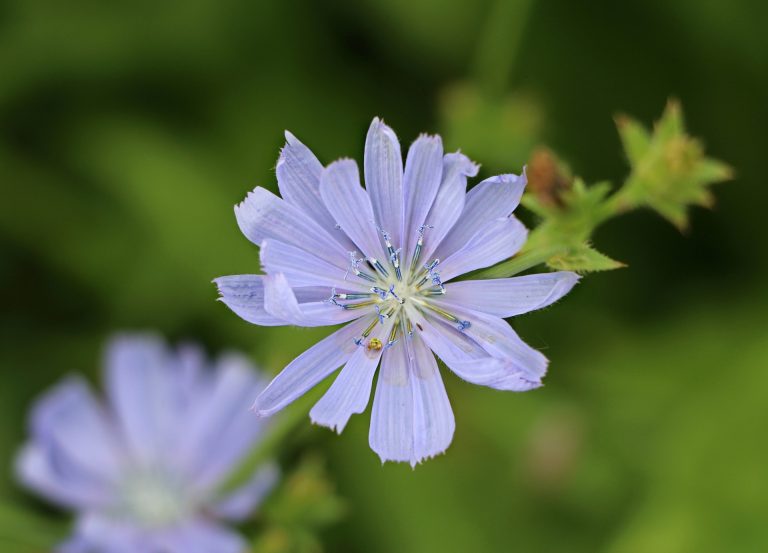
Cichorium intybus
Description
Chicory is a perennial herb of the chicory family reaching a height of more than one metre. The stem is angular, the leaves oblong, the flowers showy, sky-blue. It grows abundantly in meadows, meadows, suburban parks and other grassy areas. It grows in most parts of Europe and is found in Africa and Asia (1).
The medicinal drug is mainly the root, which is harvested from September to November, possibly also in spring, but the leaves harvested in spring and summer have a similar content of active substances. The flower is also used sporadically in ophthalmology (1).
History
The history of chicory use and cultivation dates back to ancient Egypt. It is also mentioned in the works of the Roman poet and philosopher Horatius, who lived and worked at the turn of the century (31). In later times, chicory (specifically its roasted root) gained fame not only as a medicinal herb but also as a coffee substitute. It was used for this purpose, for example, in France under Napoleon (32 ), during the world wars and even during the coffee crisis of the 1970s.
Because of this, the perception of chicory “coffee” as a substitute, something inferior, persists to this day, which is, of course, a fundamental mistake. It is a drink that is very tasty and, moreover, its regular consumption has many positive effects on the body.
Active ingredients
Chicory root contains mainly substances from the carbohydrate group, especially inulin, a storage plant polysaccharide, and fructooligosaccharides. It also contains sesquiterpenic lactones, which also have extensive beneficial effects on the body, polyphenolic compounds such as chlorogenic acid, vitamins, minerals, mannitol and latex (3, 37).
Healing effects
Chicory is one of the most frequently used herbs in classical phytotherapy, especially to support metabolism, liver function and bile production, heart and digestion. In the digestive tract, it is also anti-inflammatory. Externally, it is used as a poultice for sore joints and some types of eczema, and an infusion of the flowers is also used as an eyewash for inflammation of the conjunctiva, eyelids, corneas and irises (1).
An important component of the health effects of chicory is its strong antioxidant effect, which is mainly due to its content of polyphenol compounds (2). Also important is the content of inulin and fructooligosaccharides, which are soluble fibres with a strong prebiotic effect (15). In recent years, the epigenetic effects of chicory have also become of interest.
Effect on the gut microbiome
The gut microbiome is a collection of microorganisms (bacteria, viruses and others) that inhabit our gut and perform a number of important functions. The balance of this system is crucial to our health. If its diversity (i.e. species diversity) is reduced and potentially pathological microorganisms begin to outnumber beneficial ones, we speak of ‘dysbiosis’. This condition significantly increases the risk of a number of serious conditions – for example, inflammatory bowel disease, autoimmune thyroid disease, Alzheimer’s and Parkinson’s disease, liver fibrosis, high blood pressure, cancer, schizophrenia, depression and many others. (34)
Taking care of the gut microbiome is therefore essential for physical and mental health, and chicory is one of the most effective natural remedies thanks to its high content of inulin and fructooligosaccharides. These substances are among the so-called prebiotics, i.e. substances that provide nutrition to the intestinal microorganisms and are therefore essential for the health of the microbiome. For example, studies have reported a positive effect of chicory consumption on adjusting the ratio of Firmincutes (beneficial butyrate-producing bacteria) and Bacteroides (bacteria that promote inflammatory processes), as well as the ratio of beneficial lactobacilli to negative E. coli (34-36).
Tumour diseases
The fructooligosaccharides and inulin in chicory have a protective effect against cancer-causing processes. For example, they influence important bacterial mechanisms related to the development of colon cancer and also regulate apoptosis, or programmed cell death (4, 6). Healthy cells have mechanisms that enable them to destroy themselves if they are damaged. Tumour cells do not have this ability, which allows them to multiply uncontrollably. Chicory also has an antiproliferative effect, i.e. it prevents rapid cell proliferation, which is also a characteristic of cancer cells (21). An important part of the anticancer effect is also the fact that inulin and fructooligosaccharides promote the growth of probiotic bacteria (19).
Diseases of the heart and blood vessels
Inulin lowers blood triglyceride and LDL cholesterol levels as well as blood pressure (5, 46). Chicory also reduces the formation of atherosclerotic plaques and reduces the risk of thrombosis (23). The roasted chicory drink also reduces blood viscosity and protects red blood cells from deformation (39).
A direct protective effect of chicory against antioxidant and inflammatory damage to cardiac tissue, and even amelioration of necrotic changes already occurring in cardiac tissue, has also been reported (46).
Anti-inflammatory effects
Chicory extract suppresses the activity of NF-kappaB and also the enzyme TNF alpha-cyclooxygenase 2, also known as COX 2. This leads to reduced production of prostaglandin E2, whose increased concentration is typical of inflammatory processes. Importantly, chicory, unlike chemical anti-inflammatory drugs, acts selectively against COX 2 and not COX 1 cyclooxygenase, so it does not cause digestive problems (10).
Obesity
Chicory contains fructooligosaccharides, a compound that promotes the secretion of substances known as satiety hormones (such as the peptide PYY or incretins). The consequence is a fairly significant reduction in appetite, which results in an automatic reduction in energy intake. In one study, for example, 30 volunteers were given either 16 g of fructooligosaccharides, 10 g of fructooligosaccharides or a placebo. Those taking the highest doses of this substance automatically reduced their energy intake by 11 % over 13 days and also measured higher PYY levels (11, 14).
The beneficial effect of chicory on the gut microbiome is also crucial here. A number of studies have shown that obese individuals have a different microbiome composition – for example, there are more bacteria that promote inflammatory processes (e.g. Bacteroides or Ruminococcus gnavus) and fewer bacteria that produce butyrate, a short-chain fatty acid that has a positive effect on mitochondria (the cellular organelles that produce energy). Examples include the bacteria Roseburia intestinalis and F. prausnitzi. The balance of the gut microbiome is also important for proper metabolic processes and nutrient absorption, while gut dysbiosis promotes, among other things, the development of insulin resistance (tissue sensitivity to insulin), which increases the risk of weight gain (34).
In addition to probiotic fiber, another component of chicory – chlorogenic acid – is also important for promoting weight loss. It promotes fat oxidation, heat production, and also suppresses the production of enzymes necessary for the formation of fat stores. (40)
Constipation and indigestion
Inulin and fructooligosaccharides are essentially dietary fibre, which is resistant to digestion and absorption in the small intestine, so that it enters the large intestine virtually unchanged, where it is fermented by bacteria. As a consequence, the total volume of stool increases and the pH of the stool decreases, which has a positive effect on the health of the intestinal mucosa (13). Research has also reported an effect of chicory on increasing the frequency of bowel movements (46).
An important role is also played by the significant prebiotic effect of inulin and fructooligosaccharides, which act as a kind of substrate that supports the proliferation of probiotic bacteria such as bifidobacteria or lactobacilli. As a result, they alleviate some digestive disorders and make the digestive process more efficient (15).
A positive effect in relieving constipation has also been shown in the elderly, who suffer from this problem more often than younger people (28).
Immunity and antimicrobial effect
The prebiotic effect promoting the growth of probiotic microorganisms also results in improved overall immunity, including anti-tumor immunity (16-18).
Chicory extract has also been shown to be effective against certain types of microorganisms – for example, a number of types of bacteria, including, for example, salmonella or golden staphylococcus, or mycoses caused by Candida yeasts (24, 25, 43, 46). It is particularly effective in treating infections of the gastrointestinal tract (33).
It has also been shown to have an antiviral effect – chicory has been shown to be active against HSV-1, the virus that causes cold sores, hepatitis B virus, and is even listed as having a potential positive effect against COVID-19.(44-46)
Allergies
Chicory suppresses the activity of mast cells, which play an important role in the development of an allergic reaction (12). When a mast cell encounters an allergen, it attaches to its surface and spills the contents of its vesicles, which are made up of histamine, among other things. The increase in histamine concentration then manifests itself as an allergic reaction. The effectiveness of oligosaccharide mixtures has also been demonstrated in atopic dermatitis (29).
Liver function
Chicory root is one of the traditional herbs used to support liver function and detoxification, and these effects have been confirmed by modern scientific research. For example, the use of chicory has been shown in studies to improve the status of most markers indicating liver damage and impaired liver function, such as high bilirubin, low levels of superoxide dismutase, glutathione peroxidase and catalase, and high levels of liver enzymes (46).
It also turns out that chicory can be very useful for liver damage caused by toxic substances. For example, when chicory was added to the diets of rats in which researchers had previously induced liver damage with a combination of sodium nitrate and chlorpromazine, they showed significant improvement compared to the control group (20). In another study, chicory in turn improved the condition of animals whose livers had been damaged by nitrosamines (26).
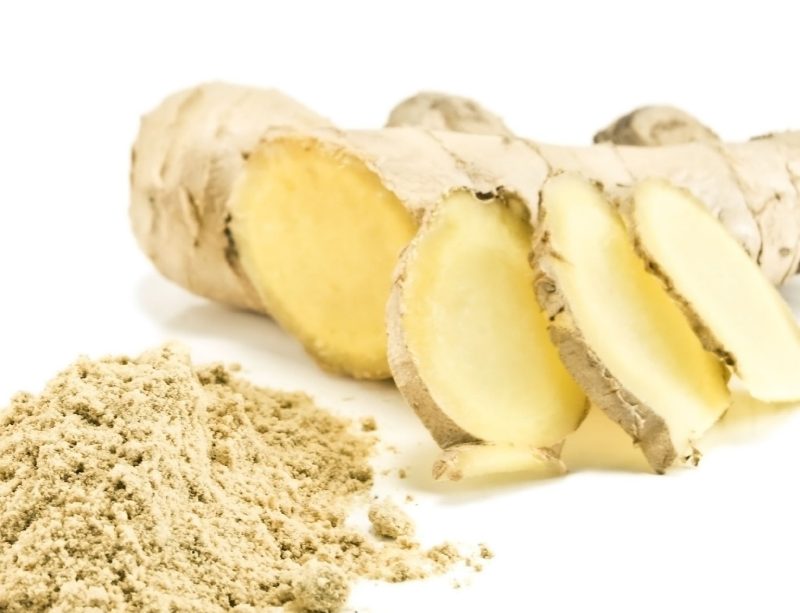
In particular, the combination of chicory and ginger is very effective and has been shown in another study to have a protective effect on the liver damaged by carbon tetrachloride (22).
Arthrosis
Although chicory does not affect the actual cause of the degenerative joint disease called arthrosis (loss of joint cartilage), its anti-inflammatory action can significantly reduce pain and joint stiffness (27).
Diabetes
Eating chicory helps to lower blood glucose levels and also alleviate insulin resistance, i.e. the sensitivity of tissues to insulin. This is a condition in which the pancreas produces enough insulin, but the tissues lose sensitivity to it and therefore blood glucose levels rise. A positive effect of chicory drink on glycated haemoglobin levels has also been reported. (34, 39, 46).
In addition to the positive effect of chicory on the microbiome, it also has a beneficial effect on the muscle tissue by its chlorogenic acid content, which promotes glucose transport and re-uptake, and cichoric acid, which improves tissue sensitivity to insulin. (47)
Brain function
Chicory’s chlorogenic acid is also an important ingredient in this regard – it supports the production of dopamine and protects the cells that produce it. This has a positive effect on mood and other brain functions. Chlorogenic acid also suppresses the production of the enzyme acetylcholinesterase, which has the effect of boosting memory and cognitive function (41, 42).
Spittle
So far, only mice have shown a positive effect of chicory administration in acute pancreatitis. If a similar effect could be confirmed in humans, that would be great, because pancreatitis is a very dangerous problem that comes on very quickly, is difficult to treat and in many cases leads to failure of many other organs, even death. (49)
Fertility
Also, only in animals has the ability of chicory to promote male fertility been demonstrated so far. After taking the extract, the experimental animals experienced an increase in the weight of the gonads, an increase in semen density and quality, and an increase in the concentration of antioxidant enzymes that protect testicular cells from oxidative damage (50).
Use of
No contraindications are known, only use in pregnancy is not recommended due to the increased risk of miscarriage. There are also no known interactions with commonly used drugs. Among the side effects, only possible allergic reactions have been described; due to the stimulatory effects on the uterus, premature onset of the menstrual cycle may also occur (30).
The usual form of chicory use is drinking coffee from the roasted root, which can be practiced daily and long term. Another option is to take the extract.
Chicory can also be combined with other herbal substances.
Chicory + ginger – this is a very effective combination that has proven to be especially effective in liver health care. (6) But it can also be useful in preventing and treating cardiovascular disease, reducing inflammation, supporting immunity and brain and digestive function.
Chicory + curcumin – this combination (in a 3:1 ratio) can be very effective in protecting and regenerating the liver, and is particularly effective in non-alcoholic fatty liver disease. It also helps to reduce LDL cholesterol and triglyceride levels in the blood and is also very effective in promoting weight loss (46, 48).
Chicory + probiotics – the combination of probiotics and probiotics is very suitable. In one study, for example, chicory extract was given with Feta cheese, which is an important source of probiotics. The participants in the study experienced a significant decrease in LDL cholesterol and blood triglycerides (much higher than when consuming the cheese alone) (38).
0:00
/
0:00
Stárnutí je volba
Klíčová slova: allergies, anti-inflammatory action, arthritis, blood vessels, cancer, cancer, cardiovascular, Chicory, diabetes, gut microbiome, heart, joint pain, liver, obesity, pancreas, weight loss
Komentáře
Seznam zdrojů
- Jiří Janča, Josef A. Zentrich. Herbář léčivých rostlin. Eminent, 1994. Díl 1., str. 204-207.
- Juśkiewicz J, Zary-Sikorska E, Zduńczyk Z, Król B, Jurgoński A. Physiological effects of chicory root preparations with various levels of fructan and polyphenolic fractions in diets for rats. Arch Anim Nutr. 2011 Feb;65(1):74-87.
- Finke, B., Stahl, B., Pritschet, M., Facius, D., Wolfgang, J., and Boehm, G. Preparative continuous annular chromatography (P-CAC) enables the large-scale fractionation of fructans. J Agric Food Chem 8-14-2002;50(17):4743-4748
- Hughes R, Rowland IR. Stimulation of apoptosis by two prebiotic chicory fructans in the rat colon. Carcinogenesis. 2001 Jan;22(1):43-7.
- Williams, C. M. Effects of inulin on lipid parameters in humans. J Nutr 1999;129(7 Suppl):1471S-1473S.
- Pool-Zobel, B. L. Inulin-type fructans and reduction in colon cancer risk: review of experimental and human data. Br J Nutr 2005;93 Suppl 1:S73-S90.
- Cavin C, Delannoy M, Malnoe A, Debefve E, Touché A, Courtois D, Schilter B. Inhibition of the expression and activity of cyclooxygenase-2 by chicory extract. Biochem Biophys Res Commun. 2005 Feb 18;327(3):742-9.
- Verhoef SP, Meyer D, Westerterp KR. Effects of oligofructose on appetite profile, glucagon-like peptide 1 and peptide YY3-36 concentrations and energy intake. Biochem Biophys Res Commun. 2005 Feb 18;327(3):742-9.
- Kim, H. M., Kim, H. W., Lyu, Y. S., Won, J. H., Kim, D. K., Lee, Y. M., Morii, E., Jippo, T., Kitamura, Y., and An, N. H. Inhibitory effect of mast cell-mediated immediate-type allergic reactions by Cichorium intybus. Pharmacol Res 1999;40(1):61-65.
- Flamm, G., Glinsmann, W., Kritchevsky, D., Prosky, L., and Roberfroid, M. Inulin and oligofructose as dietary fiber: a review of the evidence. Crit Rev Food Sci Nutr 2001;41(5):353-362.
- Delzenne, N. M., Cani, P. D., Daubioul, C., and Neyrinck, A. M. Impact of inulin and oligofructose on gastrointestinal peptides. Br J Nutr 2005;93 Suppl 1:S157-S161.
- Menne, E., Guggenbuhl, N., and Roberfroid, M. Fn-type chicory inulin hydrolysate has a prebiotic effect in humans. J Nutr 2000;130(5):1197-1199.
- Reddy, B. S. Possible mechanisms by which pro- and prebiotics influence colon Carcinogenesis and tumor growth. J Nutr 1999;129(7 Suppl):1478S-1482S. 10395625
- Reddy, B. S. Prevention of colon cancer by pre- and probiotics: evidence from laboratory studies. Br J Nutr 1998;80(4):S219-S223. 9924288
- Grieshop, C. M., Flickinger, E. A., Bruce, K. J., Patil, A. R., Czarnecki-Maulden, G. L., and Fahey, G. C., Jr. Gastrointestinal and immunological responses of senior dogs to chicory and mannan-oligosaccharides. Arch Anim Nutr 2004;58(6):483-493
- Bandaru S. Reddy Possible Mechanisms by Which Pro- and Prebiotics Influence Colon Carcinogenesis and Tumor Growth. The Journal of Nutrition. 1999. http://jn.nutrition.org/content/129/7/1478S.full
- H. Hassan et al. Ameliorating Effect of Chicory (Cichorium Intybus L.) Supplemented Diet Against Nitrosamine Precursors-Induced Liver Injury and Oxidative Stress in Male Rats, Food and Chemical Toxicology. August 2010
- F. Conforti et al. Antiproliferative Activity Against Human Tumor Cell Lines and Toxicity Test on Mediterranean Dietary Plants. Food and Chemical Toxicology. October 2008
- Atta AH, Elkoly TA, Mouneir SM, Kamel G, Alwabel NA, Zaher S. Hepatoprotective Effect of Methanol Extracts of Zingiber officinale and Cichorium intybus. Indian J Pharm Sci. 2010 Sep;72(5):564-70.
- Schumacher E, Vigh E, Molnár V, Kenyeres P, Fehér G, Késmárky G, Tóth K, Garai J.Thrombosis preventive potential of chicory coffee consumption: a clinical study. Phytother Res. 2011 May;25(5):744-8.
- Petrovic J, Stanojkovic A, Comic Lj, Curcic S. Antibacterial activity of Cichorium intybus. Fitoterapia. 2004 Dec;75(7-8):737-9.
- Schmidt BM, Ilic N, Poulev A, Raskin I. Toxicological evaluation of a chicory root extract. Food Chem Toxicol. 2007 Jul;45(7):1131-9. Epub 2007 Jan 11.
- Hassan HA, Yousef MI. Ameliorating effect of chicory (Cichorium intybus L.)-supplemented diet against nitrosamine precursors-induced liver injury and oxidative stress in male rats. Food Chem Toxicol. 2010 Aug-Sep;48(8-9):2163-9.
- Nancy J Olsen, Valerie K Branch, Geetha Jonnala, Mira Seskar and Melisa Cooper. Phase 1, placebo-controlled, dose escalation trial of chicory root extract in patients with osteoarthritis of the hip or knee. BMC Musculosceletal Disorders. 16 November 2009. http://www.biomedcentral.com/1471-2474/11/156
- Marteau P, Jacobs H, Cazaubiel M, Signoret C, Prevel JM, Housez B. Effects of chicory inulin in constipated elderly people: a double-blind controlled trial. Int J Food Sci Nutr. 2011 Mar;62(2):164-70. doi: 10.3109/09637486.2010.527323. Epub 2010 Nov 23.
- Moro, G; S Arslanoglu; B Stahl; J Jelinek; U Wahn; G Boehm (2006). „A mixture of prebiotic oligosaccharides reduces the incidence of atopic dermatitis during the first six months of age“. Arch. Dis. Child 91: 814–819.
- Chicory. Drugs.com. 2009. http://www.drugs.com/npc/chicory.html
- Horace, Odes 31, ver 15, ca 30 BC
- Guas, David; Raquel Pelzel (2009). DamGood Sweet: Desserts to Satisfy Your Sweet Tooth, New Orleans Style. Newtown, Connecticut: Taunton Press. pp. 60–64.
- Gibson GR, McCartney AL, Rastall RA: Prebiotics and resistance to gastrointestinal infections. British Journal of Nutrition 2006, 93:S31-S34.
- Enzro Spisni, Silvia Turroni, Sheri Shahaj, Renato Spigarelli, Dario Ayala, Maria Chiara Valerii. Natural Compounds in the Modulation of teh Intestinal Microbiota: Implications in Human Physiology and Pathology. June 30th 2020. https://www.intechopen.com/online-first/natural-compounds-in-the-modulation-of-the-intestinal-microbiota-implications-in-human-physiology-an
- Khoobani, M., Hasheminezhad, S. H., Javandel, F., Nosrati, M., Seidavi, A., Kadim I.T., Laudadio, V., Tufarelli, F. Effect of Dietari Chicory (Chicorium intybus L,) and Probiotic Blend as Nadural Feed Additives on Perforance Traits. Blood Biochemistry, and Gut Microbiota of Broiler Chickens. Antiviotics (Basel). 2019, 9:5
- FouréM, Dugardin C, Foligné, Hance P, Cadalen T, Delcourt A et al. Chicory roots for preiotics and appetite regulation: A pilot study in mice. Journal of Agricultural and Food Chemistry. 2018;66:6439-6449
- Marie-Luise Puhlmann, Willem M de Vos. Back to the Roots: Revisiting the Use of the Fiber-Rich Cichorium intybus L. Taproots. Advances in Nutrition, Volume 11, Issue 4, July 2020, Pages 878–889. https://academic.oup.com/advances/article/11/4/878/5810887
- Mohammad Moradi S, Javidan A, Naji Isfahani H. Effects of probiotic ultra-filtered feta cheese and raw chicory root extract on lipid profile in healthy adult volunteers: a triple-blinded randomized controlled trial. Med J Nutrition Metab. 2013;6(3):199–206.
- Schumacher E, ÉVigh, Molnár V, Kenyeres P, Fehér G, Késmárky G, Tóth K, Garai J. Thrombosis preventive potential of chicory coffee consumption: a clinical study. Phytother Res. 2011;25(5):744–8.
- Ae-Sim Cho, Seon-Min Jeon, Myung-Joo Kim, Jiyoung Yeo, Kwon-Il Seo, Myung-Sook Choi, Mi-Kyung Lee. Chlorogenic acid exhibits anti-obesity property and improves lipid metabolism in high-fat diet-induced-obese mice.
- Wenjuan Shen, Renbin Qi, Jing Zhang, Zhigang Wang, Huadong Wang, Chaofeng Hu, Yanru Zhao, Man Bie, Yanping Wang, Yongmei Fu, Mengfei Chen, Daxiang Lu. Chlorogenic acid inhibits LPS-induced microglial activation and improves survival of dopaminergic neurons. Brain Res Bull. 2012 Aug 1;88(5):487-94.
- Seung-Hwan Kwon 1, Ha-Kyung Lee, Ji-Ah Kim, Sa-Ik Hong, Hyoung-Chun Kim, Tae-Hyung Jo, Young-In Park, Chong-Kil Lee, Yong-Bin Kim, Seok-Yong Lee, Choon-Gon Jang. Neuroprotective effects of chlorogenic acid on scopolamine-induced amnesia via anti-acetylcholinesterase and anti-oxidative activities in mice. Eur J Pharmacol. 2010 Dec 15;649(1-3):210-7.
- Ziai, S.A.; Hamkar, R.; Monavari, H.R.; Norooz-Babaei, Z.; Adibi, L. Antiviral Effect Assay of Twenty Five Species of Various Medicinal Plants Families in Iran. J. Med. Plants 2007, 6, 1–9.
- Zhang, H.-L.; Dai, L.-H.; Wu, Y.-H.; Yu, X.-P.; Zhang, Y.-Y.; Guan, R.-F.; Liu, T.; Zhao, J. Evaluation of Hepatocyteprotective and Anti-Hepatitis B Virus Properties of Cichoric Acid from Cichorium Intybus Leaves in Cell Culture. Biol. Pharm. Bull. 2014, 37, 1214–1220.
- Thota, S.M.; Balan, V.; Sivaramakrishnan, V. Natural Products as Home-Based Prophylactic and Symptom Management Agents in the Setting of COVID-19. Phytother. Res. 2020, 34, 3148–3167.
- Katarzyna Janda, Izagela Gutowska, Malgorzata Geszke-Moritz, Karolina Jakubczyk. The Common Cichory (Cichorium intybus L.) as a Source of Extracts with Health-Promoting Properties—A Review. Molecules 2021, 26(6), 1814;
- Azay-Milhau, J.; Ferrare, K.; Leroy, J.; Aubaterre, J.; Tournier, M.; Lajoix, A.-D.; Tousch, D. Antihyperglycemic Effect of a Natural Chicoric Acid Extract of Chicory (Cichorium Intybus L.): A Comparative in Vitro Study with the Effects of Caffeic and Ferulic Acids. J. Ethnopharmacol. 2013, 150, 755–760.
- Aida Ghaffari, Maryam Rafraf, Roya Navekar, Bita Sepehri, Mohammad Asghari-Jafarabadi, Seyyed-Mostafa Ghavami. Turmeric and chicory seed have beneficial effects on obesity markers and lipid profile in non-alcoholic fatty liver disease (NAFLD). Int J Vitam Nutr Res. 2019 Nov;89(5-6):293-302.
- Minaiyan, M.; Ghannadi, A.-R.; Mahzouni, P.; Abed, A.-R. Preventive Effect of Cichorium Intybus L. Two Extracts on Cerulein-Induced Acute Pancreatitis in Mice. Int. J. Prev. Med. 2012, 3, 351–357.
- Dorostghoal, M.; Seyyednejad, S.M.; Nejad, M.N.T. Beneficial Effects of Cichorium Intybus L. Extract on Oxidative Status and Reproductive Parameters inMaleWistar Rats: An Experimental Study. Int. J. Reprod. Biomed. 2019, 17, 425–434.







One Comment
Finally a site where everything is as it is and really works, which I can partially confirm from experience. Epigenetics is what really heals and if we can set it up properly we can then expect the right effect.