Indole-3-carbinol
epivyziva.cz/
Zobrazeno: 893
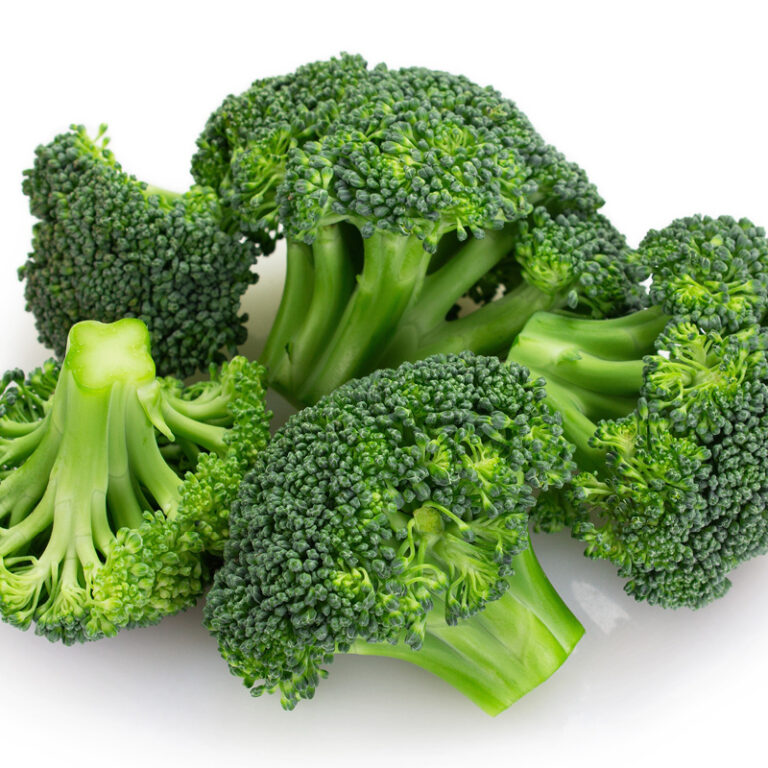
Why is broccoli so healthy? One reason is the content of a substance called glucobrassicin. This is converted in the body into another substance called indole-3-carbinol (I3C), which is particularly notable for its anti-cancer properties, but also for its other positive effects on the body.
Occurrence
I3C is formed from glucobrassicin, a substance of the glucosinolate group, which is abundantly found especially in vegetables of the broccoli family. Examples of this family include broccoli, cauliflower, cabbage, Brussels sprouts, cabbage, kohlrabi and other species. The presence of glucobrassicin is probably the reason why eating cruciferous vegetables reduces the risk of cancer. (1)
The richest source of glucobrassicin (and thus I3C) is Brussels sprouts, but perhaps an even better source is broccoli. Not because of its glucobrassicin content alone, but because in addition to glucobrassicin, it also contains glucoraphanin, from which sulforaphane is formed in the body. This is not only a very powerful antioxidant that remains active in the body for up to 72 hours, but above all, together with I3C, they act synergistically, i.e. they increase each other’s effectiveness.
Metabolism
In order to make the most of the potential of I3C, it is important to know how this substance is formed and what other reactions it undergoes in the body.
As we have already mentioned, I3C is formed from glucobrassicin. However, the enzyme myrosinase is required for this reaction to take place. This is found directly in plant cells, but is also produced by some intestinal bacteria. I3C can therefore be produced both inside our intestines and in the vegetables themselves before they are eaten. (2-4)
The problem is, however, that in plant cells myrosinase occurs separately from glucobrassicin. In order for them to come into contact with each other, these cells must be disturbed, which happens, for example, during chewing. However, vegetables must not be cooked, as heat deactivates myrosinase. Therefore, if we want to take full advantage of the beneficial effects of cruciferous vegetables that we intend to cook, stew, etc., we should always cut them first and let them stand for at least a few minutes to allow the conversion of glucobrassicin to I3C to take place. Another option is to rely on dietary supplements containing I3C directly. (2-4)
And why isn’t it enough to rely on gut bacteria to create I3C? Partly because this process has a limited capacity. But more importantly, I3C can undergo another interesting transformation in our bodies. When I3C is in contact with stomach acid, it produces a substance called diindole methane (DIM), which surpasses I3C in some of its effects and is more stable than I3C. In addition, it cannot be ruled out that other breakdown products of I3C in acidic environments have health benefits, but their effects have not yet been investigated. However, it has been clearly shown that if glucobrassicin bypasses this process and is converted to I3C only in the intestine, its pharmacological efficacy is significantly reduced (2-5).
Healing effects
Both I3C and its product DIM affect the health of our bodies through a number of mechanisms. For example, they act through epigenetic pathways, where they influence the activity of genes for the production of certain enzymes, they also promote detoxification, influence a number of processes of cancer formation and development, and their anti-estrogenic activity is also important. And for which specific problems and conditions can they help us?
Tumour diseases
The most well-studied area of action of I3C and DIM is in the prevention and treatment of cancer, where both agents work through multiple mechanisms.
One of them is anti-estrogen activity, which is used in the prevention and treatment of hormone-related cancers, especially breast cancer, where it affects the activity of a gene involved in the degradation of the female sex hormone estrogen. It is estrogen that can be converted in the body into two similar compounds: the ‘good’ 2-hydroxy-E2 and the ‘bad’ 16α/2-hydroxy-E2, which increases the risk of breast cancer. In particular, DIM is able to positively influence the ratio of these two reactions and at the same time reduce the activity of estrogen-responsive genes. Research has shown that I3C and DIM not only have a preventive effect in this regard, but can also significantly slow the progression of disease in women with existing tumours (2, 4-8).
However, DIM is also an androgen antagonist (male sex hormone), which makes it an effective agent in the prevention and treatment of prostate cancer.(5)
In addition, I3C and DIM also affect a number of other epigenetic processes that play an important role in tumorigenesis. For example, they help to reduce excessive methylation of tumour suppressor genes, genes that control the body’s defence against cancer. They also affect the production of so-called microRNAs, which are non-coding ribonucleic acids that can completely block the reading of certain genes. Some microRNAs act as tumour suppressors, while others promote tumour growth (2, 9).
These reactions then influence a number of processes related to the formation and growth of malignant tumours at the cellular level. These include proliferation (rapid, uncontrolled cell division), apoptosis (programmed cell death in the case of damaged cells), resistance to oxidative stress or ionizing radiation, the rate of inflammatory processes, angiogenesis (the formation of new blood vessels that allow blood supply to the growing tumor), and processes related to the formation of metastases (migration, adhesion, invasion) (2, 4, 10, 11).
The efficacy of I3C and DIM has been demonstrated not only in the aforementioned hormone-related cancers (in addition to breast cancer, this includes ovarian and prostate cancer), but also in other types of cancer – for examplecolon, lung, liver or malignant and non-malignant cancers associated with viral infections, such as papillomaviruses (cervical cancer, respiratory tract papillomatosis, etc.).It has also been found that if a mother consumes foods high in glucobrassicin during pregnancy, this protects her offspring in later life from the carcinogenic effects of certain chemicals (2, 13, 14).
Detoxification and liver function
In order for all processes in the body to function properly, it is necessary to continuously remove substances that are potentially toxic or otherwise harmful to the body – this applies, for example, to various toxic chemicals, carcinogenic compounds, but also to drugs or excess estrogen hormone. Two groups of enzymes, referred to as phase I enzymes and phase II enzymes, are responsible for these processes. It is the production of these substances that is positively affected by both I3C and DIM (3, 4).
However, both I3C and DIM also have a beneficial effect on the functioning of the liver as a whole. For example, they help to alleviate chronic damage to this organ, whether from viral infections or excessive alcohol consumption, and they also help with fibrosis and cirrhosis of the liver. In addition, they suppress the production of inflammatory cytokines, thereby helping to reduce inflammatory processes in the liver. (17)
Endometriosis
Endometriosis is probably the most common gynaecological disease, affecting 5-10% of women of childbearing age. It involves the deposition of uterine lining outside the uterus, in various places in the abdominal cavity, where it continues to grow, causing inflammation and other problems. It manifests itself in extremely severe menstrual pain, menstrual cycle disorders and can even cause infertility. Read more “
Endometriosis is one of the diseases dependent on estrogen, affected women usually have high levels of this hormone. This is because estrogen promotes proliferation (cell division) and thus contributes to the further growth of mucosal deposits. Therefore, the anti-estrogenic action of I3C and DIM is applied here. However, their epigenetic action is also important, thanks to which, for example, it limits the proliferation (multiplication) of mucosal cells or angiogenesis, or the formation of new blood vessels necessary for the blood supply of emerging mucosal lesions. The anti-inflammatory action of I3C and DIM then helps to relieve pain (12,16).
Lupus
Lupus is an autoimmune disease characterised by chronic inflammatory processes that can damage many organs and tissues in the body – for example, joints, skin, kidneys, heart, blood vessels, lungs and brain.
The female sex hormone estrogen plays an important role in the onset and development of this disease. Because of this, lupus also occurs significantly more often in women than in men and usually breaks out in women of childbearing age, when estrogen levels are highest. It is therefore the ability of I3C and DIM to alter the ratio of estrogen metabolites that may also be effective here – their efficacy has already been demonstrated in an animal model, but there are as yet no studies confirming their effect in humans. (4, 15)
Fibromyalgia
Fibromyalgia is a syndrome manifested by pain in various parts of the body (head, joints, back, but also jaw), and the presence of insomnia, depression, anxiety, cognitive difficulties, digestive problems (e.g. irritable bowel syndrome) or tingling in the limbs is also common. It affects up to 2% of the adult population, is more common in women and increases with age. (18)
One study reported a reduction in problems after taking 400 mg of a broccoli powder high in I3C in combination with 100 mg of ascorbigen (a substance that also comes from glucobrassicin). The women studied experienced a reduction in pain sensitivity and an increase in quality of life during the period of use. (19)
Testosterone
In this area, DIM is particularly useful, which in the male body helps to improve the balance between estrogen and testosterone.(3)
Use and contraindications
I3C is considered safe. It is usually taken at a daily dose of 200-800 mg, but in studies it has been shown to be safe to take more than 400 mg daily for up to 76 months. Rarely, less serious side effects in the form of rash or diarrhea occur. However, I3C can reduce blood clotting and is therefore not recommended for people with bleeding disorders and also 2 weeks before surgical procedures. Taking I3C, as well as eating more vegetables containing glucobrassicin, is also not recommended for people with a genetic condition called trimethylaminuria (2, 4).
The use of I2C is not recommended during pregnancy and breastfeeding, as there have not yet been enough studies to confirm its safety during this period. On the other hand, it can be used in childhood from the age of 1 year at a dose of 6-17 mg per kilogram of body weight.
Due to its ability to affect the production of detoxifying enzymes, I3C may alter the mechanism of action of some drugs, as these enzymes are also involved in the metabolism of therapeutic agents. In particular, the following substances (and drugs containing them. clozapine(Clozaril), cyclobenzaprine(Flexeril), fluvoxamine(Luvox), haloperidol(Haldol), imipramine(Tofranil), mexiletine(Mexitil), olanzapine(Zyprexa), pentazocine (Talwin), propranolol(Inderal), tacrine(Cognex), theophylline, zileuton(Zyflo), zolmitriptan(Zomig). However, if you are taking any medications, it is advisable to consult your treating physician about the use of I3C dietary supplements. (2)
Suitable combinations
As we mentioned above, the effectiveness of I3C increases when it is consumed together with sulforaphane. For this reason, broccoli or some of its parts (shoots, seeds) are often used to produce dietary supplements with I3C. However, other combinations can also be very useful:
Cancer: indole-3-carbinol + genistein (22), indole-3-carbinol + milk thistle (23), indole-3-carbinol + resveratrol (24), indole-3-carbinol + luteolin (25), indole-3-carbinol + curcumin (26)
Liver: indole-3-carbinol + milk thistle, indole-3-carbinol + resveratrol
Endometriosis: indole-3-carbinol + resveratrol, indole-3-carbinol + genistein
Fibromyalgia: indole-3-carbinol + resveratrol
0:00
/
0:00
Stárnutí je volba
Klíčová slova: broccoli, cancer, cancer, detoxification, DIM, endometriosis, estrogen, fibromyalgia, glucobrassicin, indole-3-carbinol, liver, lupus, testosterone, vegetables
Komentáře
Seznam zdrojů
- Traka M. Chapter nine-health benefits of glucosinolates. Advances in Botanical Research. 2016;80:247-279.
- David E. Williams. Indoles Derived From Glucobrassicin: Cancer Chemoprevention by Indole-3-Carbinol and 3,3′-Diindolylmethane. Front. Nutr., 01 October 2021. https://www.frontiersin.org/articles/10.3389/fnut.2021.734334/full#B141
- Jennifer Greer, ND, Med. DIM vs. I3C: A Broccoli-Based Lesson in Biochemistry. Thorne. June 5 2022. https://www.thorne.com/take-5-daily/article/what-is-dim-is-it-the-same-as-i3c
- Linus Pauling Institute – Micronutrient Information Centr. Indol-3-carbinol. https://lpi.oregonstate.edu/mic/dietary-factors/phytochemicals/indole-3-carbinol#references
- Bradfied CA, Bjeldanes LF. Structure-activity relationships of dietary indoles: a proposed mechanism of xenobiotic metabolism. J Toxicol Environ Hlth. (1987) 21:311–23.
- Bradlow HL. Review. Indole-3-carbinol as a chemoprotective agent in breast and prostate cancer. In Vivo. (2008) 22:441–5.
- Hayes CL, Spink DC, Spink BC, Cao JQ, Walker NJ, Sutter TR. 17-Beta-estradiol hydroxylation catalyzed by human cytochrome P450 1B1. Proc Natl Acad Sci USA. (1996) 93:9776–81.
- Lord RS, Bongiovanni B, Bralley JA. Estrogen metabolism and the diet-cancer connection: rationale for assessing the ratio of urinary hydroxylated estrogen metabolites. Altern Med Rev. (2002) 7:112–29.
- El-Daly SM, Gamal-Eldeen AM, Gouhar SA, Abo-Elfadl MT, El-Saeed G. Modulatory effect of indoles on the expression of miRNAs regulating G1/S cell cycle phase in breast cancer cells. Appl Biochem Biotechnol. (2020) 192:1208–23.
- Weng J-R, Tsai C-H, Kulp SK, Chen CS. Indole-3-carbinol as a chemopreventive and anti-cancer agent. Cancer Lett. (2008) 262:153–63.
- Kim JK, Park SU. Current results on the biological and pharmacological activities of Indole-3-carbinol. EXCLI J. (2018) 17:181–5.
- Morales-Prieto DM, Herrmann J, Osterwald H, Kochhar PS, Schleussner E, Markert, et al. Comparison of dienogest effects upon 3,3′-diindolylmethane supplementation in models of endometriosis and clinical cases. Reprod Biol. (2018) 18:252–8.
- horey LE, Madeen EP, Atwell LL, et al. Differential modulation of dibenzo[def,p]chrysene transplacental carcinogenesis: maternal diets rich in indole-3-carbinol versus sulforaphane. Toxicol Appl Pharmacol. 2013;270(1):60-69.
- Shorey LE, Madeen EP, Atwell LL, et al. Differential modulation of dibenzo[def,p]chrysene transplacental carcinogenesis: maternal diets rich in indole-3-carbinol versus sulforaphane. Toxicol Appl Pharmacol. 2013;270(1):60-69.
- Auborn KJ, Qi M, Yan XJ, et al. Lifespan is prolonged in autoimmune-prone (NZB/NZW) F1 mice fed a diet supplemented with indole-3-carbinol. J Nutr. 2003;133(11):3610-3613.
- Jeannette Rudzitis‑Auth, Madeleine Becker, Claudia Scheuer, Michael D. Menger and Matthias W. Laschke. Indole‑3‑Carbinol Inhibits the Growth of Endometriotic Lesions by Suppression of Microvascular Network Formation. Nutrients 2022, 14, 4940.
- Si-qi Wang, Li-sha Cheng, Yun Liu, Ji-yao Wang, Wei Jiang. Indole-3-Carbinol (I3C) and its Major Derivatives: Their Pharmacokinetics and Important Roles in Hepatic Protection. Curr Drug Metab. 2016;17(4):401-9.
- https://www.cdc.gov/arthritis/basics/fibromyalgia.htm
- Ben Bramwell, Scott Ferguson, Nancy Scarlett and Anna Macintosh. The Use of Ascorbigen in the Treatment of Fibromyalgia Patients: A Preliminary Trial. Alternative Medicine Review(Vol. 5, Issue 5)
- https://www.webmd.com/vitamins/ai/ingredientmono-1027/indole-3-carbinol
- https://www.rxlist.com/indole-3-carbinol/supplements.htm
- Yoshitaka Nakamura, Shingo Yogosawa, Yasuyuki Izutani, Hirotsuna Watanabe, Eigo Otsuji, Tosiyuki Sakai. A combination of indol-3-carbinol and genistein synergistically induces apoptosis in human colon cancer HT-29 cells by inhibiting Akt phosphorylation and progression of autophagy. Mol Cancer. 2009 Nov 12;8:100.
- Jung Min Song, Xuemin Qian, Kalkidan Molla, Fistum Teferi, Pramod Upadhyaya, Gerry O`Sullivan, Xianghua Luo, and Fekadu Kassie. Combinations of indole-3-carbinol and silibinin suppress inflammation-driven mouse lung tumorigenesis by modulating critical cell cycle regulators. Carcinogenesis. 2015 Jun; 36(6): 666–675.
- Galia Zamaratskaia, Rebekka Thøgersen, Marjeta Čandek-Potokar, Martin Krøyer Rasmussen. Co-treatment with indole-3-carbinol and resveratrol modify porcine CYP1A and CYP3A activities and expression. Xenobiotica.. 2018 Mar;48(3):232-240.
- Xiaoyong Wang, Lijuan Zhang,Qi Dai,H ongzong Si, Longyun Zhang,1Sakina E. Eltom, and Hongwei Si. Combined Luteolin and Indole-3-Carbinol Synergistically Constrains ERα-Positive Breast Cancer by Dual Inhibiting Estrogen Receptor Alpha and Cyclin-Dependent Kinase 4/6 Pathway in Cultured Cells and Xenograft Mice. Cancers (Basel). 2021 May; 13(9): 2116.
- Yury Y. Gomez. SYNERGISTIC INDUCTION OF NRF-2 GENE BY CURCUMIN AND SULFORAPHANE AND PHARMACOKINETICS/METABOLISM OF I3C/DIM IN RATS BY UPLC/MS. https://rucore.libraries.rutgers.edu/rutgers-lib/31091/PDF/1/play/