The human eye is very complex not only in terms of structure, but also in terms of genetics – 90% of the genes in our DNA are involved in its structure and function in some way. In order for everything to work as it should, the necessary genes must be switched on so that the organism can make proteins according to them. However, due to the environment, diet, lifestyle and ageing, a number of so-called epigenetic reactions take place in our bodies that negatively affect the activity of the genes in our DNA.
This then affects the health of the whole organism, not excluding the eyes. Thus, scientific research has already confirmed the contribution of epigenetic influences to several eye diseases and problems, one of which is cataracts.
Before a beam of light hits the light-emitting cells of the retina, it must pass through a structure called the lens of the eye. This can flatten and curve as needed, ensuring that light rays reflected from objects hit the right spot on the retina. It is thanks to the eye lens that we can see objects at different distances clearly.
Ideally, the lens is crystal clear so that nothing obstructs the passage of light through it. However, if there is a clouding that restricts the passage of light, the person will see less and less well, and may even lose their vision completely. We are talking about a disease called cataract, which is the most common cause of blindness – according to worldwide statistics, it is behind about half of all causes of sight loss.
Fortunately, it is not unsolvable (at least in the developed world) – a simple surgical procedure is enough to replace the cloudy lens with an artificial one, and the vision is saved. Still, we should be interested in how to prevent cataracts. Not only to avoid surgery, but also because, given the epigenetic nature of the disease, the condition of our lens is linked to the health and condition of the whole body.
The formation of cataracts is closely related to the aging of the body. The first symptoms often begin to appear after the age of 40, and after the age of 80, the disease affects about 70% of the Caucasian population (other races are slightly less prone to cataracts).
It is typical of ageing that negative epigenetic changes are added to our DNA. Unfortunately, this process cannot be stopped, but it can be significantly slowed down. This not only results in better eye health, but also in the health and performance of the entire organism.
But back to cataracts. A group of genes known as Klotho plays a key role in its development. These are excessively methylated in people suffering from the disease (methylation is one of the three basic epigenetic reactions), which leads to a reduction in their activity or even to their complete shutdown.
The CRYAA gene is also important, as the body makes a protein called α-crystallin. Crystallins are highly transparent proteins that make up about 90% of the mass of the lens. More than a third of this amount is accounted for by α-crystallin. This gene is also over-methylated in cataracts, which reduces its activity. On the other hand, some crystallin fragments play a negative role – they tend to aggregate and form amyloid structures, which promotes the formation of glaucoma. This process also has an epigenetic background.
The production of Keap1 protein also increases with age, which results in impaired antioxidant protection of the eye. Damage to the lens cells by free radicals also contributes to cataract formation to a very high degree.
The level of epigenetic reactions in our bodies can be influenced by a number of lifestyle and environmental factors.
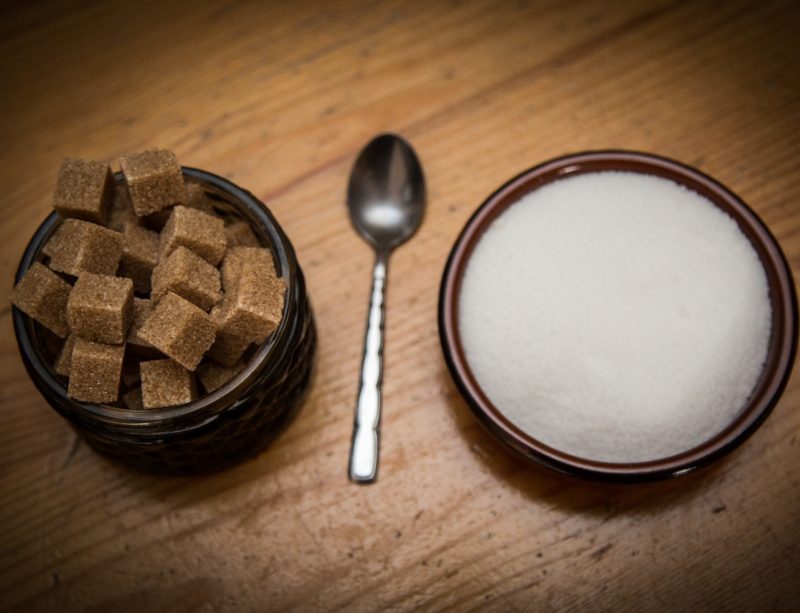
Nutrition plays a particularly important role. In particular, high blood glucose levels are detrimental – in fact, both type 1 and type 2 diabetes are significant risk factors for cataracts. Therefore, a diet high in carbohydrates also increases the risk. Excessive alcohol, saturated fat and salt consumption also have a detrimental effect. On the other hand, certain nutrients and herbs with epigenetic and antioxidant effects have a very positive effect, either when included in the regular diet or when taken in the form of dietary supplements (see below for an overview).
Other factors such as excessive exposure to UV radiation, environmental pollutants (especially heavy metals or fly dust), the use of certain medications (e.g. steroid hormones) and smoking have a 60% higher risk of cataracts, according to some studies. Obesity also has an adverse effect. Among diseases, the risk of cataracts is increased by autoimmune diseases and eye injuries.
EGCG – epigallocatechin gallate acts as a powerful antioxidant and also prevents the aggregation of the αA fragment formed from the α-crystallin protein, which is one of the causes of grey base. EGCG is effective in preventing the disease, but may also improve the condition in cataracts that have already formed. Chinese research has also noted a significantly lower incidence of cataracts in families where green tea is widely consumed (at least 14 cups per person per week), which is the richest natural source of EGCG.
Carotenoids – it’s not just the popular “carrot for healthy eyes”, in addition to beta carotene, the other carotenoid dyes also have positive effects. Astaxanthin, a colouring agent found, for example, in salmon or shrimp, is a leader in this respect. It is a very powerful antioxidant, which, among other things, prevents oxidative processes in the lens of the eye and also has epigenetic effects. Among other carotenoids, lutein and zeaxanthin are also very effective.
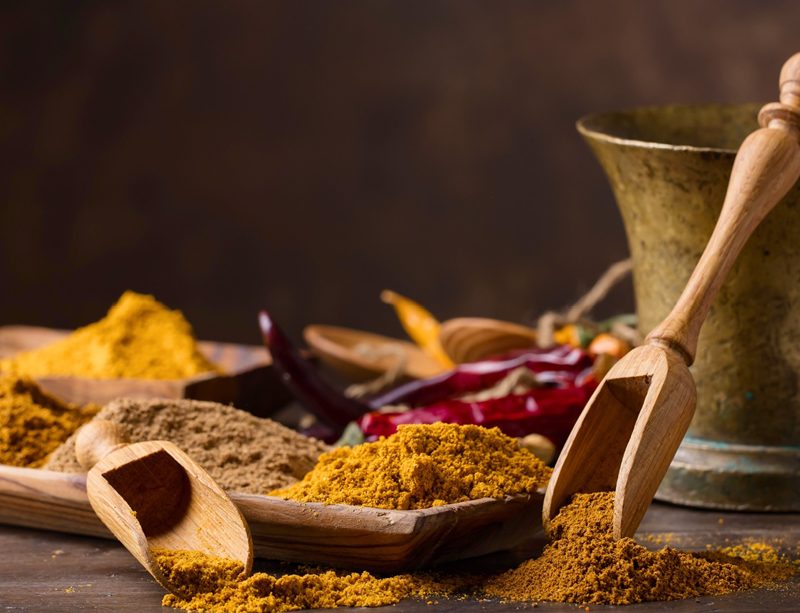
Curcumin – prevents the formation of α-crystallin, which causes clouding of the lens. In addition, it is one of the so-called aldose reductase inhibitors, which is especially important in the fight against cataracts in diabetics, and is also a powerful antioxidant. It is advisable to combine it with piperine – which also inhibits the formation of aldose reductase and also significantly increases the absorption of curcumin.
Quercetin – this polyphenol is also one of the powerful antioxidants. It has been shown to prevent oxidative processes that cause lens opacification and has epigenetic effects. It is also one of the so-called aldose reductase inhibitors, which is involved in the development of cataracts in diabetics
Rosemary – this herb also has antioxidant properties. It also contains an epigenetic substance called ursolic acid, which is one of the aldose reductase inhibitors.
Omega-3 – these unsaturated fatty acids have epigenetic effects (they affect DNA methylation in particular) and are also an important component of cell membranes. Their sufficient intake is particularly important for the prevention of cataracts caused by ageing. In fact, low levels of omega-3 have been found in people with this disease.
Vitamins – a positive effect has been shown especially for vitamins C, D3 and E. Among minerals, zinc and selenium are important. In addition, people affected by cataracts usually have reduced levels of all these nutrients.
PŘIHLASTE SE K ODBĚRU NOVINEK A MĚJTE VŽDY ČERSTVÉ INFORMACE



| Cookie | Duration | Description |
|---|---|---|
| cookielawinfo-checkbox-analytics | 11 měsíců | Tento soubor cookie je nastaven pluginem GDPR Cookie Consent. Soubor cookie se používá k uložení souhlasu uživatele s používáním souborů cookie v kategorii „Analytika“. |
| cookielawinfo-checkbox-functional | 11 měsíců | Soubor cookie je nastaven na základě souhlasu s cookie GDPR k zaznamenání souhlasu uživatele pro soubory cookie v kategorii „Funkční“. |
| cookielawinfo-checkbox-necessary | 11 měsíců | Tento soubor cookie je nastaven pluginem GDPR Cookie Consent. Cookies slouží k uložení souhlasu uživatele s cookies v kategorii „Nezbytné“. |
| cookielawinfo-checkbox-others | 11 měsíců | Tento soubor cookie je nastaven pluginem GDPR Cookie Consent. Cookie se používá k uložení souhlasu uživatele s cookies v kategorii „Jiné. |
| cookielawinfo-checkbox-performance | 11 měsíců | Tento soubor cookie je nastaven pluginem GDPR Cookie Consent. Cookie se používá k uložení souhlasu uživatele s cookies v kategorii „Výkon“. |
| elementor | nikdy | Tento soubor cookie používá téma WordPress webu. Umožňuje vlastníkovi webu implementovat nebo měnit obsah webu v reálném čase. |
| viewed_cookie_policy | 11 měsíců | Soubor cookie je nastaven pluginem GDPR Cookie Consent a používá se k uložení, zda uživatel souhlasil nebo nesouhlasil s používáním souborů cookie. Neukládá žádné osobní údaje. |
| Cookie | Duration | Description |
|---|---|---|
| sb | 2 roky | Tento soubor cookie používá Facebook ke kontrole svých funkcí, shromažďování jazykových nastavení a sdílení stránek. |
| Cookie | Duration | Description |
|---|---|---|
| _ga | 2 roky | Soubor _ga cookie, nainstalovaný službou Google Analytics, vypočítává údaje o návštěvnících, relacích a kampaních a také sleduje využití webu pro analytický přehled webu. Soubor cookie ukládá informace anonymně a přiřazuje náhodně vygenerované číslo k rozpoznání unikátních návštěvníků. |
| _gat_gtag_UA_71041054_1 | 1 minuta | Nastaveno Googlem k rozlišení uživatelů. |
| _gid | 1 den | Soubor cookie _gid nainstalovaný službou Google Analytics ukládá informace o tom, jak návštěvníci používají webovou stránku, a zároveň vytváří analytickou zprávu o výkonu webu. Některá data, která jsou shromažďována, zahrnují počet návštěvníků, jejich zdroj a stránky, které anonymně navštěvují. |
| Cookie | Duration | Description |
|---|---|---|
| fr | 3 měsíce | Facebook nastavuje tento soubor cookie tak, aby uživatelům zobrazoval relevantní reklamy sledováním chování uživatelů na webu, na stránkách, které mají Facebook pixel nebo sociální plugin Facebooku. |
| _fbp | 3 měsíce | Tento soubor cookie je nastaven společností Facebook, aby po návštěvě webové stránky zobrazoval reklamy na Facebooku nebo na digitální platformě založené na reklamě na Facebooku. |
| Cookie | Duration | Description |
|---|---|---|
| pvc_visits[0] | 1 minuta | Tento soubor cookie vytváří počítadlo po zhlédnutí. Tento soubor cookie se používá k počítání počtu návštěv příspěvku. Pomáhá také zabránit opakovanému zobrazení příspěvku návštěvníkem. |