How to rejuvenate your skin? Boost collagen production
epivyziva.cz/
Zobrazeno: 404
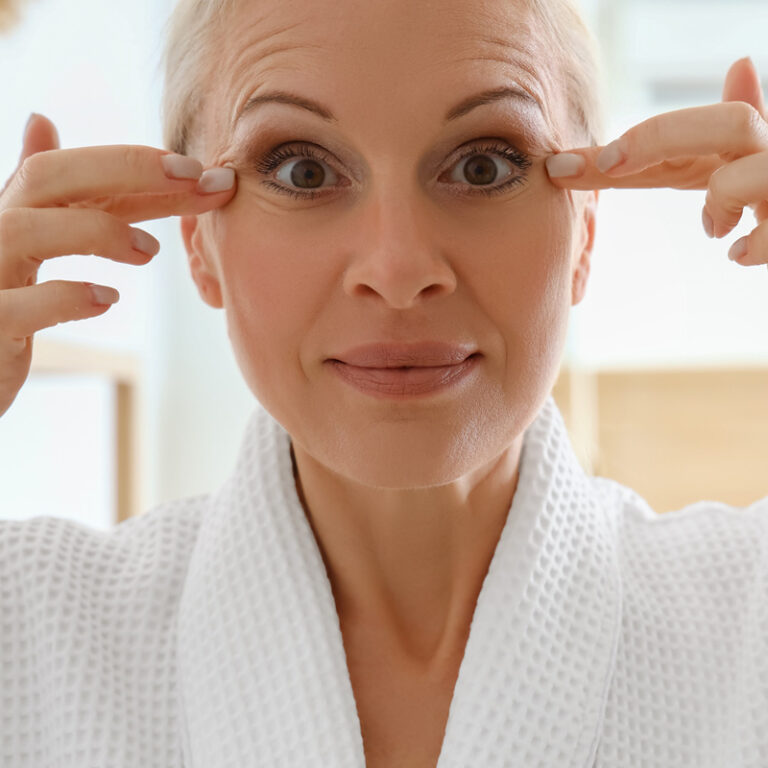
Why does our skin age, our features loosen and wrinkles begin to form? One of the main reasons is the loss of collagen. Many people rely on collagen supplements, but these alone are not enough to fix it, as they only provide the body with the building blocks. Which is the same as putting bricks on a piece of land and hoping that they will build themselves a house overnight. So what can we do to slow the loss of collagen in the skin and encourage its production?
Collagen makes up about 30% of all the proteins in our body. It is not only found in joints or skin, but is also an important component of bones, muscles, tendons, blood vessels and many other organs and tissues. It is made up of amino acids (glycine, proline and hydroxyproline are the most abundant) arranged in triple helices forming strong yet flexible fibres. In addition to the amino acids, the presence of vitamin C, zinc, copper and manganese is necessary to form these structures.
So far, a total of 28 types of collagen have been described. But today we will focus primarily on the collagen in our skin. Type I and III collagen are mainly found there, but in some layers of the skin we can also find type IV and V collagen. Its main role here is to maintain the strength and elasticity of the skin, but it is also important for the quality of hair and nails.
Sun – the enemy of beauty
UV exposure is clearly the biggest problem for collagen in the skin. It causes a significant increase in the production of free radicals, which not only directly damage the cells, but also promote the production of MMP (matrix metalloproteinase) enzymes that cause the breakdown of collagen fibres. But it doesn’t stop there – the resulting collagen fragments further increase the production of free radicals, and even prevent the synthesis of new collagen (this happens especially when the skin is burned more severely). This creates a kind of vicious circle that leads to a significant acceleration of the skin ageing process.
Protecting your skin from UV damage is therefore an important way to prevent skin ageing. It is important to start early, as the damage to collagen occurs gradually over many years. The sudden loss of skin firmness after the age of forty can be the result of a repeated sunburn that we suffered fifteen years earlier.
Influence of age
Deterioration in the synthesis of collagen also occurs with age. For example, studies have shown that the skin’s ability to produce collagen is reduced by approximately 75% in people over 80 years of age compared to young people under 30. Four factors are to blame: The first is the loss of skin cells called fibroblasts, which also lose their characteristic elongated shape that provides a large contact area with collagen fibres. The second factor is the impaired ability of fibroblasts to produce collagen, the third is the increased production of free radicals (together with reduced production of internal antioxidants) and the fourth is the loss of mechanical tension.
The last mentioned cause is particularly interesting. It turns out that the presence of mechanical stress is necessary for the production of collagen in skin cells. When this tension decreases (either as a result of collagen destruction by UV radiation or as a result of other aging-related processes), collagen synthesis deteriorates. A significant decrease can even lead to permanent damage to fibroblasts! So there is a second vicious circle: the damage to collagen and the slowing down of its production in the skin leads to a reduction in mechanical tension, which in turn results in a further reduction in collagen production. But it also explains why methods such as special massages, facial yoga or taping can have a beneficial effect on skin ageing – simply because they temporarily increase the tension in the skin and thus boost collagen production.
However, collagen production does not begin to stagnate until older age; this process slows down slightly after the 25th birthday. In addition, collagen is a very long-lived molecule, so the wrinkles and loss of firmness that we experience after 40 may be related to negative factors that have been affecting us for 20 years before that.
Other causes of skin ageing
In addition, other factors contribute to collagen damage: unhealthy diet (high intake of simple carbohydrates is particularly harmful), smoking and environmental pollutants. This is very pronounced in the case of smoking, which accelerates the negative epigenetic changes associated with ageing and increases the formation of wrinkles. Electronic cigarettes also have a negative effect.
Moreover, menopause comes into play significantly for women. The skin contains numerous estrogen receptors (especially of the beta type), and therefore, when the ovaries stop producing estrogen, there is a loss of collagen, aatrophy of the skin (in particular, the thickness of the epidermis decreases), the blood supply to the skin deteriorates, the formation of wrinkles begins to accelerate, and even wound healing slows down. Conversely, when estrogen receptors are stimulated (either by natural or synthetic substances), the production of skin fibroblasts increases, new blood fibrils are formed in the skin area and collagen production increases.
In addition, at the time of menopause, the effect of male sex hormones androgens (such as testosterone), which are also produced in limited quantities in the female body, is intensified. Androgens, especially in combination with increased levels of cortisol due to stress, suppress collagen production, reduce the life span of fibroblasts and increase wrinkle formation.
How to slow down skin aging?
The principles of preventing skin ageing are therefore basically the same as those for slowing down the ageing of the body as a whole:
- A healthy diet is key. We will look at this in more detail in the following lines.
- Adequate sleep (and rest in general) is very important.
- It is advisable to avoid stress if possible and reduce unhealthy habits such as smoking or drinking alcohol.
- Very interesting are the studies showing the association of the speed of ageing with psychological well-being and good social ties. For example, researchers have measured higher rates of inflammatory processes or faster collagen loss and skin atrophy in older people suffering from social isolation.
Nutrition for skin rejuvenation
Calorie restriction
When it comes to nutrition, the main rule is: do not overeat. Calorie restriction, i.e. limiting total energy intake, has a proven positive effect not only on the overall rate of ageing, but also on skin ageing. Restricting caloric intake results not only in an increase in the number of collagen fibres, but also in the number of fibroblasts and an increase in the formation of the tiny hair cells necessary for optimal blood supply to the skin.
Enough protein
However, caloric intake should be reduced only enough to avoid a deficiency of essential nutrients. Of the macronutrients, protein intake is particularly important – diets deficient in protein have been shown to accelerate skin ageing and wrinkle formation, which is not surprising. As we have already said, collagen is a protein, and in order for the body to make protein, it must have all the essential amino acids available.
The use of dietary supplements with collagen has a proven beneficial effect on the quality of skin, hair and nails. Foods that contain collagen, such as strong bone broths, are also beneficial, but not essential. After consuming collagen, it is not directly incorporated into the skin or joints. The body first breaks down all the proteins it receives into individual amino acids and then uses these to make the individual proteins necessary for its functioning. Therefore, if a person does not want to consume collagen (for example, because he is vegan), it is enough to provide the body with all the essential amino acids.
In addition to these, it is worth paying attention to the intake of proline. Although it is not an essential amino acid (it is formed in the body from lysine), consuming it will save the body work. A lot of proline can be found in meat, liver, egg yolks and dairy products, but it is also found in cereals (a good source of proline is buckwheat), chlorella or spirulina.
Less “fast” sugars
The next important step should be to reduce the consumption of carbohydrates, especially simple ones. This is because their excessive intake not only leads to an increase in inflammatory processes throughout the body, but also to the formation of chemical bonds between adjacent collagen fibres, making it impossible to repair damaged collagen. Also problematic are the so-called advanced glycation products, i.e. compounds of protein (including collagen) with glucose. These cause a range of damages throughout the body and, when bound to collagen and other proteins in the skin, significantly reduce its strength and elasticity. The formation of advanced glycation products is particularly intense with prolonged elevated blood glucose levels, but their formation is also increased by obesity, smoking, alcohol and a generally unhealthy diet.
Vitamins and minerals
Some of the vitamins, minerals and trace elements are essential for collagen production, but many have other important effects on skin quality and the rate of skin ageing:
Vitamin C – is a cofactor (non-protein component) of enzymes that stabilize the helical structure of collagen, and also acts as an antioxidant. It can also be used externally, but the quality of cosmetic products can vary greatly due to its instability. It works well in combination with vitamin E – both substances act synergistically, i.e. they increase each other’s effectiveness. Together they have a particularly good antioxidant effect, effectively protecting collagen from UV radiation.
Beta-carotene – the most abundant carotenoid in the skin. It has strong antioxidant effects and mitigates UV damage.
Retinol (vitamin A) – this substance, as well as its metabolites, retinoic acid and retinaldehyde, is essential for a number of processes in the body, such as vision, reproduction, and skin function. There are even two receptors in the skin cells that are directly dedicated to these substances. Retinol promotes collagen synthesis, both in ageing skin and in UV-damaged skin, which is also true when applied externally. Retinol occurs naturally, for example, in liver, dairy products, some cheeses, egg yolk and oily fish.
Vitamin D3 – this vitamin with strong epigenetic action has a number of important functions throughout the body, including the skin. For example, it protects skin cells from cell death due to UV radiation, influences the activity of antimicrobial genes (not only) in the skin and has an anti-age effect.
Zinc – reduces the level of oxidative stress and prevents the formation of wrinkles.
Selenium – is not only an essential component of antioxidant enzymes, but also promotes the production of internal antioxidants and improves the survival rate of UV-damaged cells.
Polyphenols
Polyphenols refer to a wide group of substances derived mainly from plant foods, many of which are also consumed in concentrated form as dietary supplements. They are powerful antioxidants with anti-inflammatory and epigenetic effects that reduce the rate of skin damage caused by UV radiation. On the one hand, it protects cells from damage to their DNA and cell membranes, while on the other hand it promotes apoptosis (cell death) in cells that have already been damaged and could become the basis for cancer. Strong positive effects on skin ageing mechanisms have been demonstrated, for example, for oligomeric proanthocyanidins (OPCs), resveratrol, genistein, silymarin (a group of substances from milk thistle), florizin, apigenin and others.
Resveratrol – a polyphenol abundantly found mainly in grape skins is one of the most effective natural substances for slowing down the aging process, which includes slowing down skin aging. The mechanisms by which it acts in this respect are numerous. First of all, it prevents the destruction of collagen fibres and promotes the formation of new collagen – for example, by inhibiting the production of the enzyme collagenase, which is involved in the process of collagen breakdown, or by suppressing the production of MMP enzymes. It also helps to protect an important protein called survivin. If you see the English verb “survive”, meaning “to survive” in the name of this substance, you see correctly – survivin prevents apoptosis, i.e. cell death. In addition, resveratrol is also notable for its anti-inflammatory and antioxidant properties, reducing wrinkles, preventing excessive pigmentation, promoting the production of sirtuins, which are enzymes that slow down the ageing process, and increasing the ability to proliferate, i.e. the formation of new skin cells. It also improves the regeneration of damaged skin, whether it is the healing of wounds or the healing of UV-damaged skin. An important component of its beneficial effect on the skin is the fact that it is a phytoestrogen, i.e. a substance capable of binding to estrogen receptors (not only) in the skin, and therefore effectively slows down ageing during the menopause.
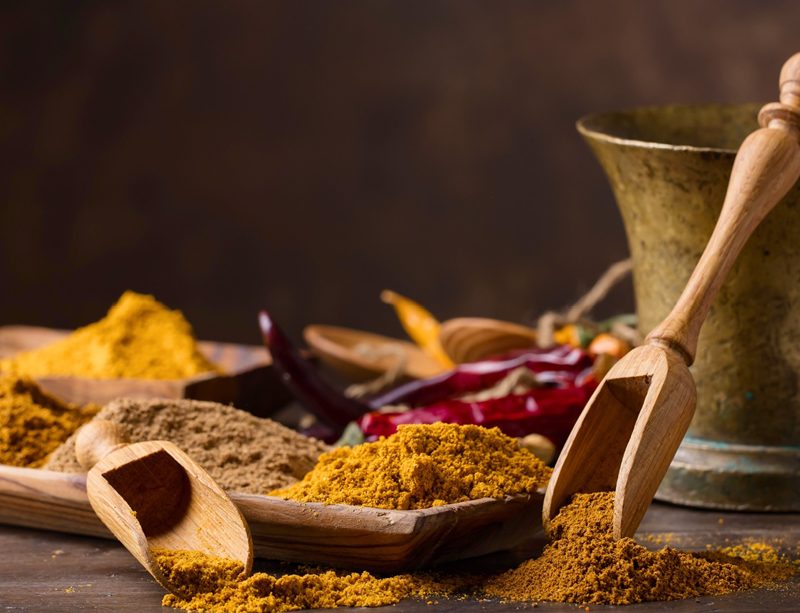
Curcumin – not only has direct antioxidant and anti-inflammatory effects, but also activates cellular mechanisms of antioxidant protection. This helps to slow down aging and increase the protection of skin cells against UV rays. In addition, it is also suitable during the menopause, as it suppresses the production of the enzyme 5-alpha-reductase, which accelerates ageing in times of reduced oestrogen production.
EGCG – polyphenol from green tea has strong antioxidant, anti-inflammatory and anti-age effects. In addition, it protects fibroblasts, promotes their division, inhibits the production of MMP enzymes that cause the breakdown of collagen fibers, and improves overall skin elasticity. Also important is its ability to improve the production of telomerase, an enzyme that protects telomeres. These are the ends of chromosomes that shorten with each cell division, and if they shorten to a certain limiting length, the cell loses its ability to divide. In UV-damaged skin cells, telomere shortening occurs much faster, accelerating ageing, which is what EGCG helps to prevent. It has a positive effect not only on the rate of ageing of the skin, but also of the whole body.
Genistein – a polyphenol from soybeans has a significant positive effect on the skin, especially in women during and after menopause. It is a very potent phytoestrogen with high activity towards beta estrogen receptors, the activation of which has a number of positive effects on the skin. For example, genistein promotes the formation of new fibroblasts, thereby improving collagen production and reducing the appearance of wrinkles. It improves the skin’s protection against UV radiation (both in terms of wrinkle formation and skin cancer risk) and significantly accelerates wound healing. Genistein could also be very effective when applied externally, but its limited ability to penetrate the skin needs to be addressed. Therefore, products are currently being tested that would increase its skin penetration, for example by using nanomaterials or polymer gels.
Quercetin , a polyphenol found in small concentrations in a wide range of plant foods and herbs, is a very powerful antioxidant with anti-inflammatory and epigenetic effects. It is also very effective in protecting collagen from destruction due to UV rays and generally slows down skin aging. Its great advantage is that it significantly improves the bioavailability of other polyphenols and is therefore excellent in combination with most of the above mentioned substances (especially resveratrol, EGCG or curcumin, whose bioavailability is limited in pure form).
Other substances from food
Astaxanthin – a carotenoid found in salmon, shrimp, lobster and some types of algae has a strong antioxidant effect, while reducing the negative effects of UV radiation on the production of internal antioxidants such as superoxide dismutase or glutathione. In addition, it is much more efficiently absorbed into fibroblasts compared to beta-carotene. Some studies also directly show that it can slow down the formation of wrinkles and sagging skin.
Unsaturated fatty acids – the most well-known representative of this group of substances are omega-3, which have strong anti-inflammatory effects and reduce the level of inflammation due to UV radiation. Linoleic acid has also been shown to have a positive effect on the skin, including reducing wrinkles and skin atrophy. Even evening primrose oil has beneficial effects, and the fats contained in royal jelly have interesting anti-ageing effects.
Coenzyme Q10 – this substance is formed inside our body, but it can be consumed in the form of dietary supplements or applied externally. It is a popular ingredient in cosmetic products. In the skin, it serves as a primary barrier against oxidative stress.
Probiotics and prebiotics – consuming these substances has a positive effect not only on the gut microbiome, but also on the microbiome of our skin. This leads, for example, to an improvement in the homeostasis of skin exposed to UV radiation.
Herbs
Artichoke – this is a popular Mediterranean vegetable, which excels in its effects on the liver and gallbladder, but according to research it also has a significant positive effect on skin aging. For example, when women in one study were given artichoke leaf extract for 28 days, they experienced a 20% increase in skin antioxidant capacity, a 5.2% reduction in wrinkle depth, a 7% reduction in skin roughness and a 19% increase in skin radiance.
Fenugreek (astragalus) – one of the most popular herbs of traditional Chinese medicine has extensive positive effects on the whole organism. In addition, one of its most important active ingredients, astragaloside IV, effectively protects the skin from the effects of UV rays, reduces the production of MMP enzymes that damage collagen fibers, and generally improves skin elasticity and suppresses the formation of wrinkles.
Ginseng five-leaf – has an overall positive effect on the aging of the body, has anti-inflammatory effects and promotes the production of internal antioxidants. It also effectively increases the skin’s protection from UV rays and improves collagen production. It is also effective as an ingredient in cosmetic products.
Milk thistle – this plant contains a unique complex of compounds called silymarin, which is known primarily for its positive effects on the liver, but its action is much more extensive. It significantly improves the regenerative capacity of the skin and protects it from the negative effects of UV radiation. It reduces the activity of the enzyme collagenase, which causes the breakdown of collagen, and also the enzyme elastase, which breaks down elastane, another protein important for skin firmness and elasticity. Interestingly, when the researchers tested the individual components of silymarin separately, they showed only modest positive effects, so it is clear that they work best as a complex when they enhance each other’s positive effects.
0:00
/
0:00
Stárnutí je volba
Klíčová slova: ageing, antioxidant, Artichoke, astaxanthin, collagen, curcumin, egcg, Fenugreek blanched, Genistein, Ginseng five-leaf, Milk thistle, nutrition, omega-3, quercetin, resveratrol, selenium, silymarin, skin, skin, skin firmness, UV radiation, Vitamin D3, wrinkles, zinc
Komentáře
Seznam zdrojů
- James Varani, Michael K. Dame, Laure Rittie, Suzanne E.G. Fligiel, Sewon Kang, Gary J. Fisher, and John J. Voorhees. Decreased Collagen Production in Chronologically Aged Skin. Am J Pathol. 2006 Jun; 168(6): 1861–1868.
- V Marcos-Garcés, P Molina Aguilar, C Bea Serrano, V García Bustos, J Benavent Seguí, A Ferrández Izquierdo, and A Ruiz-SauríJ Anat. Age-related dermal collagen changes during development, maturation and ageing – a morphometric and comparative study. 2014 Jul; 225(1): 98–108.
- J Boonstra , P Rijken, B Humbel, F Cremers, A Verkleij, P van Bergen en Henegouwen. The epidermal growth factor. Cell Biol Int. 1995 May;19(5):413-30.
- Jorge Berlanga‐Acosta, Jorge Gavilondo‐Cowley, Pedro López‐Saura, Tania González‐López, María D Castro‐Santana, Ernesto López‐Mola, Gerardo Guillén‐Nieto, and Luis Herrera‐Martinez. Epidermal growth factor in clinical practice – a review of its biological actions, clinical indications and safety implications. Int Wound J. 2009 Oct; 6(5): 331–346.
- Blanca Miller-Kobisher, Dubraska V Suárez-Vega, and Gladys J Velazco de Maldonado. Epidermal Growth Factor in Aesthetics and Regenerative Medicine: Systematic Review. J Cutan Aesthet Surg. 2021 Apr-Jun; 14(2): 137–146.
- https://my.clevelandclinic.org/health/articles/23089-collagen
- Silke K. Schagen, Vasiliki A. Zampeli, Evgenia Makrantonaki, and Christos C. Zouboulis. Discovering the link between nutrition and skin aging. Dermatoendocrinol. 2012 Jul 1; 4(3): 298–307.
- Mohsen Nematy, MD, PhD, Atieh Mehdizadeh, MD, Farkhondeh Razmpour, MD. A review on nutrition and skin aging. Iran J Dermatol 2015; 18: 20-24
- Helen Knaggs, Edwin D. Lephart, Enhancing Skin Anti-Aging through Healthy Lifestyle Factors
- Cosmetics 2023, 10(5),
- Kamil Leis, Karolina Pisanko, Arkadiusz Jundziłł, Ewelina Mazur, Kaja Mêcińska-Jundziłł, and Henryk Witmanowski. Resveratrol as a factor preventing skin aging and affecting its regeneration. Postepy Dermatol Alergol. 2022 Jun; 39(3): 439–445.
- Natasha Irrera, Gabriele Pizzino, Rosario D’Anna, Mario Vaccaro, Vincenzo Arcoraci, Francesco Squadrito, Domenica Altavilla, and Alessandra Bitto. Dietary Management of Skin Health: The Role of Genistein. Nutrients. 2017 Jun; 9(6): 622.
- Yuanyuan Jia, Qiuyu Mao, Jingyi Yang, Na Du, Yuan Zhu, and Wei Min. (–)-Epigallocatechin-3-Gallate Protects Human Skin Fibroblasts from Ultraviolet a Induced Photoaging. Clin Cosmet Investig Dermatol. 2023; 16: 149–159.
- Eun Ju Shin, Ji Su Lee, Seungpyo Hong, Tae-Gyu Lim, and Sanguine Byun. Quercetin Directly Targets JAK2 and PKCδ and Prevents UV-Induced Photoaging in Human Skin. Int J Mol Sci. 2019 Nov; 20(21): 5262.
- Bin Chen , Ran Li , Ning Yan, Gang Chen, Wen Qian, Hui-Li Jiang, Chao Ji, Zhi-Gang Bi. Astragaloside IV controls collagen reduction in photoaging skin by improving transforming growth factor-β/Smad signaling suppression and inhibiting matrix metalloproteinase-1. Mol Med Rep. 2015 May;11(5):3344-8.
- Chao Su, Nan Li, Ruru Ren, Yingli Wang, Xiaojuan Su, Fangfang Lu, Rong Zong, Lingling Yang, and Xueqin Ma. Progress in the Medicinal Value, Bioactive Compounds, and Pharmacological Activities of Gynostemma pentaphyllum. Molecules. 2021 Oct; 26(20): 6249.
- Gloria Roveda, Enza Cestone, Francesca De Gennaro, Andrea Poggi, Violetta Insolia, Vincenzo Zaccaria, and Vincenzo Nobile. Artichoke Leaf Extract Effectiveness on the Skin Aging Exposome: Efficacy and Safety Results of a Split-Face Study. Cosmetics 2024, 11(3), 69