Butyrate
epivyziva.cz/
Zobrazeno: 4,475
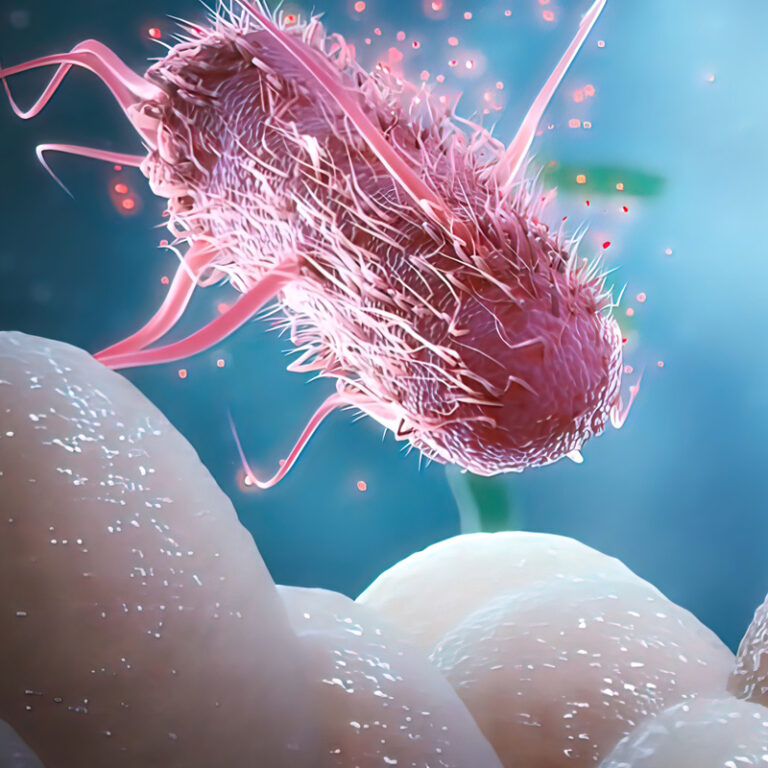
What does rancid butter have to do with gut or brain health? The link is a compound called butyrate. It is not only responsible for the foul smell of spoiled butter, but it is also produced inside our bodies. It is produced by certain intestinal bacteria and is a key substance for many processes in the body. Indeed, butyrate production is one of the answers to the question of how the life of our gut can actually affect the health and function of so many organs in our body.
Description
Butyrate is the salt of butyric acid, a short-chain fatty acid (chemically it is butanoic acid). The name “butyrate” is due to the fact that compounds of this substance with glycerol form an important component of milk fat (the Latin term for butter is “butyrum”).
Normally, butyrate is produced naturally in our bodies by bacteria that are part of the gut microbiome (especially during the anaerobic fermentation of soluble fibre). However, we also take it in through food, especially dairy products.
History
Butyric acid was discovered in 1814 by French chemist Michel Eugène Chevreul and isolated from butter four years later.
Principle of action
The vast majority of butyrate produced by gut bacteria or obtained from food is used directly in the intestines – it serves as the main “fuel” for the cells of the intestinal mucosa. This makes butyrate essential for maintaining the integrity of the intestinal mucosa, which is an essential factor for good health. A functional intestinal mucosa has limited permeability, which prevents the passage of toxins and pathogens into the bloodstream. Thus, when the integrity of the gut is compromised, a number of negative processes can occur in the tissues of the entire body. Butyrate deficiency also leads to the development of inflammatory processes in the intestines.
A small proportion of butyrate passes from the intestines into the bloodstream and can affect processes in a wide range of organs and tissues. Approximately 5 % remains unused and is excreted in the faeces.
Butyrate influences processes in the body through three basic mechanisms:
1. Epigenetic action
A key role is played by the direct epigenetic effects of butyrate, i.e. the ability to influence the activity of genes in our DNA. Butyrate is a strong inhibitor of an enzyme called histone deacetylase, which is involved in an epigenetic reaction called histone deacetylation. Deacetylation is one of the processes that switches off genes – they behave as if they were not in our DNA at all. In addition, butyrate also affects other epigenetic reactions, i.e. gene methylation and regulation by microRNAs.
2. Influencing cell signalling
Butyrate activates several types of G-protein-coupled cellular receptors. These receptors are involved in what is called cell signalling, a process that transmits information within the cell and thus influences its behaviour. Dysfunction of these receptors can therefore affect cellular processes in a fundamental way.
3. Energy source for cells
Butyrate serves as an important energy substrate and thus affects the survival and functioning of both our own body cells (especially those of the gut) and the microorganisms that are part of the gut microbiome.
- Affecting mitochondrial function
Butyrate, is absolutely essential for the functioning of mitochondria – the cellular organelles that are necessary for the conversion of nutrients into energy. Butyrate can influence the activity of certain genes in mitochondrial DNA in an epigenetic way, while improving the ability of mitochondria to oxidize nutrients and generate energy from them in the form of ATP. It also increases the sensitivity of cells to insulin, which also results in an improved ability of mitochondria to produce energy. Butyrate also reduces the concentration of oxygen free radicals inside the mitochondria, improving their integrity and generally protecting them from damage. Mitochondrial dysfunction is typical of the ageing process and also leads to impaired function of the relevant organs and tissues. Read more about mitochondria here “
Insufficient natural butyrate production occurs mainly in the case of a disturbed balance of the gut microbiome. In this case, the missing butyrate can be supplemented through dietary supplements.
The role of butyrate in the development and treatment of health problems
Tumour diseases
Butyrate effectively suppresses proliferation and promotes apoptosis of tumor cells, particularly through regulation of acetylation of microRNA production histones. It also has an anti-angiogenic effect (i.e. suppresses the formation of new blood vessels that provide blood supply to the growing tumour) and prevents the formation of metastases. It is very effective in the prevention and treatment of bowel, lung and skin cancer.
The epigenetic potential of butyrate plays a major role in its anticancer activity. In particular, it increases the activity of tumour suppressor genes, which are part of the body’s natural defence mechanisms against tumours. These include, for example, the gene that makes the p53 protein (this gene is known as the ‘anti-cancer cop’) or the SLC5A8 gene. It also promotes the activity of genes for the production of detoxifying enzymes (e.g. glutathione-S-transferase), which are involved in the elimination of harmful free radicals.
Autoimmune diseases
Butyrate’s ability to reduce inflammation and modulate the immune response may be useful in a wide range of autoimmune diseases. Butyrate supplementation is most effective directly in the gut: butyrate deficiency has been repeatedly demonstrated in people with both Crohn’s disease and ulcerative colitis, the two most common inflammatory bowel diseases. Butyrate has a strong anti-inflammatory effect (suppressing in particular the activity of nuclear factor NF-kB and pro-inflammatory interferons) and also supports the integrity of the intestinal mucosa, which is severely compromised in these diseases. Here, both the use of butyrate and the promotion of its production by the consumption of soluble fibre are effective.
However, the positive effect of butyrate has also been demonstrated in other autoimmune diseases. For example, in rheumatoid arthritis research, it has helped regulate epigenetic processes (particularly by suppressing the production of histone deacetylase enzymes) affecting bone osteoclast cells and reducing the production of inflammatory cytokines. Also, people suffering from multiple sclerosis typically have a lower abundance of butyrate-producing bacteria in their intestines, which may lead not only to a higher rate of inflammatory processes but also to an acceleration of the demyelination process (degradation of nerve fiber sheaths) that is typical of this disease.
Experiments in mice have also demonstrated butyrate’s ability to alleviate an autoimmune disease called lupus, which can affect many tissues in the body – joints, kidneys, skin, lungs, heart and brain, for example.
Obesity and diabetes
Butyrate, along with other short-chain fatty acids, can play a very positive role in both weight loss and diabetes. It is no coincidence that in the intestines of obese people, a significant reduction in butyrate-producing bacteria has been observed in most cases.
There are several reasons why butyrate can help: firstly, it helps to alleviate insulin resistance (i.e. reduced tissue sensitivity to insulin), which is an important mechanism in the development of type 2 diabetes, but it also promotes weight gain. Butyrate also strengthens the intestinal barrier, thereby reducing the rate of inflammatory processes. This process also helps facilitate weight loss. It also has a positive effect on fat metabolism, and in addition, it stimulates the production of the peptide PYY, which plays an important role in inducing a feeling of satiety. Insufficient production of short-chain fatty acids thus increases the tendency to overeat.
Butyrate also improves the function of the mitochondria, which are then able to produce more energy (and therefore we “burn” more energy). Thus, not only can it help us lose weight, but in research, its administration has also significantly reduced weight gain in people consuming a high-calorie diet. However, it should be added that there are also studies with the opposite results – i.e. showing that butyrate can stimulate weight gain (especially if an obese person has an excess of butyrate). Therefore, its use should be approached individually.
According to some theories, butyrate (or more precisely, its deficiency) is also thought to play an important role in the development of type I diabetes, which is autoimmune in nature. Indeed, it should have a protective role against the production of autoantibodies against the beta-cells of the islets of Langerhans of the pancreas in which insulin is produced.
Cardiovascular disease
The gut microbiome also has a major impact on the health of our heart and blood vessels and blood pressure. For example, a large study comparing the composition of the gut population in people with normal and high blood pressure found a total of 45 different strains of microorganisms, 27 of which belonged to the genus Firmicutes. These are important precisely because they produce butyrate – which, among other things, suppresses the production of a substance called angiotensin II, which is involved in raising blood pressure. Further research has shown that higher systolic blood pressure tends to be associated with lower species diversity in the gut.
Butyrate also reduces cholesterol production in the body and significantly interferes with the processes of atherosclerotic plaque formation in blood vessels.
Immunity and allergies
Butyrate affects a wide range of signaling pathways related to the functioning of the immune system. It affects the proliferation, differentiation and apoptosis of immune cells, as well as their penetration into tissues, activation and cytokine production, which are mechanisms involved in the development of autoimmune diseases.
Another interesting effect is to promote the production of a protein called cathelicidin. This is produced in intestinal, stomach and liver cells and plays an important role in innate immunity, specifically in defence against bacterial infections. Butyrate has also been shown to be effective against several specific infections (e.g. salmonellosis).
Butyrate deficiency is probably also related to allergic manifestations. For example, a deficiency of the butyrate-producing bacteria Coprococcus eutactus has been reported in six-month-old infants with atopic eczema.
Stroke, memory and neurodegenerative diseases
Butyrate has significant neuroprotective effects (i.e. it protects nerve cells), which is used, for example, in the treatment of the effects of ischemia (lack of oxygen) that occurs, for example, in stroke. It promotes the production of the growth factor BDNF, which acts on cellular mechanisms in brain tissue. For example, it improves proliferation (i.e. the formation of new neurons), migration and differentiation.
Butyrate also has a beneficial effect on memory, and here too it is due to epigenetic action. It blocks the formation of histone deacetylases, thus preventing deacetylation, which “turns off” genes necessary for synaptic plasticity (i.e. the formation of new connections between nerve cells) and the formation of long-term memory.
Research on its use in Huntington’s disease (a type of dementia) and Alzheimer’s disease also looks promising.
Insomnia
Why do people who have restricted their sleep time for a long time so often have trouble falling asleep? After all, they should fall asleep easily when they are chronically sleep deprived! One answer to this question is the state of the gut microbiome. This is one of the sources of the signals that induce sleep. If sleep is neglected for a long time or if circadian rhythms are disrupted, one of the consequences is a significant disturbance of the balance within the gut. And a dysfunctional gut microbiome subsequently stops producing the signals that are necessary for falling asleep.
These signals come from two sources: firstly, fragments of the cell walls of dead microorganisms that have entered the bloodstream and subsequently help induce sleep (but can also increase the level of inflammation in the body), and secondly, the products of the metabolism of gut bacteria: mainly short-chain fatty acids, including butyrate (which in turn have an anti-inflammatory effect), but also some hormones, indole derivatives, succinate, bile acids and neurotransmitters.
Therefore, if sleep is disturbed, it is important to focus intensively on restoring the gut microbiome. And until this is done, taking butyrate may be a good way to do this – in fact, according to research, it helps induce sleep and significantly increases the duration of the NREM sleep phase in particular (sleep without rapid eye movement) – in experiments on mice, this phase was prolonged by more than 50%! In addition, butyrate administration has been shown in studies to help lower body temperature, which may be one of the mechanisms by which this fatty acid helps induce sleep.
Autism
Although the exact causes of autism are still unknown, a number of studies have recently confirmed that people with autism have mitochondrial dysfunction, which is largely epigenetic. And it is butyrate, along with other short-chain saturated fatty acids (i.e. propionate and acetate) that can positively affect mitochondrial function. This is because they represent an important source of energy for brain cells, and this is especially true in the early stages of brain development.
In the intestines of patients with autism spectrum disorder, a deficiency of the bacteria that produce these acids has been observed, along with an overabundance of bacteria of the genera Clostridia and Desulfovibrio. The association of the increasing number of autistic children with the overuse of antibiotics is therefore highly debated.
Arthrosis
Often, arthrosis, a degenerative joint disease consisting primarily of the degradation of articular cartilage, is considered to be a purely mechanical issue, but research shows that the state of the gut microbiome also plays a significant role in its development. When there is an imbalance within our gut, the permeability of the gut wall increases. Pathogens or their remnants enter the bloodstream and can reach the joint structures. There, they trigger an immune system response and increase the level of inflammatory processes, which accelerates the degradation of joint structures . Thus, taking butyrate may also be useful in arthritis – it helps to restore the intestinal barrier and at the same time reduces the level of inflammation in the joints and positively influences the mechanisms of cell death of cartilage cells.
Lupenka
Also, an unpleasant skin disease called psoriasis is closely linked to the balance of the gut microbiome – sufferers usually have fewer butyrate-producing bacteria. Therefore, its use may be beneficial here as well.
Sports performance
There was an interesting study in 2014 that looked at participants in the Boston Marathon. Researchers analyzed the stool of athletes across the results list and found that it was not only the final time that differentiated the slow and fast marathoners, but also the butyrate content of their feces. Thus, the proportion of butyrate-producing gut bacteria could be one of the factors that influence endurance performance. The exact mechanisms of butyrate’s effect on fitness are not yet clear, but it is likely to be a combination of its positive effect on mitochondria, where nutrients are converted into energy for muscle work during exercise, its effect on muscle cell oxygenation and the body’s ability to use glucose from the blood to fuel muscles.
Butyrate is also converted in the body to propionate, which binds to specific receptors directly in muscle tissue. Experiments in mice have shown that binding of propionate to these receptors can influence a number of metabolic processes within the muscle and, among other things, lead to an increase in performance in the run-to-exhaustion test. Therefore, the use of butyrate as a dietary supplement could be beneficial for athletes, but further research is needed to confirm this.
But butyrate can also be very effective in recovery. After strenuous sporting activity, the level of inflammatory processes in the body is increased, for example in response to microscopic muscle damage. The anti-inflammatory action of butyrate can thus help shorten the recovery time.
Slowing down aging
We have already mentioned that one of the processes accelerating aging is the deterioration of mitochondrial function. Butyrate not only affects it directly, but also through metatonin.
The hormone melatonin is known to be produced in the pineal gland and then serves as a “sleep hormone”. However, melatonin is also produced in most cells of our body, where it has an important function: it serves as a powerful antioxidant, reduces inflammatory processes and improves mitochondrial function. Melatonin is thus one of the compounds that can effectively slow down ageing. At the same time, however, it is unfortunately true that melatonin production slows down with age, resulting not only in sleep problems, but also in an acceleration of the aging process and a deterioration in the function of many organs and tissues. Butyrate promotes the production of melatonin in the gut, which, together with its direct positive effect on mitochondrial function, can help slow down the ageing process.
Hereditary diseases
Research mapping the possible use of butyrate in the treatment of patients suffering from cystic fibrosis, sickle cell anaemia and beta-thalassemia looks very promising.
Use and contraindications
Few studies have been done to investigate the safety of using butyrate, it is generally considered safe. Under normal conditions, short-chain fatty acids are absorbed very rapidly by the cells of the intestine – about 95% of butyrate (produced by bacteria and ingested by food) is usually absorbed quickly and the remaining 5% is safely excreted in the faeces.
Butyrate can sometimes be poorly tolerated by people suffering from bloating or extremely sensitive bowels. It should also be avoided by obese people with high natural butyrate levels.
However, in addition to the use of butyrate itself, it is also advisable to support the restoration of the balance of the intestinal microbiome, thus ensuring the restoration of the natural production of this substance. Adequate consumption of prebiotics, i.e. soluble fibre that forms the substrate necessary for the survival of gut microorganisms, is essential in this respect. In fact, the consumption of soluble fibre has been shown to be beneficial in most of the diseases and disorders mentioned above.
Suitable combinations
Butyrate can also be combined with other dietary supplements. Usually these are either probiotics, anti-inflammatory substances, substances supporting the balance of the intestinal microbiome or cell signalling. For example, the following combinations have been shown to have a positive effect:
- Butyrate + lactobacilli
- Butyrate + omega-3
- Butyrate + curcumin
- Butyrate + Coleus forskohlii
- Butyrate + ginger
- Butyrate + carnitine
- Butyrate + hops
- Butyrate + arginine + glutamine
0:00
/
0:00
Stárnutí je volba
Klíčová slova: ageing, allergies, Alzheimer's disease, arthritis, autism, Butyrate, cancer, cardiovascular disease, Crohn's disease, cystic fibrosis, diabetes, endurance, gut microbiome, high blood pressure, Huntington's disease, immunity, insomnia, Lupin, lupus, multiple sclerosis, prebiotics, probiotics, regeneration, rheumatoid arthritis, sports performance, stroke, ulcerative colitis, weight loss
Komentáře
Seznam zdrojů
- RNDr. Petr Ryšávka. Butyrát. PharmaNews. https://www.pharmanews.cz/clanek/butyrat/
- Den Besten G, Van Eunen K, Groen AK, Venema K, Reijngoud DJ, Bakker BM. 2013. The role of short-chain fatty acids in the interplay between diet, gut microbiota, and host energy metabolism. Journal of Lipid Research. 54(9): 2325-2340.
- Fellows R, Denizot J, Varga-Weisz P. 2018. Microbiota derived short chain fatty acids promote histone crotonylation in the colon through histone deacetylases. Nature Communications. 105(2018).
- MacFabe, DF. 2012. Short-chain fatty acid fermentation products of the gut microbiome: Implications in autism spectrum disorders. Microbial Ecology in Health and Disease. 23.
- Michielan A, D’Inca R. 2015. Intestinal permeability in inflammatory bowel disease: Pathogenesis, clinical evaluation, and therapy of leaky gut. Mediators of Inflammation.
- Rios-Covian D, Ruas Madiedo P, Margolles A. 2016. Intestinal short chain fatty acid and their link with diet and human health. Frontiers in Microbiology. 7:185.
- Thangaraju M, Cresci G, Liu, K, Ananth S, Gnanprakasam JP, et al. 2008. GPR109A is a G-protein-coupled receptor for the bacterial fermentation product butyrate and functions as a tumor suppressor in colon. Cancer Research. 69(7):2826-32.
- Zaleski A, Banaszkiewicz A, Walkowiak J. 2013. Butyric acid in irritable bowel syndrome. Przeglad Gastroenterologiczny. 8(6): 350-3.
- Nylund L, Nermes M, Isolauri E, Salminen S, de Vos WM, Satokari R. Severity of atopic disease inversely correlates with intestinal microbiota diversity and butyrate-producing bacteria. Allergy. 2015 Feb;70(2):241-4.
- Govindarajan N, Agis-Balboa RC, Walter J, Sananbenesi F, Fischer A. Sodium butyrate improves memory function in an Alzheimer’s disease mouse model when administered at an advanced stage of disease progression. J Alzheimers Dis. 2011;26(1):187-97
- Éva Szentirmai, Nicklaus S. Millican, Ashley R. Massie & Levente Kapás. Butyrate, a metabolite of intestinal bacteria, enhances sleep. Scientific Reports volume 9, Article number: 7035 (2019)
- Brahe, L. K., Astrup, A., Larsen, L. H. (2013). Is butyrate the link between diet, intestinal microbiota and obesity-related metabolic diseases? Obes. Rev. 14 (12), 950–959.
- Gao, Z., Yin, J., Zhang, J., Ward, R. E., Martin, R. J., Lefevre, M., et al. (2009). Butyrate improves insulin sensitivity and increases energy expenditure in mice. Diabetes 58 (7), 1509–1517.
- Lin, H. V., Frassetto, A., Kowalik, E. J., Jr., Nawrocki, A. R., Lu, M. M., Kosinski, J. R., et al. (2012). Butyrate and propionate protect against diet-induced obesity and regulate gut hormones via free fatty acid receptor 3-independent mechanisms. PloS One 7 (4), e35240.
- Zhentian Wei, Feng Li and Guofu Pi. Association Between Gut Microbiota and Osteoarthritis: A Review of Evidence for Potential Mechanisms and Therapeutics. Front. Cell. Infect. Microbiol., 16 March 2022. Sec. Microbiome in Health and Disease, Volume 12 – 2022.
- Erkki Vartiainen, Tiina Laatikainen, Pekka Jousilahti, Veikko Salomaa, Rob Knight, Leo Lahti and Teemu J. Niiranen. Association Between the Gut Microbiota and Blood Pressure in a Population Cohort of 6953 Individuals. Journal of the American Hearth Association. Vol. 9. No. 15. https://www.ahajournals.org/doi/10.1161/JAHA.120.016641
- Sun S, Lulla A, Sioda M, Winglee K, Wu MC, Jacobs DR, Shikany JM, Lloyd‐Jones DM, Launer LJ, Fodor AA, et al. Gut microbiota composition and blood pressure: the CARDIA study. Hypertension. 2019; 73:998–1006.
- Lei Wang, Qing Zhu, Aihua Lu, Xiaofen Liu, Linlin Zhang, Chuanming Xu, Xiyang Liu, Haobo Li, Tianxin Yang. Sodium butyrate suppresses angiotensin II-induced hypertension by inhibition of renal (pro)renin receptor and intrarenal renin-angiotensin systém. J Hypertens.. 2017 Sep;35(9):1899-1908
- https://practicaldermatology.com/news/foods-high-in-sugar-and-fat-disrupt-the-gut-microbiome-and-trigger-psoriasis-flares
- Francisco M. Codoñer, Ana Ramírez-Bosca, Eric Climent, Miguel Carrión-Gutierrez, Mariano Guerrero, Jose Manuel Pérez-Orquín, José Horga de la Parte, Salvador Genovés, Daniel Ramón, Vicente Navarro-López & Empar Chenoll. Gut microbial composition in patients with psoriasis. Scientific Reports volume 8, Article number: 3812 (2018)
- Tindaro Bongiovanni , Marilyn Ong Li Yin , Liam M Heaney. The Athlete and Gut Microbiome: Short-chain Fatty Acids as Potential Ergogenic Aids for Exercise and Training. Int J Sports Med. 2021 Dec;42(13):1143-1158.
- Wiley Barton, Nicholas C Penney, Owen Cronin, Isabel Garcia-Perez, Michael G Molloy, Elaine Holmes, Fergus Shanahan, Paul D Cotter, Orla O’Sullivan. The microbiome of professional athletes differs from that of more sedentary subjects in composition and particularly at the functional metabolic level. Gut. 2018 Apr;67(4):625-633.
- Simon Makin. Do microbes affect athletic performance? Nature. 31 March 2021
- Kate M. Sales, Raylene A. Reimer. Unlocking a novel determinant of athletic performance: The role of the gut microbiota, short-chain fatty acids, and “biotics” in exercise. Journal of Sport and Health Science. Volume 12, Issue 1, January 2023, Pages 36-44
- Keun-Hyung Cho, Hyun Sik Na, JooYeon Jhun, Jin Seok Woo,A Ram Lee, Seung Yoon Lee, Jeong Su Lee, In Gyu Um, Seok Jung Kim,Sung-Hwan Park, and Mi-La Cho. Lactobacillus (LA-1) and butyrate inhibit osteoarthritis by controlling autophagy and inflammatory cell death of chondrocytes. Front Immunol. 2022; 13: 930511.
- Izhak Levi,Michael Gurevich, Gal Perlman,David Magalashvili, Shay Menascu, Noam Bar, Anastasia Godneva, Liron Zahavi, Danyel Chermon, Noa Kosower, Bat Chen Wolf, Gal Malka, Maya Lotan-Pompan, Adina Weinberger, Erez Yirmiya, Daphna Rothschild, Sigal Leviatan, Avishag Tsur, Maria Didkin, Sapir Dreyer, Hen Eizikovitz, Yamit Titngi, Sue Mayost, Polina Sonis, Mark Dolev, Yael Stern, Anat Achiron, and Eran Segal. Potential role of indolelactate and butyrate in multiple sclerosis revealed by integrated microbiome-metabolome analysis. Cell Rep Med. 2021 Apr 20; 2(4): 100246.
- Hanchang He,Haoming Xu, Jing Xu, Hailan Zhao, Qianyun Lin, Youlian Zhou,and Yuqiang Nie. Sodium Butyrate Ameliorates Gut Microbiota Dysbiosis in Lupus-Like Mice. Front Nutr. 2020; 7: 604283.
- Caiyun You,Qingqing Xu, Jinchao Chen, Yetong Xu, Jiaman Pang, Xie Peng, Zhiru Tang, Weizhong Sun, and Zhihong Sun. Effects of Different Combinations of Sodium Butyrate, Medium-Chain Fatty Acids and Omega-3 Polyunsaturated Fatty Acids on the Reproductive Performance of Sows and Biochemical Parameters, Oxidative Status and Intestinal Health of Their Offspring. Animals 2023, 13(6), 1093
- Qing Yang, Binlong Chen, Kelsy Robinson, Thiago Belem, Wentao Lyu, Zhuo Deng, Ranjith Ramanathan & Guolong Zhang. Butyrate in combination with forskolin alleviates necrotic enteritis, increases feed efficiency, and improves carcass composition of broilers. Journal of Animal Science and Biotechnology volume 13, Article number: 3 (2022)
- Marx, G.; Dionne, S.; Levy, E.; Quereshi, I.; Leveque, D.; Seidman, E. G., BUTYRATE ALONE OR IN COMBINATION WITH CARNITINE MODULATES PROLIFERATION AND APOPTOSIS OF CACO-2 CELLS. ANNUAL MEETING OF THE NORTH AMERICAN SOCIETY FOR PEDIATRIC GASTROENTEROLOGY AND NUTRITION; DENVER, OCTOBER 21-24, 1999
- Ząbek, Katarzyna ; Szkopek, Dominika ; Michalczuk, Monika ; Konieczka, Paweł ; Dietary Phytogenic Combination with Hops and a Mixture of a Free Butyrate Acidifier and Gluconic Acid Maintaining the Health Status of the Gut and Performance in Chickens. Agric 2020.
- https://apjcn.nhri.org.tw/server/APJCN/24/3/412.pdf
- Aleksandra Majchrzak-Celińska, Robert Kleszcz, Anna Stasiłowicz-Krzemień, and Judyta Cielecka-Piontek. Sodium Butyrate Enhances Curcuminoids Permeability through the Blood-Brain Barrier, Restores Wnt/β-Catenin Pathway Antagonists Gene Expression and Reduces the Viability of Glioblastoma Cells. Int J Mol Sci. 2021 Oct; 22(20): 11285.
- Kai Aoki , Masaki Konno, Katsuyuki Tokinoya, Katsunari Honda, Takuya Abe Takeshi Nagata, Masaaki Takehara, Takehito Sugasawa Kazuhiro Takekoshi, Hajime Ohmori. Long-Term Habitual Exercise and Combination of β-Hydroxy-β-Methylbutyrate plus Black Ginger Alter the Autophagy and Mitochondria Related Genes in SAMP8 Mice. J Nutr Sci Vitaminol (Tokyo). 2022;68(1):39-46.
- M. Faramarzzadeh, M. Behroozlak, F. Samadian, V. Vahedi. Effects of Chicory Powder and Butyric Acid Combination on Performance, Carcass Traits and some Blood Parameters in Broiler Chickens. IJAS. https://ijas.rasht.iau.ir/article_528898.html
- Hu Liu, Ji Wang, Ting He, Sage Becker, Guolong Zhang, Defa Li, and Xi MaAdv Nutr. Butyrate: A Double-Edged Sword for Health? 2018 Jan; 9(1): 21–29.