Coenzyme Q10
epivyziva.cz/
Zobrazeno: 210

(ubiquinone, ubiquinone)
A substance that is found inside each of our cells and is essential for its proper functioning and for the production of cellular energy – this is coenzyme Q10 or ubiquinone. Although it is produced in our bodies, there may be situations when we are deficient in it. So when is it appropriate to supplement? And what health problems can it help us with?
Description
In terms of structure, coenzyme Q10 is a very interesting compound. It consists of two parts with different properties: the “head” formed by a substance called benzoquinone is soluble in water, while the “tail” formed by isoprene units is soluble in fats. “The ‘tail’ allows the coenzyme molecule to anchor itself firmly in the cell membrane, while the ‘head’ serves as a mobile electron carrier. The ten in the name coenzyme Q10 refers to the number of isoprene units in the side chain – the number can vary, but 10 is the most common.
And why is coenzyme Q10 so important in cells? Primarily for these three reasons:
1. It is essential for energy production.
This is because of its ability to accept and give up electrons – this is the essence of chemical reactions called oxidation and reduction. And these are the ones that take place intensively in the mitochondria during the conversion of nutrients into energy. Therefore, if there is not enough coenzyme Q10 in the mitochondria, our whole body will suffer from a lack of energy. In fact, the mitochondria cannot sufficiently produce a substance called ATP (adenosine triphosphate), which cells use as a source of energy for their functioning.
2. Neutralizes free radicals.
During the production of energy in the mitochondria, large amounts of oxygen free radicals are produced. Coenzyme Q10 is a powerful antioxidant that can effectively destroy them, and because it is located right at their “source”, it is very successful in doing so. Its antioxidant capacity is therefore important for the protection of mitochondria and whole cells.
3. Regulates gene activity
The epigenetic effects of coenzyme Q10 have also been demonstrated, i.e. its ability to influence the activity of individual genes in DNA. For example, when it was administered to a group of elderly men in one study, researchers found 115 genes in their muscle tissue whose activity was different from that of the placebo group (7).
History
Coenzyme Q10 was discovered in 1957 by Frederick Loring Crane, when he and his team studied mitochondria derived from bovine heart. He also described the ability of this substance to undergo reversible (reversible) oxidation and reduction. The original designation of the compound was Q-275, but it was later officially named ubiquinone. Despite this, it is still much better known under the name coenzyme Q10).
The rights to produce coenzyme Q10 were then sold to Japan, and it took 10 years for scientists there to develop the industrial fermentation technology to produce the substance. Clinical trials were then initiated and in 1976, coenzyme Q10 was approved in Japan as a drug for the treatment of cardiovascular disease.
In 1978, biochemist Peter Mitchell was awarded the Nobel Prize for his discovery of the important role of coenzyme Q10 in mitochondrial energy production. This, together with Japanese research, increased interest in the compound. (6)
Origin and occurrence
Most of the coenzyme Q10 we need is produced inside our body, and across all tissues. A number of nutrients are needed for its production, such as amino acids (tyrosine or phenylalanine), trace elements or eight vitamins – for example, pantothenic acid (vitamin B5) and pyridoxine (vitamin B6). In the human body, it is most abundant in organs with a high metabolic rate and therefore a high mitochondrial density, such as the heart, brain, liver or kidneys (1, 5, 6).
In addition, it is estimated that about 25% of the coenzyme Q10 present in plasma comes from the diet. Meat (including fish) and offal are the most abundant sources, while other relatively rich sources include vegetable oils (such as soybean and rapeseed), some nuts and seeds. The average daily dietary intake is 3-6 mg. (5)
Who is at risk of shortages?
There are a total of 11 classes of drugs that deplete coenzyme Q10. Statins (i.e., cholesterol-lowering drugs) are among the best studied in this regard, but they are far from the only ones. Beta-blockers, hormonal contraceptives, hormone replacement therapy, some diuretics, antidiabetic drugs, chemotherapy drugs, etc., can also deplete stores of this substance (6).
The production of coenzyme Q10 decreases with age and therefore the elderly population is at risk of deficiency. The decline in production begins after the age of 25 and by the age of 80 is about half that of the young population. Its levels also decline after strenuous physical activity, in some metabolic disorders and in some diseases (e.g. cancer, diabetes or cardiovascular disease) (1, 8).
On the other hand, primary coenzyme Q10 deficiency is relatively rare. This is caused by a rare genetic disorder in which mutations occur in genes involved in the production of this substance. (5)
Coenzyme Q10 and health
Antioxidant and anti-inflammatory effects
It is no coincidence that in most diseases characterized by increased oxidative stress, patients are deficient in coenzyme Q10. This substance acts as a “trap” that prevents the leakage of electrons released in the reactions that convert nutrients into energy in the mitochondria. It thus limits the production of lipid peroxyl radicals and protects fats and proteins contained in cell and mitochondrial membranes, free lipoproteins and mitochondrial DNA from oxidation. Its supplementation is therefore advisable in all pathological conditions associated with increased oxidative stress. (1, 3)
Moreover, coenzyme Q10 helps to maintain the balance of intermediates in the cells that are formed in the reactions that ensure the production of cellular energy (e.g. NADH, NADPH or FADH2), which is also a very important function. An imbalance of these substances increases the intensity of inflammatory processes in the body, and disrupts the processes of cell growth and apoptosis (programmed cell death) (1).
Cardiovascular disease
Perhaps the best-studied area of coenzyme Q10’s impact on health is cardiovascular disease. Here is a selection of some of the findings:
- Taking coenzyme Q10 improves a number of risk factors for cardiovascular disease. These include the function of the vascular endothelium, which is the inner lining of blood vessels that allows them to stretch and increase blood flow. At the same time, the level of inflammation in the blood vessels is reduced, and total cholesterol and systolic blood pressure are also lowered (1, 5).
- In people with congestive heart failure, which is the inability of the heart to pump enough blood to the body’s tissues, the use of coenzyme Q10 resulted in a 39% reduction in mortality and improved exercise capacity (14).
- Benefits have also been seen in people with coronary artery disease. In this disease (formerly known as angina pectoris), atherosclerosis of the coronary arteries impairs the blood supply to the heart muscle, which manifests itself in chest pain, especially during exercise. Here, coenzyme Q10 administration led to a reduction in the intensity of symptoms, improved exercise tolerance and a reduction in the ECG changes typical of the disease (5, 15).
- When coenzyme Q10 was given to volunteers for 1-2 weeks before elective heart surgery, they experienced a reduction in so-called ischemia-reperfusion injury. This is damage to the heart muscle that occurs after blood flow has been first restricted and then restored. (5)
- In patients who underwent angioplasty after a myocardial infarction and then took coenzyme Q10 for a month, researchers observed lower rates of inflammation and oxidative stress six months after surgery.
Sports performance
Intense physical activity depletes coenzyme Q10 stores, which is important information especially for athletes. Yet in one study, a drop in levels occurred after just one bout of strenuous activity! Levels subsequently recovered after a month of supplementation. Taking it 14 days before an expected very strenuous activity (e.g. before a demanding race) proved to be very effective. This was reflected in lower levels of antioxidant damage, higher activity of internal antioxidant enzymes, lower intensity of inflammatory processes, and even better blood parameters such as hemoglobin levels, red blood cell counts, or levels of vascular endothelial growth factor, which is essential for the formation of new blood vessels or for healing injuries (1, 9-11).
However, a direct effect of supplementation on athlete performance has not been reliably demonstrated, with only one study showing a slight increase in maximal workload during cycling. (13)
Ageing
With age, the body’s production of coenzyme Q10 decreases significantly. This results in a deterioration of the actual process of cellular energy production, but also a deterioration of antioxidant protection, especially in the mitochondria themselves. Because of this, the mitochondria can be excessively damaged, resulting in a deterioration of their function, and may even lead to their demise. The ageing process is characterised by the loss of mitochondria in tissues throughout the body and the deterioration of mitochondrial function. Research has also shown that the use of Q10 slows down the decline of mental function due to ageing and also has a positive effect on the external signs of ageing, such as wrinkles and overall skin quality – a combination of internal and external application (in the form of a cream) is advisable for this purpose (5, 26, 27).
Animal experiments suggest that taking coenzyme Q10 could promote the formation of new mitochondria and increase energy metabolism, thus slowing the aging process (12).
Neurodegenerative diseases
Parkinson’s disease – also in this disease, coenzyme Q10 deficiency has been detected in the body of patients and mitochondrial dysfunction is typical, as well as a higher ratio of oxidized Q10 to reduced Q10. In one study of patients in the early stages of the disease, a slowing down of the process of worsening of symptoms in the long term (4-8 years) was noted with the use of 1200 mg per day. Another study showed a benefit of 300 mg/day for patients who were concurrently treated with Levodopa (5, 17, 18).
Huntington’s disease – a neurodegenerative disease manifested by impaired motor and cognitive functions, usually begins to manifest in the 4th decade of life. Mitochondrial dysfunction plays a major role in the development of the disease. Animal experiments have shown that administration of coenzyme Q10 can improve motor function and slow brain atrophy and neuronal damage, but evidence for its efficacy in humans is lacking. (5)
Hereditary ataxias – the benefit of coenzyme supplementation has also been confirmed in two hereditary neurodegenerative diseases, Friedreich’s ataxia and spinocerebellar ataxia. (5)
Alzheimer’s disease – this disease is also characterised by mitochondrial dysfunction and increased levels of oxidative damage in the brain. Animal studies have shown that taking coenzyme Q10 promotes an increase in the number of mitochondria in brain neurons and their function. Its combination with curcumin has been shown to be particularly effective here, significantly improving memory and learning ability in experimental animals (19).
Tumour diseases
Low levels of coenzyme Q10 have been reported in people with breast, lung and pancreatic cancer, so a positive effect of taking it in these diseases is expected. In addition, its administration alongside chemotherapy helps to alleviate fatigue and improve the overall quality of life of patients (5).
Rheumatoid arthritis
The antioxidant and anti-inflammatory effects of coenzyme Q10 can also be applied in the inflammatory autoimmune joint disease rheumatoid arthritis, which is also characterized by mitochondrial dysfunction, especially in the skeletal muscle. In the volunteers studied, an improvement in the overall symptom index and a reduction in inflammatory processes were observed (20, 21).
Fibromyalgia
It is a disease manifested by pain and discomfort in various parts of the body, especially the limbs, but also by sleep disturbances, mood and excessive fatigue. A total of 15 studies have shown that taking coenzyme Q10 can alleviate all these symptoms (21).
Fertility
Taking coenzyme Q10 may also be helpful for couples trying to conceive a baby, especially those of older age. This is because it can help support fertility in both sexes. After the age of 25, the antioxidant protection of eggs deteriorates due to the decline in coenzyme Q10 levels, which negatively affects their quality and viability. Taking Q10 can help reverse this process. In men, it can help increase sperm count and motility in the same way (28, 29).
Migraine
Abnormal mitochondrial function is also typical of this unpleasant disease. Several studies have shown that the use of coenzyme Q10 may help to reduce the frequency, severity and duration of migraine attacks (30).
Lung disease
Coenzyme Q10 has also been shown to be beneficial in respiratory diseases such as chronic obstructive pulmonary disease and asthma. (31)
Use and contraindications
Common dietary supplements contain 100-300 mg of coenzyme Q10, while for therapeutic purposes, daily doses of 1,200 to 3,000 mg for adults and 30 mg per kilogram of weight for children are used for patients with significant Q10 deficiency. Coenzyme Q10 is fat-soluble and is therefore taken with a fat-containing meal. Amounts above 100 mg are usually divided into 2-3 daily doses as this increases its bioavailability. This is because Q10 is absorbed relatively slowly and the body’s capacity to use it in a single dose is limited (5, 6).
Dietary supplements with coenzyme Q10 use both forms, i.e. oxidized (ubiquinone) and reduced (ubiquinol). Marketing strategies often claim that the latter form has better bioavailability. However, this claim has never been sufficiently proven. On the contrary, industrial processes that prevent crystallisation of the active substance inside the capsule are advantageous from the point of view of absorption (6).
Taking dietary supplements with coenzyme Q10 is considered safe. No serious negative side effects have been shown even when taking a “megadose” of 3,000 mg/day for eight months. Although milder side effects such as nausea, diarrhoea, heartburn or reduced appetite were already present at doses exceeding 200 mg/day in a number of volunteer studies, they disappeared when the amount taken was divided into multiple daily doses (1).
However, coenzyme Q10 may reduce the effectiveness of some drugs, such as blood thinners (Warfarin), glaucoma treatments or chemotherapy drugs. Therefore, if you are taking any medication, it is advisable to consult your doctor about taking coenzyme Q10. (5)
Suitable combinations
Antioxidant protection: coenzyme Q10 + vitamins C and E (1)
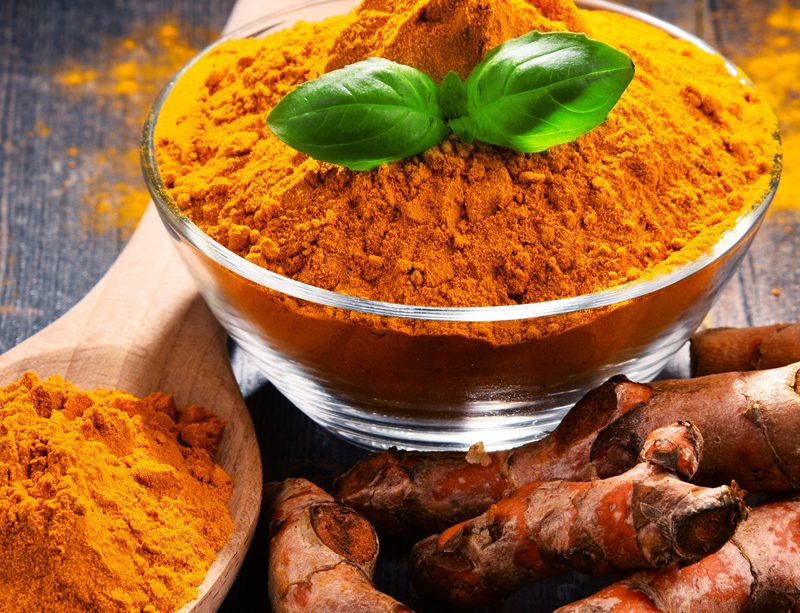
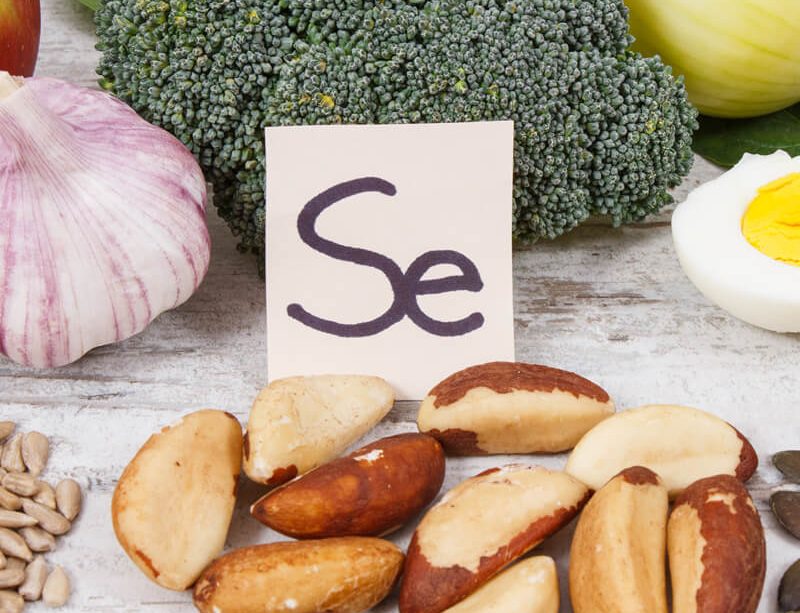
Heart and blood vessels: coenzyme Q10 + omega-3 + alpha-lipoic acid (5), coenzyme Q10 + magnesium + selenium (5), coenzyme Q10 + curcumin (20)
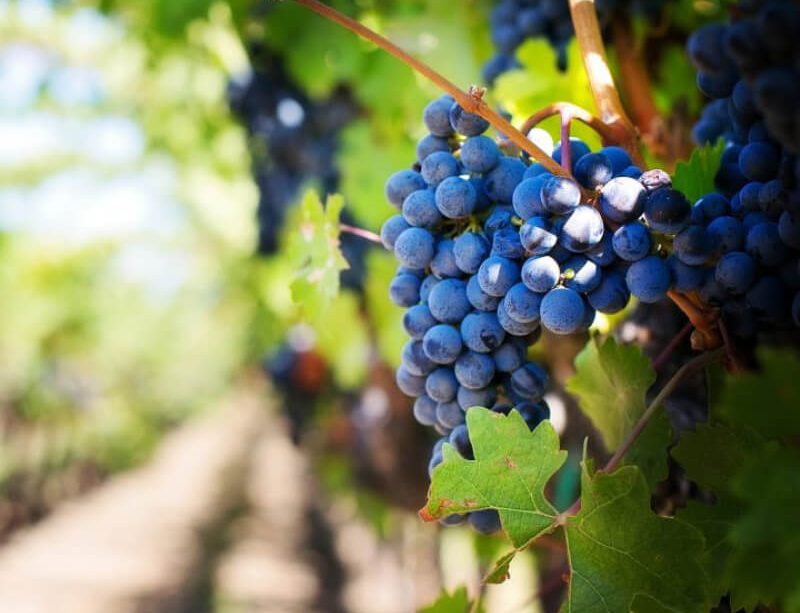
Mental performance and neurodegenerative diseases: coenzyme Q10 + curcumin (19), coenzyme Q10 + omega-3 (22), coenzyme Q10 + resveratrol (24)
Diabetes and metabolic syndrome: coenzyme Q10 + curcumin (20)
Rheumatoid arthritis: coenzyme Q10 + curcumin (20), coenzyme Q10 + omega-3 (23)
Aging: coenzyme Q10 + resveratrol (25)
0:00
/
0:00
Stárnutí je volba
Komentáře
Seznam zdrojů
- Torsak Tippairote, Geir Bjørklund, Amin Gasmi, Yuliya Semenova, Massimiliano Peana, Salvatore Chirumbolo, and Tony Hangan. Combined Supplementation of Coenzyme Q10 and Other Nutrients in Specific Medical Conditions. Nutrients. 2022 Oct; 14(20): 4383.
- https://www.wikiskripta.eu/w/Koenzym_Q
- Rajiv Saini. Coenzyme Q10: The essential nutrient. J Pharm Bioallied Sci. 2011 Jul-Sep; 3(3): 466–467.
- Richard A. Dilley. Frederick Loring Crane (1924-2016): Discoverer of coenzyme Q10 and rediscoverer of plastoquinone. Springer Link, november 04 2016, Volume 131, pages 237-239
- Oregon State University, Linus Pauling Institute. Coenzyme Q10. https://lpi.oregonstate.edu/mic/dietary-factors/coenzyme-Q10
- Ross Pelton. Coenzyme Q10: A Miracle Nutrient Advances in Understanding. Integr Med (Encinitas). 2020 Apr; 19(2): 16–20.
- Linnane A.W., Kopsidas G., Zhang C., Yarovaya N., Kovalenko S., Papakostopoulos P., Eastwood H., Graves S., Richardson M. Cellular redox activity of coenzyme Q10: Effect of CoQ10 supplementation on human skeletal muscle. Free Radic. Res. 2002;36:445–453.
- Quinzii C.M., Tadesse S., Naini A., Hirano M. Effects of inhibiting CoQ10 biosynthesis with 4-nitrobenzoate in human fibroblasts. PLoS ONE. 2012;7:e30606.
- Orlando P., Silvestri S., Galeazzi R., Antonicelli R., Marcheggiani F., Cirilli I., Bacchetti T., Tiano L. Effect of ubiquinol supplementation on biochemical and oxidative stress indexes after intense exercise in young athletes. Redox Rep. Commun. Free Radic. Res. 2018;23:136–145.
- Sarmiento A., Diaz-Castro J., Pulido-Moran M., Moreno-Fernandez J., Kajarabille N., Chirosa I., Guisado I.M., Javier Chirosa L., Guisado R., Ochoa J.J. Short-term ubiquinol supplementation reduces oxidative stress associated with strenuous exercise in healthy adults: A randomized trial. BioFactors. 2016;42:612–622.
- Diaz-Castro J., Moreno-Fernandez J., Chirosa I., Chirosa L.J., Guisado R., Ochoa J.J. Beneficial Effect of Ubiquinol on Hematological and Inflammatory Signaling during Exercise. Nutrients. 2020;12:424.
- Tian G, Sawashita J, Kubo H, et al. Ubiquinol-10 supplementation activates mitochondria functions to decelerate senescence in senescence-accelerated mice. Antioxid Redox Signal. 2014;20(16):2606-2620.
- Bonetti A, Solito F, Carmosino G, Bargossi AM, Fiorella PL. Effect of ubidecarenone oral treatment on aerobic power in middle-aged trained subjects. J Sports Med Phys Fitness. 2000;40(1):51-57.
- Lei L, Liu Y. Efficacy of coenzyme Q10 in patients with cardiac failure: a meta-analysis of clinical trials. BMC Cardiovasc Disord. 2017;17(1):196.
- Tran MT, Mitchell TM, Kennedy DT, Giles JT. Role of coenzyme Q10 in chronic heart failure, angina, and hypertension. Pharmacotherapy. 2001;21(7):797-806.
- Huang CH, Kuo CL, Huang CS, et al. High plasma coenzyme Q10 concentration is correlated with good left ventricular performance after primary angioplasty in patients with acute myocardial infarction. Medicine (Baltimore). 2016;95(31):e4501.
- Shults CW, Oakes D, Kieburtz K, et al. Effects of coenzyme Q10 in early Parkinson disease: evidence of slowing of the functional decline. Arch Neurol. 2002;59(10):1541-1550.
- Yoritaka A, Kawajiri S, Yamamoto Y, et al. Randomized, double-blind, placebo-controlled pilot trial of reduced coenzyme Q10 for Parkinson’s disease. Parkinsonism Relat Disord. 2015;21(8):911-916.
- Pramod Kumar, Aarti Singh, Anurag Kumar, Rahul Kumar, Rishi Pal,1 Amod Kumar Sachan, Rakesh Kumar Dixit, and Rajendra Nath. Effect of Curcumin and Coenzyme Q10 Alone and in Combination on Learning and Memory in an Animal Model of Alzheimer’s Disease. Biomedicines. 2023 May; 11(5): 1422.
- Abbas Ali Sangouni, Maryam Taghdir, Javad Mirahmadi, Mojtaba Sepandi, and Karim Parastouei. Effects of curcumin and/or coenzyme Q10 supplementation on metabolic control in subjects with metabolic syndrome: a randomized clinical trial. Nutr J. 2022; 21: 62.
- J Kucharská, S Poništ, O Vančová, A Gvozdjáková, O Uličná, L Slovák, M Taghdisiesfejir, K Bauerová. Treatment with coenzyme Q10, omega-3-polyunsaturated fatty acids and their combination improved bioenergetics and levels of coenzyme Q9 and Q10 in skeletal muscle mitochondria in experimental model of arthritis. Physiol Res. 2021 Nov 29;70(5):723-733.
- Ghadha Ibrahim Fouad. Combination of Omega 3 and Coenzyme Q10 Exerts Neuroprotective Potential Against Hypercholesterolemia-Induced Alzheimer’s-Like Disease in Rats. Neurochem Res. 2020 May;45(5):1142-1155.
- J Kucharská 1, S Poništ, O Vančová, A Gvozdjáková, O Uličná, L Slovák, M Taghdisiesfejir, K Bauerová. Treatment with coenzyme Q10, omega-3-polyunsaturated fatty acids and their combination improved bioenergetics and levels of coenzyme Q9 and Q10 in skeletal muscle mitochondria in experimental model of arthritis. Physiol Res. 2021 Nov 29;70(5):723-733.
- Oscar R. Hernández-Pérez, Karen J. Juárez-Navarro, Nestor F. Diaz, Eduardo Padilla-Camberos, Miguel J. Beltran-Garcia, Dalila Cardenas-Castrejon, Héctor Corona-Perez, Claudia Hernández-Jiménez, 6and Néstor E. Díaz-Martínez. Biomolecules resveratrol + coenzyme Q10 recover the cell state of human mesenchymal stem cells after 1-methyl-4-phenylpyridinium-induced damage and improve proliferation and neural differentiation. Front Neurosci. 2022; 16: 929590.
- Gaia Gherardi, Giovanni Corbioli, Filippo Ruzza, and Rosario Rizzuto. CoQ10 and Resveratrol Effects to Ameliorate Aged-Related Mitochondrial Dysfunctions. Nutrients. 2022 Oct; 14(20): 4326.
- Cristina Fernández-Portero, PhD, Josué G Amián, PhD, Rocío de la Bella, MsB, Guillermo López-Lluch, PhD, David Alarcón, PhD. Coenzyme Q10 Levels Associated With Cognitive Functioning and Executive Function in Older Adults. The Journals of Gerontology: Series A, Volume 78, Issue 1, January 2023, Pages 1–8.
- Yukitoshi Mine, Takayuki Takahashi, and Tadashi Okamoto. Stimulatory effects of collagen production induced by coenzyme Q10 in cultured skin fibroblasts. J Clin Biochem Nutr. 2022 Jul; 71(1): 29–33.
- Cristina Rodríguez-Varela and Elena Labarta. Does Coenzyme Q10 Supplementation Improve Human Oocyte Quality? Int J Mol Sci. 2021 Sep; 22(17): 9541.
- Tareq Al Saadi, Yazan Assaf, Medhat Farwati, Khaled Turkmani, Ahmad Al-Mouakeh, Baraa Shebli, Mohammed Khoja, Adib Essali, and Mohammed E Madmani. Coenzyme Q10 for heart failure. Cochrane Database Syst Rev. 2021; 2021(2): CD008684.
- Suhairul Sazali, Salziyan Badrin, Mohd Noor Norhayati, and Nur Suhaila Idris. Coenzyme Q10 supplementation for prophylaxis in adult patients with migraine—a meta-analysis. BMJ Open. 2021; 11(1): e039358.
- https://www.healthline.com/nutrition/coenzyme-q10#lung-health