Saffron
epivyziva.cz/
Zobrazeno: 1,687
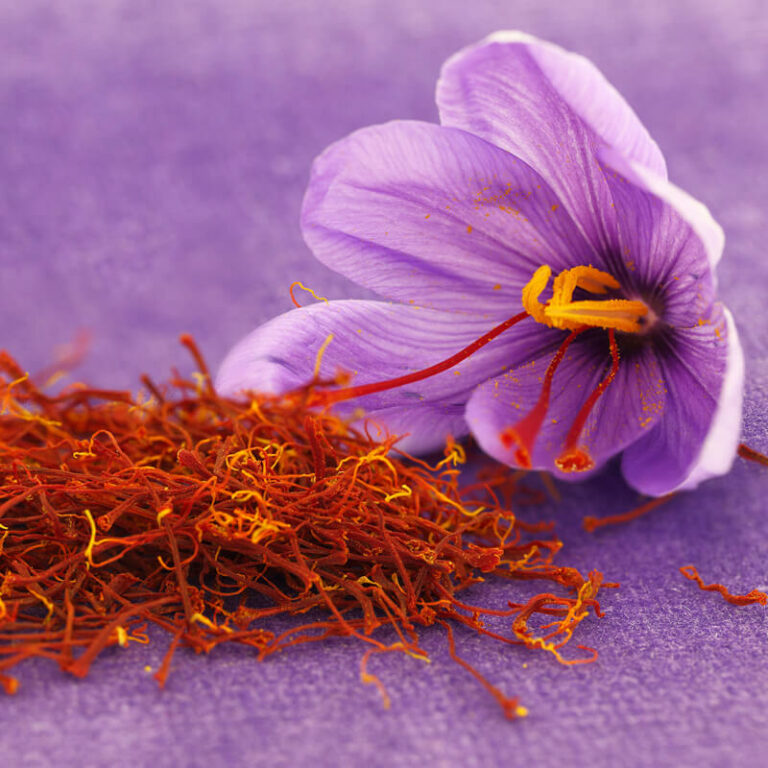
Saffron (Crocus sativus)
The name saffron is used for the spice containing the stigmas (scales) of the crocus (Crocus sativus), a small, perennial bulbous plant in the iris family. While the flower of the crocus is purple, its galls are a deep red colour and are used as a natural ingredient to enhance the flavour, colour and aroma of food. It is sometimes referred to as ‘red gold’ due to its high market price, which is mainly due to the need for hand harvesting and the small production volumes. According to an analysis of food ingredient fraud, it is therefore one of the most frequently adulterated products (1, 2).
The largest share of saffron production comes from Iran (about 80%), and it is also grown mainly in the Mediterranean, India and Southwest Asia. It requires fertile clay soil and direct sunlight. (1,2)
History
The use of saffron has a very long history. For example, paintings of animals dating back 50,000 years that were discovered in a cave in what is now Iraq contain saffron. The earliest evidence of its use for medicinal purposes dates back 4,000 years – historical frescoes from Crete. But back then it was its wild ancestor Crocus carwrightianus. Then, 3000 years ago, a variant with abnormally long gills was bred. The Egyptian ruler Cleopatra is also known to have used saffron, especially before amorous encounters with men – in traditional Persian medicine, in fact, saffron is still used as an aphrodisiac today. Saffron is also mentioned in the Bible, specifically in the Song of Songs. (2, 4)
Healing effects
Saffron contains several unique active substances, which include carotenoids (crocin, crocetin), monoterpenaldehydes (picrocrocin, safranal), monoterpenoids (crocusatins) and flavonoids (kaempferol). Their content and proportion may vary considerably in different regions. These substances are powerful antioxidants with anti-inflammatory, anticonvulsant, disinfectant, sedative and antidepressant effects. They also improve learning and memory and promote the release of oxygen in certain organs. Some research has also confirmed their anti-cancer and aphrodisiac effects. (1-3)
The high effectiveness of saffron for brain and nervous system problems is also due to the fact that one of its active ingredients, crocetin, can penetrate the blood-brain barrier (the barrier separating the bloodstream and the brain) and thus act directly in the brain tissue (2).
In addition, saffron has a significant positive effect on the intestinal microbiome, where it helps to adjust its balance (for example, the ratio of Firmincutes and Bakterioides bacteria, which is disturbed in many different diseases) and can also enrich the intestines with some other beneficial strains – for example, Spirochaetes or Tenericutes bacteria. (27) Disruption of the balance of the gut microbiome is typical of a number of diseases, including depression, diabetes, cardiovascular disease and obesity.
And for which specific problems can saffron help?
Depression
Depression is clearly the most prevalent mental illness, and because antidepressants have a number of negative side effects, natural alternatives are being intensively sought and researched. Saffron is one of the most effective natural remedies for depression. This is mainly due to the two substances it contains – crocetin and kaempferol, but safranal and crocin also have antidepressant effects.
The high efficacy of saffron has been demonstrated in a number of preclinical studies as well as several clinical studies. These have shown that saffron can significantly reduce the severity of depression (according to the Hamilton Depression Rating Scale) after just 4 weeks of use. In one study, the authors even concluded that for mild and moderate depression, saffron has a similar therapeutic effect to a substance called fluoxetine – the basis of, for example, the widely used antidepressant Prozac. But it also performed well in studies comparing its effectiveness with that of crocin, imipramine and citalopram, causing only minimal side effects in comparison (2, 5-9).
For more severe forms of depression, saffron can be used in combination with SSRI antidepressants (e.g. fluoxetine, sertraline and citalopram) – the effect in these cases was almost always greater than when the antidepressant was used in combination with a placebo. (10)
Saffron has proved very beneficial in studies investigating its use in postpartum depression. This is very good news, as the use of antidepressants during breastfeeding is problematic because of the possible negative effects on the baby. In one study, for example, 96% of the women studied with postpartum depression experienced a reduction in problems after taking saffron, compared to 43% in the placebo group (11).
Anxiety
Saffron, especially its active ingredient safranal, can also effectively relieve anxiety. For example, in one clinical study, 4 weeks of 28 mg of saffron extract was able to significantly alleviate anxiety symptoms (including insomnia). Saffron was particularly effective in depressed patients suffering from anxiety (2, 7, 13).
Another of the contained substances, crocin, has shown efficacy in obsessive-compulsive disorder and stress-induced anorexia, as well as in people with type 2 diabetes suffering from anxiety.(2)
Memory and mental performance
Animal studies have shown that substances in saffron, especially crocin, bind to NMDA receptors in the brain, which play an important role in learning and memory processes and prevent their disruption. They also alleviate chronic stress, which can also cause impaired memory and learning, and protect neurons from damage by free radicals and toxic chemicals through their antioxidant action (1, 14).
Alzheimer’s and Parkinson’s disease
Alzheimer’s disease is a slowly progressive neurodegenerative disease associated with loss of memory and learning ability. Saffron may help here due to its ability to protect nerve cells, but it also reduces the formation of beta-amyloid plaques and tau protein clumps in the brain that are characteristic of the disease. (1)
Few clinical studies have been conducted on human volunteers, but the results are very promising. They show, for example, that in patients with mild to moderate Alzheimer’s disease, saffron alleviates cognitive problems similarly effectively to commonly used drugs containing donepezil and memantine. It is also very effective in alleviating depression, which is very common in Alzheimer’s patients (1, 2, 16).
Other studies suggest that saffron may also be effective in another common neurodegenerative disease, Parkinson’s disease. In fact, it effectively protects against damage to nerve cells in a part of the brain called the substantia nigra, the loss of which is typical of this disease (2, 17).
Saffron can also help with vascular dementia, or cognitive decline due to impaired blood supply to the brain. (22)
Cardiovascular disease
Saffron affects a number of processes involved in the development of cardiovascular disease. Overall, it strengthens the heart and blood vessels, helps to reduce blood cholesterol levels and limit its absorption from food, and also reduces the severity of atherosclerosis (including reducing the frequency of atherosclerotic plaques and their precursor foam cells). As a result, it reduces the risk of heart attack. This may be one of the reasons why Spain, where saffron is widely consumed, has a significantly lower incidence of cardiovascular disease than other European countries (23, 24).
In addition, it can be useful in the case of existing problems – for example, during a stroke, when it helps to alleviate its negative consequences. Saffron prevents the death of brain cells by protecting them from free radicals and ischemia, or insufficient oxygen supply. (2) For example, a recent clinical trial in which patients after a stroke underwent either conventional treatment or conventional treatment combined with saffron (200 mg/day for 3 months) produced very interesting results. Patients treated with saffron then had significantly lower rates of permanent sequelae. Stroke severity was most significantly reduced during the first four days (18).
Eye diseases
Saffron can also be very effective for eye diseases, especially neurodegenerative ones. This is true, for example, for diabetic retinopathy (retinal damage in diabetics), glaucoma, and age-related macular degeneration (19).
Weight loss and diabetes
Saffron can be a very effective tool when trying to lose weight. It works in several ways, some of which are also very beneficial for diabetics:
First and foremost, it is about limiting the absorption of fats from the digestive tract. One of the active ingredients in saffron, crocin, binds to an enzyme called pancreatic lipase, which is essential for breaking down dietary fat. The body is then unable to use the unsplit fats as an energy source, which reduces overall energy intake. Incidentally, the anti-obesity drug orlistat works on the same principle. Although orlistat is more effective in reducing fat absorption by 30 %, while crocin is only 12 % more effective, it has a number of negative side-effects, while saffron’s positive side-effects clearly outweigh those of saffron (24).
The second way saffron helps with both weight loss and diabetes is by lowering blood glucose levels. This is because it affects signaling pathways related to glucose metabolism within muscle fibers, the production of the enzyme AMPK, and tissue sensitivity to insulin. In addition, it has an anti-inflammatory effect, which is important both for people trying to lose weight (obesity is always accompanied by whole-body inflammation) and for diabetics (24).
Another effect of saffron was discovered essentially by accident – when scientists tested its use in treating health problems in rats, they noticed a significant decrease in appetite, which they judged to be an unwanted side effect. But what’s undesirable for sick rats can be great news for humans trying to lose weight, which was subsequently confirmed in a study on human volunteers. In it, researchers administered saffron for two months to a group of obese women who were not undergoing any dietary or other restrictions. In contrast to the placebo group, they experienced a reduction in appetite and weight loss. One of the reasons why saffron helps with weight loss may be its positive effect on the psyche, as the tendency to overeat is often due to psychological causes (24, 25).
In addition, some research suggests that saffron may be an effective weapon against the complications of diabetes – particularly diabetic neuropathy (nerve damage in diabetics due to high blood glucose levels) and diabetic retinopathy. (15, 19)
Post-traumatic stress disorder
This mental disorder is typical for people who have experienced or witnessed a traumatic event (natural disaster, war, accident, violent crime…). It manifests itself mainly in so-called flashbacks (i.e., returns of feelings that the affected person had during the event), anxiety, insomnia and nightmares. One of the causes of these problems is a disturbance in the hormonal balance, in particular an increase in the levels of adrenaline, vasopressin and corticotropin-releasing hormone. Preclinical studies have shown that saffron can help with this problem, but clinical trials are lacking (2).
Epilepsy
According to research, saffron can shorten seizures and delay the onset of tonic cramps (2).
Problems of the digestive system
Saffron has protective effects on the entire digestive system, which, combined with its anti-inflammatory and antioxidant effects and its ability to support the balance of the gut microbiome, makes it an effective aid in a number of digestive diseases.
For example, saffron has been shown to have a positive effect in gastritis and stomach ulcers (protecting the stomach lining from damage), irritable bowel syndrome, inflammatory bowel disease, andit is even used as an aid in the prevention and treatment of gastrointestinal cancers, be they of the stomach, colon or pancreas. (27)
Liver
Saffron’s anti-inflammatory and antioxidant abilities are also used in its positive effect on the liver, which it protects from the negative effects of toxins (including alcohol), but also from damage caused by viral hepatitis (jaundice). The protective effect is also used in the prevention and treatment of liver cancer. (27)
Sexuality and fertility
In traditional healing systems, saffron is often used as an aphrodisiac, as confirmed by some studies. In men, it helps to improve erectile capacity and sex drive (it also works partially in this respect in women) and has a positive effect on fertility in both sexes (28).
Use and contraindications
Saffron is generally very well tolerated. No toxicity or major side effects have been noted with either prolonged use (over a month) or short-term use of high doses (400 mg for 7 days). Only very high doses (5 g/day) are likely to be toxic. However, saffron should not be taken as a dietary supplement by pregnant women because it may interfere with fetal development. Common use as a spice is safe in this respect (2, 26, 28).
Suitable combinations
Depression: saffron + curcumin (12), saffron + rhodiola (20)
Anxiety and insomnia: saffron + bayberry
Alzheimer’s disease: saffron + Bacopa monnieri (brahmi), saffron + B vitamins, saffron + L-theanine (1), saffron + curcumin + vitamin E (21)
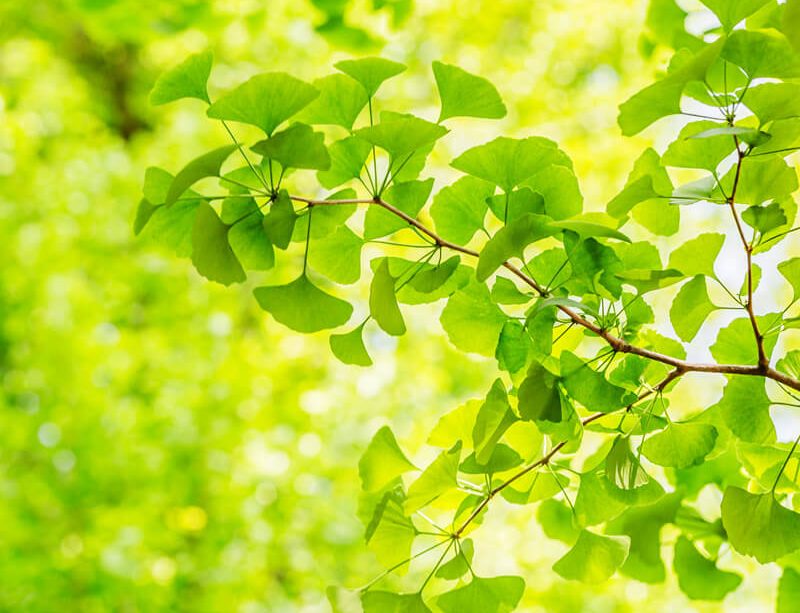
Vascular dementia: saffron + ginseng + ginkgo biloba (22)
Mental performance: saffron + rhodiola, saffron + zinc, saffron + selenium, saffron + resveratrol
Inflammatory bowel disease: saffron + curcumin
Weight loss: saffron + curcumin, saffron + rhodiola
Cardiovascular disease: saffron + resveratrol, saffron + curcumin
Eyes: saffron + resveratrol
0:00
/
0:00
Stárnutí je volba
Komentáře
Seznam zdrojů
- MohammadSaeedi, AliRashidy-Pour. Association between chronic stress and Alzheimer’s disease: Therapeutic effects of Saffron. Biomedicine & Pharmacotherapy. Volume 133, January 2021, 110995
- Yaqi Bian, Chen Zhao, and Simon Ming-Yuen Lee. Neuroprotective Potency of Saffron Against Neuropsychiatric Diseases, Neurodegenerative Diseases, and Other Brain Disorders: From Bench to Bedside. Front Pharmacol. 2020; 11: 579052
- J. Rios, M. Recio, R. Giner, S. Manez. An update review of saffron and its active constituents Phytother. Res., 10 (3) (1996), pp. 189-193
- https://www.cs.mcgill.ca/~rwest/wikispeedia/wpcd/wp/h/History_of_saffron.htm
- Akhondzadeh S., Fallah-Pour H., Afkham K., Jamshidi A. H., Khalighi-Cigaroudi F. (2004). Comparison of Crocus sativus L. and imipramine in the treatment of mild to moderate depression: a pilot double-blind randomized trial [ISRCTN45683816]. BMC Complement. Altern. Med. 4, 12.
- Akhondzadeh Basti A., Moshiri E., Noorbala A. A., Jamshidi A. H., Abbasi S. H., Akhondzadeh S. (2007). Comparison of petal of Crocus sativus L. and fluoxetine in the treatment of depressed outpatients: a pilot double-blind randomized trial. Prog. Neuropsychopharmacol. Biol. Psychiatry 31 (2), 439–442.
- Ghajar A., Neishabouri S. M., Velayati N., Jahangard L., Matinnia N., Haghighi M., et al. (2017). Crocus sativus L. versus Citalopram in the Treatment of Major Depressive Disorder with Anxious Distress: A Double-Blind, Controlled Clinical Trial. Pharmacopsychiatry 50 (4), 152–160.
- Moshiri E., Basti A. A., Noorbala A. A., Jamshidi A. H., Hesameddin Abbasi S., Akhondzadeh S. (2006). Crocus sativus L. (petal) in the treatment of mild-to-moderate depression: a double-blind, randomized and placebo-controlled trial. Phytomedicine 13 (9-10), 607–611.
- Noorbala A. A., Akhondzadeh S., Tahmacebi-Pour N., Jamshidi A. H. (2005). Hydro-alcoholic extract of Crocus sativus L. versus fluoxetine in the treatment of mild to moderate depression: a double-blind, randomized pilot trial. J. Ethnopharmacol. 97 (2), 281–284.
- Talaei A., Moghadam M. H., Tabassi S. A. S., Mohajeri S. A. (2015). Crocin, the main active saffron constituent, as an adjunctive treatment in major depressive disorder: A randomized, double-blind, placebo-controlled, pilot clinical trial. J. Affect. Disord. 174, 51–56.
- Tabeshpour J., Sobhani F., Sadjadi S. A., Hosseinzadeh H., Mohajeri S. A., Rajabi O., et al. (2017). A double-blind, randomized, placebo-controlled trial of saffron stigma (Crocus sativus L.) in mothers suffering from mild-to-moderate postpartum depression. Phytomedicine 36, 145–152.
- Lopresti A. L., Drummond P. D. (2017). Efficacy of curcumin, and a saffron/curcumin combination for the treatment of major depression: A randomised, double-blind, placebo-controlled study. J. Affect. Disord. 207, 188–196.
- Kell G., Rao A., Beccaria G., Clayton P., Inarejos-Garcia A. M., Prodanov M. (2017). affron (R) a novel saffron extract (Crocus sativus L.) improves mood in healthy adults over 4 weeks in a double-blind, parallel, randomized, placebo controlled clinical trial. Complement. Ther. Med. 33, 58–64.
- A. Hensel, M. Niehues, M. Lechtenberg, B. Quandt, D. Schepmann, B. Wünsch. Analytical and functional aspects on Saffron from Crocus sativus L.: development of quality control methods, species assortment and affinity to sigma-1 and NMDA receptors. Planta Med., 72 (11) (2006), p. P_074
- S.H. Mousavi, N. Tayarani, H. Parsaee. Protective effect of saffron extract and crocin on reactive oxygen species-mediated high glucose-induced toxicity in PC12 cells. Cell. Mol. Neurobiol., 30 (2) (2010), pp. 185-191
- Tsolaki M., Karathanasi E., Lazarou I., Dovas K., Verykouki E., Karacostas A., et al. (2016). Efficacy and Safety of Crocus sativus L. @ in Patients with Mild Cognitive Impairment: One Year Single-Blind Randomized, with Parallel Groups, Clinical Trial. J. Alzheimers Dis. 54 (1), 129–133.
- Pan P. K., Qiao L. Y., Wen X. N. (2016). Safranal prevents rotenone-induced oxidative stress and apoptosis in an in vitro model of Parkinson’s disease through regulating Keap1/Nrf2 signaling pathway. Cell. Mol. Biol. 62 (14), 11–17.
- Asadollahi M., Nikdokht P., Hatef B., Sadr S. S., Sahraei H., Assarzadegan F., et al. (2019). Protective properties of the aqueous extract of saffron (Crocus sativus L.) in ischemic stroke, randomized clinical trial. J. Ethnopharmacol. 238:111833.
- Jose A Fernández-Albarral, Rosa de Hoz, Ana I Ramírez, Inés López-Cuenca, Elena Salobrar-García María D Pinazo-Durán, José M Ramírez, Juan J Salazar. Beneficial effects of saffron ( Crocus sativus L.) in ocular pathologies, particularly neurodegenerative retinal diseases. Neural Regen Res. 2020 Aug;15(8):1408-1416.
- Marie Bangratz, Samira Ait Abdellah, Aurélie Berlin,1 Claude Blondeau, Angèle Guilbot, Michel Dubourdeaux, Patrick Lemoine. A preliminary assessment of a combination of rhodiola and saffron in the management of mild–moderate depression. Neuropsychiatr Dis Treat. 2018 Jul 13;14:1821-1829.
- Nur Adalier and Heath Parker. Vitamin E, Turmeric and Saffron in Treatment of Alzheimer’s Disease. Antioxidants (Basel). 2016 Dec; 5(4): 40.
- Zhang, Y. a kol. Repeated administration of Sailuotong, a fixed combination of Panax ginseng, Ginkgo biloba, and Crocus sativus extracts for vascular dementia, alters CYP450 activities in rats. Phytomedicine : International Journal of Phytotherapy and Phytopharmacology, 27 Feb 2017, 38:125-134
- Maryam Kamalipour, MSc and Shahin Akhondzadeh, PhD. Cardiovascular Effects of Saffron: An Evidence-Based Review. J Tehran Heart Cent. 2011 Spring; 6(2): 59–61.
- Maryam Mashmoul, Azrina Azlan, Huzwah Khaza’ai, Barakatun Nisak Mohd Yusof, and Sabariah Mohd Noor. Saffron: A Natural Potent Antioxidant as a Promising Anti-Obesity Drug. Antioxidants (Basel). 2013 Dec; 2(4): 293–308.
- Gout B., Bourges C., Paineau-Dubreuil S. Satiereal, a Crocus sativus L. extract, reduces snacking and increases satiety in a randomized placebo-controlled study of mildly overweight, healthy women. Nutr. Res. 2010;30:305–313.
- Moallem S.A., Afshar M., Etemad L., Razavi B.M., Hosseinzadeh H. Evaluation of teratogenic effects of crocin and safranal, active ingredients of saffron, in mice. Toxicol. Ind. Health. 2016;32:285–291.
- Hassan Ashktorab, Akbar Soleimani, Gulshan Singh, Amr Amin, Solmaz Tabtabaei, Giovanni Latella, Ulrike Stein, Shahin Akhondzadeh, Naimesh Solanki, Marjorie C. Gondré-Lewis, Aida Habtezion, and Hassan Brim. Saffron: The Golden Spice with Therapeutic Properties on Digestive Diseases. Nutrients. 2019 May; 11(5): 943.
- https://www.medicalnewstoday.com/articles/327017