Treasures hidden (not only) in fruits or Polyphenols or flavonoids? Make it clear!

Sometimes they are polyphenols, sometimes flavonoids, bioflavonoids, then isoflavones… And yet they are often the same compounds! Who knows? We’ll finally bring some system to the confusion and show you why you should definitely include these compounds in your diet. They are very powerful antioxidants, and most of them have epigenetic effects – they can regulate the activity of genes in our DNA.
Pomegranate, turmeric, celery, parsley, onion, tomato, rosemary, thyme, grapes, berries… This is just a small selection of the many different plant foods that contain health-promoting substances called polyphenols. Polyphenol translates to “many phenols”, so these are substances that contain multiple groups derived from a substance called phenol (see picture).
Polyphenols are divided according to their chemical structure into tannins, lignans and flavonoids. The latter is the most well-studied group, so that when a health-giving substance is mentioned, it can usually be classified as both a polyphenol and a flavonoid – with two exceptions, which you will find below. The term bioflavonoids, which is also occasionally used, can add a little confusion, but it only says that they are flavonoids of natural origin. So it is true that every flavonoid is also a polyphenol, but not the other way around.
If we stay with flavonoids as the most studied group of polyphenols, they are also subdivided into several groups. These include flavones, isoflavones, flavonols, flavanols, catechins or anthocyanidins.
So we should be clear on the terminology by now and now let’s take a look at the most interesting representatives of each category.
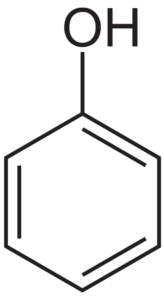
phenol formula
Group one: tannins
Tannins are among the less studied representatives of polyphenols. From the point of view of human health, essentially only one compound needs to be mentioned here, namely gallic acid. When two molecules of this substance are combined, ellagic acid is formed, which has many interesting epigenetic effects.
Ellagic acid
This relatively little-known substance is found abundantly in pomegranate. And because it excels in its epigenetic effects, it makes this fruit a nutritional treasure. In addition, it is also found in smaller amounts in grapes, apples, strawberries, raspberries and blackberries, as well as some types of nuts – particularly walnuts, but also cashews, pistachios and pecans. Among dietary supplements, pomegranate extract in particular contains it.
Ellagic acid is notable for its anti-cancer effects – it particularly prevents the so-called proliferation, i.e. the rapid uncontrolled multiplication of cancer cells. However, it is also effective in the treatment of obesity, in alleviating insulin resistance and type 2 diabetes, helps treat non-alcoholic fatty liver disease, regulates fat metabolism and probably also has a positive effect on the gut microbiome. In addition, along with other substances in pomegranate, it positively affects the metabolism of nitric oxide, a substance that promotes the dilation of blood vessels, thus improving blood flow. This has a positive effect, for example, in erectile dysfunction or in increasing athletic performance.
Group Two: Lignany
Curcumin
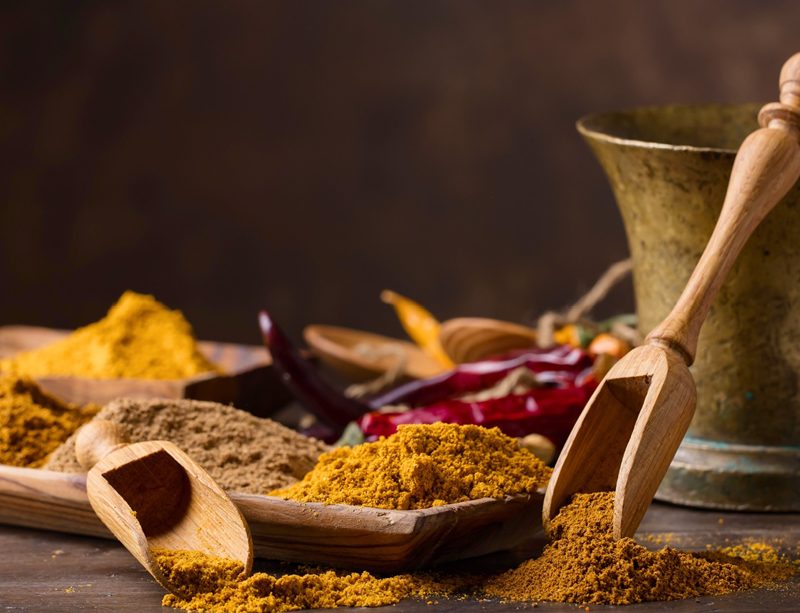
The dye curcumin, contained in turmeric root, is the most studied representative of lignans. It has anti-inflammatory properties, supports immunity, anti-cancer, protects the heart and blood vessels, and improves blood circulation to working muscles, which is especially appreciated by athletes. It is also very effective in prostate problems and counteracts male pattern baldness.
When taking curcumin in the form of dietary supplements, it is advisable to choose products that combine it with piperine, the active ingredient in black pepper. This combination improves the absorption of curcumin by more than a hundredfold. In cooking, the combination of turmeric and pepper is then used in curry spices.
Group Three: flavonoids
Scientists have so far described more than 4,000 substances from this group. Most of them are found in plants, some are dyes, others are plant hormones, and still others are substances that protect plants from UV radiation, insect pests or diseases. A large number of flavonoids also have positive effects on the human body – many of them, for example, are antiviral and antibacterial, suppress the production of inflammatory substances, protect liver tissue, promote the production of antioxidant enzymes, have anti-cancer effects…
Many of these effects are epigenetic in nature, as many flavonoids are able to regulate the activity of a number of important genes in our DNA.
Flavan-3-ols
The best known representative of these substances is epigallocatechin gallate (EGCG), which is found mainly in tea (mainly green tea), but also in cocoa and grape wine. It is a compound with significant antioxidant and epigenetic effects, which has several anti-cancer effects, is very effective in promoting weight loss, helps slow down ageing, has a beneficial effect on cardiovascular health and alleviates the symptoms of Alzheimer’s and Parkinson’s disease.
Flavonols
The best studied substance from this group is quercetin. It is a very powerful antioxidant found in many fruits and vegetables (for example, apples and onions). However, it is present in relatively low concentrations, so it must be taken as a dietary supplement to achieve an epigenetic effect (taken as a short-term treatment, about one month).
Quercetin very effectively supports immunity, has significant anti-inflammatory and anti-cancer effects, helps lower blood pressure, promotes weight loss, helps alleviate symptoms of type 2 diabetes, and also very effectively supports athletic performance, especially in endurance sports. However, it is not suitable for people with thyroid disease.
Another interesting flavonol is kaempferol. This is found in tomatoes, red wine and strawberries, for example, and has proven anti-cancer effects and helps to alleviate coronary heart disease.
Flavours
This group includes apigenin, found in celery and parsley, and luteolin, found in carrots, celery, olive oil, rosemary, oregano, thyme and mint, for example.
Apigenin has anti-cancer and neuroprotective effects (i.e. it protects nerve cells and thus has a preventive effect against, for example, Alzheimer’s disease. It also helps to improve erections – the beneficial effects of celery and parsley are well established in this respect. Luteolin, in turn, is a proven remedy against obesity, helps with diabetes and also has anti-cancer effects.
Isoflavones
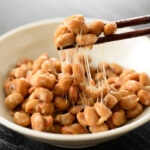
Probably the best known representative of this group is genistein, which, together with another isoflavone dasein, is found mainly in soybeans. Genistein not only has significant epigenetic effects but also functions as a phytoestrogen. This makes it particularly beneficial for women during and after the menopause, when it is very effective in preventing overweight, osteoporosis, cardiovascular disease, diabetes and Alzheimer’s disease. It also helps to alleviate unpleasant psychological conditions associated with menopause (especially depression and anxiety) and has significant anti-cancer effects. It is also very beneficial for joint pain caused by arthrosis, where it suppresses the processes that cause cartilage degeneration, and has anti-inflammatory and analgesic properties.
Anthocyanidins
These are groups of predominantly blue and red dyes found mainly in berry fruits such as strawberries, raspberries, blackberries, blueberries, cherries and others. Anthocyanidins are particularly notable for their antioxidant and anti-inflammatory effects. Many of them are also likely to have an epigenetic effect, but this has not yet been sufficiently investigated.
However, what we have listed here is only a small list of the beneficial polyphenols found in plants. There are thousands of others that may be equally beneficial, but have not yet been sufficiently (often in any way) scientifically investigated. Therefore, we should strive to make sure that our diets contain a large proportion of plant-based ingredients, and that they are as varied as possible in this respect.
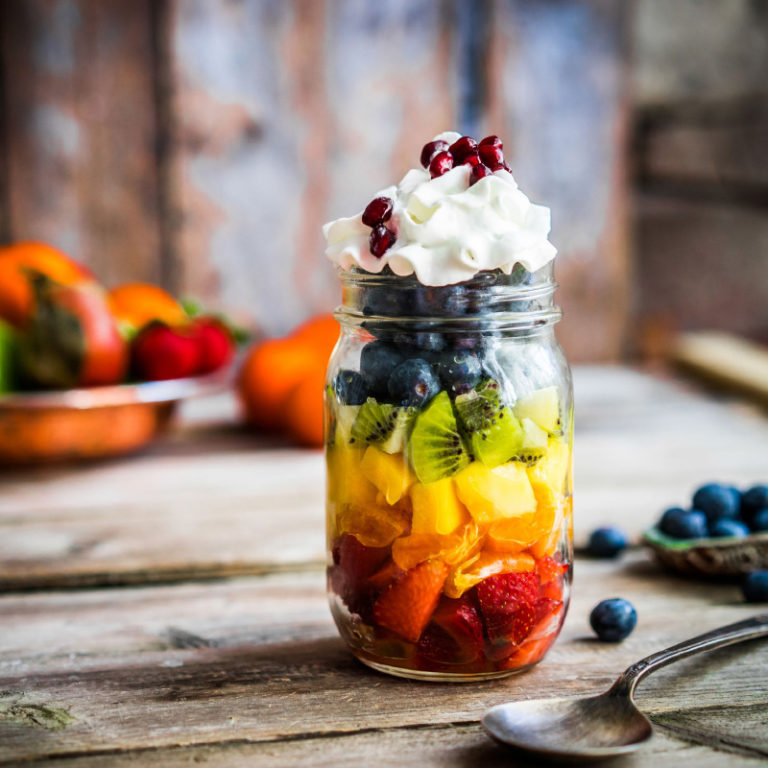
It helps to strive for diversity not only in species but also in colour – many polyphenols are plant dyes. It is of course possible to intensify the targeted epigenetic action through dietary supplements (if we want to solve an existing problem, this is usually necessary), but a varied diet should always be the basis.
- Polyfenoly
- Inhae Kang, Teresa Buckner, Neil F Shay, Liwei Gu, and Soonkyu Chung. Improvements in Metabolic Health with Consumption of Ellagic Acid and Subsequent Conversion into Urolithins: Evidence and Mechanisms. Adv Nutr. 2016 Sep; 7(5): 961–972.
- Ignarro LJ, Byrns RE, Sumi D, de Nigris F, Napoli C. Pomegranate juice protects nitric oxide against oxidative destruction and enhances the biological actions of nitric oxide. Nitric Oxide 2006; 15: 93-102.
- Kuhnau J. The flavonoids. A class of semi-essential food components: their role in human nutrition. World Rev Nutr Diet. 1976;24:117–91.
- War AR, Paulraj MG, Ahmad T, Buhroo AA, Hussain B, Ignacimuthu S, et al. Mechanisms of plant defense against insect herbivores. Plant Signal Behav. 2012;7(10):1306–20.
- Hodek P, Trefil P, Stiborova M. Flavonoids-potent and versatile biologically active compounds interacting with cytochromes P450. Chem Biol Interact. 2002;139(1):1–21.
- Malireddy S, Kotha SR, Secor JD, Gurney TO, Abbott JL, Maulik G, et al. Phytochemical antioxidants modulate mammalian cellular epigenome: implications in health and disease. Antioxid Redox Signal. 2012;17(2):327–39.
- Chung S, Yao H, Caito S, Hwang JW, Arunachalam G, Rahman I. Regulation of SIRT1 in cellular functions: role of polyphenols. Arch Biochem Biophys. 2010;501(1):79–90.
- Simone Reuter, Subash C. Gupta, Byoungduck Park, Ajay Goel, and Bharat B. Aggarwal, Epigenetic changes induced by curcumin and other natural compounds, Genes Nutr. 2011 May; 6(2): 93–108.
- Wargovich MJ. Experimental evidence for cancer preventive elements in foods. Cancer Lett. 1997;114:11–17.
- Anuradha Kalani, Pradip K. Kamat, Komal Kalani, Neetu Tyagi. Epigenetic impact of curcumin on stroke prevention. Metabolic Brain Disease. April 2015, Volume 30, Issue 2, pp 427-435
- Weisberg SP, Leibel R, Tortoriello DV. Dietary curcumin significantly improves obesity-associated inflammation and diabetes in mouse models of diabesity.Endocrinology 2008;149:3549–3558
- Lina Adwan and Nasser H. Zawia. Epigenetics: A novel therapeutic approach for the treatment of Alzheimer’s disease. Pharmacol Ther. 2013 Jul; 139(1): 41–50.
- S. Davinelli, V. Calabrese, D. Zella, Giovanni Scapagnini. Epigenetic nutraceutical diets in Alzheimer’s disease. The journal of nutrition, health & aging, October 2014
- Jang, Sunhyae, et al., et al. [ed.] J.R. Pasqualini. Establishment of type II 5α-reductase over-expressing cell line as an inhibitor screening model. 3-5, Paris: Elsevier Ltd., November-December 2007, Journal of Steroid Biochemistry & Molecular Biology, Vol. 107, pp. 245-252. DOI: 10.1016/j.jsbmb.2007.03.039; http://www.sciencedirect.com/science/article/pii/S0960076007001653. ISSN: 0960-0760.
- 3. Kumar, Thapana, et al., et al. [ed.] Akah Peter Achunike. Screening of steroid 5α-reductase inhibitory activity and total phenolic content of Thai plants. 7, Nsukka: Academic Journals, April 4, 2011, Journal of Medicinal Plants Research, Vol. 5, pp. 1265-1271. ISSN: 1996-0875.
- Thangapazham RL, Passi N, Maheshwari RK. Green tea polyphenol and epigallocatechin gallate induce apoptosis and inhibit invasion in human breast cancer cells. Cancer Biol Ther. 2007 Dec;6(12):1938-43.
- Schramm L (2013) Going Green: The Role of the Green Tea Component EGCG in Chemoprevention. J Carcinogene Mutagene 4: 142. doi:10.4172/2157-
- Shinichi Kuriyama, MD, PhD; Taichi Shimazu, MD; Kaori Ohmori, MD, PhD; Nobutaka Kikuchi, MD; Naoki Nakaya, PhD; Yoshikazu Nishino, MD, PhD; Yoshitaka Tsubono, MD, PhD; Ichiro Tsuji, MD, PhD. Green Tea Consumption and Mortality Due to Cardiovascular Disease, Cancer, and All Causes in Japan. JAMA. 2006;296(10):1255-1265.
- J.W. Yun. Posible Anti-obesity therapeutics from Natur. Phytochemistry 71 (2010) 1625-1641.
- Zhang C, Li G, Casas-Tintó S, Lin N, Chung M, Moreno E, Moberg K and Zhou L. An Intergenic Regulatory Region Mediates Drosophila Myc -Induced Apoptosis and Blocks Tissue Hyperplasia. Oncogene. 2014 Jun 16.
- Yamashita N, Kawanishi S. Distinct mechanisms of DNA damage in apoptosis induced by quercetin and luteolin. Free Radic Res. 2000;33(5) 623-633.
- Boly R, Gras T, Lamkami T, Guissou P, Serteyn D, Kiss R, Dubois J. Quercetin inhibits a large panel of kinases implicated in cancer cell biology. Int J Oncol. 2011;38(3) 833-842.
- Mutoh M, Takahashi M, Fukuda K, Matsushima-Hibiya Y, Mutoh H, Sugimura T, Wakabayashi K. Suppression of cyclooxygenase-2 promoter-dependent transcriptional activity in colon cancer cells by chemopreventive agents with a resorcin-type structure. Carcinogenesis 2000; 21(5) 959-963.
- Romero, M., Jimenez, R., Hurtado, B., Moreno, J.M., Rodriguez-Gomez, I., Lopez-Sepulveda, R., Zarzuelo, A., Perez-Vizcaino, F., Tamargo, J., Vargas, F., Duarte, J., 2010. Lack of beneficial metabolic effects of quercetin in adult spontaneously hypertensive rats. Eur. J. Pharmacol. 627, 242–250.
- Yamamoto, Y., Oue, E., 2006. Antihypertensive effect of quercetin in rats fed with a high-fat high-sucrose diet. Biosci. Biotechnol. Biochem. 70, 933–939.
- Francisco Perez-Vizcaino , Juan Duarte. Flavonols and cardiovascular disease. Molecular Aspects of Medicine 31 (2010) 478–494
- Fryer, L.G., Foufelle, F., Barnes, K., Baldwin, S.A., Woods, A., Carling, D., 2002. Characterization of the role of the AMP-activated protein kinase in the stimulation of glucose transport in skeletal muscle cells. Biochem. J. 363, 167–174.
- Nieman DC, Henson DA, Gross SJ, Jenkins DP, Davis JM, Murphy EA, Carmichael MD, Dumke CL. Quercetin reduces illness but not immune perturbations after intensive exercise. Med Sci Sports Exerc. 2007.
- Davis JM, Carlstedt CJ The dietary flavonoid quercetin increases VO(2max) and endurance capacity. Int J Sport Nutr Exerc Metabolism. 2010.
- Berger A, Venturelli S, Kallnischkies M, Bocker A, Busch C, Weiland T, et al. Kaempferol, a new nutrition-derived pan-inhibitor of human histone deacetylases. J Nutr Biochem. 2013;24(6):977–85.
- Mingjie Zhou, Huanhuan Ren, Jichun Han, Wenjuan Wang, Qiusheng Zheng, and Dong Wang. Protective Effects of Kaempferol against Myocardial Ischemia/Reperfusion Injury in Isolated Rat Heart via Antioxidant Activity and Inhibition of Glycogen Synthase Kinase-3β. Oxid Med Cell Longev. 2015; 2015: 481405.
- Christopher Millington, Sandra Sonego, Niloo Karunaweera, Alejandra Rangel, Janice R. Aldrich-Wright, Iain L. Campbell, Erika Gyengesi, and Gerald Münch. Chronic Neuroinflammation in Alzheimer‘s Disease: New Perspectives on Animal Models and Promising Candidate Drugs. Biomed Res Int. 2014; 2014: 309129.
- Aedín Cassidy, Mary Franz, and Eric B Rimm. Dietary flavonoid intake and incidence of erectile dysfunction. Am J Clin Nutr. 2016 Feb; 103(2): 534–541.
- https://www.diabetes.co.uk/news/2016/Jul/Luteolin-provides-a-defence-against-obesity-and-metabolic-disorders,-study-finds-94038137.html
- Zang Y, Igarashi K, Li Y. Anti-diabetic effects of luteolin and luteolin-7-O-glucoside on KK-A(y) mice. Biosci Biotechnol Biochem. 2016 Aug;80(8):1580-6.
- Yukun Zhang & Hong Chen (2011) Genistein, an epigenome modifier during cancer prevention, Epigenetics, 6:7, 888-891
- K.-J. Ryu, H.-T. Park, Y. J. Kim et al., “Vasomotor symptoms and osteoporosis in Korean postmenopausal women,” Maturitas, vol. 87, pp. 27–32, 2016.
- Juan Francisco Rodríguez-Landa, Jonathan Cueto-Escobedo, Abraham Puga-Olguín, Eduardo Rivadeneyra-Domínguez, Blandina Bernal-Morales2 Emma Virginia Herrera-Huerta, and Andrea Santos-Torres. The Phytoestrogen Genistein Produces Similar Effects as 17β-Estradiol on Anxiety-Like Behavior in Rats at 12 Weeks after Ovariectomy. BioMed Research International. Volume 2017, Article ID 9073816, 10 pages
- Inoue K. a kol. Prevalence of Large-joint osteoarthritis in Asian and Caucasian skeletal population. Rheumatology 2001, 40:70-73.
- Hye-Kyeong Kim Cassandra Nelson-Dooley Mary Anne Della-Fera Jeong-Yeh YangWei Zhang Jiuhua Duan Diane L. Hartzell Mark W. Hamrick Clifton A. Baile. Genistein Decreases Food Intake, Body Weight, and Fat Pad Weight and Causes Adipose Tissue Apoptosis in Ovariectomized Female Mice. The Journal of Nutrition, Volume 136, Issue 2, 1 February 2006, Pages 409–414
- Elizabeth. R. Gilbert and Dongmin Liu. Anti-diabetic functions of soy isoflavone genistein: mechanisms underlying effects on pancreatic β-cell function. Food Funct. 2013 Feb; 4(2): 200–212.
- Bonet-Costa V, Herranz-Perez V, Blanco-Gandia M et al. (2016) Clearing Amyloid-beta through PPARgamma/ApoE Activation by Genistein is a Treatment of Experimental Alzheimer‘s Disease. J Alzheimers Dis 51, 701-711.