Menstruation doesn’t have to hurt!
epivyziva.cz/
Zobrazeno: 287
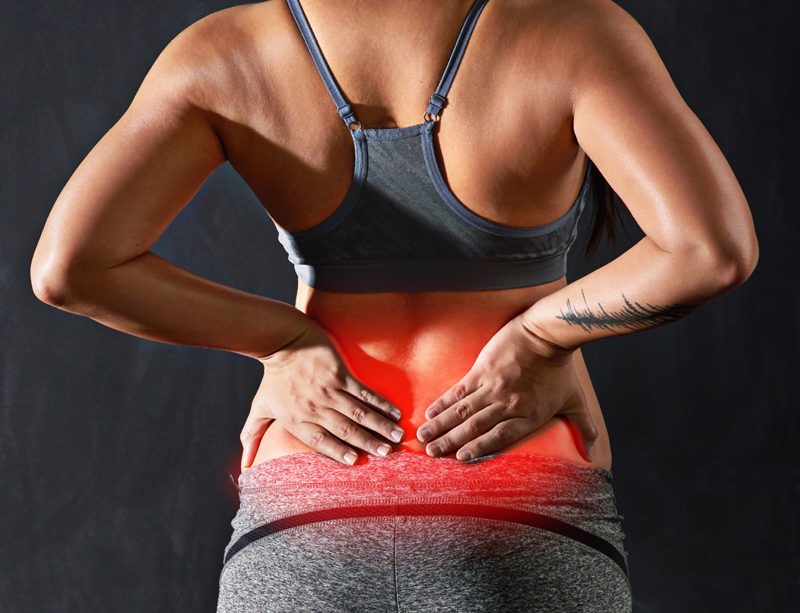
“It‘s normal for menstruation to hurt,” many a young girl hears as she curls up in a ball of pain month after month. So she gets used to it: she doesn’t plan anything challenging for the days in question (or even nothing at all), she throws in a pink pill now and then to be able to function at all…
However, severe menstrual pain is not normal and is certainly not something to be put up with. So what can help?
When is pain “normal”?
A condition in which a woman feels severe pain and cramps during menstruation is professionally called dysmenorrhea. According to various sources, it affects 16-92% of women, which is, frankly, quite a large variance. This is probably due in part to the fact that pain and our ability to tolerate it is an individual thing, and it also depends a lot on how the doctor or researcher asks about it. And partly because pain during menstruation is considered normal, and so many women and girls don’t think to bring it up to their doctor at all – especially if they’ve already had the negative experience of being repeatedly labelled sensitive because of it.
There is also a wide variance in the proportion of women who describe their menstrual pain as serious, or at least distressing, in various surveys: 2-28%.
Why does menstruation hurt?
The bad news is that the tendency to have severe pain during menstruation is largely inherited. There are certain risk alleles (gene variants) in this regard – severe dysmenorrhoea, for example, is associated with polymorphisms in the ESRS1 gene. Many women are a bit of a Black Peter: if there is someone in their family with severe menstrual pain, they are much more likely (3.8 to 20 times more likely, according to studies) to suffer from it too.
At the same time, epigenetic changes, i.e. those affecting the activity of individual genes, were also observed in the affected women (in this case mainly changes in histone modification and microRNA production). And this is good news, because epigenetic changes can be reversed to a large extent, unlike genetic settings.
Dysmenorrhea is also divided into primary and secondary. The former arises “by itself”, i.e. without any disease causes, the latter has a clear cause in the form of a disease – most often endometriosis(we wrote about it here “), less often polycystic ovary syndrome and uterine fibroids.
In the case of primary dysmenorrhoea (i.e. that without a cause in the form of a medical condition), some studies have revealed a slight hormonal imbalance at different stages of the menstrual cycle. For example, affected women had higher levels of oxytocin at menstruation, higher levels of FSH (follicle-stimulating hormone) in the early follicular phase and at menstruation, and higher levels of 17-beta-E2 (a form of estrogen) in the late follicular phase.
Correlation with age and depression
Menstrual pain is more common in young girls and women, and heavy bleeding also increases the risk of menstrual pain. Hormonal contraception has been shown to reduce menstrual pain, but unfortunately it cannot be recommended as a treatment with a clear conscience.
Here too, the general rule applies: where there is inflammation, there is pain. The necrotic (dead) cells that are secreted during menstruation release prostaglandins, which are important mediators of inflammation. Pain perception has also been shown to be affected by the production of a substance known as NGF (nerve growth factor, one of the so-called neutrophins).
Interestingly, women suffering from severe menstrual pain are also much more likely to have certain other health problems – for example, migraines, irritable bowel syndrome (non-specific digestive problems with no apparent cause) or fibromyalgia(see here “).
Some sources even link menstrual problems to the occurrence of depression, which is not surprising from the perspective of epigenetics. In fact, people with any kind of chronic pain often have changes in methylation (one of the basic epigenetic responses) of the glucocorticoid receptor, which is also associated with depression and childhood trauma.
And another important connection. Regular readers of Epivýživy already know the saying “look for the microbiome behind everything”, and it applies in this case as well. Indeed, both primary dysmenorrhea and endometriosis or polycystic ovary syndrome have been linked to microbiome balance. This applies to both the gut and vaginal microbiome.
What will take the pain away?
But now let’s get to the most important thing: what can relieve women with menstrual pain? Let’s leave out the most common methods of conventional medicine, i.e. the use of non-steroidal antirheumatic drugs (ibuprofen and the like) and the prescription of hormonal contraceptives, because both types of drugs have negative side effects. Instead, we will focus on lifestyle changes and natural preparations based on nutrients and herbs.
Nutrition: less fats and sugars
As we have already mentioned, an important factor in the development of pain is inflammation. And it is the level of inflammation in the body that depends greatly on what we eat. In practice, this means, in particular, limiting the amount of high glycaemic index carbohydrates in the diet, i.e. reducing the amount of sweets and white flour products consumed. Excessive amounts of fat in the diet, especially saturated fat, are also harmful. On the other hand, fibre is beneficial, as are foods containing polyphenols – fruit, vegetables, olive oil, etc.
Reducing the amount of fat consumed is also beneficial because it leads to a reduction in estrogen levels during the luteal phase of the menstrual cycle (between ovulation and menstruation). Increased fibre intake is then beneficial in terms of gut microbiome balance.
One study also showed the potential benefits of a low-fat vegan diet. A group of women who consumed it as part of a study reported not only a significant reduction in pain intensity, but also a reduction in water retention and mood swings during menstruation and in the days leading up to it. For the sake of completeness, however, it should be added that the results of the study do not mean that veganism is the only right way to go here. Rather, the reason for the improvement here was that the women studied reduced their intake of fat and refined sugars by switching to a vegan diet, while significantly increasing their fibre intake.
It may not be necessary to completely avoid animal foods, but it is certainly worth cutting down on red meat, which increases the risk of endometriosis. On the other hand, another study has shown that women who eat a lot of fish are less likely to suffer painful periods, so it is advisable to keep at least that in the diet. Insufficient intake of the amino acid tryptophan, which is also relatively abundant in animal foods, also increases the risk of pain.
And one more important nutritional finding: one study found that women with severe menstrual pain were more likely to skip breakfast.
Other lifestyle aspects
Although it is said that movement is important in painful menstruation, this link has not been reliably proven. However, the association with sleep is interesting: when groups of women with severe menstrual pain were compared with those without, there was no difference in total sleep time, but women with pain were more likely to rate their sleep as inadequate or of poor quality.
One such pearl is the finding that among women with little or no pain, more of them were more likely to take a bath in the study. The researchers attribute this to better coping with the cold – it is exposure to cold that leads to uterine engorgement, which can make pain worse.
Risk factors for excessive menstrual pain include smoking, too low or too high BMI and high stress levels.
Mental adjustment
Even the die-hard opponents of anything that even smacks of “alternative” no longer dispute that many psychological factors such as thoughts, emotions and expectations influence the perception of pain. Thus, if a woman expects “it’s going to be horrible again”, she may indeed find menstrual pain more severe, or at least harder to tolerate.
Useful nutrients and herbs
When it comes to the use of herbs and dietary supplements, the amount of those that have been shown to be beneficial is really a lot. In addition to some essential nutrients, it is advisable to focus on herbs and nutrients with anti-inflammatory properties (as we have already said, where there is inflammation, there is pain) and those with the ability to regulate hormonal balance.
Magnesium
This mineral is generally recommended for cramps because of its relaxing effect on muscles, and studies have confirmed its effectiveness for cramps accompanying menstruation. It is often recommended in combination with vitamin B6, but research has not shown this combination to be more effective than magnesium alone.
Vitamin D3
Two studies have shown an association of low levels of this vitamin with the occurrence of menstrual pain. Another six studies have shown that taking it helps reduce the incidence of dysmenorrhea.
Group B vitamins
Taking vitamin B1 may be useful – its ability to relieve menstrual pain has been shown at a dose of 100 mg/day. Another study showed pain relief with vitamin B12 supplementation.
Resveratrol
The polyphenol found in grape wine is one of the very powerful natural anti-inflammatory agents with the ability to relieve pain. Research has also shown that it is capable of suppressing contractions of the smooth muscles of the uterus, thus relieving menstrual cramps. It also reduces the rate of ischemia (lack of oxygenation) of the uterine tissues that occurs as a result of inflammation and is typical of dysmenorrhea. Resveratrol is also effective in endometriosis and polycystic ovary syndrome (PCOS). For better bioavailability, it should be combined with, for example, quercetin or curcumin.
Ginger
Ginger rhizome is known for its anti-inflammatory and pain-relieving effects. A total of 3 studies have confirmed its effectiveness even for menstrual pain. In one of them, there was even a minimal difference in efficacy between ginger (64%) and ibuprofen (66%), and even ginger proved to be more effective than another frequently used analgesic drug, mefemic acid.
Curcumin
One of the most powerful natural anti-inflammatory substances (suppresses the production of prostaglandins and COX-2) reduces both the intensity of menstrual pain, its frequency and overall quality of life. It is also effective for another problem related to the menstrual cycle – premenstrual syndrome (PMS).
Omega-3
Omega-3 unsaturated fatty acids are anti-inflammatory and help reduce the intensity of menstrual pain. They are also useful in combination with anti-inflammatory and analgesic medications to help reduce the dose needed.
Indole-3-carbinol
This substance, formed by conversion from glucobrassicin, abundantly contained especially in broom vegetables, is effective especially in endometriosis due to its anti-estrogenic and anti-inflammatory action. However, it can also help in primary dysmenorrhoea.
Baikal pine cone
The root of this herb is an ideal helper for the vast majority of problems related to the reproductive system and is also useful for menstrual pains. Not only does it have significant anti-inflammatory and analgesic effects, but the wogonin it contains also helps relieve uterine muscle spasms. It also relieves endometriosis and polycystic ovary syndrome.
Boswellie
Frankincense resin is a popular remedy, especially for joint pain, but it can be equally useful for menstrual pain. It has significant anti-inflammatory and analgesic effects, and also relieves excessive menstrual bleeding.
Rosemary officinalis
The traditional Mediterranean herb has very strong anti-inflammatory and analgesic effects and research has also confirmed its ability to reduce excessive menstrual bleeding.
Torture
This herb is most commonly used for anxiety and sleep problems. However, some research has shown that it also has anticonvulsant effects, and this applies to both skeletal muscle cramps and menstrual cramps. Because its components also bind to opioid receptors, it helps reduce pain at the same time.
Chinese angelica
For its beneficial effects in a number of gynaecological problems, it is often referred to as a “female herb”. It has anti-inflammatory and analgesic effects, promotes relaxation of the uterine musculature and thus relieves menstrual cramps.
Fennel
This vegetable is widely used in traditional medicine in the Persian region for its analgesic, anti-inflammatory and spasmolytic effects. Its ability to relieve menstrual pain has been confirmed by scientific studies.
Cinnamon
This traditional spice has significant anti-inflammatory and pain-relieving effects. One reason for this is the suppression of prostaglandin production, which in the case of menstrual pain is the direct cause of the inflammation that causes pain.
Eurasian watermilfoil
This herb is effective in regulating hormonal balance. It acts through the hypothalamus-pituitary axis, reducing FSH secretion and promoting progesterone production. One small study has also confirmed its effectiveness for menstrual pain.
Zatarie (Zataria multiflora)
The plant, found mainly in the region of Iran, Pakistan and Afghanistan, is used in local traditional medicine especially for respiratory diseases. In addition, it has significant anti-inflammatory and anti-spasmodic effects.
Peppermint
This traditional medicinal plant has strong anti-spasmodic effects. In one study, an extract of it proved similarly effective as ibuprofen for menstrual pain.
0:00
/
0:00
Stárnutí je volba
Klíčová slova: Baikal pine cone, bleeding, boswellia, carbohydrates, curcumin, dysmenorrhea, fats, fibre, ginger, indole-3-carbinol, inflammation, Magnesium, menstruation, microbiome, nutrition, omega-3, Pain, resveratrol, rosemary, Torture, tryptophan, vitamin B1, vitamin B12, vitamin D3
Komentáře
Seznam zdrojů
- Amy V. Jones, James R.F. Hockley, Craig Hyde, Donal Gorman, Ana Sredic-Rhodes, James Bilsland, Gordon McMurray, Nicholas A. Furlotte,eYouna Hu, David A. Hinds, Peter J. Cox, and Serena Scollen. Genome-wide association analysis of pain severity in dysmenorrhea identifies association at chromosome 1p13.2, near the nerve growth factor locus. Pain. 2016 Nov; 157(11): 2571–2581.
- Lisa Nirvanie-Persaud and Richard M Millis. Epigenetics and Pain: New Insights to an Old Problem. Cureus. 2022 Sep; 14(9): e29353.
- Li Z, Chen J, Zhao Y, Wang Y, Xu J, Ji J at al. Common variants in ZMIZ1 and near NGF conger risk for primary dysmenorrhoea. Natura Communications. 8(1):14900
- M L Proctor, P A Murphy. Herbal and dietary therapies for primary and secondary dysmenorrhoea. Cochrane Database Syst Rev. 2001:(3):CD002124.
- https://www.prolekarniky.cz/novinky/dysmenorea-pohledem-mediciny-zalozene-na-dukazech-7251
- Parvaneh Mirabi, Seideh Hanieh Alamolhoda, Seddigheh Esmaeilzadeh, and Faraz Mojab. Effect of Medicinal Herbs on Primary Dysmenorrhoea- a Systematic Review. Iran J Pharm Res. 2014 Summer; 13(3): 757–767.
- Ozgoli G, Goli M, Moatar F. Comparison of effects of ginger, mefenamic acid, and ibuprofen on pain in women with primary dysmenorrhea. J. Alter. Compl. Med. 2009;15:129–132. [
- Ragner Liedman, Stefan R Hansson, David Howe, Sarah Igidbashian, Alison McLeod, Rachel J Russell, Mats Akerlund. Reproductive hormones in plasma over the menstrual cycle in primary dysmenorrhea compared with healthy subjects. Gynecol Endocrinol.. 2008 Sep;24(9):508-13.
- Jeannette RudzitisAuth, Madeleine Becker, Claudia Scheuer, Michael D. Menger and Matthias W. Laschke. Indole3Carbinol Inhibits the Growth of Endometriotic Lesions by Suppression of Microvascular Network Formation. Nutrients 2022, 14, 4940.
- Shahhosseini Z, Amin GH, Salehi Sormaghi MH, Danesh M, Abedian K. The effect of vitex drop on dysmenorrhea. J. Mazandaran Uni. Med. Sci. 2006;15:15–21.
- Shih-Min Hsia, Kai-Lee Wang, Paulus S Wang. Effects of resveratrol, a grape polyphenol, on uterine contraction and Ca²+ mobilization in rats in vivo and in vitro. Endocrinology. 2011 May;152(5):2090-9.
- Radmila Novakovic, Jovana Rajkovic, Milos Gostimirovic, Ljiljana Gojkovic-Bukarica, and Nebojsa Radunovic. Resveratrol and Reproductive Health. Life (Basel). 2022 Feb; 12(2): 294.
- Foruzan Sharifipour, Shahla Faal Siahkal, Kowsar Qaderi, Zeynab Mohaghegh, Maryam Zahedian, and Faeze Azizi. Effect of Curcumin on Dysmenorrhea and Symptoms of Premenstrual Syndrome: A Systematic Review and Meta-Analysis. Korean J Fam Med. 2024 Mar; 45(2): 96–104.
- Nahid Rahbar, Neda Asgharzadeh, Raheb Ghorbani. Effect of omega-3 fatty acids on intensity of primary dysmenorrhea. Int J Gynaecol Obstet. 2012 Apr;117(1):45-7.
- Huey-Chuan Shih, Ling-Ling Yang. Relaxant effect induced by wogonin from Scutellaria baicalensis on rat isolated uterine smooth muscle. Pharm Biol. 2012 Jun;50(6):760-5.
- Eshaghian, R.; Mazaheri, M.; Ghanadian, M.; Rouholamin, S.; Feizi, A.; Babaeian, M. The effect of frankincense (Boswellia serrata, oleoresin) and ginger (Zingiber officinale, rhizoma) on heavy menstrual bleeding: A randomized, placebo-controlled, clinical trial. Complement. Ther. Med. 2019, 42, 42–47.
- Abdnezhad, R.; Simbar, M.; Sheikhan, Z.; Mojab, F.; Nasiri, M.; Simbar, M. Salvia Officinalis Reduces the Severity of the Premenstrual Syndrome. Complement. Med. Res. 2019, 26, 39–46.
- Tahreem Riaz, Muhammad Akram, Umme Laila, Muhammad Talha Khalil, Rida Zainab, Momina Iftikhar, Fethi Ahmet Ozdemir, Gaweł Sołowski, Ebrahim Alinia-Ahandani, Marcos Altable, Chukwuebuka Egbuna, Adonis Sfera, Muhammad Adnan, Pragnesh Parmar, Gunvanti Rathod. Medicinal plants for the treatment of dysmenorrhea: A review. IAIM, 2023; 10(11): 21-30
- Yufan Yao, Haoran Hu, Hong Zheng. Association between gut microbiota and menstrual disorders: a two-sample Mendelian randomization study. Front. Microbiol., 07 March 2024.
- Chen X Chen, Janet S Carpenter, Xiang Gao, Evelyn Toh, Qunfeng Dong, David E Nelson, Caroline Mitchell, J Dennis Fortenberry. Associations Between Dysmenorrhea Symptom-Based Phenotypes and Vaginal Microbiome: A Pilot Study. Nurs Res. 2021 Jul-Aug;70(4):248-255.
- https://www.pcrm.org/good-nutrition/nutrition-information/using-foods-against-menstrual-pain
- Yuna Naraoka, Investigation, Momo Hosokawa, Project administration, Satomi Minato-Inokawa, and Yuichi Sato. Severity of Menstrual Pain Is Associated with Nutritional Intake and Lifestyle Habits. Healthcare (Basel). 2023 May; 11(9): 1289.
- https://nutritionguide.pcrm.org/nutritionguide/view/Nutrition_Guide_for_Clinicians/1342077/all/Dysmenorrhea
- Nassiri-Asl, M., Shariati-Rad, S., and Zamansoltani, F. Anticonvulsant effects of aerial parts of Passiflora incarnata extract in mice: involvement of benzodiazepine and opioid receptors. BMC.Complement Altern Med 2007;7:26.