Win the fight against yeast infection 11 natural yeast killers Candida albicans
epivyziva.cz/
Zobrazeno: 3,035
Burning during urination. Persistent itching and vaginal discharge. Coating in the mouth and difficulty swallowing. These can all be signs that a yeast infection is taking place in the body. Unfortunately, its treatment is often a long haul and requires, among other things, a change in diet. So how to manage a Candida albicans infection with natural remedies?
Yeast infections are very often encountered by women, either in the genitals or in the urinary tract. But Candida albicans is actually one of the most common human pathogens. It can be found, for example, in the mouth and gut microbiome of most people, and if we can keep it at bay we don’t feel its presence. But the problem arises when our body’s defence mechanisms fail. Then an infection develops, which attacks not only the external genital organs, the mucous membrane of the urinary tract, or the oral cavity but can also come in a life-threatening whole-body infection.
Yeast infections are very difficult to treat – although there are a number of drugs available, the yeast easily develops resistance to them and the problem recurs.
How does a yeast infection occur?
Overgrowth of Candida albicans can be caused by a weakened immune system – for example, yeast infections in the mouth often occur in children suffering from malnutrition, AIDS patients or people taking immunosuppressants. Diabetes is also a significant risk factor.
The state of the gut microbiome is also very important. The “friendly gut bacteria” are an important factor in preventing yeast overgrowth in the gut. In fact, the risk of yeast infections increases after the use of full-spectrum antibiotics, which fundamentally disrupt the balance of the gut microbiome. On the other hand, however, nothing is black and white – some research shows that the presence of Candida albicans in the gut is a factor that contributes significantly to the recovery of the diversity of the microscopic inhabitants of the gut, even after antibiotic treatment.
The great advantage of yeast is that it can switch very quickly between two states called white and opaque. In the former, they can form what is called a biofilm, which has a high adhesion to tissues. This allows the yeast to adhere better to the mucous membranes of the body and makes it more difficult for immune cells to destroy them, thus increasing the likelihood of their survival. In its opaque state, yeasts then reproduce.
It has been shown that the transition between the two states occurs through so-called epigenetic reactions that affect the activity of important genes in yeast cells – specifically, a reaction called gene methylation. Epigenetic processes then play an important role in the ability of all pathogens to attack cells in the human body – for example, an epigenetic reaction called histone modification. Interestingly, the epigenetic reactions in yeast cells that are found in the gut are also significantly influenced by other bacteria in the gut microbiome.
Diet, diet, diet!
Modifying your diet greatly increases the likelihood of managing a yeast infection, and is often even a necessity. Perhaps the most important step is to drastically reduce the proportion of carbohydrates in the diet, especially simple sugars and carbohydrates with a high glycaemic index. This means eliminating sweets, sugary drinks, white flour pastries, pasta, etc. from the diet. It is also advisable to limit the consumption of fruit, especially those with a higher sugar content. On the other hand, according to a 2018 study, sweetening with xylitol, which has antimicrobial effects, may be beneficial.
Some research suggests that eliminating gluten from the diet may be beneficial, but more research will be needed to confirm this. The benefits of a gluten-free diet for people who are not gluten intolerant are difficult to prove. In fact, when someone chooses to follow a gluten-free diet, they significantly reduce their consumption of white flour baked goods and a higher proportion of whole grains starts to appear in their diet. This then translates into a reduction in the intensity of inflammatory processes in the body, an increase in tissue sensitivity to insulin and an improvement in the gut microbiome. The consequence of this is not only a decline in yeast infection, but also in a number of other problems. It is therefore questionable whether a simple preference for whole grain cereals, regardless of gluten content, would lead to the same result.
The recommendation to cut out dairy products has not been reliably confirmed, but in any case it is worth giving preference to those with low lactose content, i.e. especially cheese, cottage cheese and yoghurt. Lactose is a disaccharide made up of glucose and galactose, and it is the consumption of glucose that should be limited when fighting yeast.
At the same time, it is important to include foods that support the species diversity of the gut microbiome, which are not only probiotics (i.e. directly “friendly bacteria”, for example in the form of fermented dairy products, fermented vegetables or dietary supplements), but especially probiotics, which serve as a substrate for the nutrition of these beneficial microorganisms. This includes, in particular, soluble and insoluble fibres, especially those from vegetables (cruciferous vegetables are particularly effective) and whole grain cereals.
The fats consumed may also play a role. Long-chain fatty acids, such as those found in beef fat or soybean oil, in particular, promote yeast growth. Coconut oil, on the other hand, which contains medium-chain fatty acids, is very beneficial. These are the ones that can directly kill many microbes, including the yeast Candida albicans. Olive oil also promotes the destruction of yeasts, and short-chain fatty acids are also beneficial – a typical example is butyrate, which is not only obtained through food but is also produced by certain bacteria in the gut microbiome.
Dietary principles in a nutshell
The basic dietary principles for yeast infections could therefore be as follows:
- Completely eliminate sweets and sugary drinks from your diet. If you can’t do without the sweet taste, use natural sweeteners such as stevia or xylitol.
- White flour pastries, pasta, etc. are completely inappropriate.
- Prefer whole grains and pseudo grains, both gluten-free and those with lower gluten content than conventional wheat. These can be buckwheat, buckwheat, quinoa, amaranth, oats, spelt, rye…
- Limit fruit significantly and choose lower-sugar varieties, such as berries.
- On the other hand, indulge in as many vegetables as possible, especially the brassicas (kohlrabi, broccoli, cauliflower, kale…). Garlic and onions also have an antifungal effect.
- For dairy products, prefer those with low lactose content, i.e. cheese, yoghurt and kefir.
- Make sure you get enough good quality protein sources.
- High-quality fats should not be missing from your diet. Coconut oil and olive oil in particular have a positive effect, but in addition to these, it is also advisable to include oil, avocado, flaxseed and hemp oil, nuts or high-quality farm butter in the diet. On the other hand, soya oil and beef fat are inappropriate.
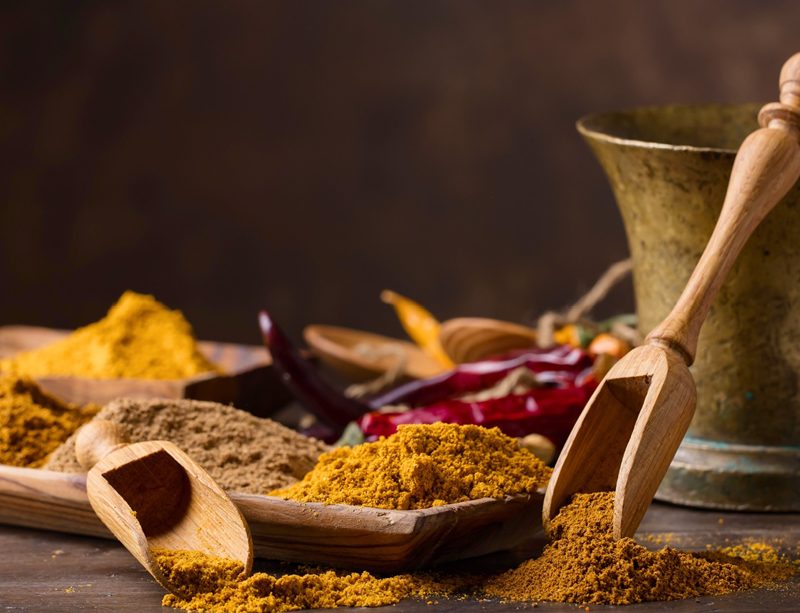
- Use spices with an antifungal effect, such as ginger, rosemary, turmeric, oregano or cinnamon. Many of these can also be taken as dietary supplements.
Useful dietary supplements
There are a number of natural dietary supplements that are successful in fighting yeast. Considering how difficult it is to win this battle, it is advisable to choose substances that work on three fronts:
- They have a direct antifungal effect.
- They support immunity.
- They have epigenetic effects, i.e. they influence the course of reactions in the body that decrease or increase the activity of genes in DNA.
So here is a small overview of natural substances with scientifically confirmed effect against the yeast Candida albicans.
Curcumin
The dye contained in the root of turmeric has a very positive effect on immunity, but it also has a direct effect against the yeast Candida albicans. It reduces their ability to form biofilms and reduces the production of enzymes in their cells that allow them to attack host cells.
Resveratrol
The dye contained mainly in the grape skins also has high antibacterial, antiviral and antifungal effects, and its ability to destroy the yeast Candida albicans has been demonstrated. However, many times higher concentrations of resveratrol than are found in red wine, for example, are required to achieve its effect, so its use as a dietary supplement is necessary.
Baikal pine cone
Baikal coneflower root, an herb used mainly in traditional Chinese medicine, contains the substance baikalein, which inhibits the ability of yeast to form a biofilm. Moreover, it combines well with other natural substances and even enhances the effectiveness of conventional drugs against Candida albicans.
Rosemary
This herb is effective against many types of yeast and fungi, including Candida albicans. Here too, however, the effectiveness depends on the concentration of the active ingredients, so it is advisable to prefer dietary supplements to the usual use as a spice.
Ginger
Ginger root contains the active substances 6-shogaol and 6-gingerol, which inhibit the proliferation of yeasts and their ability to form biofilms.
Butyrate
This short-chain fatty acid is produced by certain types of intestinal bacteria, but it can also be taken as a dietary supplement. It has been shown to inhibit the reproduction of the yeast Candida albicans and also supports the function of immune cells called macrophages, which are able to effectively destroy the yeast.
Propolis
Propolis is a product that bees make from the buds of certain plants. It has antimicrobial effects and works on yeasts. It can be applied externally, for example to rinse the oral cavity affected by a yeast infection, and as a dietary supplement.
Garlic
The popular vegetable is very rich in organic sulphur compounds, which effectively kill a wide range of microbes, including Candida albicans. These substances also inhibit both the multiplication of yeasts and limit their ability to form biofilms. It is effective both as a food ingredient and as a dietary supplement. It can be well combined with other natural substances such as rosemary or oregano.
Oregano
The oil from this Mediterranean herb kills yeast by dehydrating its cells.
Grapefruit seed extract
Grapefruit seeds contain substances that are capable of killing more than 800 species of viruses and bacteria and more than 100 species of yeasts and fungi. They are also effective against Candida albicans.
0:00
/
0:00
Stárnutí je volba
Klíčová slova: Baikal pine cone, Butyrate, Candida, carbohydrates, curcumininflammation, dairy products, garlic, ginger, healthy nutrition, resveratrol, rosemary, yeast
Komentáře
Seznam zdrojů
- Mishra PK, Baum M, Carbon J (2011) DNA methylation regulates phenotype-dependent transcriptional activity in Candida albicans. Proc Natl Acad Sci 108: 11965–11970.
- Elena Gómez-Díaz, Mireia Jordà, Miguel Angel Peinado, Ana Rivero. Epigenetics of Host–Pathogen Interactions: The Road Ahead and the Road Behind. Plos Pathogens. November 29, 2012. https://journals.plos.org/plospathogens/article?id=10.1371/journal.ppat.1003007#ppat.1003007-Mishra1.
- Robert Jordan Price, Esther Weindling, Judith Berman, Alessia Buscaino. Chromatin Profiling of the Repetitive and Nonrepetitive Genomes of the Human Fungal Pathogen Candida albicans. https://mbio.asm.org/content/10/4/e01376-19
- Shankargouda Patil, Roopa S. Rao, Barnali Majumdar, and Sukumaran Anil. Clinical Appearance of Oral Candida Infection and Therapeutic Strategies. Front Microbiol. 2015; 6: 1391.
- Hofling J. F., Anibal P. C., Obando-Pereda G. A., Peixoto I. A., Furletti V. F., Foglio M. A., et al. (2010). Antimicrobial potential of some plant extracts against Candida species. Braz. J. Biol. 70 1065–1068.
- Valera M. C., Maekawa L. E., De Oliveira L. D., Jorge A. O., Shygei E., Carvalho C. A. (2013). In vitro antimicrobial activity of auxiliary chemical substances and natural extracts on Candida albicans and Enterococcus faecalis in root canals. J. Appl. Oral Sci.
- Kamran Rostami, Justine Bold, Alison Parr, and Matt W. Johnson. Gluten-Free Diet Indications, Safety, Quality, Labels, and Challenges. Nutrients. 2017 Aug; 9(8): 846.
- Zahra Talattof 1, Azita Azad 2, Maryam Zahed 3, Nazanin Shahradnia. Antifungal Activity of Xylitol Against Candida Albicans: An in Vitro Study. J Contemp Dent Pract. 2018 Feb 1;19(2):125-129.
- Emily P.Fox, Elise S.Cowley, , Clarissa J.Nobile., NairiHartooni, Dianne K.Newman, Alexander D.Johnson. Anaerobic Bacteria Grow within Candida albicans Biofilms and Induce Biofilm Formation in Suspension Cultures. Current Biology. Volume 24, Issue 20, 20 October 2014, Pages 2411-2416
- Katie L. Mason, John R. Erb Downward, Kelly D. Mason,Nicole R. Falkowski, Kathryn A. Eaton, John Y. Kao, Vincent B. Young, and Gary B. Huffnagle. Candida albicans and Bacterial Microbiota Interactions in the Cecum during Recolonization following Broad-Spectrum Antibiotic Therapy. Infect Immun. 2012 Oct; 80(10): 3371–3380.
- Kearney T. W. Gunsalus, Stephanie N. Tornberg-Belanger, Nirupa R. Matthan, Alice H. Lichtenstein, Carol A. Kumamoto. Manipulation of Host Diet To Reduce Gastrointestinal Colonization by the Opportunistic Pathogen Candida albicans. https://msphere.asm.org/content/1/1/e00020-15
- Hasanain Alalwan, Ranjith Rajendran, David F. Lappin, Emilie Combet, Muhammad Shahzad, Douglas Robertson, Christopher J. Nile, Craig Williams, and Gordon Ramage. The Anti-Adhesive Effect of Curcumin on Candida albicans Biofilms on Denture Materials. Front Microbiol. 2017; 8: 659.
- Emily Chen, Bruna Benso, Dalia Seleem, Luiz Eduardo Nunes Ferreira, Silvana Pasetto, Vanessa Pardi, and Ramiro Mendonça Murata. Fungal-Host Interaction: Curcumin Modulates Proteolytic Enzyme Activity of Candida albicans and Inflammatory Host Response In Vitro. Int J Dent. 2018; 2018: 2393146.
- H.J. Jung, I.A. Hwang, W.S. Sung, H. Kang, B.S. Kang, Y.B. Seu, et al.Fungicidal effect of resveratrol on human infectious fungi. Arch Pharmacol Res, 28 (2005), pp. 557-560
- Mar Collado-González1, José P Guirao-Abad, Ruth Sánchez-Fresneda, Sarai Belchí-Navarro, Juan-Carlos Argüelles. Resveratrol Lacks Antifungal Activity Against Candida Albicans. World J Microbiol Biotechnol. 2012 Jun;28(6):2441-6.
- Rosana Serpa, Emanuele J. G. Franc¸ Luciana Furlaneto-Maia, Ce´lia G. T. J. Andrade, Andre´a Diniz and Ma´rcia C. Furlaneto. In vitro antifungal activity of the flavonoid baicalein against Candida species. Journal of Medical Microbiology (2012), 61, 1704–1708.
- Mohammadi Mojtaba, Hashemi Seyed Jamal, Rezaie Sasan and Bayat Mansour. Antifungal activity of Rosemary Oil extract against Aspergillus flavus, Candida albicans, Epidermophyton floccosum, Trichophyton verrucosum fungi and its effect on the AFL.1 gene expression in the Aspergillus flavus by RT.PCR. Journal of Pure and Applied Microbiology(Vol. 10, Issue 3).
- Jin-Hyung Lee, Yong-Guy Kim, Pilju Choi , Jungyeob Ham, Jae Gyu Park, Jintae Lee . Antibiofilm and Antivirulence Activities of 6-Gingerol and 6-Shogaol Against Candida albicans Due to Hyphal Inhibition. Front Cell Infect Microbiol. 2018 Aug 28;8:299.
- Long Nam Nguyen, Livia Cristina Liporagi Lopes, Radames J B Cordero, Joshua D NosanchukSodium Butyrate Inhibits Pathogenic Yeast Growth and Enhances the Functions of Macrophages. J Antimicrob Chemother. 2011 Nov;66(11):2573-80.
- https://www.thecandidadiet.com/garlic/
- V Manohar , C Ingram, J Gray, N A Talpur, B W Echard, D Bagchi, H G Preuss. Antifungal Activities of Origanum Oil Against Candida Albicans. Mol Cell Biochem. 2001 Dec;228(1-2):111-7.
- John P Heggers , John Cottingham, Jean Gusman, Lee Reagor, Lana McCoy, Edith Carino, Robert Cox, Jian-Gang Zhao. The Effectiveness of Processed Grapefruit-Seed Extract as an Antibacterial Agent: II. Mechanism of Action and in Vitro Toxicity. J Altern Complement Med. 2002 Jun;8(3):333-40.
- Nidhi Goel, Hina Rohilla, Gajender Singh, and Parul Punia. Antifungal Activity of Cinnamon Oil and Olive Oil against Candida Spp. Isolated from Blood Stream Infections. J Clin Diagn Res. 2016 Aug; 10(8): DC09–DC11.