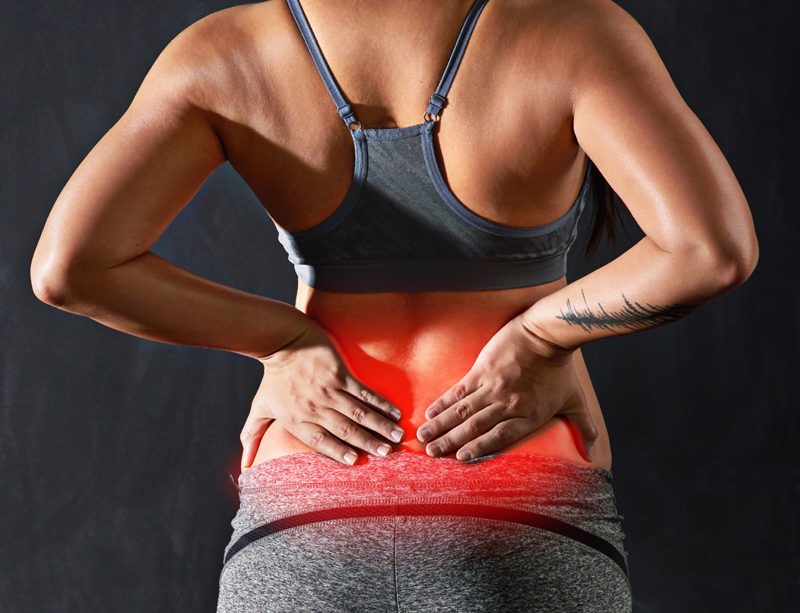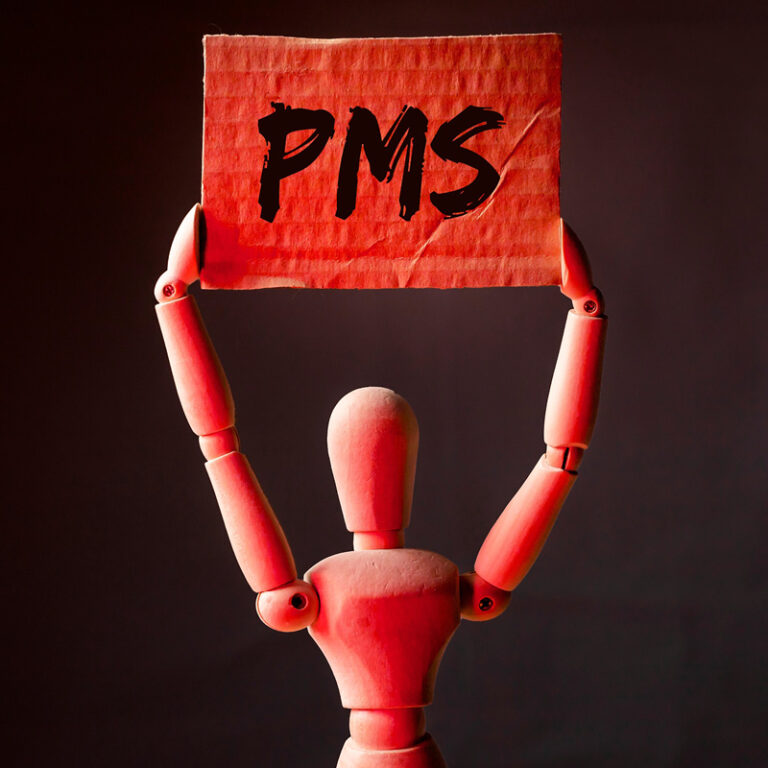
The tension that one has trouble holding on to in one’s own body. The irritability of wanting to explode at the slightest stimulus. Or, conversely, mad tiredness, a bad mood. Plus some of those migraines or stomach and breast pain… No one wants to experience these conditions, but unfortunately for many women, a few days each month are a sad reality called premenstrual syndrome. Why does it arise and how to deal with it using natural remedies?
When a murder conviction gets too low a sentence in court, it always causes an uproar. But what happened in the UK in the early 1980s was beyond anything people had been used to. In fact, in a short space of time, two murderers walked away from court with only suspended sentences. This was a great success for their defence lawyers, who at the trial came up with a previously unheard of mitigating circumstance: their clients were said to have committed the murders as a result of very severe premenstrual syndrome (PMS).
It was a shock to the public, catapulting PMS onto the front pages of leading newspapers for perhaps the first time in history, but it was not too surprising to the experts. After all, in previous decades, a wealth of statistical data had already been published showing that the extremely negative physical and psychological states that some women experience in the days before the onset of menstruation or in the early days of bleeding not infrequently lead to truly unpleasant acts.
For example, a 1971 study conducted in a women’s prison in North Carolina found that 41% of aggressive behavior and 43% of infractions against prison rules were committed by women during the so-called paramenstrual period, i.e., the four days before menstruation or the first three days of menstruation. Other research has shown that women commit more violent crimes during this period (up to 63% of cases according to some studies!), but they also end their lives more often by suicide, drink alcohol excessively and have more serious traffic accidents.
Of course, this is not to condone murder or other violent behaviour. Only a tiny fraction of women who suffer from PMS commit such acts. Nevertheless, the conditions that many women experience during this period should not be underestimated or even ridiculed. PMS affects not only how a woman feels in her body, but also her relationships, work performance and other aspects of her life.
On the contrary, it is necessary to look for solutions to at least alleviate them, ideally in a natural way, which, unlike drugs, does not have negative side effects.
But first, a few words about what PMS actually is and why it occurs.
In addition to the term “premenstrual syndrome”, we may also see the term “premenstrual dysphoric disorder” or PMDD. The manifestations and causes are basically the same, but in the case of PMDD the problems are much more intense – it is an extreme form of PMS, which already seriously complicates a woman’s life. An estimated 3-8% of women suffer from PMDD, and the majority of the female population experiences PMS at least occasionally in some form. For example, a Dutch survey of 40 000 women found that 77% of them experience premenstrual mood changes.
Both PMS and PMDD are associated with the so-called luteal phase of the menstrual cycle, which comes after ovulation and lasts until the onset of menstrual bleeding. They manifest themselves on both a physical and mental level. Physical symptoms include, for example, breast tension and swelling, but also a general feeling of swelling and bloating, which is often justified, as many women experience increased water retention in the days before the onset of menstruation. But there can also be various pains – in the lower abdomen, but also headaches or joint pains. Sometimes even heart palpitations occur.
The psychological symptoms then cover a wide range of possible manifestations: Intense feelings of inner tension to anxiety, irritability and anger are common, but depressive symptoms, apathy, increased fatigue, sleep disturbances (insomnia, but alsoincreased need for sleep), hypersensitivity (e.g. to rejection or criticism) and tearfulness, decreased or increased appetite for sex, increased appetite to binge eating…
The cause of PMS and PMDD has not yet been reliably elucidated. At first glance, it would seem that a hormonal imbalance would be to blame, and in some cases this is indeed the case. For example, higher levels of estrogen may be risky, but also too low levels of progesterone, or rather its metabolite called allopregnanone. This binds to GABA receptors in the brain, increasing their sensitivity to GABA (gamma-aminobutyric acid). GABA is an important regulator of stress and anxiety.
However, this applies only to a part of women; the majority of those who suffer from PMS or PMDD have sex hormone levels that are completely normal. The proverbial dog is thus rather buried here in the fact that the central nervous system of the woman in question reacts hypersensitively to the natural fluctuations in hormone levels.
The neurotransmitter serotonin plays an important role here. If you think of a link to depression in connection with serotonin, it’s no coincidence. It is even true that the administration of SSRI antidepressants, which inhibit the reuptake of serotonin, thereby increasing its levels, very often brings significant relief in PMDD. PMDD is also more common in women suffering from depression.
But it’s not just about serotonin. The opiod system also comes into play – women with PMS also have lower levels of another neurotransmitter, beta-endorphin, in the luteal phase of the menstrual cycle, which, among other things, reduces pain. These women may also have a lower pain threshold during this period.
However, PMS and PMDD are also characterized by a high level of inflammatory processes in the body and a reduced production of BDNF, a kind of “brain growth factor” that significantly promotes the formation and protection of nerve cells(more here “).
Both PMS and PMDD have a genetic background that makes the typical symptoms more common in some families (and in identical twins). However, epigenetic influences also play a role – for example, women with PMDD have abnormally active genes controlling sex hormone sensitivity, while others are abnormally downregulated – this is particularly true of the so-called ESC/E(Z) gene network.
Given the strong epigenetic background of PMS and PMDD, emphasis on healthy lifestyle and stress elimination is very important. Smoking is a significant risk factor for PMS and PMDD, but obesity is also a negative factor – each point on the BMI scale increases the risk of problems by 3%.
Very interesting is the connection of PMS and PMDD with circadian rhythms, i.e. with the internal biological clock. Again, this is no coincidence, because the internal biological clock is very closely related to the hormonal system. PMS and PMDD women typically have lower levels of the “sleep” hormone melatonin, which can lead to sleep disturbances, but the production of a number of sex hormones is also closely related to circadian rhythms. Therefore, it is not surprising that relief of PMS symptoms usually occurs with light therapy. This is usually used for people suffering from Seasonal Affective Disorder (SAD, popularly known as ‘winter depression’) and involves exposure to very bright light in the morning, but another very appropriate area for its use is PMS and PMDD.
The relationship between nutrition and PMS is problematic. Affected women not only often increase their energy intake during the luteal phase of the cycle, but also prefer a diet rich in carbohydrates and fats and poor in protein. But this can ultimately worsen PMS symptoms (although the results of studies on this topic are not entirely conclusive). However, micronutrient deficiencies are also typical.
Overall, the recommendation for PMS is to emphasize a healthy balanced diet, limiting the amount of high glycemic index sugars and fats. It is advisable to ensure adequate intake of fibre, calcium and omega-3s and also limit salt, caffeine and alcohol intake. It is preferable to eat smaller portions more often (up to 6 times a day).
Regular exercise is also essential, especially aerobic exercise – 3 months of regular aerobic exercise has been shown in studies to reduce both PMS symptoms and menstrual pain.
Significant relief from PMS and PMDD can be brought by taking some micronutrients, but also nutrients and herbs with epigenetic action.
Women with PMS usually have lower intake and levels of this mineral. In one study, taking 1200 mg of calcium carbonate daily reduced the intensity of symptoms by an average of 48%.
This mineral plays an important role in the functioning of the nervous system, so sufficient levels are very important.
Increased intake of iron, especially non-heme (i.e. plant-derived) iron, reduces the risk of developing PMS.
One study showed that taking zinc for 24 weeks reduced the severity of PMS symptoms and improved overall quality of life.
Taking vitamin B1 (thiamine) and vitamin B6 (pyridoxine) can help to relieve the symptoms of PMS.
If a woman suffers from a deficiency of this vitamin, it increases the risk of PMS and the intensity of symptoms.
Intake of these unsaturated fatty acids is key to fighting inflammation and can therefore also alleviate some of the symptoms of PMS.
Above all, it is a powerful weapon against anxiety, but it also helps to relieve not only the pain of menstruation, but also the pain and irritation in the days leading up to it.
Crocus mucilage is known for its antidepressant and anti-anxiety effects, but it also helps to relieve unpleasant psychological symptoms in the days before menstruation, similarly as the use of antidepressants with the active ingredient fluoxetine.
This medicinal mushroom is a powerful adaptogen and helps in the days before menstruation to relieve feelings of fatigue, drowsiness, but also nervousness.
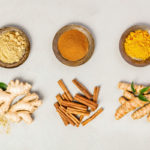
The herb with a positive effect on female hormonal balance effectively relieves the symptoms of PMS.
PŘIHLASTE SE K ODBĚRU NOVINEK A MĚJTE VŽDY ČERSTVÉ INFORMACE
| Cookie | Duration | Description |
|---|---|---|
| cookielawinfo-checkbox-analytics | 11 měsíců | Tento soubor cookie je nastaven pluginem GDPR Cookie Consent. Soubor cookie se používá k uložení souhlasu uživatele s používáním souborů cookie v kategorii „Analytika“. |
| cookielawinfo-checkbox-functional | 11 měsíců | Soubor cookie je nastaven na základě souhlasu s cookie GDPR k zaznamenání souhlasu uživatele pro soubory cookie v kategorii „Funkční“. |
| cookielawinfo-checkbox-necessary | 11 měsíců | Tento soubor cookie je nastaven pluginem GDPR Cookie Consent. Cookies slouží k uložení souhlasu uživatele s cookies v kategorii „Nezbytné“. |
| cookielawinfo-checkbox-others | 11 měsíců | Tento soubor cookie je nastaven pluginem GDPR Cookie Consent. Cookie se používá k uložení souhlasu uživatele s cookies v kategorii „Jiné. |
| cookielawinfo-checkbox-performance | 11 měsíců | Tento soubor cookie je nastaven pluginem GDPR Cookie Consent. Cookie se používá k uložení souhlasu uživatele s cookies v kategorii „Výkon“. |
| elementor | nikdy | Tento soubor cookie používá téma WordPress webu. Umožňuje vlastníkovi webu implementovat nebo měnit obsah webu v reálném čase. |
| viewed_cookie_policy | 11 měsíců | Soubor cookie je nastaven pluginem GDPR Cookie Consent a používá se k uložení, zda uživatel souhlasil nebo nesouhlasil s používáním souborů cookie. Neukládá žádné osobní údaje. |
| Cookie | Duration | Description |
|---|---|---|
| sb | 2 roky | Tento soubor cookie používá Facebook ke kontrole svých funkcí, shromažďování jazykových nastavení a sdílení stránek. |
| Cookie | Duration | Description |
|---|---|---|
| _ga | 2 roky | Soubor _ga cookie, nainstalovaný službou Google Analytics, vypočítává údaje o návštěvnících, relacích a kampaních a také sleduje využití webu pro analytický přehled webu. Soubor cookie ukládá informace anonymně a přiřazuje náhodně vygenerované číslo k rozpoznání unikátních návštěvníků. |
| _gat_gtag_UA_71041054_1 | 1 minuta | Nastaveno Googlem k rozlišení uživatelů. |
| _gid | 1 den | Soubor cookie _gid nainstalovaný službou Google Analytics ukládá informace o tom, jak návštěvníci používají webovou stránku, a zároveň vytváří analytickou zprávu o výkonu webu. Některá data, která jsou shromažďována, zahrnují počet návštěvníků, jejich zdroj a stránky, které anonymně navštěvují. |
| Cookie | Duration | Description |
|---|---|---|
| fr | 3 měsíce | Facebook nastavuje tento soubor cookie tak, aby uživatelům zobrazoval relevantní reklamy sledováním chování uživatelů na webu, na stránkách, které mají Facebook pixel nebo sociální plugin Facebooku. |
| _fbp | 3 měsíce | Tento soubor cookie je nastaven společností Facebook, aby po návštěvě webové stránky zobrazoval reklamy na Facebooku nebo na digitální platformě založené na reklamě na Facebooku. |
| Cookie | Duration | Description |
|---|---|---|
| pvc_visits[0] | 1 minuta | Tento soubor cookie vytváří počítadlo po zhlédnutí. Tento soubor cookie se používá k počítání počtu návštěv příspěvku. Pomáhá také zabránit opakovanému zobrazení příspěvku návštěvníkem. |