Don’t breathe poisons! 8 steps to reduce the impact of air pollutants
epivyziva.cz/
Zobrazeno: 200
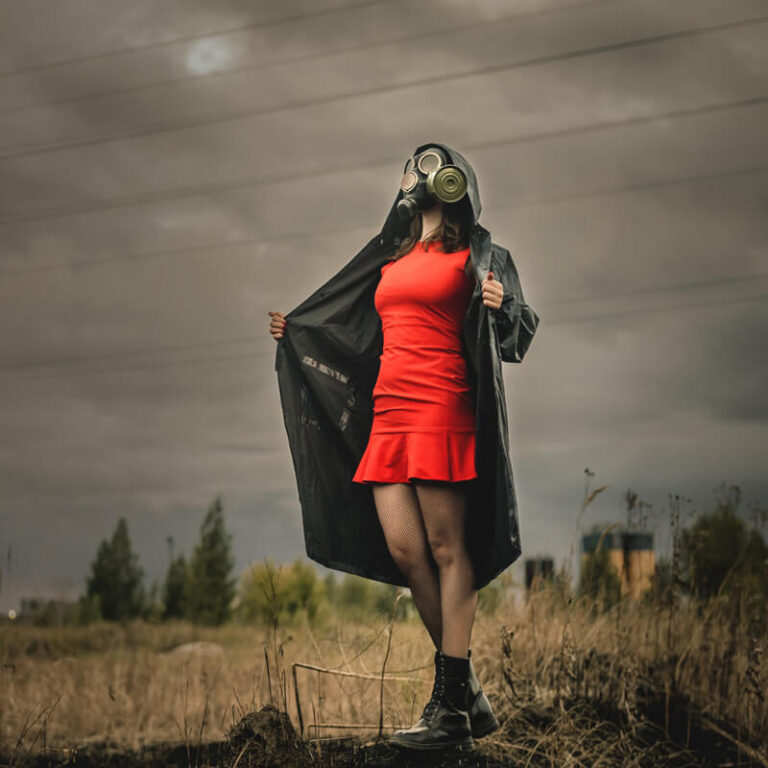
People who are health-conscious usually try to eat better, move more and maybe even avoid stress. But they often forget another important thing that has a major impact on their gene activity and thus their overall health: environmental toxins. Today, we’ll take a closer look at the ones we breathe in.
Seven million premature deaths every year – that’s the estimated impact of air pollution worldwide. And while the Czech Republic is certainly not among the most problematic areas globally, it does not fare badly in Europe, and we should not underestimate the impact of air pollutants here either. According to the WHO, 99% of the world’s population breathes air that exceeds the recommended limits for the concentration of pollutants.
What pollutes the air the most?
Exhalations in the outdoor environment, i.e. from transport or industry, are mainly a mixture of gases (nitrogen and sulphur oxides and ground-level ozone), but very small particulate matter that can penetrate deep into the lungs and from there into the bloodstream also has a serious negative impact – this includes, for example, polyaromatic hydrocarbons, metals or so-called “airborne particles”. These are microparticles made up of a cluster of different forms of pure carbon that are produced by the imperfect combustion of coal and other fossil fuels, but also biomass.
But we cannot rely on clean air indoors either – on the contrary, the concentration of pollutants is often much higher here than outdoors (according to research, indoor air contains up to 3.5 times more pollutants than outdoor air). The most problematic sources are various fireplaces and stoves, which produce dust particles, black carbon or oxides of nitrogen and sulphur. However, volatile organic compounds are also often found indoors, for example from paints, adhesives, cleaning and cosmetic products, scented candles and other decorations, as well as from cooking. Smoking is another very significant source and radioactive radon cannot be ruled out in older buildings. Of organic origin, mould spores are particularly harmful.
In addition, indoor air is often polluted by outdoor exhalations that enter through ventilation and, in poorly sealed buildings, infiltration. These substances can react with each other to form other pollutants.
Weather plays a big role in pollution levels. The effect of temperature inversions, which occur particularly in the colder months of the year, is relatively well known. The term ‘inversion’ means something in reverse. In this case, the warmer air, which is lighter than the colder air, is not near the surface, but rather further away from it. This creates a kind of lid that traps the heavier cold polluted air near the surface and prevents it from being ventilated. However, air temperature and humidity also have an impact on air cleanliness – for example, mould spores are more prevalent indoors in cooler and wetter weather, while outdoor moulds thrive in hot summer.
How air pollutants harm health
For many air pollutants, it is not only their direct toxicity that plays a role, but also their so-called epigenetic effects, i.e. their ability to influence the activity of a number of important genes in our DNA. In particular, changes in a biochemical reaction called gene methylation can shut down important genes completely. In addition, some substances – typically ground-level ozone – act as free radicals, causing oxidative damage to tissues, which then triggers a cascade of inflammatory reactions. According to research, more than four hundred genes can be adversely affected by air pollutants.
Many of these negative processes occur even before birth, i.e. as a result of exposure to pollutants inhaled by the pregnant woman. For example, studies have shown an association of inhaled nitrogen dioxide with the rate of gene methylation in cord blood, and negative methylation changes in these children persisted in later life – for example, changes in gene methylation were observed in children of mothers living in polluted environments during pregnancy, even in the 8th century. At the age of 11, these children were found to have higher systolic blood pressure than their peers.
Other research has linked air pollution to a higher risk of premature birth and lower birth weight, and has shown that babies of mothers from polluted areas are exposed to increased production of the stress hormone cortisol in the womb, which has a negative effect on a number of processes in their bodies. In addition, mothers from polluted areas are more likely to suffer from high blood pressure during pregnancy, which can interfere with fetal nutrition.
Air pollution and disease risk
The respiratory system in particular suffers from prolonged exposure to air pollutants. However, due to the epigenetic effects of these exhalations, the risk of a number of other serious diseases also increases significantly. Here are some of them.
Asthma
Closely related to the increased risk of asthma are epigenetic changes (not only) due to reduced air quality, which often occur during intrauterine development and early childhood. Therefore, asthmatic children have many more negative epigenetic changes in their DNA compared to their peers (in particular, reduced overall gene methylation). Among specific pollutants, ground-level ozone, for example, has a negative effect here, as well as many others.
COPD
For example, nitrogen oxides and fine dust particles can negatively affect the development of chronic obstructive pulmonary disease.
Oncological diseases
Air pollution increases the risk of lung cancer in particular, but to a lesser extent other cancers such as kidney, bowel, bladder and breast cancer – for example, some studies show that women living in polluted areas have up to a 30% higher risk of breast cancer.
Particularly fine dust particles and associated polycyclic aromatic hydrocarbons such as benzo(a)pyrene are at risk.
Diseases of the heart and blood vessels
Epigenetic processes related to air pollutants play a major role in their increased risk – in particular, changes that increase the intensity of inflammatory processes. Research in China, for example, has shown that if the average concentration of fine particulate matter in the air increases by 10 µg/m3, the risk of death from cardiovascular disease increases by 55%, and the increase is even higher for nitrogen oxides!
Hormonal system
Many pollutants in the air act as hormone disruptors – they interfere with hormone production and thus negatively affect a number of processes in the body. These include, in particular, components of plastics (phthalates, bisphenol A), combustion products, flame retardants, parabens and aluminium salts, which are used, for example, in cosmetics, or certain metals (e.g. cadmium from cigarette smoke).
Azheimer’s disease
There has been little research on this topic, but it appears that air pollution may also increase the risk of Alzheimer’s disease and other types of dementia. The addition of fine dust particles to laboratory cultures of nerve cells, for example, leads to a halt in cell division and cell death. A large Canadian study then showed that people living within 50 m of major roads have a 7% higher risk of developing dementia.
8 steps for cleaner air
We already know the risks, so let’s take a look at how we can reduce the amount of pollutants we breathe in and reduce the risk of negative effects.
1. Ventilate
The concentration of dirt in the air is almost always higher indoors than outdoors, so regular thorough ventilation will help a lot. Ventilate at regular intervals, and especially during activities that are sources of pollution – i.e. cooking, using chemicals, etc. Restrict ventilation only when there is high outdoor pollution.
2. Use air purifiers
This simple device can reduce the concentration of pollutants in the indoor air to less than half the original levels. Their use is particularly suitable if you live or work in a polluted area.
3. Avoid main roads
Unless there is a temperature inversion that causes increased concentrations of pollutants over large areas, the incidence of pollutants decreases with distance from the source of the pollution. For example, negative epigenetic changes have been shown in children of mothers living within 150 m of major roads when the effect of pollution on the fetus has been investigated. And if we are at least 300 m away from a busy street, for example, the concentration of fine dust particles drops up to tenfold compared to within 50 m. Think about this when choosing housing, but also outdoor activities such as sports, being in playgrounds, etc.
4. Plant trees
All greenery has a positive effect on air quality, and this is especially true for trees. Not only do they produce oxygen and absorb carbon dioxide, but they also act as filters to remove fine dust particles from the air. They also help to lower air temperatures, thereby reducing, for example, ground-level ozone formation or the concentration of volatile organic compounds, which evaporate less at lower temperatures.
However, there can be big differences between tree species: Trees with large leaves and those with rough or fine-haired leaves are the most effective at removing airborne pollutants in this direction. In studies, birch trees have been shown to be the best performers, reducing the concentration of dust particles in their immediate surroundings by more than 70%! And even such nettles, however, achieved a respectable 32%. But conifers that are green all year round are also important – pine is the most effective. But not every tree is beneficial; some species, for example, produce volatile organic compounds themselves and can therefore worsen air quality – this applies to poplars, for example.
The filtering capacity of a tree also increases significantly with its size – for example, a tree with a trunk diameter of over 75 cm removes up to 70 times more pollutants than the same species with a diameter of 7.5 cm.
However, it also depends on where the greenery is planted – for example, in narrow streets with tall buildings, trees with large crowns could worsen the situation by disrupting air flow and thus the ventilation of pollutants. In such places it is therefore better to choose, for example, lower shrubs, climbing plants for facades, etc. Common ivy, for example, can do a great job.
5. Choose a place for sport
Regular exercise has a positive effect on the epigenetic reactions in our body and can also mitigate some of the negative changes caused by pollutants in the air. On the other hand, we need to choose well where we do our physical activities, because the volume of air we breathe increases significantly during exercise and, due to better blood circulation in the lungs, it is easier to transfer pollutants into the bloodstream. Movement in environments with high levels of pollution may therefore do more harm than good.
Active athletes, for example, often tend not to skip training even on days of temperature inversion, when the concentration of pollutants is extremely high. But going for a run in such conditions, for example, can not only be hazardous to health, but also negatively affect sports performance, both in the moment and in the long term. On such days, it makes sense to either skip training altogether or to move it indoors (ideally to a room with an air purifier). On other days, it is advisable not to exercise near major traffic routes and other sources of pollution.
6. Special plasters
Special plasters that can reduce the concentration of pollutants in the air certainly have a great future. For example, one study showed that on a typical London street, a coating of buildings containing titanium dioxide could reduce the concentration of nitrogen oxides by 15-38%. Here, titanium dioxide acts as a catalyst – in conjunction with light, it speeds up the natural reactions that convert harmful nitrogen oxides into harmless salts. As a result, it is not consumed, so the coating can last for many years. Graphene-infused plasters can achieve even better results.
7. Get involved
Citizen engagement, i.e. pressure from below on local governments to actively improve air quality through their decisions, can also help improve air quality in your neighbourhood. In particular, all traffic calming measures have a major impact. In the UK, for example, the School Streets initiative banned cars from entering streets where schools are located at the start and end of school hours. As a result, indoor pollutant concentrations have been reduced by up to 36%! It also makes sense to encourage the planting of urban greenery (and the protection of existing ones), the use of special coatings, etc.
8. Bet on a better lifestyle
Negative epigenetic changes caused by environmental pollutants are largely reversible. So if we cannot avoid them, we should focus all the more on other factors that influence epigenetic processes in our bodies. This means, in particular, eating healthily, exercising regularly, not smoking, avoiding stress and getting enough sleep. Dietary supplements containing nutrients and herbs with epigenetic effects can also help. Examples of herbs that generally affect epigenetic processes in the body and have a proven positive effect on the respiratory system include resveratrol, ginkgo biloba, boswellia, passionflower or Coleus forskohlii,
0:00
/
0:00
Stárnutí je volba
Klíčová slova: air pollution, Alzheimer's disease, asthma, boswellia, cancer, Coleus forskohlii, COPD, Ginkgo biloba, heart and blood vessels, Hormones, resveratrol, Torture
Komentáře
Seznam zdrojů
- Christopher F. Rider & Chris Carlsten. Air pollution and DNA methylation: effects of exposure in humans. Clinical Epigenetics volume 11, Article number: 131 (2019)
- ANENBERG, SC,, Schwartz J, Shindell D, Amann M, Faluvegi G, Klimont Z, Janssens-Maenhout G, Pozzoli L, Van Dingenen R, Vignati E, Emberson L, Muller NZ, West JJ, Williams M, Demkine V, Hicks WK, Kuylenstierna J, Raes F, Ramanathan V. Global air quality and health co-benefits of mitigating near-term climate change through methane and black carbon emission controls.. Environ Health Perspect.. 2012 Jun, Epub 2012 Mar 14., s. 831-839.
- https://www.who.int/health-topics/air-pollution#tab=tab_1
- Mehdi Kargarfard, PhD, Parinaz Poursafa, MSc,Saber Rezanejad, MSc, and Firouzeh Mousavinasab, MD, PhD. Effects of Exercise in Polluted Air on the Aerobic Power, Serum Lactate Level and Cell Blood Count of Active Individuals. Int J Prev Med. 2011 Jul-Sep; 2(3): 145–150.
- https://www.who.int/teams/environment-climate-change-and-health/air-quality-and-health/health-impacts
- Andrea Dalecká, Barabara Hermanová, Tomáš Janoš, Petra Riedlová. Epidemiological evidence of ambient air pollution health effects. https://www.researchgate.net/publication/343812026_Epidemiological_evidence_of_ambient_air_pollution_health_effects
- https://www.alzheimers.org.uk/about-dementia/risk-factors-and-prevention/air-pollution-and-dementia
- Dennis Y.C. Leung. Outdoor-indoor air pollution in urban envirometn: challenges and opportunity. Front. Environ. Sci., 15 January 2015. https://www.frontiersin.org/articles/10.3389/fenvs.2014.00069/full
- https://www.cleanairday.org.uk/files/press_release_indoor_v_outdoor_air_pollution_final_13_may.pdf
- https://www.globalactionplan.org.uk/news/simple-actions-can-cut-air-pollution-in-schools-by-over-half-say-experts
- https://www.bbc.com/future/article/20200504-which-trees-reduce-air-pollution-best
- David j. Nowak, Gordon M. Heisler. Air Quality Effects of Urban Trees and Parks. National Recreation and Park Assotiation, Reserche series, 2010. https://www.nrpa.org/globalassets/research/nowak-heisler-research-paper.pdf
- https://tdma.info/the-buildings-that-clean-our-air/
- Xiao Chu, Xinxin Ci, Jiakang He, Miaomiao Wei, Xiaofeng Yang, Qingjun Cao, Hongyu Li, Shuang Guan, Yanhong Deng, Daxin Pang, Xuming Deng. A novel anti-inflammatory role for ginkgolide B in asthma via inhibition of the ERK/MAPK signaling pathway. Molecules. 2011 Sep 6;16(9):7634-48.
- Yong Cai, Rong Shi,Huijiang Song, Meili Shang, Tian Shen, Mina Shariff, Kenneth Kami, Pingping Gu, Tuong Nguyen, and Jianyu Rao. Effects of Lung Support Formula on respiratory symptoms among older adults: results of a three-month follow-up study in Shanghai, China. Nutr J. 2013; 12: 57.
- Dhawan K, Kumar S, Sharma A. Antitussive activity of the methanol extract of Passiflora incarnata leaves. Fitoterapia. 2002;73:397-9.
- Dhawan K, Kumar S, Sharma A. Antiasthmatic activity of the methanol extract of leaves of Passiflora incarnata. Phytother Res 2003;17:821-2.
- González-Sánchez R, Trujillo X, Trujillo-Hernández B, Vásquez C, Huerta M, Elizalde A. Forskolin versus sodium cromoglycate for prevention of asthma attacks: a single-blinded clinical trial. J Int Med Res. 2006 Mar-Apr;34(2):200-7.
- Gupta I., Gupta V, Parihar A, Gupta S, Lüdtke R, Safayhi H, Ammon HP. Effects of Boswellia serrata gum resin in patients with bronchial asthma: results of a double-blind, placebo-controlled, 6-week clinical study. Eur J Med Res. 1998 Nov 17;3(11):511-4.
- Wong BR, Grossbard EB, Payan DG, Masuda ES. Targeting Syk as a treatment for allergic and autoimmune disorders. Expert Opin Investig Drugs. 2004 Jul;13(7):743-62.
- Louise E. Donnelly , Robert Newton , Gina E. Kennedy , Peter S. Fenwick , Rachel H. F. Leung , Kazuhiro Ito , Richard E. K. Russell , Peter J. Barnes. Anti-inflammatory effects of resveratrol in lung epithelial cells: molecular mechanisms. American Journal of Physiology – Lung Cellular and Molecular Physiology Published 1 October 2004 Vol. 287 no. 4, L774-L783