Mysteries of the gut microbiome 5: Joints without pain
epivyziva.cz/
Zobrazeno: 645

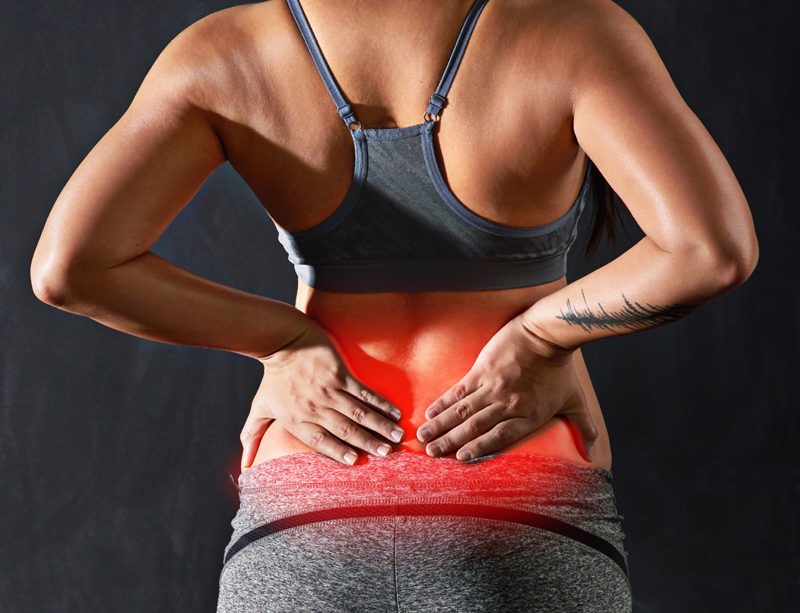
Do your joints hurt and nothing helps? Maybe it’s because you’re overlooking an important connection between the state of your joints and the state of our gut microbiome. The microorganisms inside our gut not only affect digestion or immunity, but also the health of our musculoskeletal system. So what can really help us?
Man is not a machine – fortunately. After all, the use of a machine inevitably leads to the wear and tear of components that need to be replaced. The human body, on the other hand, has plenty of repair mechanisms and can respond to stress by reinforcing frequently used structures to increase their durability. And this also applies to our joints, which are not harmed but rather benefited by the right amount of load. However, in order for the joints to function as they should and to avoid wearing out the cartilage, several conditions need to be met.
The first is the attempt to regulate epigenetic reactions inside our cells. These are reactions that regulate the activity of individual genes in our DNA. Their course is fundamentally disturbed both in arthrosis (degenerative disease of articular cartilage) and in rheumatoid arthritis, which belongs to autoimmune diseases. Read more “ The second condition is the care of the gut microbiome.
There are trillions of microorganisms living in our gut – the most studied of them are bacteria, but there are also viruses, yeasts, protozoa and archaea. And all of them have a major impact on the “ecosystem” of our entire body. They produce substances with epigenetic and anti-inflammatory effects (such as butyrate), shape the immune system, influence hormonal balance and are involved in the functioning of most organs and tissues in our body – including joints.
The state of the gut microbiome is crucial in the development of joint diseases. Today we will focus on the most common one – arthrosis.
The gut microbiome and arthrosis
Osteoarthritis is a degenerative disease that primarily damages the articular cartilage in the first stage, but subsequent inflammation leads to degeneration of other joint structures. All this is accompanied by pain, stiffness, swelling and limitation of mobility. It is one of the most prevalent diseases ever, and its prevalence is also shifting to younger and younger ages – since 1990, the average life expectancy for arthritis has increased by 8-10 years.
There are a number of factors that influence the development of arthrosis: faulty epigenetic reactions, ageing-related processes, obesity, musculoskeletal imbalances that lead, for example, to overloading of one of the limbs or joint injuries. However, the research that links the development of this disease to immunity is also very interesting – for example, scientists have found bacterial DNA residues inside the joints of most people with arthritis.
But how could the bacteria get into the joints? One possibility is their penetration through a compromised intestinal barrier. It is the intestinal barrier that normally prevents the passage of microorganisms from the intestines into the bloodstream, but unfortunately, a disturbed balance of the intestinal microbiome leads to an increase in its permeability, and at the same time increases the intensity of inflammatory processes throughout the body – including the joints. Moreover, an overly permeable gut leads to a negative impact on the epigenetic processes that are associated with the development of arthritis. Therefore, if we focus on restoring balance within our gut, the gut barrier is restored, which in turn has been shown to slow the development of arthritis.
The role of the immune system
However, negative changes in the gut microbiome also affect joint health in other ways: for example, they lead to activation of the innate immune system, especially macrophages, resulting in increased production of pro-inflammatory cytokines. The resulting inflammation not only causes pain, but also accelerates the degeneration of articular cartilage, as the pro-inflammatory cytokines also suppress the production of collagen and other cartilage components. In addition, macrophage activation can be promoted by any joint injury (every injury causes inflammation), but also by obesity – substances produced by adipose tissue, especially cytokines and adipokines (including the hormone leptin), have been shown to promote the development of arthrosis.
However, the so-called acquired component of the immune system, especially T-cells, may also contribute to the development of arthrosis.
Relationship with metabolism
It also appears that the development of arthrosis is closely related to the so-called metabolic syndrome, a set of metabolic changes that influence the development of certain diseases of civilization, especially diabetes and cardiovascular problems. For example, insulin resistance, or a reduction in tissue sensitivity to insulin, can cause not only diabetes but also impaired formation and protection of articular cartilage.
It is the imbalance of the gut microbiome that contributes to insulin resistance and other metabolic disorders, as well as obesity. And the excessive accumulation of adipose tissue subsequently contributes to the development of arthritis not only through increased stress on the joints, but also through the production of inflammatory cytokines and adipokines.
Nutrition against arthritis
As with other problems related to disruption of the gut microbiome, nutrition plays an important role in arthritis.
Consumption of probiotics is beneficial here. For example, the commonly used probiotic Lactobacillus rhamnosus leads to an improvement in the function of the intestinal barrier as well as a reduction in the symptoms of arthrosis. And it can even prevent bone loss in osteoporosis due to menopause. The use of bifidobacteria has also been shown in research to reduce the symptoms of arthritis. In addition, lactobacilli and bifidobacteria are responsible for the production of vitamins K and B vitamins in the intestines – in particular, vitamin B9 influences the activation of immune cells, which is related not only to the overall immunity but also to the development of arthritis.
On the contrary, excessive consumption of fats has a negative effect. Not only saturated fatty acids, but also high intakes of certain unsaturated fatty acids – for example, high concentrations of oleic acid have been shown to worsen the course of arthritis. At the same time, however, it should be said that the cause here may not only be high consumption of this acid, but also a disturbance in the metabolism of fatty acids in the liver – which, incidentally, is another problem to which an imbalance of the gut microbiome contributes.
Sufficient consumption of probiotics, i.e. fibre, is also essential. This serves as food for gut bacteria and its intake can mitigate the negative impact of excessive fat consumption and obesity on the development of arthritis. Some amino acids, especially arginine and glutamine, also have a positive effect.
Useful dietary supplements
Here are some tips on nutrients and herbs that positively affect both joint health and the balance of the gut microbiome.
Vitamin D3
This vitamin has significant epigenetic effects and its deficiency leads to an increase in the intensity of inflammatory processes throughout the body as well as an increase in harmful bacteria in the gut microbiome. Taking vitamin D3, on the other hand, significantly supports the balance of the gut microbiome.
Boswellie
The resin from the saw palmetto tree (Boswellia serrata) is very effective in relieving inflammation and joint pain, which is true for both arthritis and arthritis. It also effectively influences epigenetic reactions in the body and regulates the balance in the gut microbiome. It also significantly strengthens the barrier function of the intestine and reduces the penetration of pathogens through the intestinal barrier. In one study, symptoms of arthritis subsided after just seven days of boswellia use, and at least 8 weeks of use is recommended for more lasting effects.
Boswellia works very effectively in combination with curcumin – which also has a significant positive effect on the gut microbiome and epigenetic processes affecting the development of arthritis, and also improves the absorption of boswellia.
The combination of boswellia with collagen or another common component of joint preparations – chondroitin sulphate – is also very suitable. The latter also supports the balance of the gut microbiome.
Check
Chicory root is another very effective way to support the balance of the gut microbiome. It contains inulin and fructooligosaccharides, which are soluble fibre substances. They have strong probiotic effects, i.e. they serve as food for beneficial gut bacteria. Chicory also has significant anti-inflammatory and anti-pain effects, helps to relieve pain and stiffness in joints, has a positive effect on immune function and is also suitable for weight loss treatments.
A useful combination is chicory with ginger, which also excels in its anti-inflammatory and pain-relieving effects, or with curcumin.
Torture
This herb is especially known for its positive effects on anxiety, depression and insomnia, but it can also be useful in the case of arthritis – research has reported a significant reduction in all symptoms of this disease after 30 days of use. Some of the polyphenols in passion fruit – such as vitexin or apigenin – also support the balance of the gut microbiome.
Passionflower can be combined, for example, with Baikal coneflower.
Baikal pine cone
The herb, widely used in traditional Chinese medicine and Western phytotherapy, also has a beneficial effect on the intestinal microbiome and the barrier function of the intestine. In addition, it has strong anti-inflammatory effects, where it mainly suppresses the production of inflammatory cytokines, and also has epigenetic effects. In arthritis, it not only helps to reduce swelling and pain and increase joint mobility and overall comfort, but also has a protective effect on cartilage cells.
Astaxanthin
A dye from the carotenoid family found in salmon and shrimp meat, for example, is known for its powerful antioxidant and immunomodulatory effects. However, it is also strongly anti-inflammatory, supports the balance of the gut microbiome, reduces apoptosis (cell death) of cartilage cells and generally helps protect cartilage from degenerative processes.
Butyrate
It is a short-chain fatty acid that is produced by certain gut bacteria. If the balance of the gut microbiome is disturbed, butyrate production decreases, leading to a disruption of the gut barrier and a negative impact on the immune system. In this case, taking butyrate in the form of dietary supplements can help.
Resveratrol
The polyphenol found mainly in red wine skins not only has a positive effect on the gut microbiome, but also promotes the production of collagen II in the joints and reduces the apoptosis of cartilage cells.
0:00
/
0:00
Stárnutí je volba
Klíčová slova: arthritis, astaxanthin, Baikal pine cone, boswellia, Butyrate, Chicory, gut microbiome, immunity, joint pain, probiotics, resveratrol, Torture
Komentáře
Seznam zdrojů
- Zhentian Wei, Feng Li and Guofu Pi. Association Between Gut Microbiota and Osteoarthritis: A Review of Evidence for Potential Mechanisms and Therapeutics. Front. Cell. Infect. Microbiol., 16 March 2022. Sec. Microbiome in Health and Disease, Volume 12 – 2022.
- Reza Farid, Zahra Rezaieyazdi, Zahra Mirfeizi, Mohamad Reza Hatef, Mahyar Mirheidari, Hassan Mansouri, Habib Esmaelli, Gayle Bentley, Yinrong Lu, Yeap Foo, Ronald Ross Watson. Oral intake of purple passion fruit peel extract reduces pain and stiffness and improves physical function in adult patients with knee osteoarthritis. Nutr Res. 2010 Sep;30(9):601-6.
- Minqian Wang, Jenni Firrman, Liqing Zhang, Gustavo Arango-Argoty, Peggy Tomasula, LinShu Liu, Weidong Xiao, and Kit Yam. Apigenin Impacts the Growth of the Gut Microbiota and Alters the Gene Expression of Enterococcus. Molecules. 2017 Aug; 22(8): 1292.
- Sen Li, Ting Liang Yu Zhang, Kai Huang Shuya Yang, Hongyan Lv, Yu Chen, Chunhong Zhang Xiao Guan. Vitexin alleviates high-fat diet induced brain oxidative stress and inflammation via anti-oxidant, anti-inflammatory and gut microbiota modulating properties. Free Radic Biol Med. 2021 Aug 1;171:332-344.
- Kimmatkar N, Thawani V, Hingorani L, Khiyani R. Efficacy and tolerability of Boswellia serrata extract in treatment of osteoarthritis of knee–a randomized double blind placebo controlled trial. Phytomedicine. 2003 Jan;10(1):3-7.
- Chevrier MR, Ryan AE, Lee DY, Zhongze M, Wu-Yan Z, Via CS. Boswellia carterii extract inhibits TH1 cytokines and promotes TH2 cytokines in vitro. Clin Diagn Lab Immunol. 2005 May;12(5):575-80.
- Sengupta K, Alluri KV, Satish AR, et al. A double blind, randomized, placebo controlled study of the efficacy and safety of 5-Loxin for treatment of osteoarthritis of the knee. Arthritis Res Ther. 2008;10(4):R85.
- Daniela Catanzaro, Serena Rancan, Genny Orso, Stefano Dall’Acqua, Paola Brun, Maria Cecilia Giron, Maria Carrara, Ignazio Castagliuolo, Eugenio Ragazzi, Laura Caparrotta, and Monica Montopoli. Boswellia serrata Preserves Intestinal Epithelial Barrier from Oxidative and Inflammatory Damage. PLoS One. 2015; 10(5): e0125375.
- https://www.intechopen.com/online-first/natural-compounds-in-the-modulation-of-the-intestinal-microbiota-implications-in-human-physiology-an
- Grieshop, C. M., Flickinger, E. A., Bruce, K. J., Patil, A. R., Czarnecki-Maulden, G. L., and Fahey, G. C., Jr. Gastrointestinal and immunological responses of senior dogs to chicory and mannan-oligosaccharides. Arch Anim Nutr 2004;58(6):483-493
- Nancy J Olsen, Valerie K Branch, Geetha Jonnala, Mira Seskar and Melisa Cooper. Phase 1, placebo-controlled, dose escalation trial of chicory root extract in patients with osteoarthritis of the hip or knee. BMC Musculosceletal Disorders. 16 November 2009. http://www.biomedcentral.com/1471-2474/11/156
- Enzro Spisni, Silvia Turroni, Sheri Shahaj, Renato Spigarelli, Dario Ayala, Maria Chiara Valerii. Natural Compounds in the Modulation of teh Intestinal Microbiota: Implications in Human Physiology and Pathology. June 30th 2020. https://www.intechopen.com/online-first/natural-compounds-in-the-modulation-of-the-intestinal-microbiota-implications-in-human-physiology-an
- Li Cui, Xueneng Guan, Wenbo Ding Yi Luo Wei Wang, Weiquan Bu, Jie Song, Xiaobin Tan E Sun, Qing Ning, Guoguang Liu Xiaobin Jia Liang Feng. Scutellaria baicalensis Georgi polysaccharide ameliorates DSS-induced ulcerative colitis by improving intestinal barrier function and modulating gut microbiota. Int J Biol Macromol. 2021 Jan 1;166:1035-1045.
- Mesfin Yimam,Teresa Horm Laura Wright, Ping Jiao,Mei Hong,Lidia Brownell,and Qi Jia. Cartilage Protection and Analgesic Activity of a Botanical Composition Comprised of Morus alba, Scutellaria baicalensis, and Acacia catechu. https://www.hindawi.com/journals/ecam/2017/7059068/
- Nazir M. Khan, Abdul Haseeb, Mohammad Y. Ansari & Tariq M. Haqqi. A wogonin-rich-fraction of Scutellaria baicalensis root extract exerts chondroprotective effects by suppressing IL-1β-induced activation of AP-1 in human OA chondrocytes. Scientific Reports volume 7, Article number: 43789 (2017)
- Ritsu Yasuda, Kazuhiro Kamada, Takaaki Murakami, Ryo Inoue, Katsura Mizushima, Ryohei Hirose, Ken Inoue, Osamu Dohi, Naohisa Yoshida, Kazuhiro Katada, Kazuhiko Uchiyama, Osamu Handa, Takeshi Ishikawa, Tomohisa Takagi, Hideyuki Konishi, Yuji Naito, and Yoshito Itoh. Astaxanthin attenuated the stress-induced intestinal motility disorder via altering the gut microbiota. International Journal for Vitamin and Nutrition Research (2022), 0.
- Kai Sun, Jiahui Luo, Xingzhi Jing,Jiachao Guo,Xudong Yao,Xiaoxia Hao,Yaping Ye, Shuang Liang, Jiamin Lin, Genchun Wang, and Fengjing Guo. Astaxanthin protects against osteoarthritis via Nrf2: a guardian of cartilage homeostasis. Aging (Albany NY). 2019 Nov 30; 11(22): 10513–10531.