Magnesium
epivyziva.cz/
Zobrazeno: 897

(magnesium)
Magnesium, like many other metals, is an essential component of enzymes – it functions as a cofactor, i.e. a non-protein part of the enzyme. It is a component of more than three hundred enzymes that are necessary for the course of more than five hundred biochemical reactions in the body – for example, it is involved in the reactions involved in the metabolism of all three basic macronutrients: carbohydrates, proteins and fats, i.e. in all processes that produce energy in the body. It is essential for the function of the muscles, the nervous system and the regulation of glucose and blood pressure. Its deficiency can have a number of serious consequences (1, 2).
History
The first magnesium compound ever subjected to scientific scrutiny was Epsom salt (magnesium sulphate) – an analysis of this substance, which had been used in medicine since the 16th century, was carried out by the English physician and botanist Nehemiah Grew (1641-1712). (3) Joseph Black is considered the first person to recognize magnesium as an element – in 1755 he distinguished that magnesium oxide and calcium oxide (lime) are not one and the same compound. Pure magnesium as a metal was first isolated in 1808 by Humphry Davy.
The necessity of magnesium intake for the proper functioning of the human organism was first described by Arthur D. Hirschfelder in 1933.
Description
Pure magnesium is a silvery soft metal, but it does not occur in this form in nature. It is found abundantly in inorganic compounds and is also an integral part of living organisms. In plants it is found as part of the green pigment chlorophyll, in animal tissues it is found in bones (which are an important reservoir of it), soft tissues and blood.
The body of an adult contains about 25 g of magnesium. Most of it (50-60%) is stored in the bones, with most of the rest in the soft tissues. Only about 1% is found in the blood serum. We lose about 120 mg per day in the urine. (2)
Sources of magnesium
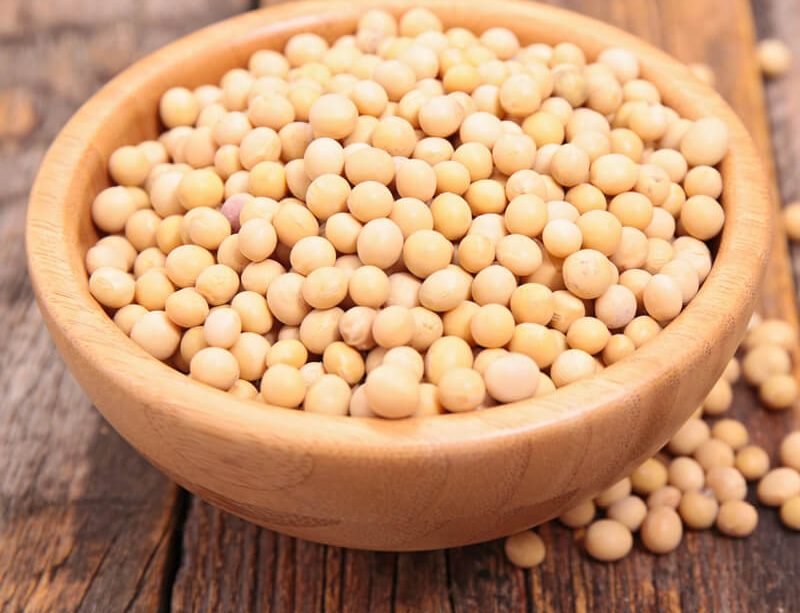
Magnesium is relatively abundant in leafy and brassica vegetables, whole grains, legumes and nuts, for example. Fish, especially salmon, mackerel and halibut, and dairy products are also rich sources. (7) It is also found in mineral waters.
Although the body prevents a significant drop in magnesium levels by limiting its excretion, magnesium deficiency is relatively common. In addition, some groups of people are at a high risk of deficiency, such as the following people: (2,6)
- Type 2 diabetics who lose large amounts of magnesium through urine,
- people suffering from digestive problems (chronic diarrhoea, autoimmune bowel disease) or certain diseases of the pancreas and liver,
- those who have had part of their small intestine removed,
- people addicted to alcohol,
- Athletes,
- menopausal women (magnesium deficiency may be related to estrogen deficiency),
- older people (the risk of deficiency increases with age,
- anyone who consumes less than the recommended daily allowance of magnesium over a long period of time.
The recommended daily dose is 320 mg for adult women (the need for this mineral increases during pregnancy and lactation) and 420 mg for men. (2, 6)
However, magnesium deficiency is relatively difficult to diagnose – conventional methods test serum magnesium levels (i.e. its content in the blood), but do not tell us anything about its content in bones and other tissues. However, the body usually keeps magnesium levels stable even when magnesium intake is insufficient, either by limiting excretion or by replenishing magnesium from bone stores. Therefore, a deficiency of this element often goes undetected. (8)
Another problem with magnesium supplementation is that this mineral is absorbed from the digestive tract rather reluctantly – only about 30-50%. Especially when taking magnesium in the form of dietary supplements, it is therefore advisable to choose those with better absorption. Oxalic acid, which is found, for example, in spinach and cruciferous vegetables, and possibly potato starch, can also interfere with absorption. There has been much speculation that fibre may have the same effect, but this has not been sufficiently confirmed – at least in healthy people, fibre does not interfere with magnesium absorption (38, 39).
Effects and risks of deficiency
As we have already mentioned, magnesium is part of a number of enzymes involved in key biochemical processes. In addition, it has epigenetic effects, i.e. it can influence the activity of a number of genes in our DNA (in particular, it affects gene methylation). Thus, if we suffer from a deficiency, this increases, for example, the intensity of inflammatory processes in the body and the risk of developing a number of serious diseases. Magnesium also influences cell signalling, i.e. the processes by which cell behaviour is regulated in the body (9, 10, 38).
So let’s take a closer look at which health issues can help with magnesium deficiency and what the benefits of consistent supplementation are.
Heart and blood vessels
Several studies have shown that magnesium deficiency significantly increases the risk of cardiovascular disease and even the risk of sudden death from these causes. For example, a long-term, 26-year study following nearly 90,000 women in the U.S. showed that while those with high magnesium levels had a 34% risk of sudden death from cardiovascular disease, those with a deficiency of the element had a 77% risk. In the Dutch study, the authors showed that adequate dietary magnesium intake improves blood flow to the heart muscle, reducing the risk of coronary heart disease. Taking 100 mg of magnesium a day was also shown to reduce the risk of stroke by 8% in another study. In contrast, a positive effect of magnesium use on blood pressure has not been demonstrated. Magnesium deficiency may also increase the risk of cardiac arrhythmias (11-15).
Type 2 diabetes
Magnesium plays a key role in glucose metabolism, so a diet high in this element has been shown to reduce the risk of developing type 2 diabetes. Conversely, magnesium deficiency increases insulin resistance, which is a precursor to diabetes. A meta-analysis of seven studies, which together followed more than 200 000 people, showed that increasing total magnesium intake by 100 mg per day reduced the risk of diabetes by 15%. Magnesium use by people with pre-diabetes led to a decrease in both glucose and glycated haemoglobin levels in two studies. (16-22)
Osteoporosis
Bone thinning is another problem that has been shown to be related to magnesium levels in the body. Magnesium is involved in several processes related to bone formation: it influences the activity of osteoclasts and osteoblasts, regulates vitamin D levels, and also influences the concentration of parathyroid hormone, which in turn controls calcium levels in the body. Thus, magnesium is particularly beneficial for women during and after menopause, when it can reduce bone loss. (23-26)
Migraine
Magnesium deficiency is also related to the production of neurotransmitters (substances that ensure the transmission of nerve impulses) and vasoconstriction, which are processes that play an important role in the development of headaches. People who suffer from headaches also tend to have reduced levels of magnesium in the body. The few small studies that have been done so far suggest that migraines could be prevented by taking 300 mg of magnesium twice a day. However, this greatly exceeds the recommended daily dosage, and it is therefore advisable that use is supervised by a doctor. (27-29)
Muscle function
Magnesium is involved in the functioning of muscles in a very fundamental way. It acts as a calcium antagonist, thus counteracting uncontrollable muscle contraction. This is why cramps are typical in its deficiency. In addition, it is involved in other processes that affect muscle function, such as oxygen utilization, energy production and electrolyte balance. In addition, during intense training, magnesium is redistributed to meet all metabolic needs. Therefore, athletes in particular suffer from a deficiency of this element very often, which in turn leads to a deterioration in performance. Thus, magnesium supplementation in athletes often has the effect of increasing performance in both endurance and speed-strength sports (30).
Brain and nervous system
Magnesium deficiency causes a major problem in the functioning of the brain and nervous system because it interferes with the transmission of nerve impulses. In addition, its deficiency leads to an excess of calcium in the intercellular space, which leads to an increase in oxidative stress. This can result in neuronal damage or even death (30).
As a result, there is a fairly close link between magnesium levels in the body and cognitive abilities, including concentration and memory. One recent study even found a link between magnesium levels (and also zinc) in adolescent girls and their academic performance. Animal studies have also shown that magnesium has a major effect on learning ability and can also help with memory loss or cognitive decline due to injury (31,32).
Fatigue
A typical symptom of magnesium deficiency is excessive fatigue, which can be caused by its effect on the nervous system as well as on skeletal muscles and the processes of energy extraction from nutrients. Magnesium deficiency has also been reported in about half of those suffering from chronic fatigue syndrome. (30)
Ageing
Magnesium is also involved in biochemical processes related to the maintenance of telomere integrity and influences the process of telomere shortening. Telomeres are the terminal parts of chromosomes that affect mitochondrial function and so-called senescence, processes that affect the rate of ageing here and here. Telomere shortening is a typical manifestation (and one of the causes) of cellular ageing. Magnesium influences the activity of the enzyme telomerase, which not only regulates the rate of telomere shortening, but can even initiate telomere lengthening (33).
Magnesium also affects the production of ceramides – substances that are part of cell membranes and whose deficiency can accelerate cellular ageing. Ceramides are a popular ingredient in anti-ageing creams (34).
Digestion
Magnesium supplementation can be effective for some digestive problems – for example, heartburn or constipation. (37)
Tumour diseases
Magnesium is one of the important regulators of the process of proliferation, i.e. cell division. This process is disturbed in cancer, causing cancer cells to divide very rapidly and uncontrollably. Adequate magnesium intake may therefore be an important part of cancer prevention (38).
Taking magnesium
If hypomagnesaemia is diagnosed, i.e. a significant drop in serum magnesium, this is usually resolved by intravenous administration. Long-term magnesium is then taken in the form of dietary supplements – 200 mg per day is sufficient if a well-absorbed form is chosen. However, if the body’s magnesium stores have already dropped significantly, supplementation is usually a long-term affair – it can take up to 40 weeks.
On the other hand, the risk of overdose is very low, as excessive intake usually results in the excretion of excess magnesium in the urine (an exception is people with kidney disease). Only with excessive intake of some forms of magnesium (carbonate, chloride, oxide and gluconate) can diarrhoea and nausea occur (2).
In the form of dietary supplements, as with other minerals and trace elements, organically bound magnesium is better absorbed than inorganic forms such as sulphate, chloride or oxide. Of the organically bound forms, bisglycinate (the so-called chelate form) is the best absorbed; citrate, gluconate or throate are also suitable. (39)
Suitable combinations
Magnesium is most often combined with calcium, as these minerals are ideally absorbed when consumed in a 2:1 ratio in favour of calcium. It is also beneficial to combine magnesium with vitamin D3, as magnesium helps maintain the body’s “deficiency” levels. (42)
Heart and blood vessels: magnesium + EGCG (35), calcium + magnesium + potassium (41), magnesium + resveratrol
Attention, ADHD: magnesium + zinc + omega 3 (36)
Inflammation and immunity: calcium + magnesium + zinc (40), magnesium + vitamin D3
Brain, depression and anxiety: calcium + magnesium + zinc (40), magnesium + omega-3, magnesium + resveratrol
Osteoporosis: calcium + magnesium + zinc (40), magnesium + resveratrol
Diabetes: calcium + magnesium + zinc (40), magnesium + curcumin, magnesium + OPC
Muscles: magnesium + vitamin D3 + curcumin (43), magnesium + OPC
Possible drug interactions
Magnesium can interact with a number of drugs. A typical example is some antibiotics. For example, this mineral binds to tetracyclines in the stomach, thereby reducing their absorption. Consumption of dietary supplements with magnesium 2 hours before and 4 hours after taking tetracycline antibiotics should therefore be avoided. Magnesium also affects absorption in the case of quinol and aminoglycoside antibiotics, and also in the case of bisphosphonates, which are used in osteoporosis. Magnesium also interacts with drugs for high blood pressure (mainly calcium channel blockers), drugs that promote muscle relaxation and some diuretics. In all these cases, the use of magnesium should be consulted with the attending physician. (37)
0:00
/
0:00
Stárnutí je volba
Klíčová slova: brain, cancer, Fatigue, heart and blood vessels, high blood pressure, Magnesium, memory, mental performance, migraine, Muscle, nervous system, sports performance
Komentáře
Seznam zdrojů
- de Baaij JHF, Hoenderop JG, Bindels RJ (2015) Magnesium in man: Implications for health and disease. Physiol Rev 95(1): 1-46.
- National Institutes of Health. https://ods.od.nih.gov/factsheets/Magnesium-HealthProfessional/
- A Sakula. Doctor Nehemiah Grew (1641-1712) and the Epsom salts. Clio Med. 1984;19(1-2):1-21.
- Royal Society of Chemistry, https://www.rsc.org/periodic-table/element/12/magnesium
- Arthur D. Hirschfelder. Clinical Manifestations of Variations in Blood Magnesium— Hypomagnesaemia and Hypermagnesaemia. First Published April 1, 1933
- Institute of Medicine (IOM). Food and Nutrition Board. Dietary Reference Intakes: Calcium, Phosphorus, Magnesium, Vitamin D and Fluoride. Washington, DC: National Academy Press, 1997.
- https://www.webmd.com/diet/magnesium-and-your-health#2
- Hypomagnezémie a chronický deficit hořčíku – souvislosti, projevy a suplementace.https://www.prolekare.cz/tema/metabolismus/detail/hypomagnezemie-a-chronicky-deficit-horciku-souvislosti-projevy-a-suplementace-8790. 2018
- Nielsen FH. Magnesium, inflammation, and obesity in chronic disease. Nutr Rev. 2010;6:333–340. [PubMed] [Google Scholar
- Takaya J, Iharada A, Okihana H, Kaneko K. Magnesium deficiency in pregnant rats alters methylation of specific cytosines in the hepatic hydroxysteroid dehydrogenase-2 promoter of the offspring. Epigenetics. 2011;5:573–578.
- Dickinson HO, Nicolson D, Campbell F, Cook JV, Beyer FR, Ford GA, Mason J. Magnesium supplementation for the management of primary hypertension in adults. Cochrane Database of Systematic Reviews 2006: CD004640.
- Chiuve SE, Korngold EC, Januzzi Jr JL, Gantzer ML, Albert CM. Plasma and dietary magnesium and risk of sudden cardiac death in women. Am J Clin Nutr 2011;93:253-60.
- Joosten MM, Gansevoort RT, Mukamal KJ, van der Harst P, Geleijnse JM, Feskens EJM, Navis G, Bakker SJL. Urinary and plasma magnesium and risk of ischemic heart disease. Am J Clin Nutr 2013;97:1299-306.
- Del Gobbo LC, Imamura F, Wu JHY, Otto MCdO, Chiuve SE, Mozaffarian D. Circulating and dietary magnesium and risk of cardiovascular disease: a systematic review and meta-analysis of prospective studies. Am J Clin Nutr 2013;98:160-73.
- Larsson SC, Orsini N, Wolk A. Dietary magnesium intake and risk of stroke: a meta-analysis of prospective studies. Am J Clin Nutr 2012;95:362-6.
- Larsson SC, Wolk A. Magnesium intake and risk of type 2 diabetes: a meta-analysis. J Intern Med 2007;262:208-14.
- Rodriguez-Moran M, Simental Mendia LE, Zambrano Galvan G, Guerrero-Romero F. The role of magnesium in type 2 diabetes: a brief based-clinical review. Magnes Res 2011;24:156-62.
- Simmons D, Joshi S, Shaw J. Hypomagnesaemia is associated with diabetes: not pre-diabetes, obesity or the metabolic syndrome. Diabetes Res Clin Pract 2010;87:261-6.
- Schulze MB, Schulz M, Heidemann C, Schienkiewitz A, Hoffmann K, Boeing H. Fiber and magnesium intake and incidence of type 2 diabetes: a prospective study and meta-analysis. Arch Intern Med 2007;167:956–65. [PubMed abstract]
- Dong J-Y, Xun P, He K, Qin L-Q. Magnesium intake and risk of type 2 diabetes: meta-analysis of prospective cohort studies. Diabetes Care 2011;34:2116-22.
- Evert AB, Boucher JL, Cypress M, Dunbar SA, Franz MJ, Mayer-Davis EJ, Neumiller JJ, Nwankwo R, Verdi CL, Urbanski P, Yancy WS Jr. Nutrition therapy recommendations for the management of adults with diabetes. Diabetes Care 2013;36:3821-42.
- Lima MDL, Cruz T, Pousada JC, Rodrigues LE, Barbosa K, Canguco V. The effect of magnesium supplementation in increasing doses on the control of type 2 diabetes. Diabetes Care 1998;21:682-6.
- Rude RK, Singer FR, Gruber HE. Skeletal and hormonal effects of magnesium deficiency. J Am Coll Nutr 2009;28:131–41. [
- Tucker KL. Osteoporosis prevention and nutrition. Curr Osteoporos Rep 2009;7:111-7.
- Mutlu M, Argun M, Kilic E, Saraymen R, Yazar S. Magnesium, zinc and copper status in osteoporotic, osteopenic and normal post-menopausal women. J Int Med Res 2007;35:692-5.
- Aydin H, Deyneli O, Yavuz D, Gözü H, Mutlu N, Kaygusuz I, Akalin S. Short-term oral magnesium supplementation suppresses bone turnover in postmenopausal osteoporotic women. Biol Trace Elem Res 2010;133:136-43.
- Sun-Edelstein C, Mauskop A. Role of magnesium in the pathogenesis and treatment of migraine. Expert Rev Neurother 2009;9:369–79
- Schürks M, Diener H-C, Goadsby P. Update on the prophylaxis of migraine. Cur Treat Options Neurol 2008;10:20–9.
- Holland S, Silberstein SD, Freitag F, Dodick DW, Argoff C, Ashman E. Evidence-based guideline update: NSAIDs and other complementary treatments for episodic migraine prevention in adults. Neurology 2012;78:1346-53.
- Kim Outhoff. Magnesium: effects on physical and mental performance. South African Family Practice 2018; 60(4):32-34
- Wang C-T, Li Y, Wang F-J, Shi Y-M, Lee B-T. Correlation between iron, magnesium, potassium and zinc content in adolescent girl’s hair and their academic records. Chang Gung Med J. 2008;31:358–62.
- Michael R. Hoane. The role of magnesium therapy in learning and memory. University of Adelaide Press; 2011.
- Donogh Maguire, Ognian Neytchev, Dinesh Talwar, Donald McMillan, and Paul G. Shiels. Telomere Homeostasis: Interplay with Magnesium. Telomere Homeostasis: Interplay with Magnesium
- Burton M Altura, Nilank C Shah, Gatha J Shah, Wenyan Li, Aimin Zhang, Tao Zheng, Zhiqiang Li, Xian-Cheng Jiang, Jose Luis Perez-Albela, and Bella T Altura. Magnesium deficiency upregulates sphingomyelinases in cardiovascular tissues and cells: cross-talk among proto-oncogenes, Mg2+, NF-κB and ceramide and their potential relationships to resistant hypertension, atherogenesis and cardiac failure. Int J Clin Exp Med. 2013; 6(10): 861–879.
- Franklin Fuchs and Zenon Grabarek. THE GREEN TEA POLYPHENOL (−)-EPIGALLOCATECHIN-3-GALLATE INHIBITS MAGNESIUM BINDING TO THE C-DOMAIN OF CARDIAC TROPONIN C. J Muscle Res Cell Motil. 2013 May; 34(2): 107–113.
- Michael Huss, Andreas Völp & Manuela Stauss-Grabo. Supplementation of polyunsaturated fatty acids, magnesium and zinc in children seeking medical advice for attention-deficit/hyperactivity problems – an observational cohort study. Lipids in Health and Disease volume 9, Article number: 105 (2010)
- https://www.webmd.com/vitamins/ai/ingredientmono-998/magnesium
- https://journals.physiology.org/doi/full/10.1152/physrev.00012.2014
- Jan Philipp Schuchardt and Andreas Hahn. Intestinal Absorption and Factors Influencing Bioavailability of Magnesium-An Update. Curr Nutr Food Sci. 2017 Nov; 13(4): 260–278.
- https://www.healthline.com/nutrition/calcium-magnesium-zinc#benefits-uses
- F M Sacks, L E Brown, L Appel, N O Borhani, D Evans, P Whelton. Combinations of potassium, calcium, and magnesium supplements in hypertension. Hypertension. 1995 Dec;26(6 Pt 1):950-6.
- https://www.healthline.com/health-news/how-magnesium-can-help-your-vitamin-d-levels
- Claudio Molinari,Sara Ruga, Mahitab Farghali, Rebecca Galla, Ahmad Bassiouny Francesca Uberti. Preventing c2c12 muscular cells damage combining magnesium and potassium with vitamin D3 and curcumin. Journal of Traditional and Complementary Medicine. Volume 11, Issue 6, November 2021, Pages 532-544