Ginger (ginger)
epivyziva.cz/
Zobrazeno: 6,486

Zingiberis rhizoma
Description
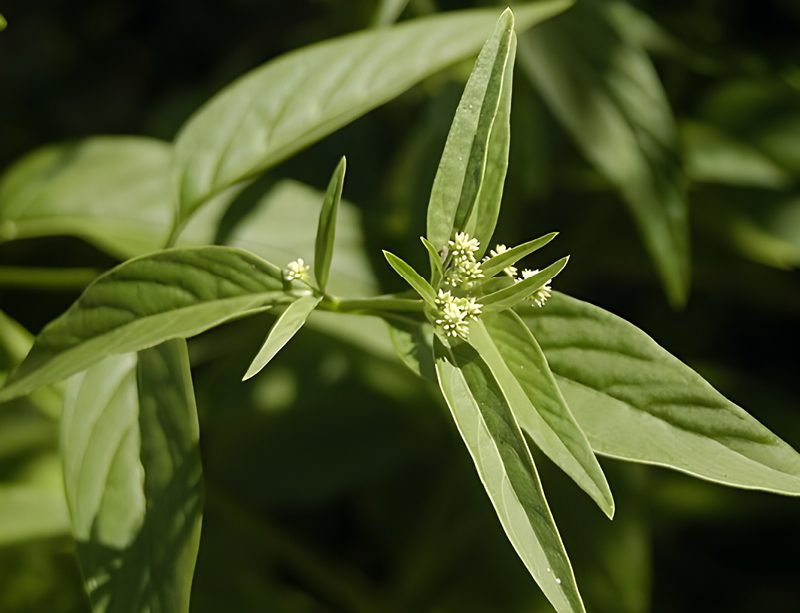
Ginger is an ancient cultivated crop from the ginger family, probably originating in Asia, but today it is also cultivated in America, Australia and Africa. It does not grow wild, but must be cultivated and is best suited to a tropical climate with year-round stable temperatures, ample moisture and nutrient-rich soil. It is a perennial plant up to 1 m tall, flowering with pleasantly scented, small white flowers arranged in spikes. The medicinal drug is the rhizome (not the root, as most people believe), which is quite massive, tuberous and fleshy. It has a typical aroma and a pungent taste. (5-7)
History
Ginger is a very old plant, used not only as a spice but also for medicinal purposes. The first mention of ginger dates back to 2700 BC, when Shennong, one of the three yellow emperors, described ginger in his treatise on medicinal plants (unfortunately, the work has not survived). Other records appear in the earliest Hindu Vedas from around 1200 BC (8).
Thanks to sailors who used it to treat travel sickness, ginger made its way to ancient Egypt. When Alexander the Great conquered the country in 332 BC, he brought ginger with him to Greece. Since then, the plant has been almost forgotten and rediscovered several times. In the 19th century it became widely used in England, especially as a raw material for making jams, biscuits and drinks. In the 20th century, ginger became one of the most widely used spices and its medicinal properties were rediscovered.
Active ingredients
There are a number of compounds in ginger, the proportions of which vary considerably depending on the origin (rhizomes from different parts of the world also vary in taste and gastronomic use). Essential oils are responsible for the aroma (chemically, terpenes such as zingiberene, bisabolene, curcumen and zingiberol), while the pungency is due to gingerols. There are also fatty acids (e.g. palmitic, oleic, linoleic, caprylic, lauric, myristic and linoleic), starch, amino acids, proteins, resins, vitamins and minerals. (10, 11)
It should be noted, however, that the content of active substances varies considerably depending on the way the ginger is treated. Fresh ginger, for example, is virtually free of one of the most potent substances called 6-shoagol. This is produced when ginger is exposed to heat or dried. For example, the most common way of preparing ginger, tea in the form of a mere infusion, therefore does not take advantage of all the benefits of this plant; it is preferable to boil ginger. However, if the brew takes too long, the shoagol will decompose. The heat also produces another active ingredient, zingerone. (73)
Healing effects
In traditional natural medicine, ginger is used to prevent nausea (including kinetosis) and infections, to treat colds, coughs, intestinal infections, to aid digestion, to lower blood cholesterol, for poor blood circulation to the extremities or to reduce fever. It is also used externally, in the form of poultices and ointments, for example for rheumatic pains.(8, 9) However, research over the last two decades has also ranked ginger among the most important herbs with epigenetic effects.
Epigenetics is defined as the science that studies genetic changes that do not involve changes in the DNA sequence. It is the changes that occur through chemical reactions based on many factors, be it environment, diet, lifestyle, or even emotional settings, that allow us to adapt quickly to events in our lives. (1,2) The chemical reactions that affect the expression of our genes can also be influenced by a number of natural substances, and ginger is one of the most effective in this regard.
Ginger has a relatively extensive positive effect on the gut microbiome, the balance of which is key to the health and proper functioning of many organs and tissues. The use of ginger significantly increases its diversity (species diversity), decreases the ratio of negative bacteria (e.g. Bacteroides or Escherichia Shigella) to positive ones, mostly anti-inflammatory (e.g. Firmicutes, Proteobacteria or Feacalibacterium) and also restores the function of the so-called intestinal barrier, which prevents the passage of undesirable substances and organisms into the bloodstream (61, 62).
Tumour diseases
Ginger belongs to a group of natural substances that are able to influence the transformation and proliferation of cancer cells through six basic epigenetic mechanisms: Suppression of pro-inflammatory factor NF-kappaB expression, activation of ARE detoxification genes that cause death of damaged cells, suppression of histone deacetylase enzyme inhibitors, influencing DNA repair processes, regulation of mRNA and suppression of methyltransferase enzyme activity. The gingerol content is primarily responsible for these effects. This makes ginger a very effective substance for cancer prevention (19-23).
In particular, the effect of ginger on reducing inflammatory processes, which are among the main risk factors for cancer, plays an important role. In a group of healthy volunteers who took 2 g of ginger extract daily for just four weeks, for example, the concentration of a substance called prostaglandin E2, which plays a key role in inflammatory processes, was significantly reduced in the intestinal mucosa (29).
Ginger has been shown to be effective in a wide range of cancers, including colon (24), stomach (25), skin (26), liver (27), prostate (42) and ovarian (28) cancers. In experiments on mice with prostate cancer, for example, tumour growth was inhibited by 56% (42).
Inflammatory processes
Inflammatory processes in the body are an important risk factor not only for cancer, but also for cardiovascular disease, obesity and other serious conditions (29, 38, 39). Chemical drugs capable of suppressing inflammation, be they non-steroidal anti-inflammatory drugs or glucocorticoids (i.e. hormones from the steroid group), are effective but have a number of unpleasant side effects and are therefore not suitable for long-term use.(40, 41) Therefore, anti-inflammatory substances of plant origin, including those contained in ginger, offer great promise.
Gingerols and other substances contained in ginger suppress inflammatory processes in several ways: they inhibit the pro-inflammatory enzymes COX-1 and COX-2, which are involved in the increase in prostaglandin E2 levels, inhibit the enzyme LOX, nitric oxide, the pro-inflammatory factor NF-kappaB, stop the degradation of factor lkappaB-alpha and act as antioxidants (30-37).
Cardiovascular disease
Ginger extract has been shown to reduce LDL cholesterol and triglyceride levels in the blood after just seven weeks of regular daily use (44), and has a similarly positive effect on blood pressure (45). All of these are major risk factors for myocardial infarction and stroke.
Ginger has even shown comparable efficacy in lowering blood pressure to nifedipine, a frequently used ingredient in anti-hypertension drugs. In addition, in combination with this substance (1 g of ginger + 10 mg of nifedipine), it significantly suppressed the formation of antisclerotic plaques, another major risk factor for cardiovascular disease (46).
In addition, in the case of a stroke, ginger can significantly reduce its impact on brain health and function. In one study, for example, scientists artificially blocked some brain blood vessels in experimental rats. In animals that took ginger extract for two weeks before and three weeks after the blockage, they observed a significantly lower extent of damaged brain areas, a higher density of neurons (especially in a part of the brain called the hippocampus, which is important for memory), and less cognitive decline (51).
Digestive disorders
One of the traditional uses of ginger since ancient times has been for various types of nausea and vomiting, and its effectiveness in this regard has been confirmed by modern science. This is due, for example, to its spasmolytic and antiemetic effects. (18)
Even patients undergoing chemotherapy for cancer treatment can get significant relief from ginger – more than 70% of them suffer from nausea and vomiting. In a study involving nearly six hundred volunteers, the use of ginger extract resulted in a significant reduction in the frequency of nausea in most of them. (12)
Ginger has also helped reduce the incidence of nausea after surgery (13, 14) and in pregnancy. This was demonstrated in a study conducted on 70 pregnant women who consumed either 1 g of ginger per day or a placebo for four days. Most of those who consumed ginger reported a significant reduction in the rate of nausea and a virtual disappearance of vomiting. However, it is important not to exceed the four-day period mentioned above, as longer use is inappropriate in pregnancy.(56,57) In contrast, in the case of so-called kinetosis, or travel sickness, the efficacy has not yet been confirmed by scientific studies.(57)
However, ginger is also very effective against diarrhoea, mainly due to its antibacterial and antiviral action (in the case of infectious diarrhoea), but also due to its ability to affect intestinal peristalsis and fluid retention in the intestines (16).
Research on the effectiveness of ginger against ulcers of the digestive tract, specifically of the stomach and duodenum, is also promising, as it significantly increases mucus secretion, thereby promoting mucosal protection. The most effective component of ginger in this regard is shoagol (17, 65).
Immunity and antimicrobial action
Ginger is traditionally used for colds, flu, colds and coughs, and its positive effects on immunity have been confirmed by modern science. This is because it combines immunomodulatory properties, such as the ability to influence T-cell and macrophage activity, with a direct antimicrobial effect. For example, it helps to destroy the so-called human respiratory syncytial virus, which is one of the most common causes of respiratory disease. It is also effective against influenza A virus, COVID-18 virus, HPV virus causing cold sores and rhinoviruses causing rhinitis. (58, 59, 63, 68, 69).
The antibacterial action of ginger is also quite extensive, and it is sometimes described as an effective natural antibiotic. For example, it helps destroy E. coli, Salmonella typhi (the causative agent of typhoid fever) and periodontal bacteria (the causative agent of gum infection). In studies on bacterial cultures, it has also been shown to be effective against Mycobacterium tuberculosis or Mycobacterium avium, which attacks immune cells and causes serious disease (64, 65).
Ginger can also effectively destroy yeast. Research has shown that ginger extract can be similarly effective as chemical preparations in combating infections caused by Candida albicans (15, 65).
Rheumatoid arthritis
This autoimmune disease is accompanied by significant inflammatory processes in the joints, and ginger, thanks to its anti-inflammatory action, can therefore be a very effective aid for people suffering from rheumatoid arthritis. It blocks important mediators of inflammation, especially prostaglandin E2, and also reduces swelling. In addition, it acts against both chronic and acute inflammation (47). In a study conducted on patients with rheumatoid arthritis of the knee joints, after three months of 250 mg of ginger extract, virtually all experienced a significant reduction in pain and limitation of mobility, and this effect persisted for a further three months after the end of treatment (48). Another study showed that 340 mg of the extract had a similar effect to anti-inflammatory drugs containing the chemical diclofenac in the treatment of this disease (49).
Ginger can also be a useful aid in arthrosis, a degenerative disease of the articular cartilage. Although it has not been shown to have a direct effect on the processes that cause cartilage damage, it can effectively relieve the symptoms of this disease, such as pain, inflammation or swelling. (65)
Autoimmune diseases
In addition to rheumatoid arthritis, ginger can also help with other autoimmune diseases. It has been shown to be effective, for example, in a disease called lupus, which damages many tissues in the body (e.g. joints, skin, kidneys, blood vessels or the brain). Its ability to suppress inflammation and improve the fitness of the gut microbiome has also been applied to inflammatory bowel diseases such as Crohn’s disease and ulcerative colitis, or the skin disease psoriasis, which is also autoimmune in origin (71, 72).
Obesity
The tendency to gain weight has a proven epigenetic basis. In fact, obese individuals have a different epigenetic pattern in both DNA and histones. Thus, it is just a matter of finding the genes that are related to the development of obesity and other processes that influence it, such as inflammatory processes, insulin signaling, or adipose tissue cell proliferation and differentiation (3,4).
Ginger’s anti-obesity effects are mainly mediated by epigenetic mechanisms. For example, it suppresses the production of the enzyme lipase in the pancreas, which is required for the digestion and absorption of dietary fat (55). It also reduces inflammatory processes that play a major role in the development of obesity (53, 54).
Diabetes
Ginger may also be beneficial for people with diabetes, although only animal studies have so far confirmed its effectiveness in this regard. After seven weeks of use, they experienced a significant drop in blood glucose levels between meals and also a reduced risk of diabetic complications. Ginger is particularly effective against diabetic retinopathy, an eye disease often resulting in blindness (50, 65).
Brain function, memory
A study conducted on 60 middle-aged women suggests that taking ginger may not only be a very good prevention of memory and cognitive decline at this time of life, but may even restore these brain functions. As part of the research, these women underwent a cognitive ability test, then took either ginger extract or a placebo for two months, and were then subjected to a similar test. The first (ginger) group showed an improvement in cognitive function, especially working memory (52).
Migraine
The anti-inflammatory and analgesic effects of ginger are also used for headaches, including migraines. (66)
Liver and detoxification
Ginger effectively increases the antioxidant protection of the liver and also the production of liver enzymes necessary for the degradation and excretion of toxic chemicals. It is also suitable for fatty liver. (80)
Hair
In combination with curcumin, ginger is also suitable for excessive hair loss.(75)
Fertility
In combination with zinc, ginger supports male fertility in particular. Here, its ability to reduce inflammation of testicular tissue as well as to promote detoxification – in fact, fertility can be reduced by exposure to toxins, especially heavy metals (79).
Use of
The maximum recommended daily dose is 4 g of dried ginger (including ginger used in the preparation of the food). Higher doses may cause irritation of mucous membranes, diarrhoea or heart palpitations. The usual dose for prevention or treatment is 1 g (can be divided into several doses), ideally taken with food (57).
In pregnancy, doses of 650 mg to 1 g per day are given only in the short term and under the supervision of a physician. In children, short-term administration is possible from the age of two years, the dosage should be determined by a physician. Consultation with a doctor is also necessary if you are taking any medication. This is because ginger reduces blood clotting and blood, so it may be problematic to combine it with blood thinners such as aspirin, warfarin or clopidogrel, or with blood pressure medications. It also lowers blood sugar levels, which is beneficial for diabetics, but when combined with antidiabetic drugs it increases the risk of hypoglycaemia (57).
Suitable combinations
A traditional combination used in folk medicine is ginger tea with honey and lemon (but for greater effectiveness it is advisable to boil the ginger). Recently, a drink called ginger shots, which combines fresh ginger juice with lemon or orange juice (sometimes other ingredients are added, such as turmeric or coconut milk), has also gained popularity (67).
However, there are many more suitable combinations:
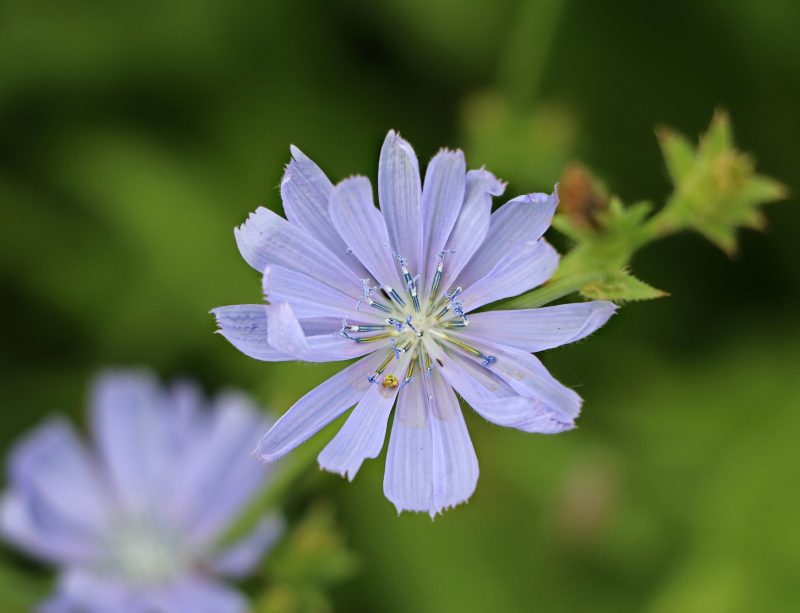
Inflammation and pain: ginger + curcumin (74), ginger + zinc (78), ginger + boswellia, ginger + chicory
Immunity and antimicrobial action: ginger + curcumin (74)
Indigestion: ginger + curcumin (74), ginger + chicory
Hair fall: ginger + curcumin (75)
Diabetes: ginger + curcumin + cinnamon (76), ginger + zinc (78)
Joint pain: ginger + boswellia
Liver: ginger + OPC (77)
Heart and blood vessels: ginger + zinc (78)
Fertility: ginger + zinc (79)Gut microbiome: ginger + chicory
0:00
/
0:00
Stárnutí je volba
Klíčová slova: blood vessels, brain function, cancer, colds, COVID-19, Crohn's disease, diabetes, duodenal ulcers, epigenetics, fertility, flu, ginger, gut microbiome, heart, immunity, liver, lupus, memory, nausea, obesity, psoriasis, rheumatoid arthritis, stroke, ulcerative colitis, Vomiting, weight loss, yeast infections
Komentáře
Seznam zdrojů
- S. L. Berger, T. Kouzarides, R. Shiekhattar, A. Shilatifard. An operational definition of epigenetics. Genes Dev. 23 (2009) 781-783.
- T. Kouzarides. Chromatin modifications and their function. Cell 128 (2007) 693-705.
- A.J. Walley, A.I. Blakemore, P. Froguel. A.J. Walley, A.I. Blakemore, P. Froguel, Hum. Mol. Genet. 15 Spec No 2 (2006) R124-130. Hum. Mol. Genet. 15 Spec No 2 (2006) R124-130. [
- A.S. Greenberg, M.S. Obin. Obesity and the role of adipose tissue in inflammation and metabolism. Am. J. Clin. Nutr. 83 (2006) 461S-465S.
- Valíček, P., Kokoška, L., Holubová, K.: Léčivé rostliny třetího tisíciletí. Benešov, Start, 2001. 175 s.
- Wolf, A., Hrubý, S., Hájek, M.: Elixíry života: Povzbuzující a posilující látky. Praha, Pragma, 1997.
- Kybal, J., Kaplická, J.: Naše a cizí koření. 1. vyd. Praha, Stát. zeměď. nakl., 1988. 225 s.
- Heidböhmer, E.: Zázračný kořen. Praha, Brána, 2007. 136 s.
- Ando, V., et al.: Léčivé rostliny tradiční čínské medicíny. 1. vyd. Hradec Králové, Svítání, 1998.
- Badreldin, H. A., Gerald, B., Musbah, O. T., et al.: Some phytochemical and toxicological properties of ginger (Zingiber officinale Roscoe): A review of recent research. Food Chem. Toxicol., 2008, 46 (2): 409-420.
- Newall, C. A., Anderson, L. A., Phillipson, J. D.: Herbal Medicines: A Guide for Health-care Professional. London, The Pharmaceutical Press, 1996.
- Hickok, J. T., Roscoe, J. A., Morrow, G. R., et al.: A Phase II/III randomized, placebo-controlled, double-blind clinical trial of ginger (Zingiber officinale) for nausea cause by chemotherapy for cancer: A Currently accruing URCC CCOP cancer control study. Support Cancer Ther., 2007. 4 (4): 247-50.
- Arfeen Z, Owen H, Plummer JL, Ilsley AH, Sorby-Adams RA, Doecke CJ. A double-blind randomized controlled trial of ginger for the prevention of postoperative nausea and vomiting. Anaesth Intensive Care.1995;23:449–452.
- Bone ME, Wilkinson DJ, Young JR, McNeil J, Charlton S. Ginger root–a new antiemetic. The effect of ginger root on postoperative nausea and vomiting after major gynaecological surgery. Anaesthesia.1990;45:669–671.
- Atai, Z., Atapour, M., Mohseni, M.: Inhibitory effect of ginger extrakt on candida albicans. Am. J. Appl. Sci., 2009. 6 (6): 1067-1069.
- Daswani, P. G., Brijesh, S., Tetali, P., et al.: Antidiarrhoeal activity of Zingiber officinale (Rosc.). Curr. Sci., 2010. 98 (2): 222-229.
- Minaiyan, M., Ghannadi, A., Karimazadeh, A.: Anti-ulcerogenic effect of ginger (rhizome of Zingiber officinale Roscoe) on cysteine induced duodena ulcer in rats. Daru, 2006. 14 (2): 97-101.
- Ernst, E. and Pittler, M. H., Efficacy of ginger for nausea and vomiting: a systematic review of randomized clinical trials. Br. J. Anest. 84 (3). 367-71 (2000)
- Aggarwal BB,Shishodia S. Molecular targets of dietary agents for prevention and therapy of cancer. Biochem Pharmacol.2006 May 14;71(10):1397-421. Epub 2006 Feb 23.
- Jones PA, Baylin SB (June 2002). The fundamental role of epigenetic events in cancer.Nature Reviews: Genetics3 (6): 415–28.
- Richon VM, Sandhoff TW, Rifkind RA, Marks PA (August 2000).Histone deacetylase inhibitor selectively induces p21WAF1 expression and gene-associated histone acetylation”.Proceedings of the National Academy of Sciences of the United States of America 97 (18): 10014–9.
- Banerjee S, Mullick H, Banerjee J, GHOSH A.Zingiber officinale:‘a natural gold’.Int J Pharmaceutical Bio-Sci. 2011; 2:283-294.
- Khater DS.The influence of ginger as a chemopreventive agent on proliferation and apoptosis in chemically induced oral carcinogenesis.Nat Sci. 2010; 8:44-51.
- Abdullah S, Abidin SAZ, Murad NA, Makpol S, Ngah WZW, Yusof YAM.Ginger extract (Zingiber officinale) triggers apoptosis and G0/G1 cells arrest in HCT 116 and HT 29 colon cancer cell lines.Afr J Biochem Res. 2010; 4:134-142.
- Ishiguro K, Ando T, Maeda O, Ohmiya N, Niwa Y, Kadomatsu K et al..Ginger ingredients reduce viability of gastric cancer cells via distinct mechanisms.Biochem Biophys Res Commun. 2007; 362:218-223.
- Nigam N, Bhui K, Prasad S, George J, Shukla Y.[6]-Gingerol induces reactive oxygen species regulated mitochondrial cell death pathway in human epidermoid carcinoma A431 cells.Chem Biol Interact. 2009; 181:77-84
- Nigam N, Bhui K, Prasad S, George J, Shukla Y.[6]-Gingerol induces reactive oxygen species regulated mitochondrial cell death pathway in human epidermoid carcinoma A431 cells.Chem Biol Interact. 2009; 181:77-84.
- Rhode J, Fogoros S, Zick S, Wahl H, Griffith KA, Huang J et al..Ginger inhibits cell growth and modulates angiogenic factors in ovarian cancer cells.BMC Complement Altern Med. 2007; 7:44.
- Michael Downey. Bio-Enhanced TURMERIC Compounds Block Multiple Inflammatory Pathways. LifeExtension. Feb 2014. http://www.lifeextension.com/magazine/2014/2/bio-enhanced-turmeric-compounds-block-multiple-inflammatory-pathways/page-01
- Li F, Nitteranon V, Tang X, et al. In vitro antioxidant and anti-inflammatory activities of 1-dehydro-[6]-gingerdione, 6-shogaol, 6-dehydroshogaol and hexahydrocurcumin. Food Chem. 2012 Nov 15;135(2):332-7.
- Cretu E, Trifan A, Vasincu A, Miron A. Plant-derived anticancer agents – curcumin in cancer prevention and treatment. Rev Med Chir Soc Med Nat Iasi. 2012 Oct-Dec;116(4):1223-9.
- Plummer SM, Hill KA, Festing MF, Steward WP, Gescher AJ, Sharma RA. Clinical development of leukocyte cyclooxygenase 2 activity as a systemic biomarker for cancer chemopreventive agents. Cancer Epidemiol Biomarkers Prev. 2001 Dec;10(12):1295-9.
- Menon VP, Sudheer AR. Antioxidant and anti-inflammatory properties of curcumin. Adv Exp Med Biol.2007;595:105-25.
- Baliga MS, Joseph N, Venkataranganna MV, Saxena A, Ponemone V, Fayad R. Curcumin, an active component of turmeric in the prevention and treatment of ulcerative colitis: preclinical and clinical observations. Food Funct.2012 Nov;3(11):1109-17.
- Tsai KD, Lin JC, Yang SM, et al. Curcumin Protects against UVB-Induced Skin Cancers in SKH-1 Hairless Mouse: Analysis of Early Molecular Markers in Carcinogenesis. Evid Based Complement Alternat Med. 2012;2012:593952.
- Flynn DL, Rafferty MF, Boctor AM. Inhibition of 5-hydroxy-eicosatetraenoic acid (5-HETE) formation in intact human neutrophils by naturally-occurring diarylheptanoids: inhibitory activities of curcuminoids and yakuchinones. Prostaglandins Leukot Med. 1986 Jun; 22(3):357-60.
- Park SY, Jin ML, Kim YH, Kim Y, Lee SJ. Anti-inflammatory effects of aromatic-turmerone through blocking of NF-kappaB, JNK, and p38 MAPK signaling pathways in amyloid beta-stimulated microglia. Int Immunopharmacol.2012 Sep;14(1):13-20.
- Lee HS, Lee MJ, Kim H, et al. Curcumin inhibits TNFalpha-induced lectin-like oxidised LDL receptor-1 (LOX-1) expression and suppresses the inflammatory response in human umbilical vein endothelial cells (HUVECs) by an antioxidant mechanism. J Enzyme Inhib Med Chem. 2010 Oct;25(5):720-9.
- Strzelecka M, Bzowska M, Kozieł J, et al. Anti-inflammatory effects of extracts from some traditional Mediterranean diet plants. J Physiol Pharmacol. 2005 Mar;56 Suppl 1:139-56.
- Ramos-Nino ME. The role of chronic inflammation in obesity-associated cancers. ISRN Oncol. 2013 May 30;2013:697521.
- Peterson K, McDonagh M, Thakurta S, et al. Drug Class Review: Nonsteroidal Antiinflammatory Drugs (NSAIDs): Final Update 4 Report. National Institute of Health (NIH) PubMed Health. Bethesda (MD): National Library of Medicine (US). Nov 2010.
- Dixon WG, Bansback N. Understanding the side effects of glucocorticoid therapy: shining a light on a drug everyone thinks they know. Ann Rheum Dis. 2012 Nov;71(11):1761-4.
- Karna P, Chagani S, Gundala SR, et al. Benefits of whole ginger extract in prostate cancer. Br J Nutr. 2012 Feb;107(4):473-84.
- Al-Suhaimi EA, Al-Riziza NA, Al-Essa RA. Physiological and therapeutical roles of ginger and turmeric on endocrine functions. Am J Chin Med. 2011;39(2):215-31.
- Al-Amin ZM, Thomson M, Al-Qattan KK, Peltonen-Shalaby R, Ali M. Anti-diabetic and hypolipidaemic properties of ginger (Zingiber officinale) in streptozotocin-induced diabetic rats. Br J Nutr. 2006 Oct;96(4):660-6.
- Ghayur MN, Gilani AH. Ginger lowers blood pressure through blockade of voltage-dependent calcium channels. J Cardiovasc Pharmacol. January 2005; 45(1):74-80.
- Young HY, Liao JC, Chang YS, Luo YL, Lu MC, Peng WH. Synergistic effect of ginger and nifedipine on human platelet aggregation: a study in hypertensive patients and normal volunteers. Am J Chin Med. 2006;34(4):545-51.
- Shimoda H, Shan SJ, Tanaka J, et al. Anti-inflammatory properties of red ginger (Zingiber officinale var. Rubra) extract and suppression of nitric oxide production by its constituents. J Med Food. 2010 Feb;13(1):156-62.
- Wigler I, Grotto I, Caspi D, Yaron M. The effects of Zintona EC (a ginger extract) on symptomatic gonarthritis.Osteoarth Cartilage. 2003 Nov;11(11):783-9.
- Drozdov VN, Kim VA, Tkachenko EV, Varvanina GG. Influence of a specific ginger combination on gastropathy conditions in patients with osteoarthritis of the knee or hip. J Altern Complement Med. 2012 Jun;18(6):583-8.
- Al-Amin ZM, Thomson M, Al-Qattan KK, Peltonen-Shalaby R, Ali M. Anti-diabetic and hypolipidaemic properties of ginger (Zingiber officinale) in streptozotocin-induced diabetic rats. Br J Nutr. 2006 Oct;96(4):660-6.
- Wattanathorn J, Jittiwat J, Tongun T, Muchimapura S, Ingkaninan K. Zingiber officinalemitigates brain damage and improves memory impairment in focal cerebral ischemic rat. Evid Based Complement Alternat Med. 2011;2011:429505.
- Saenghong N, Wattanathorn J, Muchimapura S, et al. Zingiber officinaleimproves cognitive function of the middle-aged healthy women. Evid Based Complement Alternat Med. 2012;2012:383062.
- You T, Arsenis NC, Disanzo BL, Lamonte MJ. Effects of exercise training on chronic inflammation in obesity: current evidence and potential mechanisms. Sports Med. 2013 Apr;43(4):243-56.
- Gao M, Zhang C, Ma Y, Bu L, Yan L, Liu D. Hydrodynamic delivery of mIL10 gene protects mice from high-fat diet-induced obesity and glucose intolerance. Mol Ther. 2013 Oct;21(10):1852-61.
- Mahmoud RH,Elnour WA. Comparative evaluation of the efficacy of ginger and orlistat on obesity management, pancreatic lipase and liver peroxisomal catalase enzyme in male albino rats. Eur Rev Med Pharmacol Sci.2013 Jan;17(1):75-83.
- Pongrojpaw D, Somprasit C, Chanthasenanont A. A randomized comparison of ginger and dimenhydrinate in the treatment of nausea and vomiting in pregnancy.J Med Assoc Thai. 2007 Sep;90(9):1703-9.
- Steven D. Ehrlich, NMD. Ginger. University of Maryland Medical Center. 6/22/2015. https://umm.edu/health/medical/altmed/herb/ginger
- BMC Complementary and Alternative Medicine”: Ginger Extract Inhibits LPS Induced Macrophage Activation and Function; Sudipta Tripathi, et al; January 2008
- Sudipta Tripathi , Kristopher Maier, David Bruch and Dilip S Kittur. Ginger extract inhibits macrophage activation and T cell co-stimulation. The FASEB Journal. 2006. http://www.fasebj.org/cgi/content/meeting_abstract/20/5/A1103
- Zhi-jie Ma, Huan-jun Wang, Xiao-jing Ma, Yue Li, Hong-jun Yang, Hui Li, Jian-rong Su, Cong-en Zhang and Lu-qi Huang. Modulation of gut microbiota and intestinal barrier function during alleviation of antibiotic-associated diarrhea with Rhizoma Zingiber officinale (Ginger) extract. Food & Function. Issue 12, 2020
- Xiaolong Wang3, Dan Zhang, Haiqiang Jiang, Shuo Zhang, Xiaogang Pang, Shijie Gao, Huimin Zhang, Shanyu Zhang, Qiuyue Xiao, Liyuan Chen, Shengqi Wang, Dongmei Qi and Yunlun Li. Gut Microbiota Variation With Short-Term Intake of Ginger Juice on Human Health. Front. Microbiol., 23 February 2021. https://www.frontiersin.org/articles/10.3389/fmicb.2020.576061/full
- Jung San Chang, Kuo Chih Wang, Chia Feng Yeh, Den En Shieh, Lien Chai Chiang. Fresh ginger (Zingiber officinale) has anti-viral activity against human respiratory syncytial virus in human respiratory tract cell lines. J Ethnopharmacol. 2013 Jan 9;145(1):146-51
- Park M, Bae J, Lee DS. Antibacterial activity of [10]-gingerol and [12]-gingerol isolated from ginger rhizome against periodontal bacteria. Phytother Res. 2008;22:1446–1449.
- Arshad H Rahmani, Fahad M Al shabrmi, and Salah M Aly. Active ingredients of ginger as potential candidates in the prevention and treatment of diseases via modulation of biological activities. Int J Physiol Pathophysiol Pharmacol. 2014; 6(2): 125–136.
- Mustafa T, Srivastava KC. Ginger (Zingiber officinale) in migraine headache. J Ethnopharmacol. 1990;29:267–73.
- https://www.healthline.com/nutrition/ginger-shots#intro
- Abdollah Jafarzadeh, Sara Jafarzadeh, and Maryam Nemati. Therapeutic potential of ginger against COVID-19: Is there enough evidence? Journal of Traditional Chinese Medical Sciences. 2021 Oct; 8(4): 267–279.
- Jiongjiong Wang, Richard A. Prinz, Xiufan Liu, and Xiulong Xu. In Vitro and In Vivo Antiviral Activity of Gingerenone A on Influenza A Virus Is Mediated by Targeting Janus Kinase 2. Viruses. 2020 Oct; 12(10): 1141.
- https://www.genengnews.com/news/ginger-compound-demonstrates-protective-role-against-autoimmune-disorders-in-mice/
- Forough Shayesteh, Fatemeh Haidari, Ali Akbar Shayesteh, Javad Mohammadi-Asl & Kambiz Ahmadi-Angali. Ginger in patients with active ulcerative colitis: a study protocol for a randomized controlled trial. Trials Journal. 21, Article number: 278 (2020)
- Pura Ballester, Begoña Cerdá, Raúl Arcusa , Javier Marhuenda, Karen Yamedjeu and Pilar Zafrilla. Effect of Ginger on Inflammatory Diseases. Molecules 2022, 27, 7223.
- Harold McGee (2004). On Food and Cooking: The Science and Lore of the Kitchen (2nd ed.). New York: Scribner. pp. 425–426.
- https://www.healthline.com/nutrition/turmeric-and-ginger#what-they-are
- Narasimharao Bhagavathula, Roscoe L Warner, Marissa DaSilva, Shannon D McClintock, Adam Barron, Muhammad N Aslam, Kent J Johnson, James Varani. A combination of curcumin and ginger extract improves abrasion wound healing in corticosteroid-impaired hairless rat skin. Wound Repair Regen.2009 May-Jun;17(3):360-6.
- Leila Moosavi, Zohreh Mazloom, Maral Mokhtari, Mohsen Mohammadi Sartang, Marzieh Mahmoodi. Comparison of the Effects of Combination of Turmeric, Ginger and Cinnamon Hydroalcoholic Extracts with Metformin on Body Weight, Glycemic Control, Inflammation, Oxidative Stress and Pancreatic Histopatalogical Changes in Diabetic Rat. Int J Nutr Sci 2020;5(2):57-64
- http://nopr.niscpr.res.in/handle/123456789/46926
- Zana Ahmed Mustafa, Rojgar Hamed Ali, Dler Rostum Ali, Rahim Abdulkarimi, Nashwan K Abdulkareem, Abolfazl Akbari. The combination of ginger powder and zinc supplement improves the fructose-induced metabolic syndrome in rats by modulating the hepatic expression of NF-κB, mTORC1, PPAR-α SREBP-1c, and Nrf2. J Food Biochem. 2021 Jan;45(1):e13546.
- Wei Xue, Qisheng Tang, Longfei Yang. The combination of ginger and zinc supplement could improve lead-induced reproductive dysfunction by inhibiting apoptosis mediated by oxidative damage and inflammation. Andrologia 15 September 2022.
- https://journals.lww.com/jcma/fulltext/2019/11000/the_hepatoprotective_effect_of_ginger.1.aspx