Rhodiola rosea (Rhodiola rosea)
epivyziva.cz/
Zobrazeno: 926

(Rhodiola rosea)
Description
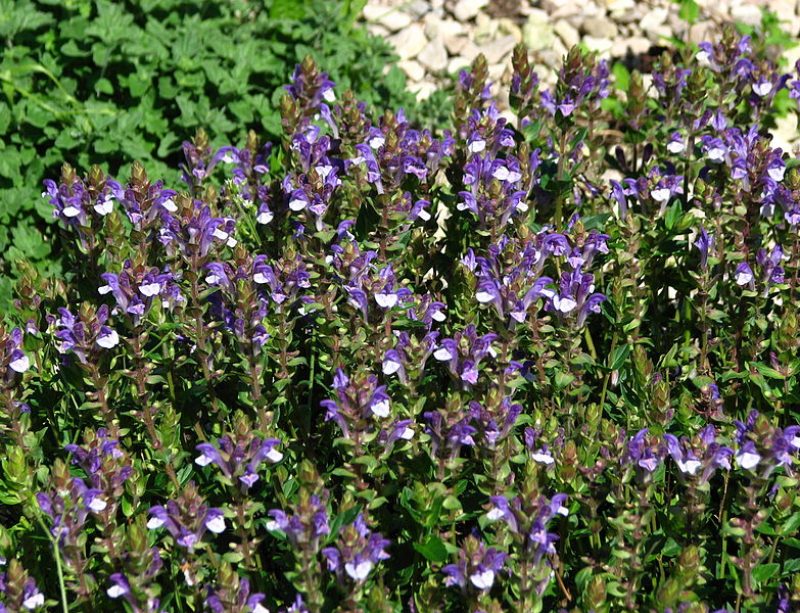
The pink stonecrop is a perennial spiky plant with small yellow flowers. It belongs to the Crassulaceae family and gets its name from its thick rhizome, which smells strongly of roses. It occurs naturally mainly in the Arctic and subarctic regions of the northern hemisphere, but in Asia it can be found, for example, in Japan, Korea, Russia, China and Mongolia, but only at higher altitudes. It is also rare in the Czech Republic, for example in the Krkonoše Mountains and the Hrubý Jeseník Mountains, but due to abundant collection it has been almost extirpated in the Czech Republic (1, 2).
History
Rhodiola is a traditional medicinal plant, especially in Asia and Siberia, where its root has been attributed with extraordinary healing and magical properties for centuries – hence the name “golden root”. It has been used, for example, to treat colds and flu, as well as for general strengthening during a severe winter, and even to treat cancer or tuberculosis. In Europe, it was very popular in the past, especially in Scandinavia. The Vikings used it to increase physical strength and stamina, it was known to Carl Linné, the founder of modern botany, and in 1755 it was included in the first Swedish pharmacopoeia. However, a breakthrough in its research came in 1961, when it was identified in the Altai Mountains by Russian botanist G. V. Krylov. He found that extracts of the root contained powerful adaptogens. Subsequent scientific research has confirmed the plant’s wide-ranging medicinal effects, particularly in the areas of physical and mental performance, but research charting its use in the treatment of cancer, radiation sickness and other ailments is also promising. In 1969, Rhodiola (specifically its liquid extract) is included in official Soviet medicine – it was recommended as a stimulant for fatigue conditions, to increase attention and work productivity, and also for psychiatric and neurological problems (1).
Healing effects
Rhodiola rosea contains a variety of active substances, many of which are unique in nature and are not found in other representatives of the rhodiola genus. These include the phenylpropanoids rosavin, rosin and rosarin, the flavonoids rhodiolin, rhodionin, rhodiosin, the monoterpenes rosiridol and rosaridin, salidroside, phenolic acids and other substances. Many of these act as potent adaptogens and some have epigenetic effects (1, 35).
Resistance to stress
Rhodiola is one of the best known adaptogens. This term has been used since the 1960s to refer to substances that do not have negative effects, yet increase resistance to physically, chemically, biologically and psychologically harmful factors, so-called stressors. Extensive research on this topic took place from the 1960s to the 1980s, mainly in the former Soviet Union, where scientists focused extensively on investigating natural substances that help people survive periods of prolonged high stress while maintaining mental and physical performance (3, 4).
Rhodiola contains phenolic compounds, which are substances similar to catecholamines that are involved in the activation of the nervous system in the early phase of the body’s stress response (5).
However, there are a number of mechanisms involved in stress protection: For example, it has a significant protective effect on nerve cells, which it protects against the action of toxins and free radicals, while stimulating the function of the nervous system. It is also an important activator of the enzyme AMPK (activated protein kinase), which stimulates the absorption of glucose from the blood into the muscles. The action of stress hormones leads to, among other things, an increase in blood glucose levels, which has many negative effects on health. In addition, Rhodiola contains tyrosine, which alleviates the depletion of brain catecholamines due to stress, reduces fatigue and also increases mental performance in people under stress – this substance has also been tested with positive effect in the military during operations requiring demanding performance in situations with extreme levels of stress, fatigue and lack of sleep.
Mental performance and brain function
Adaptogens, including rhodiola, are characterized by a significant stimulating and tonic effect, thus promoting mental performance. These effects are most pronounced when a person is exposed to fatigue and stress. Unlike some commonly used stimulants (e.g. Ephedrine), they have no negative side effects and do not create dependence (5, 11).
Rhodiola has been shown to have a positive effect on virtually all cognitive processes, including memory, concentration, learning, numerical operations, analysis, evaluation, planning and more. (35) For example, when rhodiola was administered to a group of 27 students, doctors and scientists in the period prior to anticipated intense intellectual activity (such as exams), they experienced an improvement in the quantity and quality of work performed, an improvement in intellectual capacity, and a reduction in the loss of work capacity due to fatigue. The effect here was noted when taking 100-150 mg of the extract twice a day for 2-3 weeks (38).
In addition, rhodiola has a protective effect on nerve cells and promotes the formation and differentiation of new neurons in the brain, including the hippocampus, the area responsible for memory. (35, 37) It protects brain cells not only against free radicals, for example, but also against stress, which has been shown to have negative effects on brain performance (1)
Physical and mental fatigue
Several studies have demonstrated the efficacy of rhodiola for both physical and mental fatigue; on the other hand, some of these studies have demonstrated formal deficiencies. (29, 30) Rhodiola has proven very effective for a set of symptoms for which the term “neurasthenia” was previously widely used, including, for example, fatigue and weakness (even after little physical or mental exertion), reduced work performance, difficulty sleeping, as well as irritability, distractibility, and headaches or reduced ability to recover after exertion.
Experiments on animals also showed an interesting fact: when rhodiola was given to them in lower to moderate doses, it acted as a powerful stimulant, improving brain activity. For example, it increased the production of certain neurotransmitters (substances necessary for the transmission of nerve impulses), in particular serotonin, dopamine and norepinephrine, and also improved the permeability of the so-called “neurotransmitter”. For example, the levels of 5-hydroxy tyrosine, the substance that makes serotonin in the brain, increased in the cerebral cortex. In contrast, at higher doses, however, stonecrop was sedating (35).
Sports performance
Research has clearly shown that rhodiola can positively affect athletic performance. In particular, it has a beneficial effect on endurance, which has been shown, for example, in studies on rats in the swimming to exhaustion test. In particular, it has a very pronounced effect on the production of ATP (adenosine triphosphate) in muscle cells. This is an energy-rich compound from which the muscles directly derive energy for their work. Rhodiola has also been shown in these studies to improve recovery processes after intense exercise (31, 32).
However, the functioning of the stonecrop in sports training has also been confirmed in studies on human volunteers. In a bicycle ergometer stress test, athletes taking rhodiola were found to have a 9%, the recovery time after intense exercise was reduced (10 minutes after the end of the exercise, the athletes had a lower pulse rate compared to the control group by an average of 2.5 beats/min) and 3 days after the exercise they complained less of insomnia and irritability. (1)
Interesting results were also obtained from research that focused on a group of elite biathletes. For these athletes, rhodiola not only promoted increased endurance and strength, but also helped them to improve coordination, reduce muscle tremors and improve shooting accuracy (39).
Rhodiola has one big advantage: while the usually used stimulants deplete brain catecholamines, so that during intense muscle work after the initial increase in working capacity there is a significant decrease (well below the usual average), with rhodiola this problem does not occur. With its use, although there is also a reduction in work capacity after the initial increase in work capacity, it is only slight, so that the level still remains above average (40).
In addition, stonecrop supports performance not only in trained athletes, but it can also be beneficial for those who are new to exercise, even at an older age. In a series of Russian and Swedish studies, men of sedentary lifestyles were subjected to seven days of physical exercise while taking rhodiola in doses ranging from 450 to 600 mg of extract per day. In doing so, their physical work capacity (by 28%), heart rate variability and the strength of heart muscle contraction improved, so that they were able to perform higher intensity exercise than the control group. Rhodiola affected both branches of the autonomic nervous system, i.e. the sympathetic and parasympathetic nervous systems, allowing the body to release more energy during stress while maintaining higher energy reserves (43).
In addition, the anabolic effect of stonecrop has been noted in men (1).
Alzheimer’s disease
Rhodiola contains a substance called rosiridine, which can be very helpful for people at risk of Alzheimer’s disease or other types of dementia. It suppresses the production of substances called monoamine oxidase A and B. (33) The same mechanism of action also applies to depression.
Longevity
The tyrosine contained in rhodiola stimulates the production of sirtuin enzymes, in particular the one called SIRT-1, which is associated with longevity.(34) In animal experiments, rhodiola has been shown to reduce mortality and increase survival. When applied to a population of nematodes, for example, their lives were prolonged by 10-20%, and even by 24% in octopuses, almost a quarter! (35, 36)
In further experiments on the mitochondria, it was found that rhodiola helped to significantly reduce the concentration of superoxides (free radical-causing substances) in their mitochondria.(65) This is a rather unique effect – oxidative damage to mitochondria is considered one of the causes of aging, and most antioxidants cannot penetrate the mitochondria.
Weight Loss
Rhodiola is very effective in relieving binge eating caused by stress. In this case, even a single use has an effect – the increased appetite in this case is alleviated about an hour after consuming rhodiola.(35) In addition, it also prevents fat storage by limiting the differentiation of adipocytes (fat cells).(58)
Hormonal system
Rhodiola has proven positive effects on several endocrine glands. Like other adaptogens, it has led to improved thyroid function without causing hyperthyroidism. It supported the function of the thymus gland and protected it from involution, which occurs due to aging. Also, the adrenal glands, a key organ in adaptation to stress, functioned better and with greater reserve thanks to the stonecrop. (1, 41) Menopausal women, in turn, will help protect their bone mass. (35)
Sexuality and fertility
Rhodiola has a positive effect especially on the fertility of women, whose use increases the number of growing follicles, increases the volume of mature eggs or better preparation of the uterine lining for pregnancy. An interesting study was carried out on a group of women suffering from amenorrhoea (absence of menstruation). The volunteers were given either 100 mg of rhodiola extract twice a day for 2 weeks or 10 injections of rhodosin (one of the active ingredients in rhodiola), and for some women the treatment was repeated. Of the 40 women who participated, 25 experienced a resumption of their menstrual cycle and 11 of them became successfully pregnant afterwards (1, 42).
A positive effect has also been noted on male sexuality – interestingly, in research it has helped both individuals suffering from erectile dysfunction and those with premature ejaculation.(1)
Heart and blood vessels
Action on the cardiovascular system is another area where rhodiola has confirmed beneficial effects. It helps protect the heart from the negative effects of stress, free radicals and also ischemia (lack of oxygen). It helps to lower blood pressure, and in animal experiments it has even helped to prevent arrhythmias (44-49).
Research also suggests potential in the treatment of pulmonary hypertension (50).
Anemia
Salidroside, one of the substances contained in rhodiola, can also affect blood formation in a positive way. It has a beneficial effect on haematopoietic stem cells, where it increases DNA synthesis, protects red blood cells from oxidative damage and increases the effectiveness of erythropoietin (EPO), a hormone that regulates haematopoiesis (51-53).
Diabetes
Rhodiola helps to get diabetes under control, both type 1 and type 2. Firstly, it supports the function of the beta cells of the pancreas, where insulin is produced, and it has a positive effect on the production of the enzyme AMPK, which improves the transport of glucose from the blood to the muscles. (54, 55)
Depression and anxiety
The aforementioned positive effect of rhodiola on the production of neurotransmitters is manifested not only by an increase in mental performance, but also by the alleviation of depression. For example, in a research study in which 89 people with mild or moderate depression took 340 or 680 mg of the extract daily, not only were depressive symptoms alleviated (to 60-75%), but sleep and emotional stability improved, at both dosages (56).
Improvements in symptoms have also been reported in studies of anxiety sufferers when taking 340 mg of rhodiola extract for 10 weeks (57).
Tumour diseases
Rhodiola not only has direct anticancer effects, but also increases the effectiveness of anticancer drugs and reduces the rate of their side effects. In one study, for example, the effect of the drug cyclophosphamide was increased by 36% (1)!
Smoking cessation
Research in this area has so far only been carried out in mice and rats, but it is very promising. When experimental animals were made dependent on nicotine by injection and then discontinued, those given rhodiola had 50% fewer anxiety symptoms and a reduction in somatic symptoms (59, 62).
Liver
Salidroside promotes the formation of new liver cells (especially the process of their differentiation) and thus the process of liver regeneration, and protects liver cells from the action of free radicals and some toxic chemicals (66).
Use and contraindications
According to studies, taking rhodiola for 6-12 weeks is safe, but there is not enough research to confirm the safety of long-term use. Rarely, some side effects may occur, such as confusion, dry mouth or, conversely, excessive saliva production. The use of rhodiola is not recommended for pregnant and breastfeeding women – although there are no known negative effects on the baby, its safety has not been sufficiently confirmed. Due to its immune stimulating effects, the use of rhodiola should be strongly considered even in persons suffering from autoimmune diseases (60).
Adverse interactions with drugs or other dietary supplements are not known, yet caution should be exercised when taking medications concurrently. It is also advisable to consult a physician when taking rhodiola.
Suitable combinations
Sports performance: rhodiola + ginkgo biloba (61)
Stress: rhodiola + schizandra china + eleutherococcus spinosus (5), rhodiola + EGCG + magnesium + vitamins en. B (64)
Overeating from stress: rhodiola + St. John’s wort (35)
Weight loss and diabetes: rhodiola + cinnamon (66)
Depression: rhodiola + saffron (63)
Brain function, nervous system: rhodiola + schizandra + eleutherococcus (66)
Longevity: rhodiola + eleutherococcus (66) Cancer: rhodiola + Weikang Keli (a mixture of Chinese medicine herbs)
0:00
/
0:00
Stárnutí je volba
Klíčová slova: adaptogen, Alzheimer's disease, anaemia, anxiety, depression, diabetes, endurance, erections, fertility, learning, liver, memory, mental performance, regeneration, Rhodiola, sports performance, stress, weight loss
Komentáře
Seznam zdrojů
- Richard P. Brown, M.D., Patricia L. Gerbarg, M.D., and Zakir Ramazanov, Ph.D., D.S. Rhodiola rosea: A Phytomedicinal Overview. American Botanical Council, Issue 56, pages 40-52. http://herbalgram.org/resources/herbalgram/issues/56/table-of-contents/article2333/
- Brekhman I.I, Dardymov I.V. New substances of plant origin which increase nonspecific resistance. Ann. Rev. Pharmacol. 1968;8:419–430.
- Meerson F. Adaptation, Stress and Prophylax. Nauka; Moscow, USSR: Springer–Verlag; Berlin, Germany: 1981. 1984. (russ.)
- Alexander Panossian and Georg Wikman. Effects of Adaptogens on the Central Nervous System and the Molecular Mechanisms Associated with Their Stress—Protective Activity. Pharmaceuticals (Basel). 2010 Jan; 3(1): 188–224. https://www.ncbi.nlm.nih.gov/pmc/articles/PMC3991026/#B75-pharmaceuticals-03-00188
- Saratikov A.S., Krasnov E.A. Rhodiola rosea (Golden root) 4th ed. Tomsk State University Publishing House; Tomsk, USSR: 2004. pp. 1–286.
- Saratikov A.S., Krasnov E.A., Chnikina L.A., Duvidson L.M., Sotova M.I., Marina T.F., Nechoda M.F., Axenova R.A., Tscherdinzeff S.G. Rhodiolosid, a new glycoside from Rhodiola rosea and its pharmacological properties. Pharmazie. 1968;23:392–395.
- Panossian A., Wikman G. Effect of adaptogens on the central nervous system. Arq. Bras. Fitomed. Cient. 2005;2:108–130.
- Li H.B., Ge Y.K., Zheng X.X., Zhang L. Salidroside stimulated glucose uptake in skeletal muscle cells by activating AMP-activated protein kinase. Eur.J. Pharmacol. 2008;588:165–169.
- Owasoyo J.O., Neri D.F., Lamberth J.G. Tyrosine and its potential use as a countermeasure to performance decrement in military sustained operations. Aviat. Space Environ. Med. 1992;63:364–369.
- Panossian A., Wagner H. Stimulating effect of adaptogens: an overview with particular reference to their efficacy following single dose administration. Phytother. Res. 2005;19:819–838.
- Shao Kang Hung, , Rachel Perry, Edzard Ernst. The effectiveness and efficacy of Rhodiola rosea L.: a systematic review of randomized clinical trials. Phytomedicine. 2011 Feb 15;18(4):235-44.
- Ishaque S, Shamseer L, Bukutu C and Vohra S: Rhodiola rosea for physical and mental fatigue: A systematic review. BMC Complement Altern Med. 12:702012.
- M Abidov , F Crendal, S Grachev, R Seifulla, T ZiegenfussEffect of extracts from Rhodiola rosea and Rhodiola crenulata (Crassulaceae) roots on ATP content in mitochondria of skeletal muscles Bull Exp Biol Med. 2003 Dec;136(6):585-7.
- Lee FT, Kuo TY, Liou SY, Chien CT. Chronic Rhodiola rosea extract supplementation enforces exhaustive swimming tolerance. Am J Chin Med. 2009;37(3):557-72.
- Van Diermen D., Marston A., Bravo J., Reist M., Carrupt P.A., Hostettmann K. Monoamine oxidase inhibition by Rhodiola rosea L. roots. J. Ethnopharmacol. 2009;122:397–401.
- Samuel S.M., Thirunavukkarasu M., Penumathsa S.V., Paul D., Maulik N. Akt/FOXO3a/SIRT1-mediated cardioprotection by n-tyrosol against ischemic stress in rat in vivo model of myocardial infarction: switching gears toward survival and longevity. J Agric. Food Chem. 2008;56:9692–9698.
- Kamal Patel. Rhodiola Rosea. Examine.com. May 10, 2021 https://examine.com/supplements/rhodiola-rosea/research/
- Jafari M, et al. Rhodiola: a promising anti-aging Chinese herb. Rejuvenation res. (2007)
- Ze-qiang Qu, Yan Zhou, Yuan-shan Zeng , Yu-kun Lin, Yan Li, Zhi-qiang Zhong, Wood Yee Chan. Protective Effects of a Rhodiola Crenulata Extract and Salidroside on Hippocampal Neurogenesis against Streptozotocin-Induced Neural Injury in the Rat. Plos One. January 3, 2012.
- 38. Darbinyan V, Kteyan A, Panossian A, Gabrielian E, Wikman G, Wagner H. Rhodiola rosea in stress induced fatigue: a double blind cross-over study of a standardized extract SHR-5 with a repeated low-dose regimen on the mental performance of healthy physicians during night duty. Phytomedicine 2000;7(5):365-71.
- Saratikov AS, Krasnov EA. Chapter III: Stimulative properties of Rhodiola rosea. In: Saratikov AS, Krasnov EA, editors. Rhodiola rosea is a valuable medicinal plant (Golden Root). Tomsk, Russia: Tomsk State University; 1987. p. 69-90.
- Panossian A, Wikman G, Wagner H. Plant adaptogens. III. Earlier and more recent aspects and concepts on their mode of action. Phytomedicine 1999;6(4):287-300.
- Maslova LV, Kondratev BIu, Maslov LN, Lishmanov IuB. The cardioprotective and antiadrenergic activity of an extract of Rhodiola rosea in stress. Eksp Klin Farmakol 1994;57(6):61-3.
- Gerasimova HD. Effect of Rhodiola rosea extract on ovarian functional activity. Proc of Scientific Conference on Endocrinology and Gynecology. Sverdlovsk, Russia. 1970 Sept 15-16. Siberian Branch of the Russian Academy of Sciences. p. 46-8. 83. Saratikov AS, Krasnov EA. Chapter VI: The influence of Rhodiola on endocrine glands and the liver. In: Saratikov AS, Krasnov EA, editors. Rhodiola rosea is a valuable medicinal plant (Golden Root). Tomsk, Russia: Tomsk State University; 1987. p. 180-93.
- Baranov VB. The response of cardiovascular system to dosed physical load under the effect of herbal adaptogen. Contract 93-11-615 Phase I and Phase II. Moscow: Russian Federation Ministry of Health Institute of Medical and Biological Problems; 1994.
- Maimeskulova LA, Maslov LN, Lishmanov IuB, Krasnov EA. The participation of the mu-, delta- and kappa-opioid receptors in the realization of the anti-arrhythmia effect of Rhodiola rosea. Eksp Klin Farmakol 1997;60(1):38-9.
- Sun L, et al. Salidroside and tyrosol from Rhodiola protect H9c2 cells from ischemia/reperfusion-induced apoptosis. Life Sci. (2012)
- Wu T, et al. Cardioprotection of salidroside from ischemia/reperfusion injury by increasing N-acetylglucosamine linkage to cellular proteins. Eur J Pharmacol. (2009)
- Zhang J, et al. Salidroside protects cardiomyocyte against hypoxia-induced death: a HIF-1alpha-activated and VEGF-mediated pathway. Eur J Pharmacol. (2009)
- Zhu Y, et al. Salidroside protects against hydrogen peroxide-induced injury in cardiac H9c2 cells via PI3K-Akt dependent pathway. DNA Cell Biol. (2011)
- Wei-Jing Lee , Hsien-Hui Chung, Yung-Ze Cheng, Hung Jung Lin, Juei-Tang Cheng. Rhodiola-water extract induces β-endorphin secretion to lower blood pressure in spontaneously hypertensive rats. Phytother Res. 2013 Oct;27(10):1543-7.
- Djuro Kosanovic, Xia Tian, Oleg Pak, Ying-Ju Lai, Yi-Ling Hsieh, Michael Seimetz, Norbert Weissmann, Ralph Theo Schermuly, and Bhola Kumar Dahal. Rhodiola: an ordinary plant or a promising future therapy for pulmonary hypertension? a brief review. Pulm Circ. 2013 Sep; 3(3): 499–506.
- Li X, et al. Salidroside stimulates DNA repair enzyme Parp-1 activity in mouse HSC maintenance. Blood. (2012)
- Qian EW, Ge DT, Kong SK. Salidroside promotes erythropoiesis and protects erythroblasts against oxidative stress by up-regulating glutathione peroxidase and thioredoxin. J Ethnopharmacol. (2011)
- Zheng KY, et al. Salidroside stimulates the accumulation of HIF-1α protein resulted in the induction of EPO expression: a signaling via blocking the degradation pathway in kidney and liver cells. Eur J Pharmacol. (2012)
- Linjie Ju, Xiaohua Wen, Chunjun Wang, Yingjie Wei, Yunru Peng, Yongfang Ding, Liang Feng, Luan Shu. Salidroside, A Natural Antioxidant, Improves β-Cell Survival and Function via Activating AMPK Pathway. Front Pharmacol. 2017 Oct 18;8:749.
- Chiang-Shan Niu, Li-Jen Chen, and Ho-Shan Niu. Antihyperglycemic action of rhodiola-aqeous extract in type1-like diabetic rats. BMC Complement Altern Med. 2014; 14: 20.
- V Darbinyan , G Aslanyan, E Amroyan, E Gabrielyan, C Malmström, A Panossian. Clinical trial of Rhodiola rosea L. extract SHR-5 in the treatment of mild to moderate depression. Nord J Psychiatry. 2007;61(5):343-8.
- Bystritsky A, Kerwin L, Feusner JD. A pilot study of Rhodiola rosea (Rhodax) for generalized anxiety disorder (GAD). J Altern Complement Med. (2008)
- Lee OH, et al. Rhodiola-induced inhibition of adipogenesis involves antioxidant enzyme response associated with pentose phosphate pathway. Phytother Res. (2011)
- Mannucci C, et al. Serotonin involvement in Rhodiola rosea attenuation of nicotine withdrawal signs in rats. Phytomedicine. (2012)
- https://www.webmd.com/vitamins/ai/ingredientmono-883/rhodiola
- Brekhman II and Dardymov IV: New substances of plant origin which increase nonspecific resistance. Annu Rev Pharmacol. 9:419–430. 1969.
- Mattioli L, Perfumi M. Evaluation of Rhodiola rosea L. extract on affective and physical signs of nicotine withdrawal in mice. J Psychopharmacol. (2011)
- Marie Bangratz, Samira Ait Abdellah, Aurélie Berlin Claude Blondeau, Angèle Guilbot, Michel Dubourdeaux, Patrick Lemoine. A preliminary assessment of a combination of rhodiola and saffron in the management of mild-moderate depression. Neuropsychiatr Dis Treat. 2018 Jul 13;14:1821-1829.
- Neil Bernard Boyle a kol. A combination of green tea, rhodiola, magnesium and B vitamins modulates brain activity and protects against the effects of induced social stress in healthy volunteers. https://www.tandfonline.com/doi/full/10.1080/1028415X.2021.1909204
- Samuel E Schriner, Ani Abrahamyan, Agnesa Avanessian, Irvin Bussel, Steven Maler, Maral Gazarian, Marissa A Holmbeck, Mahtab Jafari. Decreased mitochondrial superoxide levels and enhanced protection against paraquat in Drosophila melanogaster supplemented with Rhodiola rosea. Free Radic Res. 2009 Sep;43(9):836-43.
- https://www.ema.europa.eu/en/documents/herbal-report/final-assessment-report-rhodiola-rosea-first-version_en.pdf