
Curcumin
epivyziva.cz/
Zobrazeno: 10,822

Curcumin
Curcumin is one of the most commonly used and best-studied epigenetic agents. It has a very strong and, moreover, significantly broad-spectrum action. It influences a huge number of processes in the body related to our health, physical and mental condition and helps in a number of diseases and ailments.
Description
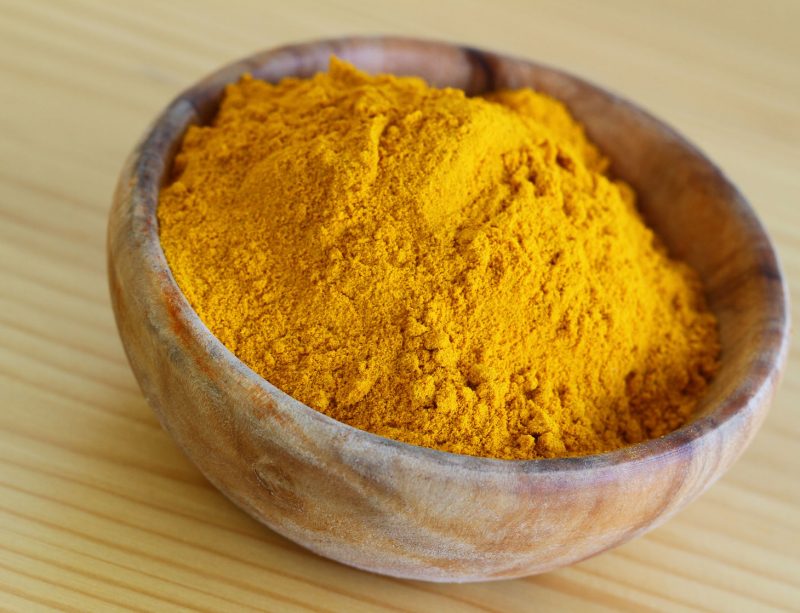
It is a yellow plant dye from the flavonoid group found in the turmeric root of the turmeric tree, a plant in the ginger family. The curcumin content of turmeric is around 3%.
History
Turmeric is a traditional part of the spice curry, which has been used for more than 4000 years, especially in Indian cuisine and traditional Indian medicine – Ayurveda. In Hindu ceremonies, it symbolized the sun, protection and wealth. Curcumin was first isolated from turmeric two hundred years ago. Today it is also used as a food colouring.
Healing effects
The use of curcumin in traditional medicine is very wide. It has a beneficial effect on the digestive system – improves digestion, liver and gallbladder function, increases the production of gastric juices, has anti-inflammatory, antibacterial and antiviral effects, is used for painful menstruation, cardiovascular diseases, jaundice, and externally to disinfect wounds. It supports immunity, regeneration, relieves pain, slows the aging process and is used as a general stimulant. From an Ayurvedic perspective, it is also slightly warming and soothing, nourishes all tissues, and promotes everything related to circulation – not only physical movement, but also the flow of thought.
Modern science has focused primarily on the epigenetic effects of curcumin. There are a number of factors that influence our health that, although they cannot change our genetic information, can influence which genes that affect our health and fitness will eventually be expressed through a number of chemical processes – for example, our diet, stress levels, environment, etc. And curcumin is one of the substances that can influence the processes that affect our DNA, specifically the intensity of biochemical reactions that increase or decrease the activity of individual genes in DNA (i.e. in particular gene methylation, histone acetylation and regulation by microRNAs). In addition, curcumin combines its epigenetic effect with an extremely strong antioxidant and anti-inflammatory effect.
Other important mechanisms of action of curcumin are its anti-inflammatory activity and its ability to positively influence the gut microbiome, the balance of which is crucial for the proper functioning of virtually the entire body. It helps to maintain the correct ratio of ‘friendly’ to pathogenic bacteria, positively influences the permeability of the intestinal barrier and reduces inflammation in the gut.
Curcumin also has a positive effect on mitochondria – it promotes the formation of new mitochondria and improves the function and protection of existing ones. Mitochondria are the organelles in which nutrients are converted into energy, and their health is therefore essential for the functioning of virtually all organs and tissues of the body, as well as for the speed of ageing and athletic performance.
Anti-tumour action
Curcumin is one of the natural substances with the strongest anti-cancer activity – it has been shown that people who consume higher doses of turmeric in their diet have a lower incidence of cancer.(2) This is partly due to its strong antioxidant potential, but more importantly is its epigenetic action. Although curcumin cannot directly affect our DNA, it does act through epigenetic mechanisms (DNA methylation, acetylation, histone modification, microDNA changes, etc.) to decide which genes will eventually be expressed and which will not, which includes the genes responsible for cancer (1).
The effect of curcumin on reducing the risk of cancer has been confirmed in a number of studies (3, 4). The most important mechanisms of its action include modification of proteins called histones, which are involved in the spatial arrangement of DNA molecules. It is this abnormal activity that has been shown to be associated with a higher risk of cancer (5, 6, 7).
Another important mechanism of action of curcumin is to affect the so-called DNA methylation, a process that prevents the expression of certain genes – a certain stretch of DNA is still present, but the body cannot “read” it. Two types of methylation have been found in cancer cells, which cause the body to lose control of the tumour.(9) Several studies have confirmed the ability of curcumin to influence the methylation process (11, 12).
However, curcumin also has an effect on microRNAs, which are short-chain compounds (about 20 nucleotides) that are not involved in protein formation but play an important role in programming cell death and thus influence the formation of cancer cells.(13) It is through its effect on microRNAs that curcumin can influence the proliferation of cancer cells.(14)
The beneficial effects of curcumin have been confirmed in a number of cancers, including breast, prostate, lung, colon and pancreatic cancer.
Cardiovascular disease
As with cancer, the epigenetic action of curcumin plays an important role in the prevention and treatment of cardiovascular disease.
However, its anti-inflammatory action is also key, because inflammation plays a very important role in the development of cardiovascular diseases – it damages the cells of the blood vessel wall, which subsequently allows the formation of atherosclerotic plaques. Curcumin significantly reduces the production of inflammation-promoting substances such as TNF-α, cytokines and the enzyme COX-2. In addition, it affects the activity of enzymes involved in lipoprotein metabolism, which in turn results in a reduction in blood cholesterol and triglyceride levels. A major benefit may also be the promotion of nitric oxide production, which causes blood vessels to dilate, thereby improving blood flow to all tissues in the body. (15, 17, 57)
Immunity and antimicrobial action
Curcumin is a very powerful immunostimulant. It promotes the formation and differentiation of a wide range of immune cells (B-cells, T-cells, macrophages, dendritic cells, NK cells…) and has a beneficial effect on both innate and acquired immunity. In doing so, it strengthens the immune response not only to infection-causing microbes, but also to cancer cells. Its anti-inflammatory action is also important here. It also helps to alleviate allergies. (100)
In addition, curcumin has a direct antimicrobial effect on a number of pathogens. In particular, its ability to inhibit the multiplication of a wide range of viruses, such as influenza, hepatitis (type A, B and C), Herpes Simplex 2 virus, arboviruses (e.g. It also works against a large number of bacterial strains, including golden staphylococcus, K. pneumoniae, and E. coli. It also works against 19 different types of fungal infections, including the yeast Candida albicans and food molds (96-98, 100).
Autoimmune diseases
Autoimmune diseases are diseases in which, in simple terms, the immune system attacks its own tissues. Heredity plays a role in the development of all of them, but epigenetic processes also play a major role – especially those related to the formation and functioning of immune cells, the production of inflammatory cytokines and the COX-2 enzyme, and the specific behaviour of the cells of the affected tissues (e.g. in terms of apoptosis or cell death). In virtually all autoimmune diseases, significant variations in gene methylation, histone acetylation and microRNA regulation have been demonstrated. The state of the gut microbiome also plays a major role (56).
Curcumin has significant anti-inflammatory, immunomodulatory and anti-degenerative effects and is therefore very effective in virtually all autoimmune diseases, whether Crohn’s disease (56), ulcerative colitis (49, 56), rheumatoid arthritis (55), Bechterew’s disease, diabetes I. type I, autoimmune thyroid disease (50), lupus (51), multiple sclerosis (55) and many others. Particularly in inflammatory bowel disease, its effects on the gut microbiome and gut wall permeability are also beneficial.(56) Also important here is the ability of curcumin to positively affect the balance of the gut microbiome, which is almost always disturbed in autoimmune diseases.(94)
Dosage varies from disease to disease. It is relatively high, for example, in ulcerative colitis, where doses as low as 2 000 mg per day were effective (significant improvement in the condition after only 4 weeks of use), while doses of around 450 mg did not bring any improvement. (51) In rheumatoid arthritis, on the other hand, one study showed significant improvement after 12 weeks of only 66.3 mg of curcumin. (54) Low doses, namely 80 mg per day, were also effective in multiple sclerosis, but these were given to patients in this study over a long-term period of 26 weeks.
Lupenka
The effectiveness of curcumin has also been demonstrated in severe forms of psoriasis. Here too, its strong anti-inflammatory action is probably the reason.(91)
Hair fall
One of the main causes of hair loss in men (so-called androgenic alopecia) is considered to be the hormone dihydrotestosterone (DHT), which is produced in the body from the male sex hormone testosterone. For this conversion to occur, the action of an enzyme called 5α-reductase is required. This fact is exploited by classical medicines (e.g. Finasteride), which aim to inhibit 5α-reductase, but their disadvantage is the possible occurrence of unpleasant side effects, in particular a reduction in erectile capacity, loss of libido or depression (41).
However, research has shown that curcumin has the same ability. Although its potency is slightly lower than that of the drug, 1 g of turmeric extract has the same potential to inhibit 5α-reductase as 13 mg of Finasteride, but has no negative side effects even with long-term use (42).
Curcumin, however, also counteracts hair loss in other ways. For example, it mitigates the negative effects of stress, which is another significant risk factor for alopecia in both men and women (43). It also helps to activate so-called DVR receptors, which are receptors on the cell nucleus for vitamin D. Although vitamin D alone does not prevent hair loss, genes activated through VDR receptors trigger the production of proteins that act as control signals in the hair growth process, again in both sexes (44).
Prostate enlargement
The aforementioned hair fall is not the only unpleasant effect of dihydrotestosterone. This hormone also contributes significantly to the development of benign prostatic hyperplasia. In this problem, which is particularly familiar to men in their fifties and above, the prostate gland, the gland that surrounds the urethra, becomes enlarged. The prostate gland is oppressed by this enlargement and the result is frequent and difficult urination.
Therefore, the ability of curcumin to block the formation of 5α-reductase, and thus the formation of dihydrotestosterone, is also very useful in this case. The effects on the prostate here are similar to those of Finasteride (45).
Diabetes
Diabetes mellitus is another of the many diseases of civilisation in which inflammatory processes play an important role. Curcumin has a pronounced anti-inflammatory effect, improving the function of insulin-producing beta-cells and preventing their destruction. Animal studies have also shown that it reduces insulin resistance.(21-27) Of great importance for diabetics is the ability of curcumin to promote the production of the enzyme AMPK, which is essential for the absorption of glucose from the blood into the muscles and its use within muscle cells. Muscles are the most important “processor” of glucose and if the AMPK enzyme is used more efficiently in the muscles, the result is a reduction in blood glucose levels. (52, 53) Daily doses as low as 300 mg have been shown to be effective in studies.
Animal experiments also show that curcumin may also be useful in preventing and treating complications of diabetes. For example, when scientists administered it to diabetic mice suffering from severe limb ischemia (inadequate oxygen supply due to poor blood vessels), they experienced significant improvements in blood circulation and increased blood capillary density in the limbs (95).
Arthrosis
Osteoarthritis is a degenerative joint disease characterised by significant loss of cartilage, followed by inflammatory processes that cause pain and further damage to joint structures. It is often considered a purely mechanical problem, but research shows that this is not the case. Articular cartilage has a high capacity for regeneration, and epigenetic processes play a major role in determining whether it is damaged.
The process of methylation, which affects the biology of cartilage cells called chondrocytes, probably plays the biggest role. When scientists examined the DNA of damaged and undamaged areas of cartilage in people with mild and advanced arthritis, they found more than a thousand differences in the methylation of genes. Further research then revealed changes in the methylation of more than a third of the genes that increase susceptibility to arthritis in patients. Significant variations were also confirmed in transcription factors, which are essential in the process of “reading” genes, and in the production of cytokines, which are involved not only in inflammatory processes but also reduce the production of type II collagen and reduce cartilage elasticity (46, 47).
Curcumin can significantly help reduce pain in arthritis – its anti-inflammatory and pain-relieving effects are comparable to non-steroidal antirheumatic drugs such as aspirin or ibuprofen. One study showed that a daily dose of 2 000 mg of curcumin had the same effects as 800 mg of ibuprofen (52), but quarter-size doses were also effective in studies (51). In particular, curcumin reduces the production of the enzyme COX 2 or the transcription factor NF-κB, which is important for reducing the rate of inflammatory processes. However, due to its antioxidant and epigenetic effects, it also protects chondrocytes (cartilage cells) and restores the production of type II collagen.(48) The combination of curcumin with boswellia has been shown to be particularly effective.(51)
Obesity
The basis of any successful weight loss is, of course, the adjustment of the energy balance so that the energy expenditure outweighs the energy intake. However, obesity is always accompanied by a certain level of inflammatory processes in the body and therefore anti-inflammatory substances such as curcumin can play a very positive role in its treatment (29-31).
However, obesity has an epigenetic component – epigenetic changes such as DNA methylation or histone modifications in genes responsible for adipose tissue formation, inflammatory processes or insulin production are always present in the genetic information of obese people. Curcumin is one of the substances whose positive effect on obesity is relatively well documented. It affects the function of genes responsible for energy metabolism and fat storage. (32-34)
Curcumin may also contribute to successful weight loss through its positive effect on mitochondria. Since mitochondria are where nutrients are converted into energy, their dysfunction reduces overall energy expenditure (95).
Mental performance
When researchers in one study gave volunteers turmeric powder containing 80 mg of curcumin, they experienced a significant improvement in mental performance an hour later. In particular, their ability to concentrate and working memory efficiency improved, but they also had better moods, higher levels of satisfaction and lower levels of fatigue due to mental stress. (58)
Alzheimer’s and Parkinson’s disease
The first stage of the development of these diseases is the clumping of proteins that subsequently damage the synapses of nerve cells. According to research by scientists at Michigan State University, curcumin can effectively prevent this clumping. (35)
However, epigenetic changes, particularly DNA methylation and histone modifications, also play an important role in Alzheimer’s disease, resulting in significant impairment of memory, mental performance and other symptoms of the disease. (36, 37) And, as in the previous diseases mentioned, curcumin is one of the natural substances that can counteract these changes. (38, 39)
Sports performance
Curcumin is one of the substances that can greatly benefit athletes, both endurance and speed-strength athletes. Again, its anti-inflammatory action is very important here, as strenuous training causes microscopic damage to muscle fibres, resulting in the development of inflammatory processes. These are then the cause of pain and deterioration of strength. By reducing muscle inflammation, curcumin also reduces muscle soreness and speeds up the entire recovery process. The athlete is then able to undergo further strenuous training sooner, which in time will have a positive effect on his performance (57).
Athletes of all disciplines can also greatly benefit from curcumin’s ability to improve the bioavailability of nitric oxide and protect this molecule from free radical degradation. As we mentioned above, nitric oxide dilates blood vessels and improves blood flow to tissues, including muscle tissue, resulting in increased endurance and strength performance. For example, the researchers tested a group of adults who were given 2,000 mg of curcumin daily for 12 weeks and examined the differences in blood flow in the major artery in the upper arm. The result was surprising: blood flow increased by an average of 34% (62).
Endurance athletes in particular may also benefit from curcumin’s ability to promote the production of the enzyme AMPK. This enzyme allows glucose to be absorbed more efficiently from the blood into the muscles and used within the muscle cells, which is appreciated not only by the aforementioned diabetics but also by endurance athletes, who can gain more energy for their working muscles.
In addition, curcumin’s ability to improve mitochondrial formation and function also helps to support athletic performance. In fact, when it is used, the formation of mitochondria in muscle cells is accelerated. As a result, the muscles are supplied with more energy, which results in improved athletic performance. (95)
Liver
Curcumin also has a hepatoprotective effect, i.e. the ability to protect liver cells from damage. It combines its antioxidant and anti-inflammatory properties. It protects the liver against the effects of alcohol, toxic substances and the side effects of drugs, while also supporting liver regeneration in the event of damage. It also counteracts fatty liver and liver fibrosis and cirrhosis (90).
Depression and anxiety
The dye from turmeric root is also known to have positive effects on the psyche, both for depression and anxiety. It effectively influences the rate of histone acetylation and gene methylation, improves the production of the growth factor BDNF and repairs damage to mitochondria, whose impaired function may also contribute to depression. Its anti-inflammatory action is also implicated here, as psychiatric problems usually have a higher rate of inflammatory processes in the brain. (92)
Curcumin also helps relieve symptoms of anxiety (59), post-traumatic syndrome (59) and reduces the rate of effects of chronic stress on brain function (61).
Endometriosis
Endometriosis is one of the most common gynaecological diseases. It causes migration of the uterine lining outside the uterus, which causes inflammation and intense pain, especially during menstruation. Curcumin can help here thanks to its anti-inflammatory and analgesic effects. In addition, it limits the formation of new blood vessels, which are essential for the supply of blood to the endometrial deposits. In experiments on mice, the reduction of uterine mucosal deposits after curcumin administration has been directly confirmed. Its advantage here is the minimal incidence of side effects and the possibility of long-term use. (93)
Ageing
Some research shows that curcumin can help slow down aging. Although it has no direct effect on the lifespan of cells and their transition to senescence, it is one of the most effective activators of sirtuins, which are enzymes that slow down the ageing process, especially through their effect on mitochondrial function. Dysfunction of the mitochondria impairs the function of all organs and tissues and thus accelerates ageing. The extensive epigenetic action of curcumin is also important here, as the rate of ageing is fundamentally influenced by the level of gene methylation and the state of chromatin, both of which are significantly positively affected by curcumin. In addition, in animal experiments, adding curcumin to the diet led directly to a prolongation of life. In addition, it mimics the beneficial effect of calorie restriction and moderate physical activity on the rate of ageing. Its anti-inflammatory action also plays a positive role, as does its ability to act as a regulator of autophagy (a process whereby a cell ‘eats’ itself, which has a positive effect on its function). As we have already mentioned, although it does not directly affect the amount of senescent cells (their accumulation in the body is also one of the causes of aging), it does help to reduce the inflammation that takes place in the body as a result of the accumulation of senescent cells (95).
Thyroid gland
Curcumin has a significant positive effect in both hypofunction and hyperfunction of the thyroid gland. It also has a great effect in autoimmune disorders – it has an immunomodulatory effect, and it is a strong anti-inflammatory substance that regulates the production of the inflammatory enzyme COX-2 and other substances involved in the course of inflammatory processes in the thyroid gland (NF-kB, TNF-alpha and others). It also acts as an antioxidant that protects the cells of the thyroid gland and has a preventive effect against cancer of this organ (99).
Use, contraindications, combinations
Curcumin can be consumed as part of a normal diet – turmeric, which contains this substance, is part of the spice curry, for example. The other option is to take it in the form of dietary supplements. However, the main problem here is the limited absorption of curcumin, which is mainly due to its limited solubility in water – it is much more soluble in fat. A suitable way to improve the bioavailability of curcumin is to consume a dietary supplement or spice along with a higher-fat meal or omega-3 fatty acids.
Another way to improve the bioavailability of curcumin is to take it together with substances that promote absorption. Perhaps the most well-known of these is piperine, which is a component of pepper. The concentration of curcumin in the blood plasma is up to 2 000 % higher when taken with piperine than when consumed alone (other studies show that blood levels of curcumin increase up to 30 times when taken with piperine). Incidentally, pepper is also one of the important components of the curry blend. Another effective option is to combine it with quercetin (here the bioavailability is improved by an average of 147%) or resveratrol. Also interesting is the combination with butyrate, which is a product of certain gut bacteria also used as a dietary supplement. Butyrate helps curcumin to cross the blood-brain barrier separating the brain from the bloodstream, which may increase its effectiveness in depression, neurodegenerative diseases and other brain-related problems. (40, 65, 66, 68, 95)
Curcumin is generally well tolerated, even in very high doses. Clinical studies have even confirmed the safety of extreme daily doses of 12 g! A dose of 8 g/day was then confirmed to be safe with a 3-month use. It should be noted, however, that high doses may cause digestive problems such as nausea or diarrhoea, or even headaches in sensitive persons. Moreover, doses in the hundreds of milligrams are usually sufficient to achieve a positive epigenetic effect. Some research also suggests that higher doses may adversely affect sperm motility and should be avoided by men seeking to conceive. (57, 94, 95)
Caution (and ideally consultation with the treating physician) is advisable if you are taking any medication. In some cases, curcumin may increase their effectiveness – this applies to some antibiotics and chemotherapy drugs, for example, which may be desirable. However, in the case of some chemotherapeutic drugs (e.g. cyclophosphamide) and other drugs, it may decrease their effectiveness and thus impair the efficacy of the treatment. Because curcumin reduces blood clotting, it should not be taken with blood-thinning drugs. This is similar to antidiabetic drugs, which on their own lower blood sugar levels and could lead to hypoglycaemia when combined with these drugs. The combination of curcumin with antacids (i.e. drugs that reduce stomach acidity) is also inappropriate (94).
Suitable combinations
Curcumin is most often combined with substances that improve its bioavailability, i.e. piperine or quercetin. At the same time, however, it can also promote the absorption of other epigenetically acting substances such as resveratrol, boswellia or EGCG on its own (64, 67). However, other combinations are also possible.
Inflammation and Pain: curcumin + ginger (75), curcumin + zinc (76), curcumin + quercetin (84), curcumin + boswellia (86), curcumin + coneflower (87)
Diabetes: curcumin + gurmar (69), curcumin + zinc (76), curcumin + quercetin (83)
Cancer: curcumin + indole-3-carbinol (70), curcumin + genistein (71), curcumin + resveratrol (73), curcumin + OPC (74), curcumin + milk thistle (78), curcumin + quercetin (82)
Immunity and antimicrobial action: curcumin + ginger (75), curcumin + zinc (76), curcumin + quercetin (84), curcumin + coneflower (87)
Alzheimer’s and Parkinson’s disease: curcumin + butyrate (68)
Depression: curcumin + butyrate (68)
Cystic fibrosis: curcumin + genistein (72)
Hair fall: curcumin + ginger (75)
Weight loss: curcumin + zinc (76), curcumin + chicory (80), curcumin + quercetin (81)
Arthritis: curcumin + bromelain
Liver: curcumin + milk thistle (77), curcumin + chicory (80), curcumin + bayberry (88)
Sports performance, muscle condition: curcumin + magnesium + vitamin D3 (79)
Autoimmune diseases: curcumin + boswellia (85)
Kidney: curcumin + boswellia (86)
Heart and blood vessels: curcumin + EGCG (89)
Thyroid: curcumin + selenium
0:00
/
0:00
Stárnutí je volba
Klíčová slova: arthritis, bacteria, cancer, Crohn's disease, curcumin, diabetes, endometriosis, hair loss, heart and blood vessels, immunity, ischemia, liver, microbiome, Mitochondria, piperine, prostate, quercetin, rheumatoid arthritis, sports performance, thyroid, ulcerative colitis, viruses, weight loss, yeast infection
Komentáře
Seznam zdrojů
- Simone Reuter,1 Subash C. Gupta,1 Byoungduck Park,1 Ajay Goel,2 and Bharat B. Aggarwal, Epigenetic changes induced by curcumin and other natural compounds, Genes Nutr. 2011 May; 6(2): 93–108.
- Wargovich MJ. Experimental evidence for cancer preventive elements in foods. Cancer Lett. 1997;114:11–17.
- Sharma RA, Euden SA, Platton SL, Cooke DN, Shafayat A, Hewitt HR, et al. Phase I clinical trial of oral curcumin: biomarkers of systemic activity and compliance. Clin Cancer Res. 2004;10:6847–6854.
- Cheng AL, Hsu CH, Lin JK, Hsu MM, Ho YF, Shen TS, et al. Phase I clinical trial of curcumin, a chemopreventive agent, in patients with high-risk or pre-malignant lesions. Anticancer Res. 2001;21:2895–2900.
- Gibbons RJ. Histone modifying and chromatin remodelling enzymes in cancer and dysplastic syndromes.Hum Mol Genet. 2005;14(1):R85–R92.
- Chen Y, Shu W, Chen W, Wu Q, Liu H, Cui G. Curcumin, both histone deacetylase and p300/CBP-specific inhibitor, represses the activity of nuclear factor kappa B and Notch 1 in Raji cells. Basic Clin Pharmacol Toxicol. 2007;101:427–433.
- Balasubramanyam K, Varier RA, Altaf M, Swaminathan V, Siddappa NB, Ranga U, et al. Curcumin, a novel p300/CREB-binding protein-specific inhibitor of acetyltransferase, represses the acetylation of histone/nonhistone proteins and histone acetyltransferase-dependent chromatin transcription. J Biol Chem.2004;279:51163–51171.
- Ehrlich M. DNA hypomethylation in cancer cells. Epigenomics. 2009;1:239–259.
- Liu Z, Xie Z, Jones W, Pavlovicz RE, Liu S, Yu J, et al. Curcumin is a potent DNA hypomethylation agent.Bioorg Med Chem Lett. 2009;19:706–709.
- Bayet-Robert M, Kwiatkowski F, Leheurteur M, Gachon F, Planchat E, Abrial C, et al. Phase I dose escalation trial of docetaxel plus curcumin in patients with advanced and metastatic breast cancer. Cancer Biol Ther. 2010;9:8–14.
- Negrini M, Ferracin M, Sabbioni S, Croce CM. MicroRNAs in human cancer: from research to therapy. J Cell Sci. 2007;120:1833–1840.
- Medina-Franco JL, Lopez-Vallejo F, Kuck D, Lyko F (2010) Natural products as DNA methyltransferase inhibitors: a computer-aided discovery approach. Mol Divers
- Negrini M, Ferracin M, Sabbioni S, Croce CM. MicroRNAs in human cancer: from research to therapy. J Cell Sci. 2007;120:1833–1840.
- Sun M, Estrov Z, Ji Y, Coombes KR, Harris DH, Kurzrock R. Curcumin (diferuloylmethane) alters the expression profiles of microRNAs in human pancreatic cancer cells. Mol Cancer Ther. 2008;7:464–473.
- Strimpakos AS, Sharma RA, Curcumin: preventive and therapeutic properties in laboratory studies and clinical trials, Antioxid Redox Signal. 2008 Mar;10(3):511-45. doi: 10.1089/ars.2007.1769.
- Soni KB, Kuttan R. Effect of oral curcumin administration on serum peroxides and cholesterol levels in human volunteers. Indian J Physiol Pharmacol. 1992 Oct;36(4):273-5
- Anuradha Kalani, Pradip K. Kamat, Komal Kalani, Neetu Tyagi. Epigenetic impact of curcumin on stroke prevention. Metabolic Brain Disease. April 2015, Volume 30, Issue 2, pp 427-435
- Shishodia, Shishir, Singh, Tulika and Chaturvedi, Madan M. Modulation of Transcription Factors by Curcumin. [ed.] Bharat B. Aggarwal, Young-Joon Surh and Shishir Shishodia. The Molecular Targets and Therapeutic Uses of Curcumin in Health and Disease. New York: Springer Science+Business Media, LLC, 2007, pp. 127-148. ISBN-13: 978-0-387-46400-8.
- Curcumin―The Paradigm of a Multi-Target Natural Compound with Applications in Cancer Prevention and Treatment. Teiten, Marie-Hélène, et al., et al. [ed.] Florian Lang. 1, Basel: MDPI – Open Access Publishing, January 21, 2010, Toxins, Vol. 2, pp. 128-162. DOI: 10.3390/toxins2010128; http://www.mdpi.com/2072-6651/2/1/128. ISSN: 2072-6651.
- Gemcitabine Sensitivity Can Be Induced in Pancreatic Cancer Cells through Modulation of miR-200 and miR-21 Expression by Curcumin or Its Analogue CDF. Ali, Shadan, et al., et al. [ed.] George C. Prendergast. 9, Wynnewood: American Association for Cancer Research, May 1, 2010, Cancer Research, Vol. 70, pp. 3606-3617. DOI: 10.1158/0008-5472.CAN-09-4598;
- Codario, Ronald A. Nutrition. Type 2 Diabetes, Pre-Diabetes, and the Metabolic Syndrome. 2. New York: Humana Press: Springer Science+Business Media, LLC , 2011, 4, pp. 47-66. ISBN: 978-1-60327-440-1; DOI: 10.1007/978-1-60327-441-8.
- Aggarwal BB. Targeting inflammation-induced obesity and metabolic diseases by curcumin and other nutraceuticals. Annu Rev Nutr 2010;30:173–199
- Weisberg SP, Leibel R, Tortoriello DV. Dietary curcumin significantly improves obesity-associated inflammation and diabetes in mouse models of diabesity.Endocrinology 2008;149:3549–3558
- Shao W, Yu Z, Chiang Y, et al. Curcumin prevents high fat diet induced insulin resistance and obesity via attenuating lipogenesis in liver and inflammatory pathway in adipocytes. PLoS ONE 2012;7:e28784
- Kuroda M, Mimaki Y, Nishiyama T, et al. Hypoglycemic effects of turmeric (Curcuma longa L. rhizomes) on genetically diabetic KK-Ay mice. Biol Pharm Bull2005;28:937–939
- Nishiyama T, Mae T, Kishida H, et al. Curcuminoids and sesquiterpenoids in turmeric (Curcuma longa L.) suppress an increase in blood glucose level in type 2 diabetic KK-Ay mice. J Agric Food Chem 2005;53:959–963
- Jain SK, Rains J, Croad J, Larson B, Jones K. Curcumin supplementation lowers TNF-alpha, IL-6, IL-8, and MCP-1 secretion in high glucose-treated cultured monocytes and blood levels of TNF-alpha, IL-6, MCP-1, glucose, and glycosylated hemoglobin in diabetic rats. Antioxid Redox Signal 2009;11:241–249
- Peter G. Bradford. Curcumin and obesity. http://onlinelibrary.wiley.com 2013
- P.D. Gluckman, M.A. Hanson, T. Buklijas, F.M. Low, A.S. Beedle, Nat. Rev. Endocrinol. 5 (2009) 401-408.
- Marti, M.A. Martinez-Gonzalez, J.A. Martinez, Proc. Nutr. Soc. 67 (2008) 1-8.
- Junien, P. Nathanielsz, Obes. Rev. 8 (2007) 487-502.
- E.M. Jang, M.S. Choi, U.J. Jung, M.J. Kim, H.J. Kim, S.M. Jeon, S.K. Shin, C.N. Seong, M.K. Lee, Metabolism: clinical and experimental 57 (2008) 1576-1583.
- Y.K. Lee, W.S. Lee, J.T. Hwang, D.Y. Kwon, Y.J. Surh, O.J. Park, J. Agric. Food Chem. 57 (2009) 305-310
- Ahn, H. Lee, S. Kim, T. Ha, Am. J. Physiol. Cell Physiol. 298 (2010) C15101516.
- http://msutoday.msu.edu/news/2012/curcumin-shows-promise-in-attacking-parkinson/
- Davie JR, Spencer VA. Control of histone modifications. J Cell Biochem. 1999;(Suppl 32–33):141–148.
- Houston I, Peter CJ, Mitchell A, Straubhaar J, Rogaev E, Akbarian S. Epigenetics in the human brain. Neuropsychopharmacology. 2013;38:183–197.
- Lina Adwan and Nasser H. Zawia. Epigenetics: A novel therapeutic approach for the treatment of Alzheimer’s disease. Pharmacol Ther. 2013 Jul; 139(1): 41–50.
- Davinelli, V. Calabrese, D. Zella, Giovanni Scapagnini. Epigenetic nutraceutical diets in Alzheimer’s disease. The journal of nutrition, health & aging, October 2014
- Shoba at al. Influence of Piperine on the Pharmacokinetics of Curcumin in Animals and Human Volunteers. Planta Med 1998; 64(4): 353-356.
- Příbalová informace léku Finasterid Medreg. sp.zn.sukls147947/2013. http://www.sukl.cz/modules/medication/detail.php?code=0204413&tab=texts
- Jang, Sunhyae, et al., et al. [ed.] J.R. Pasqualini. Establishment of type II 5α-reductase over-expressing cell line as an inhibitor screening model. 3-5, Paris: Elsevier Ltd., November-December 2007, Journal of Steroid Biochemistry & Molecular Biology, Vol. 107, pp. 245-252.
- Nabiuni, M., et al., et al. Neuroprotective Effects Of Curcumin. Abdel Rahman Mohammad Said Al-Tawaha. 9, Amman: American-Eurasian Network for Scientific Information, September 2011, Australian Journal of Basic and Applied Sciences, Vol. 5, pp. 2224-2240. ISSN: 1991-8178.
- Haussler, Mark R., et al., et al. Vitamin D receptor: molecular signaling and actions of nutritional ligands in disease prevention. Robert M. Russell. Suppl. 2, Boston: Wiley: International Life Sciences Institute, October 1, 2008, Nutrition Reviews, Vol. 66, pp. S98-S112.
- Su Kang Kim, Hosik Seok, Hae Jeong Park, Hye Sook Jeon, Sang Wook Kang, Byung-Cheol Lee, Jooil Yi, Sang Yeol Song, Sang Hyub Lee, Young Ock Kim, and Joo-Ho Chung. Inhibitory effect of curcumin on testosterone induced benign prostatic hyperplasia rat model. BMC Complement Altern Med. 2015; 15: 380.
- Louise N. Reynard , John Loughlin. Genetics and epigenetics of osteoarthritis. Maturitas, Volume 71, Issue 3, March 2012, Pages 200–204.
- Im GI, Choi YJ. Epigenetics in osteoarthritis and its implication for future therapeutics. Expert Opin Biol Ther. 2013 May;13(5):713-21.
- Kertia N, Asdie AH, Rochmah W, Marsetyawan. Ability of curcuminoid compared to diclofenac sodium in reducing the secretion of cycloxygenase-2 enzyme by synovial fluid’s monocytes of patients with osteoarthritis. Acta Med Indones. 2012;44:105–13.
- Baliga, M.S., Joseph, N., Venkataranganna, M.V., Saxena, A., Ponemone, V., Fayad, R., 2012. Curcumin, an active component of turmeric in the prevention and treatment of ulcerative colitis: preclinical and clinical observations. Food & Function 3
- Papiez MA, Kaja M, Gebarowska A. Age-dependent different action of curcumin in thyroid of rat. Folia Histochem Cytobiol. 2008;46(2):205-11. doi: 10.2478/v10042-008-0031-6.
- Melissa Yang, Umair Akbar, and Chandra Mohan. Curcumin in Autoimmune and Rheumatic Diseases. Nutrients. 2019 May; 11(5): 1004.
- Sang-Min Jeon. Regulation and function of AMPK in physiology and diseases. Exp Mol Med. 2016 Jul; 48(7): e245.
- Teayoun Kim, Jessica Davis, Albert J.Zhang, Xiaoming He, Suresh T. Mathews. Curcumin activates AMPK and suppresses gluconeogenic gene expression in hepatoma cells. Biochemical and Biophysical Research. Volume 388, Issue 2, 16 October 2009, Pages 377-382.
- Khajehdehi P., Zanjaninejad B., Aflaki E., Nazarinia M., Azad F., Malekmakan L., Dehghanzadeh G.R. Oral supplementation of turmeric decreases proteinuria, hematuria, and systolic blood pressure in patients suffering from relapsing or refractory lupus nephritis: A randomized and placebo-controlled study. J. Renal Nutr. 2012;22:50–57.
- Dolati S., Aghebati-Maleki L., Ahmadi M., Marofi F., Babaloo Z., Ayramloo H., Nouri M. Nanocurcumin restores aberrant miRNA expression profile in multiple sclerosis, randomized, double-blind, placebo-controlled trial. J. Cell. Physiol. 2018;233:5222–5230.
- Kathryn Burge, Aarthi Gunasekaran, Jeffrey Eckert, and Hala Chaaban. Curcumin and Intestinal Inflammatory Diseases: Molecular Mechanisms of Protection. Int J Mol Sci. 2019 Apr; 20(8): 1912.
- Susan J. Hewlings and Douglas S. Kalman. Curcumin: A Review of Its’ Effects on Human Health. Foods. 2017 Oct; 6(10): 92.
- Epstein J., Sanderson I., Macdonald T. Curcumin as a therapeutic agent: The evidence from in vitro, animal and human studies. Br. J. Nutr. 2010;103:1545–1557.
- Bombi Lee and Hyejung Lee. Systemic Administration of Curcumin Affect Anxiety-Related Behaviors in a Rat Model of Posttraumatic Stress Disorder via Activation of Serotonergic Systems. Evid Based Complement Alternat Med. 2018; 2018: 9041309.
- Laura Fusar-Poli , Lucia Vozza , Alberto Gabbiadini, Antonio Vanella, Ilaria Concas , Silvia Tinacci , Antonino Petralia , Maria Salvina Signorelli , Eugenio Aguglia. Curcumin for depression: a meta-analysis. Crit Rev Food Sci Nutr. 2020;60(15):2643-2653.
- Xu Y, Ku B, Tie L, Yao H, Jiang W, Ma X, Li X. Curcumin reverses the effects of chronic stress on behavior, the HPA axis, BDNF expression and phosphorylation of CREB. Brain Res. 2006 Nov 29;1122(1):56-64.
- R. Santos-Parker, T.R. Strahler, C.J. Bassett, M.B. Chonchol, D.R. Seals Biomarkers of aging and age-associated disease curcumin supplementation improves vascular endothelial function in middle-aged and older adults. Gerontologist; 2015, Vol. 55, Supplement 2, 195
- My Khanh Q. Huynh, Ann W. Kinyua, Dong Joo Yang, and Ki Woo Kim . Hypothalamic AMPK as a Regulator of Energy Homeostasis. Neural Plast. 2016; 2016: 2754078.
- Somers-Edgar T.J., Scandlyn M.J., Stuart E.C., Le Nedelec M.J., Valentine S.P., Rosengren R.J. The combination of epigallocatechin gallate and curcumin suppresses ERα-breast cancer cell growth in vitro and in vivo. Int. J. Cancer. 2010;122:1966–1971.
- Mangala Hegde, Sosmitha Girisa, Bandari BharathwajChetty, Ravichandran Vishwa, and Ajaikumar B. Kunnumakkara. Curcumin Formulations for Better Bioavailability: What We Learned from Clinical Trials Thus Far? ACS Omega. 2023 Mar 28; 8(12): 10713–10746.
- Saman Sabet, Ali Rashidinejad, Laurence D. Melton, Duncan J. McGillivray. Recent advances to improve curcumin oral bioavailability. Trends in Food Science & Technology. Volume 110, April 2021, Pages 253-266
- Lund, Kaleb C.; Pantuso, Traci. Combination Effects of Quercetin, Resveratrol and Curcumin on In Vitro Intestinal Absorption. Journal of Restorative Medicine, Volume 3, Number 1, 4 January 2014, pp. 112-120(9)
- Sodium Butyrate Enhances Curcuminoids Permeability through the Blood-Brain Barrier, Restores Wnt/β-Catenin Pathway Antagonists Gene Expression and Reduces the Viability of Glioblastoma Cells. Int J Mol Sci. 2021 Oct; 22(20): 11285.
- https://www.banglajol.info/index.php/BJP/article/download/24855/18077?inline=1
- Yury Y. Gomez. SYNERGISTIC INDUCTION OF NRF-2 GENE BY CURCUMIN AND SULFORAPHANE AND PHARMACOKINETICS/METABOLISM OF I3C/DIM IN RATS BY UPLC/MS. https://rucore.libraries.rutgers.edu/rutgers-lib/31091/PDF/1/play/
- S P Verma, E Salamone, B Goldin. Curcumin and genistein, plant natural products, show synergistic inhibitory effects on the growth of human breast cancer MCF-7 cells induced by estrogenic pesticides. Biochem Biophys Res Commun. 1997 Apr 28;233(3):692-6
- Yoshiro Sohma, Ying-Chun Yu, and Tzyh-Chang Hwang. Curcumin and Genistein: the Combined Effects on Disease-associated CFTR Mutants and their Clinical Implications.Curr Pharm Des. 2013; 19(19): 3521–3528.
- Malhotra A, Nair P, Dhawan DK. Curcumin and resveratrol synergistically stimulate p21 and regulate cox-2 by maintaining adequate zinc levels during lung carcinogenesis. Eur J Cancer Prev. 2011;20:411–416.
- Preethi Ravindranathan, Divya Pasham, Uthra Balaji, Jacob Cardenas, Jinghua Gu, Shusuke Toden, and Ajay Goel. A combination of curcumin and oligomeric proanthocyanidins offer superior anti-tumorigenic properties in colorectal cancer. Sci Rep. 2018; 8: 13869.
- https://www.healthline.com/nutrition/turmeric-and-ginger#what-they-are
- Majid Karandish, Hassan Mozaffari-khosravi, Seyed Mohammad Mohammadi, Maryam Azhdari & Bahman Cheraghian. Evaluation of the effect of curcumin and zinc co-supplementation on glycemic measurements, lipid profiles, and inflammatory and antioxidant biomarkers in overweight or obese prediabetic patients: a study protocol for a randomized double-blind placebo-controlled phase 2 clinical trial. rials volume 21, Article number: 991 (2020)
- Nouf AL-Rasheed. Laila Faddah, Iman Sharaf, Azza Mohamed. Assessment of the Potential Role of Silymarin Alone or in Combination with Vitamin E and/ or Curcumin on the Carbon Tetrachloride Induced Liver Injury in Rat. Brazilian Archives of Biology and Technology. Vol. 58, n. 6. pages 833-842. November-December 2015.
- Amanda Montgomery, Temitope Adeyeni, KayKay San, Rita M. Heuertz, and Uthayashanker R. Ezekiel. Curcumin Sensitizes Silymarin to Exert Synergistic Anticancer Activity in Colon Cancer Cells. J Cancer. 2016; 7(10): 1250–1257.
- Claudio Molinari,Sara Ruga, Mahitab Farghali, Rebecca Galla, Ahmad Bassiouny Francesca Uberti. Preventing c2c12 muscular cells damage combining magnesium and potassium with vitamin D3 and curcumin. Journal of Traditional and Complementary Medicine. Volume 11, Issue 6, November 2021, Pages 532-544
- Aida Ghaffari, Maryam Rafraf, Roya Navekar, Bita Sepehri, Mohammad Asghari-Jafarabadi, Seyyed-Mostafa Ghavami. Turmeric and chicory seed have beneficial effects on obesity markers and lipid profile in non-alcoholic fatty liver disease (NAFLD). Int J Vitam Nutr Res. 2019 Nov;89(5-6):293-302.
- Yueshui Zhao, Bo Chen, Jing Shen, Lin Wan, Yinxin Zhu, Tao Yi, and Zhangang Xiao. The Beneficial Effects of Quercetin, Curcumin, and Resveratrol in Obesity. https://www.hindawi.com/journals/omcl/2017/1459497/
- Balsam Rizeq, Ishita Gupta, Josephine Ilesanmi, Mohammed AlSafran, MD Mizanur Rahman, Allal Ouhtit. The Power of Phytochemicals Combination in Cancer Chemoprevention. Journal of Cancer 2020, Vol. 11, 4521-4533.
- Ginpreet Kaur, Mihir Invally, Meena Chintamaneni. Influence of piperine and quercetin on antidiabetic potential of curcumin. J Complement Integr Med. 2016 Sep 1;13(3):247-255.
- Mümtaz Güran , Gizem Şanlıtürk, Namık Refik Kerküklü, Ergül Mutlu Altundağ, A Süha Yalçın Combined effects of quercetin and curcumin on anti-inflammatory and antimicrobial parameters in vitro. Eur J Pharmacol, 2019 Sep 15;859:172486.
- Khayyal et al. Micellar solubilisation enhances the anti-inflammatory activities of curcumin and boswellic acids in rats with adjuvant-induced arthritis. Nutrition 54:189-196, 2018
- Brian D Shelmadine, Rodney G Bowden , Jennifer J Moreillon , Matthew B Cooke , Peiying Yang, Erika Deike , Jackson O Griggs , Ron L Wilson. A Pilot Study to Examine the Effects of an Anti-inflammatory Supplement on Eicosanoid Derivatives in Patients with Chronic Kidney Disease. J Altern Complement Med. 2017 Aug;23(8):632-638.
- Karolína Varmužová, Marta Elsheimer Matulová, Lenka Gerzová, Darina Čejková, Delphine Gardan-Salmon, Marina Panhéleux, Fabrice Robert, František Šišák, Hana Havlíčková, Ivan Rychlík. Curcuma and Scutellaria plant extracts protect chickens against inflammation and Salmonella Enteritidis infection. Poultry Science. Volume 94, Issue 9, 1 September 2015, Pages 2049-2058.
- Xiaoxia Wang, Xuhong Chang, Haibing Zhan, Qiong Zhang, Chengyun Li, Qing Gao, Mengmeng Yang, Zhen Luo, Sheng Li, Yingbiao Sun. Curcumin and Baicalin ameliorate ethanol‐induced liver oxidative damage via the Nrf2/HO‐1 pathway. Journal of Food Biochemistry. 08 August 2020.
- Ashlesha P. Pandit, Shreyas R. Joshi, Preeti S. Dalal & Vinita C. Patole. Curcumin as a permeability enhancer. BMC Complementary and Alternative Medicine volume 19, Article number: 129 (2019) enhanced the antihyperlipidemic activity of dietary green tea extract
- Singh S, Osna NA, Kharbanda KK. Treatment options for alcoholic and non-alcoholic fatty liver disease: A review. World J Gastroenterol. 2017;23:6549–6570.
- Di Nardo, V.; Gianfaldoni, S.; Tchernev, G.; Wollina, U.; Barygina, V.; Lotti, J.; Daaboul, F.; Lott, T. Use of curcumin in psoriasis. Maced. J. Med. Sci. 2018, 6, 218–220.
- Xu Y, Ku B, Tie L, Yao H, Jiang W, Ma X, Li X. Curcumin reverses the effects of chronic stress on behavior, the HPA axis, BDNF expression and phosphorylation of CREB. Brain Res. 2006 Nov 29;1122(1):56-64.
- Jana S, Paul S, Swarnakar S. Curcumin as anti-endometriotic agent: implication of MMP-3 and intrinsic apoptotic pathway. Biochem Pharmacol. 2012;83(6):797-804
- Javad Sharifi-Rad a kol. Turmeric and Its Major Compound Curcumin on Health: Bioactive Effects and Safety Profiles for Food, Pharmaceutical, Biotechnological and Medicinal Applications. Front. Pharmacol., 15 September 2020. Volume 11 – 2020
- Anna Bielak-Zmijewska, Wioleta Grabowska, Agata Ciolko, Agnieszka Bojko, Grażyna Mosieniak, Łukasz Bijoch, and Ewa Sikora. The Role of Curcumin in the Modulation of Ageing Int J Mol Sci. 2019 Mar; 20(5): 1239.
- Qing Liu, Xiao Meng, Ya Li, Cai-Ning Zhao, Guo-Yi Tang, and Hua-Bin Li. Antibacterial and Antifungal Activities of Spices. Int J Mol Sci. 2017 Jun; 18(6): 1283.
- Joe M.M., Jayachitra J., Vijayapriya M. Antimicrobial activity of some common spices against certain human pathogens. J. Med. Plants Res. 2009;3:1134–1136.
- Dimas Praditya,Lisa Kirchhoff, Janina Brüning, Heni Rachmawati, Joerg Steinmann, and Eike Steinmann. Anti-infective Properties of the Golden Spice Curcumin. Front Microbiol. 2019; 10: 912. Pak J Pharm Sci. 2017 Jul;30(4):1341-1344.
- Papiez MA, Kaja M, Gebarowska A. Age-dependent different action of curcumin in thyroid of rat. Folia Histochem Cytobiol. 2008;46(2):205-11.
- Alessandro Allegra, Giuseppe Mirabile, Roberta Ettari, Giovanni Pioggia, and Sebastiano Gangemi. The Impact of Curcumin on Immune Response: An Immunomodulatory Strategy to Treat Sepsis. Int J Mol Sci. 2022 Dec; 23(23): 14710.







8 Comments
Hello, thanks for such an amazing website!! I have a question if in the case of curcumin, is it possible to eat turmeric spice with pepper or is it for a dietary supplement? And which manufacturer would you recommend, there are a lot of them after all. Same for rosemary, then if it is supposed to be for arthritis an extract of the plant. Some manufacturers state that it boosts immunity, but that is not desirable in the case of arthritis. Still on Boswellia, I’ve read that a mix with Cordyceps apiperine is imported. What do you think about that?
Hello,
thank you very much for the praise. Regarding your questions:
Curcumin – this is basically one of the epigenetic substances for which meaningful effects can be achieved through inclusion in the regular diet. For example, the combination of curcumin with piperine is also found in curry spices. But for this to work, you need to consume sufficient quantities of the spice regularly and frequently, ideally daily, so the question is whether you are willing to eat the same flavoured food every day. Adding it to your food is necessary here, it is a hot spice that you don’t put in your mouth on its own. There are quite a few dietary supplements with the combination of curcumin + piperine on the market. Personally, I usually choose the one from Health Tools, because it is a brand that has a comprehensive epigenetic line (no one else here, as far as I know, has focused on epigenetics).
Rosemary – while it is true that it boosts immunity, it also has a harmonizing effect on it, so it doesn’t lead to worsening arthritis (strong immunity, by the way, also definitely does not mean increased risk of this disease). It is similar to the effect of rosemary on allergies, where it would also seem at first glance that the more immune cells, the worse the allergic reaction. But here, rosemary only destroys the activated immune cells that are the cause of the histamine reaction, while leaving the non-activated ones, which are necessary for immunity, alone. Moreover, although rosemary boosts immunity, its effect in this respect is not that significant – there are certainly a number of much more effective immunostimulants.
Boswellia + cordyceps – I have no personal experience with this combination, but it looks very interesting. It can be a great thing especially for athletes, but also for weakened people (either by illness or excessive stress). Cordyceps is in fact a very powerful adaptogen with significant positive effects on immunity and physical performance. What role piperine plays here, I have no idea – it has some medicinal effects on its own, but not essential, and I do not know that it is important for the absorption of the other two components. Personally, I usually advise people to use their intuition when choosing dietary supplements, as their effects are very individual and there are not many ways to know if a particular preparation will be right for you. So if you feel good about the combination, that’s a good reason to try it. Just make sure that the cordyceps in particular contains a sufficient amount, not just a few percent (it’s quite an expensive ingredient).
We wish you a successful treatment and would be glad if you could write to us about your experience. Best regards
Blanka Gololobova
Hello, Well, I don’t know about the Cordyceps, as I write, so it doesn’t boost immunity again…. and the Boswellia, which is the best? I’m taking Arthroboswel for pain now, well hopefully it helps. I haven’t tried anything else yet,I’m having a full moon as we tried replacing corticosteroids with a homeopath but it didn’t work. Really the arthritis is so high level already that I can’t do without them. It’s getting depressing, I’ve been kicking myself for four years but nothing. And as far as the food is concerned, unfortunately it won’t cure you either!! So what do you advise me? Sincerely O. Naučová
Hello,
if the medicine you’re taking is helping, definitely continue it. I looked at the ingredients and it is basically just boswellia extract, which is a good choice. Boswellia does not only relieve pain, but it also has a strong anti-inflammatory effect, so it interferes with the actual mechanism of the problem (although probably not the cause). I would definitely advise you to try rosemary as well, but it is not a harmonious combination with boswellia, so use them separately – for example, rosemary in the morning, which is also suitable in terms of its energizing effects, and boswellia in the evening. Neither has been shown to have a negative effect on arthritic conditions by boosting immunity.
Personally, I wouldn’t rely too much on homeopathy. I feel that it works great for children, for example, but the older one gets and the more “devastated” the organism becomes, the worse it gets. Given that arthritis is a pretty serious problem, and the prolonged use of corticosteroids interferes quite a bit with the body’s natural defensive responses, the chances of success are slim.
Hello , please something appropriate, food against forgetfulness, prevention against the onset of Alzheimer’s disease, what proper lifestyle do you recommend, what medicinal herbs, vitamins, whether from food, or chemical vitamins, everything you could tell me about it. also about bedwetting 4 times a night, how to realistically stop it, or reduce it to 1-2 times a night. I take 30 drops of propolis on an empty stomach. tincture in 1dcl of water and I made bee pollen with honey that I take in the morning 1tsp. I used if zinc 1x , selenium1x , I drink willow smallflower. Honey alone. sometimes I put 1 tsp of baking soda in my water. I must not drink after 6 pm. then I have a problem at night. Thank you for your answer… Peter
Hello,
omega-3 unsaturated fatty acids are a great prevention against forgetfulness and Alzheimer’s disease. It is advisable to take them long term, and you can occasionally supplement with rosemary extract, which is great for all cognitive functions. Regarding bedwetting, it depends on the cause – if it is prostate related, try curcumin or pomegranate. Zinc is also good.
Hello, what dosage of Curcumin to use in case of Parkinson’s disease? Alternatively, what combinations of epigen. preparations to use to treat this disease? Thank you Sonia
Hello,
I apologize for the late reply. It is possible to start taking curcumin at a higher dosage, e.g. 2 or even 3 tablets twice a day, but after 3-4 weeks be sure to reduce the dosage, 1 tablet twice a day is sufficient in the long term. In Parkinson’s disease, it is definitely necessary to ensure a high intake of omega-3 and vitamin D. Both can be combined directly with curcumin, resveratrol or quercetin can also be added.