Ginseng five-leaved
epivyziva.cz/
Zobrazeno: 874

(Gynostemma pentaphyllum)
The name “ginseng” evokes a powerful life-enhancer, and in the case of five-leaf ginseng this is 100% true. It is not related to true ginseng at all, but its positive effects on physical and mental performance, liver, kidneys, heart, immunity and erection not only equal it, but even surpass it!
Description
The official Czech botanical name of the five-leaved ginseng is Gynostema five-leaved. It is connected with ginseng only by the content of several active substances and some similar effects, but otherwise the two plants are not related at all. (1)
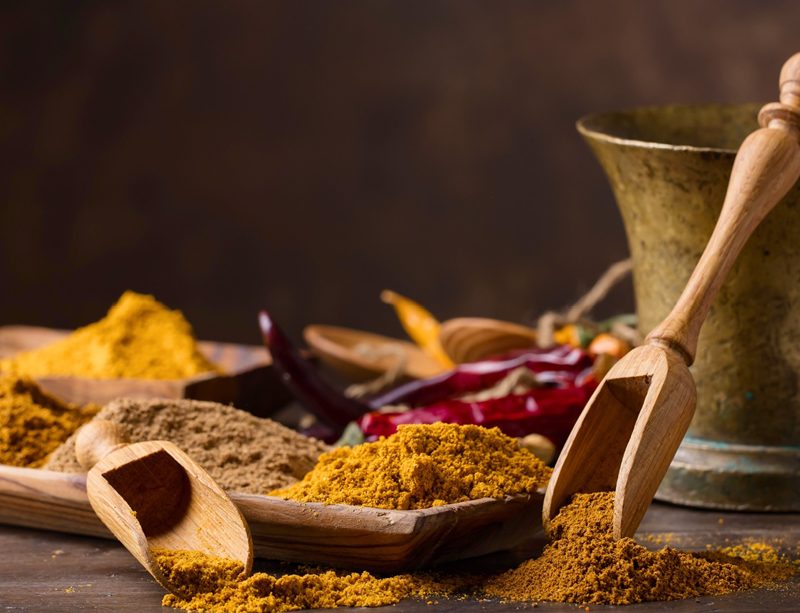
Ginseng belongs to the Cucurbitaceae family, similar to cucumber or zucchini. It has creeping stems, five- to seven-lobed pinnate leaves and small yellow-green unisexual flowers. The fruit is a black spherical two-seeded berry. Native to Southeast Asia, it grows wild mainly in China, India, Korea, Malaysia and Japan – in forests, scrub, along roadsides and on mountain slopes, up to an altitude of 3 200 m. In our conditions it can be easily grown, even in pots. The leaf is most often used for medicinal purposes. (1)
History
The earliest records of five-leaf ginseng come from China, from the beginning of the Ming Dynasty (i.e. from the 2nd half of the 14th century). At that time, the plant was part of traditional cuisine, which is still the case today – in China it is not only used to make tea, but is also commonly eaten as a vegetable or added to pastries, noodles, beer, wine and other dishes. The first record of its use for healing dates back to 1578, when the legendary herbalist Li Shi-Zhen included a sketch and description in his book Compendium of Materia Medica. In it, he described the efficacy of five-leaf ginseng for hematuria (blood in the urine), edema, sore throats, as well as for treating tumors or injuries. (1,2)
Ginseng five-leaf earned the attention of modern science in the 1970s, when a large census was conducted in China. It showed that in the province of Guizhou, located in the mountains in the interior of southern China, there is an exceptionally high proportion of centenarians who are virtually free of diseases closely related to ageing. When the researchers looked for possible reasons, they found that the local population consumes five-leaf ginseng tea instead of the typical Chinese green tea. This kicked off a series of studies focusing on the herb’s effects in slowing aging and treating many diseases. Indeed, its Chinese name, Jiaogulan, translates to “herb of immortality” (1,2).
Ginseng has also been extensively studied in Japan. Interest in it started after the Japanese government called for research into plants that could be used as a sugar substitute (the plant has a sweet taste). Japanese scientist Dr Masahiro Nagai subsequently discovered several saponins from the ginsenoside group, which are also found in ginseng. (2)
Active ingredients
More than 210 active substances have been isolated from ginseng so far. The most important of these are the triterpenic saponins of the dammarane type known as gypenosides and gynosaponins, 9 of which have molecule parts identical to the ginsenoside saponins in ginseng. It also contains some polyphenols (quercetin, rutin, campferol and others), polysaccharides, phenols, steroidal substances (beta-sisterol, stigmasterol and others), vitamins and amino acids. The highest saponin content in the leaves occurs in the period just before flowering (1, 2, 32).
Healing effects
According to generally accepted definitions, ginseng can be considered as an adaptogen, i.e. a herb that increases the body’s resistance to stress, thus reducing its negative effects (3).
An important component of its action is its antioxidant effect, thanks to which it protects organs and tissues from the oxidative action of free radicals. Its own antioxidant action is far from being among the best, but its power lies in something else: It can effectively increase the production of so-called endogenous antioxidants, which are produced inside our bodies. This applies, for example, to the enzymes superoxide dismutase (SOD), glutathione peroxidase and catalase. (4)
Many of the substances contained in this plant also have epigenetic effects, i.e. they influence the activity of important genes in our DNA. (5) Others improve mitochondrial function.
Some studies have also suggested the ability of ginseng to influence the composition of the gut microbiome (6, 7).
Stress and the adrenal glands
The adrenal glands are a very often underestimated and overlooked organ, yet they play a very important role in the body in maintaining internal homeostasis. Among other things, this organ is responsible for the production of stress hormones, which are secreted during physical or mental stress. When we are under stress, there are basically two situations: the first is a prolonged increased secretion of stress hormones (e.g. cortisol), which can manifest itself, for example, in increased blood glucose levels, muscle loss or immune disorders. The second possibility is that prolonged exposure to stress exhausts the adrenal glands, leading to adrenal fatigue, which results in insufficient production of stress hormones and disruption of the body’s homeostasis. Ginseng is one of the herbs that effectively supports the function of the adrenal glands, thus helping the body to cope with the effects of chronic stress. (8)
Diabetes
The positive effect of five-leaf ginseng in type II diabetes is relatively well documented. The main focus of its action here is its ability to reduce insulin resistance, a condition typical of type II diabetes. The pancreas can secrete enough of the hormone insulin, but the body’s tissues lose sensitivity to it, causing blood glucose levels to rise. The use of ginseng has been shown in studies to reduce glycaemia and glycated haemoglobin without affecting insulin production. Its efficacy has been demonstrated both in diabetics who were not taking any treatment and in combination with antidiabetic drugs. However, some studies have also shown the herb’s ability to directly promote insulin production. (1, 9, 11)
The action of the herb in diabetes is made possible by its epigenetic effect. It reduces the activity of the PTPN1 gene, which controls the production of the PTP-1B protein in the liver and muscles. It is this protein that reduces insulin sensitivity. It also promotes the activity of the gene for the production of the enzyme AMPK (activated protein kinase), which allows glucose to be absorbed from the blood and used within the muscles. This in turn lowers blood glucose levels. (9,10, 13)
Weight Loss
The ability to reduce insulin resistance and increase AMPK enzyme production is also applicable in promoting weight loss. For example, in a double-blind, placebo-controlled study, subjects experienced a reduction in BMI after 12 weeks of use even without lifestyle modifications. In experiments on mice fed a high-fat diet, five-leaf ginseng reduced adipogenesis (the formation of new fat cells) and reduced weight gain (1, 14).
Liver
Five-leaf ginseng can be very effective in dealing with a range of liver problems. A typical example of a potential use is liver fibrosis – scarring of liver tissue that occurs with chronic liver damage due to, for example, viral disease, chemical exposure, metabolic disorders or autoimmune disease. It is one of the most common diseases in our civilization (4,7).
Liver fibrosis contributes to cirrhosis, cancer or liver failure. In this case, the beneficial effect of ginseng is epigenetic in nature – it is due to a saponin called NPLC0393, which affects important signaling pathways and the activity of the NDRG2 gene, which controls the division and differentiation of liver cells. In addition, the ability of ginseng to positively influence the balance of the gut microbiome, which is almost always disturbed in this disease, plays a positive role in the treatment of liver fibrosis. (4, 7)
It has also been shown to be effective in non-alcoholic fatty liver disease and chronic hepatitis. (15, 25, 26)
Heart and blood vessels
A wide range of positive effects of ginseng have been demonstrated in the cardiovascular system. It helps to reduce cholesterol and triglyceride levels in the blood, reduces the level of damage to the lining of the vascular walls (e.g. due to inflammation and oxidative processes), thereby reducing the processes of atherosclerosis, and also helps to regulate blood pressure. Its positive effect is two-sided: it helps to lower high blood pressure and to raise low blood pressure. It promotes the restoration of an important function of the vascular lining in the form of nitric oxide (NO) production. This acts as a vasodilator – i.e. it dilates blood vessels, helping to lower blood pressure and improve blood flow to all body tissues. (17-22)
Ginseng’s ability to reduce high blood pressure is particularly promising – in one study it showed twice the effectiveness of true ginseng in this regard and comparable effectiveness to the blood pressure-lowering drug Indapamide (23).
It is also suitable immediately after a heart attack or stroke, when it helps reduce the severity of tissue damage and speeds up the healing and recovery process. And last but not least, it is beneficial in cardiomyopathy, congestive heart failure, arrhythmia and protects the heart muscle from damage due to untreated diabetes (24).
Kidneys
Some of the studies have also demonstrated the ability of ginseng to support kidney function. (27)
Reproduction system
Five-leaf ginseng is one of the herbs that effectively restore the ability to get an erection. This is because it promotes the production of nitric oxide, which dilates the blood vessels in the genital area and thus allows better blood supply to the erectile tissues of the penis. At the same time, it has a positive effect on fertility, in both sexes: in men it promotes the production and mobility of sperm and protects them against the effects of free radicals, in women it helps to improve ovarian function and egg maturation. (27-29)
Sports performance
Ginseng has a relatively extensive positive effect on athletic performance, both in endurance and speed-strength sports. For example, it promotes the differentiation of myoblasts (muscle stem cells, which differentiate to form new muscle fibres), which has applications in both performance enhancement and the healing of muscle injuries. It also supports the function of mitochondria, which are cellular organelles that convert nutrients into energy that can then be used for athletic performance. It also influences the metabolism of lactate (lactic acid), which is produced in the body during high-intensity exercise and limits the body’s ability to work at this intensity for extended periods of time. And importantly, it can support the production of the enzyme AMPK, which allows glucose to be absorbed from the blood into the muscles where it can be used as an energy source. This is important not only in the prevention and treatment of diabetes (see above), but also in the context of performance in endurance sports (30).
Mental performance
Some studies have also shown that ginseng has neuroprotective effects, i.e. that it promotes the protection of nerve cells against, for example, free radicals, inflammation or toxins. This could make it useful, for example, in the prevention and treatment of Alzheimer’s disease (31).
In animal tests, the herb also had an antixyolytic effect, i.e. it helped to reduce anxiety levels (1).
Immunity
Especially the polysaccharides contained in five-leaf ginseng also have an extensive positive effect on the immune system. They promote the formation, differentiation and activity of a wide range of immune cells (leukocytes, macrophages, lymphocytes, NK-cells and others) and have anti-inflammatory effects (32).
Use and contraindications
Ginseng five-leaf is usually taken at a dose of 60-80 mg per day, but no serious side effects have occurred even when this amount is exceeded several times, only digestive discomfort may occur in some cases. (1)
Due to its stimulating effects, it is advisable to take ginseng five-leaf in the morning or in the morning – if consumed in the evening, it could interfere with falling asleep. Combination with blood thinners (Warfarin), MAOI-type antidepressants, antipsychotics and stimulants is not suitable, but caution is also needed when combining with antidiabetic drugs (risk of hypoglycaemia). Conversely, in liver disease, its administration can significantly enhance the efficacy of conventional liver drugs. Ginseng is not recommended for use during pregnancy and breastfeeding, as there has not yet been sufficient research to demonstrate its safety during these periods. It should also not be used in the last two weeks before surgery because of the risk of bleeding complications (12, 15).
Suitable combinations
Diabetes: five-leaf ginseng + OPC (33), five-leaf ginseng + quercetin
Weight loss: five-leaf ginseng + hesperidin (35), five-leaf ginseng + quercetin
kidneys: ginseng five-leafed + ginseng of Palestine (27), ginseng five-leafed + calendula (33), ginseng five-leafed + quercetin
0:00
/
0:00
Stárnutí je volba
Komentáře
Seznam zdrojů
- Zdeňka Navrátilová. Gynostemma pentaphyllum – obsahové látky a léčivé účinky. Prakt. lékáren. 2017; 13(3): 116–118
- Blumert M, Liu J. China’s Immortality Herb. Badger,California: Torchlight Publishing, Inc; 1999.
- New Adaptogen Criteria. Adaptogens.org. http://www.adaptogens.org/adaptogen/the-new-criterion/113-new-adaptogen-criterion. Accessed 11/2016.
- Hong Y, Yongxing M, Shuzhen X, Jiemin G. Approaching the antisenescence effect of pan glycoside extract of Gynostemma pentaphyllum (Thunb) Mak. Shanghai Med Pharmaceut J. 2001;11.
- Hui Huang, Kuifeng Wang, Qian Liu, Feihong Ji, Hu Zhou, Shanhua Fang and Jiansheng Zhu. Prevents Liver Fibrosis Through Regulation of the TGF-β1/NDRG2/MAPK Axis. Front. Genet., 04 November 2020
- Weilin Liao, Imran Khan, Guoxin Huang, Shengshuang Chen, Liang Liu, Wai Kit Leong, Xiao Ang LiJianlin Wu, W L Wendy Hsiao. Bifidobacterium animalis: the missing link for the cancer-preventive effect of Gynostemma pentaphyllum. Gut Microbes. 2021 Jan-Dec;13(1):1847629.
- Shu-Hua Shen, Ting-Yan Zhong, Cui Peng, Jie Fang& Bin Lv. Structural modulation of gut microbiota during alleviation of non-alcoholic fatty liver disease with Gynostemma pentaphyllum in rats. BMC Complementary Medicine and Therapiesvolume 20, Article number: 34 (2020)
- Lian-ying Liao, Yi-fan He, Li Li, Hong Meng, Yin-mao Dong,Fan Yi, and Pei-gen Xiao. preliminary review of studies on adaptogens: comparison of their bioactivity in TCM with that of ginseng-like herbs used worldwide. Chin Med.2018; 13: 57.
- V. T. T. Huyen,D. V. Phan, P. Thang, N. K. Hoa, and C. G. Östenson. Gynostemma pentaphyllum Tea Improves Insulin Sensitivity in Type 2 Diabetic Patients. J Nutr Metab. 2013; 2013: 765383.
- Hung TM, Hoang DM, Kim JC, Jang HS, Ahn JS, Min BS. Protein tyrosine phosphatase 1B inhibitory by dammaranes from Vietnamese Giao-Co-Lam tea. Journal of Ethnopharmacology. 2009;124(2):240–245.
- Yoon Hee Kim, Jae In Jung, Young Eun Jeon, So Mi Kim, Tae Kyu Oh, Jaesun Lee, Joo Myung Moon, Tae Young Kim, and Eun Ji Kim. Gynostemma pentaphyllumextract and Gypenoside L enhance skeletal muscle differentiation and mitochondrial metabolism by activating the PGC-1α pathway in C2C12 myotubes. Nutr Res Pract.2022 Feb; 16(1): 14–32.
- https://www.webmd.com/vitamins/ai/ingredientmono-265/jiaogulan
- Rehman Gauhar, Seung-Lark Hwang, Si-Sung Jeong, Ji-Eun Kim, Hebok Song, Dong Chan Park, Kyung-Sik Song, Tae Young Kim, Won Keun Oh, Tae-Lin Huh. Heat-processed Gynostemma pentaphyllum extract improves obesity in ob/ob mice by activating AMP-activated protein kinase. Biotechnol Lett. 2012 Sep;34(9):1607-16.
- Hyun Sook Lee, Su-Min Lim, Jae In Jung, So Mi Kim, Jae Kyoung Lee, Yoon Hee Kim, Kyu Min Cha, Tae Kyu Oh, Joo Myung Moon, Tae Young Kim, and Eun Ji Kim. Gynostemma PentaphyllumExtract Ameliorates High-Fat Diet-Induced Obesity in C57BL/6N Mice by Upregulating SIRT1. Nutrients.2019 Oct; 11(10): 2475.
- Chou SC, Chen KW, Hwang JS, Lu WT, Chu YY, Lin JD, Chang HJ, See LC. The add-on effects of Gynostemma pentaphyllum on nonalcoholic fatty liver disease. Altern Ther Health Med. 2006 May-Jun;12(3):34-9.
- https://assets-us-01.kc-usercontent.com/b3f5510f-b2f6-0081-05a1-dbd7a9328e1f/129ab6e0-1ffe-4650-80ac-a1fcd252e73b/Gynostemma_Monograph-2021_March.pdf
- Ning Dai, Fang-fang Zhao, Min Fang, Feng-lan Pu, Ling-yao Kongand Jian-ping Liu. Gynostemma pentaphyllumfor dyslipidemia: A systematic review of randomized controlled trials. Front. Pharmacol., 26 August 2022
- Li, L. and Lau, B. H. S. (1993), Protection of vascular endothelial cells from hydrogen peroxide-induced oxidant injury by gypenosides, saponins of Gynostemma pentaphyllum. Phytotherapy Research, 7: 299–304. doi: 10.1002/ptr.2650070408
- Yuan Quan, Yijun Yang, Huixing Wang, Bo Shu, Qi-hai Gong, Minzhang Qian. Gypenosides attenuate cholesterol induced DNA damage by inhibiting the production of reactive oxygen species in human umbilical vein endothelial cells. Molecular Medicine Reports. 12/2014; 11(4). DOI: 10.3892/mmr.2014.3095
- L Li, L Jiao, B H Lau. Protective effect of gypenosides against oxidative stress in phagocytes, vascular endothelial cells and liver microsomes. Department of Microbiology, School of Medicine, Loma Linda University, CA. Cancer biotherapy 02/1993; 8(3):263-72. DOI: 10.1089/cbr.1993.8.263
- Tang Chaoke, Sun Ming, Wen Gebo, Hu Bi, Liao Duanfang; Effect of Gypenosides on Mean Arterial Pressure and Nitric Oxide Levels in Rabbits with Endotosin Induced Shock; Journal Of Hengyang Medical College;1999-04
- Lu, GH. et al. Comparative study on anti-hypertensive effect of Gypenosides, Ginseng and Indapamide in patients with essential hypertension. Guizhou Medical Journal 1996; 20:1.
- Lu, GH. et al. Comparative study on anti-hypertensive effect of Gypenosides, Ginseng and Indapamide in patients with essential hypertension. Guizhou Medical Journal 1996; 20:1.
- https://www.majesticherbs.com/jiaogulan-gynostemma-pentaphyllum-cardiovascular-disease-cvd/
- Zhu, BZ. Therapeutic effect of jiaogulan granules on 100 patients with chronic hepatitis B. Journal of Anhiu College of Traditional Chinese Medicine, 1994; 13(3): 7.
- Ma YL, et al. Therapeutic effect of jiaogulan in 200 cases of hepatitis B. Hebei J Comb Chin Western Med. 1997; 6(1): 48.
- https://ndnr.com/botanical-medicine/the-herb-of-immortality-gynostemma-pentaphyllum/
- Toda N, Ayajiki K, Okamura T. Nitric oxide and penile erectile function. Pharmacol Ther. 2005;106(2):233-266.
- Rosselli M, Keller PJ, Dubey RK. Role of nitric oxide in the biology, physiology, and pathophysiology of reproduction. Hum Reprod Update. 1998;4(1):3-24 E European Society for Human Reproduction and Embryology.
- Yoon Hee Kim, Jae In Jung, Young Eun Jeon, So Mi Kim, Tae Kyu Oh, Jaesun Lee, Joo Myung Moon, Tae Young Kim, and Eun Ji Kim. Gynostemma pentaphyllumextract and Gypenoside L enhance skeletal muscle differentiation and mitochondrial metabolism by activating the PGC-1α pathway in C2C12 myotubes. Nutr Res Pract.2022 Feb; 16(1): 14–32.
- Jiahao Wang, Jiamiao Shi, Ning Jia& Qinru Sun. Network pharmacology analysis reveals neuroprotection of Gynostemma pentaphyllum (Thunb.) Makino in Alzheimer’ diseas. BMC Complementary Medicine and Therapiesvolume 22, Article number: 57 (2022)
- Xiaoya Shang, Yu Chao, Yuan Zhang, Chengyuan Lu, Chunlan Xu, and Weining Niu. Immunomodulatory and Antioxidant Effects of Polysaccharides from Gynostemma pentaphyllumMakino in Immunosuppressed Mice. Molecules.2016 Aug; 21(8): 1085.
- H-J Zhang, B-P Ji, G Chen, F Zhou, Y-C Luo, H-Q Yu, F-Y Gao, Z-P Zhang, H-Y Li. A combination of grape seed-derived procyanidins and gypenosides alleviates insulin resistance in mice and HepG2 cells. J Food Sci. 2009 Jan-Feb;74(1):H1-7.
- Wenxia Bai, Shudong Wang, Shanshan An, Mengjie Guo. Combination therapy of chitosan, gynostemma, and motherwort alleviates the progression of experimental rat chronic renal failure by inhibiting STAT1 activation. https://www.researchgate.net/publication/322392844_Combination_therapy_of_chitosan_gynostemma_and_motherwort_alleviates_the_progression_of_experimental_rat_chronic_renal_failure_by_inhibiting_STAT1_activation
- https://www.lifeextension.com/magazine/2018/2/reverse-major-factor-in-degenerative-aging