Mysteries of the gut microbiome: Do bacteria affect intelligence?
epivyziva.cz/
Zobrazeno: 402

The composition of the bacteria inside our gut is not only important for healthy digestion. It is also closely related to our mental performance, our risk of Alzheimer’s disease or depression, and even our ability to make friends!
It might seem that there is a long way from the gut to the brain, but the opposite is true. There are several possible connections between the gut and the brain, which is why the composition of the gut microbiome can have a profound effect on brain function.
For example, a nerve with a rather funny name, the vagus nerve, plays a very important role here. This nerve brings information to the brain that affects appetite, memory, learning and even mood.
A number of studies have also shown that if the composition of the gut microbiome changes, the production of substances that affect brain function – such as gamma-aminobutyric acid (GABA) or neurotransmitters that enable signal transmission between nerve cells (serotonin, dopamine and others) – also changes. Again, this is not only important for learning, memory and concentration, for example, but a lack of these substances is also typical of depression and other mental health problems.
Some gut bacteria also produce short-chain fatty acids, such as butyrate, and these affect a range of processes in the brain – for example, they act as an energy source for cells, influence cell signalling, act as anti-inflammatory agents, protect nerve cells from damage and promote the production of the growth factor BDNF, which is important for the formation and development of new nerve cells. Read more about butyrate here “
In addition, some vitamins produced in the gut – such as vitamins K2, B2, B9 and B12 – may also have protective effects on brain tissue.
The balance of the gut microbiome also has a major impact on the level of inflammatory processes in the body, which in turn affects the condition of our brain – depression, ADHD and Alzheimer’s disease are also linked to inflammatory processes.
The microbiome and the brain: What can it affect?
Cognitive processes
The ways in which gut inhabitants affect our memory, learning, concentration and other brain processes have only been explored in a small way, but even that suggests there is a connection, and a pretty damn big one. For example, the microbiome influences the production of the growth factor BDNF, which promotes the formation of new neurons, their protection and the formation of connections between them. It is the formation of new connections between nerve cells that is at the heart of the learning process. So, if you complain of a “leaky memory”, unable to concentrate and learn new things, one of the causes may lie within the gut.
In addition, animal experiments have shown that gut imbalances can significantly impair cognitive processes – this has occurred in experimental animals when infected with certain bacteria, for example, and even when taking antibiotics!
Mood
If an imbalance occurs within the gut, this will result in, among other things, an increased level of inflammatory processes. And chronic inflammation is considered to be one of the important causes of depression and other psychological problems. However, our mood and related illnesses can also be affected by metabolites of gut bacteria – especially those that are thought to increase the production of neurotransmitters and the factor BDNF.
However, the gut microbiome also affects the hypothalamus-pituitary-adrenal axis, which is responsible for our resistance to stress. In fact, low stress resilience (as well as exposure to excessive stress) increases the likelihood of depression. Mood can also be affected by the aforementioned nervus vagus, which responds to the concentration of bacterial products within it. This nerve has a direct effect on the so-called reward centre in the brain, where it helps to induce pleasant feelings, and also influences other emotions.
In experiments on mice, it has even been shown that if we transfer the gut microbiome of animals suffering from depressive symptoms to healthy ones, they will start to suffer from depressive symptoms too!
Social behaviour
So far, only mouse studies have been carried out in this area, but the results are extremely interesting. In fact, when the researchers let the experimental mice grow up in a completely antiseptic environment, leaving their intestines completely uninhabited by microorganisms, they found, among other things, that they became completely antisocial individuals. Not only did they not seek out encounters with any other mice, they even deliberately avoided them! However, when the experimental mice were given a so-called faecal transplant, which ensured that their intestines were properly colonised, their behaviour changed completely and they began to seek out social contact instead!
Through further research, the researchers then directly identified the specific bacteria responsible for the positive changes: Enterococcus faecalis. Firstly, they affect neurons that are responsible for social behaviour and secondly, they help regulate the levels of glucocorticoids, which are stress hormones. And when mice are stressed, they avoid social contact.
This research also offers great hope for people suffering from problems that affect their ability to make social connections – such as depression or autism.
Aging of the brain
Here too, experiments on mice offer great hope for humans: when scientists colonised the gut of old mice with the microbiome of young mice, they were able to significantly rejuvenate both their brains and their immune functions. It even reversed some of the brain damage associated with ageing and improved their ability to learn.
Alzheimer’s disease
However, the implantation of foreign gut bacteria does not always have a positive effect. In fact, when scientists implanted experimental animals with gut bacteria from people suffering from Alzheimer’s disease, the animals experienced changes that were dangerously reminiscent of the disease: their cognitive abilities deteriorated, their so-called “gut bacteria” declined, and they had a “brain injury”. Cognitive decline, the plasticity of the nervous system, which is linked to the formation of new neural connections, for example, increased levels of inflammatory processes in the brain, and even direct changes in the structure of the hippocampus, the part of the brain responsible for memory.
However, a link between gut microbiome balance and neurodegenerative diseases such as Alzheimer’s or Parkinson’s has also been demonstrated in humans. For example, its composition may promote or inhibit the formation of beta-amyloid plaques, which are typical of Alzheimer’s disease.
Autism
The causes of autism spectrum disorders are still largely shrouded in mystery, but some research suggests that these problems may also be related to the balance of the gut microbiome. This theory is supported by the fact that most autistic people also suffer from digestive problems. Among them, the incidence of Crohn’s disease, for which disharmony within the gut is typical, is abnormally high.
Diagnostic methods based on gut microbiome analysis are even being developed to detect autism spectrum disorders at an early age.
ADHD
Attention deficit hyperactivity disorder has a number of possible causes. One of the most important is thought to be dysfunction of the mitochondria on the so-called dopaminergic neurons (mitochondria are energy-producing cellular organelles). This leads to an increased production of free radicals that damage cell membranes and, in particular, the omega-3 unsaturated fatty acids they contain. This results in inflammation, which also has a negative effect on the function of these neurons, thus completing the vicious circle.
Again, the aforementioned reward centre (i.e. dopamine-producing neurons) is also at play here, as reward anticipation is important for behavioural regulation, and is often impaired in children with ADHD. And it is the gut microbiome that influences the reward centre in a fundamental way.
Even the probable causative agent of these problems is known: the bacterium Faecalibacterium, which is found in insufficient quantities in the intestines of most people with ADHD, and the Ruminococcaceae family, which is overpopulated. This is because these bacteria consume GABA, which reduces the level of neuronal irritation (and therefore has a calming effect), which can cause a deficiency in the brain. An overall reduction in the species diversity of gut inhabitants has also been observed.
Interestingly, in one study, researchers found similar changes in the intestines of mothers of children with ADHD. It is therefore possible that they may have passed them on to their children, for example, at birth.
Children with ADHD have also been found to be deficient in omega-3 unsaturated fatty acids, particularly DHA, which is an important component of nerve cells, as well as having elevated levels of omega-6. Supplementation with omega-3s can lead to improvements in some ADHD symptoms.
Appetite
Hunger as well as appetite do not actually arise in the stomach, but in the brain. And the gut microbiome influences this area as well. Its composition influences the production of substances that stimulate or suppress appetite – for example, leptin, ghrelin, neuropeptide Y or insulin.
How to support the microbiome, memory and learning?
The influences on the balance of the gut microbiome and, through it, on cognitive function are numerous and can be summarised under the term ‘lifestyle’.
Nutrition has a crucial influence. In this respect, both extremes are harmful: malnutrition and excessive calorie intake, especially in the form of simple carbohydrates and saturated fats. Both of these nutrients in excessive amounts not only disrupt the balance of the gut microbiome, but also increase the permeability of the intestinal wall and, in turn, increase the permeability of the so-called blood-brain barrier, which prevents the passage of many substances from the blood to the brain. This increases the penetration of toxic substances into the brain, which in turn impairs cognitive function. Of the positive nutrients, the intake of essential amino acids, choline and omega-3 is particularly important. The foundations are laid here in early childhood – breastfeeding, for example, has a decisive influence on the composition of the microbiome.
Body weight also plays a role – obese individuals, for example, have been shown to have a different gut microbiome composition, but also some cognitive functions.
The composition of the gut microbiome should be given great attention during childhood – especially in the first three years of life, its composition can be most significantly affected, and imbalances within the gut can seriously impair brain development. However, care of this area is important at all stages of life. And what other ways can we influence the balance within the gut?
Probiotics
Not all “friendly” bacteria can be taken as dietary supplements, but a positive effect has been observed for those that can – i.e. Lactobacilus and Bifidobacterium. For example, Lactobacilus has been shown to support memory and learning ability. In addition, in mouse experiments, their administration increased levels of gamma-aminobutyric acid (GABA) in the brain, a deficiency of which has been linked not only to memory and concentration problems, but also to depression, anxiety, sleep disorders and ADHD.
Glutamine and L-tryptophan
A sufficient intake of amino acids is the absolute basis for the functioning of all processes in the body. Two in particular have an impact on the gut microbiome: glutamine and tryptophan.
Glutamine is the most abundant amino acid in the human body, so sufficient intake is essential. Its deficiency occurs especially with injuries, inflammation, after surgery, but also with high physical activity. Glutamine is also essential for the balance of the gut microbiome. It promotes the proliferation of “friendly bacteria, contributes to the proliferation of intestinal mucosal cells and their regeneration, and even supports the repair of intestinal mucosa damaged by chemotherapy. In addition, it is a precursor to GABA, so taking it may also be helpful for depression, anxiety or ADHD.
Tryptophan (L-tryptophan) is not only important for the metabolism of certain gut bacteria, but it is also a precursor of serotonin – it is from this neurotransmitter that the brain produces this neurotransmitter. Serotonin deficiency is associated with depression and poor brain performance, for example. Tryptophan is also necessary for the proper functioning of memory and learning processes, as well as for the production of the “sleep hormone” melatonin, which affects the depth and quality of our sleep.
The richest sources of glutamine are generally foods of animal origin (meat, fish, dairy products, eggs), but it can also be found in nuts, cabbage or beans. In addition to animal products, bananas, nuts, legumes and oatmeal also contain L-tryptophan. Both amino acids can also be taken in the form of dietary supplements.
Butyrate
Butyrate is a product of certain gut bacteria, but it can also be taken as a dietary supplement. It promotes the formation and development of brain cells, protects them from degenerative processes, has anti-inflammatory effects, improves mitochondrial function, promotes memory (especially long-term memory) and has been shown to be associated with Alzheimer’s disease and autism. If the intestinal bacteria do not produce enough butyrate, it is advisable to take it as a dietary supplement.
Resveratrol
Red wine dye positively affects the gut microbiome and the transmission of information between the gut and the brain. It also has a positive effect on memory and other cognitive functions.
Indole-3-carbinol
It is a substance that is formed from glucobrassicin in the digestive system. Its source is mainly in cruciferous vegetables, such as broccoli, Brussels sprouts, cabbage, cauliflower, kohlrabi and others.
Indole suppresses inflammation in the intestines, positively affects the balance of the intestinal microbiome and increases butyrate production. It is also one of the key substances that mediate the transmission of information between the gut and the brain, and has beneficial effects in Alzheimer’s disease and autism. In addition to eating cruciferous vegetables, indole-3-carbinol can also be obtained from dietary supplements.
Saffron
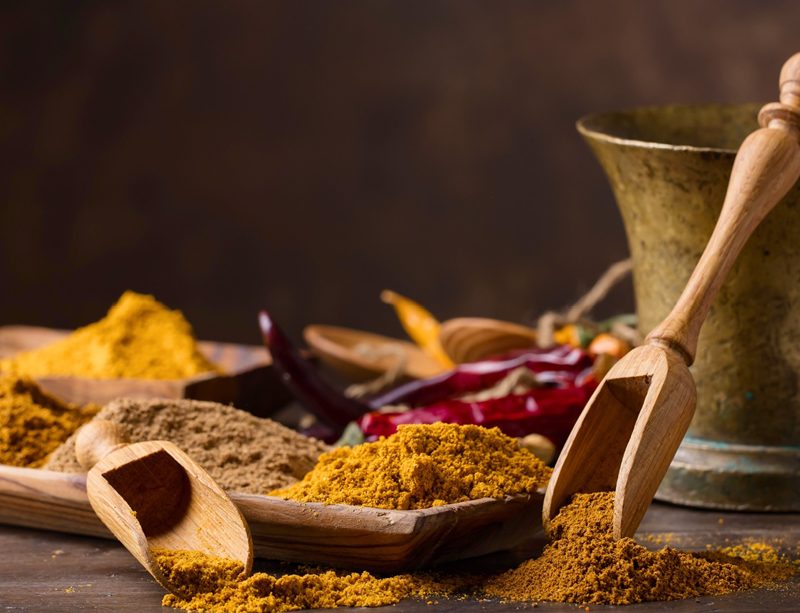
The rare spice is traditionally used to treat depression. It turns out that the gut microbiome is probably behind this effect as well. Saffron’s deep yellow colour is due to the carotenoid crocin, which research has shown to alleviate imbalances in the gut microbiome and increase butyrate production.
Omega-3
The relationship between omega-3s and brain function is quite fundamental. One of these unsaturated fatty acids, DHA, is an important component of cell membranes, and its concentration is very high in brain cells. The other, EPA, is a strong anti-inflammatory.
However, the relationship between omega-3s and the gut microbiome was also confirmed. The relationship is reciprocal: supplementation with omega-3s leads to an increase in species diversity within the gut and in the presence of “friendly” bacteria, while consumption of probiotics leads to an increase in the concentration of omega-3s in the brain.
0:00
/
0:00
Stárnutí je volba
Klíčová slova: ADHD, Alzheimer's disease, anxiety, Butyrate, depression, indole-3-carbinol, L-tryptophan, learning, memory, mental performance, microbiome, omega-3, resveratrol, saffron, weight loss
Komentáře
Seznam zdrojů
- Wei-Li Wu, Mark D. Adame, Chia-Wei Liou, Jacob T. Barlow, Tzu-Ting Lai, Gil Sharon, Catherine E. Schretter, Brittany D. Needham, Madelyn I. Wang, Weiyi Tang, James Ousey, Yuan-Yuan Lin, Tzu-Hsuan Yao, Reem Abdel-Haq, Keith Beadle, Viviana Gradinaru, Rustem F. Ismagilov & Sarkis K. Mazmanian. Microbiota regulate social behaviour via stress response neurons in the brain. Nature volume 595, pages409–414 (2021)
- Marcus Boehme, Katherine E. Guzzetta, Thomaz F. S. Bastiaanssen, Marcel van de Wouw, Gerard M. Moloney, Andreu Gual-Grau, Simon Spichak, Loreto Olavarría-Ramírez, Patrick Fitzgerald, Enrique Morillas, Nathaniel L. Ritz, Minal Jaggar, Caitlin S. M. Cowan, Fiona Crispie, Francisco Donoso, Evelyn Halitzki, Marta C. Neto, Marzia Sichetti, Anna V. Golubeva, Rachel S. Fitzgerald, Marcus J. Claesson, Paul D. Cotter, Olivia F. O’Leary, Timothy G. Dinan & John F. Cryan. Microbiota from young mice counteracts selective age-associated behavioral deficits. Nature Aging volume 1, pages666–676 (2021)
- Wen Tang, Zhaoyou Meng, Ning Li, Yiyan Liu, Li Li, Dongfeng Chen, Yang Yang. Roles of Gut Microbiota in the Regulation of Hippocampal Plasticity, Inflammation, and Hippocampus-Dependent Behaviors. Front. Cell. Infect. Microbiol., 27 January 2021
- Jian-Hua Mao, Young-Mo Kim, Yan-Xia Zhou, Dehong Hu, Chenhan Zhong, Hang Chang, Colin J. Brislawn, Sarah Fansler, Sasha Langley, Yunshan Wang, B. Y. Loulou Peisl, Susan E. Celniker, David W. Threadgill, Paul Wilmes, Galya Orr, Thomas O. Metz, Janet K. Jansson & Antoine M. Snijders. Genetic and metabolic links between the murine microbiome and memory. Microbiome volume 8, Article number: 53 (2020)
- Simone Perna, Tariq A. Alalwan, Zahraa Alaali, Tahera Alnashaba, Clara Gasparri, Vittoria Infantino, Layla Hammad, Antonella Riva, Giovanna Petrangolini, Pietro Allegrini, and Mariangela Rondanelli. The Role of Glutamine in the Complex Interaction between Gut Microbiota and Health: A Narrative Review. Int J Mol Sci. 2019 Oct; 20(20): 5232.
- Harrisham Kaur, Chandrani Bose, Sharmila S. Mande. Tryptophan Metabolism by Gut Microbiome and Gut-Brain-Axis: An in silico Analysis. Front. Neurosci., 18 December 2019.
- Wim J Riedel, Sjacko Sobczak, Jeroen A J Schmitt. Tryptophan modulation and cognition.
Adv Exp Med Biol.. 2003;527:207-13. - Den Besten G, Van Eunen K, Groen AK, Venema K, Reijngoud DJ, Bakker BM. 2013. The role of short-chain fatty acids in the interplay between diet, gut microbiota, and host energy metabolism. Journal of Lipid Research. 54(9): 2325-2340.
- MacFabe, DF. 2012. Short-chain fatty acid fermentation products of the gut microbiome: Implications in autism spectrum disorders. Microbial Ecology in Health and Disease. 23.
- Govindarajan N, Agis-Balboa RC, Walter J, Sananbenesi F, Fischer A. Sodium butyrate improves memory function in an Alzheimer’s disease mouse model when administered at an advanced stage of disease progression. J Alzheimers Dis. 2011;26(1):187-97
- Miguel A. Pappolla, George Perry, Xiang Fang, Michael Zagorski, Kumar Sambamurt, Bukhard Poeggeler. Indoles as essential mediators in the gut-brain axis. Their role in Alzheimer’s disease. Neurobiology of Disease. Volume 156, August 2021.
- https://www.spectrumnews.org/news/study-hints-dietary-chemical-therapy-type-autism/
- Ji Yeon Chung, Jae-Ho Jeong, Juhyun Song. Resveratrol Modulates the Gut-Brain Axis: Focus on Glucagon-Like Peptide-1, 5-HT, and Gut Microbiota. Front. Aging Neurosci., 24 November 2020.
- Michal Novotný, Blanka Klímová, Michal Vališ. Microbiome and Cognitive Impairment: Can Any Diets Influence Learning Processes in a Positive Way?
- Front. Aging Neurosci., 28 June 2019
- https://www.nature.com/articles/s41467-020-19931-2
- Grégoire Chevalier, Eleni Siopi, Laure Guenin-Macé, Maud Pascal, Thomas Laval, Aline Rifflet, Ivo Gomperts Boneca, Caroline Demangel, Benoit Colsch, Alain Pruvost, Emeline Chu-Van, Aurélie Messager, François Leulier, Gabriel Lepousez, Gérard Eberl & Pierre-Marie Lledo. Effect of gut microbiota on depressive-like behaviors in mice is mediated by the endocannabinoid systém. Nature Communications volume 11, Article number: 6363 (2020)
- Joby Pulikkan , Agnisrota Mazumder, Tony Grace. Role of the Gut Microbiome in Autism Spectrum Disorders. Adv Exp Med Biol. 2019;1118:253-269.
- https://www.genengnews.com/news/gut-microbiome-features-unrelated-to-diet-linked-to-autism-spectrum-disorder-in-children/
- Xiao Q., Shu R., Wu C., Tong Y., Xiong Z., Zhou J., Yu C., Xie X., Fu Z. Crocin-I alleviates the depression-like behaviors probably via modulating “microbiota-gut-brain” axis in mice exposed to chronic restraint stress. J. Affect. Disord. 2020;276:476–486.
- Ana Checa-Ros, Antonio Jeréz-Calero, Antonio Molina-Carballo, Cristina Campoy, and Antonio Muñoz-Hoyos. Current Evidence on the Role of the Gut Microbiome in ADHD Pathophysiology and Therapeutic Implications. Nutrients. 2021 Jan; 13(1): 249.