12 tips for harmony inside the gut – the complete guide to a healthier diet
epivyziva.cz/
Zobrazeno: 678
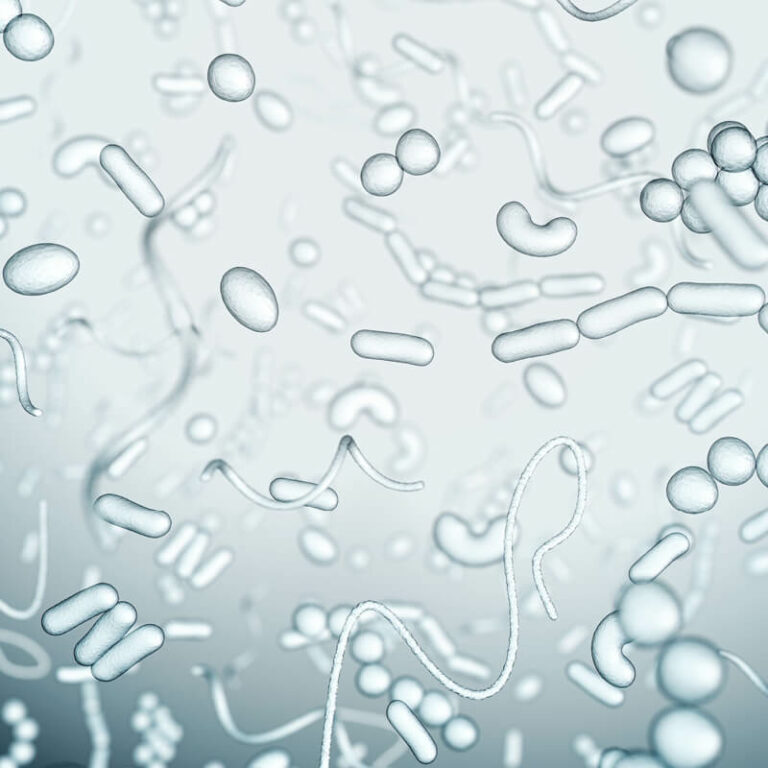
There are about 100 trillion cells in everyone’s body, but only about a tenth of them are cells that are actually ours. Up to 90% of this is made up of microbes – mostly bacteria, viruses and yeast. And the vast majority of these are found inside the gut, where they have a profound effect on our health. These microbes can work for us or against us – depending on whether there is balance or disharmony within the gut. And this is largely determined by our diet.
The gut microbiome helps us digest food, produces certain vitamins, but it also has a very close influence on our immune system, metabolism, endocrine system, and even the nervous system. Through the epigenetic substances they secrete (such as butyrate), some of the microorganisms can even profoundly influence the activity of genes within our DNA. However, they also affect the absorption of nutrients from food – so imbalances in the microbiome can cause deficiencies of certain substances, even though we get enough of them through food.
The composition of the gut microbiome is not constant, but changes over the course of a lifetime, and if it shifts significantly in the wrong direction, the risk of a range of diseases and conditions increases significantly. There are also major changes with age – as we age, the proportion of short-chain fatty acid-producing bacteria decreases and the proportion of pathogens increases, resulting in higher levels of inflammatory processes, increased permeability of the gut wall, impaired digestion and absorption of nutrients, and associated increased risk of a range of health problems.
However, the intensity of these changes can be significantly influenced by our lifestyle – mostly by diet, but also by exercise, smoking or drinking alcohol.
Which problems are related to imbalances in the intestines?
A disrupted gut microbiome leads primarily to a disruption of the so-called barrier function of the gut. This causes a negative impact on the immune system, but at the same time substances that promote inflammatory processes are released into the bloodstream. Inflammation can then trigger or aggravate a number of diseases and problems, for example:
Inflammatory bowel diseases – Crohn’s disease, ulcerative colitis, irritable bowel syndrome, but also celiac disease (gluten allergy) – all of these diseases have been found to have lower levels of butyrate-producing bacteria (especially Faecalibacterium prausnitzii), and an increase in pathogens (e.g. Proteobacteria strains). However, gut dysbiosis has also been found in other autoimmune diseases, such as rheumatoid arthritis.
Obesity and diabetes – obese people have a preponderance of inflammation-promoting bacteria in their gut (Ruminococcus gnavus, Bacteroides) and a deficiency of butyrate-producing species (e.g. Faecalibacterium prausnitzii). Similar changes have been found in people with type 2 diabetes. If both groups receive a so-called faecal transplantation from lean donors, insulin resistance, which contributes to both obesity and diabetes, is reduced. In addition, some species of gut bacteria produce short-chain fatty acids, particularly butyrate and propionate, which in turn promote the production of the hormones PYY and GLP-1, which reduce appetite and blood glucose levels.
Thyroid function – substances produced by intestinal bacteria can affect the absorption of iodine, selenium, iron and zinc and affect the metabolism of thyroid hormones.
Alzheimer’s disease and Parkinson’s disease – both of these neurodegenerative diseases have been found to have a significant imbalance of many types of gut bacteria.
Cancer – imbalances in the gut microbiome have been found not only in bowel cancer, but also in lung and liver cancer, and even leukaemia.
Psychiatric diseases – depression, anxiety, schizophrenia, autism – these disorders have in common not only that they involve the brain, but also that they are accompanied by an increased level of inflammatory processes. And these, in turn, are linked to imbalances in the gut microbiome. One interesting connection: according to a Danish study, the presence of autoimmune disease increases the risk of schizophrenia by 45%.
Fibrosis of the liver – in patients with this problem, an increase in Proteobacteria and a decrease in Firmicutes was noted.
How to improve the state of the intestinal mirobiome?
It’s actually simple: practically everything that is considered generally healthy also benefits the gut microbiome – especially a healthy diet and exercise. Conversely, unhealthy things like smoking, alcohol and unhealthy diets are harmful to the microbiome. However, the way we eat clearly has the most significant impact in this regard. So let’s take a closer look at the various positive and negative factors in the field of nutrition, and we’ll also add tips on useful dietary supplements.
1. Fast sugars no, prebiotics yes
When it comes to carbohydrate consumption, the effect of each type on the microbiome varies widely. On the one hand, there are simple sugars, which are clearly harmful in this respect and, when consumed regularly, change the proportions of each type in a negative direction.
On the other hand, there is fibre, which also belongs chemically to carbohydrates, but its influence is clearly positive. These are mainly the types of fibre that act as food for beneficial bacteria and thus promote their proliferation.
Soluble fibre is particularly beneficial, including inulin, fructans, fructooligosaccharides, galactooligosaccharides and others. Its consumption increases the proportion of bifidobacteria and lactobacilli in the intestines. However, insoluble fibre is also important, as it is usually considered indigestible, but in fact some bacteria can partially digest it and therefore thrive on it. These bacteria are Ruminococcus and Roseburia, which are very important for us. They produce short-chain fatty acids, particularly butyrate, which have a number of health benefits. People who are deficient in both types of fibre have a lower overall amount and species diversity of the gut microbiome.
2. Fats yes, but the right ones
There’s no such thing as fat. While an excess of saturated ones has a negative effect on the gut microbiome and health in general, omega-3 unsaturated acids, for example, are essential for harmony within our gut. Consuming enough of them leads to an adjustment in the ratios of the different types of bacteria in favour of the beneficial ones, and an overall reduction in the level of inflammatory processes in the gut and throughout the body.
While a diet high in saturated fat also promotes insulin resistance due to its effect on the gut microbiome, high consumption of omega-3s causes changes in the composition of gut inhabitants that help protect the body from the effects of excessive sugar consumption.
Olive oil also has a wide-ranging positive effect.
3. Protein: depends on the amount and the source
While insufficient protein intake is a health risk, it is also true that too much of anything is bad for you. Scientists have found very low levels of butyrate in the stool of people who eat a diet with a predominance of protein and a minimum of carbohydrates. This means that the proportion of beneficial bacteria that produce butyrate is also lower.
At the same time, it appears that people who consume a predominance of protein from vegetarian sources (and especially plant sources) have a better microbiome than people who consume large amounts of meat (red meat has a worse effect on the microbiome).
4. Probiotics help, but not always
The fact that the “friendly bacteria” found in fermented dairy products, for example, can influence the composition of the gut microbiome has been known since the mid-19th century, and today probiotics are among the best-selling dietary supplements worldwide. However, it has to be said that their importance is somewhat overestimated. Although the commonly used species (e.g. Lactobacilus, Bifidobacterium, Streptococcus thermophilus or Saccharomyces boulardii) are clearly beneficial, they have been chosen mainly for their ability to survive processing and subsequent storage. In contrast, butyrate-producing bacteria, for example, are not commonly used as food supplements.
Probiotics improve intestinal barrier function, modulate the composition of the gut microbiome (including action against certain pathogens), improve digestion (including, for example, lactose metabolism) and have effects on the immune, hormonal and nervous systems. At the same time, however, they do not work for everyone, as each person has a different gut microbiome with which probiotics may interact in different ways. Moreover, research shows that for perhaps the most common indication – after taking antibiotics – not only may not help restore the microbiome, but may even harm it.
At the same time, there are also promising studies mapping the positive effects of non-traditional probiotics – for example, butyrate-producing F. prausnitzii could be useful in inflammatory bowel disease and other inflammations, Akkermansia muciniphila in obesity, E. coli Nissle 1917 in cancer…
5. Vitamins are essential
Certain vitamins, especially vitamins A, C, D and B vitamins, help to improve the balance of the gut microbiome.
6. Beneficial polyphenols
Plant substances from the polyphenol category are known for their antioxidant effects and many of them have significant epigenetic effects. However, some of them also have a significant positive effect on the intestinal microflora:
Pomegranate – contains ellagic acid, which promotes the proliferation of the genus Bacteroides.
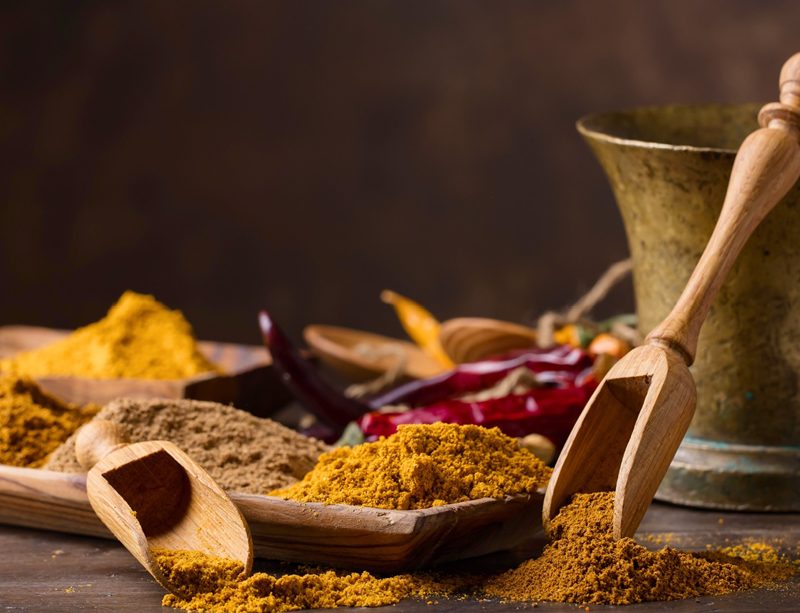
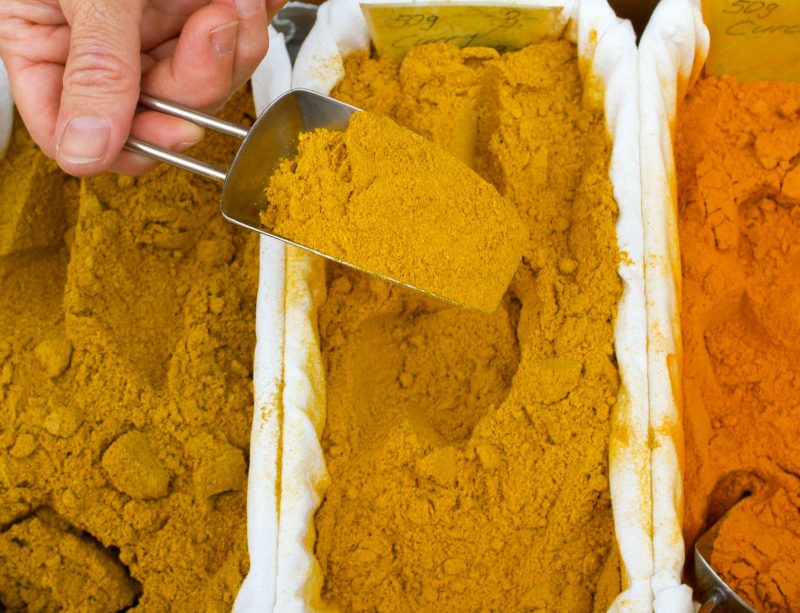
Curcumin – a dye from turmeric root combines its beneficial effect on the microbiome with its strong epigenetic and anti-inflammatory effects. This translates, for example, into significant positive effects in inflammatory bowel disease, but also in diabetes, weight loss, etc.
Quercetin – this polyphenol is found in many fruits. It is extremely effective in terms of its effect on the microbiome. It is used to promote weight loss, but also has strong anti-inflammatory effects.
The resveratrol in grape skins promotes the growth of several strains of “friendly” bacteria (especially Lactobacillus and Bifidobacterium), suppresses some undesirable ones (such as Enterococcus) and reduces the negative impact of a high-fat diet on the gut microbiome.
EGCG – epigallocatechin gallate, found mainly in green tea, promotes the speciation of the gut microbiome and the growth of some beneficial strains (e.g. Bacteroides). This translates into, for example, weight loss support, but also anti-inflammatory effects.
7. Beneficial mushrooms
So-called medicinal mushrooms are often used as immune boosters and one of the reasons for their effectiveness is their positive effect on the gut microbiome. This is due, for example, to the content of beta-glucans, alpha-glucans, polyphenols and other substances. Some of the very effective mushrooms include reishi, chaga, oyster mushroom and Hericium erinaceus.
8. Betting on the waiting list
Chicory root is mainly used roasted for the production of coffee drinks, but its effect on the gut microbiome is extraordinary thanks to its content of inulin and other types of soluble fibre. It promotes species diversity in the microbiome and the growth of some beneficial species, has anti-inflammatory effects, improves digestion, relieves constipation and helps to lose weight by promoting the production of satiety hormones.
9. Sacred boswellia
Boswellia serrata, or saw palmetto, also promotes species diversity and also suppresses the growth of many harmful bacteria, including Salmonella. It is very effective for inflammatory bowel disease, as well as diabetes.
10. Butyrate also as a dietary supplement
As we have already mentioned, butyrate is a short-chain fatty acid that is produced by certain strains of gut bacteria. Particularly if the gut microbiome is out of balance, but it may also be beneficial to take it in the form of a dietary supplement.
Butyrate serves as a source of energy for cells, and this is especially true for nerve cells, on which it also has a protective effect. As a result, it has a positive effect in the prevention and treatment of Alzheimer’s and Parkinson’s disease, has a positive effect on memory, helps to alleviate the effects of stroke, and is also beneficial in autism. In addition, it supports immunity, helps to lose weight, and is beneficial in diabetes and inflammatory bowel disease. It also strengthens the barrier function of the intestine, which can have a positive feedback effect on the gut microbiome.
11. Beware of food additives
A number of food additives have a relatively extensive negative effect on the gut microbiome. This is the case, for example, for some emulsifiers, which are abundant, especially in low-fat foods, or artificial sweeteners (aspartame, sucralose or saccharin).
12. Caution with antibiotics
Antibiotics, especially broad-spectrum ones, are usually considered the killer of the gut microbiome, but this is not 100% true. The negative impact of broad-spectrum antibiotics is most pronounced in childhood, especially in the first three years of life. If a child is taking these drugs at this time, their microbiome is negatively affected in a major, and moreover, irreversible way. Even in adulthood, the composition of the microbiome is then different from what it would have developed without the use of broad-spectrum antibiotics, which can manifest itself, for example, in a tendency to obesity or immune problems. In adults, on the other hand, antibiotics usually change the composition of the gut microbiota only temporarily and gradually everything returns to its original state.
0:00
/
0:00
Stárnutí je volba
Komentáře
Seznam zdrojů
- Enzo Spisni, Silvia Turroni, Sheri Shahaj, Renato Spigarelli, Dario Ayala, Maria Chiara Valerii. Natural Compounds in the Modulation of the Intestinal Microbiota: Implications in Human Physiology and Pathology. Inchopen.com. June 30th 2020. https://www.intechopen.com/online-first/natural-compounds-in-the-modulation-of-the-intestinal-microbiota-implications-in-human-physiology-an
- Franck Carbonero. Human epigenetics and microbiome: the potential for a revolution in both research areas by integrative studies. Future Sci OA. 2017 Aug; 3(3): FSO207.
- Flavia Indrio, Silvia Martini, Ruggiero Francavilla, Luigi Corvaglia, Fernanda Cristofori,Salvatore Andrea Mastrolia, Josef Neu, Samuli Rautava, Giovanna Russo Spena, Francesco Raimondi, andGiuseppe Loverro. Epigenetic Matters: The Link between Early Nutrition, Microbiome, and Long-term Health Development. Front Pediatr. 2017; 5: 178.
- Fofanova TY, Petrosino JF, Kellermayer R. Microbiome-epigenome interactions and the environmental origins of inflammatory bowel diseases. J Pediatr Gastroenterol Nutr (2016) 62:208
- McLoughlin RM, Mills KHG. Influence of gastrointestinal commensal bacteria on the immune responses that mediate allergy and asthma. J Allergy Clin Immunol (2011) 127:1097
- Turta O, Rautava S. Antibiotics, obesity and the link to microbes – what are we doing to our children?BMC Med (2016) 14:57.10.1186/s12916-016-0605-7
- Remely M, Aumueller E, Jahn D, Hippe B, Brath H, Haslberger AG. Microbiota and epigenetic regulation of inflammatory mediators in type 2 diabetes and obesity. Benef Microbes (2014) 5:33–43.10.3920/BM2013.00
- Wang S., Moustaid-Moussa N., Chen L., et al. Novel insights of dietary polyphenols and obesity. The Journal of Nutritional Biochemistry. 2014;25(1):1–18.
- Turnbaugh P. J., Ley R. E., Mahowald M. A., Magrini V., Mardis E. R., Gordon J. I. An obesity-associated gut microbiome with increased capacity for energy harvest. Nature. 2006;444(7122):1027–1031.
- Kumar H, Lund R, Laiho A, Lundelin K, Ley RE, Isolauri E, et al. Gut microbiota as an epigenetic regulator: pilot study based on whole-genome methylation analysis. MBio (2014) 5:e2113–4.10.1128/mBio.02113-14
- Etxeberria et al. (2015) Etxeberria U, Arias N, Boqué N, Macarulla MT, Portillo MP, Martínez JA, Milagro FI. Reshaping faecal gut microbiota composition by the intake of trans-resveratrol and quercetin in high-fat sucrose diet-fed rats. Journal of Nutritional Biochemistry. 2015;26:651–660.
- Larrosa et al. (2009) Larrosa M, Yañéz Gascón MJ, Selma MV, González-Sarrías A, Toti S, Cerón JJ, Tomás-Barberán F, Dolara P, Espín JC. Effect of a low dose of dietary resveratrol on colon microbiota, inflammation and tissue damage in a DSS-induced colitis rat model. Journal of Agricultural and Food Chemistry. 2009;57:2211–2220.
- Adrian Catinean, Maria Adriana Neag, Dana Maria Muntean, Ioana Corina Bocsan, andAnca Dana Buzoianu. An overview on the interplay between nutraceuticals and gut microbiota. PeerJ. 2018; 6: e4465. https://www.ncbi.nlm.nih.gov/pmc/articles/PMC5855885/#ref-57
- Ramalingam et al. (2016) Ramalingam R, Harrison CA, Besselsen DG, John H. The role of curcumin in modulating colonic microbiota during colitis and colon cancer prevention. Inflammatory Bowel Diseases. 2016;21:2483–2494.
- Den Besten G, Van Eunen K, Groen AK, Venema K, Reijngoud DJ, Bakker BM. 2013. The role of short-chain fatty acids in the interplay between diet, gut microbiota, and host energy metabolism. Journal of Lipid Research. 54(9): 2325-2340.
- Fellows R, Denizot J, Varga-Weisz P. 2018. Microbiota derived short chain fatty acids promote histone crotonylation in the colon through histone deacetylases. Nature Communications. 105(2018).
- MacFabe, DF. 2012. Short-chain fatty acid fermentation products of the gut microbiome: Implications in autism spectrum disorders. Microbial Ecology in Health and Disease. 23.
- Rios-Covian D, Ruas Madiedo P, Margolles A. 2016. Intestinal short chain fatty acid and their link with diet and human health. Frontiers in Microbiology. 7:185.
- Govindarajan N, Agis-Balboa RC, Walter J, Sananbenesi F, Fischer A. Sodium butyrate improves memory function in an Alzheimer’s disease mouse model when administered at an advanced stage of disease progression. J Alzheimers Dis. 2011;26(1):187-97