Red rice
epivyziva.cz/
Zobrazeno: 443
(monacolin K)
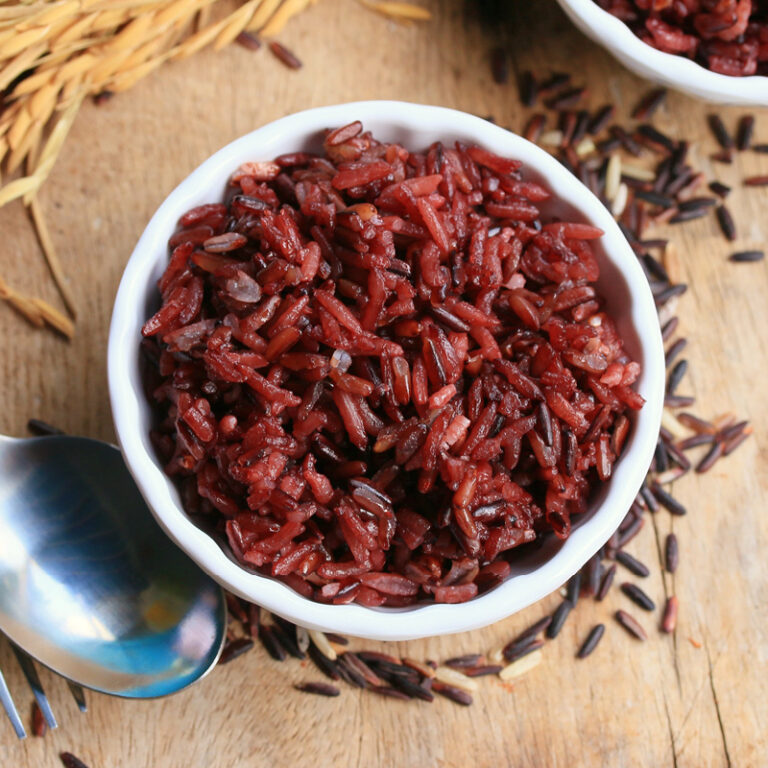
Red rice and the extract of this food are among the most effective natural remedies for lowering blood cholesterol. In addition, they have a number of other positive effects.
Description
Red rice is a traditional fermented food that is widely consumed in East Asian countries, especially in China, Japan and Korea. It is produced by fermentation by the fungus Monascus purpureus or related organisms. (1)
History
The consumption of red rice and its use for healing has a very long tradition – the first written references to it date back to the 14th century. It is then described in detail in the Bencao Gangmu (Compendium of Materia Medica), a highly regarded encyclopaedia of traditional and functional foods that dates back to the Ming Dynasty, specifically in 1596. According to this treatise, red rice was used to promote blood circulation and blood health, to activate pancreatic function, and to treat diarrhea, bruises and injuries. The 17th-century Tiangong Kaiwu describes how its antibacterial properties were used to preserve food – if red rice is smeared over the surface of fish meat, it is said that ‘no fly or worm will come near it even 10 days later’, according to the article.
Since the 1950s, the red pigments produced during the fermentation process have been used industrially, especially in Japan, for example to flavour and colour fish paste, meat products, as well as bread, confectionery and beverages. Their popularity has increased especially after the carcinogenicity of some synthetic red pigments was demonstrated. (2)
Active ingredients
Red rice contains a number of interesting substances collectively known as polyketides, which are produced by the action of the Monascus fungus. They have a number of health benefits, including antimicrobial and anticancer effects. For example, there are 25 red, orange and yellow pigments, of which rubropunctamine, monascorubramine, monascorubin, rubropunctatin, ancaflavin and monascin are particularly beneficial to the body. There are also decalin derivatives and, above all, monacolins, of which a total of 13 have been isolated from red rice so far. The best known of these is monacolin K, which has the same structure as the drug lovastatin. It is a drug from the statin group, which is used to lower blood cholesterol levels. This is why red rice extract containing monacolin K is one of the most popular cholesterol-lowering dietary supplements worldwide.
Healing effects
The positive effects of red rice on lowering cholesterol and other cardiovascular problems are very well researched and clearly confirmed. However, some studies also suggest a number of other positive effects.
Cardiovascular disease
As we have already mentioned, monacolin K is one of the effective natural remedies for lowering blood cholesterol levels. Among other things, it acts on an epigenetic basis – it is able to suppress the production of the enzyme HMGCR, which is essential for the cholesterol formation process. It also activates processes that lead to the uptake of LDL cholesterol from the bloodstream and its subsequent degradation. In addition, cholesterol reduction is also promoted by some of the pigments in red rice, which inhibit the synthesis of cholesterol and fatty acids in the liver, and their use leads to a reduction not only in LDL cholesterol but also in triglycerides in the blood. (1)
For example, when a group of volunteers were given foods containing 100 or 200 mg of red rice, they experienced a significant reduction in LDL cholesterol levels after 2-8 weeks. In another study, foods with red rice (at a dose of 1 g per day) were given to people who had shown no cholesterol response during the previous month’s treatment. But what the drugs couldn’t do, the red rice did – after consuming it, they experienced an average 10% reduction in total and LDL cholesterol. Animal studies also show that red rice can also help with reducing the amount of chylomicrons (large lipid particles containing very low-density cholesterol), which may play a role in reducing the risk of atherosclerosis. However, cholesterol reduction also occurred in all other studies conducted (1-4).
Red rice also has other positive effects on the cardiovascular system. For example, it increases the production of the enzyme NO synthase, which is essential for the production of nitric oxide (a substance that causes blood vessels to dilate and thus improve blood flow to the tissues). Moreover, it is not only monacolin K that has beneficial effects here, but also other substances contained in red rice. For example, gamma-aminobutyric acid (GABA) helps to lower blood pressure by its action on the nervous system. The pigments monascin and ancaflavin have a strong antioxidant effect, which prevents the oxidation of LDL cholesterol. Oxidized LDL cholesterol is more problematic than its unoxidized version in terms of the risk of atherosclerosis (5-7).
The advantage of monacolin K over lovastatin (and other statins) is that it has much better bioavailability and therefore much lower doses are sufficient to achieve cholesterol reduction – just 3 mg of monacolin K per day is sufficient, which significantly reduces the risk of negative side effects. This is probably due to the fact that red rice contains other substances in addition to monomolar mononucleic acid that work synergistically with it to improve its bioavailability (1).
One intervention study also showed a direct effect of red rice on lowering blood pressure, and other studies have shown a generally lower risk of cardiovascular events and death (8, 12).
Diabetes
Some studies show that red rice can help lower blood glucose levels, delay the onset of insulin resistance by increasing tissue sensitivity to insulin, and also boost insulin production through increased acetylcholine production. (15)
Weight Loss
Some positive effects in weight loss have also been observed. In fact, red rice slightly suppresses appetite, reduces the tendency to gain weight and increases lipolysis (fat breakdown) (16, 17).
Depression
So far, only animal experiments have shown that red rice can also have a positive effect in the treatment of depression. This is due to its ability to suppress the production of the enzyme monoamine oxidase. (15)
Osteoporosis, bone growth
Also, this positive effect has so far only been demonstrated in animal and cell culture studies. In these, red rice has been shown to promote the proliferation (division) of bone cells called osteoblasts and collagen synthesis. (15)
Tumour diseases
On the other hand, the anti-cancer effects of red rice have been confirmed in studies on human volunteers. For example, it reduces the risk of bowel and prostate cancer, where it suppresses the proliferation (rapid division) of cancer cells and has cytotoxic effects. Studies in mice have also shown the ability to suppress the growth of, or even shrink, lung and skin tumours. (15)
Antioxidant and anti-inflammatory properties
Many components of red rice, such as pigments and dimeric acid, also have significant antioxidant and anti-inflammatory effects. Cellular studies have even suggested that it could protect brain cells from the effects of beta-amyloids, which could also have applications in the treatment of Alzheimer’s disease (15).
Liver
Some research suggests that red rice may be useful in non-alcoholic fatty liver disease. This is because it limits fat deposition in the liver and reduces inflammatory processes in this organ. In addition, it reduces liver damage caused by excessive alcohol consumption (18, 19).
Use and contraindications
Monacolin K is usually taken at a dose of 3-11 mg per day.
Whether we choose to consume red rice and foods containing it directly or to take supplements containing its extract, we need to choose those that have been produced in the right way – that is, by solid-phase fermentation using selected species of Monascus mushrooms. Improper preparation can lead to contamination with the mycotoxin citrinin, which causes kidney damage. (1,2)
Adverse effects have been reported in some cases with the use of red rice extract, but these have been only mild. These included headaches and abdominal pain, flatulence, heartburn and dizziness. Myalgia (muscle pain with no known cause) was also reported in one case of liver damage after taking red rice extract, but this was a patient who had previously taken statins and had previously had worsening liver tests. Nevertheless, people with impaired liver function should be cautious when taking red rice. Overall, however, the incidence and severity of side effects are significantly lower than for statin drugs (1, 9, 10).
It is also sometimes stated that red rice is not suitable for people in the prediabetes stage as it may increase the risk of developing type 2 diabetes, but compared to statins this risk is quite minimal. (13, 14)
Red rice extract should also never be consumed with alcohol, as this combination risks damaging the liver. Consumption with grapefruit or higher doses of niacin also increases the risk of side effects, and the combination with St John’s wort is also inappropriate as it reduces the effectiveness of monacolin K. (11)
Red rice extract can also interact with certain medications. For example, it should not be taken with statins (cholesterol-lowering drugs), cyclosporine (an immunosuppressant), gemfibrozil, cytochrome P450 3A4 inhibitors (such as erythromycin), imatinib (an anti-cancer drug), and generally with any hepatotoxic drugs or herbs.(11)
Suitable combinations
Red rice is often used in various combinations. The best scientifically verified are those designed to lower cholesterol. The effectiveness of the various combinations has been confirmed by more than fifty studies. For example, the following have been proven to work: (1)
red rice + hydroxytyrosol,
red rice + hydroxytyrosol + curcumin,
red rice + OPC,
red rice + omega-3,
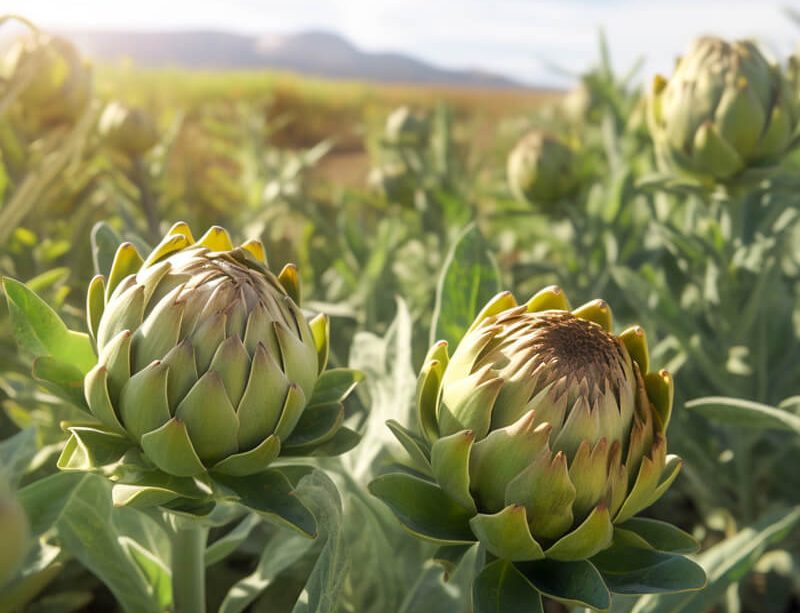
red rice + artichoke,
red rice + Bifidobacterium longum + niacin,
red rice + Lactobacillus casei,
red rice + coenzyme Q10
red rice + astaxanthin + folic acid
red rice + berberine
For example, the following combinations had a beneficial effect on blood glucose levels: (1, 12, 14)
red rice + resveratrol + chromium
red rice + berberine
red rice + berberine + mulberry
red rice + bitter cucumber (Momordica charantia) + chrome
0:00
/
0:00
Stárnutí je volba
Komentáře
Seznam zdrojů
- Gong Chen, Wanbo Chen, Jinhong Xu, Guodong Ma, Xinge Hu, Guoxun Chen. The current trend and challenges of developing red yeast rice-based food supplements for hypercholesterolemia. Journal of Future Foods. Volume 3, Issue 4, December 2023, Pages 312-329. https://www.sciencedirect.com/science/article/pii/S2772566923000216
- H. Fukami, Y. Higa, T. Hisano, et al. A review of red yeast rice, a traditional fermented food in Japan and East Asia: its characteristic ingredients and application in the maintenance and improvement of health in lipid metabolism and the circulatory system
- Molecules, 26 (2021), p. 1619
- Shoji, T.; Fujii, H.; Tokai, H.; Fujimoto, S.; Wada, T.; Kawano, N.; Tsuchikura, S.; Eiko, L.; Otsuka, Y.; Teramura, M.; et al. A Randomized, Double-blinded, Comparative, Dose-finding Trial to Examine the Cholesterol-lowering Effect of Red Koji in Healthy Volunteers. J. Jpn. Soc. Clin. Nutr. 2008, 29, 425–433.
- Takemoto, M.; Yoshino, G. Effect of Lovastatin-Containing Red Koji on Plasma Lipid Levels in Hyperlipidemic Subjects. J. Jpn. Soc. Clin. Nutr. 2000, 22, 39–42.
- Fujimura, S.; Shimakage, H.; Tanioka, H.; Yoshida, M.; Suzuki-Kusaba, M.; Hisa, H.; Satoh, S. Effects of GABA on noradrenaline release and vasoconstriction induced by renal nerve stimulation in isolated perfused rat kidney. Br. J. Pharmacol. 1999, 127, 109–114.
- Lee, C.L.; Wen, J.Y.; Hsu, Y.W.; Pan, T.M. The blood lipid regulation of Monascus-produced monascin and ankaflavin via the suppression of low-density lipoprotein cholesterol assembly and stimulation of apolipoprotein A1 expression in the liver. J. Microbiol. Immunol. Infect. 2018, 51, 27–37.
- Zhu, X.Y.; Li, P.; Yang, Y.B.; Liu, M.L. Xuezhikang, extract of red yeast rice, improved abnormal hemorheology, suppressed caveolin-1 and increased eNOS expression in atherosclerotic rats. PLoS ONE 2013, 8, e62731.
- T. Minamizuka, M. Koshizaka, M. Shoji, et al.
- Low dose red yeast rice with monacolin K lowers LDL cholesterol and blood pressure in Japanese with mild dyslipidemia: a multicenter, randomized trial, Asia Pac. J. Clin. Nutr., 30 (2021), pp. 424-435
- S.C. Halbert, B. French, R.Y. Gordon, et al. Tolerability of red yeast rice (2,400 mg twice daily) versus pravastatin (20 mg twice daily) in patients with previous statin intolerance Am. J. Cardiol., 105 (2010), pp. 198-
- A. Grieco, L. Miele, M. Pompili, et al.Acute hepatitis caused by a natural lipid-lowering product: when “alternative” medicine is no “alternative” at all
- Hepatol., 50 (2009), pp. 1273-1277
- https://www.mayoclinic.org/drugs-supplements-red-yeast-rice/art-20363074
- Mark F McCarty, James H O’Keefe, James J DiNicolantonio. Red Yeast Rice Plus Berberine: Practical Strategy for Promoting Vascular and Metabolic Health. Altern Ther Health Med. 2015:21 Suppl 2:40-5.
- https://www.endocrine-abstracts.org/ea/0063/ea0063ep40
- Ta-Liang Chen, Chao-Shun Lin, Jui-An Lin, Chun-Chieh Yeh, Li-Chin Sung, Yi-Cheng Chang, Chun-Chuan Shih, Chien-Chang Liao. Evaluating Risk of Incident Diabetes Between Patients Who Used Lovastatin and Red Yeast Rice Prescriptions (LipoCol Forte): A Retrospective Cohort Study Based on a Real-World Database. Dove Press. 9 January 2020. Volume 2020:13, pages 89-98.
- Ke-Ying Lu, Szu-Han Chen, Yu-Shun Lin, Hai-Ping Wu, Pei-Min Chao. An antidiabetic nutraceutical combination of red yeast rice (Monascus purpureus), bitter gourd (Momordica charantia), and chromium alleviates dedifferentiation of pancreatic β cells in db/db mice. Food Science and Nutrition. 25 October 2020. https://onlinelibrary.wiley.com/doi/full/10.1002/fsn3.1966
- Megan E. Musselman, PharmD, BCPS, Rebecca S. Pettit, PharmD, MBA, BCPS, and Karrie L. Derenski, PharmD, BCNSP, CNSC. A Review and Update of Red Yeast Rice. Sage Journals. https://journals.sagepub.com/doi/10.1177/2156587211429703#bibr33-2156587211429703
- Jeon T, Hwang SG, Hirai S, et al. Red yeast rice extracts suppress adipogenesis by down-regulating adipogenic transcription factors and gene expression in 3T3-L1 cells. Life Sci. 2004;75:3195–3203.
- Chen WP, Ho BY, Lee CL, Lee CH, Pan TM. Red mold rice prevents the development of obesity, dyslipidemia and hyperinsulinemia induced by high-fat diet. Int J Obes (Lond). 2008;32:1694–1704.
- Jian Zou, Chunyan Yan & Jian-Bo Wan. Red yeast rice ameliorates non-alcoholic fatty liver disease through inhibiting lipid synthesis and NF-κB/NLRP3 inflammasome-mediated hepatic inflammation in mice. Chinese Medicine volume 17, Article number: 17 (2022)
- Weimin Zhang, Junqi Yang, Jia Liu, Xingyu Long, Xitong Zhang, Jianke Li, Chen Hou. Red yeast rice prevents chronic alcohol-induced liver disease by attenuating oxidative stress and inflammatory response in mice. Journal of Food Biochemistry. 24 February 2021