
Baikal pine cone
epivyziva.cz/
Zobrazeno: 13,306
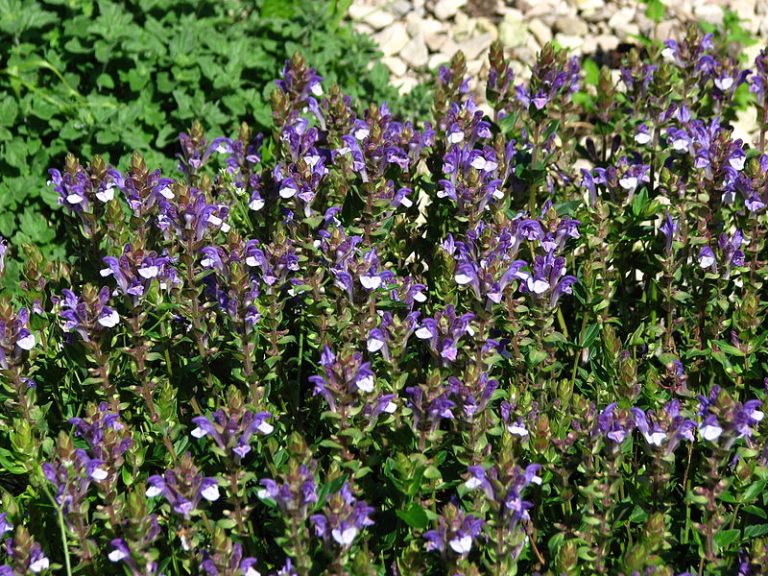
Photo: Andrey Korzun
Scutellaria baicalensis
Description
Baikal coneflower is an herb of the family of the deaf-ears, subfamily Scutellaroideae. It is a perennial herb growing to a height of 15-50 cm. It flowers in late summer to autumn with striking blue flowers. The fruits are cone-shaped – they give the coneflower its name. It grows mainly in the forested areas of Zabaikalye and the Far East, but it can be grown here too – it requires no special care and overwinters well. The medicinal drug is the root.
History
Baikal coneflower is one of the basic herbs of traditional Chinese medicine. It has been used for more than 2000 years, the first mention of it can be found in Shen Nong’s Canon of Medicinal Plants, which was written during the Han Dynasty (25-220 AD). Another very old written record of it comes from a tomb in northwestern China from the 2nd century AD, where it was listed as an ingredient in several medicinal preparations. Chinese medicine still uses it to this day, especially to treat fever, coughs, digestive and urinary problems, but also inflammation, allergies and cardiovascular diseases.
Active ingredients
Baikal coneflower contains a number of unique substances, especially from the group of glycosides and polyphenols. Among the most important are vogonin, baicalein, baicalein, oroxylin A, scutellarin, chrysin, viscidulin, luteolin and scullcapflavone.
Effects
Baikal coneflower is used in traditional medicine to treat a wide range of diseases. Research conducted over the last two decades has shown that many of the effects of Baikal coneflower are due to the epigenetic action of some of the substances it contains. For example, vogonin can regulate the activity of enzymes called histone deacetylases, which, as their name suggests, are involved in a reaction called histone acetylation. (3) Histones are proteins that form the spatial structure of DNA, and the degree of acetylation determines whether the genes in question will be ‘read’. This process plays a very important role, for example in the prevention and treatment of cancer.
Anxiety
A very interesting area is the effect of the pineal gland on the psyche. Its active ingredients are one of the few substances that can overcome the barrier between the bloodstream and the brain. There, vogonin and baicalein bind to the so-called GABA receptors. These are where gamma-aminobutyric acid, a neurotransmitter (a substance that mediates the transmission of nerve impulses) with depressant effects, normally binds. Vogonin binds directly to the so-called benzodiazepine binding site, which is where drugs such as benzodiazepines, which are used to treat anxiety, otherwise go. Pine cones, especially the baicalein contained in them, have one big advantage over anxiolytics: unlike anxiolytics, they bind only to certain subunits of the GABA receptor, so they can effectively reduce anxiety, but they do not have a downright sedative effect, so they do not cause excessive drowsiness or loss of attention. This makes it possible to use it, for example, in driving or other attention-demanding activities. It is also not addictive (40-42).
The pine cone is also effective for depression.
Sleep
The calming effect of the coneflower and its ability to bind to GABA receptors may also be beneficial for people suffering from sleep disorders. Thanks to them, this herb facilitates falling asleep and positively influences the quality of sleep (57).
ADHD
Another area where the above-mentioned properties of the pineal gland are positively manifested is attention deficit hyperactivity disorder, or ADHD for short (58).
Tumour diseases
Pine cone can very strongly inhibit the cell growth of cancer cells because it reduces the concentration of cyclooxygenase COX2, which is necessary for the production of prostaglandin E2. In fact, inflammatory processes, which are caused by prostaglandin production, promote tumour cell growth. This effect is evident in a number of tumour types, but breast and prostate tumours are the most sensitive to the effects of pineal gland (5).
At the same time, a substance called luteolin, isolated from the Baikal cone, has a major effect on apoptosis, or programmed cell death. This ability is impaired in cancer cells, leading to their uncontrolled proliferation.(8) Another component of the pine cone, phenophorbide, has a similar effect, suppressing the anti-apoptotic protein Bcl-2 and thus promoting apoptosis.(10) An extract from the plant also reduces proliferation, the ability to multiply rapidly, also typical of cancer cells. This effect has even been shown in liver cancer, which is one of the most aggressive types of cancer. (9) Another very effective substance is vogonin, which has epigenetic effects – by regulating the acetylation of histones, it influences the reading of genetic information and thus affects apoptosis and proliferation of cancer cells in particular.
An animal study showed a 50% reduction in tumours after a seven-week treatment with Baikal coneflower.(6) Smokers will be pleased to know that coneflower protects the DNA of cells from damage caused by cigarette smoke, helping to reduce the risk of cancer.(15)
The ability of the pineal gland to influence apoptosis has also been demonstrated in leukaemia. (11)
Immunity and inflammatory processes
As we have already mentioned, Baikal coneflower reduces the concentration of cyclooxygenase COX2, and thus suppresses the course of virtually all inflammatory processes in the body. In addition, its ability to suppress the production and activation of other compounds that promote inflammation, such as NF-kB factor or cytokines, is also anti-inflammatory.(5, 30) However, it can also directly affect immunity, especially by activating immune cells called macrophages. (4)
Diseases of the heart and blood vessels
In animal experiments, the ability of pine cones to affect blood cholesterol levels has been demonstrated. When given to mice fed a high-fat diet, they showed a reduction in cholesterol and triglyceride levels. It is also used in Chinese medicine to treat high blood pressure, atherosclerosis and varicose veins (1), and its effectiveness against atherosclerosis and thrombosis has been confirmed by some scientific studies (20). In one study, the combination of Baikal coneflower with sanhuang was even able to reduce the formation of atherosclerotic plaques as effectively as taking 50 mg of aspirin daily, but without the negative side effects (21).
Bacterial and viral infections
Baikal coneflower helps to suppress a number of bacterial infections, including those caused by antibiotic-resistant golden staphylococcus aureus or chlamydia.(14, 18, 45, 46) Its antiviral effects have also been demonstrated, for example against influenza A and B viruses.(19) The baikalein it contains is even capable of limiting the multiplication of HIV!(29)
Fungal and yeast infections
Baikal coneflower also effectively kills the most common causative agent of fungal disease, Candida yeast, even in cancer patients who have developed this infection after chemotherapy treatment (69).
Anemia
Baikalin and other components of coneflower positively affect the production of red blood cells or haemopoiesis. It acts even if the flow of blood cells has been disturbed by sleep deprivation or psychological stress. (16)
Alzheimer’s disease and memory disorders
The pineal gland also represents some hope for Alzheimer’s dementia patients, whose numbers have been rising steeply in recent decades. It turns out that the substance oroxylin A, which it contains, is able to alleviate memory disorders caused by beta-amyloid plaques, which are one of the main manifestations of this disease.(25) Moreover, baicalein and orolyxin A have a neuroprotective effect – they are able to protect brain cells from destruction, which is important not only in Alzheimer’s disease, but also, for example, in stroke. It improves the protection of nerve cells against ischemia or lack of oxygen, because the pineal gland affects the function of their mitochondria and thus the ability to produce energy. In fact, mitochondrial dysfunction is considered one of the possible causes of the disease.(13, 26) Moreover, pineal gland enables the brain to better resist the deterioration of memory, learning and other cognitive functions that are caused not by disease but by natural processes associated with ageing.(27)
Allergies
Baikal coneflower has been used as an anti-allergic in traditional Chinese and Japanese medicine and this ability is confirmed by modern science. It is most effective when administered 48 hours before an allergen encounter – when the encounter occurs afterwards, the release of histamine and therefore the intensity of the allergic symptoms is reduced. Hemp can thus be used preventively, for example in the pollen season (28).
Obesity
Pine cones can even be very effective for people who are trying to lose weight – especially those who are already in the obese stage. This is due not only to its anti-inflammatory action (obesity is accompanied by cellular inflammation, which hinders weight loss and has a number of negative health effects), but also to its ability to influence the formation and oxidation of fatty acids.(31, 32) In addition, the scutellarin it contains is able to reduce the concentration of substances that allow the formation of new fat cells.(33)
The pine cone also helps to alleviate some of the effects of an unhealthy diet, especially a diet high in saturated fat. In these cases, for example, it alleviates metabolic disturbances and liver damage. (44)
Diabetes
Rosehip can also be a very effective weapon in the prevention of diabetes, as it can reduce blood glucose levels very effectively after only four weeks of use (34-37).
Osteoporosis
Drugs for osteoporosis can be divided into two categories: the first, called antiresorptive agents, prevent the loss of minerals from the bones, while anabolic agents promote the construction and growth of bone mass. At the same time, research suggests that baicalin and other flavonoids contained in coneflower root may act on bone through both of these pathways – effectively activating genes that control the differentiation of bone cells called osteoblasts, while promoting bone mineralisation. One of its key principles of action is the harmonisation of the RANKL/OPG system, two proteins that play an important role in the development of osteoporosis. RANKL is produced by osteoclasts, bone cells that play a major role in bone resorption (reabsorption of bone-forming substances). OPG binds to activated RANKL, preventing it from functioning. Osteoporosis is characterised by RANKL being superior to OPG, so that resorption outweighs the formation of new bone mass. This is what the pineal gland helps to prevent. (43)
Lupenka
Dandruff, or psoriasis, is an inflammatory, immune-mediated skin disease, with many patients responding only to limited conventional treatment. Baikal coneflower, in particular, can help bring them relief. The baicalein it contains reduces the production of inflammatory interleukins and the penetration of immune cells into the skin, thereby significantly reducing inflammation. Erythema and skin necrosis are also reduced. (47)
Kidneys
Elderberry is beneficial for a number of kidney problems. It has a general anti-inflammatory effect on this organ, reduces the production of inflammatory cytokines, has a beneficial effect in glomerulonephritis, kidney fibrosis, protects the kidneys of patients with diabetes and generally improves the condition of people with chronic kidney damage and insufficient kidney function. It is particularly effective in people who also suffer from high blood pressure. Interestingly, it also helps to restore the balance of the gut microbiome, which is often disturbed in people with kidney problems (48-51).
Joint disease
Rosehip can be particularly effective in arthritis, where it helps to reduce inflammation and pain in affected joints and increase their mobility and overall comfort.(52) In addition, the vogonin it contains has a direct protective effect on cartilage cells.(66)
Liver
Another organ whose health is positively influenced by the pineal gland is the liver. It protects them from the harmful effects of free radicals, alcohol, high-fat diet and some toxic chemicals (e.g. aflatoxin), and promotes their function and regenerative abilities (17, 44, 62-65).
Endometriosis
Endometriosis is the most common gynecological disease of women of reproductive age. The cells of the uterine lining (endometrium) are found outside the uterus, most often in the ovary, fallopian tubes or elsewhere in the abdominal cavity. However, these cells behave similarly to those in the uterus, including responding to sex hormone levels. Thus, at the time of menstruation, there is a marked increase in inflammatory processes and bleeding in the abdominal cavity, which is associated with very severe menstrual pain. The vogonin contained in the pineal gland effectively inhibits the proliferation or rapid multiplication of mucosal cells, while promoting apoptosis (cell death) in mucosal lesions. Vogonin also blocks the estrogen receptors in these cells, thereby mitigating their response to changes in sex hormone levels during the menstrual cycle (67).
Use of
Baikal coneflower is usually used as part of a four-week treatment, after which it is advisable to take a week’s break. The usual daily dose is 500 mg of the extract (39).
Side effects and contraindications
So far, no side effects have been reported with the use of Baikal coneflower. It is not recommended for use by children and pregnant women as the necessary research has not yet been done to prove that it is safe for them.
However, it is important to bear in mind that coneflower can interfere with the effects of some drugs. Its ability to lower blood sugar levels can be problematic for people who are also taking antidiabetic drugs or insulin, in which case it should only be used under the supervision of a doctor. Another problem may be the ability of the pineal gland to increase the effect of some antixiolytics (anti-anxiety drugs), particularly benzodiazepines, barbiturates, anticolvulsants, insomnia drugs and tricyclic antidepressants. Concomitant alcohol consumption may also be problematic.(38) It should also not be used in conjunction with oestrogen therapy and blood pressure lowering drugs.(53)
Suitable combinations
Baikal coneflower is an herb that is very suitable for combining, both with other herbs (not only those used in traditional Chinese medicine), but also with epigenetically acting nutrients. Here are some suitable combinations:
Anxiety and sleep disorders: coneflower + passionflower (56)
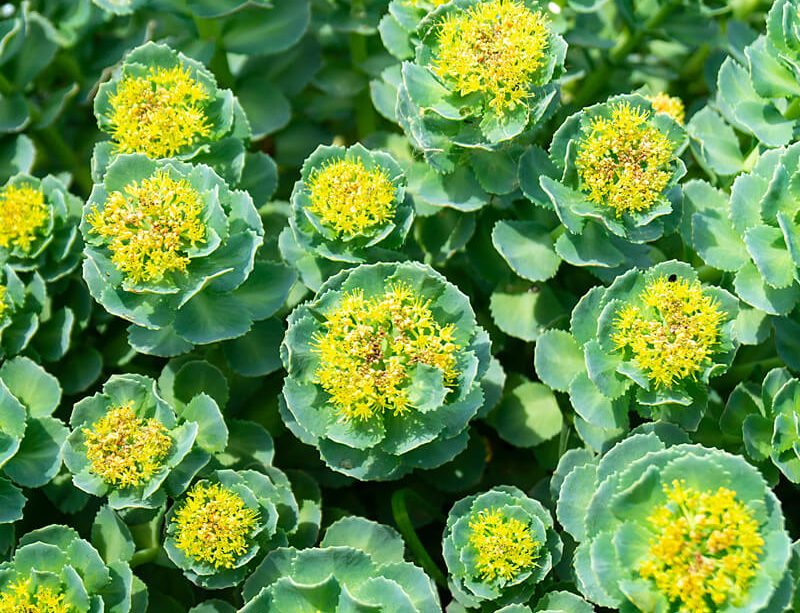
Depression: coneflower + rhodiola (60)
Cancer: coneflower + resveratrol, coneflower + curcumin, coneflower + OPC, coneflower + ginger (54)
Heart and blood vessels: pine cone + resveratrol, pine cone + OPC
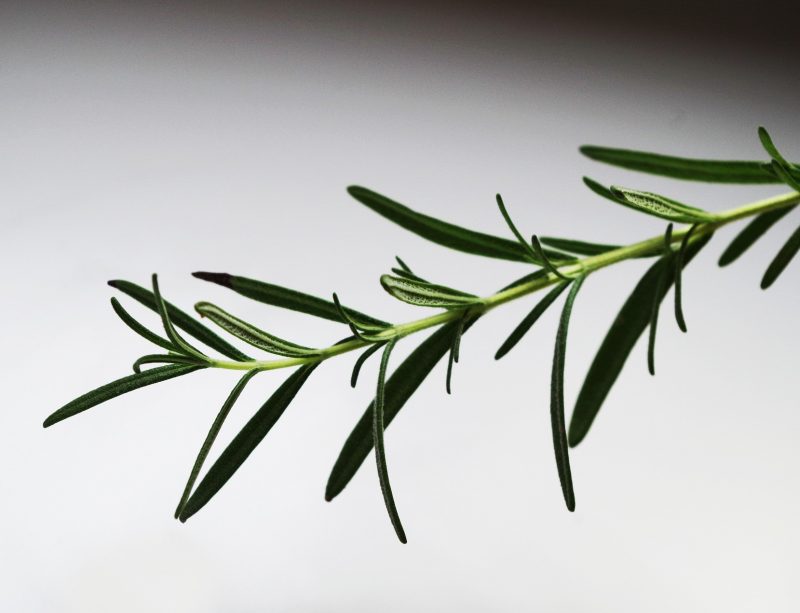
Antioxidant and anti-inflammatory action: coneflower + OPC (55), coneflower + curcumin (61), coneflower + rosemary
Antimicrobial effect: coneflower + curcumin (61)
Arthrosis: coneflower + acacia catechu (52), coneflower + genistein
Weight loss: pine cone + bamboo (59), pine cone + egcg
Liver: conkers + curcumin (62)
Osteoporosis: pine cone + resveratrol, pine cone + OPC, pine cone + genistein
Protection of nerve cells: pine cone + resveratrol, pine cone + omega-3
Pupa: cone + egcg
Endometriosis: coneflower + rosemary (67)
0:00
/
0:00
Stárnutí je volba
Klíčová slova: allergies, Alzheimer's disease, anaemia, anxiety, bacteria, Baikal pine cone, blood vessels, cancer, diabetes, heart, immunity, inflammation, liver, memory, mould, viruses, weight loss, yeast
Komentáře
Seznam zdrojů
- Chevallier, A. The Encyclopedia of Medicinal Plants . New York, NY: DK Publishing, Inc.;1996:133.
- Newell C, Anderson L, Phillipson J. Herbal Medicines . London, England: Pharmaceutical Press;1996:239-240.
- Xin-mei Chen, Yang Bai, Yu-jian Zhong, Xiao-lin Xie, Han-wu Long, Yu-yin Yang, Shi-gen Wu, Qiang Jia, Xiao-hua Wang. Wogonin Has Multiple Anti-Cancer Effects by Regulating c-Myc/SKP2/Fbw7α and HDAC1/HDAC2 Pathways and Inducing Apoptosis in Human Lung Adenocarcinoma Cell Line A549. Plos One. November 12, 2013. DOI: 10.1371/journal.pone.0079201. http://journals.plos.org/plosone/article?id=10.1371/journal.pone.0079201#pone.0079201-Zhang1
- Yue GG,et al Screening for anti-inflammatory and bronchorelaxant activities of 12 commonly used Chinese herbal medicines . Phytother Res. (2012)
- Ye F,Xui L, Yi J, Zhang W, Zhang DY. Anticancer activity of Scutellaria baicalensis and its potential mechanism. J Altern Complement Med. 2002 Oct;8(5):567-72.
- Ye F,Jiang S, Volshonok H, Wu J, Zhang DY. Molecular mechanism of anti-prostate cancer activity of Scutellaria baicalensis extract. Nutr Cancer. 2007;57(1):100-10.
- Zhao M,Zhou ZT, Zhang WD.Antifugal susceptibility testing and antifugal traditional Chinese medicines screening of oral Candida isolated from head and neck cancer patients treated with radiotherapy or chemotherapy. Hua Xi Kou Qiang Yi Xue Za Zhi. 2006 Apr;24(2):131-4.
- Kim JH,Lee EO, Lee HJ, Ku JS, Lee MH, Yang DC, Kim SH. Caspase activation and extracellular signal-regulated kinase/Akt inhibition were involved in luteolin-induced apoptosis in Lewis lung carcinoma cells. Ann N Y Acad Sci. 2006 Dec;1090:147-60.
- Lin JM,Liu Y, Luo RC. Effect of Scutellaria barbata extract against human hepatocellular Hep-G2 cell proliferation and its mechanism. Nan Fang Yi Ke Da Xue Xue Bao. 2006 Jul;26(7):975-7.
- Chan JY,Tang PM, Hon PM, Au SW, Tsui SK, Waye MM, Kong SK, Mak TC, Fung KP. Pheophorbide a, a major antitumor component purified from Scutellaria barbata, induces apoptosis in human hepatocellular carcinoma cells. Planta Med. 2006 Jan;72(1):28-33.
- Cha YY,Lee EO, Lee HJ, Park YD, Ko SG, Kim DH, Kim HM, Kang IC, Kim SH. Methylene chloride fraction of Scutellaria barbata induces apoptosis in human U937 leukemia cells via the mitochondrial signaling pathway. Clin Chim Acta. 2004 Oct;348(1-2):41-8.
- Regulska-Ilow B,Biernat J, Grajeta H, Ilow R, Drzewicka M. Influence of bioflavonoids from the radix extract of Scutellaria baicalensis on the level of serum lipids, and the development of laboratory rats fed with fresh and oxidized fats. Nahrung. 2004 Apr;48(2):123-8.
- Saĭfutdinov RR,Khazanov VA. The effect of an extract of Baikal skullcap (Scutelleria baicalensis) on succinic acid oxidation by the brain mitochondria in rats with hypoxia. Eksp Klin Farmakol. 1998 Sep-Oct;61(5):27-9.
- Sato Y,Suzaki S, Nishikawa T, Kihara M, Shibata H, Higuti T. Phytochemical flavones isolated from Scutellaria barbata and antibacterial activity against methicillin-resistant Staphylococcus aureus. J Ethnopharmacol. 2000 Oct;72(3):483-8.
- Han F,Hu J, Xu H. Effects of some Chinese herbal medicine and green tea antagonizing mutagenesis caused by cigarette tar. Zhonghua Yu Fang Yi Xue Za Zhi. 1997 Mar;31(2):71-4.
- Dygaĭ AM,Suslov NI, Skurikhin EG, Churin AA, Provalova NV. The modulating effects of preparations of Baikal skullcap (Scutellaria baicalensis) on erythron reactions under conditions of neurotic exposures. Eksp Klin Farmakol. 1998 Jan-Feb;61(1):37-9
- Lin CC,Shieh DE, Yen MH. Hepatoprotective effect of the fractions of Ban-zhi-lian on experimental liver injuries in rats. J Ethnopharmacol. 1997 May;56(3):193-200.
- Tsao T, Newman M, Kwok Y, Horikoshi A. Effect of Chinese and western antimicrobial agents on selected oral bacteria. J Dent Res . 1982;61:1103-1106.
- Nagai T, Suzuki Y, Tomimori T, Yamada H. Antiviral activity of plant flavonoid, 5,7,4′-trihydroxy-8-methoxyflavone, from the roots of Scutellaria baicalensis against influenza A (H3N2) and B viruses. Biol Pharm Bull . 1995;18:295-299.
- Kimura Y, Yokoi K, Matsushita N, Okuda H. Effects of flavonoids isolated from Scutellariae radix on the production of tissue-type plasminogen activator and plasminogen activator inhibitor-1 induced by thrombin and thrombin receptor agonist peptide in cultured human umbilical vein endothelial cells. J Pharm Pharmacol . 1997;49:816-822.
- Huang WM, Yan J, Xu J. Clinical and experimental study on inhibitory effect of sanhuang mixture on platelet aggregation [Chinese]. Zhongguo Zhong Xi Yi Jie He Za Zhi. 1995;15:465-467.
- Zhiwen Xu, Feng Wang, Shui Ying Tsang, Kwan Hang Ho, Hui Zheng, Chun Tak Yuen, Chun Yin Chow, Hong Xue. Anxiolytic-Like Effect of Baicalin and its Additivity with other Anxiolytics. Planta Med 2006; 72(2): 189-192. DOI: 10.1055/s-2005-873193
- Jyh-Fei Liao, Wen-Yuan Hung, Chieh-Fu Chen. Anxiolytic-like effects of baicalein and baicalin in the Vogel conflict test in mice. European Journal of Pharmacology. Volume 464, Issues 2–3, 19 March 2003, Pages 141–146.
- Huang H,et al Determination of baicalin in rat cerebrospinal fluid and blood using microdialysis coupled with ultra-performance liquid chromatography-tandem mass spectrometry . J Chromatogr B Analyt Technol Biomed Life Sci. (2008)
- Kim DH,et al The effects of acute and repeated oroxylin A treatments on Abeta(25-35)-induced memory impairment in mice . Neuropharmacology. (2008)
- Giffard RG, Yenari MA Many mechanisms for hsp70 protection from cerebral ischemia.J Neurosurg Anesthesiol. (2004)
- Ong HR,et al Scutellaria flavonoid supplementation reverses ageing-related cognitive impairment and neuronal changes in aged rats. Brain Inj. (2009)
- Jung HS,et al Antiallergic effects of Scutellaria baicalensis on inflammation in vivo and in vitro. J Ethnopharmacol. (2012)
- Li BQ,et al Inhibition of HIV infection by baicalin–a flavonoid compound purified from Chinese herbal medicine. Cell Mol Biol Res. (1993)
- Cutolo M,et al Estrogens, the immune response and autoimmunity. Clin Exp Rheumatol. (1995)
- Chinetti G, Fruchart JC, Staels B Peroxisome proliferator-activated receptors (PPARs): nuclear receptors at the crossroads between lipid metabolism and inflammation.Inflamm Res. (2000)
- Fruchart JC Peroxisome proliferator-activated receptor-alpha (PPARalpha): at the crossroads of obesity, diabetes and cardiovascular disease. Atherosclerosis. (2009)
- Lu K,et al Scutellarin from Scutellaria baicalensis Suppresses Adipogenesis by Upregulating PPARα in 3T3-L1 Cells . J Nat Prod. (2013)
- Bak EJ,et al Wogonin ameliorates hyperglycemia and dyslipidemia via PPARα activation in db/db mice. Clin Nutr. (2013
- Guo HX,et al Long-term baicalin administration ameliorates metabolic disorders and hepatic steatosis in rats given a high-fat diet. Acta Pharmacol Sin. (2009)
- Waisundara VY,et al Scutellaria baicalensis enhances the anti-diabetic activity of metformin in streptozotocin-induced diabetic Wistar rats. Am J Chin Med. (2008)
- Xie JT,et al Anti-diabetic effect of American ginseng may not be linked to antioxidant activity: comparison between American ginseng and Scutellaria baicalensis using an ob/ob mice model. Fitoterapia. (2009)
- University of Maryland Medical Centre. Scullcap. 7/6/2014. https://umm.edu/health/medical/altmed/herb/skullcap
- Scutellaria baicalensis. Examine.com. 2011-2015. https://examine.com/supplements/scutellaria-baicalensis/
- Zhiwen Xu, Feng Wang, Shui Ying Tsang, Kwan Hang Ho, Hui Zheng, Chun Tak Yuen, Chun Yin Chow, Hong Xue. Anxiolytic-Like Effect of Baicalin and its Additivity with other Anxiolytics. Planta Med 2006; 72(2): 189-192. DOI: 10.1055/s-2005-873193
- Jyh-Fei Liao, Wen-Yuan Hung, Chieh-Fu Chen. Anxiolytic-like effects of baicalein and baicalin in the Vogel conflict test in mice. European Journal of Pharmacology. Volume 464, Issues 2–3, 19 March 2003, Pages 141–146.
- Huang H,et al Determination of baicalin in rat cerebrospinal fluid and blood using microdialysis coupled with ultra-performance liquid chromatography-tandem mass spectrometry . J Chromatogr B Analyt Technol Biomed Life Sci. (2008)
- Ava J. Y. Guo, Roy C. Y. Choi, Anna W. H. Cheung, Vicky P. Chen, Sherry L. Xu, Tina T. X. Dong, Ji J. Chen, and Karl W. K. Tsim. Baicalin, a Flavone, Induces the Differentiation of Cultured Osteoblasts. J Biol Chem.2011 Aug 12; 286(32): 27882–27893.
- Guo, H. X., Liu, D. H., Ma, Y., Liu, J. F., Wang, Y., Du, Z. Y., Wang, X., Shen, J. K., and Peng, H. L. Long-term baicalin administration ameliorates metabolic disorders and hepatic steatosis in rats given a high-fat diet. Acta Pharmacol Sin. 2009;30(11):1505-1512.
- Hao, H., Aixia, Y., Dan, L., Lei, F., Nancai, Y., and Wen, S. Baicalin suppresses expression of Chlamydia protease-like activity factor in Hep-2 cells infected by Chlamydia trachomatis. Fitoterapia 2009;80(7):448-452. View abstract.
- Hao, H., Aixia, Y., Lei, F., Nancai, Y., and Wen, S. Effects of baicalin on Chlamydia trachomatis infection in vitro. Planta Med 2010;76(1):76-78. View abstract.
- Chien-Hui Hung, Chien-Neng Wang, Huei-Hsuan Cheng, Jiunn-Wang Liao, Yi-Ting Chen, Ya-Wen Chao Jia Liang Jiang Chen-Chen Lee. Baicalin Ameliorates Imiquimod-Induced Psoriasis-Like Inflammation in Mice. Planta Med. 2018 Oct;84(15):1110-1117.
- Jeng-Hsien Yeh, Hui-Fen Chiu, Jyh-Seng Wang, Jenn-Kuen Leeand Tz-Chong Chou. Protective Effect of Baicalein Extracted from Scutellaria baicalensis against Lipopolysaccharide-Induced Glomerulonephritis in Mice. ScienceAlert. https://scialert.net/fulltext/?doi=ijp.2010.81.88&org=1
- Mingzheng Yang, Lin Kan, Lianye Wu, Yingchun Zhu, Qing Wang. Effect of baicalin on renal function in patients with diabetic nephropathy and its therapeutic mechanism. Experimental and Therapeutic Medicine. January 17, 2019. https://www.spandidos-publications.com/10.3892/etm.2019.7181
- Yiqing Guan, Kai Chen, Dongling Quan, Liangqi Kang, Danni Yang, Huanxian Wu, Mengqiu Yan, Shaoyu Wu, Lin Lv and Guohua Zhang. The Combination of Scutellaria baicalensis Georgi and Sophorajaponica L. ameliorate Renal Function by Regulating Gut Microbiota in Spontaneously Hypertensive Rats. Pharmacol., 12 February 2021
- Junwei Fang, Wenyu Wang, Shujun Sun, Yang Wang, Qianhua Li, Xiong Lu, Zhihui Haoand Yongyu Zhang. A urine metabonomics study of chronic renal failure and intervention effects of total aglycone extracts of Scutellaria baicalensis in 5/6 nephrectomy rats. RSC Advances. Issue 92, 2015
- Mesfin Yimam,Teresa Horm Laura Wright, Ping Jiao,Mei Hong,Lidia Brownell,and Qi Jia. Cartilage Protection and Analgesic Activity of a Botanical Composition Comprised ofMorus alba, Scutellaria baicalensis, and Acacia catechu. https://www.hindawi.com/journals/ecam/2017/7059068/
- https://www.medicinenet.com/baikal_skullcap/supplements-vitamins.htm
- M. Sagar MD, D. Yance MH, and R.K. Wong MD. Natural health products that inhibit angiogenesis: a potential source for investigational new agents to treat cancer.
- Zuo-Hui Shao, Terry L Vanden Hoek, Chang-Qing Li, Paul T Schumacker, Lance B Becker, Kim Chai Chan, Yimin Qin, Jun-Jie Yin, Chun-Su Yuan. Synergistic effect of Scutellaria baicalensis and grape seed proanthocyanidins on scavenging reactive oxygen species in vitro. Am J Chin Med. 2004;32(1):89-95.
- George M.Kapalka. Nutritional and Herbal Therapies for Children and Adolescents, Chapter 9 – Academic Press. 2010, Pages 259-289
- Han-Han Chang, Pei-Lu Yi, Chiung-Hsiang Cheng, Chin-Yu Lu, Yi-Tse Hsiao, Yi-Fong Tsai, Chia-Ling Li, Fang-Chia Chang. Biphasic effects of baicalin, an active constituent of Scutellaria baicalensis Georgi, in the spontaneous sleep-wake regulation. J Ethnopharmacol. 2011 May 17;135(2):359-68.
- Rongyi Zhou, Xinmin Han, Jiaojiao Wang, Jichao Sun. Baicalin may have a therapeutic effect in attention deficit hyperactivity disorder. Med Hypotheses. 2015 Dec;85(6):761-4.
- Dong-Seon Kim,Seung-Hyung Kim, and Jimin Cha. Antiobesity Effects of the Combined Plant Extracts Varying the Combination Ratio of Phyllostachys pubescens Leaf Extract and Scutellaria baicalensis Root Extract. Evid Based Complement Alternat Med. 2016; 2016: 9735276.
- Fiona Limanaqi, Francesca Biagioni, Carla Letizia Busceti, Maico Polzella, Cinzia Fabrizi, and Francesco Fornai. Potential Antidepressant Effects of Scutellaria baicalensis, Hericium erinaceus and Rhodiola rosea. Antioxidants (Basel).2020 Mar; 9(3): 234.
- Karolína Varmužová, Marta Elsheimer Matulová, Lenka Gerzová, Darina Čejková, Delphine Gardan-Salmon, Marina Panhéleux, Fabrice Robert, František Šišák, Hana Havlíčková, Ivan Rychlík. Curcumaand Scutellaria plant extracts protect chickens against inflammation and Salmonella Enteritidis infection. Poultry Science. Volume 94, Issue 9, 1 September 2015, Pages 2049-2058.
- Xiaoxia Wang, Xuhong Chang, Haibing Zhan, Qiong Zhang, Chengyun Li, Qing Gao, Mengmeng Yang, Zhen Luo, Sheng Li, Yingbiao Sun. Curcumin and Baicalin ameliorate ethanol‐induced liver oxidative damage via the Nrf2/HO‐1 pathway. Journal of Food Biochemistry. 08 August 2020.
- QINGQING DONG, FEI CHU, CHENGZHU WU, QIANG HUO,2HUAIYONG GAN, XIAOMING LI, and HAO LIU. Scutellaria baicalensisGeorgi extract protects against alcohol-induced acute liver injury in mice and affects the mechanism of ER stress. Mol Med Rep. 2016 Apr; 13(4): 3052–3062.
- Johan G de Boer, Brendan Quiney, Patrick B Walter, Cynthia Thomas, Kimberley Hodgson, Susan J Murch, Praveen K Saxena. Protection against aflatoxin-B1-induced liver mutagenesis by Scutellaria baicalensis. Mutat Res. 2005 Oct 15;578(1-2):15-22.
- Jir-You Wang, Han-Ning Chuang, Jen-Hwey Chiu, Effects of Scutellaria baicalensis Georgi on Macrophage-Hepatocyte Interaction Through Cytokines Related to Growth Control of Murine Hepatocytes. Experimental biology and medicine. Volume: 231 issue: 4, page(s): 444-455.
- Nazir M. Khan, Abdul Haseeb, Mohammad Y. Ansari& Tariq M. Haqqi. A wogonin-rich-fraction of Scutellaria baicalensis root extract exerts chondroprotective effects by suppressing IL-1β-induced activation of AP-1 in human OA chondrocytes. Scientific Reports volume 7, Article number: 43789 (2017)
- Luciana Ferella, Juan Ignacio Bastón, Mariela Andrea Bilotas, José Javier Singla, Alejandro Martín González,Carla Noemí Olivares, Gabriela Fabiana Meresman. Active compounds present inRosmarinus officinalis leaves andScutellaria baicalensis root evaluated as new therapeutic agents for endometriosis. Reprod Biomed Online, 2018 Dec;37(6):769-782.
- Kin Sing Wong, Wai Kei Paul Tsang. In vitro antifungal activity of the aqueous extract of Scutellaria baicalensis Georgi root against Candida albicans. Int J Antimicrob Agents. 2009 Sep;34(3):284-5.






4 Comments
Hello, I bought Baikal Rose , Epigemic, the recommended daily dose is 1-2 capsules, in one capsule there is 130mg of root extract. Should I take 3 or 4 capsules to comply with your recommendation. I’m 55 years old, 163cm, 63kg, illness- Macular degeneration of right eye, arthrosis of 1 st kyle, otherwise OK. Thank you. Z. Matěchová
Hello,
In the beginning, you can increase the dosage to three or four capsules a day, but after about a week or two, half a dose is usually enough. For macular degeneration, I recommend trying astaxanthin. It combines epigenetic and antioxidant action and its effects in this disease are very promising. Regards.
Blanka Gololoboová
Hello, I would like to start taking coneflower and would need clarification on how to understand the amounts and dosages listed. The detailed description lists 500 mg of the extract as the normal dose, but one capsule contains 130 mg and the recommended dosage is one to two capsules, which is contrary to the information given. Please also clarify what the stated amount of 130mg refers to – is it the weight of the capsule or the extract itself? Thank you very much for your reply and have a nice day. Jolana Křicenská
Hello,
the recommended dosage on the packaging represents an amount that should not harm the user. For example, many dietary supplements can have a negative effect in combination with certain medications. The recommended dosage is usually sufficient for preventive action, but if you are expecting an effect for a specific problem, you usually need to increase the dosage – for example, for a month and then return to lower doses.
130 g represents the weight of the extract.