Gurmar
epivyziva.cz/
Zobrazeno: 465
(Gymnema sylvestre)
How to get sugar under control? A very effective option is gymnema, which is much better known by its Hindi name “gurmar”, which translates as “sugar destroyer”. But it can also give us a helping hand in weight loss, constipation and other digestive problems, cardiovascular diseases and many other problems.
Description
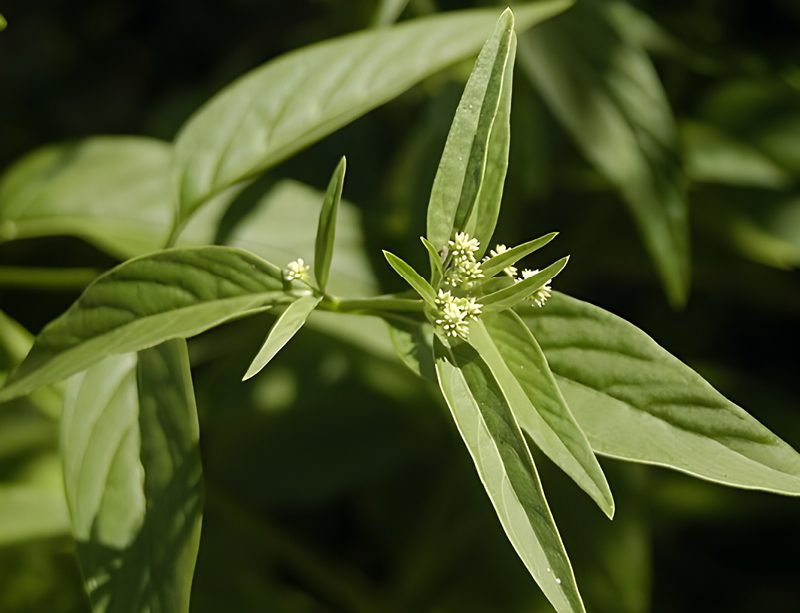
Gymnema is a genus of tropical climbing trees in the toy family. It includes about 25 species that are found in tropical and subtropical regions of Asia, Oceania and South Africa. Several of them have medicinal uses, but the best known is Gymnema sylvestre, which is also known as gurmar (2).
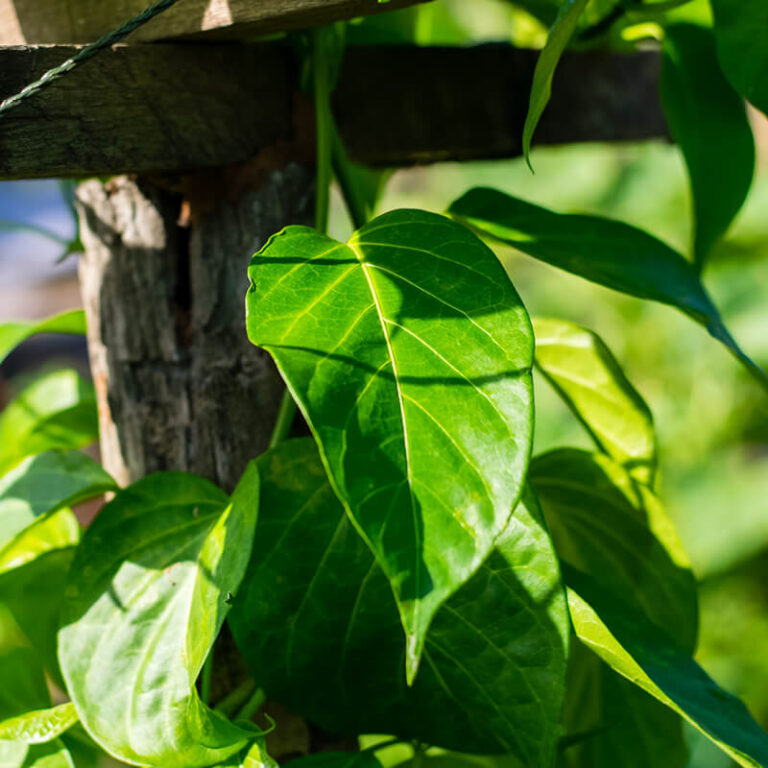
Gurmar is naturally found in central and southern India, southern China, Malaysia, Sri Lanka and tropical parts of Africa, but is cultivated in many other parts of the world. It is a slow-growing climber (liana) with elliptic or ovate leaves and yellow to orange bell-shaped flowers.
History
Gymnema forest is one of the key plants of Ayurvedic medicine. It has been used for more than 2000 years – for example, it is mentioned in the ancient Sushruta Samhita written by the Indian physician Sushruta (died 700 BC). This is considered to be the foundational work of Ayurveda. In Indian traditional medicine, gurmar is used to treat diabetes as well as many other ailments including malaria, cough, asthma, kidney stones, cardiopathy, Parkinson’s disease and snakebite. The leaves are traditionally used in this system to treat diabetes, while the bark and flowers are used to treat mucus-related ailments. (2)
Active ingredients
The most important substances contained in gymnema are glycosides, which include in particular gymnemic acid, gymnestrogenin and gymnemagenin. The peptide gurmarin, and triterpene saponins (specifically gymnemasaponins and dammaran saponins), tartaric acid, formic acid, anthraquinones and other substances are also found in the leaves. The most studied component is gymnemic acid, which is particularly notable for its antidiabetic effects and its ability to reduce appetite. In reality, however, it is not a single substance, but a mixture of several similar acids – twelve have been isolated so far. The peptide gurmarin is also a very interesting compound. (2, 3)
Healing effects
The most well-known area of positive action of gourmet is the support of diabetes treatment, in which the direct involvement of the contained substances in the process of glucose absorption and metabolism plays a role. However, it has also been shown to have epigenetic effects, i.e. the ability to influence the activity of certain genes in the DNA, which is beneficial not only in diabetes but also in other conditions. Gurmar also has anti-inflammatory, immunostimulant and antioxidant effects. It also plays a role in anti-cancer effects by affecting autophagy, an important healing mechanism in which the cell “eats itself” (2-5).
Diabetes
A number of mechanisms play a role in the prevention and treatment of this disease, which have a positive effect not only on the more prevalent type 2 diabetes, but also on type 1 diabetes, which is an autoimmune disease.
For example, Gurmar affects the production of incretins, which are hormones produced in the intestines that control the production of insulin. It also promotes the regeneration of the islets of Langerhans in the pancreas, where insulin is produced.
Very interesting is the action of gymnemic acid. For example, it can influence the perception of sweet taste and reduce the craving for sweets. It has a similar structure to sugar, so it can occupy the sweet taste receptors in the taste buds of the tongue. In addition, it also binds to receptors in the intestinal wall, thereby limiting the absorption of sugar from the digestive system and preventing excessive increases in blood glucose levels (2, 6-9).
In animal studies, for example, gymnemic acid IV was able to reduce blood glucose levels by 14-60% 6 hours after administration, a result similar to that of the antidiabetic drug glibenclamide (10).
Also, in studies on human volunteers (including a number of quinine studies), blood sugar, glycated haemoglobin and fructosamine levels were reduced and insulin levels increased after gourmet administration. In people taking antidiabetic drugs, the dosage may then have been reduced (25).
Research also shows that gurmar may be effective in the context of complications of diabetes, such as diabetic neuropathy (11).
Weight Loss
Gurmar can have very interesting effects as a supplement to weight loss cures. The aforementioned reduction of sweet cravings and limiting the absorption of glucose (and therefore calories) from food, but also other mechanisms, play a positive role.
For example, the aforementioned ability of gymnemic acids to bind to taste receptors is crucial for regulating caloric intake. For example, when experimental subjects consumed a goumar extract and were then presented with an unlimited snack, they ate portions with a much lower caloric value than the control group. However, it is valid here that the active substances of the gurmar must come into contact with the surface of the tongue. Therefore, if one takes the extract in capsules, the contents of the capsule should either be poured directly into the oral cavity or mixed in a little water and held in the mouth for a while. This procedure can be applied before the main meal (5-10 minutes), but also when one has a sweet tooth during the day (18).
But the positive effect of gourmet food on weight loss is far from over. Its epigenetic action also suppresses the differentiation of adipocytes (fat cells), promotes the function of mitochondria in adipose tissue and the formation of brown fat cells with high metabolic activity (12).
For example, when researchers gave a group of rats gurmar along with a high-fat diet, the animals gained significantly less weight than the control group. And in a study of moderately obese people who were not on a weight-reduction diet, the use of gurmar led to a 5-6% reduction in food intake and weight loss (13, 14).
Joint pain
Thanks to its anti-inflammatory effects, gurmar extract can significantly relieve pain and swelling of joints in arthrosis and arthritis. Some research also suggests its ability to protect cartilage. (2)
Immunity and antimicrobial action
Gurmar is one of the immunostimulants, i.e. substances that stimulate immunity. In particular, research has noted its remarkable effect on the activity of immune cells called neutrophils, which are the most numerous leukocytes circulating in our blood. (2, 15)
In addition, the extract of gurmar has an antibiotic effect, helping to destroy certain types of bacteria – for example, Staphylococcus aurelius (golden staphylococcus), Staphylococcus epidermis, Escherichia coli or Bacillus subtilis. There are also ongoing studies investigating gurmar extract enhanced by the addition of nanofibres and zinc oxide nanoparticles, which look very promising – these preparations are likely to be able to kill even bacteria with high levels of antibiotic resistance (16, 23).
Heart and blood vessels
One of the causes of atherosclerosis is high levels of LDL cholesterol, and gymnema can help significantly here too. For example, when scientists fed a high-cholesterol diet to experimental rats in one study, they experienced a significant increase in LDL cholesterol and triglyceride levels and a decrease in “good” HDL cholesterol. When one group of animals was then given the gouramar extract, they showed a significant improvement in all of these parameters (17).
And it worked the same way in studies on human volunteers – in one of them, for example, gymnema extract was able to lower LDL cholesterol by 19% and triglycerides by 22% in moderately obese people, and raise HDL cholesterol by 22% (14).
Other research has even shown that gurmar is similarly effective in lowering cholesterol and triglyceride levels as the statin drug atorvastatin (2).
Respiratory system, allergies and COVID-19
Ayurvedic medicine uses gurmar for the treatment of asthma or cough, but recent research shows that its anti-inflammatory and antioxidant effects on the respiratory system may also make it useful for acute respiratory distress syndrome (ARDS), the most common cause of death in people with COVID-19 infection (19).
Some of the active substances of gymnema also have the ability to suppress allergic reactions. They counteract the proliferation of immune cells called eosinophils, whose excessive production is typical of many allergic conditions – from urticaria to allergic rhinitis to asthma. It also helps to stabilise mast cells, the activation of which leads to histamine production and inflammatory processes (24).
Anti-tumour action
Research shows that gurmar could be very beneficial in preventing cancer and supporting its treatment. For example, in research it has shown cytotoxicity against glioblastoma cells, the most common and most serious brain tumour. Moreover, this tumour is only marginally sensitive to conventional drug treatment. The essence of gurmar’s action here is probably to promote autophagy, which is precisely what is impaired in glioblastoma. However, its active substances also suppress the so-called excessive proliferation or the ability of rapid uncontrolled division, which is typical for cancer cells. In addition, Gurmar supports immune mechanisms that help destroy cancer cells (e.g. phagocytosis). It can also help with other types of cancer, such as melanoma (skin cancer) or breast cancer. (4, 5, 23)
Digestion and liver health
Gurmar also has a number of positive effects on the digestive tract. For example, it has high anti-ulcer activity – it increases the production of gastric juices and reduces their acidity. It facilitates gastric emptying and intestinal transit, which is important in relieving constipation, and also reduces damage to the lining of the digestive tract. It also counteracts ulcers of the digestive tract that have been caused by excessive use of aspirin. (23)
In addition, gymnema has the potential to protect liver cells from damage caused by certain toxic chemicals (2).
Wound healing
Animal studies have also shown that administration of gurmar extract can accelerate wound healing. (2)
Dental care
The active ingredients of gurmar are also effective against tooth decay – it reduces the formation of dental plaque and suppresses the multiplication of Streptococcus mutans, which is responsible for tooth decay. Here, however, gurmar is not used internally but is applied directly to the teeth, for example as a component of toothpaste or as a mouth rinse (2, 23).
Use and contraindications
Gurmar is usually taken in the form of tea, powdered dried leaves or extract, but it is also added to food or drinks. It is generally considered safe to use, even in the long term – no serious side effects have been reported in studies, even after 20 months. Only with excessive use can a drop in blood pressure, nausea or headache occur. (1, 2, 20)
Gurmar is not recommended for use in children, pregnant and lactating women, primarily due to the insufficient number of studies conducted. Taking it together with insulin or oral antidiabetic drugs, although possible, is also a problem because their interaction can cause an excessive drop in blood glucose levels or hypoglycaemia. Therefore, the use of gurmar in combination with any medication should always be supervised by the attending physician. (21, 22)
The usual dosage is 2 g of the powder per day (if no side effects occur, it can be gradually increased up to 4 g) or 100 mg or more of the extract 2-4 times a day. However, it always depends on the content of the active ingredients, especially gymnemic acids. For example, for an extract standardised to 24 % gymnemic acid, a total daily dose of 400-600 mg is recommended. To achieve the effect of occupying the sweet taste receptors in the taste buds, gurmar should be taken 5-10 minutes before meals (22, 25).
Suitable combinations
Diabetes: gurmar + curcumin (26), gurmar + chromium, gurmar + cinnamon (27), gurmar + fenugreek + cinnamon + EGCG (27), gurmar + mumio (28), gurmar + ginger (29)
Weight loss: gurmar + chromium (14), gurmar + fenugreek + glucomannan + vitamin C (25), gurmar + mumio (28)
Inflammation: gurmar + chebula cordata (30)
0:00
/
0:00
Stárnutí je volba
Klíčová slova: allergies, appetite, atherosclerosis, blood sugar, cancer, cholesterol, diabetes, diabetes, glioblastoma, glycaemia, Gurmar, gymnema forest, immunity, obesity, tooth decay, weight loss, wound healing
Komentáře
Seznam zdrojů
- https://www.rxlist.com/gymnema/supplements.htm
- Pragya Tiwari, B. N. Mishra, and Neelam S. Sangwan. Phytochemical and Pharmacological Properties of Gymnema sylvestre: An Important Medicinal Plant. Biomed Res Int. 2014; 2014: 830285.
- Chattopadhyay RR. A comparative evaluation of some blood sugar lowering agents of plant origin. Journal of Ethnopharmacology. 1999;67(3):367–372.
- 4 Debrup Chakraborty a kol. Antihyperglycemic Drug Gymnema sylvestre Also Shows Anticancer Potentials in Human Melanoma A375 Cells via Reactive Oxygen Species Generation and Mitochondria-Dependent Caspase Pathway. https://journals.sagepub.com/doi/10.1177/1534735413485419¨
- Rosella Rotondo, Salvatore Castaldo, Maria A. Oliva and Antinietta Arcella. Gymnema sylvestre Extract Restores the Autophagic Pathway in Human Glioblastoma Cells U87Mg. Biology 2021, 10(9), 870
- Shimizu, K.; Ozeki, M.; Iino, A.; Nakajyo, S.; Urakawa, N.; Atsuchi, M. Structure-activity relationships of triterpenoid derivatives extracted from Gymnema inodorum leaves on glucose absorption. Jpn. J. Pharmacol. 2001, 86, 223–229.
- Sahu NP, Mahato SB, Sarkar SK, Poddar G. Triterpenoid saponins from Gymnema sylvestre . Phytochemistry. 1996;41(4):1181–1185.
- Bone K. Phytotherapy Review and Commentary. National Institute of Herbalists: National Herbalists Association of Australia; 2002. Gymnema: a key herb in the management of diabetes.
- Shanmugasundaram ERB, Rajeswari G, Baskaran K, Kumar BRR, Shanmugasundaram KR, Ahmath BK. Use of Gymnema sylvestre leaf extract in the control of blood glucose in insulin-dependent diabetes mellitus. Journal of Ethnopharmacology. 1990;30(3):281–294.
- Sugihara Y, Nojima H, Matsuda H, Murakami T, Yoshikawa M, Kimura I. Antihyperglycemic effects of gymnemic acid IV, a compound derived from Gymnema sylvestre leaves in streptozotocin-diabetic mice. Journal of Asian Natural Products Research. 2000;2(4):321–327.
- Amal Jamil Fatani, Salim Salih Al‑Rejaie, Hatem Mustafa Abuohashish, Abdullah Al‑Assaf, Mihir Yogeshkumar Parmar, Mohammad Shamsul Ola, Mohammed Mahboobuddin Ahmed. Neuroprotective effects of Gymnema sylvestre on streptozotocin-induced diabetic neuropathy in rats. Experimental and Therapeutics Medicine. May 2015, Volume 9 Issue 5.
- Papawee Saiki, Yasuhiro Kawano, Takayuki Ogi, Prapiepat Klugsupya, Thanchanok Muangman, Wimonsri Phantanaprates, Papitchaya Kongchinda, Nantaporn Pinna and Koyomi Miyazaki. Purified Gymnemic Acids from Gymnema inodorum Tea Inhibit 3T3-L1 Cell Differentiation into Adipocytes. Nutrients 2020, 12(9), 2851
- V Kumar, U Bhandari, C D Tripathi, G Khanna. Anti-obesity effect of Gymnema sylvestre extract on high fat diet-induced obesity in Wistar rats. Drug Res (Stuttg). 2013 Dec;63(12):625-32.
- H G Preuss , D Bagchi, M Bagchi, C V S Rao, D K Dey, S Satyanarayana. Effects of a natural extract of (-)-hydroxycitric acid (HCA-SX) and a combination of HCA-SX plus niacin-bound chromium and Gymnema sylvestre extract on weight loss. Diabetes Obes Metab. 2004 May;6(3):171-80.
- Malik JK, Manvi FV, Nanjware BR, et al. Wound healing properties of alcoholic extract of Gymnema sylvestre R.Br. leaves in rats. Journal of Pharmacy Research. 2009;2:1029–1030.
- Saumendu DR, Sarkar K, Dipankar S, Singh T, Prabha B. In vitro antibiotic activity of various extracts of Gymnema sylvestre . International Journal of Pharmaceutical Research and Development. 2010;2:1–3.
- Rachh PR, Rachh MR, Ghadiya NR, et al. Antihyperlipidemic activity of Gymenma sylvestre R.Br. leaf extract on rats fed with high cholesterol diet. International Journal of Pharmacology. 2010;6(2):138–141.
- P M Brala, R L Hagen. Effects of sweetness perception and caloric value of a preload on short term intake. Physiol Behav. 1983 Jan;30(1):1-9.
- Aruna Jangam, Satya Krishna Tirunavalli, Bala Manikantha Adimoolam, Bhavana Kasireddy, Samata Sai Patnaik, Jayashankar Erukkambattu, Jagadeshwar Reddy Thota, Sai Balaji Andugulapati, Anthony Addlagatta. Anti-inflammatory and antioxidant activities of Gymnema Sylvestre extract rescue acute respiratory distress syndrome in rats via modulating the NF-κB/MAPK pathway. Inflammopharmacology. 2023 Jan 20;1-22.
- https://www.netmeds.com/health-library/post/gurmar-gudmar-benefits-nutrition-dosage-and-side-effects
- https://www.webmd.com/vitamins-and-supplements/gymnema-uses-and-risks
- https://www.healthline.com/nutrition/gymnema-sylvestre-benefits#TOC_TITLE_HDR_8
- Farzana Khan a kol. Comprehensive Review on Phytochemicals, Pharmacological and Clinical Potentials of Gymnema sylvestre. Front. Pharmacol., 29 October 2019, Sec. Ethnopharmacology, Volume 10 – 2019
- Lilly Baptista Arun, Aarrthy M Arunachalam, Kantha Deivi Arunachalam, Sathesh Kumar Annamalai & Kalaivani Amit Kumar. In vivo anti-ulcer, anti-stress, anti-allergic, and functional properties of Gymnemic Acid Isolated from Gymnema sylvestre R Br. BMC Complementary and Alternative Medicine volume 14, Article number: 70 (2014)
- Zdeňka Navrátilová. Gymnema sylvestre v léčbě diabetes mellitus. Prakt. lékáren. 2018; 14(3): 132–134.
- https://www.banglajol.info/index.php/BJP/article/download/24855/18077?inline=1
- Richard Nahas. Complementary and alternative medicine for the treatment of type 2 diabetes. Can Fam Physician. 2009 Jun; 55(6): 591–596.
- Dr. John Douillard, DC, CAP. Stop Sugar Cravings with Gymnema. https://lifespa.com/ayurvedic-lifestyle/mindful-eating/the-gymnema-effect-the-sugar-craving-solution/. November 30, 2019
- https://speciality.medicaldialogues.in/ayurvedic-polyherbal-combination-pdbt-for-prediabetes-may-reduce-risk-of-type-2-diabetes-mellitus
- Versha Parcha a kol. Individual and combined effect of aqueous extract of Gymnema sylvestre, Tinospora cordifolia and Piper longum on carrageenan induced inflamed rats. Indian Drugs 47(9):65-67