How to beat a migraine? Relieve both stress and inflammation
epivyziva.cz/
Zobrazeno: 1,023

Few illnesses are as underestimated and downplayed as migraine. The image of the confessed hysterics faking a headache to avoid sex is a favourite subject of many jokes. But the reality is not funny at all. Not only does migraine not avoid men (although it does not affect them as often as women), but more importantly, it is not a mild headache that only afflicts whiners and hypochondriacs. On the contrary, it is a condition that can completely “switch off” even strong natures for many hours, sometimes even days.
Migraine is not only characterised by a severe, throbbing headache, but attacks are often accompanied by nausea or vomiting, extreme hypersensitivity to light and noise and other symptoms that often prevent normal functioning. And even the common belittling statement, “You don’t die of it,” is not entirely true. Migraine itself is not fatal, but people who suffer from it have an increased risk of cardiovascular disease, including myocardial infarction, compared to the rest of the population. Conventional migraine treatment is only effective in about half of patients.
Heredity and stress play a role
Migraine is to some extent genetically determined – people with so-called polymorphisms of key genes are more susceptible to migraine than people with single genes. However, epigenetic influences, i.e. changes at the cellular level that alter the activity of individual genes in the DNA, have also been demonstrated.
Interestingly, scientists have observed structural changes in the brain of migraine sufferers – in particular, a weakening or strengthening of certain areas of the cerebral cortex, which have been present since early childhood.
Approximately 15% of the population suffers from migraine, with 10% experiencing an attack every week. Women are affected 2-3 times more often than men, due to the important role played by the hormone estrogen in the development of migraine. Migraine is thus often linked to the menstrual cycle and usually decreases in frequency during the menopause. However, hormonal contraceptives may also contribute to its development.
Interesting results were also obtained from a study on the prevalence of migraine in relation to sexual orientation, which found that people with other than exclusively heterosexual orientation suffer from migraine significantly more often (30.3%!). The authors of the study cite the higher levels of stress that people with different sexual orientations are exposed to for most of their lives as a possible reason.
What’s going on inside the brain
A migraine attack usually occurs when there is excessive excitation (irritation) of nerve cells. It can be triggered by a number of factors – some directly (i.e. by causing excitation of neurons) and others indirectly by making the brain more sensitive to the processes that cause a migraine.
One important factor is hormonal activity. We have already mentioned the role of the female sex hormone estrogen, which, like most hormones, acts through epigenetic pathways. In fact, it binds to estrogen receptors that are located directly on the cell nucleus and subsequently influences the reading of certain genes in the DNA. Some of these receptors are important in maintaining the balance between excitation and inhibition in nerve cells.
Interestingly, migraine itself (or more precisely, the neuronal excitation that accompanies it), especially if experienced frequently over a long period of time, can also cause epigenetic changes in the brain. These can then lead to chronic migraine, a condition in which the sufferer experiences persistent headaches and other symptoms for more than 15 days a month.
Avoid stress
Another very important factor is stress. For example, shorter periods of acute, currently experienced stress play a role here, which can become a direct trigger. However, there is also research showing that migraine can also be related to stress experienced in early childhood. This type of stress, which arises for example from separation from the mother or the absence of a loving environment, is often associated with a higher risk of depression and changes in the immune system, which is also an interesting link – people with depression suffer from migraines significantly more often than the rest of the population, and this is also true for other brain-related problems such as anxiety and epilepsy. In addition, people with migraines often have immune disorders.
Stress is an important epigenetic factor that results in significant changes in gene activity, especially in the epigenetic reaction called methylation, which can even turn off some genes completely – the result is the same as if these genes were not in the DNA at all. And it is these changes, often occurring in early childhood, that can cause migraines, depression and other mental health problems. In addition, changes in methylation profiles also affect the risk of cardiovascular disease, which may be why people with migraine are more at risk than the rest of the population.
Watch out for inflammation
Inflammation can also be an important factor in the onset of a migraine. The substances called cytokines that are produced during inflammation have epigenetic effects, so that they can influence the activity of the genes responsible for migraine, and secondly, they significantly increase pain sensitivity. Therefore, a reduction in the level of inflammatory processes in the body is usually reflected in a reduction in pain of all kinds. Moreover, during the active phase of a migraine, inflammatory proteins are released directly from the nerve endings of the excited neurons, so that the intensity of inflammation in the brain and nervous system is extremely high at the time of the attack.
Reducing inflammatory processes is therefore necessary at all times, and can help directly at the moment of the acute phase. This is why migraine is often treated with so-called non-steroidal antirheumatic drugs, such as Ibalgin, which block the production of the inflammatory enzyme COX-2. However, their disadvantage is the number of side effects, which is why natural anti-inflammatory substances should be preferred.
Nutrition: the cure and the trigger
Nutrition is one of the most important epigenetic factors, so given the epigenetic background of migraine, its modification is quite appropriate. It is important to focus primarily on consuming an anti-inflammatory diet, i.e. to significantly reduce the intake of carbohydrates, animal fats, alcohol, food additives, and instead add anti-inflammatory foods – olive oil, fish and seafood, vegetables, anti-inflammatory spices, etc.
In addition, however, there are foods that can directly trigger migraine attacks. The most common are alcohol, coffee, chocolate, cheese, nuts and also foods containing glutamate (i.e. mainly Chinese food) and the sweetener aspartame. These, of course, should be avoided. Moreover, the list of these foods is very individual, so we need to take a long-term view of what foods we were eating before the onset of a seizure.
Movement must not be missed
Regular exercise is another significant positive epigenetic factor. It causes a number of positive epigenetic changes that will result in an overall improvement in the health of the body as well as the functioning of the brain and nervous system. It is anti-inflammatory and helps relieve stress, which can be a trigger for migraines. The ideal prevention of migraine is regular endurance activity of mild to moderate intensity, i.e. brisk walking, swimming, cycling and, for those in good physical condition, running. A 2014 study also confirmed that regular yoga practice also helps to reduce the frequency and intensity of migraine attacks.
On the other hand, physical activity can also be a migraine trigger. High-intensity exercise, i.e. with a significant increase in heart rate, is particularly problematic, especially if it is started without a thorough warm-up. However, a migraine attack can also occur if we start exercise with too low a blood sugar level (for example, in the morning on an empty stomach) or if we do not replenish fluids sufficiently during and after exercise.
Useful dietary supplements
The high contribution of epigenetic mechanisms to migraine gives hope that effective drugs based on epigenetics may be developed in the future. It is also interesting to note that valproate, which is often used in the treatment of migraine, also has significant epigenetic effects. However, this drug has several possible mechanisms of action and it has not yet been proven whether epigenetics is behind its effects. In addition, valproate has a number of negative side effects.
So let’s take a look at how substances of natural origin can help us to manage migraines.
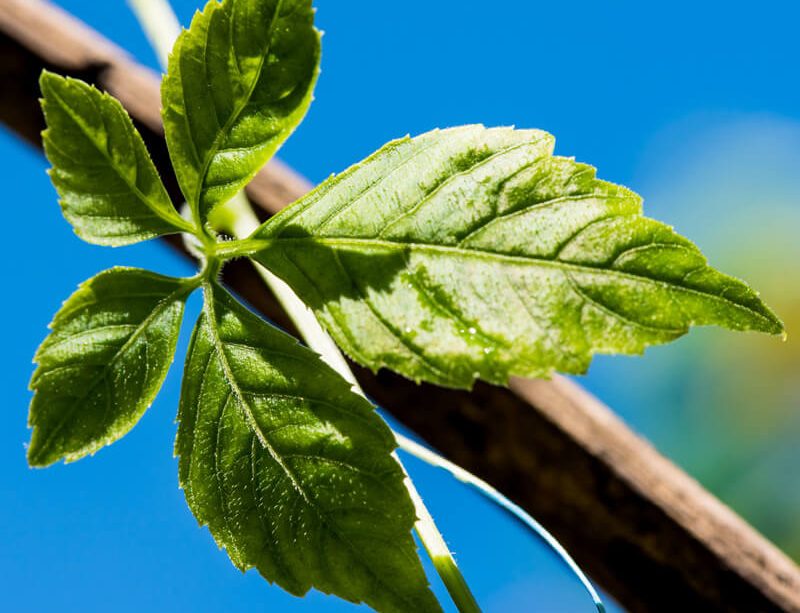
Baikal coneflower – This herb is known for its positive effects on the nervous system, it is very effective in relieving anxiety, for example. However, its calming effect on the nervous system can also be very useful for migraines – it is also used for this purpose in traditional Chinese medicine.
Omega-3 – With a bit of exaggeration, it can be said that once a health problem affects the brain, one cannot go wrong with taking these unsaturated fatty acids. And this is also true for migraines. Their anti-inflammatory action plays a major role here, specifically their ability to suppress the production of inflammatory proteins in the nerve endings. Omega-3s should be used for migraine on a long-term basis.
Ginger – The use of ginger may help migraine in the long term due to its epigenetic and anti-inflammatory effects, but it has also been confirmed to be effective in the treatment of acute migraine attacks. For example, when doctors gave migraine patients 500 m of ginger extract along with the painkiller, they experienced a greater reduction in symptoms than the placebo group.
Rosemary – This herb is characterized by its strong anti-inflammatory effect and ability to relieve pain, which works effectively even in the case of migraine. Rosemary can be taken in the form of an extract or tea, and in the case of an acute attack, aromatherapy can also be used.
Vitamin D3 – Several studies have shown that migraine sufferers have low levels of this vitamin in most cases. Supplementing it has also helped reduce the frequency of migraine attacks in patients.
Peppermint oil – when a drop of peppermint oil was applied to the nose of migraine patients in one study, 40% experienced significant pain relief within 30 minutes.
Magnesium – during a migraine attack, there is an acute drop in magnesium levels in the body. This mineral is therefore not only worth taking long term, but a higher dose can also relieve the migraine attack itself.
On the other hand, taking dietary supplements containing curcumin can be problematic. While it may be beneficial in the long term for migraine due to its epigenetic and anti-inflammatory effects, it also significantly increases nitric oxide production (up to 40%) after ingestion. Nitric oxide significantly dilates blood vessels and increases blood flow, which is great news for people with cardiovascular problems and athletes (improved blood supply to muscles leads to increased performance). In the case of migraines, however, it is the increased blood flow that can trigger an attack. This effect is more pronounced in people with low blood pressure. The use of resveratrol can also be problematic.
0:00
/
0:00
Stárnutí je volba
Klíčová slova: Baikal pine cone, epigenetics, ginger, healthy nutrition, inflammation, migraine, Motion, nasli, omega-3, Pain, rosemary, stress
Komentáře
Seznam zdrojů
- Else Eising, Nicole A Datson, Arn MJM van den Maagdenberg, and Michel D Ferrari. Epigenetic mechanisms in migraine: a promising avenue? BMC Med. 2013; 11: 26.
- Andreou AP, Edvinsson L. Mechanisms of migraine as a chronic evolutive condition [published online December 23, 2019]. J Headache Pain. https://www.ajmc.com/view/evidence-shows-genetic-epigenetic-factors-may-be-responsible-for-migraine-transformation
- Nagata JM, Ganson KT, Tabler J, Blashill AJ, Murray SB. Disparities across sexual orientation in migraine among US adults. JAMA Neurol. Published online September 28, 2020.
- Goadsby PJ, Lipton RB, Ferrari MD. Migraine-current understanding and treatment. N Engl J Med. 2002;346:257–270.
- MacGregor EA. Oestrogen and attacks of migraine with and without aura. Lancet Neurol. 2004;3:354–361.
- Freeman EW, Sammel MD, Lin H, Gracia CR, Kapoor S. Symptoms in the menopausal transition: hormone and behavioral correlates. Obstet Gynecol. 2008;111:127–136.
- Aurora SK, Wilkinson F. The brain is hyperexcitable in migraine. Cephalalgia. 2007;27:1442–1453.
- Aurora SK, Wilkinson F. The brain is hyperexcitable in migraine. Cephalalgia. 2007;27:1442–1453.
- Kelman L. The triggers or precipitants of the acute migraine attack. Cephalalgia. 2007;27:394–402.
- Tietjen GE, Peterlin BL. Childhood abuse and migraine: epidemiology, sex differences, and potential mechanisms. Headache. 2011;51:869–879.
- Peterlin BL, Nijjar SS, Tietjen GE. Post-traumatic stress disorder and migraine: epidemiology, sex differences, and potential mechanisms. Headache. 2011;51:860–868.
- Heim C, Binder EB. Current research trends in early life stress and depression: review of human studies on sensitive periods, gene-environment interactions, and epigenetics. Exp Neurol. 2012;233:102–111.
- Diener HC, Kuper M, Kurth T. Migraine-associated risks and comorbidity. J Neurol. 2008;255:1290–1301.
- Scher AI, Stewart WF, Ricci JA, Lipton RB. Factors associated with the onset and remission of chronic daily headache in a population-based study. Pain. 2003;106:81–89.
- Kunkler PE, Hulse RE, Kraig RP. Multiplexed cytokine protein expression profiles from spreading depression in hippocampal organotypic cultures. J Cereb Blood Flow Metab. 2004;24:829–839.
- Johnson HM, Noon-Song EN, Kemppainen K, Ahmed CM. Steroid-like signalling by interferons: making sense of specific gene activation by cytokines. Biochem J. 2012;445:295.
- Xuan A, Long D, Li J, Ji W, Hong L, Zhang M, Zhang W. Neuroprotective effects of valproic acid following transient global ischemia in rats. Life Sci. 2012;90:463–468.
- Mahmood Rafieian-Kopaei , Ali Hasanpour-Dehkordi , Zahra Lorigooini , Fatemeh Deris , Kamal Solati , Faezeh Mahdiyeh. Comparing the Effect of Intranasal Lidocaine 4% with Peppermint Essential Oil Drop 1.5% on Migraine Attacks: A Double-Blind Clinical Trial. Int J Prev Med. 2019 Jul 5;10:121.
- Laís Bhering Martins , Ana Maria Dos Santos Rodrigues1, Débora Fernandes Rodrigues , Luana Caroline Dos Santos , Antônio Lúcio Teixeira , Adaliene Versiani Matos Ferreira. Double-blind placebo-controlled randomized clinical trial of ginger ( Zingiber officinale Rosc.) addition in migraine acute treatment. Cephalalgia. 2019 Jan;39(1):68-76.
- Lockett DM and Campbell J F. The effects of aerobic exercise on migraine. Headache 1992; 32(1): 50-4.
- Ravikiran Kisan, MU Sujan, Meghana Adoor, Raghavendra Rao, A Nalini,3 Bindu M Kutty, BT Chindanda Murthy, TR Raju, and TN Sathyaprabha. Effect of Yoga on migraine: A comprehensive study using clinical profile and cardiac autonomic functions. Int J Yoga. 2014 Jul-Dec; 7(2): 126–132.
- Robert A DiSilvestro1, Elizabeth Joseph, Shi Zhao, Joshua Bomser. Diverse effects of a low dose supplement of lipidated curcumin in healthy middle aged people. Nutr J. 2012 Sep 26;11:79.
- Jamie Bellamy, Elizabeth J Bowen, Andrew F Russo, Paul L Durham. Nitric oxide regulation of calcitonin gene-related peptide gene expression in rat trigeminal ganglia neurons. Eur J Neurosci. 2006 Apr;23(8):2057-66.
- Yu-YunChang, Yueh-TingTsai, Jung-NienLai, Chia-HaoYeh. The traditional Chinese medicine prescription patterns for migraine patients in Taiwan: A population-based study. Journal of Ethnopharmacology. Volume 151, Issue 3, 12 February 2014, Pages 1209-1217
- Neda Soveyd, Mina Abdolahi, Sama Bitarafan, Abbas Tafakhori, Payam Sarraf, Mansoureh Togha, Ali Asghar Okhovat, Mahsa Hatami, Mohsen Sedighiyan, Mahmoud Djalali, and Niyaz Mohammadzadeh Honarvar. Molecular mechanisms of omega-3 fatty acids in the migraine headache. Iran J Neurol. 2017 Oct 7; 16(4): 210–217.
- Nowaczewska M, Wicinski M, Osinski S, Kazmierczak H. The role of vitamin D in primary headache- from potential mechanism to treatment. Nutrients. 2020;12(1):243.
- Hassan Solhi, Bahman Salehi, Abbas Alimoradian, Shirin Pazouki, Mohsen Taghizadeh, Ali Mohammad Saleh, and Amir Mohammad Kazemifar. Beneficial Effects of Rosmarinus Officinalis for Treatment of Opium Withdrawal Syndrome during Addiction Treatment Programs: A Clinical Trial. Addict Health. 2013 Summer-Autumn; 5(3-4): 90–94.
- Nada Ahmad Hindiyeh MD, Niushen Zhang MD, Mallory Farrar PharmD, Pixy Banerjee MPharm, Sheena K. Aurora MD. The Role of Diet and Nutrition in Migraine Triggers and Treatment: A Systematic Literature Review. Headache. 25 May 2020.
- https://www.migrainetrust.org/living-with-migraine/coping-managing/exercise/