Beautiful even after 40? Slow down the epigenetic clock!
epivyziva.cz/
Zobrazeno: 3,182

Through optimal nutrition and lifestyle, we can not only reduce the formation of wrinkles, but also improve the prevention of serious age-related diseases.
It may seem petty to some when a woman starts to despair about her wrinkles. But the outward signs of ageing do not arise on their own, but are simply a reflection of the processes that take place in every cell of our body. So it makes sense to fight them, but the main weapon should not be plastic surgery or expensive creams, but the effort to improve the body as a whole. How can epigenetics help?
Get your genes in the game
We can’t fool nature. As we grow older, our physical and mental condition will always deteriorate, physical problems will increase, but also external signs of ageing, such as wrinkles, dehydration, loss of elasticity, changes in volume around the mouth and eyes or pigmentation disorders. Unfortunately, there is no youth elixir that can stop all these processes, but that does not mean that we are completely defenceless. In fact, we can influence the speed of these processes, and quite significantly. The key to success is our own genes.
In fact, 70 genes have been identified in our DNA that are linked to longevity and the speed of ageing. These have an impact not only on the outward signs of ageing, i.e. the appearance of the skin, but above all on the body’s overall fitness and resistance to a range of diseases. These include, for example, genes that affect the body’s ability to eliminate cells that have mutated during division. But then there are hundreds of genes that affect the skin directly – particularly collagen production, free radical protection and hydration.
Why are we getting older?
The problem is that the activity of a large proportion of these genes declines with age. This is caused by so-called epigenetic processes – chemical reactions that can cause a gene to switch off completely and the body to stop making proteins according to it. In particular, this involves gene methylation, acetylation and deacetylation of histones and regulation by microRNAs (read more here). During life, the number of negative epigenetic changes in our DNA increases and this is one of the main causes of ageing.
However, the speed and intensity of these processes is not predetermined, but we can influence it significantly – mainly through our diet and overall lifestyle. Professor Steve Horvath of the University of California has even coined the term “epigenetic clock” based on his years of research, which measures the time of our lives not by age but by the methylation rate of our genes. Although no one has yet invented the epigenetic elixir of youth, it is true that we can slow down the ticking of our epigenetic clocks significantly by our lifestyle, so that they may differ from the real ones by more than a decade. This will have an impact not only on our appearance, but also on our physical and mental fitness and the health of our entire body.
But while the hands of men’s epigenetic clocks move more or less smoothly, women are at a big disadvantage. The decline in the production of sex hormones, which begins after the age of forty, accelerates the ageing process. The big jump then comes at the time of menopause – which suddenly increases our rate of ageing by an average of six per cent.
In addition, menopause, specifically the decline in estrogen production, is associated with some typical health problems that are also linked to epigenetics.
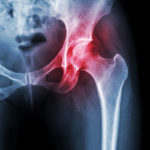
Osteoporosis
The process of bone formation is controlled by a group of enzymes known as HDACs. Their secretion is influenced by epigenetic mechanisms, in particular histone acetylation and deacetylation. The number of epigenetic mechanisms that slow down bone formation generally increases with age, but a large jump in this direction occurs during the menopause. This is when the production of two HDAC enzymes, SIRT1 and SIRT6, decreases significantly, which is probably related to the decrease in the level of the sex hormone estrogen. However, two other major epigenetic mechanisms play a role – gene methylation and regulation by microRNAs.
Diseases of the heart and blood vessels
Until the onset of menopause, women have a big advantage over men: their sex hormone estrogen also protects their heart and blood vessels. However, as soon as its production drops significantly, negative epigenetic processes that increase the risk of cardiovascular disease kick into full swing, the levels of harmful LDL cholesterol and triglycerides in the blood rise, and inflammatory processes in the heart and blood vessels intensify.
However, scepticism is not misplaced. With the help of nutrition and lifestyle modification, we can not only slow down the rate of negative epigenetic changes in our body, but we can even reverse many of them and thus literally and literally rejuvenate – inside and out. So let’s take a look at what anti-aging weapons we have at our disposal.
Stress makes us wrinkle
The popular saying “don’t make a fuss” didn’t just come about by accident. Stress, especially chronic, long-term stress, not only has a negative impact on the health of the entire body – for example, it increases the risk of cardiovascular disease or cancer, significantly impairs immunity, or accelerates the degeneration of nerve cells – but also negatively affects the quality of the skin.
When stressed, certain hormones released directly affect our skin. For example, epinephrine (adrenaline) released by the adrenal glands causes, among other things, constriction of blood vessels in the skin. In chronic stress, the supply of nutrients to the skin and subcutaneous tissue and the removal of metabolic wastes are significantly impaired. Adenocorticotropic hormone (ACTH) and corticoliberin (CRH) also play a role, which in turn directly influence the proliferation and differentiation of skin cells.
The long-term production of stress hormones (epinephrine, norepinephrine and cortisol) also causes DNA damage to skin cells, which also leads to accelerated skin aging, and increased production of free radicals, which is also related to stress.
Who smokes, grows old
Another significant negative factor is smoking and environmental pollution. Both have a direct negative effect – immediately after smoking a cigarette or inhaling pollutants, the oxygen content of the skin is significantly reduced, and the production of free radicals, which damage skin cells and subcutaneous tissue, increases. In the long term, smoking and environmental pollution have a significant effect on the methylation patterns in our DNA. This significantly speeds up our internal epigenetic clock, causing not only faster skin ageing but also an increased risk of a number of serious diseases.
Movement for health and beauty
Movement, especially aerobic movement (running, fast walking, swimming, cycling…) has an immediate effect on improving blood circulation and oxygenation of the whole body, including the skin. But much more important is its epigenetic effect. If practiced regularly, it significantly reduces the rate of DNA methylation, which has the effect of slowing down aging and reducing the risk of many serious diseases, including, for example, cancer or diabetes. Regular exercise has also been shown to have a positive effect on mental fitness, especially in older age. Reducing methylation also has a positive effect on physical appearance.
A beneficial effect of movement on the length of telomeres, which are the terminal parts of chromosomes, has also been demonstrated. Their gradual shortening over the course of life is another important cause of ageing, and regular exercise can significantly slow this process.
Nutrition
Nutrition is one of the most important epigenetic factors. For example, overeating, excessive consumption of carbohydrates and animal fats, alcohol and many chemical additives in food have a negative effect in this respect. On the other hand, there are foods that are very positive in terms of epigenetics.
For women over forty, for example, soy is very suitable. It contains the isoflavones genistein and daidzein, which not only have epigenetic effects, but also act as phytoestrogens, i.e. substances similar to female sex hormones. In addition to their beneficial effects on the outward signs of ageing, they also have significant anti-cancer effects, protect the heart and blood vessels and have a positive effect on the joints.
In addition, there are a number of other epigenetically active nutrients and herbs, many of which are common in the diet, but for greater effectiveness should be consumed in concentrated form as dietary supplements. (You can find an extensive list of these in the “About Nutrition” section of this website.)
Resveratrol
The dye found in red wine in particular is one of the most powerful epigenetic weapons against ageing, including external signs such as wrinkles and loss of collagen in the skin. It is also anti-inflammatory, reducing the risk of cardiovascular disease and cancer. This effect works in both sexes, but women can also benefit from the fact that it is a natural phytoestrogen that is able to compensate to a large extent for the decline in estrogen production. It is therefore a dietary supplement that most women over forty will appreciate.
Research on the use of resveratrol in the prevention and treatment of osteoporosis in postmenopausal women is very promising. It has a direct effect on the production of the enzyme SIRT1 and also increases the blood concentration of the protein osteocalcin, which plays an important role in bone formation.
Resveratrol should be taken together with calcium, but its combinations with vitamin K2 or a nutrient called OPC, which is a complex of proanthocyanidins with strong antioxidant and epigenetic potential, found mainly in grape seeds, are also suitable.
Read more about resveratrol here.
Vitamin D3
It is one of the most important nutrients in the prevention of osteoporosis. It regulates the balance of calcium and phosphorus through a number of mechanisms. In the intestine, for example, it increases the production of a protein that ensures the absorption of calcium into the bloodstream; it also improves the absorption of phosphorus from the digestive tract and increases the resorption or reabsorption of calcium in the kidneys. Vitamin D also stimulates a system known as RANKL (receptor-activator of nuclear factor), which activates bone cells called osteoclasts that allow bone remodelling.
Read more about vitamin D3 here.
Vitamin K2
This little-known vitamin has an effect on virtually all the major problems that plague women during and after menopause. First of all, it is absolutely essential in the prevention of osteoporosis. The enzyme of which it is a part activates several proteins that control the movement of calcium in the body. The most important of these is osteocalcin, which is the second most abundant protein in the bones after collagen and is essential for the deposition of calcium in the bones and teeth.
However, K2 is very effective in preventing cardiovascular disease. It activates the matrix gla protein (MGP), which in turn is responsible for removing calcium from soft tissues. However, this does not only affect the blood vessels, where this mineral is part of atherosclerotic plaques, but also the skin, where calcium deposits reduce the elasticity of collagen ligaments and thus accelerate the formation of wrinkles and the loosening of facial contours. In other words, vitamin K2 brings calcium where we want it (in the bones and teeth) and removes it from places where it is harmful – from the vascular system and collagen fibres.
Vitamin K2 occurs naturally in products containing animal fat, especially butter, dairy products, meat and eggs. However, this only applies to products from free-ranging animals that consume a natural plant-based diet. It is significantly less abundant in meat, milk and eggs from confined animals and should therefore be taken as a dietary supplement, especially in women in their 40s (and even more so in post-menopausal women).
Read more about vitamin K2 here.
Epigallocatechin gallate (EGCG)
A powerful antioxidant with epigenetic effects contained mainly in green tea is another effective weapon against the external manifestations of aging. It activates cells called keratinocytes in the skin and promotes their division, thereby reducing the formation of wrinkles. However, it also works against ageing from within by activating the so-called Methuselah gene, which is responsible for ridding the body of damaged cells.
However, EGCG also has significant anti-cancer effects (it is particularly effective against breast cancer), protects the heart and blood vessels and, last but not least, helps to keep our mental abilities and memory in shape. Some research has even confirmed its effectiveness against Parkinson’s and Alzheimer’s disease.
Read more about EGCG here.
0:00
/
0:00
Stárnutí je volba
Klíčová slova: ageing, antiaging, beauty, blood vessels, heart, Motion, nutrition, osteoporosis, resveratrol, skin, Smoking, stress, Vitamin D3, vitamin K2, wrinkles
Komentáře
Seznam zdrojů
- Levine, M. et al. (2016). Menopause accelerates biological aging. PNAS, 113(33):9327-9332.
- Carroll, J., et al. (2016). Epigenetic aging and immune senescence in women with insomnia symptoms: Findings from the Women’s Health Initiative StudyEpigenetic Age and Insomnia. Biological Psychiatry.
- Feng J., Liu S., Ma S., Zhao J., Zhang W., Qi W., Cao P., Wang Z., Lei W. Protective effects of resveratrol on post-menopausal osteoporosis: Regulation of Sirt1-NF-κB signaling pathway. Acta Biochim. Biophys. Sin. 2014;46:1024–1033.
- Francesca Marini, Luisella Cianferotti, and Maria Luisa Brandi. Epigenetic Mechanisms in Bone Biology and Osteoporosis: Can They Drive Therapeutic Choices? Int J Mol Sci. 2016 Aug; 17(8): 1329.
- Ying Chen and John Lyga. Brain-Skin Connection: Stress, Inflammation and Skin Aging. Inflamm Allergy Drug Targets. 2014 Jun; 13(3): 177–190.
- Felix Bormann, Manuel Rodríguez‐Paredes, Sabine Hagemann, Himanshu Manchanda, Boris Kristof, Julian Gutekunst, Günter Raddatz, Rainer Haas, Lara Terstegen, Horst Wenck, Lars Kaderali, Marc Winnefeld, and Frank Lyko. Reduced DNA methylation patterning and transcriptional connectivity define human skin aging. Aging Cell. 2016 Jun; 15(3): 563–571.
- Smith ZD, Meissner A (2013) DNA methylation: roles in mammalian development. Nat. Rev. Genet. 14, 204–220.
- Wilson, V. L.; Smith R. A.; Ma S.; Cutler R.G. (July 25, 1987). “Genomic 5-methyldeoxycytidine decreases with age”. J Biol Chem. 262 (21): 9948–51.
- Heyn, H; Li N; Ferreira HJ; Moran S; Pisano DG; Gomez A; Diez J; Sanchez-Mut JV; Setien F; Carmona FJ; et al. (June 26, 2012). “Distinct DNA methylomes of newborns and centenarians”. Proc Natl Acad Sci U S A. 109 (26): 10522–7.
- Coyle, YM; Xie XJ; Lewis CM; Bu D; Milchgrub S; Euhus DM (February 2007). “Role of physical activity in modulating breast cancer risk as defined by APC and RASSF1A promoter hypermethylation in nonmalignant breast tissue”. Cancer Epidemiol Biomarkers Prev. 16 (2): 192–196.
- Ntanasis-Stathopoulos, J.; Tzanninis, J-G.; Philippou, A.; Koutsilieris, M. (June 2013). “Epigenetic regulation on gene expression induced by physical exercise”. J Musculoskelet Neuronal Interact. 13 (2): 133–46.
- Ling, C.; Groop, L. (December 2009). “Epigenetics: A Molecular Link Between Environmental Factors and Type 2 Diabetes”. Diabetes. 58 (12): 2718–25. doi:
- Werner, C.; Hanhoun M.; Widmann T.; et al. (August 5, 2008). “Effects of physical exercise on myocardial telomere-regulating proteins, survival pathways, and apoptosis”. J Am Coll Cardiol. 52 (6): 470–82.
- Sama F Sleiman, Jeffrey Henry, Rami Al-Haddad, Lauretta El Hayek, Edwina Abou Haidar, Thomas Stringer, Devyani Ulja, Saravanan S Karuppagounder, Edward B Holson, Rajiv R Ratan, Ipe Ninan, Moses V Chao. Exercise promotes the expression of brain derived neurotrophic factor (BDNF) through the action of the ketone body β-hydroxybutyrate. https://elifesciences.org/content/5/e15092/article-info
- Karen S. Bishop and Lynnette R. Ferguson. The Interaction between Epigenetics, Nutrition and the Development of Cancer. Nutrients. 2015 Feb; 7(2): 922–947.
- Binda O, Nassif C, Branton PE. SIRT1 negatively regulates HDAC1-dependent transcriptional repression by the RBP1 family of proteins. Oncogene. 2008 May 29; 27(24):3384-92.
- Ndiaye M, Kumar R, Ahmad N. Resveratrol in cancer management: where are we and where we go from here? Ann N Y Acad Sci. 2011 Jan; 1215():144-9.
- Nazar Labinskyy, Anna Csiszar, Gabor Veress, Gyorgyi Stef, Pal Pacher, Gabor Oroszi, Joseph Wu, and Zoltan Ungvari. Vascular Dysfunction in Aging: Potential Effects of Resveratrol, an Anti-Inflammatory Phytoestrogen. Curr Med Chem. 2006; 13(9): 989–996.
- Viljakainen HT, Korhonen T, Hytinantti T, et al. Maternal vitamin D status aff ects bone growth in early childhood – a prospective cohort study. Osteoporos Int 2011; 22(3): 883–891.
- Kate Rhéaume-bleue, B.Sc., N.D. Vitamin K2 and the Calcium Paradox. John Wiey & Sons Canada, 2012
- Thangapazham RL, Passi N, Maheshwari RK. Green tea polyphenol and epigallocatechin gallate induce apoptosis and inhibit invasion in human breast cancer cells. Cancer Biol Ther. 2007 Dec;6(12):1938-43.
- Shinichi Kuriyama, MD, PhD; Taichi Shimazu, MD; Kaori Ohmori, MD, PhD; Nobutaka Kikuchi, MD; Naoki Nakaya, PhD; Yoshikazu Nishino, MD, PhD; Yoshitaka Tsubono, MD, PhD; Ichiro Tsuji, MD, PhD. Green Tea Consumption and Mortality Due to Cardiovascular Disease, Cancer, and All Causes in Japan. JAMA. 2006;296(10):1255-1265.
- Kuriyama S, Hozawa A, Ohmori K, Shimazu T, Matsui T, Ebihara S, Awata S, Nagatomi R, Arai H, Tsuji I. Green tea consumption and cognitive function: a cross-sectional study from the Tsurugaya Project 1.Am. J. Clin. Nutr. 2006;83(2):355–361.
- Traynor BJ, Renton AE. Exploring the epigenetics of Alzheimer disease. JAMA Neurol. 2015 Jan;72(1):8-9.