Help your genes fight the flu
epivyziva.cz/
Zobrazeno: 1,973

Do you have a strong immunity, or do you catch every germ that flies by? Whatever your situation, it’s good to know that the state of our immune system is largely determined by genes – for example, those that control the formation and differentiation of immune cells. But that doesn’t mean it’s not within our power to significantly improve our defences.
The human immune system is a small miracle of nature. It provides the body with very effective protection, not only against foreign invaders such as viruses and bacteria, but also against dangers from within – such as damaged and cancerous cells.
There is a whole spectrum of immune cells in our body. Some of them are responsible for non-specific, innate immunity (e.g. macrophages, granulocytes, NK cells, mast cells or dendritic cells), others are responsible for specific or acquired immunity (B cells and T cells). However, immunity also has a non-cellular, humoral component, which includes antibodies.
All immune cells have one thing in common – they originate in the bone marrow from haematopoietic cells. They then undergo differentiation and maturation and only then are they able to provide our defences. However, a number of other processes take place that allow immune cells to recognise and react to an antigen (such as a virus).
All these processes are controlled by a number of genes contained in our DNA. However, we can effectively influence their activity by switching off those that promote inflammatory processes and switching on those that control the formation and differentiation of immune cells and other important immune processes. Turning genes off and on involves several biochemical reactions, the most important of which are gene methylation, histone acetylation and regulation by microRNAs (more on these here). And it is the course of these reactions that we can effectively influence, for example by our lifestyle.
Epigenetic struggle of who is fighting who
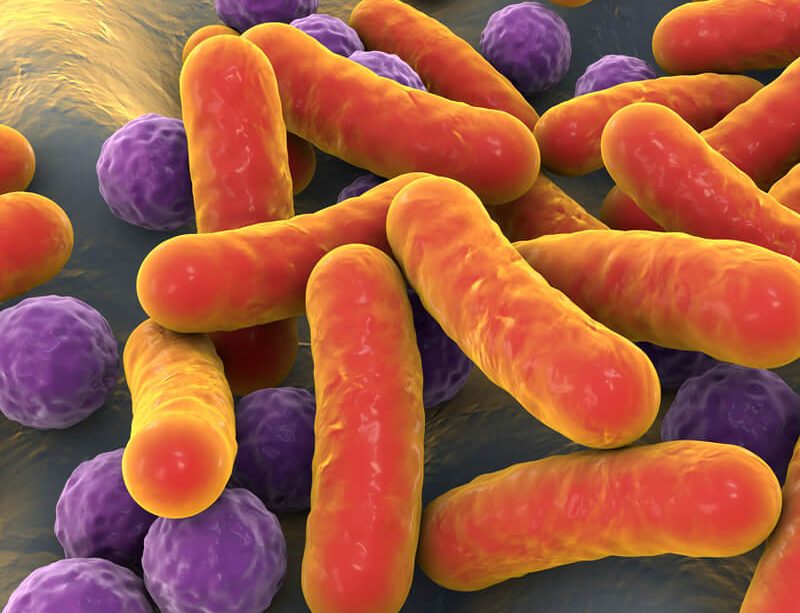
However, the organism’s fight against infection has another interesting aspect from the perspective of epigenetics. Viruses and bacteria also try to survive and control the organism by epigenetic mechanisms. This can be seen, for example, in the example of influenza viruses – they are very good at this and thanks to this they are able to multiply in the body very quickly and cause quite significant problems.
For example, while the cell tries to fight off influenza viruses using epigenetic mechanisms such as transcription factors, viruses try to use the same transcription factors of the host cell to control it. In addition, they also produce a protein that tries to mimic the end of the histone chain of the cell in question. Histone is a protein that plays a crucial role in regulating gene activity, and the ability to mimic it is the very reason why influenza viruses are able to escape the attention of the immune system in the body. Other proteins produced by these uninvited invaders in turn affect our body’s ability to produce type I interferons, which help regulate immune system activity (1, 2).
However, we ourselves often play into the hands of the microscopic invaders in this fight by our poor lifestyle. Lack of exercise, inappropriate diet, smoking, environmental pollutants, but also obesity, stress or lack of sleep – all these cause negative epigenetic changes in the body, which not only increase the risk of cardiovascular disease, cancer or diabetes, but also weaken the immune system. So let’s take a look at how we can use epigenetic mechanisms in turn to benefit our immunity.
Fighting inflammation
If chronic inflammatory processes are taking place in the body, the immune system becomes excessively exhausted, leaving it with no strength left to fight infection. For this reason, for example, it is advisable to take antioxidants as a preventive measure – if extremely reactive free radicals disrupt cells and tissues in the body, inflammation starts to take place in response to this damage. Oxidative stress affects transcription factors (e.g. NF-κB or p53) that play an important role in the development of the inflammatory process (12).
In particular, plant polyphenols, which combine antioxidant and epigenetic effects, are excellent in this respect. Thanks to this, they are anti-inflammatory and also act directly as immunomodulators, i.e. substances with a direct effect on the formation and differentiation of a number of immune cells, be they dendritic cells, NK cells, macrophages, B cells or T cells (13, 14).
Improving nutrition
Nutrition is one of the most important epigenetic factors. In general, negative epigenetic changes are mainly caused by excessive consumption of simple sugars and saturated fats, as well as by a number of chemical additives in food. Specifically, adequate protein intake is particularly important for the immune system – if it is insufficient over a long period of time, the production and function of NK cells and T cells in particular is reduced. Essential fatty acids are also essential for immunity – they are needed for the function of the thymus, where some immune cells mature, and for the production of T-lymphocytes, NK cells and macrophages. A deficiency of certain vitamins (mainly A, B6, B12, C, E and folic acid) in turn results in a reduction in immune function called phagocytosis. Of the trace elements, zinc, selenium and iron are essential. Excessive drinking of alcohol also has a negative effect – it mainly reduces the production of macrophages and antibodies (15).
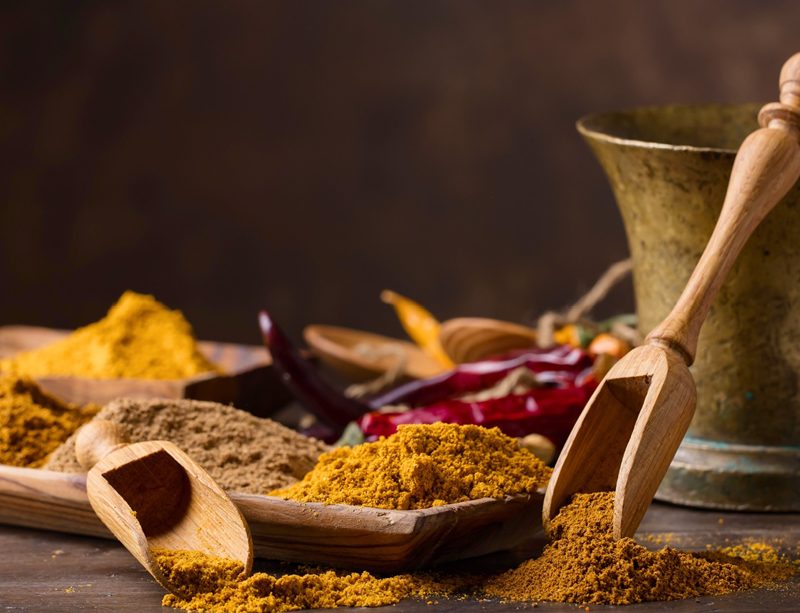
On the other hand, eating fruits, vegetables and certain spices has a positive effect: they contain polyphenols and other substances that have antioxidant and epigenetic effects. Many dietary supplements also have epigenetic effects (see below for an overview).
More sleep
Sleep is extremely important for the effectiveness of the immune system. However, it is not only the length of sleep, but also its quality. For example, researchers have shown that children with sleep apnoea (shortness of breath) and other sleep disorders have increased methylation in the FOXP3 gene, which regulates T-lymphocyte production (3, 4).
More movement
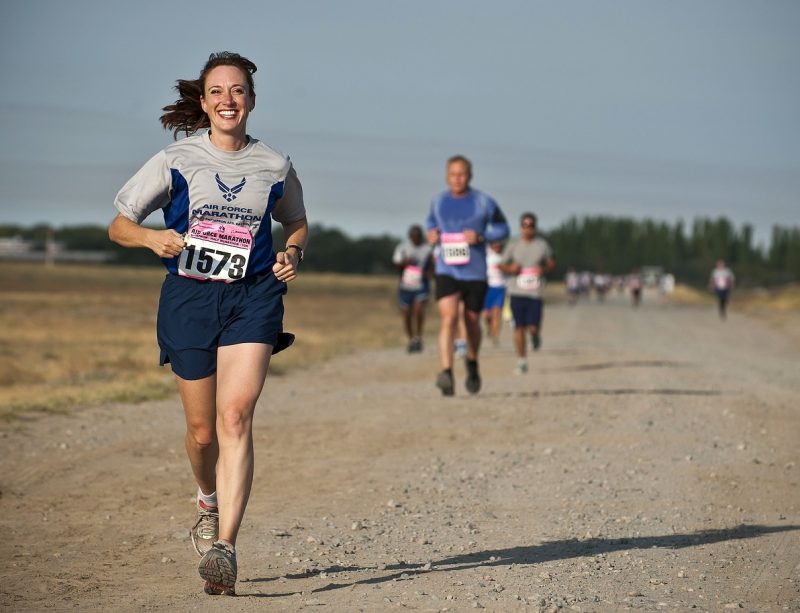
Regular exercise, especially aerobic exercise (e.g. running, walking, cycling or swimming), has significant positive epigenetic effects. These manifest themselves not only as performance-enhancing events, but also as improvements in immune system function and a reduction in inflammatory processes in the body (17). However, moderation is also necessary in exercise – extreme training stress, on the other hand, impairs immunity.
Stop smoking
In particular, smoking negatively affects DNA methylation patterns. This translates into increased susceptibility to a number of serious diseases, including cancer and cardiovascular disease, as well as impaired immunity (16). In particular, NK cell activity, the ability of T lymphocytes to penetrate tissues and immunoglobulin production are reduced (15).
Taking dietary supplements
Dietary supplements can affect the function of our immune system quite significantly. In the following lines you will find those that affect immunity through epigenetic mechanisms.
Astaxanthin
It is a colouring agent from the carotenoid group, which is found, for example, in salmon and shrimp flesh or in the algae Haematococcus pluvialis, from which it is usually extracted for the production of food supplements. Astaxanthin is one of the most potent antioxidants and also has immunomodulatory and epigenetic effects. It increases the activity and proliferation rate of a wide range of immune cells (especially B-cells and T-cells) and immunoglobulins (18-20). As a prophylactic measure in immunocompromised patients, it is advisable to take 4 to 8 mg of astaxanthin per day, and to double the dose during the influenza season.
Read more about astaxanthin here.
Zinc
Researchers from the College of Public Health and Human Sciences have found that there is a direct link between zinc deficiency and the rate of inflammatory processes in the body. Deficiency of this element affects gene methylation, which in turn affects the activation of immune cells and the regulation of a protein called interleukin-6, which is related to inflammatory processes in cells (5). Zinc deficiency affects around 12% of the population, but can be over 40% in people over 65 years of age.
Omega-3
Omega-3 unsaturated fatty acids improve the transmission of signals between immune cells and thus their ability to destroy pathogens. They also improve the function of lysosomes, which are organelles important for cellular defence and cellular immunity. Their anti-inflammatory action is also important. Omega-3s are particularly beneficial for the elderly, who not only improve immune function but also reduce the risk of autoimmune diseases when used for a long time (21). They are also essential in pregnancy, not only because of their positive effect on the development of the nervous system – if a mother takes omega-3 during pregnancy, she is positively influencing the future immunity of her offspring (6).
Read more about omega-3s here.
Pomegranate
Ellagic acid and polyphenols contained in this fruit effectively influence the processes of activation and differentiation of a wide range of immune cells through the mechanisms of gene methylation, histone acetylation and post-transcriptional modulation of microRNAs (7).
Read more about pomegranate here.
Quercetin
This plant polyphenol has quite extensive positive effects on the immune system, but its anti-inflammatory action is essential. It suppresses the production of interleukin-6 and TNF-α, which play a key role in inflammatory processes (8).
Read more about quercetin here.
Vitamin D3
A deficiency of this epigenetic vitamin can threaten immunity quite significantly. In particular, it directly affects the activity of immune cells: macrophages, T-cells or dendritic cells (9).
Read more about vitamin D3 here.
Check
This plant is an excellent source of inulin and fructooligosaccharides, which act as a prebiotic. They form a kind of substrate that is necessary for the growth and multiplication of probiotic bacteria (10). Chicory, however, also has epigenetic effects.
Read more about chicory here.
Baikal pine cone
This herb is widely used in traditional Chinese medicine. It has anti-inflammatory effects (it reduces the concentration of cyclooxygenase COX 2 and suppresses the activation of NF-κB), but it can also directly affect immunity, mainly by activating immune cells called macrophages (11).
Read more about the cone here.
0:00
/
0:00
Stárnutí je volba
Komentáře
Seznam zdrojů
- Galvan S.C., García Carrancá A., Song J., Recillas-Targa F. (2015). Epigenetics and animal virus infections. Front Genet., 6: 48
- Marazzi, I., Ho J.S., Kim J., Manicassamy B., Dewell S., Albrecht RA., Seibert C.W., Schaefer U., Jeffrey K.L., Prinjha R.K., Lee K., García-Sastre A., Roeder R.G., Tarakhovsky A. (2012). Suppression of the antiviral response by an influenza histone mimic. Nature. 483(7390): 428–433.
- Palagini, L., Biber, K., Riemann, D. The genetics of insomnia – Evidence for epigenetic mechanisms? Sleep Medicine Reviews. 2013.
- Kim, J. et al. DNA Methylation in Inflammatory Genes among Children with Obstructive Sleep Apnea. American Journal of Respiratory Critical Care Medicine. Feb 2012.
- Carmen P. Wong, Nicole A. Rinaldi, Emily Ho. Zinc deficiency enhanced inflammatory response by increasing immune cell activation and inducing IL6 promoter demethylation. Molecular Nutrition & Food Research, 2015; DOI: 10.1002/mnfr.201400761
- Lee HS, Barraza-Villarreal A, Hernandez-Vargas H, et al. Modulation of DNA methylation states and infant immune system by dietary supplementation with omega-3 PUFA during pregnancy in an intervention study. Am J Clin Nutr. 2013;98(2):480-487.
- Alejandro Cuevas, Nicolás Saavedra, Luis A. Salazar, and Dulcineia S. P. Abdalla. Modulation of Immune Function by Polyphenols: Possible Contribution of Epigenetic Factors. Nutrients. 2013 Jul; 5(7): 2314–2332.
- Drummond E.M., Harbourne N., Marete E., Martyn D., Jacquier J., O’Riordan D., Gibney E.R. Inhibition of proinflammatory biomarkers in thp1 macrophages by polyphenols derived from chamomile, meadowsweet and willow bark. Phytother. Res. 2012;27:588–594.
- Mathieu Ch. Vitamin D and the Immune System: Getting It Right. IBMS BoneKEy 2011; 8(4): 178–186
- Grieshop, C. M., Flickinger, E. A., Bruce, K. J., Patil, A. R., Czarnecki-Maulden, G. L., and Fahey, G. C., Jr. Gastrointestinal and immunological responses of senior dogs to chicory and mannan-oligosaccharides. Arch Anim Nutr 2004;58(6):483-493
- Yue GG, et al Screening for anti-inflammatory and bronchorelaxant activities of 12 commonly used Chinese herbal medicines . Phytother Res. (2012)
- Reuter S., Gupta S.C., Chaturvedi M.M., Aggarwal B.B. Oxidative stress, inflammation, and cancer: How are they linked? Free Radi. Biol. Med. 2010;49:1603–1616. doi: 10.1016/j.freeradbiomed.2010.09.006.
- Karasawa K., Uzuhashi Y., Hirota M., Otani H. A matured fruit extract of date palm tree (Phoenix dactylifera L.) stimulates the cellular immune system in mice. J. Agric. Food Chem. 2011;59:11287–11293.
- John C.M., Sandrasaigaran P., Tong C.K., Adam A., Ramasamy R. Immunomodulatory activity of polyphenols derived from cassia auriculata flowers in aged rats. Cell Immunol. 2011;271:474–479. doi: 10.1016/j.cellimm.2011.08.017.
- MUDr. Mgr. Jitka Petanová, CSc. Vliv prostřední na imunitní systém. Med. Pro Praxi 2007; 6: 256–258 http://www.medicinapropraxi.cz/pdfs/med/2007/06/04.pdf
- Welisane Besingi and Åsa Johansson. Smoke related DNA methylation changes in the etiology of human diseas. Human Molecular Genetics, December 2013
- Steven Horsburgh, Paula Robson-Ansley, Rozanne Adams, Carine Smith. Exercise and inflammation-related epigenetic modifications: focus on DNA methylation. Exercise immunology review 21:26 · April 2015
- Bendich, A., Carotenoids and the immune response, J. Nutr., 119, 112, 1989.
- Bendich, A., Carotenoids and the immune system, in Carotenoids: Chemistry and Biology, Krinsky, N.I., Ed., Plenum Press, New York, 1990, 323.
- Jyonouchi, H., Zhang, L., and Tomita, Y., Studies of immunomodulating actions of carotenoids. II. Astaxanthin enhances in vitro antibody production to T-dependent antigens without facilitating polyclonal B-cell activation, Nutr. Cancer, 19, 269, 1993.
- Cintia de Lourdes Nahhas Rodacki, André Luiz Felix Rodacki, Isabela Coelho, Daniele Pequito, Maressa Krause, Sandro Bonatto, Katya Naliwaiko and Luiz Cláudio Fernandes. Influence of fish oil supplementation and strength training on some functional aspects of immune cells in healthy elderly women. British Journal of Nutrition, available on CJO2015.