Zinc
epivyziva.cz/
Zobrazeno: 427

In its inorganic state, zinc is an easily melted, blue-white, shiny metal, but in the human body it takes on completely different forms. Although only a small amount of it is found there, estimated at only two to three grams (which is why we speak of trace elements), its importance is quite fundamental. It is found in virtually all organs and tissues of the body and is bound to more than 2000 different proteins found in the body, together forming so-called metalloproteins (compounds of protein and metal).
A large part of zinc-containing metalloproteins are enzymes – substances without which no biochemical reaction would take place in the body. And some of them are even enzymes that are necessary for the course of epigenetic reactions – that is, those that regulate the activity of individual genes in our DNA. A lack of zinc in the body can therefore be linked to the development of a number of health problems, including some of the most serious. (2, 3)
History
Zinc in its inorganic, metallic form has been known for a very long time. Brass, an alloy of zinc and copper, was demonstrably used in ancient Egypt around 1400 BC, where it was obtained by smelting copper together with zinc ore. However, pure zinc was not isolated until much later, probably in 13th century India.
The zinc content of living tissue was first detected in plants in 1869 and in animals in 1934. Its importance for humans was first discovered in 1961, when the literature described the case of a 21-year-old Iranian farmer who subsisted exclusively on bread cakes, potatoes and milk and suffered from short stature, underdeveloped reproductive organs and anaemia. Shortly thereafter, the case of Egyptian adolescents who subsisted mainly on bread and beans and suffered similar symptoms was described, and when given a diet rich in animal protein and zinc, both their anaemia and the development of their sexual organs improved (6).
Occurrence and absorption of zinc
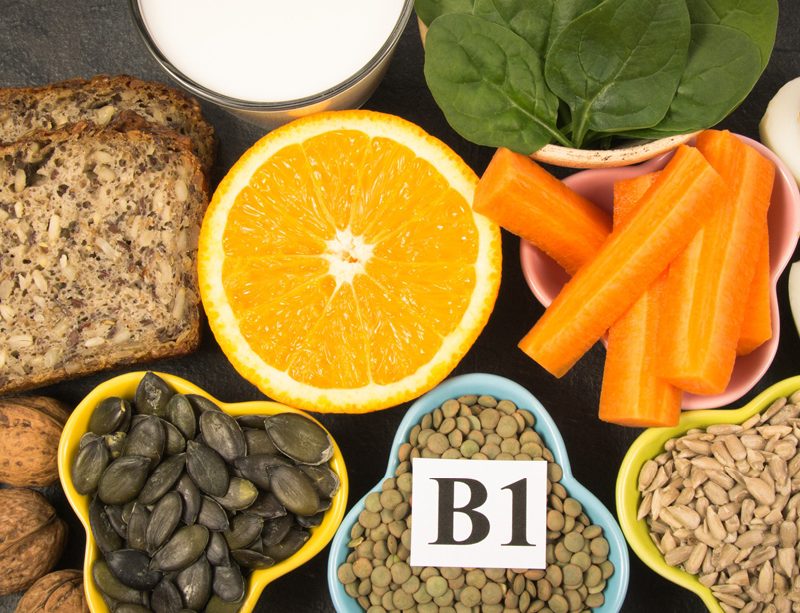
In the diet, zinc is much more abundant in foods of animal origin. Oysters are the richest source of zinc, but other seafood, especially crabs and lobsters, also contain high amounts. Meat also contains a lot of zinc – more in beef and pork, slightly less in chicken. Dairy products are also a good source, while eggs and fish contain relatively little zinc. Among plant sources, nuts and legumes such as beans, chickpeas, pumpkin seeds and cashew nuts are particularly useful, but the zinc content is generally lower than in animal foods (6, 14, 15).
Dietary zinc is released in the digestive system as ions, which are absorbed in the small intestine. On average, 33 % of the zinc consumed from a normal solid diet is absorbed into the blood, but if the element is supplied in liquid form on an overnight basis, its absorption increases to over 60 %. Zinc is more readily absorbed from a diet high in zinc. In the body, most of the zinc (about 70 %) circulates in the blood bound to the protein albumin, from which it is released into individual tissues as needed (6).
However, the bioavailability of zinc can be significantly impaired by phytic acid, which is found in many seeds, including cereals and legumes. This binds to zinc in the digestive tract and limits its absorption. However, the phytic acid content of the diet can be reduced by certain types of treatment – soaking, sprouting and fermentation are the most effective, as these processes activate enzymes in the grains that break down phytic acid. Milling of the grains also reduces the content of this substance, while heat treatment results in minimal losses. (7-9) Some studies suggest that zinc absorption may also be affected by high dietary calcium content. Although calcium itself has no effect, it may increase the negative effect of phytic acid. However, some studies have not confirmed this (6).
Dietary supplements are generally well absorbed, but there is also great variation. In general, for all minerals, the organically bound ones are better absorbed, while the inorganically bound ones are less well absorbed. In the case of zinc, the absorption and availability was found as follows (in descending order from the best absorbed): bisglycinate (chelate form) – picolinate – oxide – gluconate. (10) Other possible forms are citrullinate and acetate.
However, even people who have sufficient zinc in their diet can suffer from zinc deficiency. The absorption of zinc can be impaired by certain diseases and disorders, typical examples being inflammatory bowel diseases (such as Crohn’s disease or ulcerative colitis) and malabsorption syndromes. Problems can also occur with any ongoing infection and also with acute diarrhoea, as the natural loss of zinc through faeces is increased. Diabetics, people with chronic liver and kidney disease, excessive alcohol consumption (alcohol increases zinc loss in the urine), pregnant and lactating women, and vegetarians and vegans are also at risk of zinc deficiency (6, 12-13).
Zinc is mainly excreted from the body in urine and faeces.
Effect on health
As we have already mentioned, zinc is essential in the body mainly because it is part of a number of key enzymes in the body. And these include those that influence the course of so-called epigenetic reactions.
The fact that a gene is in the DNA of our cells does not mean anything in principle. To be functional, i.e. to be able to make proteins, it must be switched on. Some genes in DNA are permanently switched on or off, others are switched on and off as needed by several biochemical reactions. These include, in particular, DNA methylation, so-called histone modifications affecting the proteins forming the spatial structure of DNA (in particular acetylation, methylation and ubiquination of histones) and, of course, the reactions opposite to them, i.e. demethylation, deacetylation, deubiquination…).
Zinc is a component of most of the enzymes that are necessary for these reactions. Therefore, if there is a deficiency of zinc in the body, it can seriously interfere with the function of a number of important genes in the body, which can result in an increased risk of a number of diseases and problems (4, 16).
The following lines list the problems in which zinc deficiency can play a very significant role, and it is therefore advisable to think about sufficient supplementation.
Immunity
Zinc deficiency significantly impairs immune function, and this is not only true for a high deficiency of this element – immune problems can occur even with a mild deficiency. Zinc is crucial for the formation and differentiation of T-lymphocytes, but its deficiency also affects other types of immune cells, especially macrophages, neutrophils and NK cells. (18-20)
Colds and respiratory infections
Research suggests that zinc can directly inhibit the binding of viruses in the mucous membranes and their ability to multiply, which is why its use is beneficial for colds and viral infections of the respiratory tract. In several studies, although zinc administration did not alleviate symptoms such as rhinitis, cough or muscle pain, when it was started within 24 hours of the first symptoms, it significantly reduced the duration of illness (20-22).
Several studies have even shown that zinc supplementation can help alleviate the course and symptoms of COVID-19 (29).
Diarrhoea in children
One of the ways that zinc leaves the body is through the stool. Thus, when a person suffers from diarrhea, zinc loss increases. This is very dangerous in infectious diarrhoeal diseases in children, because the zinc deficiency that occurs in these diseases also impairs the body’s ability to cope with the diarrhoea, so that a vicious circle is created. Several clinical studies have shown that dietary zinc supplements reduce the duration and severity of diarrhoeal disease (6).
Macular degeneration
According to some studies, zinc may play a role in the onset and development of age-related macular degeneration, an eye disease that affects the retina and often results in complete blindness. For example, a Dutch population-based study concluded that a high dietary intake of zinc, beta-carotene and vitamins C and E leads to a reduced risk of the disease. In other studies, the administration of zinc to people already suffering from macular degeneration slowed the progression of the disease and in one study even improved visual acuity (20, 23, 24).
Wound healing, tibial ulcers
Zinc is essential for maintaining the integrity of the skin and mucous membranes. Therefore, it is not surprising that people suffering from tibial ulcers very often have low levels of zinc or suffer from abnormal metabolism of this element. Thus, in patients with zinc deficiency, its administration usually leads to an improvement in the condition of tibial ulcers (25-27).
Testosterone, sexuality
Zinc has a direct effect on the testicular cells where the male sex hormone testosterone is produced, and it also blocks the enzyme systems that ensure the conversion of testosterone to estrogen. Thus, its use can increase testosterone levels in the body, but only in men who are zinc deficient (30, 31).
This makes zinc very beneficial for men with erectile dysfunction, where it helps improve both erectile ability and sex drive. However, it can also be useful for premature ejaculation. When zinc deficiency is present in boys during childhood and adolescence, it leads to impaired genital development, called hypogonadism (32- 34, 36).
Fertility
Zinc also has a crucial effect on male fertility, not only due to its influence on testosterone production, but also by promoting the production of seminal fluid, reducing the level of reactive oxygen species and supporting the integrity of the epithelium of the genital organs. The concentration of zinc in the male reproductive organs is significantly higher than in other body tissues, and this element is also essential in several stages of the process of sperm formation and maturation. Thus, zinc deficiency causes a significant reduction in the overall production of sperm and increases the rate of sperm damage. High concentrations of zinc are also found in the “tails” of sperm, where this element is also important for sperm motility. The use of zinc is very effective in smokers with reduced fertility (36).
However, zinc is also important for female fertility – it is necessary for the oocyte, i.e. the germ cell in the ovary, to form and release an egg capable of fertilisation. Zinc deficiency can also seriously impair embryo division and differentiation and cause serious developmental disorders. (37)
Mental performance
Zinc is essential for signal transmission within nerve cells and also between individual nerve cells. It is found in high concentrations especially in the hippocampus, the part of the brain responsible for memory, but also in the cerebral cortex and other areas (38).
Zinc deficiency is very serious in pregnancy, when it can significantly impair the development of the brain and nervous system of the child. In the early stages of pregnancy, it results in severe defects or a reduction in the volume of the cerebellum, while in the last stage (i.e. between 24 and 40 weeks), it tends to result in a deterioration of brain function – the children of these women usually have impaired learning ability, some aspects of memory, but also motor skills. In the last third of pregnancy, the child’s brain undergoes extraordinary structural changes and is very sensitive to zinc deficiency. (38)
Zinc supplementation may also be effective for children with ADHD (attention deficit hyperactivity disorder). Zinc is an essential component of melatonin metabolism, a hormone that (in addition to regulating the sleep cycle) is necessary for the production of the neurotransmitter dopamine, which is usually impaired in ADHD. Moreover, zinc deficiency is common in children with ADHD. (39)
A recent study also suggested that zinc deficiency in early childhood may lead to the development of autism (40).
Weight loss, metabolic syndrome
Another group of people in whom zinc deficiency is extremely common are those who are overweight and obese. One reason for this is probably the relationship between zinc levels and the production of leptin, a hormone produced by adipose tissue that acts on neuropeptide Y (NPY), which in turn regulates food intake in the hypothalamus. However, leptin is also involved in cellular immunity, and its deficiency therefore also increases susceptibility to infection (41).
Zinc is also a good way to prevent metabolic syndrome, a set of factors and changes in the body that significantly increase the risk of cardiovascular disease and diabetes (which includes obesity) (45).
Thyroid gland
Zinc also helps to increase thyroid hormone levels in the body, which is important both in hypofunction of this organ and in weight loss, as thyroid hormones are an important regulator of energy metabolism (42, 43).
Depression
Zinc supplementation has been shown to help reduce depression symptoms (47).
Use and contraindications
The need for zinc varies mainly with age (see table), but may increase in the case of certain health problems, alcoholics, pregnant and lactating women, etc. (17).
| Age | Recommended intake of zinc |
| 0-6 months | 4 mg |
| 7-12 months | 5 mg |
| 1-3 years | 7 mg |
| 4-8 years | 12 mg |
| 9-13 years | 23 mg |
| 14-18 years | 34 mg |
| 19 years and over | 40 mg |
On the other hand, taking higher doses is not advisable – one of the reasons is that higher amounts of zinc inhibit the absorption of copper, an element essential for blood formation (on the other hand, higher dietary iron intake inhibits zinc absorption). The use of doses above 60 mg for several weeks has already been shown to reduce the levels of copper-containing enzymes. Longer-term use of doses above 150 mg per day can lead to anaemia, in addition to impaired immunity and a decrease in HDL cholesterol levels. Single doses at 570 mg then even cause severe nausea, diarrhea, vomiting and abdominal cramps. (20)
Possible interactions with certain medications should also be considered when taking zinc. For example, if it is taken with tetracycline or quinolone-based antibiotics, they may interact with each other, resulting in impaired absorption of both zinc and antibiotics. In this case, it is important not to take antibiotics 2 hours before and 4-6 hours after zinc administration. Similarly, zinc reduces the absorption of penicillamine, which is used to treat rheumatoid arthritis – here zinc should be taken no later than two hours before the drug is administered. (20)
On the other hand, increased zinc intake is needed if a person is taking thiazide diuretics, which can increase zinc loss in urine by up to 60% (28).
Suitable combinations
The combination of zinc and magnesium is very suitable, as these two elements mutually increase their absorption and availability, but other combinations are also very effective (46).
Erectile dysfunction, testosterone: zinc + vitamin D3 (35)
Premature ejaculation: zinc + rhodiola + biotin + folic acid (32)
Thyroid: zinc + iodine + selenium (43)
Immunity, colds: zinc + vitamin C (44), zinc + vitamin D3, zinc + EGCG (49), zinc + selenium (51), zinc + magnesium (53)
Metabolic syndrome and diabetes: zinc + ginger (45), zinc + curcumin (48), zinc + magnesium (52)
Depression: zinc + vitamin D3
Weight loss: zinc + curcumin (48)
ADHD: zinc + omega-3 (50)
0:00
/
0:00
Stárnutí je volba
Komentáře
Seznam zdrojů
- Brito, S.; Lee, M.-G.; Bin, B.-H.; Lee, J.-S. Zinc and Its Transporters in Epigenetics. Mol. Cells 2020, 43, 323–330.
- Chasapis, C.T.; Ntoupa, P.-S.A.; Spiliopoulou, C.A.; Stefanidou, M.E. Recent aspects of the effects of zinc on human health. Arch. Toxicol. 2020, 94, 1443–1460.
- Roohani, N.; Hurrell, R.; Kelishadi, R.; Schulin, R. Zinc and its importance for human health: An integrative review. J. Res. Med. Sci. 2013, 18, 144–157.
- Yusuf, A.P.; Abubakar, M.B.; Malami, I.; Ibrahim, K.G.; Abubakar, B.; Bello, M.B.; Qusty, N.; Elazab, S.T.; Imam, M.U.; Alexiou, A.; et al. Zinc Metalloproteins in Epigenetics and Their Crosstalk. Life 2021, 11, 186. https://doi.org/ 10.3390/life11030186
- https://cs.wikipedia.org/wiki/Zinek
- Nazanin Roohani, Richard Hurrell, Roya Kelishadi, and Rainer Schulin. Zinc and its importance for human health: An integrative review. J Res Med Sci. 2013 Feb; 18(2): 144–157. https://www.ncbi.nlm.nih.gov/pmc/articles/PMC3724376/
- Hambidge KM, Miller LV, Krebs NF. Physiological requirements for zinc. Int J Vitam Nutr Res. 2011;81:72–8.
- Hurrell RF. Phytic acid degradation as a means of improving iron absorption. Int J Vitam Nutr Res. 2004;74:445–52.
- Schlemmer U, Frølich W, Prieto RM, Grases F. Phytate in foods and significance for humans: Food sources, intake, processing, bioavailability, protective role and analysis. Mol Nutr Food Res. 2009;53:S330–75.
- Robert A DiSilvestro, Melinda Swan. Comparison of Four Commercially Available Zinc Supplements for Performance in a Zinc Tolerance Test. FASEB Journal, volume 22, issue S1. 01 March 2008.
- King JC, Cousins RJ. Zinc. In: Shils ME, Shike M, Ross AC, Caballero B, Cousins RJ, editors. Modern Nutrition in Health and Disease. 10th ed. Baltimore: Lippincott Williams and Wilkins; 2006. pp. 271–85. 12. Brown KH, Peerson JM, Allen LH. Effect of zinc supplementation on children’s growth: A meta-analysis of intervention trials. In: Sandström B, Walter P, editors. Role of Trace Elements for Health Promotion and Disease Prevention. California: S Karger Pub; 1998. pp. 76–83.
- https://www.healthline.com/health/chelated-zinc#too-little-zinc
- Dan Brennan, MD. WebMD Medical. November 03, 2020. https://www.webmd.com/diet/foods-high-in-zinc#2
- U.S. Department of Agriculture, Agricultural Research Service. , 2019.
- 16. Sofia Brito, Mi-Gi Lee, Bum-Ho Bin, and Jong-Soo Lee. Zinc and Its Transporters in Epigenetics. Mol Cells. 2020 Apr 30; 43(4): 323–330. https://www.ncbi.nlm.nih.gov/pmc/articles/PMC7191051/
- Institute of Medicine, Food and Nutrition Board. Dietary Reference Intakes for Vitamin A, Vitamin K, Arsenic, Boron, Chromium, Copper, Iodine, Iron, Manganese, Molybdenum, Nickel, Silicon, Vanadium, and Zinc. Washington, DC: National Academy Press, 2001.
- Shankar AH, Prasad AS. Zinc and immune function: the biological basis of altered resistance to infection. Am J Clin Nutr 1998;68:447S-63S.
- Beck FW, Prasad AS, Kaplan J, Fitzgerald JT, Brewer GJ. Changes in cytokine production and T cell subpopulations in experimentally induced zinc-deficient humans. Am J Physiol 1997;272:E1002-7.
- Zinc. National Institutes of Health. https://ods.od.nih.gov/factsheets/Zinc-HealthProfessional/#en49
- Hulisz D. Efficacy of zinc against common cold viruses: an overview. J Am Pharm Assoc (2003) 2004;44:594-603.
- Caruso TJ, Prober CG, Gwaltney JM Jr. Treatment of naturally acquired common colds with zinc: a structured review. Clin Infect Dis 2007;45:569-74.
- van Leeuwen R, Boekhoorn S, Vingerling JR, Witteman JC, Klaver CC, Hofman A, et al. Dietary intake of antioxidants and risk of age-related macular degeneration. JAMA 2005;294:3101-7.
- Newsome DA, Swartz M, Leone NC, Elston RC, Miller E. Oral zinc in macular degeneration. Arch Ophthalmol 1988;106:192-8.
- Wilkinson EA, Hawke CI. Does oral zinc aid the healing of chronic leg ulcers? A systematic literature review. Arch Dermatol 1998;134:1556-60. [PubMed abstract]
- Wilkinson EA, Hawke CI. Oral zinc for arterial and venous leg ulcers. Cochrane Database Syst Rev 2000;(2):CD001273.
- Wintergerst ES, Maggini S, Hornig DH. Contribution of selected vitamins and trace elements to immune function. Ann Nutr Metab 2007;51:301-23.
- Wester PO. Urinary zinc excretion during treatment with different diuretics. Acta Med Scand 1980;208:209-12.
- Dietary Supplements in the Time of COVID-19. Nationla Institutes of Health. https://ods.od.nih.gov/factsheets/COVID19-HealthProfessional/
- Hafiez, A. A., El-Kirdassy, Z. H. M., Mansour, M. M. S., Sharada, H. M., & El-Zayat, E. M. I. (2006). Role of zinc in regulating the testicular function. Molecular Nutrition and Food Research, 33(10), 935-940. Retrieved from
- Koehler, K., Parr, M. K., Geyer, H., Mester, J., & Schanzer, W. (2009). Serum testosterone and urinary excretion of steroid hormone metabolites after administration of a high-dose zinc supplement. European Journal of Clinical Nutrition, (63), 65-70
- Tommaso Cai, Paolo Verze, Paolo Massenio, Daniele Tiscione, Gianni Malossini, Luigi Cormio, Giuseppe Carrieri, Vincenzo Mirone. Rhodiola rosea, folic acid, zinc and biotin (EndEP) is able to improve ejaculatory control in pacients affected by lifelong premature ejaculation: Results forma a phase I-II study. Experimental and Therapeutic Medicine. October-2016, Volume 12 Issue 4
- Dissanayake, D. M. A. B., Wijesinghe, P. S., Ratnasooriya, W. D., & Wimalasena, S. (2009). Effects of zinc supplementation on sexual behavior of male rats. Journal of Human Reproductive Sciences, 2(2), 57–61
- Prasad AS1, Mantzoros CS, Beck FW, Hess JW, Brewer GJ Zinc status and serum testosterone levels of healthy adults. Nutrition. 1996 May;12(5):344-8
- S.T.Ahn, S.W.Kim, J.W.Kim, J.J.Kim, D.G.Moon. 196 The Efficacy of Vitamin D/Zinc Supplementation on Erectile Dysfunction: A 3-month Pilot Study. The Journal of Sexual Medicine. Volume 16, Issue 4, Supplement 1, April 2019, Pages S96-S97
- Ali Fallah, Azadeh Mohammad-Hasani, and Abasalt Hosseinzadeh Colagar. Zinc is an Essential Element for Male Fertility: A Review of Zn Roles in Men’s Health, Germination, Sperm Quality, and Fertilization. J Reprod Infertil. 2018 Apr-Jun; 19(2): 69–81.
- Tyler Bruce Garner, James Malcolm Hester, Allison Carothers, Francisco J Diaz. Role of zinc in female reproduction. Biology of Reproduction, Volume 104, Issue 5, May 2021, Pages 976–994.
- M Warthon-Medina, V H Moran, A-L Stammers, S Dillon, P Qualter, M Nissensohn, L Serra-Majem & N M Lowe. Zinc intake, status and indices of cognitive function in adults and children: a systematic review and meta-analysis. European Journal of Clinical Nutrition volume 69, pages649–661 (2015)
- Katarina Dodig-Curković1, Jasna Dovhanj, Mario Curković, Josipa Dodig-Radić, Dunja Degmecić. The role of zinc in the treatment of hyperactivity disorder in children. Acta Med Croatica. 2009 Oct;63(4):307-13.
- Huong T. T. Ha a kol. Shank and Zinc Mediate an AMPA Receptor Subunit Switch in Developing Neurons. Front. Mol. Neurosci. https://www.frontiersin.org/articles/10.3389/fnmol.2018.00405/full
- Abdulkerim Kasim Baltaci and Rasim Mogulkoc. Leptin and zinc relation: In regulation of food intake and immunity. Indian J Endocrinol Metab. 2012 Dec; 16(Suppl 3): S611–S616.
- Christy Maxwell, Stella Lucia Volpe. Effect of zinc supplementation on thyroid hormone function. A case study of two college females. Ann Nutr Metab. 2007;51(2):188-94.
- https://www.healthline.com/nutrition/thyroid-vitamins#general-thyroid-health
- S Maggini, S Beveridge, M Suter. A combination of high-dose vitamin C plus zinc for the common cold. J Int Med Res. 2012;40(1):28-42.
- Zana Ahmed Mustafa, Rojgar Hamed Ali, Dler Rostum Ali, Rahim Abdulkarimi, Nashwan Abdulkareem, Abolfazl Akbari. The combination of ginger powder a zinc supplement improves the fructose-inducet metabolic syndrome i n rats by modulatin the hepatic expression of NF-kB, mTORC1, PPAR-alfa, SSREBP-1-c and Nrf2. Journal of Food Biochemistry. 2021;45:e13546.
- https://betteryou.com/blogs/health-hub/magnesium-zinc
- Somaye Yosaee, Sepideh Soltani, Alireza Esteghamati, Seyed Abbas Motevalian, Mehdi Tehrani-DoostCain C T Clark, Shima Jazayeri. Effects of zinc, vitamin D, and their co-supplementation on mood, serum cortisol, and brain-derived neurotrophic factor in patients with obesity and mild to moderate depressive symptoms: A phase II, 12-wk, 2 × 2 factorial design, double-blind, randomized, placebo-controlled trial. Nutrition. 2020 Mar;71:110601.
- Majid Karandish, Hassan Mozaffari-khosravi, Seyed Mohammad Mohammadi, Maryam Azhdari & Bahman Cheraghian. Evaluation of the effect of curcumin and zinc co-supplementation on glycemic measurements, lipid profiles, and inflammatory and antioxidant biomarkers in overweight or obese prediabetic patients: a study protocol for a randomized double-blind placebo-controlled phase 2 clinical trial. rials volume 21, Article number: 991 (2020)
- M.J. SAADH, S.M. ALDALAEN. Inhibitory effects of epigallocatechin gallate (EGCG) combined with zinc sulfate and silver nanoparticles on avian influenza A virus subtype H5N1. European Review for Medical and Pharmacological Sciences, 2021; 25: 2630-2636.
- Bahman Salehi, Abolfazl Mohammadbeigi, Hamid Sheykholeslam, Esmail Moshiri, and Fatemeh Dorreh. Omega-3 and Zinc supplementation as complementary therapies in children with attention-deficit/hyperactivity disorder. J Res Pharm Pract. 2016 Jan-Mar; 5(1): 22–26.
- M Ferencík, L Ebringer. Modulatory Effects of Selenium and Zinc on the Immune System
- February 2003, Folia Microbiologica 48(3):417-26
- Zahra Hamedifard, Alireza Farrokhian, Željko Reiner, Fereshteh Bahmani, Zatollah Asemi, Maryam Ghotbi& Mohsen Taghizadeh. The effects of combined magnesium and zinc supplementation on metabolic status in patients with type 2 diabetes mellitus and coronary heart disease. Lipids in Health and Diseasevolume 19, Article number: 112 (2020)
- Kimberly J. Decker. Mineral supplements, especially zinc and magnesium, find growing opportunities in the health-focused COVID-19 era. Nutritional Outlook Vol. 23 No. 7, Volume 23, Issue 7