Coleus forskohlii
epivyziva.cz/
Zobrazeno: 5,383

(Plectranthus barbatus)
Coleus forskohlii (CF), Czech for nettle, is an herb growing on the slopes of the mountains of India and Nepal. It is one of the key herbs of traditional Indian Ayurvedic medicine and its extraordinary effects have been demonstrated by modern science. It contains a substance called forskolin, which affects cell signalling. It is effective in treating conditions such as psoriasis, high blood pressure and glaucoma and is also one of the most popular substances for weight loss.
Description
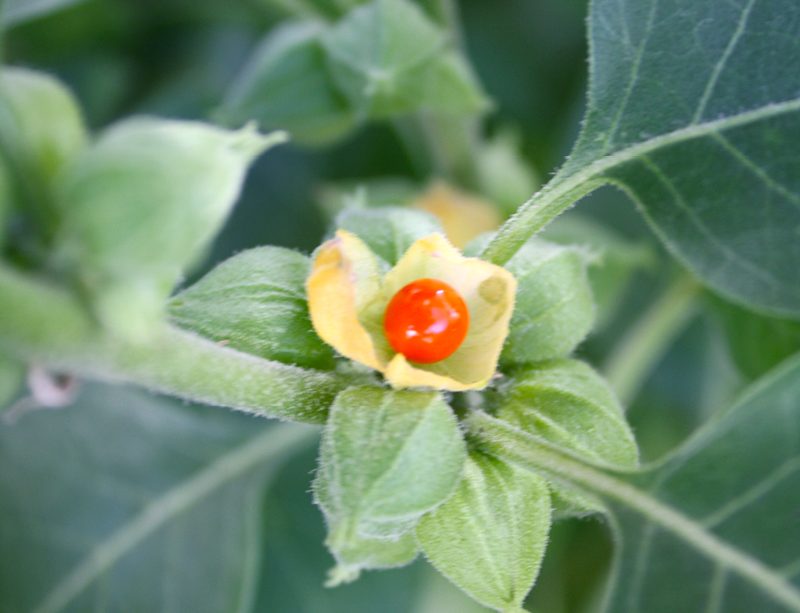
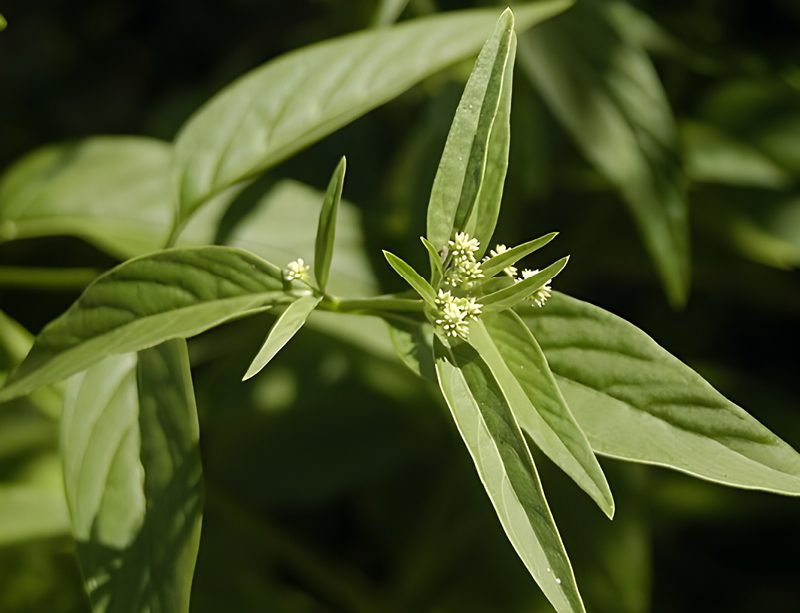
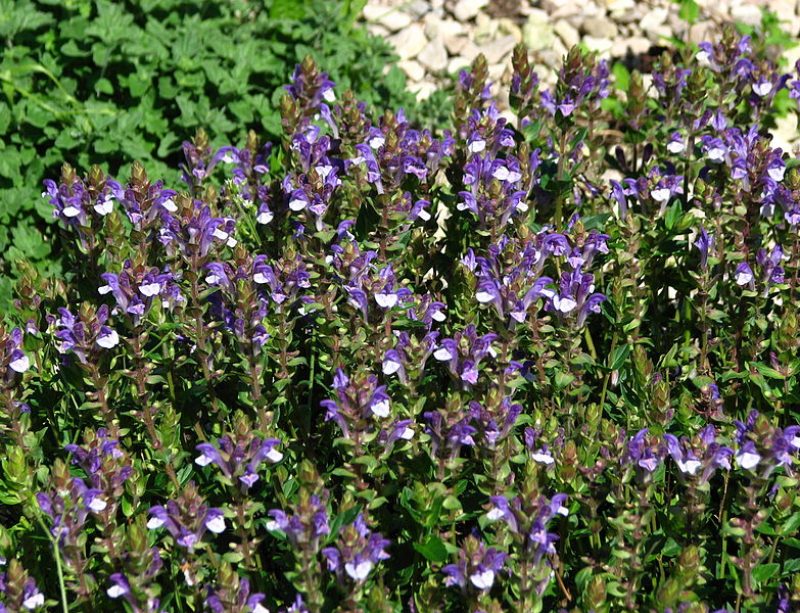
Coleus forskohli is a perennial herb in the Lamiaceae family, which includes, for example, mint. It can grow up to two metres high, has very striking leaves with a purple centre and green margin and typical pointed flowers of light purple or blue colour. Its strong aroma is reminiscent of camphor. It grows on the dry slopes of the lower Himalayas in northern India and Nepal, but is now commonly cultivated in several Asian countries. Its root is used in phytotherapy (1, 2).
History
CF is an integral part of traditional Hindu and Ayurvedic medicine. It has been used since ancient times, at least 3000 years. In ancient Sanskrit texts it is mentioned as a tonic to improve heart and lung health. (1, 2)
Active ingredient
In 1974, forskolin, a chemical structure belonging to the diterpenes, was isolated from CF for the first time and has been shown to have a number of positive effects on human health. Coleus forskohlii is currently the only known natural source of this substance. (3, 4)
Mechanism of action
Coleus forskohlii can very effectively increase the production of cyclic adenosine monophosphate (cAMP), an essential substance that functions as a second messenger in cell signalling. Second messengers are substances that allow cells to receive information from the outside (e.g. from hormones released into the bloodstream) and thus regulate their behaviour. As a result, cAMP is involved in the regulation of a wide range of processes in the body (5).
So basically, we can say that cAMP essentially restores the ability of cells to communicate with their environment and with each other. It is true that in many physical diseases and disorders this communication is impaired.
CF can activate the enzyme adenylate cyclase, which is essential for cAMP production (6) and therefore helps to restore cAMP production in the body’s cells. Its effectiveness is truly extraordinary – various studies have shown a 6-400x increase in cAMP levels after administration of CF or the active ingredient forskolin (41)!
Effects on health
Cardiovascular disease
One of the most important abilities of CF is its positive effect on high blood pressure. In one study, for example, 75% of the subjects had a significant reduction in blood pressure. This is due to the stimulation of cAMP production in the muscles of the heart and blood vessels, resulting in vasodilation (stretching of blood vessels) and improved efficiency of cardiac contractions. Forskolin is even discussed as an alternative for patients with acute heart failure.(7-9)
Acting on vasodilation improves blood flow (and thus oxygen and nutrient supply) in many tissues of the body. This is also true for the heart muscle, which is appreciated by people with coronary heart disease (angina), and for brain tissue, which is important not only for nutrition and brain function, but also, for example, for faster recovery after a stroke. (9, 10)
CF also reduces platelet aggregation (clumping) in the blood, a process that accompanies the formation of thrombi (clots) that can clog blood vessels (52).
Research that has looked at the effect of combining forskolin and physical activity on heart health looks very promising. Regular exercise is an important part of the prevention and treatment of cardiovascular disease, and one of the ways in which it affects the body is by influencing cAMP levels – even increasing them after a single training session. It is probably forskolin that can enhance the positive effect of exercise on the heart, especially on blood pressure (37).
Green haze
Glaucoma, or glaucoma, is characterized by an increase in intraocular pressure, which over time leads to nerve damage that can result in complete blindness. Consistent control of intraocular pressure is therefore essential for patients, but many do not respond to conventional treatment.
Coleus foskohlii is therefore one of the promising natural substances that can significantly help patients with this disease. In one study, for example, intraocular pressure was reduced by an average of 10%. In addition to the oral use of CF, eye drops with forskolin (1% solution) can be applied and reduce intraocular pressure for up to five hours (9, 11, 12).
Testosterone production
CF is one of the natural substances that can help to increase testosterone levels. In a 12-week double-blind study on obese men, for example, free testosterone levels increased by more than 16% (13).
Weight Loss
Coleus forskohlii is among the very popular weight loss aids. One reason for this is the activation of the hormone-sensitive enzyme lipase (HSL). This enzyme breaks down storage fats into free fatty acids, which can then be used as energy sources (14).
In one study, for example, forskolin extract was given to a group of 30 obese men. After 12 weeks, the men showed a significant change in body composition, with an average 11.2% reduction in body fat, while the control group showed only a very slight decrease of 1.7% (36).
Another interesting research was conducted on a group of overweight women. They took a dietary supplement containing Coleus forskohlii (250 mg) twice a day for eight weeks without changing their eating or exercise habits. Yet, after this time, they not only experienced a reduction in body fat, but also an increase in muscle mass! It is precisely for its ability to promote both fat reduction and muscle building that CF is a popular dietary supplement in bodybuilding. (53)
In addition, in studies, volunteers taking CF showed lower hunger and appetite during weight loss, as well as lower fatigue levels compared to the placebo group (15).
Forskolin also has a significant thermogenic effect (the process of converting calories into heat energy), which is also significantly involved in promoting weight loss. However, unlike caffeine or ephedrine, for example, which also have this effect, it does not have a stimulant effect.(16) Especially in men, CF’s effect on increasing testosterone levels may also promote weight loss. In addition, the promotion of cAMP production may also play a role here, as obese people generally have lower levels of this substance than lean people. (9)
Also worth mentioning is research in which CF extract was given to female rats with removed ovaries, in which it prevented weight gain. This suggests that it could also be very useful for women during and after menopause, when weight gain often occurs due to the cessation of sex hormone production (38).
Cancer
Coleus forskohlii is also used in traditional Indian medicine as part of cancer therapy and its effectiveness in this regard is confirmed by modern scientific studies. It can, among other things, activate the enzyme adenylate cyclase, which is involved in the so-called cAMP cell signalling, in an epigenetic way and plays an important role in some processes typical of cancer (16).
Forskolin also activates the enzyme protein phosphatase 2A (PP2A), which is blocked in some cancers (especially in leukemias or prostate cancer). PP2A blocks the development of cancer cells, promotes apoptosis, or programmed cell death, and increases the effectiveness of many anticancer drugs (17, 18, 30).
CF has even shown efficacy in so-called acute myeloid leukaemia, a very aggressive disease that occurs especially in the elderly. Here, CF counteracts proliferation and promotes apoptosis, while significantly increasing the efficacy of drugs in the GSKJ4 inhibitor category (19).
Thyroid gland
CF has also proven useful in thyroid hypofunction. It can increase the production of cyclic adenosine monophosphate, thereby improving the aforementioned cAMP cell signalling. As a result, it helps to normalize thyroid hormone secretion, both alone and in combination with the use of conventional medications. (20)
Lupenka
Although the effectiveness of CF in psoriasis has not yet been confirmed by a sufficient number of studies, it is a traditional method of use in traditional Ayurvedic medicine that is successfully applied in today’s phytotherapy.
Research shows that the basis of CF’s effect on this difficult-to-treat skin disease is also likely to be in affecting cAMP production. In psoriasis, although the production of this substance is not restricted, excessive amounts of a similar compound, cyclic guanine monophosphate (cGMP), are produced in skin cells. An imbalance of these two substances within the cells then leads to their rapid uncontrolled proliferation – up to a thousand times faster than in healthy cells.(21, 22) CF can then help to alleviate this imbalance.
Altered activity of beta-adrenergic receptors has also been described in psoriasis, which CF can also normalise. (23)
Asthma and allergies
Asthma and allergies are characterised by a decrease in the concentration of cAMK in the muscles of the respiratory system. For example, CF, which promotes cAMP production, improves relaxation of the bronchial muscles and suppresses histamine production. As a result, it can help significantly with these problems (24, 49-51).
For example, in one study, patients were given 10 mg of forskolin 3 times a day for 6 months, which resulted in a significant reduction in seizures – 60% of them did not have a seizure during the treatment period (25).
Diabetes
Forskolin helps to reduce insulin resistance, a condition in which the pancreas produces enough insulin, but the tissues lose sensitivity to it, causing blood glucose levels to rise. (26) It also blocks the production of two proteins involved in glucose transport (GLUT1, GLUT4) and thus also helps to lower blood glucose levels. (27, 28)
Ageing of the skin
Forskolin makes the skin more resistant to the negative effects of UV rays and promotes the repair of any damage. It also affects the rate of aging by promoting cAMP production and eliminating oxygen radicals.(31) In addition, it promotes wound healing.(32)
Fertility support
Coleus forskohlii can also promote fertility, in both sexes. For women, it increases the chances of their eggs being fertilized, then speeds up their division and increases the likelihood of them reaching the embryo stage (33).
Research even suggests that forskolin could even help women suffering from polycystic ovary syndrome (PCO). This is a disease that affects 5-10% of women of childbearing age and is a common cause of infertility. It is manifested by the formation of cysts in the ovaries and is also accompanied by increased production of male sex hormones, ovulation and menstrual cycle disorders. Forskolin here can effectively influence the hormonal and immunological balance that tends to be disturbed in PCO, with one of the pathways again being its ability to influence cAMP production. The combination of forskolin with commonly administered anti-PCO drugs can be particularly effective in this regard (39).
In the case of men, CF promotes cAMP production in sperm and increases the likelihood of sperm reaching the egg.(34) In addition, the aforementioned effect of forskolin on testosterone production may play a positive role in fertility promotion.
Brain
Alzheimer’s disease. Parkinson’s disease. Huntington’s disease. Stroke. Autism spectrum disorders. Multiple sclerosis. Traumatic brain and spinal cord injury. Multiple sclerosis. Amyotrophic lateral sclerosis. What do these diseases have in common? Apart from the fact that they involve the brain and nervous system and are accompanied by increased levels of inflammatory processes, they are also accompanied by a decrease in levels of the signaling molecule cAMP (41).
If, on the other hand, cAMP levels increase, this has a number of positive effects on the brain: there is an increase in synaptic strength and increased production of the neurotransmitters acetylcholine, serotonin and dopapine (a neurotransmitter is a substance needed to transmit signals between synapses – the endings of nerve cells). It also reduces the negative effects of ischemia, or lack of oxygen, which occurs during, for example, a stroke. cAMP also promotes the production of the transcription factor CREB, which is necessary for the formation of proteins that form synapses, and the factor BDNF, which is in turn necessary for the protection of nerve cells and so-called synaptic plasticity (the formation of new connections between nerve cells). It is the formation of new connections between nerve cells that is at the heart of the learning process (41-44).
However, this is not the end of the list of important roles of cAMP in the brain. For example, this substance suppresses the production of the enzyme iNOS, which is involved in inflammatory processes, promotes the healing of nerve tissue injuries and participates in processes associated with memory formation. Also important is the positive effect of cAMP on mitochondria, which are cellular organelles that ensure the conversion of nutrients into energy. In these mitochondria, increased levels of cAMP lead to increased production of ATP, a molecule from which cells can directly draw energy. Dysfunction of the mitochondria causes brain cells to lack energy, increasing the likelihood of damage or even death. It is typical, for example, of autism, Alzheimer’s disease and other diseases related to nervous system function (41, 45-46).
Not enough studies have yet been conducted to demonstrate the positive effects of CF on the human brain and the prevention and treatment of nervous system diseases, but given forskolin’s ability to promote aCMP formation, it is likely to have positive effects in this regard as well. In animal experiments, it has already been shown to reduce inflammation in areas of the brain, protect brain cells from free radicals, improve ATP production in the mitochondria (and thus provide more energy to brain cells), and stimulate learning and memory processes. (41)
Autism, as well as Alzheimer’s and Parkson’s disease, is also characterised by a high level of free oxygen radical production, which leads, for example, to lipid peroxidation. In persons with autism spectrum disorder, the increase in oxidative stress leads to a loss of language skills already acquired. Coleus forskohlii can help here too. (47)
Some studies likewise suggest that Forskolin may also be beneficial in depression and schizophrenia. (48)
Liver
CF has an overall positive effect on the liver. It helps protect liver cells, promotes repair of damaged liver tissue and protects it from inflammatory and necrotic processes (41).
Animal studies have also shown that, in combination with dietary modification, Coleus forskohlii may be effective in non-alcoholic hepatosteatosis, an inflammatory disease accompanied by fatty liver that is often a precursor to cirrhosis or cancer of the liver (40).
Urinary infections
Urinary tract infections are among the persistent problems that are difficult to treat with antibiotics or recur despite treatment. This is because antibiotics rarely destroy all bacteria – some survive by ‘hiding’ in small niches in the bladder lining, and may cause infections again after treatment is stopped. Coleus forskohlii is not only antibacterial itself, but also enhances the ability of antibiotics to destroy E. Coli, the most common cause of urinary tract infections (54).
Use and contraindications
CF, or forskolin, is most commonly taken orally, but intravenous, inhalation or eye drop applications are also possible.
In general, CF (as well as forskolin isolated from it) is considered a safe substance. No negative side effects have been noted when taken orally. Intravenous administration may cause hot flushes or a marked decrease in blood pressure, inhalation may cause coughing, bronchial irritation or restlessness and eye irritation has been reported in some cases when administered as eye drops. (29)
However, in experiments in rats, toxicity of CF use has been reported in animals fed a diet very high in starches.(35) No similar effect has been shown in humans, but it is still advisable not to overdo it when using CF with starch sources (i.e. limit potatoes, breads, pasta, etc.).
CF should not be used in pregnancy, breastfeeding, bleeding disorders, low blood pressure and also in the two weeks before planned surgical procedures (may increase bleeding). Adverse interactions with certain medications may also occur, in particular calcium channel blockers (used for high blood pressure), blood thinners (nitrates) and blood thinners (e.g. (29) In general, it is advisable to consult a doctor when taking any medication.
0:00
/
0:00
Stárnutí je volba
Klíčová slova: ageing, allergies, asthma, cancer, Coleus forskohlii, diabetes, diabetes, fat burning, fertility, Forskolin, glaucoma, green turbidity, high blood pressure, psoriasis, psoriasis, testosterone, thyroid, weight loss
Komentáře
Seznam zdrojů
- Barkat Ali Khan, Naveed Akhtar, Masood Anwar, Tariq Mahmood, Haroon Khan, Irshad Hussain and Kamran Ahmad Khan. Botanical Description of Coleus forskohlii: A Review. Journal of Medicinal Plants Research Vol. 6(34), pp. 4832-4835, 5 September, 2012
- 2. https://www.herbal-supplement-resource.com/coleus-forskohlii.html
- 3. Ammon HP, Axel B. Article published in; Planta Medica, Journal of Medicinal Plant and Natural Product Research. 6. Vol. 51. Germany: Thieme Medical Publishers; 1985. Dec, Muller- Forskolin: From an Ayurvedic Remedy to Modern Agent; pp. 473–477.
- 4. Handa SS, Kaul MK. Regional research laboratory. Jammu-Tawi: Council of scientific and Industrial Research; 2006. Supplement to cultivation and utilization of Medicinal plants; p. 407.
- Haritha Kanne, Narayan Pandurang Burte, V. Prasanna, Ravi Gujjula. Extraction and elemental analysis of Coleus forskohlii Extract. Pharmacognosy Research, July-september 2015, volume 7, issue 3.
- https://cs.wikipedia.org/wiki/Adenyl%C3%A1tcykl%C3%A1za
- 7. Madhavi Jagtap, H. M. Chandola, and B. Ravishankar. Clinical efficacy of Coleus forskohlii (Willd.) Briq. (Makandi) in hypertension of geriatric population. Ayu. 2011 Jan-Mar; 32(1): 59–65.
- 8. Gert Baumann, Stefan Felix, Ulrich Sattelberger, Gernot Klein. Cardiovascular Effects of Forskolin (HL 362) in Patients with Idiopathic Congestive Cardiomyopathy—A Comparative Study with Dobutamine and Sodium Nitroprusside. Journal of Cardiovascular Pharmacology 16(1):93-100 · August 1990
- 9. James English. Forskolin and cAMP – Wide-Ranging Benefits From Ayurvedic Herb. Nutrition Rewiu. May 31, 2014. https://nutritionreview.org/2014/05/forskolin-and-camp-wide-ranging-benefits-from-ayurvedic-herb/
- 10. Wysham DG, Brotherton AF, Heistad DD. Effects of forskolin on cerebral blood flow: implications for a role of adenylate cyclase. Stroke. 1986 Nov-Dec;17(6):1299-303.
- 11. J Caprioli; M Sears; L Bausher; D Gregory; A Mead. Forskolin lowers intraocular pressure by reducing aqueous inflow. Investigative Ophthalmology & Visual Science March 1984, Vol.25, 268-277.
- 12. Vetrugno M, Uva MG, Russo V, Iester M, Ciancaglini M, Brusini P, Centofanti M, Rossetti LM. Oral administration of forskolin and rutin contributes to intraocular pressure control in primary open angle glaucoma patients under maximum tolerated medical therapy. J Ocul Pharmacol Ther. 2012 Oct;28(5):536-41. Epub 2012 Jun 25.
- 13. Godard MP, Johnson BA, Richmond SR. Body composition and hormonal adaptations associated with forskolin consumption in overweight and obese men. Obes Res. 2005 Aug;13(8):1335-43.
- 14. Large V, Arner P, Reynisdottir S, Grober J, Van Harmelen V, Holm C, Langin D. Hormone-sensitive lipase expression and activity in relation to lipolysis in human fat cells. J Lipid Res. 1998 Aug;39(8):1688-95.
- 15. Shonteh Henderson, Bahrat Magu, Christopher Rasmussen, Stacey Lancaster. Effects of Coleus Forskohlii Supplementation on Body Composition and Hematological Profiles in Mildly Overweight Women. Journal of the International Society of Sports Nutrition 2(2):54-62
- 16. Luigi Sapio, Monica Gallo, Michela Illiano, Emilio Chiosi. The Natural cAMP Elevating Compound Forskolin in Cancer Therapy: Is it Time? Journal of Cellular Physiology 232(5) · October 2016
- 17. Perrotti D, Neviani P. Protein phosphatase 2A (PP2A), a drugable tumor suppressor in Ph1(+) leukemias. Cancer Metastasis Rev. 2008 Jun;27(2):159-68
- 18. Cristóbal I, Garcia-Orti L, Cirauqui C, Alonso MM, Calasanz MJ, Odero MD. PP2A impaired activity is a common event in acute myeloid leukemia and its activation by forskolin has a potent anti-leukemic effect. Leukemia. 2011 Apr;25(4):606-14.
- 19. Michela Illiano, Mariarosaria Conte, Luigi Sapio, Angela Nebbioso, Annamaria Spina, Lucia Altucci, andSilvio Naviglio. Forskolin Sensitizes Human Acute Myeloid Leukemia Cells to H3K27me2/3 Demethylases GSKJ4 Inhibitor via Protein Kinase A. Front Pharmacol. 2018; 9: 792.
- 20. Dr. Mary Bove. Botanical Insights into Autoimmune Thyroid Disease. http://cdn.naturaldispensary.com/downloads/White_Paper-Botanical_Insights_into_Autoimmune_Thyroid_Disease.pdf
- 21. Royer E, Chaintreul J, Meynadier J, Michel B, Guilhou JJ, Crastes de Paulet A. Cyclic AMP and cyclic GMP production in normal and psoriatic epidermis. Dermatologica. 1982;165(6):533-43.
- 22. Yoshikawa K, Adachi K, Halprin KM, Levine V. Is the cyclic AMP in psoriatic epidermis low? Br J Dermatol. 1975 Sep;93(3):253-8.
- 23. De Vries GW, Amdahl LD, Lowe N, Wheeler LA. Effect of forskolin on beta-adrenergic hyporesponsiveness in skin. Skin Pharmacol. 1988;1(2):106-14.
- Trian T, Burgess JK, Niimi K, Moir LM, Ge Q, Berger P, et al.
- ß2-Agonist induced cAMP is decreased in asthmatic airway
- smooth muscle due to increased PDE4D. PLoS One
- Trian T, Burgess JK, Niimi K, Moir LM, Ge Q, Berger P, et al.
- ß2-Agonist induced cAMP is decreased in asthmatic airway
- smooth muscle due to increased PDE4D. PLoS One
- 24. Trian t, Burgess JK, Niimi K, Moir LM, Ge Q, Berger P et al. Beta2-agonist induced cAMP is decreased in asthmatic airway smooth muscle due to increased PDE4D. PLoS Once 2011; 6:e20000
- 25. González-Sánchez R, Trujillo X, Trujillo-Hernández B, Vásquez C, Huerta M, Elizalde A. Forskolin versus sodium cromoglycate for prevention of asthma attacks: a single-blinded clinical trial. J Int Med Res. 2006 Mar-Apr;34(2):200-7.
- 26. Hayley L. Loftus, Katie J. Astell, Michael L. Mathai, and Xiao Q. Su. Coleus forskohlii Extract Supplementation in Conjunction with a Hypocaloric Diet Reduces the Risk Factors of Metabolic Syndrome in Overweight and Obese Subjects: A Randomized Controlled Trial. Nutrients. 2015 Nov; 7(11): 9508–9522.
- 27. Lu L, Seidel CP, Iwase T, Stevens RK, Gong YY, Wang X, Hackett SF, Campochiaro PA. Suppression of GLUT1; a new strategy to prevent diabetic complications. J Cell Physiol. 2013 Feb;228(2):251-7
- 28. Niu W, Bilan PJ, Hayashi M, Da Y, Yao Z. Insulin sensitivity and inhibition by forskolin, dipyridamole and pentobarbital of glucose transport in three L6 muscle cell lines. Sci China C Life Sci. 2007 Dec;50(6):739-47.
- 29. https://www.rxlist.com/forskolin/supplements.htm
- 30. Ion Cristóbal, Paula González-Alonso, Lina Daoud, Esther Solano, Blanca Torrejón, Rebeca Manso,Juan Madoz-Gúrpide, Federico Rojo, and Jesús García-Foncillas. Activation of the Tumor Suppressor PP2A Emerges as a Potential Therapeutic Strategy for Treating Prostate Cancer. Mar Drugs. 2015 Jun; 13(6): 3276–3286.
- 31. Alexandra Amaro-Ortiz, Betty Yan, and John A. D’Orazio. Ultraviolet Radiation, Aging and the Skin: Prevention of Damage by Topical cAMP Manipulation. Molecules. 2014 May; 19(5): 6202–6219.
- 32. Pullar CE, Isseroff RR. Cyclic AMP mediates keratinocyte directional migration in an electric field. J Cell Sci. 2005 May 1;118(Pt 9):2023-34.
- 33. Racowsky C. Effect of forskolin on the spontaneous maturation and cyclic AMP content of rat oocyte-cumulus complexes. J Reprod Fertil. 1984 Sep;72(1):107-16.
- 34. Wertheimer E, Krapf D, de la Vega-Beltran JL, Sánchez-Cárdenas C, Navarrete F, Haddad D, Escoffier J, Salicioni AM, Levin LR, Buck J, Mager J, Darszon A, Visconti PE. Compartmentalization of distinct cAMP signaling pathways in mammalian sperm. J Biol Chem. 2013 Dec 6;288(49):35307-20.
- 35. Yokotani K, Chiba T, Sato Y, Nakanishi T, Murata M, Umegaki K. Influence of dietary macronutrients on induction of hepatic drug metabolizing enzymes by Coleus forskohlii extract in mice. J Nutr Sci Vitaminol (Tokyo). 2013;59(1):37-44.
- JEUKENDRUP, A. E. a R. RANDELL. Fat burners: nutrition supplements that increase fat metabolism. Obesity Reviews [online]. 2011, roč. 12, č. 10, s. 841–851 [vid. 8. květen 2015]. ISSN 1467-789X.
- Stephen C. Kolwicz, Hajime Kubo, Scott M. MacDonnell, Steven R. Houser, and Joseph R. Libonati. Effects of forskolin on inotropic performance and phospholamban phosphorylation in exercise-trained hypertensive myocardium. J Appl Physiol 102: 628 – 633, 2007. First published November 2, 2006
- Li-Kun Han, Chie Morimoto, Rong-Hai Yu, Hiromichi Okuda. Effects of Coleus forskohlii on fat storage in ovariectomized rats. Yakugaku Zasshi. 2005 May;125(5):449-53.
- Hoda M.L. Abd-Allah, Mona M. AbdAlhady, Magda N.A. Abdelall, Sahar N. Mohamedy, Waheeb D.M. Alharbi and Adil O. Bahathiq. Hormonal and Immunological responses to Coleus forskohlii treatment in Female Rats with Experimentally Polycystic Ovaries Syndrome. Zagazig Veterinary Journal. Volume 45, Number 1, p. 74-81, March, 2017.
- Sachina Suzuki, Chiharu Nishjima, Yoko Sato, Keizo Umegaki, Masatsune Murata, Tsuyoshi Chiba. Coleus forskohlii Estract Attenuated The Beneficial Effect of Diet-treatment on NASH in Mouse Model.
- 41. Sidharth Mehan, Himanshi Khera and Ramit Sharma. Neuroprotective Strategies of Blood-Brain Barrier Penetrant “Forskolin” (AC/cAMP/PKA/CREB Activator) to Ameliorate Mitochondrial Dysfunctioning in Neurotoxic Experimental Model of Autism. https://www.intechopen.com/chapters/63664
- 42. Nagakura A, Niimura M, Takeo S. Effects of a phosphodiesterase IV inhibitor rolipram on microsphere embolism-induced defects in memory function and cerebral cyclic AMP signal transduction system in rats. British Journal of Pharmacology. 2002;135:1783-1794
- 43. Vitolo OV, Angelo AS, Costanzo V. Amyloid beta-peptide inhibition of the PKA/CREB pathway and long-term potentiation: Reversibility by drugs that enhance cAMP signaling. Proceedings of the National Academy of Sciences. 2002;99:13217-13221
- 44. Puzzo D, Vitolo O, Trinchese F. Neurobiology of disease amyloidβ peptide inhibits activation of the nitric oxide/cGMP/cAMP-responsive element-binding protein pathway during hippocampal synaptic plasticity. The Journal of Neuroscience. 2005;25:6887-6897
- 45. Pahan K, Namboodiri AMS, Sheikh FG. Increasing cAMP attenuates induction of inducible nitric-oxide synthase in rat primary astrocytes. The Journal of Biological Chemistry. 1997;272(12):7786-7791
- 46. Bach ME, Barad M, Son H. Age-related defects in spatial memory are correlated with defectsin the late phase of hippocampal long-term potentiation in vitroand are attenuated by drugs that enhance the cAMP signaling pathway. Proceedings of the National Academy of Sciences. 1999;96:5280-5285
- 47. Tang L, Okamoto S, Shiuchi T. Sympathetic nerve activity maintains an antiinflammatory state in adipose tissue in male mice by inhibiting TNF-gene expression in macrophages. Endocrinology. 2015:1-14
- Bersudsky Y et al. (1996) A preliminary study of possible psychoactive effects of intravenous forskolin in depressed and schizophrenic patients. J Neural Transm. 103(12):1463-7
- Lichey J et al. (1984) Effect of forskolin on methacholine-induced bronchoconstriction in extrinsic asthmatics. The Lancet: July 21:167.
- Kreutner, W. et al. (1985) Bronchodilator and antiallergy activity of forskolin. J. Pharmacol. 111:1-8.
- Marone, G. et al. (1986) Forskolin inhibits release of histamine from human basophils and mast cells. Agents and Actions, 18(1/2): 96-99.
- K C Agarwal, B A Zielinski, R S Maitra. Significance of plasma adenosine in the antiplatelet activity of forskolin: potentiation by dipyridamole and dilazep. Thromb Haemost. 1989 Feb 28;61(1):106-10.
- https://afisupplements.com/using-coleus-forskohlii-to-help-support-lean-muscle-reduce-body-fat/
- https://www.lifeextension.com/newsletter/2007/4/forskolin-reduces-urinary-tract-infections