
Grape (Vitis vinifera) kernel extract, OPC
epivyziva.cz/
Zobrazeno: 10,653
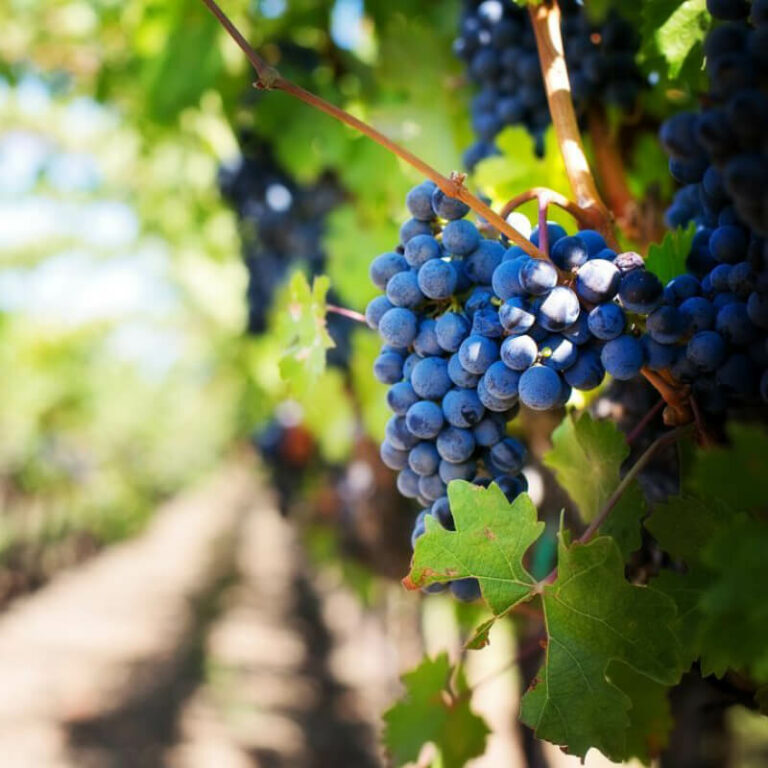
(Vitis vinifera)
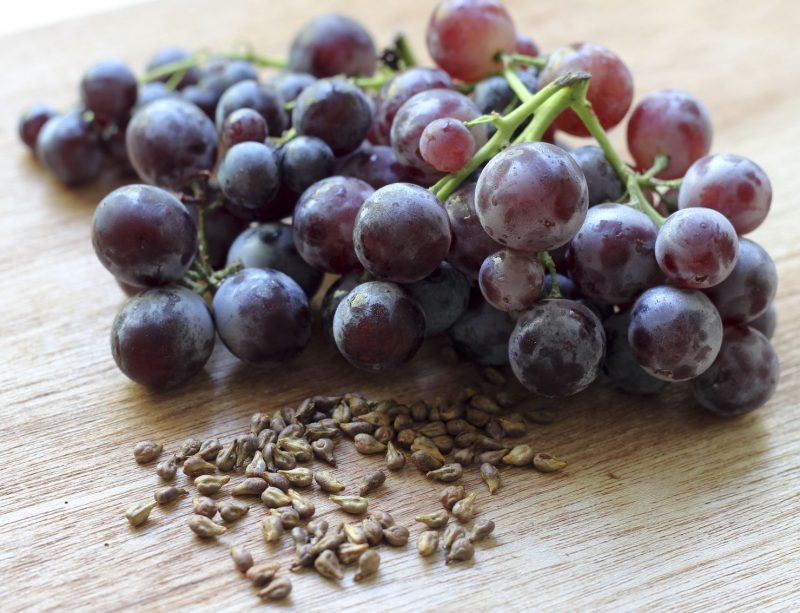
The seeds are the thing that is rather annoying when drinking grape wine. Many people therefore spit them out or prefer seedless varieties. However, it is in these seeds that substances are found that are a real treasure for our bodies.
Description
The vine is a climbing woody liana of the vine family. Its original range includes southern Europe, Ancient and Central Asia and the foothills of the Caucasus, but today its cultivation is widespread in subtropical and temperate regions around the world. The fruit is a spherical berry which, depending on the variety, can range in colour from green, yellow, red or blue-purple at maturity. It is eaten raw, dried (raisins) and used to make wine and other alcoholic beverages.
In terms of their positive effects on human health, grape seeds are an important part of the grape. An extract is produced from them, which excels in its proanthocyanidin content. The abbreviation OPC is used for their complex (and sometimes for the whole extract).
History
The vine is one of the oldest cultivated crops, with evidence of ancient Egyptians eating the fruit as early as 6,000 years ago. It has a long history of use in natural medicine. Several ancient philosophers praised the healing effects of wine as a beverage, and grapes are also a traditional part of medicine in the rest of Europe. The ripe fruit and the beverage made from it (i.e. wine) were most often used to treat a range of ailments, from nausea, skin and eye infections, liver and kidney disease and cancer. However, unripe fruit (for sore throats), raisins (for constipation), grape leaves (to stop bleeding, inflammation, haemorrhoids) and sap (for skin diseases) were also used (40).
Active ingredients
The most important component of grape seed extract is a complex of so-called oligomeric proanthocyanidins, which are substances from the group of polyphenols. It is abbreviated as OPC (oligomers procyanidins complex). It is found in the husks of the kernels, with a content of about 3 500 mg per 100 g of dried seeds (46), and several times higher in the extract. In addition, other forms of proanthocyanidins (monomers, dimers, trimers and polymers), a high proportion of vitamin E and linolenic acid are also found (45).
Healing effects
Nutritionists often talk about the so-called French paradox, which is the fact that Mediterranean people are less likely to suffer from cardiovascular disease and other diseases of civilisation compared to other European nations, even though they consume high levels of animal fats. The reason given for this is the abundant drinking of red wine, which contains two important substances: firstly, resveratrol, a colouring agent found in the skins of red wine, and secondly, a complex of proanthocyanidins from grape seeds (41).
Grape seed extract is first and foremost a very powerful antioxidant that is able to destroy harmful free radicals and thus protect cells and tissues from oxidative damage. The main reason for this is the high content of proanthocyanidin complex (OPC). According to scientific measurements, it is 20 times more powerful antioxidant than vitamin E and 50 times more powerful than vitamin C (44).
However, this is not the only reason why it is such an exceptional substance. Equally important is its epigenetic action, or its ability to influence whether certain genes are “read” or not. The mere presence of a gene in our genetic information means little. It also depends on whether the gene will be “read”, i.e. whether the organism will produce proteins according to it.
OPC regulates molecules called microRNAs (miRNAs). These very small molecules do not code for anything, so they are not part of the genetic information, but they fundamentally affect gene expression (transcription).(2) The epigenetic action of grape seed extract is, however, also due to its ability to regulate two other key epigenetic mechanisms – gene methylation and histone acetylation (4).
OPCs also promote the production of sirtuins, which are enzymes necessary for the formation of mitochondria and support their function, as well as NAD+, a coenzyme that plays a key role in energy metabolism (86).
Diseases of the heart and blood vessels
Proanthocyanidins from grape seeds play an important role in the prevention of cardiovascular disease, specifically their antioxidant properties, which prevent lipid peroxidation and cellular DNA damage due to free radicals (14). However, some epigenetic mechanisms, such as the influence of JNK-1 and c-JUN genes, also play an important role (15).
The polyphenolic substances contained in grape seed extract can lower blood pressure quite effectively, especially through the regulation of the enzyme endothelial NO synthase, which is necessary for the production of nitric oxide (NO). This small molecule acts as a vasodilator, causing blood vessels to dilate and thus provide less resistance to blood flow (12, 13, 48). It is true that high blood pressure is one of the main risk factors for cardiovascular diseases such as myocardial infarction and stroke. (91) In addition to a decrease in blood pressure, an improvement in the elasticity of blood vessels and an increase in blood flow also results in better blood flow and oxygenation of all tissues in the body. However, higher doses are needed to achieve this effect – positive changes were seen here when 400 mg of grape seed extract was taken for 12 weeks, the effectiveness of half the dose was very low. A combination with the amino acid citrulline is very useful here. (97)
Animal research has also shown a significant role in the prevention of atherosclerosis, the formation of deposits in blood vessels – rabbits fed a high-fat, high-cholesterol diet developed significantly less atherosclerosis when grape seed extract was added to their diet (17). However, the ability to reduce LDL cholesterol levels and oxidation rates has also been demonstrated in several studies on human volunteers, even in smokers. The combination of OPCs with chromium has been shown to be very effective in this regard. (92, 100)
Last but not least, research has shown that OPCs can be beneficial for people who have already suffered a heart attack or stroke – they can improve the regeneration of tissues affected by ischemia (lack of oxygen) and thus significantly reduce its effects (16).
Tumour diseases
Research in recent years has clearly shown that the epigenetic action of certain plant constituents plays an important role in cancer prevention, and grape seed extract is undoubtedly one of these substances. It can influence the risk of cancer in several ways.
For example, it has been shown to influence inflammatory processes in the colon through the regulation of microRNAs (1). miRNAs are involved not only in the process of normal cell differentiation, but also in carcinogenesis, i.e. in the development of tumour growth (3). Grape seed extract also suppresses inflammatory signalling pathways (mainly NF-kB and COX2 suppression). Grape seed extract also affects proliferation (rapid uncontrolled cell proliferation) and apoptosis, or programmed cell death. (1) It is the processes of proliferation and apoptosis that are impaired in cancer cells. And last but not least, grape seed extract can limit the formation of new blood vessels that a growing tumor needs for its nutrition, thus essentially starving it (10, 11)
OPCs have been shown to have a positive effect in the prevention and treatment of a number of cancers, such as colon (5), skin (4), lung (19), prostate (20) and breast cancer. In breast cancer, its ability to influence estrogen production through regulation of the aromatase enzyme plays an important role. Suppression of aromatase activity can slow the growth of up to 70% of breast cancers (8, 9). In addition, a recent study has shown that grape seed extract can be very beneficial for women with breast cancer who have undergone radiation treatment for breast cancer, as it can reduce damage to healthy tissue (18).
The efficacy of OPCs in myeloid leukemia has also been demonstrated (37).
Skin protection
One of the factors that significantly affects skin health is UV radiation, especially the UVB component, which has a significant negative epigenetic effect. It affects the activity of the enzymes DNA methyltransferase and histone deacetylase, thereby affecting the level of gene methylation and histone acetylation, two fundamental epigenetic mechanisms (6). This in turn may play a role in both skin tumorigenesis and skin aging. Grape seed extract is one of the natural compounds that protect skin cells from the negative epigenetic effects of UV radiation (7).
Liver protection
Liver cells are very sensitive to oxidative damage, which occurs as a result of free radical damage. A 2008 animal study suggested that grape seed extract may effectively protect the liver from oxidative damage (21). Similarly, the extract appears to be effective in protecting liver cells from the effects of radiation (22). And research in 2011 demonstrated its ability to protect the liver from damage caused by excessive alcohol consumption (23).
Research has also shown that consumption of proanthocyanidins leads to increased levels of NAD+ (nicotinamide adenine dinucleotide) and sirtuin-1 in the liver. This leads to increased mitochondrial formation in this organ, improving its function and protecting against fatty liver. (86)
Wound healing
When applied topically, OPC accelerates wound healing due to its ability to promote angiogenesis, or the formation of new blood vessels. It is mainly due to the so-called endothelial growth factor (24).Even external application is suitable for promoting wound healing, including after surgical procedures (e.g. after caesarean section) (e.g. a cream with 2% grape seed extract is used) (49, 50).
Function of mitochondria
A very important property of oligomeric proanthocyanidins is their ability to improve the function of mitochondria and protect them from the action of free radicals. (62) Mitochondria play a crucial role in the organism, as they are where nutrients are converted into energy. The deterioration of their function is one of the typical manifestations of ageing and is particularly detrimental in tissues that are very energy-intensive – i.e. muscle, brain, eyes and heart. Mitochondrial dysfunction can thus be one of the causes of many diseases and disorders – for example, Alzheimer’s disease, ADHD, cardiovascular disease, eye disease or obesity. Read more here: https://www.epivyziva.cz/mitochondrie-klic-k-dlouhovekosti/
Obesity and diabetes
As mentioned above, OPCs, by modulating gene expression at the transcriptional level, significantly affect the activity of mitochondria, the energy centres of the cell, in skeletal muscle. And greater energy production inevitably brings with it an increase in energy expenditure. Importantly for overweight and obese people, OPCs reduce the mitochondrial dysfunction in brown adipose tissue that usually results from obesity and fundamentally disrupts energy metabolism (25, 26).
In addition, oligomeric proanthocyanidins positively influence the secretion of hormones that are related to the development of obesity and the body’s willingness to lose weight. These include the hormone leptin, whose secretion triggers satiety signals in the brain, and adiponectin, which closely influences insulin signalling pathways and whose deficiency leads to insulin resistance, among other things. This in turn contributes to both weight gain and the development of diabetes. In experiments on animals fed a high-fat diet, OPCs increased adiponectin production by a staggering 61%! At the same time, leptin levels were positively affected, blood glucose and insulin resistance were reduced, and the function of the beta cells of the pancreas, where insulin is produced, was improved. (63, 64) The strong antidiabetic effect of OPCs is evident after only six weeks of use (35, 38). OPCs also have a positive effect in chronic pancreatitis or inflammation of the pancreas (36).
In addition, research suggests that the use of oligomeric proanthocyanidins could be beneficial for pregnant women, whose offspring are at risk of insulin and adiponectin resistance and therefore at increased risk of developing obesity later in life. Children of women who suffer from obesity and diabetes during pregnancy are particularly at risk of this problem. (65)
OPCs also affect the production of bile acids, which are involved in fat digestion, helping to reduce appetite and affecting the processes of fat cell formation and differentiation (63, 66).
Sports performance
Another aspect that OPCs can improve through their effect on mitochondrial function is athletic performance, especially in endurance events. It increases oxygen consumption in the mitochondria, allowing muscle cells to obtain more energy through the oxidation of sugars and fats, which they can then convert into muscle work. (25, 26)
However, the ability of OPCs to relax blood vessels and improve blood flow may also contribute to improved athletic performance. It allows more oxygen and nutrients to reach the working muscles. (98)
Alzheimer’s and Parkinson’s disease
Cognitive decline, particularly in memory and intellect, is one of the most serious manifestations of Alzheimer’s disease. The accumulation of substances called soluble high molecular weight Abeta oligomers plays an important role in this process. Grape seed extract can effectively prevent their accumulation, as well as the formation of beta-amyloid plaques, which are also a typical manifestation of the disease (27-29).
In addition, proanthocyanidins have been shown in research to eliminate anomalies in mitochondrial function, which is very important. Mitochondrial dysfunction is typical of both Alzeimer’s disease and Parkinson’s disease. In addition, they have a protective effect on nerve cells in general, which can even protect against the action of certain toxins (such as cadmium). In particular, they effectively protect neurons in the hippocampus, the part of the brain responsible for memory. In addition, their ability to improve certain cognitive abilities impaired by age, such as spatial orientation and object recognition, has been confirmed in experiments on mice (51-54).
Arthrosis
Grape seed extract has also been shown to have beneficial effects in arthrosis, a joint disease in which cartilage in the joints is lost and inflammatory processes occur. It effectively prevents apoptosis (cell death) of chondrocytes, or cartilage cells, thereby limiting their loss. At the same time, it mitigates the loss of proteoglycans, which are compounds of proteins and carbohydrates that make up the intercellular mass of cartilage and are essential for joint function – they increase the flexibility of cartilage and its resistance to pressure and act as a joint lubricant.
OPC also has significant anti-inflammatory effects: it suppresses the production of inflammatory cytokines, COX-2 enzyme and other substances that promote inflammation, which not only causes pain but also contributes to further disruption of cartilage and other joint structures. The antioxidant properties of OPCs are also important in the prevention and treatment of arthritis (56-58).
Rheumatoid arthritis
Animal studies have also suggested that grape seed extract may be a promising substance for people suffering from rheumatoid arthritis. This is because it can regulate the pathological processes of immune T-cell differentiation that are typical of this autoimmune disease. Important here is also its pronounced anti-inflammatory action (43).
Osteoporosis
Osteoporosis is a disease caused by insufficient calcium deposition in the bones, leading to a decrease in bone density and a higher risk of fractures. When grape seed extract is given with calcium, it increases bone strength, density and mineralisation better than calcium alone (30).
Other musculoskeletal problems
Grape seed OPC has also been shown in research to relieve swelling and joint pain in gout as well as neuropathic pain. (87, 88)
Ageing
Grape seed extract is also characterized by its ability to slow down the aging process. This is mainly due to its ability to promote the production of sirtuins (especially SIRT-1 and SIRT-3) and its associated positive effect on the formation of new mitochondria and the promotion of the function of existing ones. Indeed, progressive mitochondrial dysfunction is considered to be one of the main causes of ageing (90).
In addition, grape seed extract, specifically the compound procyanidin C1 (PCC1), is characterized by its ability to destroy senescent cells (i.e. cells that have lost the ability to divide), whose accumulation in the body is also typical of the aging process. In one study, when scientists injected PCC1 into mice that had previously been treated with radiation to significantly accelerate cellular ageing, they not only experienced a reduction in senescent cells compared to a control group, but also improved physical performance and a reduction in the visual signs of ageing. In addition, their life expectancy increased by almost 10% compared to the control group, with a 64.2% increase in survival calculated from the time of irradiation. This suggests that OPCs could significantly prolong life even when initiated at an older age (90).
Depression
The anti-inflammatory effects of OPCs are probably the reason why it may also be useful in the treatment of depression. Inflammatory processes in the brain play an important role in the development of this disease. (59)
Macular degeneration
Macular degeneration is a serious eye disease that affects the cells of the retina, particularly in the area of the macula, the area of sharpest vision. Those affected therefore initially stop recognising objects in the centre of the field of vision, while peripheral vision is preserved. In severe cases, the disease ends in blindness.
Grape seed extract prevents the aggregation of pathological proteins that promote the development of macular degeneration (32). It also reduces the abnormal formation of new blood vessels, which is a manifestation of the wet form of macular degeneration (33).
Grape seed polyphenols also have a protective effect in another disease affecting the retina, diabetic retinopathy, in which the small blood vessels of the eye are injured (34).
Immunity and antimicrobial effect
Grape seed extract rich in OPCs also positively influences some processes related to immune cells (e.g., promoting lymphocyte transformation or the phagocytic capacity of macrophages).(60) In addition, it also has direct effects against some types of bacteria, such as the dreaded golden staphylococcus, listeria, Esterichia coli and some streptococci. It is also suitable for urinary infections, including those caused by bacteria resistant to antibiotic treatment. It has also been shown to be effective against yeast infections (39, 61, 62, 89, 99).
Menopause
Grape seed extract helps relieve unpleasant menopausal symptoms and reduce the risk of cardiovascular disease in middle-aged women (47).
Kidney function
Animal studies have shown that oligomeric proanthocyanidins help reduce kidney damage, improve kidney function, protect against free radical damage, and help reduce inflammatory processes in this organ (72-74).
There have been few studies on human volunteers, but the results are very promising. For example, in a group of 23 people who took 2 g of grape seed extract daily for six months, there was a decrease in urinary protein concentration and a 9% increase in the kidneys’ ability to filter.
Multiple sclerosis
Multiple sclerosis is an autoimmune disease characterized by the loss of myelin sheaths of nerve fibres, which are essential for conducting nerve impulses. A study in mice has shown that grape seed extract, when administered early in the disease, can effectively prevent the demyelination process. (93)
Thyroid gland
Studies in mice have shown that grape seed extract can be very effective in thyroid disorders. When administered, it reduced inflammation and improved the function of this organ, but blood tests also showed that anaemia, which is very often caused by thyroid hypofunction, was alleviated. Interestingly, the positive effects of OPCs have been observed in both hypofunction and hyperfunction (overactivity) of the thyroid gland. (94, 95)
Sexuality and fertility
OPCs improve blood circulation and therefore may have a positive effect on erectile ability in men. In addition, its antioxidant potential contributes significantly to sperm protection, which may translate into improved fertility. Here again, a combination with citrulline or arginine is appropriate. (96)
Use of
The recommended daily dose of grape seed extract is between 50 and 300 mg per day, depending on whether it is taken as a preventive or for therapeutic reasons. However, higher doses (up to 800 mg) have been shown to be safe. However, doses of up to 2 g of the extract have been used in scientific studies.
Proanthocyanidins are the most important active constituent of grape seed extract and it is therefore important to prefer dietary supplements with a standardised content of this group of substances (40-80%).
If you are taking any medications, you should consult your doctor if you are taking grape seed extract. This is because the extract can interfere with the effectiveness of drugs that are broken down in the liver, of which there are quite a few. It is also not advisable to use it together with drugs that affect blood clotting (Aspirin, Walfarin) and also with Phenacetin, where it can accelerate its absorption.
Grape seed extract is also not recommended for children and pregnant women (40), as the safety of its use here is not yet sufficiently established.
Suitable combinations
OPC is most often combined with resveratrol, which is logical – these are two compounds that are abundant in grape wine. For the same reason, the combination with quercetin is also recommended, as this polyphenol is also found in grapes. However, the effectiveness of this combination has not been reliably demonstrated – for example, a study looking at the effects on the heart and blood vessels showed that the combination of OPCs with quercetin had essentially the same effects as OPCs alone. (76) However, the combination of OPC + resveratrol + quercetin already makes a lot of sense, as quercetin improves the absorption of resveratrol by up to 310%.
The absorption of OPCs is improved by another group of substances found in grapes, the catechins. Green tea is a very rich source of catechins, and therefore the combination of OPCs + green tea extract (EGCG) can be very effective (71).
OPC + omega 3 – oxidative stress, anti-inflammatory action, lipid metabolism, liver protection, brain function, Alzheimer’s disease diabetes, heart and blood vessels (67, 70)
OPC + resveratrol – cancer, heart and blood vessels, diabetes, Alzheimer’s disease, menopause (68, 78, 79)
OPC + milk thistle (silymarin) – liver health, cardiovascular disease, cancer (69)
OPC + EGCG – antibacterial action, brain, cancer, endurance (71)
OPC + pomegranate – menopause, osteoporosis, sports performance, heart and blood vessels (80, 81)
OPC + curcumin – cancer, arthritis, diabetes (82)
OPC + ginger – liver health (83)
OPC + Ginseng – diabetes, weight loss (84)
OPC + ginkgo biloba – heart and blood vessels, brain
OPC + Baikal coneflower – heart and blood vessels, anti-inflammatory and antioxidant action (85)
OPC + spirulina – thyroid (95)
OPC + L-citrulline – blood circulation, heart and blood vessels, sports performance (97)
OPC + chromium – cholesterol, heart and blood vessels (100)
0:00
/
0:00
Stárnutí je volba
Komentáře
Seznam zdrojů
- Ah-Ng Tony Kong, Chengyue Zhang, Zheng-Yuan Su. Targeting Epigenetics for Cancer Prevention By Dietary Cancer Preventive Compounds—The Case of miRNA. I. June 2013. http://cancerpreventionresearch.aacrjournals.org/content/6/7/622.full
- Esquela-Kerscher A, Slack FJ. Oncomirs – microRNAs with a role in cancer. Nat Rev Cancer2006;6:259–69.
- Alvarez-Garcia I, Miska EA. MicroRNA functions in animal development and human disease. Development2005;132:4653–62.
- Vaid M,Prasad R, Singh T, Jones V, Katiyar SK. Grape seed proanthocyanidins reactivate silenced tumor suppressor genes in human skin cancer cells by targeting epigenetic regulators. Toxicol Appl Pharmacol. 2012 Aug 15;263(1):122-30.
- Derry M, Raina K, Balaiya V, Jain A, Shrotriya S, Huber K, et al.Grape seed extract efficacy against azoxymethane-induced colon tumorigenesis in A/J mice: interlinking miRNA with cytokine signaling and inflammation. Cancer Prev Res 2013;6:625–33.
- Nandakumar V, Vaid M, Tollefsbol TO, Katiyar SK. Aberrant DNA hypermethylation patterns lead to transcriptional silencing of tumor suppressor genes in UVB-exposed skin and UVB-induced skin tumors of mice. Carcinogenesis. 2011;32:597–604
- Santosh K. Katiyar. Epigenetic Regulation by Dietary Phytochemicals in Photocarcinogenesis Curr Pharmacol Rep (2015) 1:52–59
- Alexander Johnson. EPIGENETICS for Breast Cancer Prevention. Life Extension Magazine. Listopad 2012. http://www.lifeextension.com/Magazine/2012/11/Epigenetics_Breast_Cancer/Page-01
- Kijima I, Phung S, Hur G, Kwok SL, Chen S. Grape seed extract is an aromatase inhibitor and a suppressor of aromatase expression.Cancer Res. 2006 Jun 1;66(11):5960-7.
- Lu J, Zhang K, Chen S, Wen W. Grape seed extract inhibits VEGF expression via reducing HIF-1alpha protein expression. 2009 Apr;30(4):636-44.
- Wen W, Lu J, Zhang K, Chen S. Grape seed extract inhibits angiogenesis via suppression of the vascular endothelial growth factor receptor signaling pathway.Cancer Prev Res (Phila). 2008 Dec;1(7):554-61.
- Edirisinghe I,Burton-Freeman B, Tissa Kappagoda C. Mechanism of the endothelium-dependent relaxation evoked by a grape seed extract. Clin Sci (Lond). 2008 Feb;114(4):331-7.
- Sivaprakasapillai B,Edirisinghe I, Randolph J, Steinberg F, Kappagoda T. Effect of grape seed extract on blood pressure in subjects with the metabolic syndrome. Metabolism. 2009 Dec;58(12):1743-6. doi: 10.1016/j.metabol.2009.05.030. Epub 2009 Jul 15.
- Bagchi D,Bagchi M, Stohs SJ, Das DK, Ray SD, Kuszynski CA, Joshi SS, Pruess HG. Free radicals and grape seed proanthocyanidin extract: importance in human health and disease prevention. Toxicology. 2000 Aug 7;148(2-3):187-97.
- Bagchi D,Sen CK, Ray SD, Das DK, Bagchi M, Preuss HG, Vinson JA. Molecular mechanisms of cardioprotection by a novel grape seed proanthocyanidin extract. Mutat Res. 2003 Feb-Mar;523-524:87-97.
- Pataki T, Bak I, Kovacs P, Bagchi D, Das DK, Tosaki A. Grape seed proanthocyanidins improved cardiac recovery during reperfusion after ischemia in isolated rat hearts. Am J Clin Nutr. 2002 May;75(5):894-9.
- Yamakoshi J, Kataoka S, Koga T, Ariga T. Proanthocyanidin-rich extract from grape seeds attenuates the development of aortic atherosclerosis in cholesterol-fed rabbits. Atherosclerosis. 1999 Jan;142(1):139-49.
- Brooker, S; Martin, S; Pearson, A; Bagchi, D; Earl, J; Gothard, L; Hall, E; Porter, L; Yarnold, J (2006). “Double-blind, placebo-controlled, randomised phase II trial of IH636 grape seed proanthocyanidin extract (GSPE) in patients with radiation-induced breast induration”.Radiotherapy and Oncology 79 (1): 45–51.
- Punathil T,Katiyar SK. Inhibition of non-small cell lung cancer cell migration by grape seed proanthocyanidins is mediated through the inhibition of nitric oxide, guanylate cyclase, and ERK1/2. Mol Carcinog. 2009 Mar;48(3):232-42. doi: 10.1002/mc.20473.
- Agarwal C,Sharma Y, Agarwal R. Anticarcinogenic effect of a polyphenolic fraction isolated from grape seeds in human prostate carcinoma DU145 cells: modulation of mitogenic signaling and cell-cycle regulators and induction of G1 arrest and apoptosis. Mol Carcinog. 2000 Jul;28(3):129-38.
- Cetin A,Kaynar L, Kocyigit I, Hacioglu SK, Saraymen R, Ozturk A, Sari I, Sagdic O. Role of grape seed extract on methotrexate induced oxidative stress in rat liver. Am J Chin Med. 2008;36(5):861-72.
- Cetin A,Kaynar L, Koçyiğit I, Hacioğlu SK, Saraymen R, Oztürk A, Orhan O, Sağdiç O. The effect of grape seed extract on radiation-induced oxidative stress in the rat liver. Turk J Gastroenterol. 2008 Jun;19(2):92-8.
- Dogan A,Celik I. Hepatoprotective and antioxidant activities of grapeseeds against ethanol-induced oxidative stress in rats. Br J Nutr. 2012 Jan;107(1):45-51. doi: 10.1017/S0007114511002650. Epub 2011 Jun 28.
- Savita Khanna, Mika Venojarvi, Sashwati Roy, Nidhi Sharma, Prashant Trikha, Debasis Bagchi, Manashi Bagchi, Chandan K Sen. Dermal wound healing properties of redox-active grape seed proanthocyanidins. Free Radical Biology and Medicine. Volume 33, Issue 8, 15 October 2002, Pages 1089–1096
- Pajuelo D,Díaz S, Quesada H, Fernández-Iglesias A, Mulero M, Arola-Arnal A, Salvadó MJ, Bladé C, Arola L. Acute administration of grape seed proanthocyanidin extract modulates energetic metabolism in skeletal muscle and BAT mitochondria. J Agric Food Chem. 2011 Apr 27;59(8):4279-87. doi: 10.1021/jf200322x. Epub 2011 Mar 14.
- Pajuelo D,Quesada H, Díaz S, Fernández-Iglesias A, Arola-Arnal A, Bladé C, Salvadó J, Arola L. Chronic dietary supplementation of proanthocyanidins corrects the mitochondrial dysfunction of brown adipose tissue caused by diet-induced obesity in Wistar rats. Br J Nutr. 2012 Jan;107(2):170-8. doi: 10.1017/S0007114511002728. Epub 2011 Jun 28.
- Wang J1,Ho L, Zhao W, Ono K, Rosensweig C, Chen L, Humala N, Teplow DB, Pasinetti GM. Grape-derived polyphenolics prevent Abeta oligomerization and attenuate cognitive deterioration in a mouse model of Alzheimer’s disease. J Neurosci. 2008 Jun 18;28(25):6388-92. doi: 10.1523/JNEUROSCI.0364-08.2008.
- Ho L,Chen LH, Wang J, Zhao W, Talcott ST, Ono K, Teplow D, Humala N, Cheng A, Percival SS, Ferruzzi M, Janle E, Dickstein DL, Pasinetti GM. Heterogeneity in red wine polyphenolic contents differentially influences Alzheimer’s disease-type neuropathology and cognitive deterioration. J Alzheimers Dis. 2009;16(1):59-72. doi: 10.3233/JAD-2009-0916.
- Liu P,Kemper LJ, Wang J, Zahs KR, Ashe KH, Pasinetti GM. Grape seed polyphenolic extract specifically decreases aβ*56 in the brains of Tg2576 mice. J Alzheimers Dis. 2011;26(4):657-66. doi: 10.3233/JAD-2011-110383.
- Yahara, I. Tofani, K. Maki, K. Kojima, Y. Kojima, M. Kimura. Mechanical assessment of effects of grape seed proanthocyanidins extract on tibial bone diaphysis in rats. J Musculoskelet Neuronal Interact 2005; 5(2):162-169
- Joseph Nordqvist What is grape seed extract? What are the benefits of grape seed extract? Medical News Today. 8 September 2014. http://www.medicalnewstoday.com/articles/263332.php
- Majumdar S, Srirangam R. Potential of the bioflavonoids in the prevention/treatment of ocular disorders. Journal of Pharmacy and Pharmacology. 2010 Aug;62(8):951-965.
- Liu M, Liu RH, Song BB, Li CF, Lin LQ, Zhang CP, Zhao JL, Liu JR. Antiangiogenetic effects of 4 varieties of grapes in vitro. J Food Sci. 2010 Aug 1;75(6):T99-104.
- Li M, Ma YB, Gao HQ, Li BY, Cheng M, Xu L, Li XL, Li XH. A novel approach of proteomics to study the mechanism of action of grape seed proanthocyanidin extracts on diabetic retinopathy in rats. Chin Med J (Engl). 2008 Dec 20;121(24):2544-52.
- WU Z, Shen S, Jiang J, Tan D, Jiang D, Bai B, Sun X, Fu S. Protective effect of grape seed extract fractions with different gegrees of polymerisation on blood glucose, lipids and hepatic oxidative stres in diabetic rats.
- Banerjee B, Bagchi D. Beneficial effects of a novel IH636 grape seed proanthocyanidin extract in the treatment of chronic pancreatitis.Digestion. 2001;63(3):203-206.
- Hu H, Qin YM. Grape seed proanthocyanidin extract induced mitochondria-associated apoptosis in human acute myeloid leukemia 14.3D10 cells.Chin Med J (Engl). 2006;119(5):417-21.
- Kar P, Laight D, Rooprai HK, Shaw KM, Cummings M. Effects of grape seed extract in Type 2 diabetic subjects at high cardiovascular risk: a double blind randomized placebo controlled trial examining metabolic markers, vascular tone, inflammation, oxidative stress, and insulin sensitivity.Diabet Med. 2009;26(5):526-31.
- l-Habib A, Al-Saleh, E (2010). “Bactericidal effect of grape seed extract on methicillin-resistant Staphylococcus aureus (MRSA)”.Journal of Toxicology Science 357 (3): 357–64.
- Steven D. Ehrlich, NMD. Grape Seed. University of Maryland Medical Centre. 1/2/2015. https://umm.edu/health/medical/altmed/herb/grape-seed
- Belleville J. The French paradox: possible involvement of ethanol in the protective effect against cardiovascular diseases.Nutrition. 2002;18(2):173-177.
- Chan MM, Mattiacci JA, Hwang HS, et al. Synergy between ethanol and grape polyphenols, quercetin, and resveratrol, in the inhibition of the inducible nitric oxide synthase pathway. Biochem Pharmacol. 2000;60(10):1539-1548.
- Park MK, Park JS, et al. Grape seed proanthocyanidin extract (GSPE) differentially regulates Foxp3(+) regulatory and IL-17(+) pathogenic T cell in autoimmune arthritis. Immunol Lett. 2011 Mar 30;135(1-2):50-8.
- Shi J,Yu J, Pohorly JE, Kakuda Y. Polyphenolics in grape seeds-biochemistry and functionality. J Med Food. 2003 Winter;6(4):291-9.
- Wikipedia. https://en.wikipedia.org/wiki/Grape_seed_extract
- Gu L , Kelm MA , Hammerstone JF , et al . Concentrations of proanthocyanidins in common foods and estimations of normal consumption. J Nutr . 2004;134:613-617.
- Terauchi M, Horiguchi N, et al. Effects of grape seed proanthocyanidin extract on menopausal symptoms, body composition, and cardiovascular parameters in middles-aged women: a randomized, double-blind, placebo-controlled pilot study. Menopause. 2014;21(9):990-996.
- Sivaprakasapillai B, Edirisinghe I, et al. Effect of grape seed extract on blood pressure in subjects with the metabolic syndrome. Metabolism. 2009 Dec;58(12):1743-1746.
- Hemmati AA, Foroozan M, et al. The topical effect of grape seed extract 2% cream on surgery wound healing. Glob J Health Sci. 2014 Oct 29;7(3):52-58.
- Izadpanah A, Soorgi S, et al. Effect of grape seed extract ointment on cesarean section wound healing: A double-blind, randomized, controlled clinical trial. Complement Ther Clin Pract. 2019 May;35:323-328.
- A. Lee, E.J. Cho, T. Yokozawa. Oligomeric proanthocyanidins improve memory and enhance phosphorylation of vascular endothelial growth factor receptor-2 in senescence-accelerated mouse prone/8 Brit. J. Nutr., 103 (2010), pp. 479-489
- Wang, M.G. Ferruzzi, L. Ho, J. Blount, E.M. Janle, B. Gong, Y. Pan, G.N. Gowda, D. Raftery, I. Arrieta-Cruz. Brain-targeted proanthocyanidin metabolites for Alzheimer’s disease treatment. J. Neurosci., 32 (2012), pp. 5144-5150
- E. Strathearn, G.G. Yousef, M.H. Grace, S.L. Roy, M.A. Tambe, M.G. Ferruzzi, Q.-L. Wu, J.E. Simon, M.A. Lila, J.-C. Rochet. Neuroprotective effects of anthocyanin-and proanthocyanidin-rich extracts in cellular models of Parkinson’s disease. Brain Res., 1555 (2014), pp. 60-77.
- Dong. Protective effect of proanthocyanidins in cadmium induced neurotoxicity in mice. Drug Res., 65 (2015), pp. 555-560
- J. Woo, Y.B. Joo, Y.O. Jung, J.H. Ju, M. La Cho, H.J. Oh, J.Y. Jhun, M.K. Park, J.S. Park, C.M. Kang.Grape seed proanthocyanidin extract ameliorates monosodium iodoacetate-induced osteoarthritis. Exp. Mol. Med., 43 (2011), p. 561
- H. Yin, Y.T. Wang, Q. Li, G.F. Lv. Oligomeric proanthocyanidins inhibit apoptosis of chondrocytes induced by interleukin-1β. Mol. Med. Rep., 16 (2017), pp. 4195-4200
- Jiang, J. Liu, Q. Lin, K. Mao, F. Tian, C. Jing, C. Wang, L. Ding, C. Pang. Proanthocyanidin prevents lipopolysaccharide-induced depressive-like behavior in mice via neuroinflammatory pathway. Brain Res. Bull., 135 (2017), pp. 40-46
- Wang, C. Zhang, D. Lu, X. Shu, L. Zhu, R. Qi, K.-F. So, D. Lu, Y. Xu. Oligomeric proanthocyanidin protects retinal ganglion cells against oxidative stress-induced apoptosis. Neural Regen. Res., 8 (2013), p. 2317
- Jiang, J. Liu, Q. Lin, K. Mao, F. Tian, C. Jing, C. Wang, L. Ding, C. Pang. Proanthocyanidin prevents lipopolysaccharide-induced depressive-like behavior in mice via neuroinflammatory pathway. Brain Res. Bull., 135 (2017), pp. 40-46
- Tong, X. Song, X. Sun, G. Sun, F. Du. Immunomodulatory and antitumor activities of grape seed proanthocyanidins. J. Agri. Food Chem., 59 (2011), pp. 11543-11547
- Sano, R. Uchida, M. Saito, N. Shioya, Y. Komori, Y. Tho, N. Hashizume. Beneficial effects of grape seed extract on malondialdehyde-modified LDL. J. Nutr. Sci. Vitaminol., 53 (2007), pp. 174-182
- Aline Fagundes Cerbaro, Victoria Soldatelli Borges Rodrigues, Marina Rigotti, Catia Santos Branco, Giovana Rech,Diogo Losch de Oliveira, Mirian Salvador. Grape seed proanthocyanidins improves mitochondrial function and reduces oxidative stress through an increase in sirtuin 3 expression in EA.hy926 cells in high glucose condition. Mol Biol Rep. 2020 May;47(5):3319-3330
- Liu M., Yun P., Hu Y., Yang J., Khadka R.B., Peng X. Effects of Grape Seed Proanthocyanidin Extract on Obesity. Obes Facts 2020;13:279–291
- Junsong X, Ying W, Xuelin S, Hua W, Jingmin D, Yanping C. Effects of proanthocyanidins on oxidative stress in nutritional obesity rats. Shipin Kexue. 2014;35:183–6.
- Caimari A, Mariné-Casadó R, Boqué N, Crescenti A, Arola L, Del Bas JM. Maternal intake of grape seed procyanidins during lactation induces insulin resistance and an adiponectin resistance-like phenotype in rat offspring. Sci Rep. 2017 Oct;7(1):12573.
- Pascual-Serrano A, Arola-Arnal A, Suárez-García S, Bravo FI, Suárez M, Arola L, et al. Grape seed proanthocyanidin supplementation reduces adipocyte size and increases adipocyte number in obese rats. Int J Obes. 2017 Aug;41(8):1246–55.
- Anabel Fernández-Iglesias, Helena Quesada, Sabina Díaz, David Pajuelo, Cinta Bladé, Lluís Arola, M Josepa Salvadó, Miquel Mulero. Combination of grape seed proanthocyanidin extract and docosahexaenoic acid-rich oil increases the hepatic detoxification by GST mediated GSH conjugation in a lipidic postprandial state. Food Chem. 2014 Dec 15;165:14-20.
- Sridhar Radhakrishnan, Lavanya Reddivari, Robert Sclafani, Undurti Das. Resveratrol potentiates grape seed extract induced human colon cancer cell apoptosis. January 2011. Frontiers in bioscience (Elite edition)3(4):1509-23
- T. Mao, B. Xue, Q.-Y. Lu, L. Massie. Combinations of Grape Seed Extract and Milk Thistle Extract Against Lung Cancer. American Journal of Respiratory and Critical Care Medicine 2020;201:A2479
- Núria Taltavull a kol. Effects of Fish Oil and Grape Seed Extract Combination on Hepatic Endogenous Antioxidants and Bioactive Lipids in Diet-Induced Early Stages of Insulin Resistance in Rats. Drugs2020, 18(6), 318
- https://core.ac.uk/download/pdf/72841667.pdf
- Saeed Changizi Ashtiyani, Houshang Najafi, Mohammad Reza Firouzifar, Omid Shafaat. Grape seed extract for reduction of renal disturbances following reperfusion in rats. Iran J Kidney Dis. 2013 Jan;7(1):28-35.
- Saeed Changizi Ashtiyani, Houshang Najafi, Mohammad Reza Firouzifar, Omid Shafaat. Grape seed extract for reduction of renal disturbances following reperfusion in rats. Iran J Kidney Dis. 2013 Jan;7(1):28-35.
- Sukru Ulusoy, Gulsum Ozkan, Fulya Balaban Yucesan, Şafak Ersöz, Asim Orem, Mehmet Alkanat, Esin Yuluğ, Kubra Kaynar, Sait Al. Anti-apoptotic and anti-oxidant effects of grape seed proanthocyanidin extract in preventing cyclosporine A-induced nephropathy. Nephrology (Carlton). 2012 May;17(4):372-9.
- Khaoula Turki, Kamel Charradi, Habib Boukhalfa, Monia Belhaj, Ferid Limam Ezzedine Aouani. Grape seed powder improves renal failure of chronic kidney disease patients. EXCLI J. 2016 Jun 27;15:424-433.
- Peter M Clifton. Effect of Grape Seed Extract and Quercetin on Cardiovascular and Endothelial Parameters in High-Risk Subjects. J Biomed Biotechnol. 2004;2004(5):272-278.
- Kaleb Lund, Traci Pantuso, Combination Effects of Quercetin, Resveratrol and Curcumin on In Vitro Intestinal Absorption. April 2014, Journal of Restorative Medicine3(1):112-120
- Yifeng Gao, Trygve O Tollefsbol. Combinational Proanthocyanidins and Resveratrol Synergistically Inhibit Human Breast Cancer Cells and Impact Epigenetic⁻Mediating Machinery. Int J Mol Sci. 2018 Jul 27;19(8):2204.
- Uroš Gašic´, Ivanka C´iric´, Tomislav Pejcic´, Dejan Radenkovic´, Vladimir Djordjevic´,Siniša Radulovi´c and Živoslav Teši´c. Polyphenols as Possible Agents for Pancreatic Diseases. Antioxidants. 23 June 2020
- Yumei Lin, Mary A. Murray, I. Ross Garrett, Gloria E. Gutierrez, Jeffry S. Nyman, Gregory Mundy, David Fast , Kevin W. Gellenbeck, Amitabh Chandra and Shyam Ramakrishnan. A targeted approach for evaluating preclinical activity of botanical extracts for support of bone health. Journal of Nutritional Science (2014), vol. 3, e13, page 1 of 11
- https://cardiex.com/understanding-uncontrolled-high-blood-pressure-and-the-benefits-of-measuring-central-blood-pressure-cbp/
- Preethi Ravindranathan, Divya Pasham, Uthra Balaji, Jacob Cardenas, Jinghua Gu,2Shusuke Toden, and Ajay Goel. A combination of curcumin and oligomeric proanthocyanidins offer superior anti-tumorigenic properties in colorectal cancer. Sci Rep. 2018; 8: 13869.
- Nora Aborehab, Sylvia Boshra. Hepatoprotective effect of ginger and grape seed, alone and in combination orally, in paracetamol induced acute liver toxicity in rats. Indian Journal of Experimental Biology57(April):274-281
- H-J Zhang, B-P Ji, G Chen, F Zhou, Y-C Luo, H-Q Yu, F-Y Gao, Z-P Zhang, H-Y Li. A combination of grape seed-derived procyanidins and gypenosides alleviates insulin resistance in mice and HepG2 cells. J Food Sci. 2009 Jan-Feb;74(1):H1-7.
- Zuo-Hui Shao, Terry L Vanden Hoek, Chang-Qing Li, Paul T Schumacker, Lance B Becker, Kim Chai Chan, Yimin Qin, Jun-Jie Yin, Chun-Su Yuan. Synergistic effect of Scutellaria baicalensis and grape seed proanthocyanidins on scavenging reactive oxygen species in vitro. Am J Chin Med. 2004;32(1):89-95.
- Gerard Aragonès, Manuel Suárez, Andrea Ardid-Ruiz, Maria Vinaixa, Miguel A. Rodríguez, Xavier Correig, Lluís Arola& Cinta Bladé. Dietary proanthocyanidins boost hepatic NAD+ metabolism and SIRT1 expression and activity in a dose-dependent manner in healthy rats. Scientific Reports volume 6, Article number: 24977 (2016)
- -J. Liu, X.-X. Pan, B.-Q. Liu, X. Gui, L. Hu, C.-Y. Jiang, Y. Han, Y.-X. Fan, Y.-L. Tang, W.-T. Liu. Grape seed-derived procyanidins alleviate gout pain via NLRP3 inflammasome suppression. J. Neuroinflammation, 14 (2017), p. 74
- Pan, C. Wang, L. Zhang, L. Song, Y. Chen, B. Liu, W.-T. Liu, L. Hu, Y. Pan. Procyanidins attenuate neuropathic pain by suppressing matrix metalloproteinase-9/2. J. Neuroinflammation, 15 (2018), p.
- Ravindranathan, D. Pasham, U. Balaji, J. Cardenas, J. Gu, S. Toden, A. Goel. Mechanistic insights into anticancer properties of oligomeric proanthocyanidins from grape seeds in colorectal cancer. Carcinogen, 39 (2018), pp. 767-777
- https://www.medicalnewstoday.com/articles/grape-seed-extract-reverses-aging-in-mice#Senescence-and-senolytics
- Peng N, Clark JT, Prasain J, Kim H, White CR, Wyss JM. Antihypertensive and cognitive effects of grape polyphenols in estrogen-depleted, female, spontaneously hypertensive rats. Am J Physiol Regul Integr Comp Physiol., 289 (2005), pp. R771-5
- Vigna GB, Costantini F, Aldini G, Carini M, Catapano A, Schena F, Tangerini A, Zanca R, Bombardelli E, et al. Effect of a standardized grape seed extract on low-density lipoprotein susceptibility to oxidation in heavy smokers. Metabolism., 52 (2003), pp. 1250-1257
- Maha Mabrouk, Mohamed El Ayed, Amélie Démosthènes, Youssef Aissouni, Ezzedine Aouani, et al.. Antioxidant effect of grape seed extract corrects experimental autoimmune encephalomyelitis behavioral dysfunctions, demyelination, and glial activation. Frontiers in Immunology, In press, ff10.3389/fimmu.2022.960355ff. ffhal-03768907f
- Jameel K. Alumeri, Ahmed Jassem AL-Naely. Effect of Grape seed extract in blood parameters associated with Experimental Thyroid Disorders in White Male Rats. Research J. Pharm. and Tech. 2019; 12(12): 5711-5715.
- Samy Ali Hussein, Samir Abdel Lateif Abdel Aal, Mohammed Mahfouz, Asmaa Hamdi Hussein. Grape Seed Proanthocyanidin Extract or Spirulina platensis alleviates blood biochemical and hepatic molecular derangements of experimentally-induced thyroid dysfunction in rats. Benha Veterinary Medicinal Journal. Volume 42, Issue 2, September 2022, Pages 25-30
- https://www.superdiscountsupplements.com.au/stories/23/mens-health-how-to-enhance-sexual-health-libido-and-energy-naturally/
- Tamami Odai, Masakazu Terauchi, Kiyoko Kato, Asuka Hirose, and Naoyuki Miyasaka. Effects of Grape Seed Proanthocyanidin Extract on Vascular Endothelial Function in Participants with Prehypertension: A Randomized, Double-Blind, Placebo-Controlled Study. 2019 Dec; 11(12): 2844.
- https://www.nutraingredients-usa.com/Article/2022/01/06/Study-shows-grape-seed-extract-speeds-oxygen-delivery-to-working-muscles
- https://www.medicalnewstoday.com/articles/263332#benefits
- https://www.mountsinai.org/health-library/herb/grape-seed







4 Comments
I wanted to ask if kudzu works similarly or what the difference is.
Hello,
kudzu and OPCs owe much of their effects to epigenetic action. It is true that all natural epigenetic agents act comprehensively on the entire genetic information, not on one specific gene, and therefore their main positive effects are similar (e.g. anti-cancer or heart health effects).
However, there are some differences. OPC is a powerful antioxidant, so its positive effects are based on a combination of antioxidant and epigenetic actions. The main epigenetic substance of kudzu is genisten (its high content is also found in soy), which is also one of the phytoestrogens, i.e. substances similar to female sex hormones. If you were a woman over 40, kudzu might be a great choice, but you’re clearly not :-). In men, phytoestrogens can also have positive effects, but not always, so OPC might be a safer bet for you.
On the other hand, there are positive experiences with kudzu, especially in the area of acting on the psyche and treating addictions, so if you have problems of this nature, then kudzu might be a good choice, but more likely for a limited period of time (on the order of months). OPCs, on the other hand, can be used long term.
Good evening, I was wondering if it is advisable to take opc alongside breastfeeding. Thank you. Regards Ps
In general, you should not overdo it with specific food supplements when breastfeeding, but on the other hand, you can afford much more in this respect than during pregnancy – the concentration of substances that the baby receives is several times lower. Nevertheless, stick to the lower recommended dosage limit for anything, and choose a more limited use for a limited period of time, about a few weeks. Moreover, OPC should not cause problems, I myself have taken it while breastfeeding. Nutrients (i.e. OPCs) tend to be less problematic than herbs, the only exceptions being those containing hormone-like substances (resveratrol, genistein).