Propolis
epivyziva.cz/
Zobrazeno: 196
A killer of viruses and bacteria, a helper in healing wounds and supporting immunity, but also an effective remedy for allergies, inflammation or cancer – all this can be done by a unique bee product called propolis.
Description
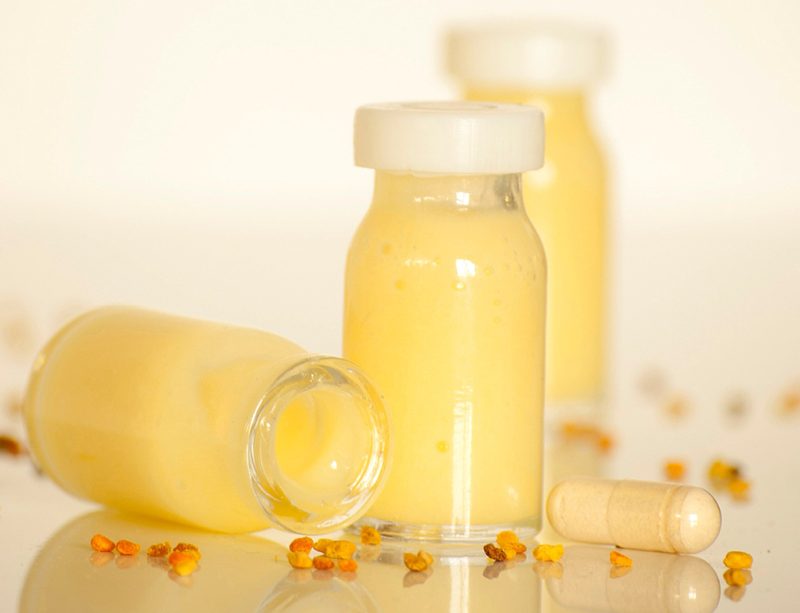
The name “propolis” is made up of the Greek words “pro polis”, which translated means “for the benefit of the city”. However, it is not a human city, but a bee city, i.e. a hive. Propolis is essential for the survival of the bee colony. The main component of this bee product is resin, which the bees collect from the buds of trees – mainly poplars, birches, conifers, but also other species – and mix with wax and enzymes from their salivary glands. The result is a sticky substance in the form of granules whose colour ranges from yellow to red to brown.
Bees use propolis in hives mainly as a building material and sealant, which also helps to reduce vibrations in the hive, maintain homeostasis and airflow, prevent rotting processes and provide the bee community with protection against invaders, including harmful microbes. It is also an important tool of traditional medicine, whose positive effects on human health have been confirmed by numerous studies. (1)
Ingredients
The main components of propolis are resins (50-70%), oils and waxes (30-50%) and pollen (5-10%). In addition, there are a number of substances whose proportion is an order of magnitude lower, but their action is very effective, not only within the hive, but also on the human body.
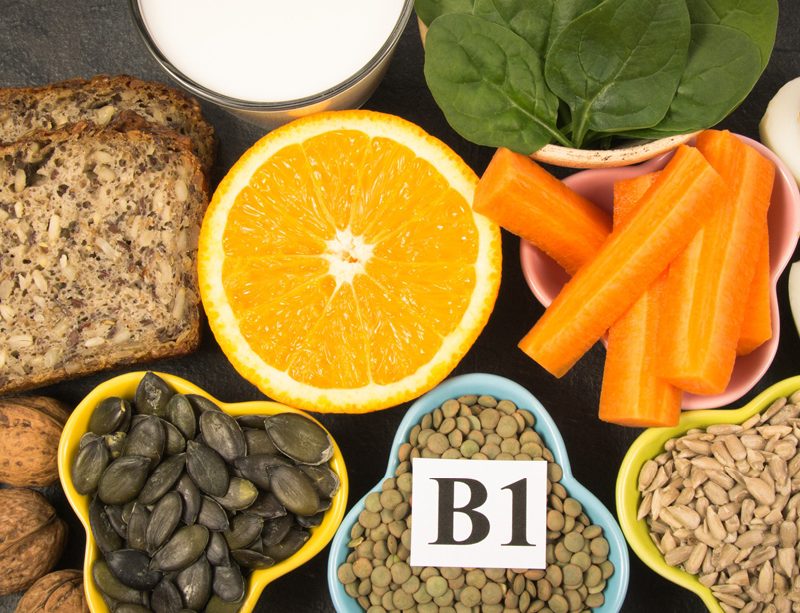
Propolis is a unique cocktail containing a huge number of substances that can positively affect human health – approximately 300 have been described. In addition to resins with disinfectant properties, it is mainly phenols that are responsible for most of the positive effects of propolis. Of the phenolics, flavonoids are the most abundant, and their content is considered to be the main criterion for the quality of propolis. Flavonoids have strong antioxidant, antimicrobial, anti-inflammatory, anticancer and antiallergic effects. The anti-inflammatory and antimicrobial effects are also characterised by the terpenes and organic acids contained. Propolis also contains some vitamins (B, C, E) and a wide range of minerals and trace elements (magnesium, calcium, iron, zinc, manganese, copper, vanadium, silver, etc.).
However, it is important to keep in mind that the composition of propolis can vary considerably. It depends on the species of bees that produce it, but also on the place of collection and the time of collection (especially in terms of the presence of plants in the area). For example, the European bee Apis mellifera collects in particular the substances secreted by the buds of poplar trees, which is why the propolis it produces is rich in the substances contained in poplar trees (it contains a lot of flavonoids and flavones, and less phenolics and esters). Propolis from China has a similar composition, while propolis from tropical regions (e.g. Brazil) has a different composition and may have slightly different health effects.
History
Propolis has been used since ancient times, for example in ancient Egypt it was an important part of embalming mixtures. The first written records of its use in healing date back to around 300 BC. It was particularly popular in ancient Greece and Rome, and is mentioned in the writings of, for example, Hippocrates, who used it to treat wounds and ulcers, and Aristotle. Pliny the Elder describes it as a cleanser suitable for relieving tendon pain. (1)
Healing effects
In traditional medicine, propolis has been used mainly for its antimicrobial and anti-inflammatory effects and its ability to promote wound healing (including festering wounds). It has also been used to treat colds, sore throats, asthma, tooth decay and stomach ulcers. In particular, modern scientific research has confirmed its antimicrobial, antioxidant, anti-inflammatory, anti-cancer and many other effects (1,2).
There is also evidence that propolis acts on the basis of epigenetics, i.e. that it is able to influence the activity of genes in our DNA. For example, some of its components may act as epigenetic modulators in cancer cells – specifically, the phenolic acids in propolis suppress the production of the enzyme DNA methyltransferase, which affects the intensity of an epigenetic reaction called gene methylation. The effect of propolis on another epigenetic response, microRNA regulation, has also been demonstrated – specifically in cancer, its ability to regulate the production of microRNA-223 is positive. (1, 3, 4)
Equally important is the positive effect of propolis on the gut microbiome (33).
Antimicrobial effects and immunity support
Propolis excels in its ability to destroy bacteria, viruses and fungi. The main mechanism of action here is direct interaction with microbial cells, such as suppressing DNA and RNA production in microbial cells, disrupting cell membranes or reducing microbial motility. This ability is not only used to protect hives from microscopic invaders, but has also been used in natural medicine for centuries. The support of the immune system plays an important role in the antimicrobial action on living organisms (1, 2).
The effectiveness of propolis has been demonstrated, for example, in the case of Candida and Aspergillus yeasts, a number of bacteria (it suppresses, for example, the multiplication of E. faecalis, streptococci or golden staphylococcus) and also a wide range of viruses – for example, Herpes simplex 1 and 2 (the causative agents of herpes), influenza A and B, rhinoviruses, and even HIV. Recent studies have also shown efficacy against COVID-19 (1, 2, 5).
Propolis also has a number of positive effects on the immune system – it improves the overall immunity of the body, modifies immune reactions, improves the production of a wide range of immune cells and influences the production of immunomodulatory cytokines, which are important for maintaining homeostasis. In animal experiments, it has also improved the ability of their immune systems to recognize and destroy pathogens, even under stressful conditions (19).
Anti-inflammatory and analgesic effect
The so-called nociceptors – specialised nerve endings located in the skin, muscles, connective tissues, blood vessels or internal organs – are responsible for the pain we feel. If the nociceptors are irritated, pain is caused. This irritation can be caused by a variety of stimuli – mechanical, chemical, thermal… Inflammation also plays an important role here, which significantly increases the sensitivity of the nociceptors.
Propolis relieves pain in several ways: firstly, it has a direct antinociceptive effect (i.e. It also has a strong anti-inflammatory effect, suppressing the production of inflammatory prostaglandins and cytokines, and it has an effect on immune mechanisms related to inflammation (e.g. migration of neutrophils and macrophages). The most effective anti-inflammatory and analgesic components of propolis include flavonoids and terpenes, such as artepillin, vestitol, kaempferol, quercetin, chrysin, galangin, pinocembrin caffeic acid or caffeic acid phenethyl ester. Some of these substances act on an epigenetic principle, suppressing the activation of inflammatory genes (1).
Tumour diseases
Propolis influences a number of mechanisms related to tumorigenesis. For example, it influences the activity of some genes and proteins involved in the development and growth of malignant tumours (e.g. TP53 and CDKN1A genes and MMP2, TIMP2, Bcl2 andBax), has cytotoxic effects, affects cell signaling related to cancer formation, suppresses proliferation (rapid uncontrolled cell division), promotes apoptosis (the mechanism by which a damaged cell destroys itself so that it cannot continue to divide), and suppresses the so-called “apoptosis”. Angiogenesis, which is the formation of new blood vessels needed to supply a growing tumour. The antioxidant and anti-inflammatory action of propolis is also important here. (3, 4)
The cytotoxic effects of propolis have been demonstrated for example in breast, colon, cervical and lung cancer. It even shows promise in the case of triple-negative breast cancer, an aggressive type of cancer that usually resists chemotherapy. Research has shown that one of the components of propolis, p-coumaric acid, promotes an epigenetic reaction called gene demethylation, which significantly reduces the viability of cancer cells.
Currently, there is even an ongoing development of drugs that combine propolis with nanoparticles to facilitate its penetration into tumor cells (4).
Diabetes
The enzymes amylase and α-glucosidase play an important role in the development of diabetes and are required for the extraction of glucose from starches and disaccharides (i.e. also from sucrose). Therefore, one treatment option for diabetes is drugs that specifically target the suppression of α-glucosidase production, thereby helping to lower glucose levels, especially postprandial peaks (i.e., postprandial increases). However, the disadvantage of these drugs is the numerous side effects, such as stomach pain or diarrhoea. (1)
However, the production of amylase and α-glucosidase can be effectively reduced by some natural means, and propolis is one of them. In addition, its active substances (e.g. mangiferonic and amolic acids) are not only effective in suppressing the production of these enzymes, but also help to alleviate insulin resistance, especially by acting on insulin receptors. All this results in a reduction of blood glucose levels. (1, 6, 7)
Heart and blood vessels
Propolis also has a protective effect on the cardiovascular system. It helps to reduce cholesterol and triglyceride levels in the blood and its antioxidant effect is also important (8, 9).
Oral health
Propolis tincture is traditionally used for mouth rinses. Here it helps to destroy harmful bacteria and yeast infections and promotes the activity of certain types of immune cells. In addition, it helps to maintain a balance in the bone cell ratio, thereby helping to alleviate bone loss in the jaw area, and also promotes the formation of dentin, which is the substance that forms the base of the entire tooth. (2)
Wound healing
Propolis is a traditional remedy for treating various skin injuries. Not only is its disinfectant and antimicrobial action applied here, but also its direct positive effect on healing processes. For example, it promotes the production of vascular endothelial growth factor, influences collagen deposition during healing, improves the production of interferons by immune cells, reduces the number of mast cells and improves keratinocyte migration. In one study, propolis even showed more pronounced healing-promoting effects than silver sulfadiazine. Moreover, its antioxidant properties are also useful in the treatment of burns (1, 10-13).
Gastric and duodenal ulcers
Gastric or duodenal ulcers are caused by an imbalance between inflammatory and protective processes in the mucosal lining of the digestive tract. Propolis is therefore an effective natural remedy here due to its combination of anti-inflammatory, protective and healing properties.
Allergies
Propolis reduces the release of histamine and can therefore be effective in alleviating allergies. In addition, it has a direct effect on T-cells, which are crucial for the development of allergies, and reduces the production of immunoglobulin E. For example, it has been shown to be effective in allergic rhinitis (relief of symptoms occurred after 2 weeks of use) and even in asmata, where its administration led to a reduction in the frequency of attacks and an overall improvement in respiratory function (14, 15, 19).
Depression and anxiety
Propolis also has a protective effect on the nervous system. In experiments on mice, its administration led to the alleviation of the effects of stress as well as symptoms of depression and anxiety. These effects are mainly due to the polyphenols contained, in particular chrysin and caffeic acid phenethyl ester. A protective effect on the nervous system has even been demonstrated when exposed to radiation (1, 16).
Liver and kidneys
The protective effect of propolis on liver and kidney function has also been confirmed (1).
Ageing of the skin
Ageing of the skin is manifested by thickening of the epidermis, wrinkles, dryness and loss of elasticity. Important causes include exposure to UV radiation, which, among other things, causes collagen degradation, increased levels of inflammatory and oxidative processes, and even DNA damage to skin cells. These processes, in turn, can be effectively slowed down by many natural substances, especially those from the flavonoid group. These include flavonoids contained in propolis, such as chrysin, apigenin, kaempferol, galangin, naringerin or quercetin (17).
Lupenka
Dandruff or psoriasis is a serious inflammatory skin disease with an autoimmune background that significantly impairs quality of life. Here too, substances from the group of polyphenols and flavonoids, including those contained in propolis, can bring significant relief. For example, in psoriasis, luteolin significantly reduces the production of inflammatory cytokines and skin cell proliferation, influences immune function and generally reduces skin damage; quercetin, chrysin, kaempferol and other substances also have beneficial effects. Symptom reduction was observed both in the case of internal use and external application in the form of a cream, after three months of treatment (17, 18).
Acne
Acne is another skin problem for which the combination of antibacterial, healing and anti-inflammatory properties of propolis is useful. Again, both external and internal application is appropriate here. (22)
Use and contraindications
Propolis can be taken either internally (the usual dose is 400-500 mg per day, its safety has been proven in 13 months of use) or externally in the form of tincture, paste or cream. The diluted tincture is also used for mouth rinses, and propolis is also added to toothpastes and mouthwashes for this purpose (20).
Propolis is generally considered safe, but can cause allergic reactions, both when used internally and when applied to the skin and mucous membranes. It should therefore be avoided by people sensitive to bee products. It is not recommended for pregnant women, as its safety has not been sufficiently established during this period. During lactation, a dose of 300 mg per day for 10 months is considered safe (20).
Like many other natural products, propolis can reduce blood clotting. It should therefore be avoided by people with bleeding disorders and people taking blood thinners (e.g. warfarin). It is also inappropriate to use with drugs that affect liver function. It should also be discontinued 2 weeks before elective surgery (20).
Suitable combinations
Immunity, antimicrobial action: propolis + garlic + oyster mushroom (23), propolis + zinc (24), propolis + echinacea + vitamin C (25), propolis + ginger (27), propolis + royal jelly (32)
Acne: propolis + tea tree + aloe vera (21)
Wound healing: propolis + curcumin (26)
Heart and blood vessels: propolis + pomegranate (28), propolis + royal jelly (31)
Cancer: propolis + resveratrol (29)
Kidneys: propolis + royal jelly (30)
0:00
/
0:00
Stárnutí je volba
Klíčová slova: Acne, allergies, bee products, cancer, Candida, COVID-19, diabetes, flavonoids, flu, golden staphylococcus, heart and blood vessels, HIV, immunity, Kidney, liver, polyphenols, propolis, psoriasis, stomach ulcers, streptococcus, teeth and gums, viruses, yeast infections
Komentáře
Seznam zdrojů
- Rajib Hossain, Cristina Quispe, Rasel Ahmed Khan, Abu Saim Mohammad Saikat, Pranta Ray, Damira Ongalbek, Balakyz Yeskaliyeva, Divya Jain, Antonella Smeriglio, Domenico Trombetta, Roghayeh Kiani, Farzad Kobarfard, Naheed Mojgani, Parvaneh Saffarian, Seyed Abdulmajid Ayatollahi, Chandan Sarkar, Mohammad Torequl Islam, Dılhun Keriman, Arserim Uçar, Miquel Martorell, Antoni Sureda, Gianfranco Pintus, Monica Butnariu, Javad Sharifi-Rad & William C. Cho. Propolis: An update on its chemistry and pharmacological applications. Chinese Medicine volume 17, Article number: 100 (2022)
- Zohreh Ahangari, Mandana Naseri, and Farzaneh Vatandoost. Propolis: Chemical Composition and Its Applications in Endodontics. Iran Endod J. 2018 Summer; 13(3): 285–292.
- João Henrique Maia Assumpção, Agnes Alessandra Sekijima Takeda, José Maurício Sforcin, Cláudia Aparecida Rainho. Effects of Propolis and Phenolic Acids on Triple-Negative Breast Cancer Cell Lines: Potential Involvement of Epigenetic Mechanisms. Molecules. 2020 Mar 12;25(6):1289.
- Sara A. Shaker, Shadi M. Alshufta, Mennatallah A. Gowayed, Noha S. El-Salamouni, Samar M. Bassam, Magda A. Megahed & Rasha A. El-Tahan. Propolis-loaded nanostructured lipid carriers halt breast cancer progression through miRNA-223 related pathways: an in-vitro/in-vivo experiment. Scientific Reports volume 13, Article number: 15752 (2023)
- Patrícia Alves de Castro, Marcela Savoldi, Diego Bonatto, Mário Henrique Barros, Maria Helena S. Goldman, Andresa A. Berretta, Gustavo Henrique Goldman. Molecular Characterization of Propolis-Induced Cell Death in Saccharomyces cerevisiae. ASM Journals, Eukaryotic Cell, Vol. 10, No. 3. March 2 2011
- Alaribe CS, Esposito T, Sansone F, Sunday A, Pagano I, Piccinelli AL, Celano R, Cuesta Rubio O, Coker HA, Nabavi SM, Rastrelli L, Picerno P. Nigerian propolis: chemical composition, antioxidant activity and α-amylase and α-glucosidase inhibition. Nat Prod Res. 2021;35(18):3095–9.
- Linard C, Marquette C, Mathieu J, Pennequin A, Clarençon D, Mathé D. Acute induction of inflammatory cytokine expression after gamma-irradiation in the rat: effect of an NF-kappaB inhibitor. Int J Radiat Oncol Biol Phys. 2004;58(2):427–34.
- Ichi I, Hori H, Takashima Y, Adachi N, Kataoka R, Okihara K, Hashimoto K, Kojo S. The beneficial effect of propolis on fat accumulation and lipid metabolism in rats fed a high-fat diet. J Food Sci. 2009;74(5):H127-131.
- Daleprane JB, Freitas Vda S, Pacheco A, Rudnicki M, Faine LA, Dörr FA, Ikegaki M, Salazar LA, Ong TP, Abdalla DS. Anti-atherogenic and anti-angiogenic activities of polyphenols from propolis. J Nutr Biochem. 2012;23(6):557–66.
- Jacob A, Parolia A, Pau A, Davamani Amalraj F. The effects of Malaysian propolis and Brazilian red propolis on connective tissue fibroblasts in the wound healing process. BMC Complement Altern Med. 2015;15:294.
- Kyriakides TR, Zhu YH, Yang Z, Huynh G, Bornstein P. Altered extracellular matrix remodeling and angiogenesis in sponge granulomas of thrombospondin 2-null mice. Am J Pathol. 2001;159(4):1255–62.
- Khorasgani A. A comparison of healing effects of propolis and silver sulfadiazine on full thickness skin wounds in rats. Pak Vet J. 2010;30(2):72–4.
- Parihar A, Parihar MS, Milner S, Bhat S. Oxidative stress and anti-oxidative mobilization in burn injury. Burns. 2008;34(1):6–17.
- Shinmei Y, Yano H, Kagawa Y, Izawa K, Akagi M, Inoue T, Kamei C. Effect of Brazilian propolis on sneezing and nasal rubbing in experimental allergic rhinitis of mice. Immunopharmacol Immunotoxicol. 2009;31(4):688–93.
- Khayyal MT, el-Ghazaly MA, el-Khatib AS, Hatem AM, de Vries PJ, el-Shafei S, Khattab MM,. A clinical pharmacological study of the potential beneficial effects of a propolis food product as an adjuvant in asthmatic patients. Fundam Clin Pharmacol. 2003;17(1):93–102.
- H.E. Alkis , A. Kuzhan, A. Dirier, M. Tarakcioglu, E. Demir, E. Saricicek, T. Demir, A. Ahlatci , A. Demirci, K. Cinar, S. Taysi. Neuroprotective effects of propolis and caffeic acid phenethyl ester (CAPE) on the radiation-injured brain tissue (Neuroprotective effects of propolis and CAPE). International Journal of Radiation Research, October 2015, Volume 13, No 4.
- Claudia Rebeca Rivera-Yañez,Porfirio Alonso Ruiz-Hurtado,María Isabel Mendoza-Ramos, Julia Reyes-Reali, Gina Stella García-Romo, Glustein Pozo-Molina, Aldo Arturo Reséndiz-Albor, Oscar Nieto-Yañez, Adolfo René Méndez-Cruz, Claudia Fabiola Méndez-Catalá, and Nelly Rivera-Yañez. Flavonoids Present in Propolis in the Battle against Photoaging and Psoriasis. Antioxidants (Basel). 2021 Dec; 10(12): 2014.
- Ahmed G. Hegazi1, Fatma A. Abd Raboh, Nahla E. Ramzy, Dalia M. Shaaban and Doha Y. Khader. Bee venom and propolis as new treatment modality in patients with localized plaque psoriases. International Research Journal of Medicine and Medical Science Vol. 1(1), pp. 27-33, February 2013
- Mohammed Al-Hariri. Immune’s-boosting agent: Immunomodulation potentials of propolis. J Family Community Med. 2019 Jan-Apr; 26(1): 57–60.
- https://www.webmd.com/vitamins/ai/ingredientmono-390/propolis
- V Mazzarello, MG Donadu, M Ferrari, G Piga, D Usai, S Zanetti, and MA Sotgiu. Treatment of acne with a combination of propolis, tea tree oil, and Aloe vera compared to erythromycin cream: two double-blind investigations. Clin Pharmacol. 2018; 10: 175–181.
- Enos Tangke Arung, Syafrizal, Irawan Wijaya Kusuma, Swandari Paramita, Yhiya Amen, Yong-Ung Kim, Netty Maria Naibaho, Rico Ramadhani, Harits Atika Ariyanta, Widya Fatriasari, Kuniyoshi Shimizu. Antioxidant, anti-inflammatory and anti-acne activities of stingless bee (Tetragonula biroi) propolis. Fitoterapia. Volume 164, January 2023, 105375
- Daneshmand a, Sadehgi GH, Karimi A. Teh effects of a combnation of garlis, oyster mushroom and propolis extract in comparsion to antibiotic on growth performance, come blood parameters and nutrients digestibility of male borilers. Revista Brasileira de Ciencia Avicola, vol 14, no 2, abril-junio 2012.
- P. MARCHISIO, S. ESPOSITO, S. BIANCHINI, C. DESANTIS, C. GALEONEI, E. NAZZARI, L. PIGNATAR02 and N. PRINCIPI. EFFECTIVENESS OF A PROPOLIS AND ZINC SOLUTION IN PREVENTING ACUTE OTITIS MEDIA IN CHILDREN WITH A HISTORY OF RECURRENT ACUTE OTITIS MEDIA. INTERNATIONAL JOURNAL OF IMMUNOPATHOLOGY AND PHARMACOLOGY. Vol. 23, no. 2, 567-575 (2010)
- Herman A Cohen, Itzchak Varsano, Ernesto Kahan, E Michael Sarrell, Yosef Uziel. Effectiveness of an herbal preparation containing echinacea, propolis, and vitamin C in preventing respiratory tract infections in children: a randomized, double-blind, placebo-controlled, multicenter study.
Arch Pediatr Adolesc Med. 2004 Mar;158(3):217-21. - Rafaela Said dos Santos, Jéssica Bassi da Silva, Hélen Cássia Rosseto, Camila Felix Vecchi,1Katieli da Silva Souza Campanholi, Wilker Caetano, and Marcos Luciano Bruschi. Emulgels Containing Propolis and Curcumin: The Effect of Type of Vegetable Oil, Poly(Acrylic Acid) and Bioactive Agent on Physicochemical Stability, Mechanical and Rheological Properties. Gels. 2021 Sep; 7(3): 120.
- Eman M. Abdel-Maksoud, Ahmed Abd El Fattah Daha, Nabil M. Taha, Mohamed A. Lebda, Kadry M. Sadek, Mohammad Y. Alshahrani, Ahmed Ezzat Ahmed, Mustafa Shukry, Sabreen E. Fadl, Mohamed Elfeky. Effects of ginger extract and/or propolis extract on immune system parameters of vaccinated broilers. Poultry Science, Volume 102, Issue 10, October 2023, 102903
- GhadeerTurki Aloutaibi, Hanaa Gashlan,Said Salama Moselhy, Abdulrahman L. Al-Malki and Jehan A. Khan. POSSIBLE CARDIOPROTECTIVE ACTION OF POMEGRANATE JUICE PUNICA GRANATUMAND PROPOLIS AGAINST MYOCARDIAL INFARCTION INDUCED IN RATS. Afr J Tradit Complement Altern Med., (2017) 14 (5): 138-146
- Christian Scifo, Angela Milasi, Andrea Guarnera, Fulvia Sinatra, Marcella Renis. Resveratrol and propolis extract: an insight into the morphological and molecular changes induced in DU145 cells. Oncol Res. 2006;15(9):409-21.
- Hanaa K Mohamed, Maysa A Mobasher, Rasha A Ebiya, Marwa T Hassen, Howaida M Hagag, Radwa El-Sayed, Shaimaa Abdel-Ghany, Manal M Said, Nabil S Awad. Anti-Inflammatory, Anti-Apoptotic, and Antioxidant Roles of Honey, Royal Jelly, and Propolis in Suppressing Nephrotoxicity Induced by Doxorubicin in Male Albino Rats. Antioxidants (Basel). 2022 May 23;11(5):1029.
- Yanru Sun, Mingfeng Han, Zhenhuang Shen, Haibo Huang, Xiaoqing Miao. Anti-hypertensive and cardioprotective effects of a novel apitherapy formulation via upregulation of peroxisome proliferator-activated receptor-α and -γ in spontaneous hypertensive rats. Saudi J Biol Sci. 2018 Feb;25(2):213-219.
- Yuksel S, Akyol S. The consumption of propolis and royal jelly in preventing upper respiratory tract infections and as dietary supplementation in children. Journal of Intercultural Ethnopharmacology, 31 Mar 2016, 5(3):308-311
- Meilan Xue, Ying Liu, Hongwei Xu, Zhitong Zhou, Yan Ma, Ting Sun, Man Liuc, Huaqi Zhangc, Hui Liang. Propolis modulates the gut microbiota and improves the intestinal mucosal barrier function in diabetic rats. Biomedicine & Pharmacotherapy
- Volume 118, October 2019, 109393