The best diabetes prevention?

epivyziva.cz/
www.epivyziva.cz

“Don’t eat so many sweets, you’ll get diabetes!” You may hear this warning quite often. But while the risk of developing type II diabetes is linked to sugar consumption and overeating in general, regular physical activity plays an even more important role in preventing the disease.

We usually think of diabetes as a deficiency of the hormone insulin, which is supposed to “take up” the sugar glucose from the blood and convert it into the storage polysaccharide glycogen. However, this is only true for type I diabetes, which usually develops in childhood. In it, the pancreas stops producing insulin and it has to be supplied externally.

However, in type II diabetes, which usually develops in middle age and older, insulin production does not decline or only slightly. The problems here are mainly due to the fact that the sensitivity of the tissues to this hormone decreases, so that blood glucose levels rise despite the fact that the pancreas continues to produce insulin. An important role is played by our muscles, which normally consume up to 80% of blood glucose (1).

Activate the right genes

Several important genes are required for muscles to perform the above function. These include the PGC-1 gene, which ensures nutrient oxidation in the muscles, TFAM, which transcribes mitochondrial DNA (mitochondria are a kind of “cellular power plants”, inmitochondria, which are the “mitochondria” that produce energy from ingested nutrients), and MEF2A, which regulates glucose transport in and out of cells (the enzyme AMPK also plays an important role in this process) (1-3).

However, the problem is that in the course of life, due to inappropriate lifestyle and other circumstances, so-called epigenetic changes occur that “switch off” these genes, i.e. reduce their activity. This happens mainly through a chemical reaction called DNA methylation.

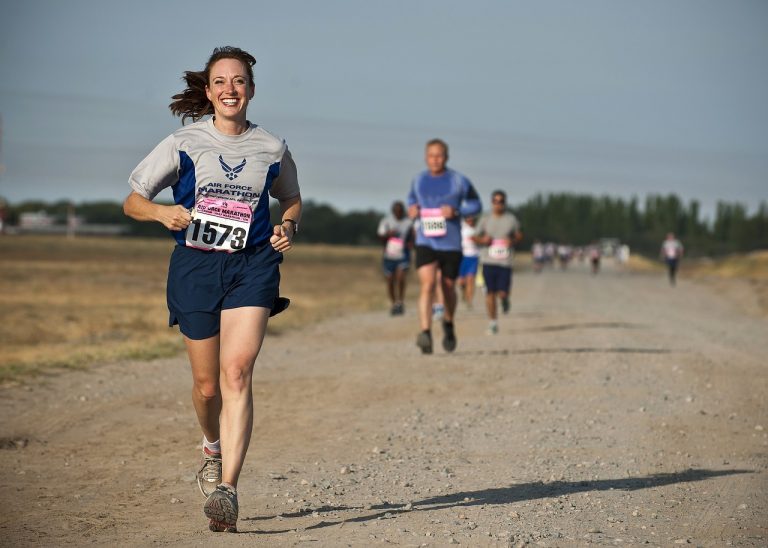
Research has shown that regular exercise, especially of an endurance nature, can reduce the level of methylation of the relevant genes and thus restore their activity. Our muscles are then able to consume sufficient glucose again, which has a positive effect in both the prevention and treatment of diabetes (2, 4, 5). So it’s not just a matter of burning off excess glucose during physical activity alone, and our blood glucose levels will drop in the short term (although this is of course also beneficial for diabetics). In fact, regular physical activity also causes long-term changes in our genes, the “switching off” of which plays a major role in the development of diabetes.

Dietary supplements will help

In addition to regular exercise, some dietary supplements with epigenetic effects, which also affect the activity of important genes, play an important role in the prevention and treatment of diabetes.

Quercetin: This flavonoid is found in many fruits, vegetables and other foods. It inhibits the function of glucose transport substances from the small intestine and also affects glucose metabolism in skeletal muscle (3, 6, 7).

Pomegranate: The extract of this fruit lowers blood glucose levels while reducing appetite (8).

Curcumin (+ piperine): the dye in turmeric has a strong anti-inflammatory effect, improves the function of insulin-producing beta-cells and prevents their destruction. Animal studies have also shown that it reduces insulin resistance (9-12).

Vitamin D3: Research has shown that people who have low blood levels of this vitamin are 41% more likely to develop diabetes. “D” also improves insulin secretion and the body’s ability to metabolize glucose (13, 14).

0:00 / 0:00
Stárnutí je volba
Klíčová slova: diabetes, Motion, pomegranate, run, Vitamin D3

Leave a Reply

Your email address will not be published. Required fields are marked *

  1. Bergeron, R., Russell 3rd, R.R., Young, L.H., Ren, J.M., Marcucci, M., Lee, A., Shulman, G.I., 1999. Effect of AMPK activation on muscle glucose metabolism in conscious rats. Am. J. Physiol. 276, E938–E944
  2. R. Barres et al., “Acute Exercise Remodels Promoter Methylation in Human Skeletal Muscle,”Cell Metabolism 15:405-11, 2012.
  3. Fryer, L.G., Foufelle, F., Barnes, K., Baldwin, S.A., Woods, A., Carling, D., 2002. Characterization of the role of the AMP-activated protein kinase in the stimulation of glucose transport in skeletal muscle cells. Biochem. J. 363, 167–174.
  4. Santos JM, Tewari S, Benite-Ribeiro SA. The effect of exercise on epigenetic modifications of PGC1: The impact on type 2 diabetes. Med Hypotheses. 2014 Jun;82(6):748-53. doi: 10.1016/j.mehy.2014.03.018. Epub 2014 Mar 19.
  5. Tina Rönn, Petr Volkov, Cajsa Davegårdh, Tasnim Dayeh, Elin Hall, Anders H. Olsson, Emma Nilsson, Åsa Tornberg, Marloes Dekker Nitert, Karl-Fredrik Eriksson, Helena A. Jones, Leif Groop, Charlotte Ling. A Six Months Exercise Intervention Influences the Genome-wide DNA Methylation Pattern in Human Adipose Tissue. PLoS Genetics, 2013; 9 (6): e1003572 DOI: 10.1371/journal.pgen.1003572
  6. Francisco Perez-Vizcaino , Juan Duarte. Flavonols and cardiovascular disease. Molecular Aspects of Medicine 31 (2010) 478–494
  7. Li, Y.Q., Zhou, F.C., Gao, F., Bian, J.S., Shan, F., 2009. Comparative evaluation of quercetin, isoquercetin and rutin as inhibitors of alpha-glucosidase. J. Agric. Food Chem. 57, 11463–11468.
  8. F Lei, X N Zhang, W Wang, D M Xing, W D Xie, H Su and L J Du. Evidence of anti-obesity effects of the pomegranate leaf extract in high-fat diet induced obese mice. International Journal of Obesity (2007) 31, 1023–1029; doi:10.1038/sj.ijo.0803502; published online 13 February 2007¨
  9. Aggarwal BB. Targeting inflammation-induced obesity and metabolic diseases by curcumin and other nutraceuticals. Annu Rev Nutr 2010;30:173–199
  10. Weisberg SP, Leibel R, Tortoriello DV. Dietary curcumin significantly improves obesity-associated inflammation and diabetes in mouse models of diabesity.Endocrinology 2008;149:3549–3558
  11. Shao W, Yu Z, Chiang Y, et al. Curcumin prevents high fat diet induced insulin resistance and obesity via attenuating lipogenesis in liver and inflammatory pathway in adipocytes. PLoS ONE 2012;7:e28784
  12. Nishiyama T, Mae T, Kishida H, et al. Curcuminoids and sesquiterpenoids in turmeric (Curcuma longa L.) suppress an increase in blood glucose level in type 2 diabetic KK-Ay mice. J Agric Food Chem 2005;53:959–963
  13. Kumar J, Muntner P, Kaskel FJ, Hailpern SM, Melamed ML. Prevalence and associations of 25-hydroxyvitamin D defi- ciency in US children: NHANES 2001-2004. Pediatrics. 2009;124(3):e362-e370.
  14. Forouhi NG, Ye Z, Rickard AP, et al. Circulating 25- hydroxyvitamin D concentration and the risk of type 2 diabetes: results from the European Prospective Investigation into Cancer (EPIC)-Norfolk cohort and updated meta-analysis of prospective studies. Diabetologia. 2012;55(8):2173-2182.

Newsletter

PŘIHLASTE SE K ODBĚRU NOVINEK A MĚJTE VŽDY ČERSTVÉ INFORMACE

Nejčtenější články

Why are gut bacteria afraid of Christmas?
Eating fish increases children’s intelligence
Beautiful even after 40? Slow down the epigenetic clock!
Constipation
What did you say? Or you don’t have to put up with being hard of hearing

Související příspěvky

epivyzivacz-kdy-to-konecne-zabere-7-prirodnich-tipu-ktere-zafunguji-opravdu-rychle-15012025

When will it finally work? 7 natural tips that work really fast

epivyziva.cz/
epivyzivacz-pms-kdyz-je-tezke-vydrzet-ve-vlastnim-tele-17122024

PMS: when it’s hard to endure in your own body

epivyziva.cz/
epivyziva-cz-jak-zmirnit-bolest-zamerte-se-na-geny-i-sve-emoce-22112024

How to relieve pain? Focus on your genes and your emotions

epivyziva.cz/
epivyziva-cz-okorente-si-sychrave-dny-podzimni-tipy-na-koreni-s-epigenetickymi-ucinky-22112024

Spice up your chilly days – autumn tips for spices with epigenetic effects

epivyziva.cz/