Of course, the headline is an exaggeration, because the ability of bacteria to experience emotions has not yet been proven. But if they could be scared, they’d be scared from Christmas to New Year’s. Even such a brief shift in diet can fundamentally upset the balance within our gut. So how can we prevent the negative impact of the holidays on the gut microbiome?
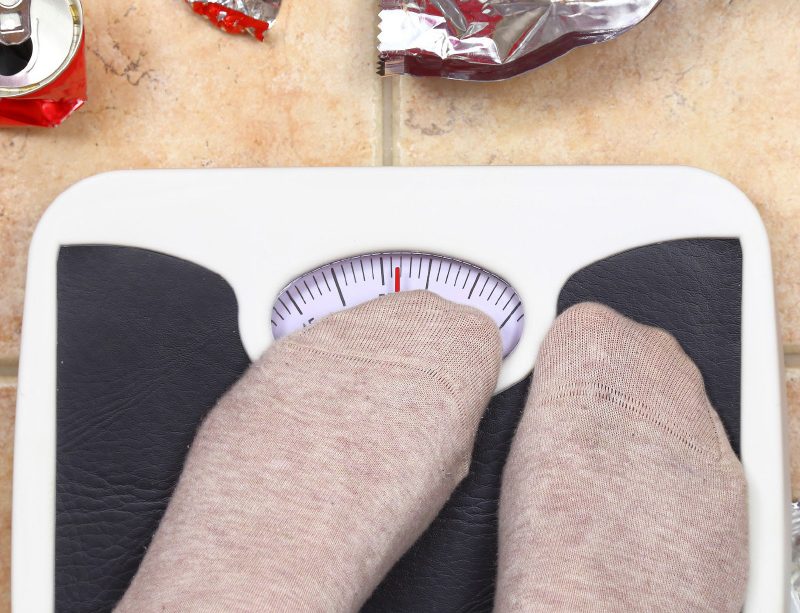
Most people worry mainly about whether they will manage not to gain weight during the Christmas holidays. The concern is of course justified. For example, British research shows that during the holidays people consume up to three times the normally recommended calorie intake (the “performance” of the Czechs will probably not differ much from the British in this respect). This naturally leads to weight gain for most people, which is usually between 0.5 and 2 kilograms. On average, weight gain peaks on 3 January – then some people start to lose weight, but some fail to do so and the extra pounds add to the cumulative weight gain over the years.
However, if we don’t stuff ourselves from morning to night, and if we use the free days for some exercise, we definitely won’t gain so much weight that we can’t lose it again in a very short time.
What we should really be concerned about, however, is the state of our gut microbiome. Some people might think, “It’s only eight days from Christmas Eve to New Year’s Day, nothing major can go wrong in such a short time!” But unfortunately it can.
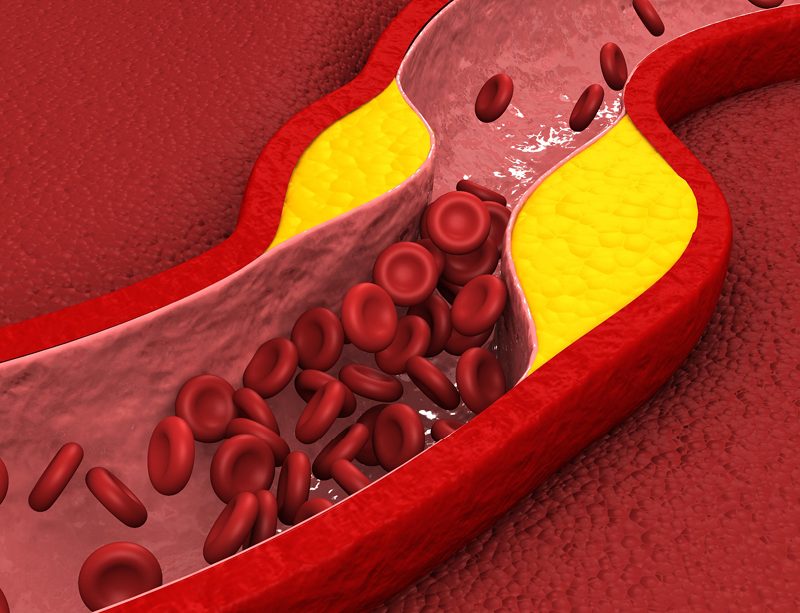
Research shows that changes in dietary habits can affect the composition of the gut microbiome in as little as three days! In eight days, the changes can be enough to increase the risk of problems that are closely related to the balance of the gut microbiome: weight gain “, immune disorders “, cardiovascular disease, diabetes, but also joint pain “ or mental performance problems “.
So what should we do for our microbiome during the holidays?
Alcohol has a devastating effect on our entire body, and the gut is no exception. For example, excessive consumption leads to an increase in the level of inflammation within the gut, impaired intestinal barrier function and changes in the abundance of certain gut bacteria (e.g. Bacteroidetes, Firmicutes or Proteobacteria). Interestingly, these changes also contribute to liver damage.
Of course, a week-long increase in alcohol consumption doesn’t do as much damage to the gut as chronic alcoholism, but when you add in the various pre-Christmas parties, a certain amount of gut dysbiosis can occur. This doesn’t necessarily mean that we have to be “dry” over the holidays, we just need to drink in moderation.
Christmas is, of course, primarily a spiritual holiday; atheists see it as a celebration of family happiness… On the surface, however, it seems more like a celebration of food in all its forms. And overeating not only leads to weight gain, but also damages the gut microbiome.
Experiments in mice have shown that even temporary overeating has a negative effect on the balance of the gut microbiome. For example, when researchers gave experimental animals alternating high-calorie diets for half of the week and calorie-restricted diets for the other half, they found the same changes in their microbiome as in mice that overate continuously. These were changes that have been linked to obesity.
However, it’s not just the increased calorie intake that is harmful during the Christmas holidays; there are usually many other negative influences in the food area as well. The gut microbiome, for example, reacts negatively to excessive intake of fats and carbohydrates with a high glycemic index, and the worst is when the two combine. And that’s what happens in a big way at the end of the year – getting in half a cube of butter and a lot of sugar on top of it in the form of sweets in an evening is not a problem for some sweet lovers. Also, most main meals during the festive season contain excessive amounts of both of these nutrients, plus a lot of animal protein, which, when eaten in large quantities, is also bad for the gut.
In this respect, too, it is necessary to maintain artificiality – sure, at a holiday lunch at grandma’s you can’t refuse either the lunch or her famous candy, but then it is advisable to have only a light dinner, or even to skip it altogether.
Because if we eat continuously and do not let the digestive system “breathe”, it is not good for the microbiome at all. On the other hand, intermittent fasts, where we limit our food intake to a certain part of the day (12 or even just 8 hours) have a clearly positive effect on the gut microbiome. They increase the diversity of gut inhabitants (i.e. the total number of species increases) and, in addition, the presence of Lachnospiraceae bacteria, which are among the major producers of butyrate, a fatty acid with a positive effect on virtually the whole body. This is probably the reason why intermittent fasting not only helps to lose weight, but also slows down ageing and has a positive effect on virtually the whole body. So, if we skip dinner after a lavish lunch (or breakfast after an evening of overeating), our intestines will definitely benefit.
A sufficient intake of prebiotics, i.e. fibre, both soluble and insoluble, is essential for the condition of the intestinal inhabitants. Even during the holidays, we should not forget to include legumes, whole grains, nuts and seeds, vegetables (especially broccoli) and fruit in our diet. Beverages containing chicory, which is rich in the soluble fibre inulin, are also very useful.
Consumption of probiotics is also beneficial – whether in the form of food (fermented vegetables or dairy products, fermented drinks like kombucha…) or dietary supplements.
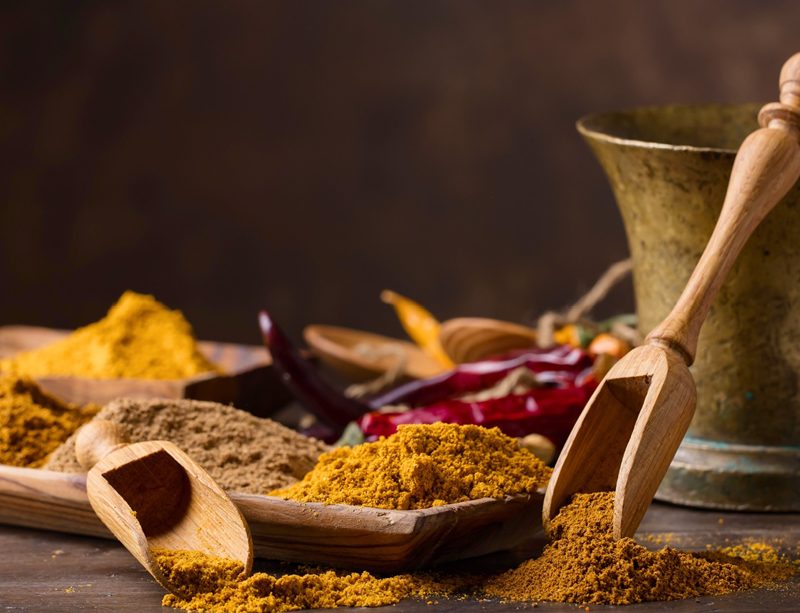
Many other dietary supplements can also be significantly beneficial. These can be those with a high fibre content (e.g. chlorella or spirulina), or those with a high content of polyphenols and other useful micronutrients – such as curcumin, resveratrol, indole-3-carbinol, saffron, quercetin, EGCG, guduchi, ginger and others.
Some amino acids used alone, such as glutamine or tryptophan, also have a beneficial effect.
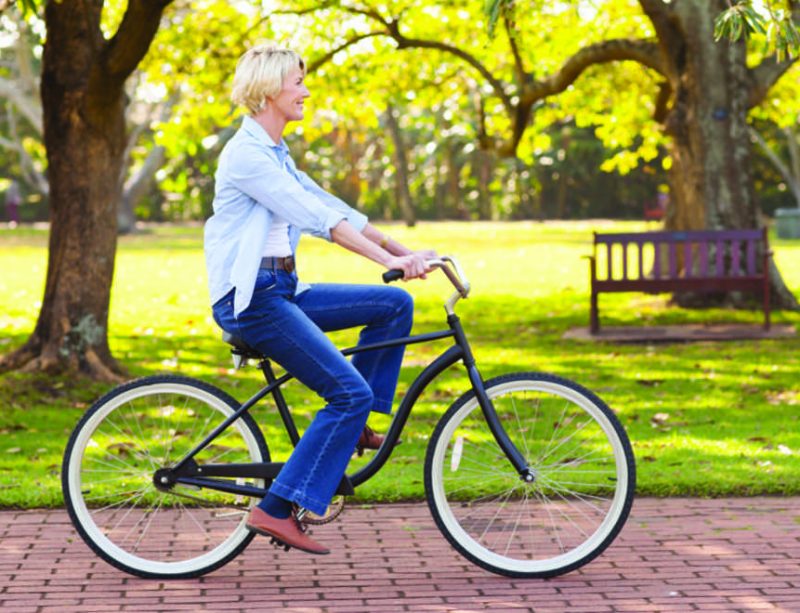
Watching fairy tales with a bowl of candy on your lap and tasting goodies on visits somehow belongs to Christmas, but at the same time we should definitely fit some physical activity into our free days. And it’s not just to “burn the calories”.
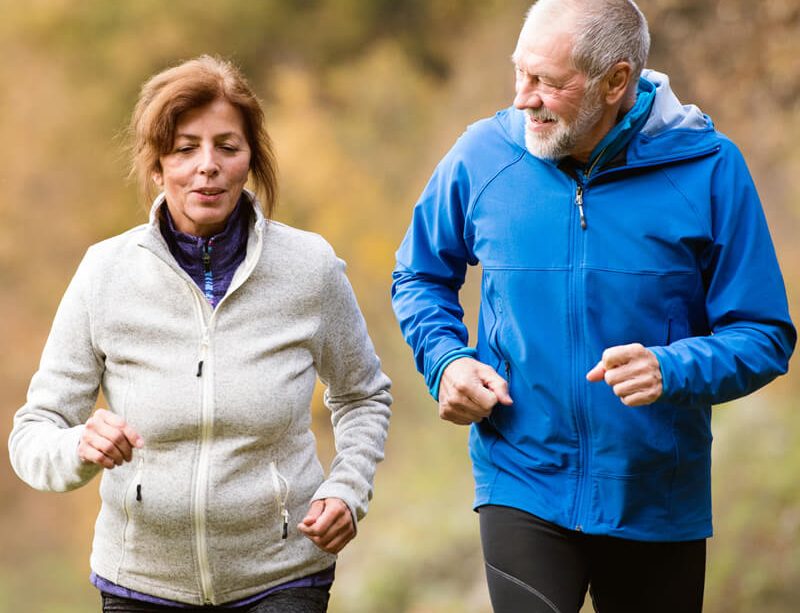
Movement, especially lower-intensity aerobic exercise (such as brisk walking, swimming, cycling or, in the case of people with good fitness, running), has a significant positive effect on the gut microbiome. It increases the overall species diversity of the intestinal inhabitants and the proportion of ‘friendly’ bacteria and also helps to reduce the negative impact of a fatty and calorie-rich diet on the digestive tract.
A final pearl: Our microbiome can influence not only what we eat during the holidays, but also who we spend them with. Researchers at Amsterdam University Medical Centre have come up with an interesting finding in this regard. They compared two groups of volunteers, one of whom spent Christmas lunch with their parents and the other with their partner’s parents (in the Netherlands, the most important holiday meal is not Christmas Eve dinner, as it is here, but only Christmas Day lunch). In doing so, they had two stool samples taken (the first on 23 December and the second on 27 December) to detect changes in their gut microbiome.
Although the two groups ate similar meals and drank comparable amounts of alcohol, the results were not the same: Participants who had lunch at their in-laws’ house experienced much more pronounced negative changes in the composition of their gut microbiome. The proportions of a total of seven species of bacteria changed, with the most pronounced being the loss of Ruminococcaceae. Similar results, which, among other things, increase the risk of depression, usually occur as a result of stress. Those who spent their holiday lunch with their parents-in-law also experienced a decline in these bacteria (Christmas is apparently stressful for almost everyone), but the changes were more pronounced in the volunteers visiting their parents-in-law.
So enjoy the holidays this year! On behalf of the whole of Eivlife, I wish you much happiness, health and well-being – not only for you and your loved ones, but also for the beings closest to you: the microscopic inhabitants of your gut.
PŘIHLASTE SE K ODBĚRU NOVINEK A MĚJTE VŽDY ČERSTVÉ INFORMACE
| Cookie | Duration | Description |
|---|---|---|
| cookielawinfo-checkbox-analytics | 11 měsíců | Tento soubor cookie je nastaven pluginem GDPR Cookie Consent. Soubor cookie se používá k uložení souhlasu uživatele s používáním souborů cookie v kategorii „Analytika“. |
| cookielawinfo-checkbox-functional | 11 měsíců | Soubor cookie je nastaven na základě souhlasu s cookie GDPR k zaznamenání souhlasu uživatele pro soubory cookie v kategorii „Funkční“. |
| cookielawinfo-checkbox-necessary | 11 měsíců | Tento soubor cookie je nastaven pluginem GDPR Cookie Consent. Cookies slouží k uložení souhlasu uživatele s cookies v kategorii „Nezbytné“. |
| cookielawinfo-checkbox-others | 11 měsíců | Tento soubor cookie je nastaven pluginem GDPR Cookie Consent. Cookie se používá k uložení souhlasu uživatele s cookies v kategorii „Jiné. |
| cookielawinfo-checkbox-performance | 11 měsíců | Tento soubor cookie je nastaven pluginem GDPR Cookie Consent. Cookie se používá k uložení souhlasu uživatele s cookies v kategorii „Výkon“. |
| elementor | nikdy | Tento soubor cookie používá téma WordPress webu. Umožňuje vlastníkovi webu implementovat nebo měnit obsah webu v reálném čase. |
| viewed_cookie_policy | 11 měsíců | Soubor cookie je nastaven pluginem GDPR Cookie Consent a používá se k uložení, zda uživatel souhlasil nebo nesouhlasil s používáním souborů cookie. Neukládá žádné osobní údaje. |
| Cookie | Duration | Description |
|---|---|---|
| sb | 2 roky | Tento soubor cookie používá Facebook ke kontrole svých funkcí, shromažďování jazykových nastavení a sdílení stránek. |
| Cookie | Duration | Description |
|---|---|---|
| _ga | 2 roky | Soubor _ga cookie, nainstalovaný službou Google Analytics, vypočítává údaje o návštěvnících, relacích a kampaních a také sleduje využití webu pro analytický přehled webu. Soubor cookie ukládá informace anonymně a přiřazuje náhodně vygenerované číslo k rozpoznání unikátních návštěvníků. |
| _gat_gtag_UA_71041054_1 | 1 minuta | Nastaveno Googlem k rozlišení uživatelů. |
| _gid | 1 den | Soubor cookie _gid nainstalovaný službou Google Analytics ukládá informace o tom, jak návštěvníci používají webovou stránku, a zároveň vytváří analytickou zprávu o výkonu webu. Některá data, která jsou shromažďována, zahrnují počet návštěvníků, jejich zdroj a stránky, které anonymně navštěvují. |
| Cookie | Duration | Description |
|---|---|---|
| fr | 3 měsíce | Facebook nastavuje tento soubor cookie tak, aby uživatelům zobrazoval relevantní reklamy sledováním chování uživatelů na webu, na stránkách, které mají Facebook pixel nebo sociální plugin Facebooku. |
| _fbp | 3 měsíce | Tento soubor cookie je nastaven společností Facebook, aby po návštěvě webové stránky zobrazoval reklamy na Facebooku nebo na digitální platformě založené na reklamě na Facebooku. |
| Cookie | Duration | Description |
|---|---|---|
| pvc_visits[0] | 1 minuta | Tento soubor cookie vytváří počítadlo po zhlédnutí. Tento soubor cookie se používá k počítání počtu návštěv příspěvku. Pomáhá také zabránit opakovanému zobrazení příspěvku návštěvníkem. |