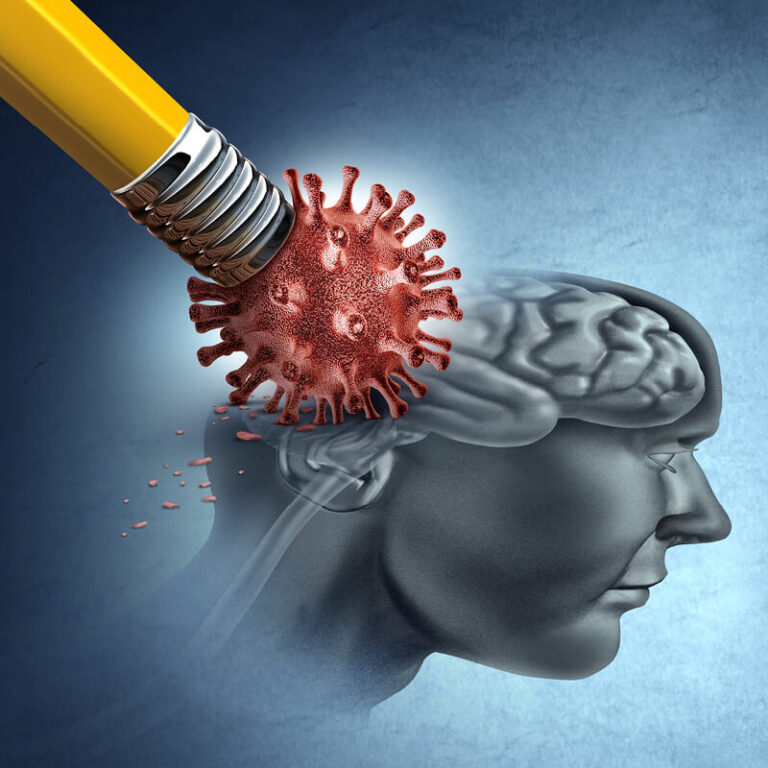
We would prefer to forget the existence of the COVID-19 virus, but we are not, because many people are still struggling with the consequences of the infection. And many people don’t even know about it, because the problems are often very non-specific, such as fatigue, headaches, back and joint pain, insomnia, depression, or memory or menstrual disorders, and therefore not associated with covid at all. So how to deal with the effects of infection using natural remedies and the knowledge of epigenetics?
Post-acute COVID-19 syndrome or post-covid syndrome is the medical terminology for problems that persist for more than 12 weeks after a covid infection. They are more common in people who have had a severe course, but do not avoid those who have had only minimal symptoms. They fall into three basic categories:
Physiological – this includes for example shortness of breath, dry cough, cardiovascular problems, chest pain, loss of smell and taste, menstrual cycle disorders, fatigue, but also muscle weakness, reluctance to physical activity and many other problems.
Psychiatric – insomnia, depression, anxiety or nightmares are most common.
Cognitive – memory and concentration impairments are common, as are cognitive impairments known as “brain fog”, but there are also symptoms such as hypersensitivity to light.
Symptoms most often diminish over time, but often fluctuate or return after everything has seemed fine for some time. Many people are still troubled by it today.
Postcovid syndrome can have several causes.
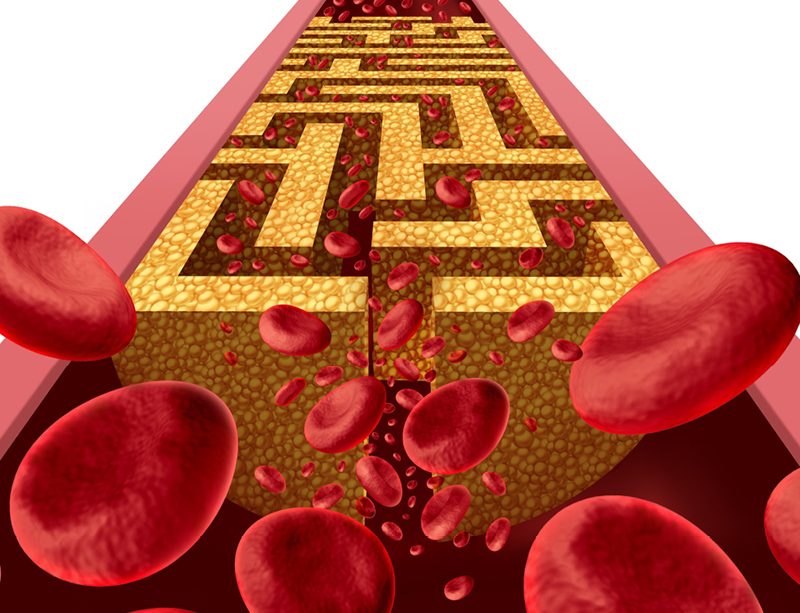
In particular, the formation of small blood clots is common due to an increased concentration of the protein fibrin in the blood. At the same time, there may be an increase in blood viscosity, both of which impair the patency of small blood vessels and the blood supply to tissues. Blood clots can form in the lungs, coronary arteries and other tissues. They then complicate not only the course of the infection itself, but may also contribute to the persistence of the problem after it has resolved.
However, some epigenetic changes have also been demonstrated, i.e. changes in the activity of certain genes. Covid is not exceptional in this respect, as epigenetic changes in our DNA can be caused by a number of other viral infections (and some bacterial infections as well). These include changes that make it easier for viruses to enter human cells or alter the metabolism of the host to facilitate the spread of infection. In the case of covid, however, these changes appear to be particularly extensive, especially in the area of an epigenetic response called gene methylation.
For example, changes in methylation patterns in some blood cells or epigenetic changes related to histamine production have been scientifically confirmed – and many patients have reported a reduction in post-covid symptoms after taking antihistamines.
Some epigenetic changes also generally make their carriers more susceptible to covid infection. For example, if the level of ACE2 gene methylation in the lungs, brain and liver is reduced in a person infected with covid, this makes these organs more vulnerable to covid damage. From this perspective, it is also interesting to note that smokers have on average a higher ACE2 gene activity and are therefore more susceptible to severe covida, and the same is true for cancer patients.
In addition, epigenetic changes associated with COVID-19 infection have been shown to be associated not only with gene methylation but also with two other epigenetic reactions: histone modification and microRNA regulation.
Further research has also confirmed dysfunction of mitochondria, the cellular organelles that convert nutrients into energy, in patients with post-covid syndrome.
Inflammation plays an important role in the disease itself and its consequences. For example, inflammation in the cerebral vasculature has been demonstrated in patients suffering from post-covid syndrome. Interestingly, the so-called spike protein, which allows the virus to penetrate human cells, may play an important role in this regard. Spike-protein is able to cross the blood-brain barrier, which separates the brain from the bloodstream, penetrate brain tissue and trigger the production of inflammatory cytokines.
In many patients, anatomical changes were also observed in connection with the COVID-19 disease, especially in the brain tissue – for example, a reduction in the volume of the grey cortex or changes in the olfactory centre (related to the loss of smell).
Another typical consequence of many infections, including covida, is changes in the composition of the microbiome – mainly the gut microbiome, but also the lung or oral microbiome.
Surprisingly effective in the fight against the long-term consequences of covid prove natural remedies. A number of herbs can provide relief from unpleasant symptoms – for example, those used in traditional Chinese medicine are well researched (their combination with acupuncture has also shown great benefit). But other herbs can also be beneficial, as can nutrients – specifically dietary supplements containing a concentrated form of substances that are common in some foods.
It is a substance found in the soy dish natto. It belongs to the so-called proteolytic enzymes, i.e. protein-degrading enzymes, and it is very effective in breaking down fibrin, which is the cause of small blood clots. This is why it can be very useful in post-covida syndrome. In addition, it also breaks down a protein called spike-protein, which is necessary for the coronavirus to enter the cells, which is useful both in fighting the infection itself and in mitigating its long-term effects.
The group of enzymes contained in pineapple also includes substances with proteolytic and fibrinolytic action. Similar to nattokinase, bromelain is also able to degrade spike-protein and has epigenetic effects that make it able to help the body fight coronavirus infection and post-coronavirus syndrome.
Quercetin is a polyphenol that is found in small concentrations in a wide range of plants and plant foods. When consumed in higher concentrations, i.e. in the form of dietary supplements, it has potent anti-inflammatory and epigenetic effects. It also helps to mitigate the harmful effects of spike-protein. It has been confirmed to have beneficial effects in the acute phase of covid and may also help in the management of post-covid syndrome.
Quercetin can be taken together with bromelain because they act synergistically (i.e. they support each other’s effects). A quadruple combination of bromelain + quercetin + zinc + vitamin C is also suitable.
Ginkgo biloba is known for its ability to improve blood circulation throughout the body, especially to the brain. Therefore, it is particularly effective in alleviating the effects of covida, which are related to the brain and nervous system – whether it is memory and concentration disorders or depression and other psychological problems. But it also helps to protect the tissues of the heart and blood vessels, kidneys, retina and intestines. It also reduces blood viscosity and has anti-inflammatory effects. It has also helped to restore a lost sense of smell in some patients.
Adaptogens, including rhodiola, can help relieve fatigue and other symptoms of post-covid syndrome. In addition, the combination of rhodiola with schizandra and eleutherococcus has been shown to prevent kidney failure in people with post-covid syndrome.
A popular herb in traditional Chinese medicine, also known as “astragalus”, it can restore the disrupted blood-brain barrier, thereby alleviating inflammatory processes in the brain, according to studies. Interestingly, the reduction of inflammation in the brain was also accompanied by a reduction in the effects of covid in the lungs. In addition, valerian effectively supports immunity and has antiviral effects, and as an adaptogen it helps to alleviate fatigue.
Astragalus can be combined with the spiny eleutherococcus.
The association of this vitamin level with covida infection was already mentioned at the beginning of the pandemic. It is a vitamin with very extensive epigenetic effects (controlling about 3% of the human genome), which is essential for immunity regulation and defence against viral infections. In the case of covid, it is particularly important because it reduces the activity of the ACE2 gene, thereby helping to prevent severe disease. It is also anti-inflammatory, helping to dampen the so-called cytokine storm (extreme inflammation due to a covid infection). Vitamin D deficiency is extremely common in the population and has also been confirmed in 85% of patients with severe covid requiring ICU admission. Vitamin D3 supplementation in these individuals then led to a reduction in mortality and a reduction in the length of hospital stay.
Although the role of vitamin D in post-covid syndrome has not yet been reliably established, it can be assumed that its use may be beneficial in this case as well.
PŘIHLASTE SE K ODBĚRU NOVINEK A MĚJTE VŽDY ČERSTVÉ INFORMACE
| Cookie | Duration | Description |
|---|---|---|
| cookielawinfo-checkbox-analytics | 11 měsíců | Tento soubor cookie je nastaven pluginem GDPR Cookie Consent. Soubor cookie se používá k uložení souhlasu uživatele s používáním souborů cookie v kategorii „Analytika“. |
| cookielawinfo-checkbox-functional | 11 měsíců | Soubor cookie je nastaven na základě souhlasu s cookie GDPR k zaznamenání souhlasu uživatele pro soubory cookie v kategorii „Funkční“. |
| cookielawinfo-checkbox-necessary | 11 měsíců | Tento soubor cookie je nastaven pluginem GDPR Cookie Consent. Cookies slouží k uložení souhlasu uživatele s cookies v kategorii „Nezbytné“. |
| cookielawinfo-checkbox-others | 11 měsíců | Tento soubor cookie je nastaven pluginem GDPR Cookie Consent. Cookie se používá k uložení souhlasu uživatele s cookies v kategorii „Jiné. |
| cookielawinfo-checkbox-performance | 11 měsíců | Tento soubor cookie je nastaven pluginem GDPR Cookie Consent. Cookie se používá k uložení souhlasu uživatele s cookies v kategorii „Výkon“. |
| elementor | nikdy | Tento soubor cookie používá téma WordPress webu. Umožňuje vlastníkovi webu implementovat nebo měnit obsah webu v reálném čase. |
| viewed_cookie_policy | 11 měsíců | Soubor cookie je nastaven pluginem GDPR Cookie Consent a používá se k uložení, zda uživatel souhlasil nebo nesouhlasil s používáním souborů cookie. Neukládá žádné osobní údaje. |
| Cookie | Duration | Description |
|---|---|---|
| sb | 2 roky | Tento soubor cookie používá Facebook ke kontrole svých funkcí, shromažďování jazykových nastavení a sdílení stránek. |
| Cookie | Duration | Description |
|---|---|---|
| _ga | 2 roky | Soubor _ga cookie, nainstalovaný službou Google Analytics, vypočítává údaje o návštěvnících, relacích a kampaních a také sleduje využití webu pro analytický přehled webu. Soubor cookie ukládá informace anonymně a přiřazuje náhodně vygenerované číslo k rozpoznání unikátních návštěvníků. |
| _gat_gtag_UA_71041054_1 | 1 minuta | Nastaveno Googlem k rozlišení uživatelů. |
| _gid | 1 den | Soubor cookie _gid nainstalovaný službou Google Analytics ukládá informace o tom, jak návštěvníci používají webovou stránku, a zároveň vytváří analytickou zprávu o výkonu webu. Některá data, která jsou shromažďována, zahrnují počet návštěvníků, jejich zdroj a stránky, které anonymně navštěvují. |
| Cookie | Duration | Description |
|---|---|---|
| fr | 3 měsíce | Facebook nastavuje tento soubor cookie tak, aby uživatelům zobrazoval relevantní reklamy sledováním chování uživatelů na webu, na stránkách, které mají Facebook pixel nebo sociální plugin Facebooku. |
| _fbp | 3 měsíce | Tento soubor cookie je nastaven společností Facebook, aby po návštěvě webové stránky zobrazoval reklamy na Facebooku nebo na digitální platformě založené na reklamě na Facebooku. |
| Cookie | Duration | Description |
|---|---|---|
| pvc_visits[0] | 1 minuta | Tento soubor cookie vytváří počítadlo po zhlédnutí. Tento soubor cookie se používá k počítání počtu návštěv příspěvku. Pomáhá také zabránit opakovanému zobrazení příspěvku návštěvníkem. |