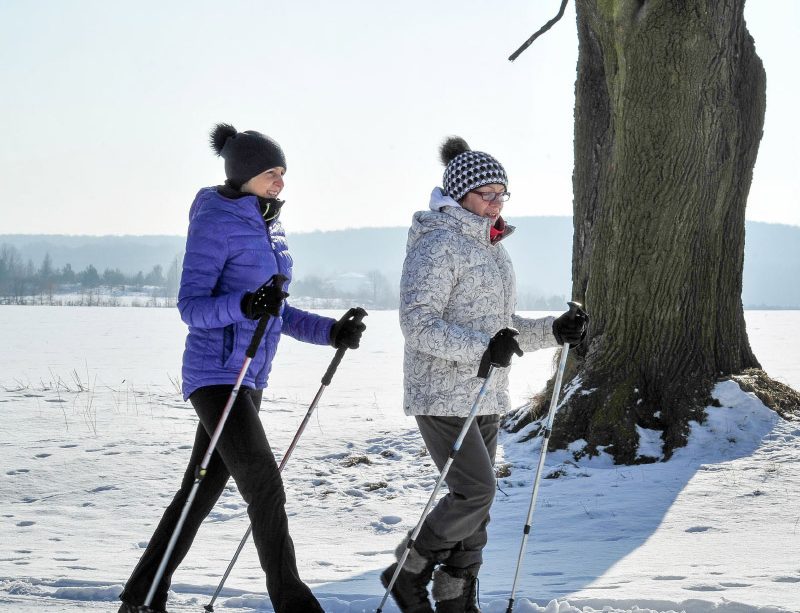
Most people who choose to engage in regular physical activity do so because they are overweight. But exercise is fundamentally important for everyone, regardless of body weight or age. It is a very significant epigenetic factor that effectively regulates the activity of a number of important genes in our DNA.
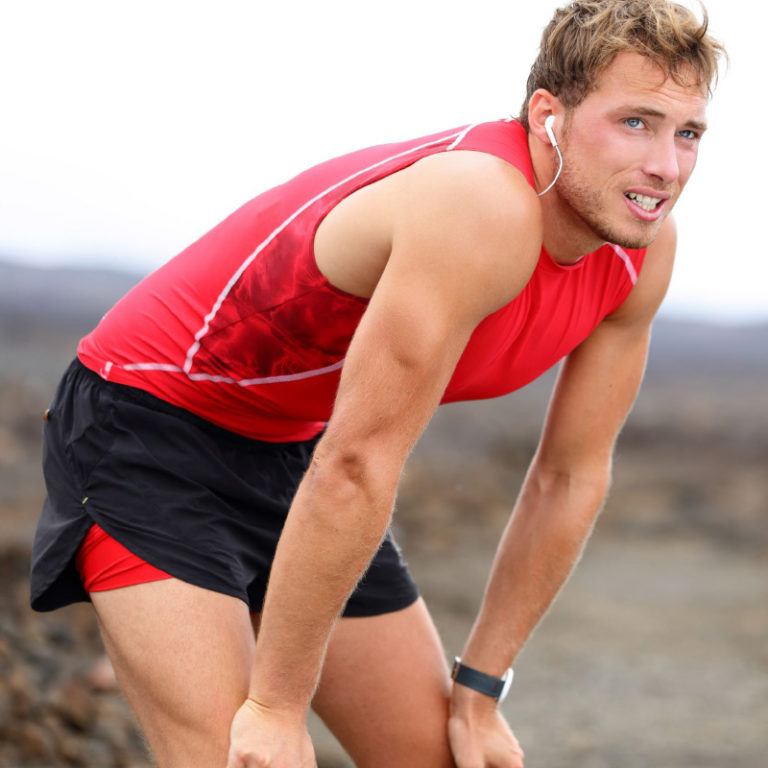
Every athlete is familiar with muscle pain on the first and second day after exercise. Most people believe that its cause is lactic acid, or lactate, which has accumulated in the muscles. But this is a big mistake. Lactic acid is a product of “imperfect” glucose burning. It begins to form when the body does not have enough oxygen during intense exercise, and because there is still a considerable amount of energy stored in it, the body continues to use it after the exercise. Thus, an hour after the end of physical activity, the level of lactic acid in the body is already very low. The reason for the pain is therefore completely different.
Intense exercise causes microscopic injuries in muscle fibres, resulting in inflammatory processes that are part of healing and, according to some findings, even play a direct role in muscle adaptation to exercise – substances called cytokines, which are involved in inflammatory processes, also affect protein metabolism. The gradual increase in the intensity of inflammatory processes is, by the way, the reason why muscles hurt the most not immediately after the load, but only on the second and third day.
The good news is that if you endure, the pain will occur much less often, because due to the adaptation to regular exercise, the resistance of muscle fibres will increase and the overall level of inflammation in the body will be lower. The problem with inflammation in muscles, however, is not just that they hurt, but also that their strength and overall ability to perform work decreases. Fighting inflammation is therefore an important part of recovery because the sooner it subsides, the sooner we can undergo further intense exercise.
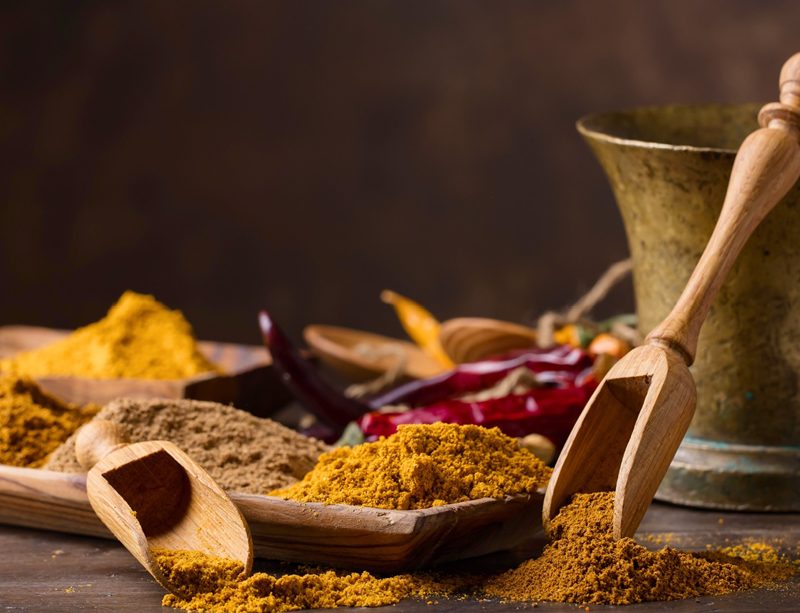
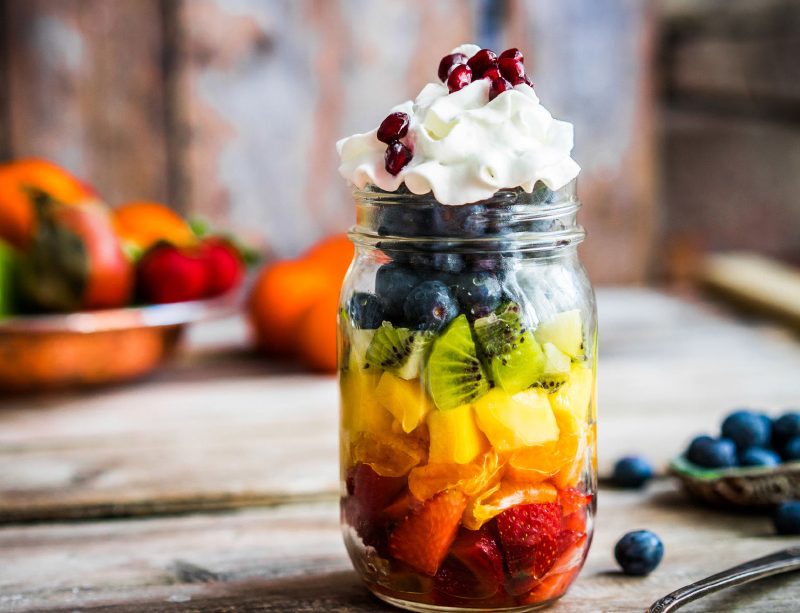
An important means to help us reduce inflammation is dietary modification. It is advisable to limit foods that increase inflammation (especially simple sugars) and increase the consumption of anti-inflammatory ones, such as vegetables, fish oil (rich in anti-inflammatory omega-3 unsaturated fatty acids), olive oil, many types of spices, etc.
Taking supplements with anti-inflammatory effects that work through epigenetic pathways can be very effective. Particularly useful are those that, in addition to regulating the production of cytokines, also regulate the production of the enzyme COX-2, which plays a crucial role in the development of inflammation. These include curcumin, quercetin, ginger (shogaol), pomegranate, EGCG and others. In addition, all of these substances improve the body’s adaptive response to stress, which translates into performance gains.
It is also worthwhile to consume antioxidants, as free oxygen radicals contribute significantly to the inflammatory response. They stimulate the production of the transcription factor NF-kB, which in turn influences the activity of genes responsible for inflammatory responses. The antioxidant enzyme superoxide dismutase (SOD) can fight oxygen radicals very effectively. It is produced in our body, but it is also present in relatively high amounts in so-called green foods, especially young barley and young wheat. However, it is also worth taking much more “common” antioxidants such as vitamin C, vitamin E or anthocyanins from berries. These have been shown to reduce inflammation and speed up regeneration.
In the case of joint pain, it is necessary to distinguish what causes it. Particularly in older people, it is often arthritis, a degenerative joint disease that causes cartilage loss in the first stage and later damages other joint structures. In the case of arthrosis, movement is very important because cartilage has no vascular supply of its own and its regular compression during cyclic movement promotes the penetration of nutrients and the removal of metabolic wastes. However, it is necessary to choose forms of movement that do not promote further damage to the joint.
However, arthritis is also accompanied by a number of epigenetic changes and therefore responds well to dietary supplements with epigenetic effects. Positive effects have been shown for example with boswellia, curcumin or genistein.
What looks like joint pain is often actually tendon and muscle pain. Here too, inflammation is very often present, but unfortunately it is often chronic inflammation, caused by overloading the body part in question. Epigenetic dietary supplements with anti-inflammatory effects (curcumin, boswellia, ginger, rosemary, etc.) can therefore help significantly here too, but at the same time the cause of the congestion must be eliminated. This often lies in incorrect technique of movement execution, poorly functioning body stabilization, muscular or other imbalances. Therefore, to truly correct the problem, it is advisable to work with an experienced physiotherapist.
A separate chapter is the use of drugs that relieve inflammation and pain, such as ibuprofen (Ibalgin), Aspirin and other drugs belonging to the category of non-steroidal antirheumatic drugs. While these effectively suppress the production of the inflammatory enzyme COX-2, they also do the same to another similar substance, COX-1, which plays an important role in protecting the lining of the stomach and duodenum. When COX-1 is deficient, the mucosal protection against the action of stomach acids does not work and the mucosa is disrupted, which can lead to life-threatening bleeding.
Non-steroidal antirheumatic drugs also increase the risk of heart attack and stroke after just one week of use (this is not the case with aspirin, which has a positive effect in small doses). They also increase the risk of inflammatory bowel disease, kidney problems and possibly erectile dysfunction.
Suppression of COX-2 production is entirely appropriate, and not only in terms of inflammation. In the elderly, for example, it has been shown that when cyclooxygenase inhibitors are used in conjunction with weight training, there is a greater increase in muscle strength. However, we should use natural remedies that not only do not interfere with COX-1 production, but even promote it (rosemary, curcumin, etc.).
PŘIHLASTE SE K ODBĚRU NOVINEK A MĚJTE VŽDY ČERSTVÉ INFORMACE
| Cookie | Duration | Description |
|---|---|---|
| cookielawinfo-checkbox-analytics | 11 měsíců | Tento soubor cookie je nastaven pluginem GDPR Cookie Consent. Soubor cookie se používá k uložení souhlasu uživatele s používáním souborů cookie v kategorii „Analytika“. |
| cookielawinfo-checkbox-functional | 11 měsíců | Soubor cookie je nastaven na základě souhlasu s cookie GDPR k zaznamenání souhlasu uživatele pro soubory cookie v kategorii „Funkční“. |
| cookielawinfo-checkbox-necessary | 11 měsíců | Tento soubor cookie je nastaven pluginem GDPR Cookie Consent. Cookies slouží k uložení souhlasu uživatele s cookies v kategorii „Nezbytné“. |
| cookielawinfo-checkbox-others | 11 měsíců | Tento soubor cookie je nastaven pluginem GDPR Cookie Consent. Cookie se používá k uložení souhlasu uživatele s cookies v kategorii „Jiné. |
| cookielawinfo-checkbox-performance | 11 měsíců | Tento soubor cookie je nastaven pluginem GDPR Cookie Consent. Cookie se používá k uložení souhlasu uživatele s cookies v kategorii „Výkon“. |
| elementor | nikdy | Tento soubor cookie používá téma WordPress webu. Umožňuje vlastníkovi webu implementovat nebo měnit obsah webu v reálném čase. |
| viewed_cookie_policy | 11 měsíců | Soubor cookie je nastaven pluginem GDPR Cookie Consent a používá se k uložení, zda uživatel souhlasil nebo nesouhlasil s používáním souborů cookie. Neukládá žádné osobní údaje. |
| Cookie | Duration | Description |
|---|---|---|
| sb | 2 roky | Tento soubor cookie používá Facebook ke kontrole svých funkcí, shromažďování jazykových nastavení a sdílení stránek. |
| Cookie | Duration | Description |
|---|---|---|
| _ga | 2 roky | Soubor _ga cookie, nainstalovaný službou Google Analytics, vypočítává údaje o návštěvnících, relacích a kampaních a také sleduje využití webu pro analytický přehled webu. Soubor cookie ukládá informace anonymně a přiřazuje náhodně vygenerované číslo k rozpoznání unikátních návštěvníků. |
| _gat_gtag_UA_71041054_1 | 1 minuta | Nastaveno Googlem k rozlišení uživatelů. |
| _gid | 1 den | Soubor cookie _gid nainstalovaný službou Google Analytics ukládá informace o tom, jak návštěvníci používají webovou stránku, a zároveň vytváří analytickou zprávu o výkonu webu. Některá data, která jsou shromažďována, zahrnují počet návštěvníků, jejich zdroj a stránky, které anonymně navštěvují. |
| Cookie | Duration | Description |
|---|---|---|
| fr | 3 měsíce | Facebook nastavuje tento soubor cookie tak, aby uživatelům zobrazoval relevantní reklamy sledováním chování uživatelů na webu, na stránkách, které mají Facebook pixel nebo sociální plugin Facebooku. |
| _fbp | 3 měsíce | Tento soubor cookie je nastaven společností Facebook, aby po návštěvě webové stránky zobrazoval reklamy na Facebooku nebo na digitální platformě založené na reklamě na Facebooku. |
| Cookie | Duration | Description |
|---|---|---|
| pvc_visits[0] | 1 minuta | Tento soubor cookie vytváří počítadlo po zhlédnutí. Tento soubor cookie se používá k počítání počtu návštěv příspěvku. Pomáhá také zabránit opakovanému zobrazení příspěvku návštěvníkem. |