Do you want to lose weight? Support your mitochondria!
epivyziva.cz/
Zobrazeno: 692
Reduce energy intake, increase energy expenditure – this is the main mantra of everyone who is trying to lose some weight. But increasing your output doesn’t just mean moving a lot. In fact, the reason why energy intake often outweighs energy output, even when we eat relatively little and move around, may be hidden inside our cells – in the mitochondria.
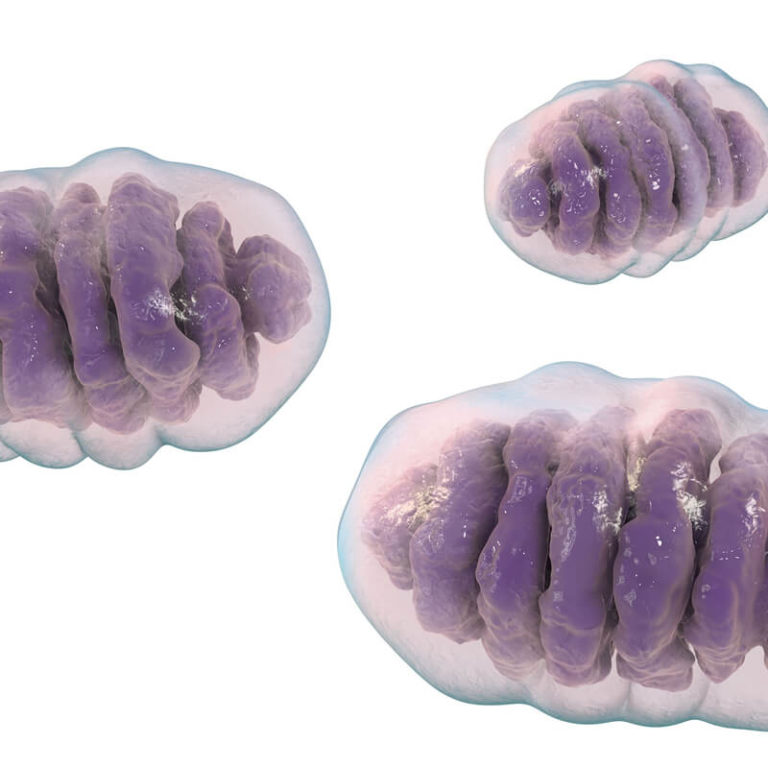
Mitochondria are organelles that are often called “cellular powerhouses”. Their main task is to “burn”, i.e. oxidize nutrients, and thus obtain energy for the functioning of all cells in the body. When the mitochondria are not functioning properly, cells become impoverished, which can lead to some serious diseases, including Alzheimer’s disease and autism. However, the same problem occurs in the case of obesity.
More about mitochondria: https://www.epivyziva.cz/mitochondrie-klic-k-dlouhovekosti/
It’s actually logical: when the mitochondria are not functioning properly, they produce little energy, so energy expenditure decreases. But when their function improves, or even when their number in the cells increases, we get the ideal conditions for our body to start “burning” better.
“I’ll gain weight from water”
If we want to improve mitochondrial function, it is important to know one important thing: mitochondria have their own DNA inside. Their functioning therefore does not depend so much on the genes stored in the cell nucleus, because they carry their own genes.
Obese people have on average fewer copies of DNA in their mitochondria than lean people. Not only that, but their mitochondrial DNA is much more affected by an epigenetic reaction called methylation, which reduces the activity of individual genes in the DNA and can even turn them off completely. Thus, the number of active genes in the mitochondria of an obese person may be many times smaller than in a lean individual.
This affects the function of mitochondria quite significantly – their ability to produce energy decreases, and with it the total energy expenditure. The consequence is the feeling that one may “gain weight even from water”. In particular, the mitochondria’s ability to oxidise fatty acids, and therefore to use fat stores as fuel, is fundamentally affected. This significantly impairs the body’s willingness to lose weight.
All tissues in the body react to mitochondrial dysfunction, but in some tissues it is more pronounced. First of all, it is the brain, where the subsequent lack of cellular energy is related to the onset of Alzheimer’s disease, but mitochondrial dysfunction is also very pronounced in adipose tissue, where the number of mitochondria, as well as their size and shape, decreases.
In the main role of insulin
It also appears that mitochondrial function is closely related to insulin resistance, or reduced tissue sensitivity to insulin. This condition is very common in people with type II diabetes. This is because, unlike type I, it is not so much due to insufficient insulin production, but because the tissues are less sensitive to this hormone, and because of this the blood sugar level rises.
More about diabetes here: https://www.epivyziva.cz/nejlepsi-prevence-cukrovky-pohyb/
High glucose levels are dangerous because of their negative effects on mitochondria. It increases the intensity of processes that “switch off” genes in mitochondrial DNA. Thus, if the level of sugars is high due to insulin resistance, the function of all mitochondria in the body is impaired. And this means not only reduced energy production, but also an increased risk of a number of diseases.
Therefore, an important step to promote weight loss is to reduce insulin resistance and thus blood sugar levels. Of course, dietary modification is essential here, particularly in terms of limiting total carbohydrate intake, especially those with a high glycaemic index, which cause a rapid rise in glucose levels. This includes in particular sweets, white flour products, but also many highly processed foods.
Promoting the production of the enzyme AMPK (activated protein kinase) is a very effective way to reduce insulin resistance and blood sugar levels. This enzyme significantly improves the function of mitochondria and promotes their proliferation. At the same time, it makes glucose transport from the blood to the muscles more efficient and also promotes alternative energy pathways, i.e. the use of fats instead of sugars.
Regular exercise is a very effective activator of AMPK. General restriction of energy intake also works, as does emphasis on reducing the intensity of inflammatory processes in the body. When the level of inflammation is high, AMPK production decreases. Obesity is characterised by the fact that chronic inflammation is constantly taking place in the body, but this also makes the willingness to lose weight worse. Therefore, reducing pro-inflammatory components of the diet (again, especially high sugar intake) and adding anti-inflammatory components such as vegetables, olive oil, fish and seafood can be effective.
In addition to sugar levels, mitochondrial function is also negatively affected by blood fat levels.
The key role of the sirtuins
Enzymes called sirutins play a very crucial role in mitochondrial function. These are often mentioned in connection with ageing – because if the body produces a deficiency of sirtuins, we age faster. But one of them, SIRT1, also significantly reduces the activity of the DNMT1 gene in mitochondrial DNA, which is closely linked to weight gain.
For example, intermittent fasting is an effective way to activate sirtuins, which has become very popular in recent years for weight loss, but it can also slow down the rate of ageing.
More about intermittent fasting here: https://www.epivyziva.cz/cesta-k-dlouhovekosti-a-zdravi-zkuste-prerusovany-pust/
Why support the gut microbiome?
The balance of the gut microbiome is absolutely crucial for the health of the whole body. The presence of butyrate-producing bacteria is particularly important in terms of its effect on mitochondria. This short-chain fatty acid can, firstly, serve as a source of energy for the mitochondria and, secondly, significantly support their function in terms of improving energy production. Butyrate even affects the activity of some mitochondrial DNA genes, protecting mitochondria from damage, and even increasing the sensitivity of cells to insulin, so it can help to alleviate insulin resistance.
Consuming fibre as food is particularly important for promoting the growth of the right bacteria. Fructooligosaccharides, which are found in chicory and some mushrooms, are particularly beneficial, and a high consumption of vegetables in general is also important.
Targeting microRNAs
microRNAs are short chains of ribonucleic acids that carry no genetic information, but can completely block the process by which DNA makes proteins. The action of microRNAs is therefore, like DNA methylation, an epigenetic process that affects the activity of individual genes.
Recent research has shown that microRNAs are associated with mitochondrial function and obesity – in fact, obese people have concentrations of individual microRNAs that differ from lean people. Mitochondria in the so-called brown adipose tissue, which is normally able to produce high amounts of energy during thermoregulation, are particularly sensitive to changes in their levels. And it is the dysfunction of mitochondria in brown adipose tissue that affects mitochondrial function quite profoundly.
Improving the microRNA balance can be achieved primarily by improving the quality of diet and getting enough exercise.
And there’s that movement again.
Yes, we write about him in almost every article, but that’s just the way it is: Movement is one of the most important factors influencing epigenetic reactions in the body, so it is absolutely essential for both weight loss and health maintenance.
In weight loss, movement is obviously important for increasing overall energy expenditure, but it also plays an important role in its ability to support mitochondrial function and influence epigenetic reactions in the body. Thus, although it has a much lower impact on the energy balance itself than, say, dietary modification, its ability to increase the body’s willingness to lose weight makes its role quite crucial.
And what movement to choose? In terms of mitochondrial growth (mainly in muscle tissue), low-intensity physical activities such as those between 60-65% of maximum heart rate are ideal. This means that it is not necessary to run around the park right away, as this intensity corresponds to running only in well-trained persons. The majority of the population is more likely to reach this intensity during brisk walking, and cycling or vigorous swimming are also suitable. Another advantage of such low intensities is that they significantly increase the body’s willingness to use fat as fuel. In addition, they are also relatively safe.
According to research, it is also effective to start with low intensity in one physical activity, followed by moderate intensity (about 70-80% of maximum heart rate). To give you an idea – this may already represent running for a larger proportion of the population, but still far from everyone.
High-intensity physical activities also work well to support mitochondrial function and AMPK production, but these should only be undertaken by healthy people – especially untrained people over 40 years of age should definitely not undertake them without a medical examination.
Smart dietary supplements
A number of herbs and nutrients have a relatively strong ability to support mitochondrial function as well as AMPK production, DNA methylation or microRNA production. Here are some tips.
Quercetin – this substance is very effective for overweight people, even diabetics. It increases the production of AMPK in the muscles, adipose tissue and liver, but at the same time limits its production in the hypothalamus, so there is no increase in appetite. It is also one of the very effective sirtuin activators and reduces insulin resistance.
Resveratrol – is one of the most effective sirtuin activators, increases the production of AMPK in muscle tissue, has a positive effect on the gut microbiome, reduces the level of inflammation in the body and insulin resistance. In addition, it is a phytoestrogen that is able to alleviate weight gain in menopausal women.
Genistein, an epigenetic substance from soybeans, alleviates insulin resistance and is also an AMPK activator. As a phytoestrogen, it is also very effective in menopausal women.
Curcumin – it is one of the natural substances with the most significant epigenetic effects. It helps to regulate the rate of DNA methylation and the production of microRNAs, promotes the production of AMPK in the muscles and liver, and has significant anti-inflammatory effects. It also helps to reduce insulin resistance.
EGCG – epigallocatechin gallate is known for its effects on weight loss. It owes its ability to activate AMPK as well as support the body’s ability to use fat as an energy source.
Butyrate, a short-chain fatty acid, is an important source of energy for mitochondria and supports their function. It is produced by bacteria that are part of the gut microbiome, but it is also possible to increase its blood levels through the use of dietary supplements.
Glycine – this is an amino acid that is a common part of the diet. However, when it was also given to very old people (over 90 years old), they experienced a significant improvement in mitochondrial function.
Vitamin B2 – from this vitamin derives a substance called flavin adenine dinucleotide, which is essential for mitochondrial function.
OPCs – oligomeric proanthocyanidins, which are found for example in grape seeds, are among the very effective regulators of microRNAs. In addition, they significantly improve the function of mitochondria and protect them from the action of free radicals. They are particularly effective on mitochondria in brown adipose tissue. They also reduce insulin resistance.
0:00
/
0:00
Stárnutí je volba
Klíčová slova: ageing, AMPK, brown fat, Butyrate, curcumin, diabetes, egcg, fat burning, Genistein, insulin resistance, microbiome, Mitochondria, obesity, opc, quercetin, resveratrol, sirtuins, weight loss
Komentáře
Seznam zdrojů
- Louise D. Zheng, Leah E. Linarelli, Longhua Liu, Sarah S. Wall, Mark H. Greenawald, Richard W. Seidel, Paul A. Estabrooks, Fabio A. Almeida, and Zhiyong Cheng. Insulin resistance is associated with epigenetic and genetic regulation of mitochondrial DNA in obese humans. Clin Epigenetics. 2015; 7(1): 60.
- Lowell BB, Shulman GI. Mitochondrial dysfunction and type 2 diabetes. Science. 2005;307(5708):384–7.
- Rocha M, Rovira-Llopis S, Banuls C, Bellod L, Falcon R, Castello R, et al. Mitochondrial dysfunction and oxidative stress in insulin resistance. Curr Pharm Des. 2013;19(32):5730–41.
- Muoio DM, Neufer PD. Lipid-induced mitochondrial stress and insulin action in muscle. Cell Metab. 2012;15(5):595–605.
- de Kreutzenberg SV, Ceolotto G, Papparella I, Bortoluzzi A, Semplicini A, Dalla Man C, et al. Downregulation of the longevity-associated protein sirtuin 1 in insulin resistance and metabolic syndrome: potential biochemical mechanisms. Diabetes. 2010;59(4):1006–15.
- Morgan D. Fullerton and Gregory R. Steinberg. SIRT1 Takes a Backseat to AMPK in the Regulation of Insulin Sensitivity by Resveratrol. Diabetes 2010 Mar; 59(3): 551-553.
- Joungmok Kim, Goowon Yang, Yeji Kim, Jin Kim, and Joohun Ha. AMPK activators: mechanisms of action and physiological activities. Exp Mol Med. 2016 Apr; 48(4): e224. https://www.ncbi.nlm.nih.gov/pmc/articles/PMC4855276/
- Zhang QY, Pan Y, Wang R, Kang LL, Xue QC, Wang XN, Kong LD. Quercetin inhibits AMPK/TXNIP activation and reduces inflammatory lesions to improve insulin signaling defect in the hypothalamus of high fructose-fed rats. J Nutr Biochem. 2014 Apr;25(4):420-8. doi: 10.1016/j.jnutbio.2013.11.014.
- Lorente-Cebrián S, Bustos M, Marti A, Martinez JA, Moreno-Aliaga MJ. Eicosapentaenoic acid stimulates AMP-activated protein kinase and increases visfatin secretion in cultured murine adipocytes. Clin Sci (Lond). 2009 Aug 14;117(6):243-9.
- García-Prieto CF, Gil-Ortega M, Aránguez I, Ortiz-Besoain M, Somoza B, Fernández-Alfonso MS. Vascular AMPK as an attractive target in the treatment of vascular complications of obesity. Vascul Pharmacol. 2015 Apr-Jun;67-69:10-20.
- Elizabeth V. Menshikova, Vladimir B. Ritov, Liane Fairfull, Robert E. Ferrell, David E. Kelley, and Bret H. Goodpaster. Effects of Exercise on Mitochondrial Content and Function in Aging Human Skeletal Muscle. J Gerontol A Biol Sci Med Sci. 2006 Jun; 61(6): 534–540. https://www.ncbi.nlm.nih.gov/pmc/articles/PMC1540458/
- Tamilarasan Udhayabanu, Andreea Manole,Mohan Rajeshwari, Perumal Varalakshmi, Henry Houlden, and Balasubramaniem Ashokkumar. Riboflavin Responsive Mitochondrial Dysfunction in Neurodegenerative Diseases. J Clin Med. 2017 May; 6(5): 52.
- Bruce CR, Anderson MJ, Carey AL, et al. Muscle oxidative capacity is a better predictor of insulin sensitivity than lipid status. Journal of Clinical Endocrinology & Metabolism. 2003;88:5444–5451.
- Hong J, et al. Butyrate alleviates high fat diet-induced obesity through activation of adiponectin-mediated pathway and stimulation of mitochondrial function in the skeletal muscle of mice. Oncotarget. 2016;7:56071–56082.
- Sébastien Herzig and Reuben J. Shaw. AMPK: guardian of metabolism and mitochondrial homeostasis. Nat Rev Mol Cell Biol. Author manuscript; available in PMC 2018 Feb 1.
- Mora Murri and Hamid el Azzouzi. MicroRNAs as regulators of mitochondrial dysfunction and obesity. American Journal of Physiology. 08 AUG 2018.
- David J. Bishop a kol. High-Intensity Exercise and Mitochondrial Biogenesis: Current Controversies and Future Research Directions. Physiology. 12 DEC 2018.
- Síun P Campbell-O‘Sullivan, Dumitru Constantin-Teodosiu, Nicholas Peirce, and Paul L Greenhaff. Low intensity exercise in humans accelerates mitochondrial ATP production and pulmonary oxygen kinetics during subsequent more intense exercise. J Physiol. 2002 Feb 1; 538(Pt 3): 931–939.
- Han Dai, David A. Sinclair, James L. Ellis, and Clemens Steegborn. Sirtuin activators and inhibitors: Promises, achievements, and challenges. Pharmacol Ther. 2018 Aug; 188: 140–154.
- Chia-Chi Chuang, Kristina Martinez, Guoxiang Xie, Arion Kennedy, Akkarach Bumrungpert, Angel Overman, Wei Jia, Michael K McIntosh. Quercetin is equally or more effective than resveratrol in attenuating tumor necrosis factor-{alpha}-mediated inflammation and insulin resistance in primary human adipocytes. Am J Clin Nutr. 2010 Dec;92(6):1511-21.
- Morgan D. Fullerton and Gregory R. Steinberg. SIRT1 Takes a Backseat to AMPK in the Regulation of Insulin Sensitivity by Resveratrol. Diabetes 2010 Mar; 59(3): 551-553.
- Sung MM, Kim TT, Denou E, Soltys CM, Hamza SM, Byrne NJ, Masson G, Park H, Wishart DS, Madsen KL, et al. Improved Glucose Homeostasis in Obese Mice Treated With Resveratrol Is Associated With Alterations in the Gut Microbiome. Diabetes 2017;66(2):418-25.
- Medina-Franco JL, Lopez-Vallejo F, Kuck D, Lyko F (2010) Natural products as DNA methyltransferase inhibitors: a computer-aided discovery approach. Mol Divers.
- Sun M, Estrov Z, Ji Y, Coombes KR, Harris DH, Kurzrock R. Curcumin (diferuloylmethane) alters the expression profiles of microRNAs in human pancreatic cancer cells. Mol Cancer Ther. 2008;7:464–473.
- Aggarwal BB. Targeting inflammation-induced obesity and metabolic diseases by curcumin and other nutraceuticals. Annu Rev Nutr 2010;30:173–199
- Weisberg SP, Leibel R, Tortoriello DV. Dietary curcumin significantly improves obesity-associated inflammation and diabetes in mouse models of diabesity.Endocrinology 2008;149:3549–3558
- Esquela-Kerscher A, Slack FJ. Oncomirs – microRNAs with a role in cancer. Nat Rev Cancer 2006;6:259–69
- Pajuelo D, Quesada H, Díaz S, Fernández-Iglesias A, Arola-Arnal A, Bladé C, Salvadó J, Arola L. Chronic dietary supplementation of proanthocyanidins corrects the mitochondrial dysfunction of brown adipose tissue caused by diet-induced obesity in Wistar rats. Br J Nutr. 2012 Jan;107(2):170-8.
- Aline Fagundes Cerbaro, Victoria Soldatelli Borges Rodrigues, Marina Rigotti, Catia Santos Branco, Giovana Rech, Diogo Losch de Oliveira, Mirian Salvador. Grape seed proanthocyanidins improves mitochondrial function and reduces oxidative stress through an increase in sirtuin 3 expression in EA.hy926 cells in high glucose condition. Mol Biol Rep. 2020 May;47(5):3319-3330
- Liu M., Yun P., Hu Y., Yang J., Khadka R.B., Peng X. Effects of Grape Seed Proanthocyanidin Extract on Obesity. Obes Facts 2020;13:279–291